Recovering from sinus surgery needs careful attention to your body’s needs. To ensure a smooth and speedy recovery, rest, stay hydrated, and keep your head elevated. These tips can help reduce inflammation and promote healing. By following these guidelines, you can minimize discomfort and get back to your normal routine quickly.
Most patients can return to work within a week after. But, it’s key to follow your doctor’s specific instructions for a successful recovery. Advanced medical centers use the latest protocols to support patients during their recovery journey.
Key Takeaways
- Prioritize rest and hydration to aid in the healing process.
- Keep your head elevated to reduce inflammation.
- Follow your doctor’s instructions for post-operative care.
- Most patients return to work within a week.
- Advanced medical centers provide complete support for a smooth recovery.
Understanding Sinus Surgery and Recovery Expectations
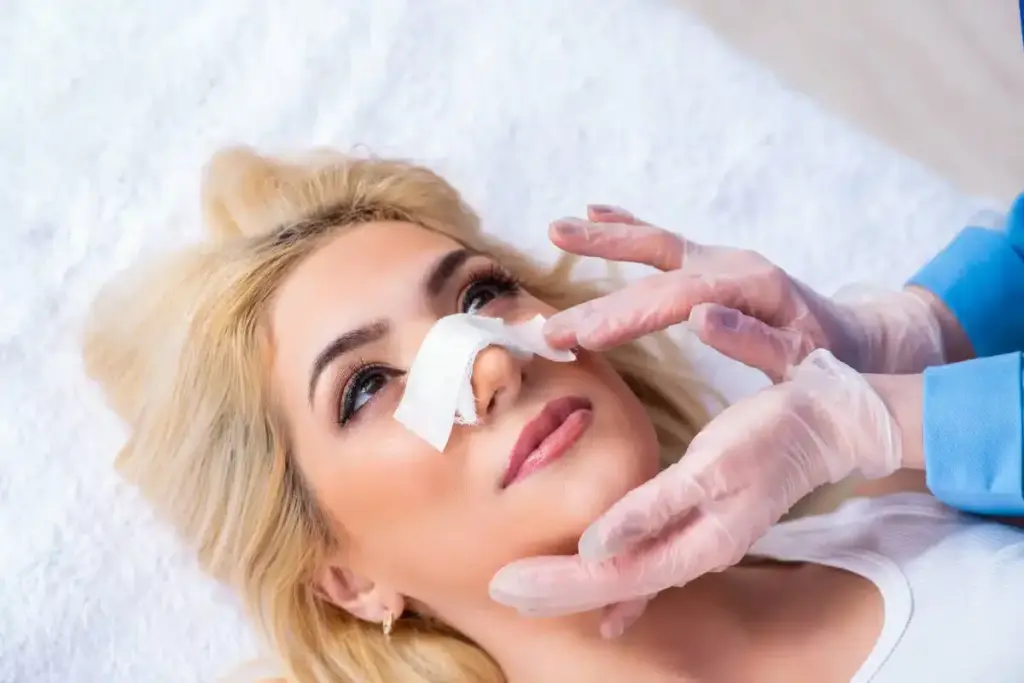
It’s important for patients to understand sinus surgery to manage their recovery well. This surgery helps with chronic sinusitis, nasal polyps, and other issues. We’ll explain the different surgeries and what to expect during recovery.
Types of Sinus Surgeries
There are many sinus surgeries, with Functional Endoscopic Sinus Surgery (FESS) being common. FESS is a small procedure that uses an endoscope to see inside the sinuses. It removes diseased tissue and bone precisely.
Other surgeries include balloon sinuplasty, which uses a balloon to open the sinuses, and traditional sinus surgery. This is more invasive and used for complex cases.
Normal Recovery Timeline
The recovery time for sinus surgery varies. After FESS or balloon sinuplasty, patients often see big improvements in 2-4 weeks. Traditional surgeries may take longer, up to 6 weeks or more.
It’s key to follow your doctor’s advice for a smooth recovery.
Factors Affecting Recovery Speed
Many things can affect how fast you recover from sinus surgery. Your health, the surgery’s complexity, and following post-op instructions are important. Smokers and those with health issues may recover slower.
Eating well, staying hydrated, and resting enough can help your recovery.
Essential Steps for Successful Sinuses Surgery Recovery
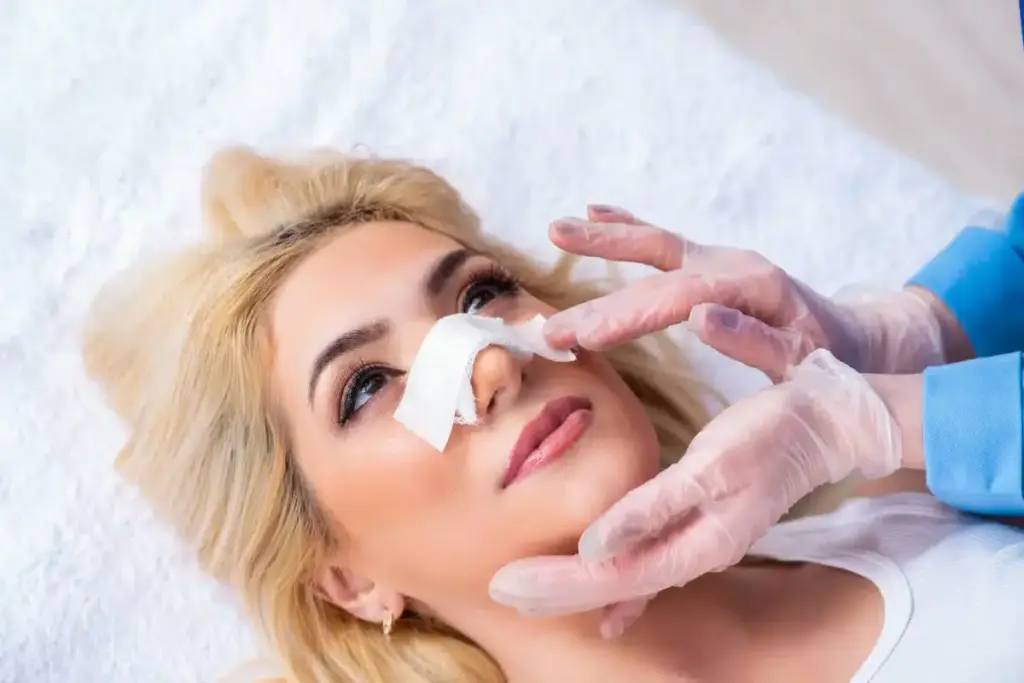
Recovering well from sinus surgery begins with knowing what to do before and after. A good plan can make your recovery easier and faster. This means less pain and fewer problems.
Pre-Surgery Preparations
Getting ready for sinus surgery is key to a good recovery. Before the procedure, listen to your doctor’s advice. This might include:
- Stopping certain medications that could interfere with surgery or recovery
- Arranging for someone to drive you home after the surgery
- Preparing your home for a comfortable recovery
Talking about your health history and worries with your doctor is also important. It helps spot risks and find ways to avoid them.
Setting Up Your Recovery Space
Having a good recovery area is important for feeling better and healing faster. Think about setting up a recovery space in a quiet, cozy spot at home. It should be a place where you can relax without distractions.
Make sure this area has everything you need close by. This way, you won’t have to get up and move around too much. You’ll need:
- Pillows and blankets for comfort
- Entertainment such as books, TV, or a tablet
- Water and other hydrating fluids
Essential Supplies to Have on Hand
Having the right things can really help your recovery. Some essential items to have ready include:
- Saline nasal sprays or rinses as recommended by your doctor
- Prescription medications and any necessary documentation
- Comfortable clothing and loose-fitting shirts to avoid irritation
It’s also smart to have healthy, easy-to-make foods like soups or smoothies. They can help you recover better.
Immediate Post-Operative Care
Knowing the key steps for post-operative care is vital for a smooth recovery from sinus surgery. The actions you take in the first days can greatly affect your healing and return to normal life.
First 24-48 Hours After Surgery
The first 24-48 hours are very important. Rest at home and avoid hard activities. Keep your head up while sleeping to lessen swelling.
Some bleeding or discharge is normal. But if it’s heavy or doesn’t stop, call your doctor.
Stick to a soft-food diet and drink lots of fluids. Don’t blow your nose or do things that raise pressure in your sinuses.
Managing Pain and Discomfort
Pain management is key after surgery. Your doctor will give you pain meds. Make sure to take them as directed and don’t take more than you should.
Also, a cold compress on your face can help with swelling and pain. Rest and avoid hard activities to help your body heal.
- Take pain medication as directed by your doctor.
- Use a cold compress to reduce swelling.
- Avoid strenuous activities.
- Get plenty of rest.
When to Contact Your Doctor
Knowing when to seek medical attention is important after sinus surgery. If you have any of these symptoms, call your doctor right away:
- Heavy bleeding that doesn’t stop.
- Severe pain that can’t be managed with meds.
- Fever or signs of infection.
- Increased swelling or redness around the surgery site.
Your doctor is there to help you through your recovery. If you have any worries or questions, don’t hesitate to reach out.
Rest and Sleep Positioning Techniques
Getting enough rest and using the right sleep position are key after sinus surgery. Rest helps your body heal faster and lowers the chance of problems. It makes recovery smoother.
Importance of Adequate Rest
Rest is vital for healing as it lets your body fix tissues and fight off infections. It’s best to avoid hard activities and sleep a lot during the first recovery phase. This cuts down swelling and pain.
Short naps during the day can help too, along with a full night’s sleep. This keeps you from getting too tired and aids in recovery.
Optimal Head Elevation Methods
Keeping your head up while sleeping helps reduce swelling and aids drainage. Using an extra pillow or a wedge pillow is a good way to do this. Make sure your head is supported well and your neck isn’t strained.
Try using two to three pillows to lift your head 30-40 degrees. This can lessen congestion and ease sinus pressure.
|
Method |
Description |
Benefits |
|---|---|---|
|
Extra Pillows |
Using additional pillows to elevate the head |
Reduces swelling, promotes drainage |
|
Wedge Pillow |
A specially designed pillow for elevation |
Provides consistent support, comfortable |
Creating a Comfortable Sleep Environment
A cozy sleep space is important for good rest. Make sure your bedroom is cool, quiet, and dark for better sleep. Use blackout curtains, earplugs, or a white noise machine if needed.
Good mattresses and pillows also improve sleep. Stay away from electronic devices before bed because they can mess with your sleep.
By using these rest and sleep tips, you can make a great recovery space after sinus surgery. Remember, enough rest and the right sleep position are essential for a smooth recovery.
Hydration and Nutrition for Faster Healing
Recovering from sinus surgery is more than just resting. It’s also about staying hydrated and eating right. Drinking enough water and eating well can help your body heal faster. This can also lower the chance of problems and make recovery smoother.
Staying Properly Hydrated
Drinking lots of water is key after sinus surgery. Water helps thin out mucus, making it easier to get rid of. It also keeps your nasal passages moist, which reduces pain and infection risk. Aim for at least eight glasses of water a day. Drink more if you’re dealing with a lot of mucus or are in a dry place.
“Hydration is key to maintaining the health of your sinuses and supporting the body’s natural healing processes.” Many patients forget how important this is after surgery.
Foods That Promote Healing
Eating foods full of important nutrients can help you heal faster. Foods rich in vitamins C and E, zinc, and protein are great. They boost your immune system, reduce swelling, and help fix tissues.
- Fresh fruits and vegetables for vitamin C
- Nuts and seeds for vitamin E and zinc
- Lean proteins like chicken, fish, and beans
- Whole grains for fiber and B vitamins
Foods and Beverages to Avoid
Knowing what not to eat is just as important. Some foods can make your sinuses worse or slow healing. Avoid spicy foods, dairy if you’re congested, and caffeinated or fizzy drinks in the early stages of recovery.
“A healthy diet is not just about avoiding negative factors but also about actively promoting healing through nutrient-rich foods.”
By focusing on hydration and nutrition, you can help your body recover faster. This can cut down your recovery time and improve your results.
Nasal Care and Sinus Rinses
Nasal care and sinus rinses are key to recovering well after sinus surgery. We’ve talked about how important it is to care for yourself after surgery. Now, we’ll focus on how to take care of your nose and sinuses.
Proper Nasal Rinsing Techniques
To rinse your nose right, you’ll need a saline solution and a device like a neti pot or squeeze bottle. Make sure to use sterile or distilled water to avoid germs. Use a saline packet or mix made for nasal rinses. Tilt your head and pour the solution into one nostril, letting it come out the other.
Frequency and Duration of Rinses
How often and how long you rinse your nose can change based on your doctor’s advice. Usually, rinsing 2-3 times a day for a few weeks is a good start. Always listen to your doctor’s specific advice to heal right and avoid problems.
“Saline nasal rinses are a key part of caring for yourself after sinus surgery. They help clear out mucus, reduce swelling, and aid in healing.”
Avoiding Nasal Contamination
To keep your nose safe from germs, always rinse with sterile or distilled water. Don’t let the rinsing device touch your nostrils or other things. Clean and dry your device as the maker says.
- Use sterile or distilled water for nasal rinses.
- Avoid touching the rinsing device to your nostrils or other surfaces.
- Regularly clean and dry your rinsing device.
Managing Common Post-Surgery Symptoms
It’s key to manage symptoms after sinus surgery for a smooth recovery. We know it can be tough, but with the right help, patients can feel better.
Dealing with Congestion and Drainage
Congestion and nasal drainage are common after sinus surgery. Using saline nasal sprays or rinses, as your doctor suggests, can help. These keep the nasal passages moist and aid in healing.
Drinking lots of fluids is also important. It makes mucus thinner and eases congestion. Sleeping with your head raised can also help by reducing swelling in your nose.
Addressing Nosebleeds
Nosebleeds can happen after sinus surgery because of the sensitive nasal tissues. To stop them, gently press on your nostrils with a clean cloth or gauze for a few minutes. Sitting up straight and leaning forward can also help.
If nosebleeds don’t stop or are heavy, call your doctor. Using a humidifier at home can also help keep your nasal passages moist and prevent bleeding.
Managing Facial Pressure and Swelling
Facial pressure and swelling are common after surgery. Applying ice packs to your face, as your doctor advises, can help reduce swelling. Also, keep your head up, even when sitting or walking, to lessen facial pressure.
Over-the-counter pain meds, as your doctor says, can help with discomfort and pressure. It’s important to follow the dosage and talk to your doctor if the pain doesn’t go away.
Understanding and managing these symptoms can greatly improve your recovery after sinus surgery.
Activity Restrictions and Returning to Normal Life
Knowing what activities to avoid after sinus surgery is important for a smooth recovery. It’s key to balance rest with slowly getting back to normal activities.
Physical Activities to Avoid
After sinus surgery, some physical activities should be avoided. This is to prevent complications and help your body heal. Here are some activities to avoid:
- Strenuous exercises like running, jogging, or weightlifting for at least two weeks
- Bending or heavy lifting, as these can increase pressure in the sinus cavities
- Contact sports or activities that may result in facial trauma
Avoiding these activities helps prevent bleeding, infection, or other complications.
Safe Exercise During Recovery
While you can’t do strenuous activities, some gentle exercises are okay. Safe exercises include:
- Light walking to promote circulation
- Gentle stretching to maintain flexibility
- Breathing exercises, as recommended by your healthcare provider
Start with these activities slowly. It’s important to listen to your body and stop if you feel any discomfort or pain.
Timeline for Returning to Work
The time it takes to go back to work after sinus surgery varies. It depends on your job and the surgery details. Usually, most people can go back to work in 7-10 days after surgery. But, if your job is very physical, you might need to wait longer.
Talk to your healthcare provider about your specific situation. They can help figure out the best time for you to go back to work.
Medication Management During Recovery
Managing your medications right is key to feeling better after sinus surgery. It helps in reducing pain and the chance of problems. This makes your recovery smoother.
Prescribed Medications
After surgery, you might get many medicines. These help with pain, prevent infections, and lower swelling. You might get:
- Antibiotics to fight off infections.
- Corticosteroids to lessen swelling and inflammation.
- Pain relievers to ease the pain after surgery.
It’s important to take your medicines as told by your doctor. Make sure to finish all your medicine, even if you start feeling better early.
|
Medication Type |
Purpose |
Common Examples |
|---|---|---|
|
Antibiotics |
Prevent or treat infection |
Amoxicillin, Azithromycin |
|
Corticosteroids |
Reduce inflammation |
Prednisone, Fluticasone |
|
Pain Relievers |
Manage pain |
Acetaminophen, Ibuprofen |
Over-the-Counter Options
There are also OTC medicines that can help. These include:
- Saline nasal sprays to keep your nose moist.
- Decongestants to help with stuffy noses.
- Pain relievers like acetaminophen or ibuprofen for pain.
Always check with your doctor before taking OTC medicines. This is to make sure they won’t mix badly with your other medicines.
Supplements That May Help
Some supplements might help with recovery, but their effects can differ. These include:
- Vitamin C to boost your immune system.
- Zinc to help wounds heal.
- Probiotics to keep your gut healthy, even when taking antibiotics.
Talk to your doctor before adding any supplements. This is to avoid any bad reactions with your other medicines.
Recovery Timeline: What to Expect Week by Week
Recovering from sinus surgery takes time and patience. Knowing what to expect each week can help a lot. We know the recovery process is as important as the surgery itself. Being informed can ease worries and help you heal faster.
Weeks 1-2: Initial Recovery Phase
The first two weeks are key for a good recovery. You might feel swollen, congested, and uncomfortable. It’s vital to follow your doctor’s advice on pain, nasal care, and check-ups. Keep your head up while resting and use saline sprays to keep your nose moist.
Dealing with challenges is normal in the first two weeks. But by then, most people start to feel better.
Weeks 3-6: Intermediate Recovery
By weeks 3-6, you’ll likely see more improvement. Swelling will go down, and you’ll feel closer to your old self. Keep up with your nasal care and see your doctor for follow-ups to make sure healing is on track.
You can start doing light exercises again. But avoid hard activities that might mess up your healing.
Months 2-6: Long-Term Healing and Stability
Between two to six months, you’re in the long-term healing phase. Most people are fully recovered by then. Your sinuses should be healed, and you’ll breathe better and have less sinus pressure.
Keep your nose clean and follow your doctor’s long-term care tips. Drinking plenty of water and avoiding irritants will also help keep your sinuses healthy.
Understanding the recovery timeline can help set your expectations. Our team is here to support you, from giving care instructions to answering any questions during your recovery.
Recognizing and Preventing Complications
It’s important to know the signs of complications after sinus surgery. This knowledge helps you recover smoothly. Even though sinus surgery is usually safe, knowing about possible issues is key.
Warning Signs of Infection
Infection can happen after sinus surgery. Look out for these warning signs:
- Increased nasal discharge or pus
- Fever above 101.5°F (38.6°C)
- Severe headache or facial pain
- Redness, swelling, or warmth around the surgical site
If you notice any of these symptoms, call your doctor right away. As a medical expert says,
“Early detection of infection is key to stopping it from spreading and ensuring a smooth recovery.”
Abnormal Symptoms to Watch For
Other symptoms can also mean complications. These include:
- Excessive bleeding or nosebleeds
- Severe facial swelling or bruising
- Vision changes or double vision
- Persistent or severe pain
Keep a close eye on your symptoms and tell your healthcare provider about any worries.
When to Seek Emergency Care
Some complications need immediate help. Go to the emergency room if you have:
- Difficulty breathing or shortness of breath
- Severe headache or sudden severe pain
- Confusion, dizziness, or loss of consciousness
- Severe bleeding that doesn’t stop with pressure
Knowing about these complications and when to get help can greatly improve your recovery. By staying informed and alert, you can reduce risks and have a good outcome.
Advanced Recovery Protocols at Specialized Centers
Advanced recovery protocols are changing how patients recover after sinus surgery. Centers like LivHospital are leading this change. They use the latest technology and have experienced staff to provide excellent care.
LivHospital’s Approach to Sinus Surgery Recovery
LivHospital focuses on both physical and emotional health in recovery. They use advanced recovery protocols to help patients heal faster and smoother.
For more details on sinus surgery, check out. It offers step-by-step insights into the procedure.
|
Aspect of Care |
LivHospital’s Approach |
Benefits |
|---|---|---|
|
Post-Surgery Monitoring |
Continuous monitoring by experienced staff |
Early detection of possible complications |
|
Pain Management |
Personalized pain management plans |
Less discomfort and faster recovery |
|
Patient Support |
Comprehensive support systems in place |
Improved emotional well-being and less stress |
Latest Medical Innovations
LivHospital is always updating with the latest medical innovations in sinus surgery recovery. They use new technologies and methods to improve patient results.
Ethical Care and Patient Support Systems
At LivHospital, ethical care is a top priority. Their patient support systems aim to comfort, reassure, and care for patients fully during recovery.
By focusing on these areas, LivHospital raises the bar in sinus surgery recovery. They ensure patients get the best care possible.
Conclusion
Recovering from sinus surgery needs careful attention to rest, staying hydrated, and proper care. By following the guidelines in this article, patients can improve their recovery and avoid complications. We highlighted the importance of a well-prepared recovery space, proper nasal care, and a balanced diet for healing.
Advanced medical centers, like LivHospital, are key in supporting recovery. They offer expert care and innovative treatments. This ensures patients get the best help and guidance.
To sum up, a good sinus surgery recovery depends on proper care before and after surgery. Following medical advice and having a supportive recovery space is key. Understanding the recovery process and using advanced medical centers’ expertise helps patients recover smoothly and effectively.
FAQ
How long does it take to recover from sinus surgery?
Recovery from sinus surgery usually takes 2-4 weeks. But, it can vary based on the person and the surgery’s complexity.
What are the signs of infection after sinus surgery?
Signs of infection include more pain, swelling, redness, or discharge at the site. Also, fever, foul smell, or taste are warning signs.
How often should I do sinus rinses after sinus surgery?
Do sinus rinses 2-3 times a day. Use a saline solution to clear mucus and debris.
What are the activity restrictions after sinus surgery?
Avoid heavy lifting, bending, or hard activities for 1-2 weeks. Also, don’t blow your nose or sneeze with your mouth closed.
How can I manage pain and discomfort after sinus surgery?
Manage pain with prescribed or over-the-counter pain meds. Acetaminophen or ibuprofen can help.
What are the benefits of advanced medical centers for sinus surgery recovery?
Advanced centers like LivHospital use the latest tech and care. They offer support for a smooth recovery.
How long should I elevate my head after sinus surgery?
Keep your head 30-40 degrees up for a few days. This reduces swelling and helps drainage.
What foods should I avoid after sinus surgery?
Avoid spicy, hot, or sharp foods. Also, foods that irritate your nose or cause allergies.
Can I return to work after sinus surgery?
Return to work in 1-2 weeks. It depends on your job and the surgery’s complexity.
How long do I need to continue sinus rinses after sinus surgery?
Continue rinses for 1-3 months. Or as your doctor advises, to keep your nose healthy.
What are the warning signs of complications after sinus surgery?
Watch for severe pain, heavy bleeding, trouble breathing, or infection signs. Seek medical help right away.
References
National Center for Biotechnology Information. Evidence-Based Medical Insight. Retrieved from https://pubmed.ncbi.nlm.nih.gov/22144050/