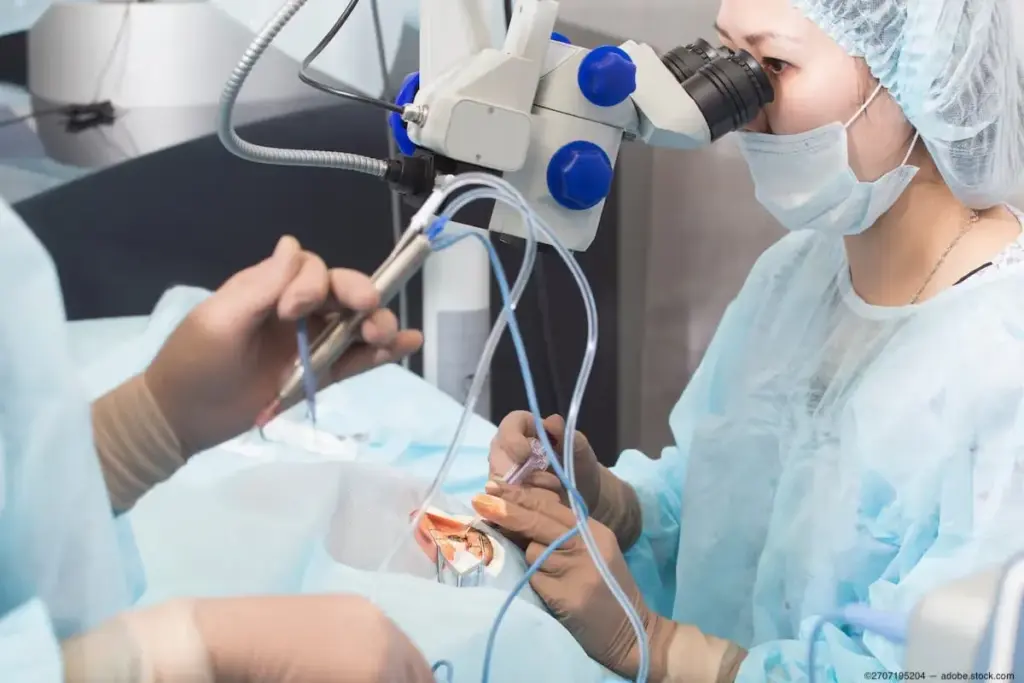
Many patients feel surprised by tooth pain or sensitivity after sinus surgery. They wonder about the cause and what to expect during recovery. At Liv Hospital, we know this discomfort worries you.
The close connection between the sinuses and upper teeth can cause dental sensitivity after surgery. Our team is dedicated to top-notch healthcare. We support international patients fully.
We’ll look into how sinus surgery affects dental sensitivity. We’ll talk about the different types of sinus procedures and what to expect during recovery.
Key Takeaways
- Tooth pain after sinus surgery often comes from the sinuses’ close location to the upper teeth.
- Dental sensitivity is a common side effect of sinus surgery that usually goes away.
- Liv Hospital offers full care for international patients having sinus surgery.
- Knowing the recovery timeline helps manage your expectations and worries.
- Top hospitals like Liv Hospital provide the best care for dental and sinus issues.
The Anatomical Relationship Between Sinuses and Teeth
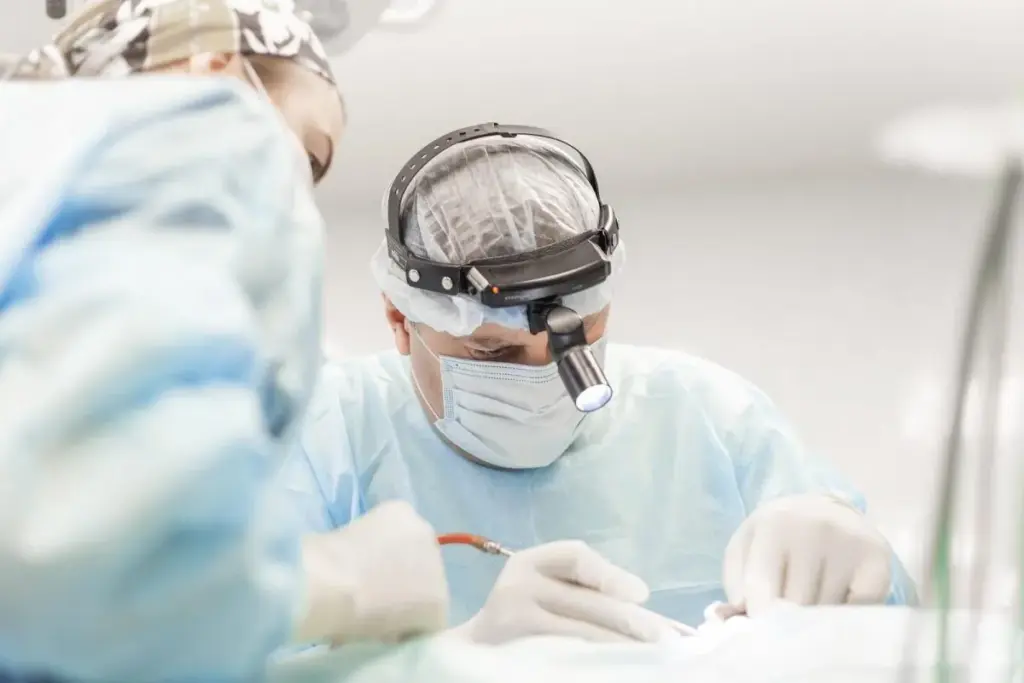
The maxillary sinus is very close to the roots of upper teeth. This closeness can cause pain after sinus surgery. It’s because of the complex anatomy of sinuses and their close bond with dental structures.
It’s key for surgeons and patients to grasp this connection. The maxillary sinus, being the biggest paranasal sinus, is most relevant. Its location is a big factor.
Maxillary Sinus Proximity to Upper Teeth
The maxillary sinus is right next to the roots of upper teeth. Sometimes, just a thin layer of bone separates them. This closeness can cause dental symptoms after surgery, like pain or sensitivity.
- The roots of the upper molars and premolars are often near or even inside the maxillary sinus.
- This close relationship can cause pain or sensitivity in the upper teeth after sinus surgery.
Shared Nerve Pathways and Pain Referral
The nerves for the maxillary sinus and upper teeth share paths. this shared innervation leads to pain referral. This means dental pain can come from sinus inflammation or surgery.
“The trigeminal nerve, responsible for facial sensation, has branches that innervate both the maxillary sinus and the upper teeth, providing a neuroanatomical basis for pain referral.”
Healthcare providers can improve patient care by understanding these factors. They can help reduce discomfort after sinus surgery.
Common Types of Sinus Procedures and Their Dental Impact
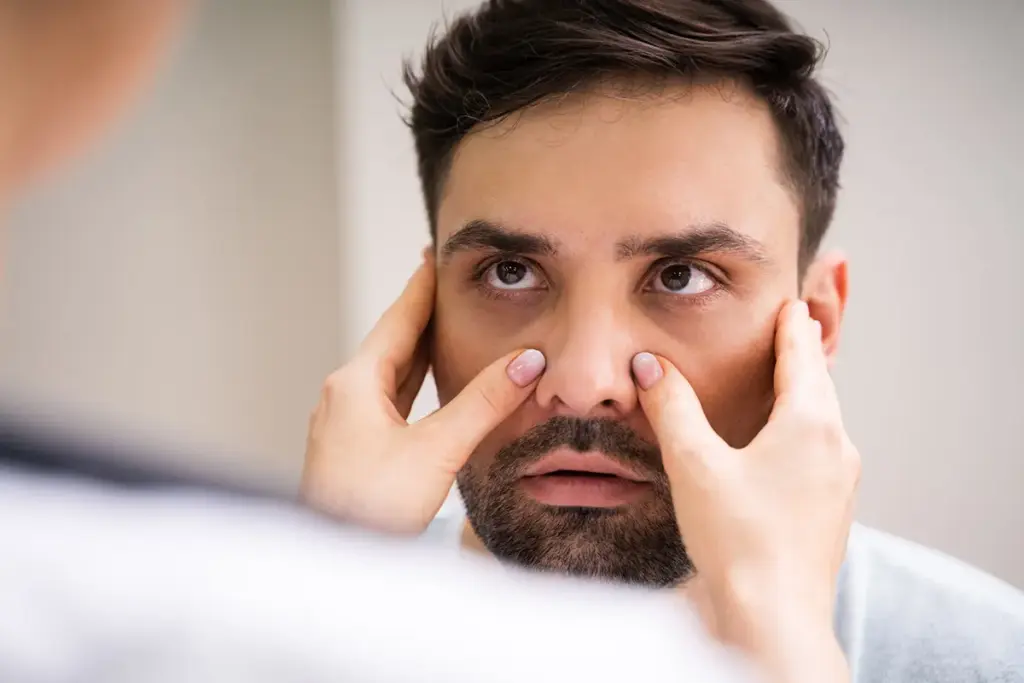
It’s important to know about the different sinus surgeries and how they affect your teeth. These surgeries are done for many reasons like chronic sinusitis and nasal polyps. The effect on your teeth can vary a lot.
Functional Endoscopic Sinus Surgery (FESS)
FESS is a small surgery that helps your sinuses breathe better. It uses a special camera to see inside and remove blockages. But, it can sometimes hurt your teeth, mainly the upper molars, because they’re close to the sinuses.
Key considerations for FESS:
- Precision in identifying and preserving anatomical structures
- Potential for temporary dental sensitivity
- Importance of post-operative care to minimize complications
Balloon Sinuplasty
Balloon sinuplasty is a gentler way to open up your sinuses. It uses a balloon to widen the passage. It’s done under local anesthesia and you can recover quickly. But, like any surgery, there are risks to your teeth.
Benefits of balloon sinuplasty include:
- Less invasive than traditional sinus surgery
- Reduced risk of complications
- Quicker recovery times
Sinus Lift and Dental Implant Procedures
A sinus lift adds bone to your upper jaw. It’s needed when the bone is too thin for dental implants. The surgery lifts the sinus membrane and adds bone graft material.
The goal of a sinus lift is to help your sinuses and teeth work better together.
|
Procedure |
Dental Impact |
Recovery Time |
|---|---|---|
|
FESS |
Potential for temporary dental sensitivity |
1-3 weeks |
|
Balloon Sinuplasty |
Minimal impact |
1-7 days |
|
Sinus Lift |
Directly related to dental implant placement |
3-6 months |
Each sinus procedure affects your teeth differently. Knowing this helps both patients and doctors make better choices.
Sinuses Surgery Recovery: Timeline and Dental Symptoms
Recovering from sinus surgery is a complex process that demands patience, careful management, and a clear understanding of what to expect. The recovery timeline is divided into several phases, each with its own challenges and symptoms.
Immediate Post-Operative Period (1-7 Days)
The first days after surgery are critical. Patients often feel swelling, nasal congestion, and discomfort. This discomfort can also affect the dental region. Proper post-operative care is key to avoid complications and ease symptoms.
During this time, patients need to follow a specific care plan. This includes nasal saline irrigations, avoiding hard activities, and taking prescribed medication.
Early Recovery Phase (1-3 Weeks)
As swelling goes down, patients start to feel better. But, some may feel dental sensitivity or discomfort. This is because the sinuses are close to the upper teeth. Gentle nasal care and watching for infection signs are important.
In this phase, patients should see gradual improvement. But, they must stay alert to their symptoms and talk to their healthcare provider about any concerns.
Extended Recovery (1-6 Months)
For some, recovery takes longer than a few weeks. It’s common to have persistent nasal congestion or dental discomfort for months after surgery. Knowing this can help manage expectations.
|
Recovery Phase |
Common Symptoms |
Care Recommendations |
|---|---|---|
|
Immediate Post-Operative (1-7 Days) |
Swelling, nasal congestion, dental discomfort |
Nasal saline irrigations, rest, prescribed medication |
|
Early Recovery (1-3 Weeks) |
Dental sensitivity, gradual improvement |
Continue nasal care, monitor for infection |
|
Extended Recovery (1-6 Months) |
Possible persistent nasal congestion, dental discomfort |
Long-term follow-up, patience, and adherence to post-operative instructions |
Understanding the recovery timeline and dental symptoms after sinus surgery helps patients manage their care. It’s vital to follow healthcare professionals’ advice and report any unusual or persistent symptoms.
Statistical Overview of Dental Pain After Sinus Surgery
Sinus surgery helps treat sinusitis but often causes dental pain afterward. This issue has been studied in many clinics. It gives us insights into how common it is and what might cause it.
Prevalence Rates in Clinical Studies
Studies show dental pain after sinus surgery varies. It can affect 10% to 40% of patients. For example, a study found about 25% of patients had tooth discomfort after surgery.
Risk Factors for Developing Tooth Discomfort
Several things can lead to dental pain after sinus surgery. These include the surgery type, how close the sinuses are to teeth, and the patient’s health. Knowing these helps doctors prepare patients better and prevent pain.
Doctors can help patients at risk by giving them special care. This makes recovery easier and more comfortable for patients.
Mechanisms Behind Post-Sinus Surgery Tooth Pain
It’s important to know why tooth pain happens after sinus surgery. Several things can cause this pain. We need to look at what’s behind it.
Inflammatory Response and Tissue Swelling
When we have surgery, our body gets inflamed. This swelling can press on teeth, causing pain. Managing this inflammation is key to easing tooth pain after surgery.
“The inflammation after sinus surgery can be big,” saysan ENT specialist. “It’s common for patients to feel tooth pain because of swelling.”
Direct Nerve Irritation During Surgery
Nerves near the sinuses can get irritated or damaged during surgery. This is because the maxillary sinus is close to upper teeth. Nerve irritation can cause sharp or dull tooth pain.
- Nerve irritation can happen because of surgical tools.
- Swelling or inflammation around nerves can also cause pain.
- In some cases, nerve damage can lead to long-lasting or chronic pain.
Referred Pain Phenomena
Referred pain happens when we feel pain in a different place than where it’s coming from. For sinus surgery, pain can go to the teeth. Understanding referred pain is key to diagnosing and managing tooth pain after sinus surgery.
A study in the Journal of Oral and Maxillofacial Surgery found, “Referred pain from the sinuses to the teeth is well-known. It shows how connected sinus health and dental comfort are.”
Acute Sinusitis Following Surgery: Impact on Dental Comfort
Acute sinusitis can happen after sinus surgery and affect dental comfort. It’s important to know its causes and how it affects dental health during recovery.
Post-Operative Infection Development
Up to 20% of patients get acute sinusitis after sinus surgery. This infection can cause facial pain and tooth pain. It makes recovery harder and can make dental pain worse.
Things like bacteria and poor sinus drainage can cause this infection. Managing these factors well is key to avoiding acute sinusitis and a smoother recovery.
Pressure Effects on Dental Structures
Inflamed sinuses can put pressure on teeth. This can cause tooth sensitivity or pain, mainly in the upper teeth. This pain can be hard to diagnose and treat without knowing about the sinus-teeth connection.
“The close anatomical relationship between the maxillary sinuses and the roots of upper teeth means that sinus pathology can manifest as dental pain, and vice versa.”
— ENT Specialist
It’s important to understand how sinus health and dental comfort are connected. Treating acute sinusitis quickly can help reduce dental pain and make recovery easier.
Chronic Rhinosinusitis Development and Dental Implications
It’s important to understand how chronic rhinosinusitis affects dental health after sinus surgery. This condition causes long-lasting inflammation in the sinuses. It can have big effects on your teeth and gums.
Long-Term Inflammation Patterns (4-8% Incidence)
Studies show that some people get chronic rhinosinusitis after sinus surgery. This happens in about 4% to 8% of cases. This long-lasting inflammation can cause problems with your teeth.
What causes this inflammation? It’s often the body’s immune system reacting too much. Environmental factors and changes in the sinus area after surgery also play a role.
Persistent Dental Sensitivity Issues
Chronic rhinosinusitis can make your teeth very sensitive. The inflammation can hurt the nerves around your teeth. This makes them more sensitive to cold or hot foods and drinks.
Managing this sensitivity is key to keeping your mouth healthy. It helps you feel more comfortable too.
We suggest that patients talk to their doctors and dentists. They should work together to find the best way to handle chronic rhinosinusitis and dental problems. This might include medical treatments and special dental care plans.
Sinus Membrane Perforation: A Major Risk Factor
One of the major risks of sinus surgery is the perforation of the sinus membrane. This can cause problems after surgery, affecting both the sinuses and dental comfort.
Sinus membrane perforation is a serious issue that can happen during surgery. It can greatly affect how well a patient recovers and the surgery’s success.
Increased Sinusitis Risk Following Perforation
Studies show that sinus membrane perforation raises the risk of sinusitis. In fact, there’s a 10.5-fold increased risk of sinusitis after such a perforation. This is because the sinus membrane’s damage can lead to infection and inflammation.
- Increased risk of post-operative sinusitis
- Potential for chronic sinus inflammation
- Impact on overall sinus health
Dental Consequences of Membrane Damage
The dental effects of sinus membrane perforation are significant. Damage to the sinus membrane can harm the teeth nearby. This can cause:
- Tooth sensitivity and discomfort
- Increased risk of dental infections
- Potential impact on dental implant success
Surgeons must take steps to avoid sinus membrane perforation during surgery. This helps ensure better results for patients, improving both sinus health and dental comfort.
Anesthetic Effects and Transient Dental Numbness
Anesthetic effects often cause temporary dental numbness after sinus surgery. Doctors use local and regional anesthesia to manage pain during and after surgery. This helps patients stay comfortable.
Local and Regional Anesthesia Considerations
Local anesthesia numbs the area where surgery happens. Regional anesthesia blocks pain in a bigger area, like one side of the face. Both are used to keep patients pain-free during the surgery.
How anesthesia affects dental numbness can differ. Some people might feel numbness in their teeth or gums because of the sinuses’ close location. This numbness usually goes away once the anesthetic fades.
Transition from Numbness to Sensitivity
When the anesthetic wears off, some might feel sensitivity instead of numbness. This can happen as the sinuses heal and sensation returns. It’s part of the healing process.
To handle this change, we suggest a few things:
- Follow the post-operative instructions given by your healthcare team.
- Use desensitizing toothpaste if recommended.
- Avoid extreme temperatures in food and drinks.
- Keep up with good oral hygiene.
It’s also key to keep up with sinus rinse as told. The time for rinsing after surgery varies, but usually, it’s weeks. Always listen to your healthcare provider’s specific advice.
Knowing how anesthesia works in sinus surgery helps patients understand their recovery better. If you have concerns, always talk to your healthcare provider for tailored advice.
Distinguishing Normal Recovery from Complications
After sinus surgery, it’s key to tell normal feelings from signs of trouble. This time can be tough for patients. Knowing what to expect helps a lot.
Expected Post-Operative Sensations
Patients might feel many things after surgery. Some are normal, others might mean trouble. Normal feelings include a bit of pain, stuffy nose, and some bleeding. These usually go away in a few days to a week.
Common post-operative sensations include:
- Mild pain or discomfort in the nasal area
- Nasal congestion or stuffiness
- Slight bleeding or discharge
- Swelling around the eyes or nose
Warning Signs of Abnormal Healing
Some pain is okay, but watch for signs that mean trouble. Knowing these signs helps get help fast if needed.
|
Warning Signs |
Potential Complications |
|---|---|
|
Severe or worsening pain |
Infection, sinusitis |
|
Heavy or persistent bleeding |
Hemorrhage |
|
Fever above 38°C (100.4°F) |
Infection |
|
Swelling or redness around the eyes |
Orbital complications |
Knowing these signs helps catch problems early. If you see any, call your doctor right away.
Medical Management of Post-Sinus Surgery Tooth Pain
Tooth pain after sinus surgery can be tough to handle. But, there are ways to manage it well. It’s key for a smooth recovery and feeling good again.
Managing tooth pain after sinus surgery is important. We use many strategies to tackle this issue. This helps address the different reasons for the pain.
Appropriate Pain Management Protocols
We have various pain management plans for tooth pain after sinus surgery. These include:
- Prescription pain meds tailored for each person
- Over-the-counter pain relievers for mild to moderate pain
- Combination therapy for the best pain control
Antibiotic Therapy for Infection Control
Antibiotics are key when infection is a concern. We:
- Give targeted antibiotics for specific infections
- Keep a close eye on how the infection is doing
- Change treatment plans if needed for the best results
Anti-Inflammatory Approaches
Reducing swelling is a big part of managing tooth pain. We use:
- Corticosteroids to reduce swelling
- NSAIDs for pain and swelling control
- Comprehensive plans that tackle both pain and swelling
Some patients might find congestion worse after sinus rinse. We adjust the rinse’s salt level or how often to rinse.
By using these methods together, we can manage tooth pain after sinus surgery well. This helps our patients recover smoothly.
When Additional Surgical Intervention Becomes Necessary
Patients might need revision surgery to handle complications after sinus surgery. Sometimes, more surgery is needed to fix issues that come up after the first operation.
Indications for Revision Surgery
Revision surgery is needed for several reasons. These include ongoing sinus infections, nasal polyps, or blockages. We’ll look at why this surgery is needed and how endoscopic methods help manage these problems.
- Recurrent sinus infections
- Nasal polyp regrowth
- Anatomical abnormalities
Endoscopic Approaches for Complication Management
Endoscopic methods have changed how we handle sinus issues. These methods are less invasive and let us see and treat the problem areas more accurately.
|
Endoscopic Technique |
Benefits |
Applications |
|---|---|---|
|
Functional Endoscopic Sinus Surgery (FESS) |
Minimally invasive, precise |
Chronic sinusitis, nasal polyposis |
|
Balloon Sinuplasty |
Less invasive, reduced recovery time |
Nasal passage dilation, sinus ostia widening |
We use endoscopic methods to manage complications and improve results. These techniques are key in treating sinus problems.
Understanding when revision surgery is needed and the benefits of endoscopic approaches helps patients. It makes navigating the challenges of sinus surgery and recovery easier.
Multidisciplinary Care Approaches for Optimal Outcomes
After sinus surgery, patients do well with a team approach. This team looks at both sinus and dental health. It makes sure every part of recovery is well taken care of.
Coordination Between ENT and Dental Specialists
It’s key for ENT and dental experts to work together. They create a plan that looks at how sinuses and teeth work together. This teamwork helps spot and fix problems early.
Benefits of Multidisciplinary Care:
- Comprehensive treatment planning that considers both sinus and dental health
- Early identification and management of possible complications
- Improved patient outcomes through coordinated care
Comprehensive Treatment Planning
At the core of team care is a detailed treatment plan. We make a plan that fits each patient’s needs. It looks at their sinus and dental health. This way, patients get the best care, reducing risks and helping them heal better.
The goal of our team effort is to give patients the best results after sinus surgery. ENT and dental experts work together. They make sure patients get care that covers all their health needs.
Home Care Strategies to Alleviate Dental Discomfort
Patients can take several steps at home to ease dental discomfort after sinus surgery. This can make their recovery smoother. Effective home care can greatly reduce discomfort and help in healing.
Proper Sinus Rinse Techniques
One key home care strategy is using proper sinus rinse techniques. Rinsing with a saline solution clears mucus, reduces swelling, and aids in healing. We suggest using a sterile saline rinse kit for sinus care.
To rinse, follow these steps:
- Fill the rinse bottle with the prepared saline solution.
- Tilt your head to one side and gently insert the tip of the bottle into the upper nostril.
- Allow the solution to flow through your sinuses and out the other nostril.
- Repeat on the other side.
It’s essential to use sterile or distilled water to avoid infection. Clean and dry the rinse kit after each use, as directed by the manufacturer.
Dietary Modifications During Recovery
Changing your diet is important for managing dental discomfort during recovery. We suggest a soft-food diet that’s easy to chew and won’t irritate the surgical site. Good options include:
- Yogurt
- Soups
- Mashed potatoes
- Scrambled eggs
Avoid hot, spicy, or sharp foods to reduce discomfort. Drinking plenty of water is also key to staying hydrated.
Environmental Factors Affecting Comfort
Environmental factors can greatly affect your comfort during recovery. Keeping your environment clean and humid can help reduce sinus pressure and discomfort. Using a humidifier can keep the air moist, easing irritation in your sinuses and throat.
Also, avoid dust, smoke, or strong odors to prevent irritation. Resting with your head elevated can also help with sinus pressure.
By following these home care strategies, patients can manage dental discomfort after sinus surgery. This can improve their overall recovery experience.
Preventive Measures to Reduce Post-Operative Dental Issues
Preventive steps are key to avoiding dental problems after sinus surgery. By acting early, we can lower the chance of complications and make recovery easier.
Pre-Surgical Dental Evaluation Importance
A detailed dental check before surgery is vital. It helps find dental issues that could affect surgery results. We do a full dental exam to find and fix any problems before surgery.
- A thorough examination of the teeth and gums
- X-rays to assess the condition of the teeth and surrounding bone
- Treatment of any active dental infections or decay
Surgical Technique Considerations
The surgery method used can affect dental issues after surgery. We use the latest techniques and tools to protect tissues and lower complication risks.
- Careful handling of the sinus membrane to avoid perforation
- Precise removal of diseased tissue to promote healthy healing
- Use of advanced imaging technologies to guide the surgical procedure
Post-Operative Care Compliance
Following post-operative care is key to avoiding problems and a smooth recovery. We give clear instructions on care, including rinsing, diet, and follow-ups.
|
Post-Operative Care Instruction |
Benefit |
|---|---|
|
Sinus rinse with saline solution |
Promotes healing and reduces the risk of infection |
|
Dietary modifications (e.g., soft foods, avoiding spicy or acidic foods) |
Reduces discomfort and promotes healing |
|
Follow-up appointments |
Monitors healing progress and addresses any concerns |
By taking these steps, we can greatly lower dental issue risks after surgery. This ensures a good outcome.
Conclusion
It’s important to understand how sinus surgery and dental sensitivity are connected. This knowledge helps manage expectations and aims for the best results. At Liv Hospital, we offer top-notch healthcare and support for patients from around the world.
We focus on both sinus and dental health, using the newest medical methods and care plans. By combining sinus surgery with dental care, we make sure patients get a treatment plan that covers their whole health.
We aim to give each patient the best care possible, tailored to their specific needs. Our team works together to handle dental sensitivity after sinus surgery. This helps patients recover more easily.
FAQ
How long does it take to recover from sinus surgery?
Recovery from sinus surgery can take 1-6 months. Each phase has its own challenges.
Why do my teeth hurt after sinus surgery?
Tooth pain can happen because of the sinus’s close location to upper teeth. It’s also due to shared nerves and inflammation during recovery.
What are the common types of sinus procedures and their impact on dental health?
Procedures like FESS, balloon sinuplasty, and sinus lift can affect dental health. Knowing this helps manage expectations and ensures the best results.
How can I manage dental discomfort after sinus surgery?
To manage dental discomfort, use medical strategies like pain management and antibiotics. Home care, like sinus rinses and diet changes, also helps.
What are the signs of infection after sinus surgery?
Signs of infection include more pain, swelling, and discharge. Seek medical help if you notice these symptoms.
How long should I do sinus rinse after sinus surgery?
Rinse duration varies by individual. But, it’s usually recommended for weeks after surgery to aid healing.
Can sinus surgery lead to chronic rhinosinusitis?
Sinus surgery aims to solve sinus problems but can lead to chronic rhinosinusitis. This condition can affect teeth.
What is the role of coordination between ENT and dental specialists in post-sinus surgery care?
ENT and dental specialists working together is key. They ensure care for both sinus and dental health, aiming for the best results.
How can I prevent dental issues after sinus surgery?
To avoid dental problems, get a dental check before surgery. Choose careful surgery and follow post-op care. These steps help recovery.
What are the warning signs of abnormal healing after sinus surgery?
Look out for persistent pain, swelling, or discharge. If you see these, get medical help right away.
National Center for Biotechnology Information. Evidence-Based Medical Insight. Retrieved from https://pubmed.ncbi.nlm.nih.gov/8902481/