Septoplasty is a surgery to fix a deviated septum. Sometimes, it causes tooth pain during the septoplasty recovery time. Many patients worry about the link between their nasal surgery and tooth pain.
The close location of upper dental roots to nasal and sinus areas can cause pain. Patients might also feel numb in their nose, upper lip, and gums. This numbness usually goes away in a few weeks to months.
Key Takeaways
- Tooth pain after septoplasty is often related to the proximity of dental roots to nasal structures.
- Numbness in the nose, upper lip, and gums is common and temporary.
- Understanding the causes of tooth pain can help manage sinus surgery recovery expectations.
- Septoplasty recovery involves managing both nasal and dental discomfort.
- Feeling returns to numb areas within a few weeks to months post-procedure.
The Connection Between Septoplasty and Dental Pain
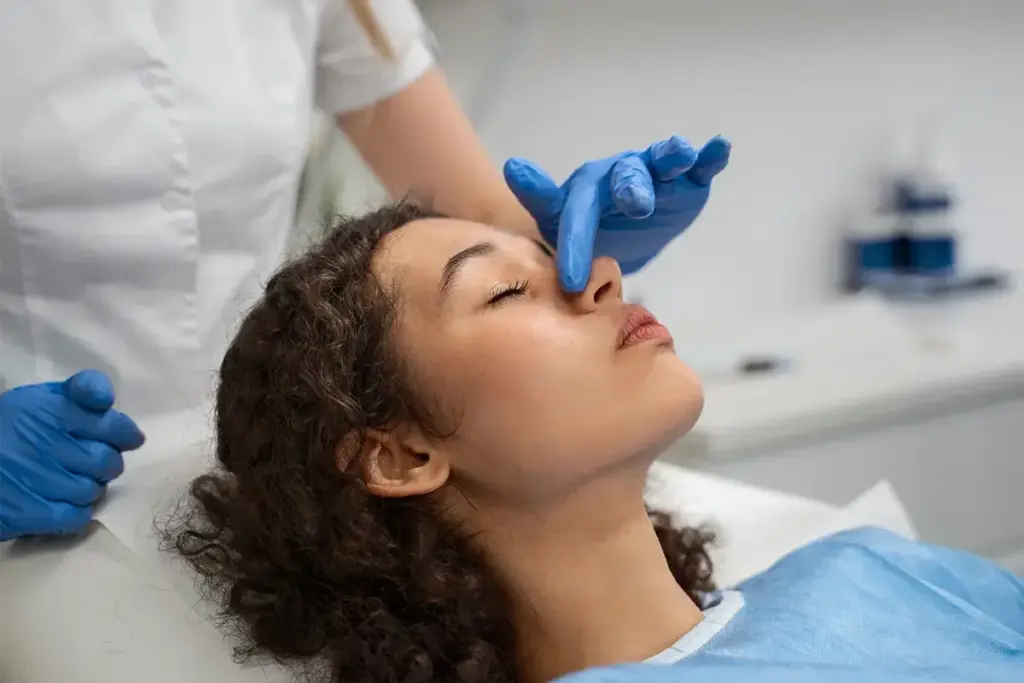
Septoplasty is a surgery to fix a deviated septum. It helps improve breathing and nasal function. But, it can also cause dental pain due to its complex anatomy and nerve connections. Knowing about this link is key for a smooth recovery.
What is septoplasty and its purpose?
Septoplasty fixes a deviated septum, which divides the nasal cavity. A deviated septum can block breathing and cause other issues. The surgery makes the septum straight, improving airflow and nasal function. It’s often done for those with breathing problems from a deviated septum.
Overview of unexpected dental symptoms
Some people get dental pain after septoplasty. This is because the nasal and dental areas are close. The surgery can irritate nerves in the upper teeth. Patients might feel dull aching, sharp pain, or sensitivity.
|
Dental Symptoms |
Possible Causes |
|---|---|
|
Dull aching or throbbing sensations |
Postoperative swelling, inflammation |
|
Sharp or shooting nerve pain |
Irritation of the superior alveolar nerve |
|
Numbness or tingling in teeth and upper lip |
Nerve irritation or compression |
Knowing about these dental symptoms and their causes helps manage them better during recovery.
Anatomical Relationship Between Nasal and Dental Structures
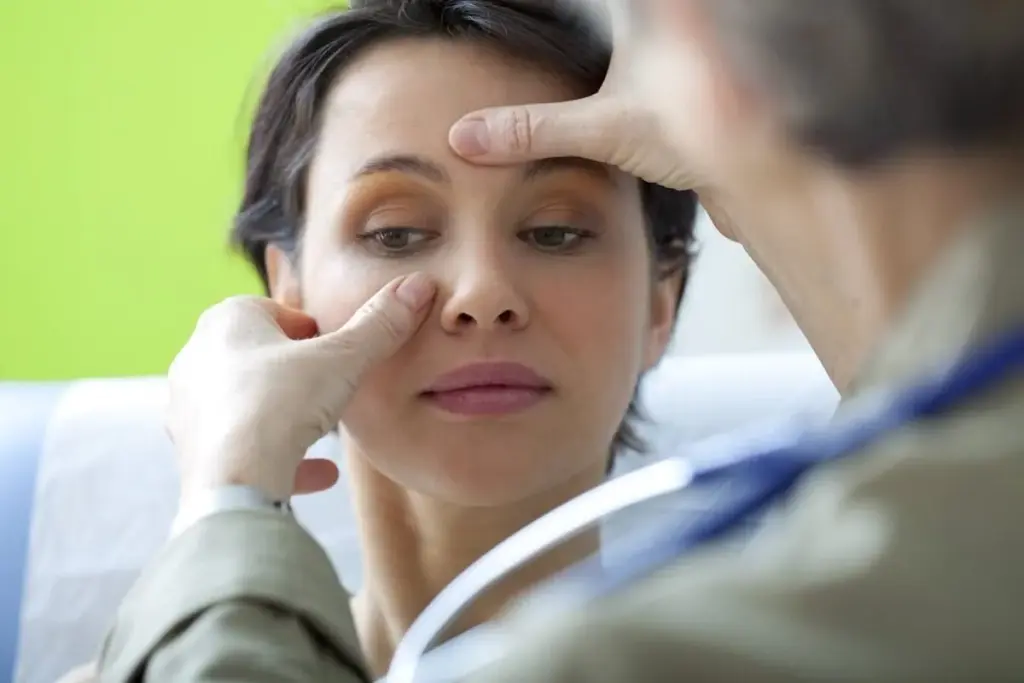
It’s important to know how nasal and dental structures are connected. This connection is why some people feel tooth pain after septoplasty. These structures are close and share nerve paths.
Proximity of Upper Teeth Roots to Nasal Passages
The roots of the upper teeth are near the nasal passages and sinuses. This closeness can cause pain after septoplasty. The superior alveolar nerve is key in this connection.
The Superior Alveolar Nerve Pathway
The superior alveolar nerve comes from the maxillary nerve. It sends feelings to the upper teeth and areas around them. When this nerve gets irritated during septoplasty, it can cause dental pain. Knowing this nerve’s path helps us understand dental symptoms after septoplasty.
How Sinus Cavities Interact with Dental Anatomy
Sinus cavities, like the maxillary sinuses, are near the upper teeth roots. Inflammation or infection in these sinuses can send pain to the teeth. This connection between sinuses and teeth is a big reason for dental pain after nasal surgery.
Recovering from septoplasty is complex. It’s not just about nasal relief but also dental symptoms. Understanding the connection between nasal and dental structures is crucial for patients during their recovery.
Mechanisms of Dental Pain Following Nasal Surgery
Dental pain after septoplasty comes from different sources. These include referred pain pathways and surgical trauma. We will look into these to understand how nasal surgery can impact dental comfort.
Referred Pain Pathways Explained
Referred pain happens when pain is felt in a place other than where it started. For septoplasty, this means pain from the nose can go to the teeth or upper jaw. The nerves in the face and nose are complex and connect, causing this effect.
The trigeminal nerve is key in referred pain. It handles sensation in the face, including the nose and teeth. If this nerve gets irritated or inflamed during surgery, it can make teeth or gums hurt, even if they’re not directly touched by the surgery.
Inflammation and Tissue Swelling Effects
Inflammation and swelling are common after septoplasty. They can make discomfort spread to the dental area. Swelling in the nose and sinuses can press on nearby structures, like the roots of upper teeth, causing pain or sensitivity.
Inflammation after septoplasty can also hit the superior alveolar nerve, which feeds the upper teeth. This can make teeth hurt or feel uncomfortable, even if they’re healthy.
Surgical Manipulation and Nerve Irritation
Surgery can sometimes bother the nerves around the nasal cavity and sinuses. This can cause pain or numbness in the teeth or upper jaw. The nerves most often affected are the anterior and posterior superior alveolar nerves, which are near the surgery site.
Nerve irritation and inflammation can cause a variety of feelings, from dull aching to sharp pains. Knowing these feelings come from the body’s reaction to surgery can help manage pain and expectations better.
|
Mechanism |
Description |
Effect on Dental Comfort |
|---|---|---|
|
Referred Pain Pathways |
Pain perceived at a location other than the site of the painful stimulus |
Pain or discomfort in teeth or upper jaw |
|
Inflammation and Tissue Swelling |
Swelling and inflammation in nasal passages and sinuses |
Pressure on roots of upper teeth, leading to pain or sensitivity |
|
Surgical Manipulation and Nerve Irritation |
Irritation of nerves surrounding the nasal cavity and sinuses |
Pain, numbness, or altered sensation in teeth or upper jaw |
Statistical Insights: Frequency of Tooth Pain After Septoplasty
Clinical studies have looked into tooth pain after septoplasty. They aim to understand how often it happens and what might cause it. This knowledge helps both patients and doctors get ready for what might happen after surgery.
The 0.1% incidence rate in clinical studies
About 0.1% of septoplasty patients feel numbness or pain in their teeth or upper lip. This shows that while dental pain can happen, it’s not very common.
Research findings from 2021 studies
In 2021, studies found that most pain after septoplasty is short-term. But chronic pain is very rare. This good news means most people can expect a quick recovery with manageable pain.
Risk factors that increase likelihood of dental symptoms
Some things can make dental symptoms more likely after septoplasty. These include:
- Pre-existing dental conditions
- Anatomical variations that affect the proximity of the nasal passages to dental structures
- Surgical techniques that may irritate or damage nearby nerves
Knowing these risk factors helps manage expectations. It also helps reduce risks by planning carefully before surgery.
|
Risk Factor |
Description |
Potential Impact |
|---|---|---|
|
Pre-existing dental conditions |
Presence of dental issues before surgery |
Increased risk of post-operative dental pain |
|
Anatomical variations |
Individual differences in nasal and dental anatomy |
Potential for increased risk of referred pain |
|
Surgical technique |
Method used during septoplasty |
Risk of nerve irritation or damage |
By knowing these insights and risks, patients can prepare better for septoplasty. They can understand what to expect and how to handle dental pain.
Complete Timeline of Sinuses Surgery Recovery
Knowing the sinuses surgery recovery timeline is key for patients. It helps them get ready for the recovery period and manage it well. The recovery is divided into three main phases: right after surgery, early recovery, and the longer recovery.
Immediate Post-Operative Phase (Days 1-3)
The first few days after surgery play a critical role in the recovery process. Patients might feel swollen, have trouble breathing, and feel pain. Post-operative care during this time means watching symptoms closely and taking medicine as told.
- Rest and avoid hard activities.
- Use saline nasal sprays as told.
- Eat soft foods if needed.
Early Recovery Period (Days 4-14)
As swelling goes down, patients start to feel better. But, it’s important to keep up with post-operative care to heal right.
- Slowly start doing normal things.
- Keep using saline nasal rinses.
- Go to all follow-up appointments.
Extended Recovery Phase (Weeks 3-6)
By now, most people are back to their usual life. But, it takes a few weeks to fully recover, and some might feel a bit off.
Being patient and sticking to post-operative care is key. The recovery from sinus surgery takes time, and knowing the timeline helps manage hopes.
Usually, people can go back to work or school in about a week. They can get back to their usual life in about three weeks. But, this can change based on the surgery and the person.
Differentiating Normal Discomfort from Concerning Pain
Knowing the difference between normal discomfort and concerning pain is key for a smooth recovery after septoplasty. It’s important to understand which feelings are part of healing and which might mean a problem.
Expected Sensations During Recovery
After septoplasty, patients often feel like they have a bad cold. They might have nasal congestion and discomfort. The nose can be sore, and there might be pain or pressure in the face.
It’s normal to have swelling and bruising around the nose and eyes. This can make the face feel tight or pressured. As the swelling goes down, usually in a week or two, these feelings will get better.
Warning Signs Requiring Medical Attention
While some discomfort is okay, there are signs that mean you need to see a doctor right away. Severe or getting worse pain that can’t be controlled with medicine is a warning sign. Also, any signs of infection, like fever, more redness or swelling, or bad-smelling discharge, need to be told to your doctor fast.
Other signs to watch for include trouble breathing through the nose, severe nosebleeds, or vision changes. If you notice any of these, you should get medical help quickly.
How to Assess Pain Severity Objectively
It’s hard to measure pain because it’s personal. But, using a pain scale can help. Doctors usually use a scale from 0 to 10, where 0 is no pain and 10 is the worst. Keeping a pain diary can help track your pain and see any patterns or changes.
Also, think about how pain affects your daily life. If it’s making it hard to rest, eat, or do other daily things, talk to your doctor. They can help with pain management or change your treatment plan if needed.
Varieties of Dental Discomfort Experienced After Septoplasty
After septoplasty surgery, people often feel different kinds of dental pain. The close location of the nasal passages to teeth and the surgery itself can cause various sensations. These can range from mild to severe discomfort.
Dull Aching or Throbbing Sensations
A common dental pain is a dull ache or throbbing. This usually happens because of swelling and inflammation after surgery. It affects the nerves and tissues around the upper teeth.
Sharp or Shooting Nerve Pain
Some may feel sharp or shooting pain. This pain comes from nerves getting irritated or inflamed during surgery. The nerves of the upper teeth, near the surgery area, can be affected.
Numbness or Tingling in Teeth and Upper Lip
Numbness or tingling in teeth and the upper lip is also possible. This is because of the close relationship between nasal passages and dental structures. The tip of your nose, upper lip, and gums might feel numb due to surgery.
Temperature Sensitivity and Pressure Discomfort
Patients may also feel more sensitive to temperature or pressure on teeth. This is because of changes in the sinus cavities and pressure on the roots of upper teeth.
Knowing about these possible discomforts can help you prepare for recovery. It’s important to talk to your healthcare provider about any pain or unusual feelings. This ensures you get the right care and management.
Effective Pain Management During Sinuses Surgery Recovery
Managing pain well is key for those having septoplasty. It helps make the recovery smooth and comfortable.
Prescribed Medications and Proper Usage Guidelines
We give out medicines to help with pain after septoplasty. It’s important to take them as told to get the best results and avoid side effects.
- Follow the dosage and timing instructions carefully.
- Know about any interactions with other medicines you’re on.
- Tell your doctor right away if you notice any odd side effects.
Over-the-Counter Pain Relief Options
There are also OTC pain relievers that can help. These include acetaminophen and ibuprofen.
Important things to remember with OTC pain relievers:
- Always stick to the dosage on the label.
- Be careful when mixing OTC meds with prescription ones.
- Ask your doctor if you’re not sure about the best OTC choice for you.
Cold Therapy and Compression Techniques
Cold therapy can also help with pain and swelling. Putting ice or a cold pack on your nose for 10 to 20 minutes can ease the pain.
- Use a cold pack or ice wrapped in a cloth to avoid direct contact with the skin.
- Apply cold therapy for the recommended duration, taking regular breaks to avoid tissue damage.
- Combine cold therapy with elevation of the head to enhance its effectiveness.
When to Seek Medical Attention for Post-Septoplasty Dental Pain
After septoplasty, knowing when to get medical help for dental pain is key. Some pain is normal, but certain signs mean you should see a doctor right away.
Severe or Worsening Pain Scenarios
If your pain is severe and doesn’t get better with medicine, you need to see a doctor. Severe pain can be a sign of complications like infection or nerve damage. For example, if pain medicine upsets your stomach, try taking it after eating to reduce nausea.
“Pain is the body’s way of signaling that something is wrong. Ignoring severe pain can lead to more serious complications.”
Pain Persisting Beyond Expected Timeframes
Usually, pain after septoplasty goes away in a few weeks. But if your pain lasts longer than expected, talk to your doctor. Long-lasting pain might mean you need medical help.
|
Recovery Phase |
Expected Discomfort Level |
When to Seek Help |
|---|---|---|
|
Immediate Post-operative (Days 1-3) |
High |
If pain is unbearable or worsens |
|
Early Recovery (Days 4-14) |
Moderate |
If pain doesn’t improve with medication |
|
Extended Recovery (Weeks 3-6) |
Low |
If pain persists or worsens |
Signs of Possible Complications
Some symptoms with dental pain mean you need to see a doctor fast. These include swelling, fever, or trouble swallowing. Knowing these signs can help avoid serious problems.
It’s important to know when to seek medical help for a smooth recovery. If you have unusual symptoms or concerns about dental pain after septoplasty, contact your healthcare provider.
Long-Term Complications: Chronic and Neuropathic Pain
Septoplasty is usually safe, but some face chronic and neuropathic pain later. These issues can really affect a person’s life. It’s key to know how they work and how to handle them.
Understanding Persistent Neuropathic Pain Mechanisms
Neuropathic pain after septoplasty comes from nerve damage or irritation. This pain feels sharp, shooting, or burning. It’s hard to manage. Knowing the cause is vital for good treatment plans.
Risk Factors for Developing Chronic Pain Conditions
Some things can make chronic pain more likely after septoplasty. These include having pain before, how much surgery is needed, and how sensitive to pain you are. Spotting these risks early helps prevent them.
- Pre-existing pain conditions
- Extent of surgical manipulation
- Individual pain tolerance
Advanced Treatment Approaches for Long-Term Pain Issues
Dealing with chronic and neuropathic pain needs a detailed plan. We use new treatments like medicines, physical therapy, and sometimes, procedures. Our aim is to make life better by lessening pain and boosting function.
Medication management uses special drugs for neuropathic pain, like anticonvulsants and certain antidepressants. Physical therapy helps with nasal function and pain relief. For some, interventional procedures like nerve blocks might be an option.
With a detailed and tailored approach to pain management, we can greatly improve septoplasty outcomes.
The Importance of Follow-up Care
Recovering well after septoplasty depends on good follow-up care. We stress the need for a detailed follow-up plan. This ensures patients heal right and deal with any problems quickly.
Post-operative Appointment Schedules and Purposes
Patients usually see their doctor 3 to 4 months after septoplasty. These visits are key for checking on healing and solving any issues.
- First visits check how the nasal passages are healing.
- Later, doctors remove nasal packs and check for complications.
- Final visits ensure the nasal passages work well long-term.
Effectively Communicating Symptoms to Healthcare Providers
Talking clearly with doctors is important during recovery. Patients should share their symptoms, like pain or odd feelings.
Important things to tell your doctor include:
- How bad the pain or discomfort is and where it is.
- If there’s unusual bleeding, swelling, or discharge.
- If breathing or nasal congestion is a problem.
When Dental Consultation Becomes Necessary
Some patients might feel dental pain after septoplasty. Seeing a dentist is key to check for dental problems.
Signs you need to see a dentist include:
- Severe tooth pain or sensitivity.
- Numbness or tingling in teeth or gums.
- Changes in dental alignment or bite.
Coordinating Care Between Specialists
Recovery often needs teamwork between ENT doctors, primary care, and dentists. We help patients make sure all doctors are on the same page.
Benefits of teamwork include:
- Handling complications better.
- Higher patient satisfaction with full support.
- Better health outcomes by covering all aspects of care.
Preventive Strategies Before Undergoing Septoplasty
Knowing what to do before septoplasty can make recovery easier. Taking steps early on can help avoid problems and make healing faster.
Pre-surgical Dental Evaluations and Clearance
Getting a dental check-up before septoplasty is key. It finds dental problems that could make surgery or recovery harder. We suggest a dental visit to fix issues like cavities or gum disease before surgery.
Clearing dental issues before surgery is a big help. It lowers the chance of infections or other issues that could slow healing.
Discussing Pain Management Plans
Creating a pain plan is important for recovery. We help make a plan that fits each patient’s needs and health history. This might include medicines, other treatments, and lifestyle changes to manage pain well.
Talking about pain plans before surgery helps patients know what to expect. This makes them feel more ready and less worried about recovery.
Setting Realistic Expectations About Side Effects
It’s important for patients to know what side effects septoplasty might cause. We explain the possible risks and how to lessen them.
Knowing about side effects and how to avoid them makes patients feel more ready for surgery. This knowledge also helps them feel less anxious and more positive about recovery.
In summary, taking steps before septoplasty can greatly improve recovery. Dental checks, pain plans, and understanding side effects all help. These steps make recovery smoother and more successful.
Conclusion: Navigating Your Recovery Journey
Understanding dental pain after septoplasty is key to a smooth recovery. We’ve covered how nasal and dental structures are connected. We also talked about how to manage pain and the need for follow-up care.
To make your septoplasty recovery better, follow the steps in this care sheet. Being informed helps reduce discomfort, like headaches after rinsing your sinuses. Knowing how a deviated septum nose plug works in your recovery is also important.
Being aware of dental pain and managing it well is vital. This way, you can have a successful recovery from sinus surgery. It helps you get the best results from your septoplasty.
FAQ
Why do I experience dental pain after septoplasty?
Dental pain after septoplasty can happen for a few reasons. The close location of nasal and dental structures is one. Referred pain pathways, inflammation, and nerve irritation also play a part. The superior alveolar nerve is key in this connection.
How long does it take to recover from sinus surgery?
Recovery times vary. The first 1-3 days are the immediate post-op phase. The early recovery period is 4-14 days. The extended recovery phase can last 3-6 weeks.
What are the signs of infection after sinus surgery?
Signs of infection include increased pain, swelling, redness, discharge, or fever. If you notice these symptoms, seek medical help right away.
How can I manage pain after septoplasty?
Managing pain involves prescribed meds, over-the-counter options, and cold therapy. Always follow the guidelines for medication use.
When should I seek medical attention for post-septoplasty dental pain?
Seek medical help for severe or worsening pain. Also, if pain lasts longer than expected or you notice numbness, tingling, or temperature sensitivity.
Can septoplasty lead to long-term complications like chronic pain?
While rare, septoplasty can cause chronic pain. Understanding risks and having a good pain management plan can help reduce this risk.
How can I minimize possible complications before undergoing septoplasty?
Minimize complications with pre-surgical dental checks, discussing pain management plans, and understanding possible side effects.
Why is follow-up care important after septoplasty?
Follow-up care is key for monitoring recovery, addressing concerns, and ensuring healing of nasal passages and sinuses.
How long should I continue sinus rinse after sinus surgery?
The time for sinus rinse varies based on recovery and surgeon advice. Generally, it’s recommended for several weeks post-surgery.
Can a deviated septum cause dental problems?
A deviated septum itself might not cause dental problems. But, the close location of nasal and dental structures can lead to referred pain or discomfort during or after septoplasty.
References
National Center for Biotechnology Information. Evidence-Based Medical Insight. Retrieved from https://pmc.ncbi.nlm.nih.gov/articles/PMC8716246/[4