Recovering from sinus surgery can be tough. Recent studies show that using advanced methods and care plans can help a lot. This makes the recovery process easier.
Want a quick fix? Learn the best fast healing tips for your sinusitis medical procedure and enjoy amazing, clear breathing results today.
Endoscopic sinus surgery is a less invasive way to treat chronic rhinosinusitis. A study found it works well, leading to quicker healing and fewer problems.
To recover fast from sinus surgery, you need a few key steps. These include advanced surgical techniques and good post-surgery care. Knowing these can help you get through your recovery better.
Key Takeaways
- Endoscopic sinus surgery is a highly effective treatment for chronic rhinosinusitis.
- A combination of advanced techniques and postoperative care enhances recovery.
- Faster healing and fewer complications are associated with endoscopic sinus surgery.
- Understanding postoperative care protocols is key for a smooth recovery.
- Patients should follow their doctor’s instructions for the best results.
Understanding Sinus Surgery and Recovery Expectations
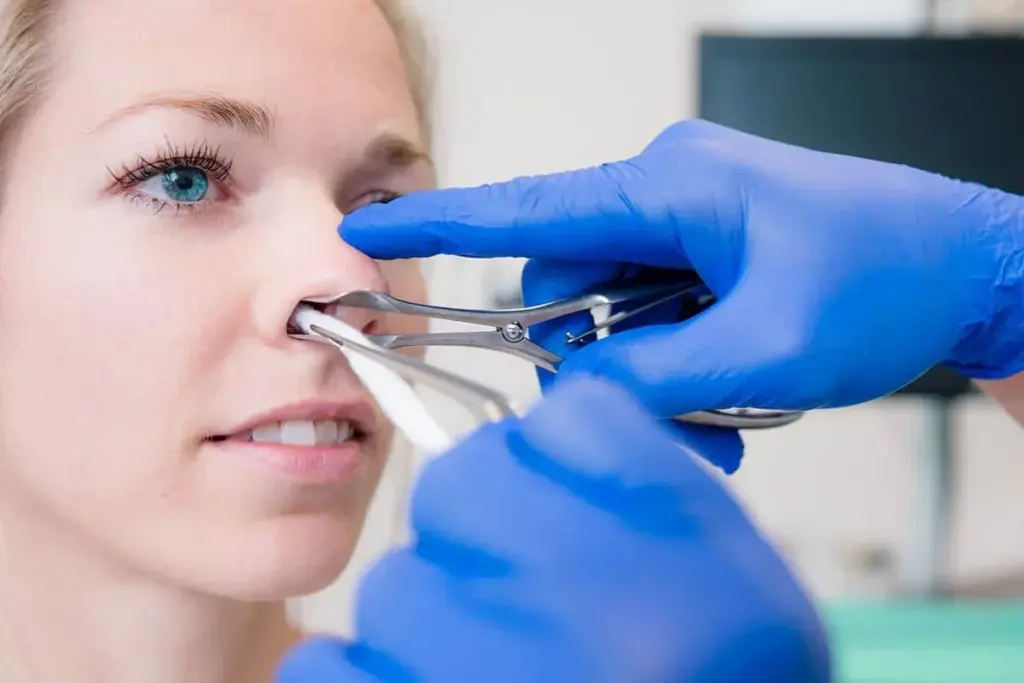
Sinus surgery includes many procedures, each with its own recovery time. The surgery type greatly affects how long it takes to recover. It’s important for patients to know the different surgeries available.
Common Types of Sinus Procedures
There are several sinus surgeries, like Functional Endoscopic Sinus Surgery (FESS) and balloon sinuplasty. FESS is a small procedure that uses an endoscope to see inside the sinuses. It removes blockages or diseased tissue. Balloon sinuplasty uses a balloon to open up the sinus passages, helping with drainage.
The demand for FESS systems is rising. This is because these surgeries have shorter recovery times and fewer complications.
Typical Recovery Timelines
Recovery times differ based on the surgery type. For example, balloon sinuplasty patients often recover faster than those who had FESS or open surgery.
- Balloon Sinuplasty: 1-3 days of recovery
- FESS: 1-2 weeks of recovery
- Open Sinus Surgery: 2-4 weeks or more of recovery
Factors Affecting Recovery Speed
Several things can affect how fast you recover from sinus surgery. These include your health, any medical conditions you have, and following post-operative care.
Key factors affecting recovery speed include:
- Patient’s overall health and age
- Presence of underlying medical conditions
- Adherence to post-operative instructions
- Type of surgical procedure performed
Knowing these factors and the surgery type can help set realistic recovery goals. This can lead to a smoother, faster recovery.
Comparing Different Sinusitis Medical Procedures
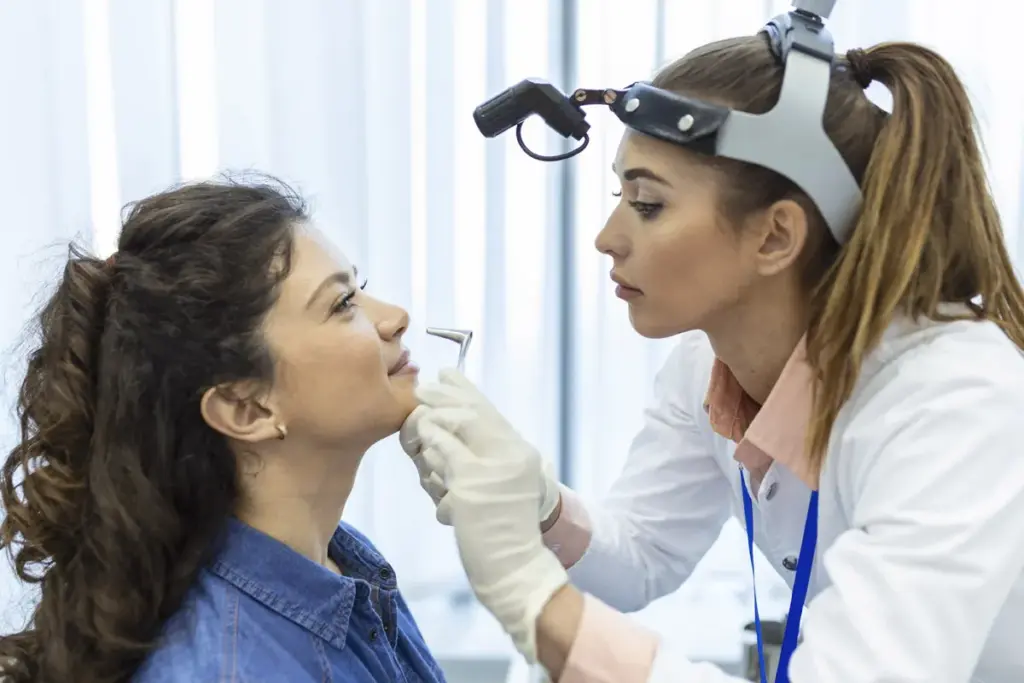
It’s important for patients to understand the different treatments for sinusitis. This condition can really affect your life. Choosing the right treatment can greatly improve your recovery and reduce symptoms.
Endoscopic vs. Open Surgery: Recovery Differences
There are two main ways to treat sinusitis: endoscopic sinus surgery and open surgery. Endoscopic sinus surgery is less invasive. It uses a small camera to see inside the sinuses and remove diseased tissue. Open surgery, on the other hand, requires a bigger cut and can lead to a longer recovery.
Endoscopic surgery usually means less pain and a quicker recovery. It also has fewer complications compared to open surgery.
Statistical Outcomes: 1.3% vs. 10% Complication Rates
Studies show that endoscopic sinus surgery is safer and more effective. It has a complication rate of about 1.3%. Open surgery, with a rate of around 10%, has much higher risks.
Hospital Stay Duration by Procedure Type
The time you spend in the hospital also differs. Endoscopic surgery often means you can go home the same day. Open surgery, being more invasive, requires a longer stay.
|
Procedure Type |
Complication Rate |
Average Hospital Stay |
|---|---|---|
|
Endoscopic Sinus Surgery |
1.3% |
0-1 day |
|
Open Surgery |
10% |
2-5 days |
Looking at these points, endoscopic sinus surgery is often the better choice for many patients with sinusitis.
Balloon Sinuplasty: A Minimally Invasive Alternative
For those with chronic sinusitis, balloon sinuplasty is a hopeful solution. It’s known for being less invasive than traditional sinus surgery. This makes it a popular choice for treating sinusitis with fewer side effects.
The Procedure and Its Advantages
Balloon sinuplasty uses a small balloon catheter in the nasal passage. It opens up the sinus ostia, or openings. This helps restore normal drainage and reduces swelling.
This method is great because it keeps the sinus mucosa intact. This reduces the risk of complications and helps patients recover faster.
“The use of balloon sinuplasty has changed how we treat sinusitis,” says recent research. Patients who have had it say they feel much better afterward.
Long-Term Symptom Improvement
Research shows balloon sinuplasty greatly improves sinus symptoms for a long time. People often see less nasal congestion, sinus pressure, and infections. It works well because it improves drainage and reduces swelling in the mucosa.
- Significant reduction in sinusitis symptoms
- Improved quality of life
- Minimally invasive with fewer complications
Quality of Life Benefits Over Four Years
Studies show the benefits of balloon sinuplasty last for years. Patients enjoy better quality of life, often for over four years after the procedure. This long-term benefit is a big plus for those looking for a lasting solution.
“Balloon sinuplasty has been a game-changer for my patients. It’s a safe and effective procedure that offers long-term relief from sinusitis symptoms.”
Coblation-Assisted Techniques for Faster Recovery
Coblation-assisted techniques are changing sinus surgery for the better. They make recovery faster and more efficient. This new technology is being used more to help patients heal quicker.
How Coblation Technology Works
Coblation technology is different from old methods. It doesn’t use heat to cut or shape tissue. Instead, it uses a gentle process that harms less tissue.
This method uses a special device to create energized ions. These ions break down tissue, making it easy to remove or reshape. It’s great for sinus surgery because it’s precise and doesn’t hurt much.
Reduced Intraoperative Blood Loss Benefits
Coblation-assisted techniques also cut down on blood loss during surgery. This is because it doesn’t use heat. So, there’s less bleeding and a clearer view for the surgeon.
- Reduced risk of excessive bleeding
- Improved visibility for the surgeon
- Less need for blood transfusions
Post-Operative Healing Advantages
These techniques also help with healing after surgery. Patients often feel less pain and discomfort. The tissues heal faster because they’re not as damaged.
- Faster return to normal activities
- Reduced risk of post-operative complications
- Improved overall patient satisfaction
Using coblation-assisted techniques means patients can recover faster. This technology is a big step forward in sinus surgery. It benefits both patients and surgeons a lot.
Pre-Surgery Preparation for Optimal Recovery
To have a smooth recovery, it’s key to prepare well before sinus surgery. Good preparation is vital for a successful surgery and to avoid problems. It sets the stage for a quick and easy recovery.
Medical Evaluations and Testing
Before surgery, you’ll go through medical checks and tests. These help your doctors understand your health and sinuses. You might have:
- Imaging tests like CT scans to see your sinuses clearly.
- Blood tests to find any health issues that could affect surgery or healing.
- Allergy testing to know about any allergies that might impact your recovery or sinuses.
These steps help your doctors plan the surgery just right for you. They make sure you’re ready for the procedure.
Medication Adjustments
Some medicines can change how surgery and recovery go. It’s important to tell your doctor about all medicines you take. This includes:
- Blood thinners that might need to be changed or stopped to avoid bleeding.
- Anti-inflammatory medicines that could slow down healing.
- Supplements like vitamin E or ginkgo biloba that might interact with other drugs or affect surgery.
Your doctor will guide you on changing your medicines. This ensures a safe and effective surgery.
Lifestyle Preparations
Changing your lifestyle can also help with recovery:
- Quit smoking a few weeks before surgery to help your lungs and recovery.
- Eat healthy foods like fruits, veggies, and lean proteins to help your body heal.
- Drink lots of water before surgery to stay hydrated.
These lifestyle changes can boost your body’s recovery from sinus surgery.
The Critical First 72 Hours After Surgery
The first 72 hours after sinus surgery are key for a smooth recovery. Patients need to be careful with their care to avoid problems and heal right.
Immediate Post-Operative Care
Right after surgery, patients stay in a recovery room for a few hours. Close monitoring is key to catch any quick issues, like bleeding or breathing trouble. Doctors give clear instructions on:
- Medication schedules
- Nasal care routines
- Activity levels
It’s very important to follow these steps closely for a good recovery.
Managing Pain and Discomfort
Managing pain well in the first 72 hours is a must. Doctors often give pain meds to help with this. It’s important to:
- Take meds as told
- Watch how much pain you’re in
- Tell the doctor if pain gets worse
Using cold compresses or resting with your head up can also help with swelling and pain.
Initial Activity Restrictions
For the first 72 hours, it’s best to avoid certain activities. These include:
- Strenuous physical activities
- Bending or heavy lifting
- Nose-blowing
Sticking to these rules helps avoid excessive bleeding and makes recovery easier.
By following the doctor’s instructions and managing pain well, patients can greatly improve their recovery. Drinking plenty of water and eating well also helps the healing process.
Nasal Irrigation: A Key Recovery Protocol
Recovering from sinus surgery well means using nasal irrigation. It helps the healing process, lowers the chance of problems, and eases symptoms like stuffy nose and discharge.
Benefits and Techniques
Nasal irrigation, or nasal lavage, is a simple yet effective way to clean out your nose. Evidence-based techniques suggest using a saline solution. You can make it at home or buy it at a store.
Most people use a neti pot or a squeeze bottle with a nasal spray tip. Make sure to use clean water and follow the right care to avoid infections.
Preparing the Solution
Making a saline solution for nasal irrigation is easy. A homemade saline rinse is made by mixing 1/4 teaspoon of salt and 1/2 teaspoon of baking soda in 8 ounces of warm water. It’s important to get the mix right to avoid any issues.
Frequency and Duration
The frequency and duration of nasal irrigation can change based on your needs and the doctor’s advice. Usually, people are told to do it several times a day, mostly in the first few days after surgery.
|
Recovery Stage |
Recommended Frequency |
Duration |
|---|---|---|
|
Initial Recovery (1-3 days post-surgery) |
3-4 times a day |
Until nasal congestion subsides |
|
Post-Initial Recovery (after 3 days) |
1-2 times a day |
As needed or as directed by surgeon |
Adding nasal irrigation to your recovery plan can greatly help your healing. It also lowers the risk of problems after surgery.
Sleeping Strategies to Reduce Swelling and Discomfort
Sleeping well after sinus surgery is key to healing. You need to make some changes to feel better. The right sleep tips can really help your recovery.
Optimal Head Elevation Techniques
Keeping your head up while sleeping helps with swelling. You can use extra pillows or a wedge pillow. Make sure your head is 30 degrees higher than your body.
Tips for Elevating the Head:
- Use two or more pillows to achieve the desired height.
- Consider investing in a wedge pillow designed for post-surgery recovery.
- Adjust the bed to a comfortable position if it is adjustable.
Creating a Recovery-Friendly Sleep Environment
A good sleep environment is important. It should be cool, quiet, and comfy.
Creating a Sleep-Conducive Environment:
- Keep the bedroom cool and well-ventilated.
- Use earplugs or a white noise machine to minimize noise.
- Invest in a comfortable mattress and pillows.
Managing Nighttime Breathing Difficulties
Some people might have trouble breathing at night after surgery. Saline nasal sprays or drops before bed can help. They keep your nasal passages moist and make breathing easier.
|
Method |
Description |
Benefits |
|---|---|---|
|
Saline Nasal Sprays |
Moisturizes nasal passages |
Eases breathing difficulties |
|
Nasal Strips |
Helps open nasal passages |
Improves airflow |
|
Humidifier |
Maintains air moisture |
Reduces nasal congestion |
By using these sleep tips, you can lessen swelling and discomfort after sinus surgery. This makes your recovery smoother and more comfortable.
Following Physician Instructions for Accelerated Healing
It’s key to follow your surgeon’s advice for the best healing after sinus surgery. Sticking to their instructions helps you feel more confident during your recovery. This is because it guides you through the post-surgery period smoothly.
Medication Adherence Importance
It’s very important to take your medicines as your doctor says. This helps manage pain and lowers the chance of infection. Medication adherence is key to avoiding problems and making sure you heal well. Always follow the dosage and know about any side effects.
“Following the medication plan is vital for a good recovery,” saysa top ENT specialist. “Don’t be shy to ask your doctor if you have any questions or worries about your medicines.”
Activity Restriction Compliance
It’s also important to stick to the activity limits set by your surgeon. Avoid doing heavy lifting, bending, or exercising too hard. This helps avoid problems like bleeding or swelling and helps you heal faster.
- Avoid heavy lifting or bending for the first few days after surgery
- Refrain from strenuous exercise or physical activity for the recommended period
- Take regular breaks to rest and elevate your head
When to Seek Additional Medical Attention
Even with careful following of doctor’s orders, sometimes you might need more help. Know the signs like too much bleeding, severe pain, or trouble breathing. If you see these, call your doctor right away.
By following your doctor’s advice and knowing when to get extra help, you can have a smooth and successful recovery from sinus surgery.
Early Gentle Movement and Physical Activity Guidelines
Recovering from sinus surgery is more than just resting. It also includes gentle movement and physical activity. These activities help by improving blood flow, reducing stiffness, and boosting overall health.
Safe Activities During the First Week
In the first week after surgery, it’s key to mix rest with gentle activities. Safe things to do include short walks, light stretching, and gentle neck movements. These help prevent stiffness and aid in healing without overstraining the body.
Recommended Activities:
- Short walks around the house
- Light stretching exercises
- Gentle neck movements
- Breathing exercises
Gradual Return to Normal Activities
As healing progresses, patients can start doing more normal activities. It’s important to listen to your body and not rush. Increase the intensity and duration of activities based on how you feel.
|
Activity Level |
Timeline |
Examples |
|---|---|---|
|
Low Intensity |
First 1-2 weeks |
Walking, light stretching |
|
Moderate Intensity |
2-4 weeks |
Brisk walking, yoga |
|
High Intensity |
4-6 weeks and beyond |
Running, heavy lifting, strenuous exercise |
Exercise Restrictions and Modifications
Some activities should be avoided or modified during recovery. High-impact exercises, bending, and heavy lifting are off-limits. They can cause complications and slow healing.
By sticking to these guidelines and talking to a healthcare provider, patients can have a smooth recovery after sinus surgery.
Environmental Factors: Avoiding Irritants and Allergens
After sinus surgery, it’s important to watch what’s around you. This helps avoid problems. Keeping your environment clean can really help your healing.
Air Quality and Humidity Control
Good air and the right humidity in your home are key. Using an air purifier can get rid of bad stuff in the air. This lowers the chance of problems after surgery.
Also, keeping humidity between 30% to 50% stops mold and dust mites. These are common allergens.
Humidifiers are great in dry places. They keep your nose moist and comfy. But, make sure to clean them often to stop bacteria.
Smoke, Dust, and Chemical Exposure Prevention
Stay away from smoke, dust, and chemicals while you’re recovering. Don’t smoke and avoid secondhand smoke. It’s also good to wear a mask when cleaning or fixing things.
Try to avoid strong chemicals in cleaners or paints. Use gentle, fragrance-free products to avoid irritating your nose and sinuses.
Seasonal Considerations for Recovery
Seasons can make recovery harder. In pollen seasons, keep windows closed and use air conditioning. This cuts down on allergens.
In dry winter, a humidifier is even more important. Knowing these seasonal tips can help you recover better. By controlling irritants and allergens, you can heal faster and more comfortably.
Managing Complications for Uninterrupted Recovery
Managing post-surgery complications is vital for a smooth recovery. After sinus surgery, patients might face several issues that can slow down their healing.
Addressing Excessive Bleeding
Excessive bleeding is a common issue after sinus surgery. To handle it, patients should:
- Apply gentle pressure to the nose using a saline-moistened gauze for a few minutes.
- Avoid strenuous activities that can increase blood pressure and lead to further bleeding.
- Elevate the head while resting to reduce nasal congestion and bleeding.
If bleeding doesn’t stop, it’s important to reach out to the healthcare provider for advice.
Controlling Infection Risk
Infection is another risk after sinus surgery. To lower this risk:
- Use saline nasal irrigations as directed by the healthcare provider to keep the nasal passages clean.
- Follow the prescribed antibiotic regimen, if any, to prevent infection.
- Watch for signs of infection, such as increased pain, fever, or foul-smelling discharge, and report them to the healthcare provider promptly.
Reducing Persistent Swelling
Persistent swelling can cause discomfort and slow recovery. To lessen swelling:
- Apply cold compresses to the face as recommended by the healthcare provider.
- Keep the head elevated while sleeping to reduce congestion.
- Use nasal decongestants as directed to help alleviate nasal congestion.
By following these tips, patients can manage common complications and support their recovery.
Conclusion
Recovering well from sinus surgery is key to getting back to normal life. livhospital.com focuses on the best recovery methods, helping patients get the care they need. Using techniques like nasal irrigation and gentle exercises, patients can heal faster. livhospital.com’s approach ensures a thorough recovery plan for everyone. For those having sinus surgery, a team effort is best. It meets each patient’s needs for a quick and easy recovery. Learn more about sinus surgery and recovery at livhospital.com.
FAQ
What is the typical recovery time for endoscopic sinus surgery?
Recovery from endoscopic sinus surgery usually takes 1-2 weeks. It might take longer for your sinuses to fully heal.
Can I have sinus surgery if I have a cold?
It’s best to wait until you’ve fully recovered from a cold before having sinus surgery. A cold can increase surgery risks.
What is the difference between endoscopic sinus surgery and balloon sinuplasty?
Endoscopic sinus surgery uses a scope to see inside the sinuses. It removes diseased tissue and bone. Balloon sinuplasty uses a balloon to open the sinuses.
How long does it take to recover from balloon sinuplasty?
Balloon sinuplasty recovery is quicker. Most people can get back to normal in a few days to a week.
What are the benefits of coblation-assisted sinus surgery?
Coblation-assisted sinus surgery has benefits. It reduces blood loss during surgery and helps with healing afterwards.
How can I prepare for sinus surgery to ensure a smooth recovery?
To prepare for sinus surgery, get medical checks, adjust your meds, and make lifestyle changes. This helps avoid complications.
What are the most important things to do during the first 72 hours after sinus surgery?
Follow your surgeon’s advice, manage pain, and rest during the first 72 hours. This helps your recovery.
How often should I perform nasal irrigation after sinus surgery?
Irrigate your nose several times a day, as your surgeon advises. It helps with healing and prevents complications.
How can I sleep comfortably after sinus surgery?
Sleep with your head elevated, create a comfortable sleep space, and manage breathing at night. This helps you rest well.
What are the signs of complications after sinus surgery?
Watch for signs like too much bleeding, infection, and swelling. Seek help if you notice these symptoms.
Can I return to normal activities after sinus surgery?
Follow your surgeon’s activity rules. Gradually go back to normal to avoid problems.
How can I manage environmental factors to promote recovery after sinus surgery?
Control air quality and humidity, avoid smoke, dust, and chemicals. Also, consider the season to aid your recovery.
References
National Center for Biotechnology Information. Evidence-Based Medical Insight. Retrieved from https://pmc.ncbi.nlm.nih.gov/articles/PMC2965172/[3