After sinus surgery, many patients ask what happens in their nose during recovery. At Liv Hospital, we use nasal packing to help healing and cut down on bleeding.
Nasal packing is key to healing. We use either absorbable or non-absorbable materials in the nose after sinus surgery. These materials help avoid complications and make recovery smoother.
At Liv Hospital, we aim to give top-notch healthcare with full support for our patients. Our team will help you through recovery, making sure you get the best care.
Key Takeaways
- Nasal packing materials are used to promote healing and minimize bleeding after sinus surgery.
- Absorbable and non-absorbable materials are used for nasal packing.
- Liv Hospital provides complete support for patients undergoing sinus surgery.
- Our team of experts will guide you through the recovery process.
- Nasal packing helps to reduce the risk of complications and promote a smooth recovery.
The Purpose and Importance of Nasal Packing

Nasal packing is a key part of sinus surgery. It has many important roles. It helps patients recover smoothly and without complications.
Controlling Post-Operative Bleeding
Nasal packing helps to control post-operative bleeding. It applies gentle pressure to the nasal passages. This stops bleeding and helps the body form clots.
This is very important right after surgery. The risk of bleeding is highest then.
Preventing Adhesions and Supporting Tissue Healing
Nasal packing also prevents adhesions in the nasal cavity. Adhesions can cause problems like nasal blockage and chronic sinusitis. Nasal packs keep tissues apart, reducing the chance of adhesions.
They also support healing by creating a stable environment. This helps the body heal naturally.
Reducing Edema and Inflammation
Nasal packing also reduces edema and inflammation. It helps to lessen swelling and inflammation. This makes breathing easier and reduces pain for the patient.
This is very helpful for patients having Functional Endoscopic Sinus Surgery (FESS). Reducing inflammation is key for the surgery’s success.
Nasal packing plays a big role in post-surgical care. It improves recovery for patients. At our institution, we focus on nasal packing as part of our care. We want our patients to have the best outcomes from their sinus surgery.
Types of Sinus Surgeries Requiring Nasal Packing
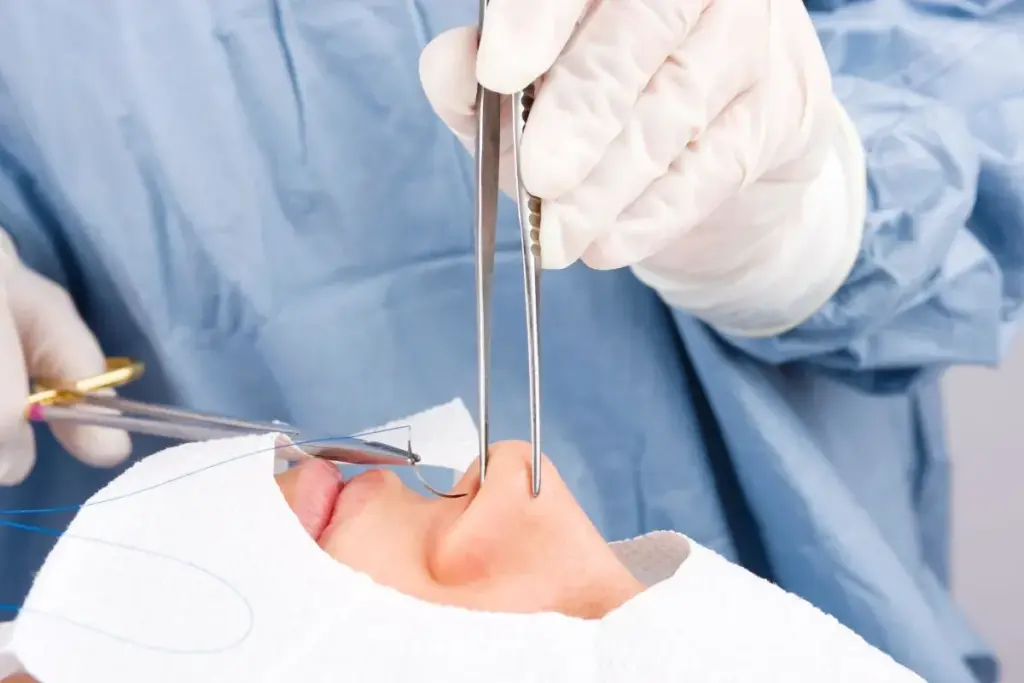
Various sinus surgeries, including FESS and septoplasty, typically require nasal packing. At Liv Hospital, we use nasal packing in many procedures. This helps ensure the best results for our patients.
Functional Endoscopic Sinus Surgery (FESS)
FESS is a common treatment for chronic sinusitis and nasal polyps. We use nasal packing in FESS to manage bleeding after surgery. It also helps the healing process.
Septoplasty and Rhinoplasty Procedures
Septoplasty and rhinoplasty fix nasal septum issues and reshape the nose. Nasal packing is used in these surgeries. It helps keep the new shape and stops bleeding.
Polypectomy and Other Specialized Procedures
Polypectomy removes nasal polyps. Other specialized procedures might also need nasal packing. This ensures a smooth recovery.
|
Surgery Type |
Purpose |
Use of Nasal Packing |
|---|---|---|
|
FESS |
Treat chronic sinusitis and nasal polyps |
Control bleeding and support healing |
|
Septoplasty |
Correct nasal septum deviation |
Maintain new shape and prevent bleeding |
|
Rhinoplasty |
Reshape the nose |
Support new shape and prevent bleeding |
|
Polypectomy |
Remove nasal polyps |
Ensure smooth recovery |
Nonabsorbable Nasal Packing Materials
Nonabsorbable nasal packing materials are key in caring for patients after sinus surgery. They help support the nasal passages. This helps control bleeding, reduce swelling, and aid in healing.
Traditional Gauze and Ribbon Packing
For decades, gauze and ribbon packing have been used in nasal surgery. Gauze packing is made from cotton or synthetic materials. It absorbs blood and secretions. Ribbon packing supports the nasal septum.
Yet, these materials have downsides. They can be uncomfortable and irritate the nasal mucosa. Removing them can be painful and may lead to bleeding again.
Inflatable Balloon Packs and Their Application
Inflatable balloon packs are another option. These packs are inserted and then inflated to apply pressure. This helps control bleeding and swelling.
These packs are more comfortable than gauze and easy to remove. But, they might not work for all nasal surgeries.
Silicone Splints and Stents: Benefits and Drawbacks
Silicone splints and stents offer structural support. They are great for septoplasty and rhinoplasty. Silicone is safe for most patients.
|
Type of Packing |
Benefits |
Drawbacks |
|---|---|---|
|
Gauze and Ribbon Packing |
Effective for bleeding control, widely available |
Uncomfortable, may irritate nasal mucosa |
|
Inflatable Balloon Packs |
More comfortable, easy to remove |
Not for all nasal surgeries |
|
Silicone Splints and Stents |
Biocompatible, provides support |
May need extra procedure for removal |
Knowing about different nasal packing materials helps healthcare providers choose the best for their patients.
Absorbable Nasal Packing Options
Absorbable nasal packing materials have changed how we care for patients after sinus surgery. They make recovery easier and safer. These materials dissolve in the body, so they don’t need to be removed. This can lower the risk of problems that come with traditional packing.
Carboxymethylcellulose (CMC) Based Products
Carboxymethylcellose (CMC) products are a top pick for nasal packing. They keep the area moist, helping it heal faster and reducing scarring. CMC-based products also help stop bleeding and aid in tissue repair.
Gelatin-Based Materials and Their Dissolution
Gelatin-based materials are another popular choice. They are safe for the body and break down in a few days to a week. Most patients find the process comfortable. Gelatin-based packings are great for surgeries where stopping bleeding is key.
Advanced Products Like Guardcel and Their Advantages
Guardcel is a big step forward in nasal packing technology. It stops bleeding well but is gentle on the nose. Its design lets it dissolve in the body, making recovery smoother. Guardcel and similar products are best for complex surgeries.
Statistical Comparison of Packing Materials
Recent studies have shown how absorbable and nonabsorbable nasal packing materials compare after sinus surgery. At our institution, we follow evidence-based practice. This comparison helps us improve patient care.
Adhesion Rates
Adhesion rates differ between absorbable and nonabsorbable packing materials. Absorbable materials have adhesion rates from 4.6% to 8%. Nonabsorbable materials can have rates up to 35.7%. This shows absorbable materials might be better for reducing complications and improving outcomes.
“The use of absorbable nasal packing has changed post-sinus surgery care,” a recent study says. It reduces adhesions, keeping sinus cavities open and surgery successful.
Hemostasis Efficiency and Bleeding Control
Both types of packing materials control bleeding well. But, absorbable materials are absorbed by the body, avoiding the need for a second procedure. Our analysis shows absorbable materials might be as good as, or better than, nonabsorbable ones in controlling bleeding.
- Absorbable materials: Effective in controlling bleeding with minimal risk of complications.
- Nonabsorbable materials: Require removal, which can sometimes cause discomfort and additional bleeding.
Patient Comfort and Pain Metrics
Patient comfort is key when evaluating nasal packing materials. Studies show patients are more comfortable with absorbable materials. They experience less pain, making for a better patient experience.
We focus on patient comfort and pain management. A more comfortable recovery leads to better outcomes and higher patient satisfaction.
The Sinusitis Medical Procedure and Appropriate Packing Selection
Choosing the right nasal packing material is key for sinusitis medical procedures. It’s important for both effective treatment and patient comfort.
Matching Packing Materials to Specific Sinus Conditions
The type of sinusitis and the specific sinus condition are important. For example, chronic sinusitis might need different packing than acute sinusitis surgery.
We look at many factors. These include the condition’s severity, any anatomical issues, and the patient’s health. This helps us pick the best nasal packing.
|
Sinus Condition |
Recommended Packing Material |
Benefits |
|---|---|---|
|
Chronic Sinusitis |
Absorbable materials (e.g., carboxymethylcellulose) |
Reduces risk of adhesion formation, promotes healing |
|
Acute Sinusitis |
Nonabsorbable materials (e.g., silicone splints) |
Provides structural support, easy to remove |
|
Post-operative care |
Inflatable balloon packs |
Effective bleeding control, minimizes discomfort |
Surgeon Decision-Making Process
Our surgeons carefully choose nasal packing materials. They consider the patient’s needs, the surgery type, and their own preference. This ensures the best results.
They evaluate the patient’s medical history and the surgery’s complexity. They also think about the risks of different packing materials.
Patient Experience During Packing Placement
When patients get ready for sinus surgery, knowing what happens during nasal packing can help ease their worries. At Liv Hospital, we focus on making sure our patients are well-informed and comfortable. This makes their experience better.
Anesthesia and Comfort Measures
We use the right anesthesia and comfort measures to reduce discomfort during nasal packing. The choice of anesthesia depends on the procedure and the patient’s needs. For example, during sinus polyp removal, we might use local anesthesia to keep the area numb.
Comfort measures are key in our care. We might use sedation to help patients relax. We also handle the nasal packing carefully to avoid irritation.
Visual and Sensory Expectations
Patients often wonder what they’ll see and feel during nasal packing. The procedure happens in a controlled setting, like an operating room. Our skilled team uses special equipment for precision and safety.
Patients might see the packing materials being put into their nose. They might feel some pressure, but it shouldn’t hurt because of the anesthesia and comfort measures.
Immediate Post-Procedure Sensations
Right after the procedure, patients might feel their nose is full or pressurized. These feelings usually go away quickly and can be managed with pain meds if needed.
To understand what patients go through, here are some important stats about nasal packing and sinus surgery:
|
Aspect |
Nonabsorbable Packing |
Absorbable Packing |
|---|---|---|
|
Discomfort Level |
Moderate to High |
Low to Moderate |
|
Removal Requirement |
Yes |
No |
|
Bleeding Control |
Effective |
Effective |
Knowing these details helps patients prepare for nasal packing during sinus surgery.
Living With Nasal Packing: Day-to-Day Management
After sinus surgery, managing daily life with nasal packing can be tough. But, with the right techniques, patients can get through it more comfortably. Nasal packing helps control bleeding, reduce swelling, and aid in healing.
Breathing Techniques and Adaptations
One big challenge is adapting breathing with nasal packing. Patients must breathe more through their mouth because their nose is blocked. Practicing slow, deep breaths can ease this adjustment. Keeping a humidifier nearby also helps prevent dry mouth and throat.
- Practice nasal breathing exercises before surgery to build up tolerance.
- Use a saline spray to keep the mouth and throat moist.
- Avoid strenuous activities that require holding your breath.
Sleeping and Positioning Recommendations
Sleeping with nasal packing can be tough, but some positions help. Elevating the head of the bed by 30-40 degrees helps reduce swelling and promotes drainage. Sleeping on your back is usually best to avoid discomfort or packing displacement.
- Use extra pillows to support your head and neck.
- Avoid lying flat, as this can increase swelling.
- Consider using a sleep wedge pillow for better elevation.
Managing Drainage and Secretions
Managing nasal drainage and secretions is key during recovery. Patients should be ready for drainage down the back of the throat, which is normal. Saline nasal sprays or drops can help loosen secretions, making them easier to expel.
- Use saline nasal sprays as directed by your doctor.
- Gently blow your nose as instructed.
- Keep tissues handy to manage drainage.
By adapting to these changes and following guidelines, patients can manage their recovery better. It’s vital to follow your healthcare provider’s specific instructions. They may have additional advice based on your surgery and needs.
The Packing Removal Process
Knowing what to expect when nasal packing is removed can make recovery easier. At our institution, we focus on making sure patients are comfortable and understand every step of their recovery.
Timing Considerations for Nonabsorbable Materials
Nonabsorbable nasal packing is usually taken out one to two weeks after surgery. The exact time depends on the packing type and the surgeon’s judgment on the patient’s healing. We make sure the removal is done carefully to reduce any pain.
Dissolution Timeline for Absorbable Materials
Absorbable nasal packing dissolves on its own, so no removal is needed. These materials start to dissolve in a few days to a week. They are fully absorbed in weeks after surgery. Using these materials can make recovery easier for many patients.
Pain Management During Removal
Managing pain is key during nasal packing removal. For nonabsorbable materials, we might use local anesthetics or other comfort measures. Our team works hard to make this process as painless as possible, giving patients the care and support they need.
By carefully managing the nasal packing removal, we improve the recovery experience for our patients. Whether using absorbable or nonabsorbable materials, our goal is to provide compassionate, high-quality care.
Potential Complications Related to Different Packing Types
After sinus surgery, the nasal packing can lead to issues like infection and granulation. At Liv Hospital, we focus on being open and keeping our patients safe. We make sure they know about the possible risks and benefits of nasal packing.
Infection Rates and Risk Factors
Infection is a big problem with nasal packing. The risk depends on the packing material. For example, nonabsorbable materials might stay in longer, raising the infection risk.
Research shows infection rates can hit up to 10% with some packings. Factors like the patient’s health, diabetes, and the surgeon’s skill play a role.
Granulation and Tissue Response
Granulation tissue can form with nasal packing, often with nonabsorbable materials. This can irritate the area and cause granulation tissue.
How the body reacts to these materials can differ. Some people might be more likely to get granulation tissue. Treating this might need removing the packing.
Long-term Adhesion Formation
Adhesions can be a long-term issue with nasal packing, more so with nonabsorbable materials. These adhesions can block the nose and might need surgery to fix.
Using the right packing material and following care instructions can lower adhesion risk. Absorbable materials, for instance, are better at preventing long-term adhesions.
|
Complication |
Nonabsorbable Packing |
Absorbable Packing |
|---|---|---|
|
Infection Rate |
Higher (up to 10%) |
Lower (around 2-3%) |
|
Granulation Tissue Formation |
More Common |
Less Common |
|
Long-term Adhesion Formation |
Higher Risk |
Lower Risk |
Special Considerations for High-Risk Patients
High-risk patients need special care for sinus surgery. At our institution, we focus on managing risks for these patients. This ensures the best results.
Patients with Bleeding Disorders
Patients with bleeding disorders face big challenges during surgery. We manage their anticoagulant medications carefully. We also have hemostatic agents ready during the procedure.
After surgery, we watch them closely to prevent bleeding. Our team works with hematologists for their care.
Diabetic Patients and Healing Concerns
Diabetic patients have unique healing challenges. We stress the need for optimal blood glucose control before, during, and after surgery. This reduces risks.
We guide them on managing diabetes during recovery. This includes adjusting medications and monitoring. Our approach helps prevent complications and ensures a smooth recovery.
Immunocompromised Individuals
Immunocompromised patients, like those with HIV/AIDS, are at higher risk for infections. We use prophylactic antibiotic regimens tailored to their needs. We also monitor them closely for infection signs.
We teach them about good hygiene and recognizing infection signs. This helps them play an active role in their recovery.
By understanding and tailoring care for high-risk patients, we improve their surgery outcomes. This approach is key to their success.
Recovery Timeline With Different Packing Materials
We know how important a clear recovery timeline is for patients after sinus surgery. The packing used during surgery affects recovery. Knowing these differences helps manage patient care and expectations.
First 48 Hours Post-Surgery
The first 48 hours after surgery are key for a smooth recovery. Patients with non-absorbable packing might feel more pain and have trouble breathing. We advise following a specific care plan to avoid complications and aid healing.
Key considerations during the first 48 hours include:
- Managing pain with prescribed medication
- Elevating the head while sleeping to reduce swelling
- Avoiding strenuous activities and blowing the nose
One Week to One Month Recovery Phase
As swelling goes down, patients start to feel better. The packing type affects how fast they improve. Absorbable packing, like carboxymethylcellulose or gelatin, dissolves, making recovery faster.
|
Recovery Aspect |
Non-Absorbable Packing |
Absorbable Packing |
|---|---|---|
|
Packing Removal |
Typically requires a follow-up visit |
Dissolves over time, no removal needed |
|
Initial Discomfort |
Higher due to the presence of packing |
Generally less discomfort |
|
Bleeding Control |
Effective but may cause discomfort |
Effective with potentially less discomfort |
Complete Healing and Long-term Outcomes
Most patients see big improvements after sinus surgery. The packing type affects both immediate and long-term results. Advanced absorbable packing often leads to better satisfaction due to less discomfort and fewer issues.
Following post-operative instructions carefully is key for the best outcomes.
Post-Packing Care Instructions
After sinus surgery, it’s important to follow certain care instructions. This helps ensure you heal well and avoid any complications. Proper care is key for a smooth recovery.
Nasal Irrigation Protocols
Nasal irrigation is a big part of post-surgery care. It helps remove debris, reduces crusting, and aids in healing. Start with a gentle, low-pressure rinse 2-3 times a day using a saline solution.
To do nasal irrigation right:
- Use sterile or distilled water with the saline solution.
- Use a neti pot or a squeeze bottle for irrigation.
- Tip your head to one side and gently rinse the nasal passage.
- Do the same on the other side.
Medication Management and Pain Control
It’s important to follow your medication plan. This helps manage pain, reduce swelling, and prevent infection. You’ll likely be given pain meds, antibiotics, and nasal sprays.
To control pain well:
- Take your pain meds as directed.
- Keep an eye on your pain and tell your surgeon if it’s bad or lasts too long.
- Use nasal sprays as directed to lessen swelling.
Activity Restrictions and Return to Normal Life
After surgery, avoid activities that might harm your healing. Stay away from heavy lifting, bending, or intense exercise for 1-2 weeks.
|
Activity |
Recommended Avoidance Period |
|---|---|
|
Heavy lifting, bending |
1-2 weeks |
|
Strenuous exercise |
1-2 weeks |
|
Swimming, diving |
4-6 weeks |
By sticking to these care instructions, you can improve your recovery and get the best results from your surgery.
Innovations in Nasal Packing Technology
New advancements in nasal packing materials are making post-sinus surgery care better. At Liv Hospital, we’re always looking for the latest in medical tech. This ensures our patients get the top treatment.
Recent breakthroughs in nasal packing tech have brought more effective and comfy solutions for sinus surgery patients. These changes are key to better patient results and fewer complications.
Drug-Eluting Packing Materials
Drug-eluting packing materials are a big step forward. They slowly release medicine, treating the nasal area directly. This can help healing, reduce swelling, and lower infection risk.
Research shows drug-eluting nasal packs can greatly improve patient results. For example, a study on the website shows their benefits in cutting down on post-op issues.
|
Feature |
Traditional Nasal Packs |
Drug-Eluting Nasal Packs |
|---|---|---|
|
Medication Delivery |
No targeted medication delivery |
Slow release of medication |
|
Inflammation Reduction |
Limited effect on inflammation |
Significant reduction in inflammation |
|
Infection Risk |
Standard risk of infection |
Reduced risk of infection due to antimicrobial properties |
Biodegradable and Biocompatible Advances
There’s also progress in biodegradable and biocompatible nasal packing. These materials dissolve naturally, avoiding the need for pack removal and lessening discomfort.
Biodegradable packs, like those from carboxymethylcellulose (CMC) or gelatin, have big pluses. They support healing early on and then dissolve, lowering complication risks.
We’re always pushing forward in nasal packing tech to better patient care and results. By using the newest tech, like drug-eluting and biodegradable materials, we offer better and more comfortable treatments for sinus surgery patients.
International. Best Practices in Post-Sinus Surgery Care
As sinus surgery techniques get better, caring for patients after surgery is more important worldwide. Taking care of patients after sinus surgery is key to their recovery. Different places have different ways of doing this.
European vs. American Approaches
How to care for patients after sinus surgery varies between Europe and America. For example, Europeans often use special packing that dissolves on its own. Americans might use both kinds of packing.
We will look into these differences. We’ll talk about what works best for each method.
European guidelines suggest a more careful approach. They aim to avoid problems and let the body heal naturally. On the other hand, American methods might use new technologies to help patients get better faster.
Evidence-Based Protocol Development
Creating evidence-based care plans is vital for consistent care worldwide. We look at studies and guidelines to find the best ways to care for patients. Our goal is to improve patient results and lower risks.
Important things in making these plans include:
- Choosing the right patients and getting them ready for surgery
- Using the same surgery methods and care after surgery
- Good ways to manage pain
- Checking in with patients and handling any problems
Using evidence-based plans helps doctors give the best care, no matter where patients are.
Conclusion: Making Informed Decisions About Nasal Packing
Knowing how nasal packing helps in sinus surgery recovery is key. Patients need to understand the different materials used, their purposes, and possible issues. This knowledge helps them choose the best treatment for themselves.
At Liv Hospital, we focus on patient care. We make sure our patients get all the support they need during recovery. Whether it’s a sinusitis procedure or surgery, our team helps patients make the right choices about nasal packing and care.
Choosing the right nasal packing can greatly affect recovery from sinus surgery. We advise patients to talk to their doctors about their options. They should think about the surgery type, how severe their condition is, and what they personally need.
FAQ
What is nasal packing, and why is it used after sinus surgery?
Nasal packing is a material put in the nose to stop bleeding and help healing after surgery. It helps the recovery process and reduces risks.
What types of nasal packing are available, and how are they chosen?
There are two main types: absorbable and nonabsorbable. The choice depends on the surgery type, patient’s health, and the surgeon’s choice. Absorbable materials dissolve, while nonabsorbable ones need to be taken out.
How long does nasal packing stay in place?
It depends on the material. Nonabsorbable packing is removed in a few days to a week. Absorbable packing dissolves in a few days to weeks.
Can I breathe normally with nasal packing in place?
Nasal packing might make breathing harder, but most can breathe through their mouth. Slow, deep breathing and sleeping with the head up can help.
How is nasal packing removed, and is it painful?
Nonabsorbable packing is removed in a clinic and might be a bit uncomfortable. But, there are ways to manage pain. Absorbable packing dissolves on its own and doesn’t need to be removed.
What are the possible complications of nasal packing?
Complications include infection, growths, and adhesions. The risk depends on the packing type and the patient’s health.
How can I care for my nose after nasal packing removal?
After removal, care for your nose with nasal irrigation, follow medication, and avoid hard activities. These steps help your recovery and reduce risks.
Are there any new developments in nasal packing technology?
Yes, new technologies are being developed, like drug-eluting materials and biodegradable options. These aim to improve recovery and outcomes.
Can I undergo sinus surgery if I have a cold or sinus infection?
It’s usually best to wait until the infection or cold is gone to avoid complications. Your surgeon will decide based on your health.
What is the recovery timeline after sinus surgery with nasal packing?
Recovery time varies by individual and packing type. Most see big improvements in a few weeks. Full healing can take several weeks to months.
How does the type of sinusitis or sinus condition affect the choice of nasal packing?
The type and severity of sinusitis or condition affect packing choice. Surgeons consider surgery extent, polyps, and overall health when deciding.
National Center for Biotechnology Information. Evidence-Based Medical Insight. Retrieved from https://pubmed.ncbi.nlm.nih.gov/28728489/