Recovering from FESS surgery means paying close attention to how you sleep. This helps reduce swelling and makes your recovery more comfortable. We suggest using extra pillows or a wedge to keep your head elevated for 7-14 days. This helps clear congestion and aids in healing.
Good sleep habits are also key. Keeping your room cool and dark, and following a regular bedtime routine, can help your wounds heal faster. By improving your sleep, you can boost your body’s healing and lower the chance of complications after endoscopic sinus surgery.
Key Takeaways
- Elevate your head for 7-14 days after FESS surgery to minimize swelling.
- Maintain a cool, dark room to improve sleep quality.
- Stick to a consistent bedtime routine to enhance recovery.
- Proper sleep hygiene can accelerate healing after endoscopic sinus surgery.
- A comfortable sleep environment is vital for sinuses surgery recovery.
The Critical Relationship Between Sleep and FESS Recovery
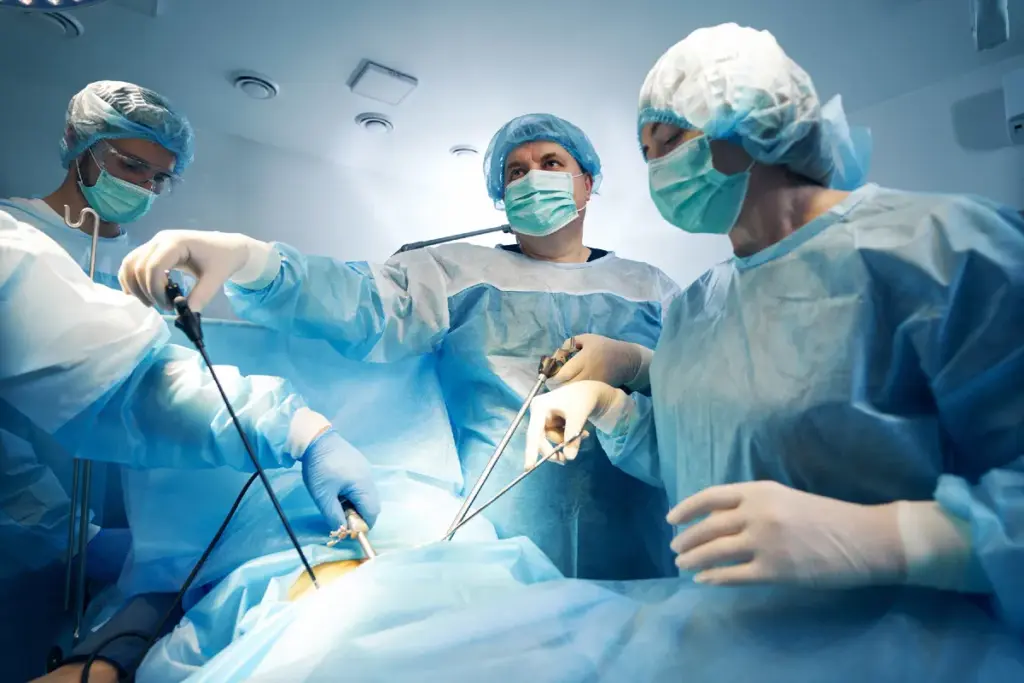
Getting quality sleep is key to healing after nasal surgery, like FESS. During Functional Endoscopic Sinus Surgery, a surgeon uses an endoscope to see inside the sinuses. They remove blockages or diseased tissue to help with drainage and lower the risk of problems.
What Happens During Functional Endoscopic Sinus Surgery
FESS is a small procedure that uses a flexible or rigid endoscope to look at the sinuses. The surgeon then takes out any blockages, like polyps or infected tissue. This helps with ventilation and drainage. The surgery is done under general or local anesthesia with sedation.
Why Quality Sleep Accelerates Healing
Quality sleep is very important for healing after FESS. While we sleep, our body fixes and grows back damaged tissues, including in the nasal passages. Studies show that sleeping can reduce swelling by up to 20%. It also helps with drainage and speeds up healing. Focusing on sleep can help patients recover more effectively and minimize potential complications.
|
Benefits of Quality Sleep |
Impact on FESS Recovery |
|---|---|
|
Reduces swelling |
Promotes sinus drainage |
|
Accelerates healing |
Minimizes risk of complications |
|
Repairs damaged tissues |
Improves overall recovery outcome |
For more info on recovering from endoscopic sinus surgery, including tips for sleeping well, visit.
First 48 Hours: Essential Sleep Strategies

After FESS surgery, the first 48 hours are key for a smooth recovery. We suggest focusing on sleep strategies to ease discomfort and aid healing.
Managing Pain and Discomfort
Managing pain well in the first 48 hours is essential. Stick to your medication schedule to avoid complications. Also, nasal saline irrigations can keep your nasal passages moist, easing discomfort and speeding up recovery.
Key strategies for managing pain include:
- Taking pain medication as directed by your healthcare provider
- Using saline nasal sprays to maintain nasal moisture
- Avoiding strenuous activities that could exacerbate discomfort
Dealing with Nasal Packing and Splints
Nasal packing and splints are used to support healing after FESS surgery. They may cause some discomfort but are temporary and important for healing. Always follow your surgeon’s instructions for their care and removal to avoid complications.
To manage discomfort related to nasal packing and splints, consider the following:
- Using a humidifier to maintain a comfortable nasal environment
- Avoiding blowing your nose or straining, which can dislodge the packing or splints
- Following your surgeon’s guidance on nasal irrigation and care
Head Elevation: The 30-Degree Rule
The 30-degree rule helps reduce discomfort and aids in healing after sinus surgery. It’s important to elevate the head by at least 30 degrees to lessen swelling and improve sinus drainage. You can use extra pillows or a wedge pillow to achieve this, making it easy for those recovering from FESS surgery.
Scientific Rationale for Elevation
Elevating the head after FESS surgery is more than just for comfort. It’s scientifically proven to reduce sinus pressure and aid in drainage. This position minimizes complications and speeds up recovery. Studies confirm that it greatly reduces congestion and irritation during sleep, making it key for post-operative care.
Duration Requirements (7-14 Days)
Patients should keep their head elevated for 7 to 14 days after surgery. This time is vital for the sinuses to heal and avoid complications. Following this guideline can greatly improve recovery, allowing patients to get back to their normal activities sooner.
Measuring Proper Angle at Home
Measuring the right angle at home is easy with the right tools. You can use a protractor or angle measurer to check the angle. Or, a wedge pillow with an angle indicator can make it simpler. Having someone help adjust the pillows or wedge can also be helpful.
|
Elevation Method |
Benefits |
Duration |
|---|---|---|
|
Extra Pillows |
Easily adjustable, readily available |
7-14 days |
|
Wedge Pillow |
Maintains consistent angle, comfortable |
7-14 days |
By following the 30-degree rule, patients can greatly enhance their recovery after FESS surgery. This simple adjustment can significantly reduce discomfort and promote healing.
Optimal Sleeping Positions After Sinus Surgery
After Functional Endoscopic Sinus Surgery (FESS), the right sleeping position is key for recovery. Sleeping on your back is best to avoid pressure on your nose and sinuses. This can cause problems or pain.
This position helps with drainage and lowers the chance of bleeding or swelling.
Back Sleeping Techniques and Adjustments
To sleep comfortably on your back, use pillows or a wedge for support. Elevating your head by 30 degrees helps with swelling and drainage. A contoured pillow or stacked pillows can help with this.
Keeping your body aligned is also important. A pillow under your knees can ease spine pressure and boost comfort. This helps you stay in the back-sleeping position all night.
Why Side and Stomach Sleeping Are Prohibited
Sleeping on your side or stomach after FESS surgery can harm your nose and sinuses. Side-sleeping can block your nasal passages, while stomach-sleeping increases bleeding or discomfort risks. It’s best to avoid these positions early on.
Research shows avoiding strenuous activities, like bad sleeping positions, can reduce healing complications by 15-25%. Sleeping on your back minimizes post-operative issues and aids in a smoother recovery.
Training Yourself for Back Sleeping
Adjusting to back sleeping might take time if you’re not used to it. Start with small changes, like using pillows or a body pillow. Relaxation techniques, like deep breathing or meditation, can also help you relax and sleep better.
Being consistent is vital when learning to sleep on your back. It might take a few nights, but with the right approach and support, you can adapt and recover well.
Pillow Configurations for Maximum Comfort and Safety
After FESS surgery, the right pillow setup can make a big difference. Keeping your sleep area cool and dark helps wounds heal better. The right pillows help you sleep comfortably and avoid neck pain.
Types of Pillows for Different Sleep Needs
There are many pillows to choose from for neck support after FESS surgery. Wedge pillows and contoured pillows are great because they offer the right support and height.
It’s a good idea to try out different pillows to see what works best for you.
DIY Pillow Arrangements
Patients can try different pillow setups to find what’s most comfortable. You can stack pillows or add more for support. This helps keep your head at a 30-degree angle.
Make sure your pillow setup doesn’t press on your nose or cause discomfort.
Neck Support Considerations
Good neck support is key for a comfortable sleep and less strain. A cervical pillow or a pillow with a special design can offer the right support.
We suggest adjusting your pillow setup as needed to keep your neck aligned and comfortable.
Bedding Modifications to Protect Your Surgery Site
After FESS surgery, it’s key to keep your surgery site safe. We suggest changing your bedding to help with healing and avoid irritation.
Protective Covers for Drainage Management
Protective covers on your pillowcases and bedding can manage drainage well. They also lower the chance of infection. Use waterproof or water-resistant covers to guard against any unexpected leaks.
Hypoallergenic Options to Reduce Irritation
Choosing hypoallergenic bedding is vital for post-FESS care. Hypoallergenic materials can lessen irritation and allergic reactions. This makes your recovery more comfortable.
- Choose hypoallergenic pillowcases and sheets.
- Consider using allergy-friendly blankets.
- Regularly wash your bedding in hot water to kill dust mites.
Adjustable Bed Settings If Available
If you have an adjustable bed, use its features to improve your comfort and recovery. Adjusting the bed to a comfy position can ease neck and sinus strain.
Tips for Adjustable Bed Settings:
- Elevate the head of the bed to reduce congestion.
- Adjust the bed to a comfortable position that alleviates pressure on your sinuses.
As shown in the image below, an adjustable bed can be set up for a comfy sleeping position.
Humidity Management: A Key to Comfortable Sleep
After FESS surgery, controlling bedroom humidity is key to recovery and sleep. A comfortable sleep space is vital for easing post-op discomfort and aiding healing.
Benefits of 40-60% Humidity Levels
Keeping humidity at 40-60% can cut congestion and dryness irritation by over 30%. This range keeps nasal passages and sinuses moist. It reduces swelling and discomfort in the nose.
By avoiding dry air, you can lessen common sinus surgery recovery issues. This is very important in the early recovery days when the nose is most sensitive.
Selecting the Right Humidifier
Choosing the right humidifier is key for the right humidity levels. There are cool mist, warm mist, and ultrasonic humidifiers. Cool mist humidifiers are often best, safe for homes with kids.
When picking a humidifier, think about your bedroom size and the humidifier’s capacity. Also, look for features like built-in humidistats or night lights. Remember, maintenance is important to keep it clean and working well.
Placement and Maintenance Guidelines
It’s important to place and maintain your humidifier correctly. Keep it at least 3 feet from your bed for even moisture. This prevents over-humidification near you.
Regular cleaning and upkeep are key to avoid bacterial growth and mineral buildup. Change the water daily and follow the manufacturer’s cleaning guide. This keeps the humidifier efficient and prevents bacterial spread.
By following these tips, you can make a sleep-friendly environment for your FESS surgery recovery. Knowing how to manage your recovery space can also help you prepare. This includes understanding if you can have surgery with a cold or how to handle nose swelling after.
Creating the Ideal Bedroom Environment
To help with recovery and better sleep, make your bedroom a relaxing space. The bedroom is key for healing after FESS surgery. It affects both sleep and recovery. Aim for a cool, dark, and quiet room for better rest.
Temperature Control
Keeping your bedroom cool is important for sleep. Try to keep it between 65-68°F (18-20°C). A cooler room can help you relax and sleep better.
Research shows that a cool room helps wounds heal faster. This is very important after FESS surgery. Good healing is key for a smooth recovery.
|
Temperature Range |
Effect on Sleep |
Impact on Recovery |
|---|---|---|
|
65-68°F (18-20°C) |
Promotes better sleep quality |
Aids in wound healing and recovery |
|
Above 70°F (21°C) |
Can lead to restless sleep |
May slow down the recovery process |
|
Below 60°F (15°C) |
Can cause discomfort |
May not be conducive to relaxation |
Light Management for Better Sleep
It’s important to reduce light in your bedroom for better sleep. Darkness helps your body’s clock work better. Use blackout curtains or blinds to block out light.
Tips for Light Management:
- Use blackout curtains or shades
- Avoid screens (e.g., phones, tablets) before bedtime
- Dim red nightlights if necessary
Noise Reduction Strategies
A quiet room is key for relaxation and sleep. Use earplugs, white noise machines, or soundproofing to keep it quiet. This helps create a peaceful space.
By following these tips, you can make your bedroom perfect for sleep and recovery after FESS surgery. It’s about making your bedroom a place for rest and healing.
Sinusitis Medical Procedure Recovery Timeline
Knowing how long it takes to recover from sinus surgery is key. It helps manage expectations and ensures a smooth healing process. The time it takes can vary, but being informed helps patients prepare.
Sleep Expectations: Days 1-3
The first few days after FESS surgery are important. Patients might feel uncomfortable, have nasal congestion, and swelling. These symptoms can be managed with medicine and rest.
Following the doctor’s medication instructions can reduce healing complications by 15-25%. It’s important to keep the head elevated to reduce swelling and help drainage.
Sleeping can be tough in the first days due to nasal packing and discomfort. But, keeping a regular sleep schedule and a good sleep environment helps. Using a humidifier can also help by keeping the air moist and reducing congestion.
Sleep Expectations: Days 4-7
By days 4-7, patients might start to feel better. Swelling and congestion might decrease. It’s important to keep taking the medicine and sleep well.
Elevating the head and using supportive pillows can help with sleeping.
Nasal irrigation might become part of the daily routine. It helps clear out debris and lowers infection risk. Always follow the surgeon’s instructions for nasal irrigation.
Sleep Expectations: Weeks 2-4
By weeks 2-4, most patients feel much better. Nasal congestion and discomfort should decrease. Sleep quality might improve as the nasal passages heal.
“Recovery is a journey, and understanding what to expect at each stage can make a significant difference in how patients navigate their post-surgery experience.”
Expert Opinion
It’s important to keep following post-operative instructions and go to follow-up appointments. Staying healthy, eating well, and drinking plenty of water also supports recovery.
Medication Timing for Optimal Sleep
To get the best sleep after FESS surgery, knowing when to take your meds is key. Getting your medication timing right can really help improve your sleep. This is very important for those recovering from sinus polyp removal surgery.
Pain Management Schedule
Creating a pain management plan with your doctor is vital. It helps reduce pain and aids in rest. Take your pain meds 30 minutes before bed to sleep better.
Example Pain Management Schedule:
|
Time |
Medication |
Dosage |
|---|---|---|
|
8:00 PM |
Pain Reliever |
1 tablet |
|
9:00 PM |
Sleep |
– |
Nasal Sprays and Irrigation Before Bed
Using nasal saline before bed keeps your nasal passages moist. This is great for healing after sinuplasty surgery. Use a saline nasal spray or irrigation as your surgeon advises, usually 30 minutes to 1 hour before bed.
Safe Use of Sleep Aids During Recovery
While sleep aids can be useful, it’s important to use them safely. Always check with your doctor before taking any sleep aids. They might interact with other meds or have side effects. It’s best to avoid sleep aids for a long time and focus on good sleep habits instead.
Always follow your surgeon’s instructions regarding medication and sleep aids to ensure a smooth and safe recovery.
Managing Nighttime Nasal Congestion and Drainage
After FESS surgery, many patients face nasal congestion and drainage, mainly at night. It’s key to manage these symptoms for a better recovery. We’ll look at ways to ease nighttime nasal issues.
Safe Techniques for Congestion Relief
Using saline nasal irrigations can clear out your nasal passages. Also, sleeping with your head up by at least 30 degrees helps. This can make sleeping much more comfortable.
Dealing with Post-Nasal Drip During Sleep
Post-nasal drip can be managed with a humidifier. It keeps your nasal passages moist. Sleeping on your back can also help reduce discomfort from post-nasal drip.
Positioning to Minimize Drainage Discomfort
Sleeping on your back with your head up is best for drainage comfort. This position helps prevent nasal secretions from building up and makes breathing easier.
|
Technique |
Benefit |
|---|---|
|
Elevating Head |
Reduces swelling and promotes sinus drainage |
|
Saline Nasal Irrigation |
Clears nasal passages and reduces congestion |
|
Humidifier Use |
Keeps nasal passages moist, reducing post-nasal drip |
By using these strategies, patients can handle nighttime nasal issues better. This leads to better sleep and a smoother recovery.
Establishing a Recovery-Focused Sleep Routine
A good sleep schedule is key to healing after endoscopic sinus surgery. It’s important to focus on sleep to help recover better. We suggest following sleep hygiene practices to improve your recovery.
Consistent Sleep and Wake Times
Keeping a regular sleep schedule helps your body heal. We advise going to bed and waking up at the same time every day. This helps your body’s internal clock work better, leading to better sleep and faster recovery.
To keep a consistent schedule, try these tips:
- Set reminders to go to bed and wake up at the same time daily
- Gradually adjust your sleep schedule a few days before surgery to the desired routine
- Avoid napping during the day, specially close to bedtime
Pre-Sleep Relaxation Techniques
Relaxation techniques before bed can reduce stress and help you sleep better. We recommend trying:
- Deep breathing exercises
- Gentle stretching or yoga
- Meditation or guided imagery
- Reading a book or listening to calming music
These activities calm your mind and body. They make it easier to fall asleep and stay asleep.
Daytime Habits That Improve Nighttime Sleep
Daytime habits can also affect your sleep at night. We suggest:
|
Daytime Habit |
Benefit for Nighttime Sleep |
|---|---|
|
Regular physical activity |
Promotes better sleep quality |
|
Avoiding caffeine and heavy meals close to bedtime |
Reduces sleep disruptions |
|
Exposure to natural light during the day |
Regulates the body’s circadian rhythms |
By adding these habits to your daily routine, you can improve your sleep. This supports your recovery after FESS surgery.
Dietary Considerations for Undisturbed Sleep
A good diet is key for undisturbed sleep after FESS surgery. What we eat affects our recovery and comfort. Making smart food choices can help us sleep better and heal faster.
Foods That Increase Congestion or Inflammation
Some foods can make it hard to sleep after sinus surgery. Avoid dairy, processed meats, and foods high in sugar and salt. These can make mucus worse and block your sinuses.
Also, steer clear of foods that cause allergies or intolerances. They can make inflammation worse. Instead, eat foods that fight inflammation, like salmon, walnuts, berries, and leafy greens. These can help your body heal.
Optimal Hydration Schedule
Drinking enough water is key for thinning mucus and helping sinuses drain. Aim for eight glasses a day. Warm liquids, like herbal teas or broths, can also soothe your sinuses.
But, don’t drink too much before bed to avoid waking up for the bathroom. Try to limit fluids in the last hour or two before sleep.
Timing of Evening Meals
When you eat dinner can affect your sleep after FESS surgery. Eating a big meal too close to bedtime can cause discomfort. Have dinner 2-3 hours before bed.
Choose a light meal with protein, complex carbs, and veggies. Avoid heavy, spicy, or acidic foods in the evening. This can help prevent heartburn and ensure a good night’s sleep. Being mindful of what and when we eat can help us recover better and sleep better during sinus surgery recovery.
Physical Activity Guidelines During Recovery
Knowing the right amount of physical activity after FESS surgery is important. It helps avoid problems. After sinus polyp removal, it’s vital to listen to your body and not overdo it.
Activity Restrictions to Prevent Bleeding
Preventing bleeding is a big concern during recovery. We advise against heavy lifting, bending, or intense exercise. These activities can raise blood pressure and cause bleeding. Following these rules can lower healing problems by 15-25%.
|
Activity |
Allowed During Recovery |
|---|---|
|
Heavy Lifting |
No |
|
Bending |
No |
|
Strenuous Exercise |
No |
|
Gentle Stretching |
Yes, after 3-4 days |
Safe Gentle Movements Before Bed
Making gentle movements before bed can help you relax and sleep better. Simple stretches or short walks are good. But, avoid hard activities that might mess up your sleep or cause pain.
Some safe activities include:
- Gentle yoga or stretching
- Short walks around the house
- Light breathing exercises
Gradual Return to Normal Activity Levels
As you get better, you can slowly go back to your usual activities. It’s important to pay attention to how you feel and not rush. Most people can get back to their normal routine in 2-4 weeks after surgery.
By sticking to these guidelines and being careful with your activity, you can have a smoother recovery from FESS surgery. Always talk to your doctor for advice on what activities are safe for you during recovery.
Warning Signs and Sleep Complications
Knowing about sleep issues and warning signs after FESS surgery helps patients recover better. Most people get better quickly, but some signs mean you need to see a doctor.
Differentiating Normal Discomfort from Problems
Some pain is okay after FESS surgery. But, it’s important to know when it’s not normal. Severe pain, too much bleeding, or trouble breathing are big red flags. Tell your doctor right away if you notice these.
Here’s a table with key warning signs to watch for:
|
Warning Sign |
Description |
Action Required |
|---|---|---|
|
Excessive Bleeding |
Bleeding that doesn’t stop with gentle pressure or nasal packing |
Contact your surgeon immediately |
|
Severe Pain |
Pain not managed with prescribed medication |
Reach out to your healthcare provider |
|
Difficulty Breathing |
Nasal congestion or swelling causing breathing difficulties |
Seek immediate medical attention |
When to Contact Your Surgeon Immediately
If you have heavy nasal bleeding, severe facial pain, or a fever over 101.5°F (38.6°C), call your surgeon fast. These could be signs of serious problems that need quick help.
Managing Unexpected Sleep Disruptions
Even with the best plans, sleep can be tough. If you wake up because of pain or stuffiness, try using a saline nasal spray or changing how you sleep a bit. But, if it keeps happening, talk to your doctor to find out why.
Conclusion: Prioritizing Sleep for Successful FESS Recovery
Sleep is key to a good recovery after FESS surgery. Good sleep habits and following your doctor’s advice help your body heal. This can also lower the chance of problems during recovery.
By following the tips in this article, you can sleep better. This helps reduce pain and lowers the risk of complications. It’s important to work with your doctor to make a recovery plan that includes sleep.
This way, you can make your recovery smoother and more effective. It ensures you heal well after FESS surgery.
FAQ
What is FESS surgery and how does it relate to sleep?
FESS (Functional Endoscopic Sinus Surgery) treats sinusitis and other sinus issues. Good sleep is key to recovery. It helps reduce swelling, promotes drainage, and speeds up healing.
How can I optimize my sleep after FESS surgery?
To improve sleep, elevate your head by 30 degrees and sleep on your back. Use the right pillows to help drainage and reduce swelling. Keeping humidity at 40-60% and a cozy bedroom also helps.
What are the recommended sleeping positions after FESS surgery?
Sleeping on your back is best. It ensures even drainage and lowers complication risks. Use pillows or a wedge for back support.
How long should I elevate my head after FESS surgery?
Keep your head elevated for 7-14 days after surgery. This helps with drainage and swelling.
Can I have surgery with a cold, and how will it affect my sleep after FESS surgery?
It’s best to wait for a cold or sinus infection to pass before surgery. Surgery with a cold can lead to more congestion and discomfort. Following this guide can help ease these issues and improve sleep.
What is the recovery timeline after FESS surgery, and how will it affect my sleep?
Recovery times vary. The first few days may be uncomfortable due to congestion. Medication and rest can help manage these symptoms. Knowing what to expect helps plan your recovery.
How can I manage nighttime nasal congestion and drainage after FESS surgery?
Use nasal saline irrigations, elevate your head, and keep the air humid. These steps can reduce congestion and improve sleep.
Are there any dietary considerations that can promote undisturbed sleep after FESS surgery?
Avoid foods that cause congestion or inflammation. Stay hydrated and eat evening meals at the right time. These steps can help you sleep better.
What are the physical activity guidelines during the recovery period after FESS surgery?
Avoid hard activities to prevent bleeding and aid healing. Gentle movements before bed can relax you. Gradually increase activity as you recover.
What are the warning signs and sleep complications that I should be aware of after FESS surgery?
Watch for signs like excessive bleeding, severe pain, or trouble breathing. If you see these, contact your surgeon right away.
What is sinuplasty surgery, and how does it differ from FESS surgery?
Sinuplasty is a less invasive procedure for sinusitis. While both aim to improve drainage, they use different methods.
Can I undergo sinus polyp removal surgery during FESS surgery?
Yes, removing polyps can be done during FESS. Your surgeon will decide if it’s needed and discuss it with you beforehand.
References
https://www.healthdirect.gov.au/heart-failure