After sinus surgery, it’s important to sleep carefully to avoid problems. We suggest keeping your head up at a 30-45 degree angle for 7-10 days. This helps reduce swelling and aids in healing.
Keeping your head elevated helps fluids drain better and eases pressure on sore areas. This is key during the first few weeks to months of recovery. For more tips on safe sleeping after nasal surgery, check out our guide on.
Key Takeaways
- Sleep with your head elevated at a 30-45 degree angle using multiple pillows or a wedge pillow.
- Avoid direct pressure on the surgical site during sleep.
- Back sleeping is recommended to protect the nasal structure and promote healing.
- The initial recovery phase typically lasts from several weeks up to a few months.
- Complete recovery can take up to a year.
The Fundamentals of Sinus Surgery Recovery
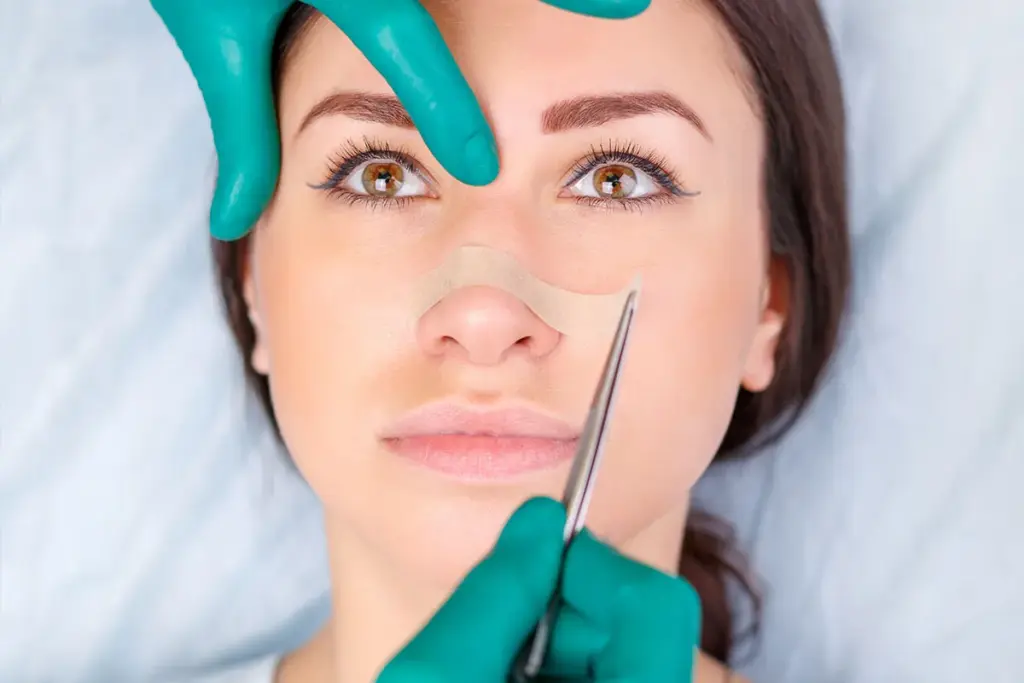
Knowing how to recover from sinus surgery is key for a smooth healing. At LIV Hospital, we understand that recovery depends on the surgery type and the patient. Each case is unique.
Types of Sinus Procedures and Their Impact on Recovery
The surgery type greatly affects recovery. Procedures like functional endoscopic sinus surgery (FESS) or balloon sinuplasty have different recovery times. For example, FESS is more invasive and takes longer to recover from than balloon sinuplasty.
General Post-Operative Care Guidelines
Following post-operative care is vital for a smooth recovery. These guidelines cover pain management, nasal care, and follow-up visits. Patients should avoid heavy lifting and keep their head up to reduce swelling.
Initial Recovery Timeline Expectations
The recovery time after sinus surgery varies. Most patients feel better in 7-10 days. But, full recovery can take weeks. It’s important to follow the surgeon’s advice and attend follow-up visits.
Understanding sinus surgery recovery is important. It includes knowing the surgery types, post-operative care, and recovery time. Our team at LIV Hospital is here to help with personalized care and guidance.
Why Sleeping Position Matters After Sinus Surgery
Sleeping position after sinus surgery is very important. It helps your body heal better. Doctors often suggest sleeping upright to reduce swelling and improve fluid drainage.
The Science Behind Post-Surgical Positioning
After sinus surgery, or a FESS operation, your body gets inflamed. Sleeping with your head and torso up helps. It uses gravity to drain fluids and reduce swelling.
How Gravity Affects Healing and Swelling
Gravity is key in healing after sinusitis medical procedure. Keeping your head up reduces blood flow to your nose. This lowers swelling and bleeding risk. Studies show this position for one to two weeks cuts down on complications.
|
Position |
Effect on Swelling |
Effect on Bleeding |
|---|---|---|
|
Elevated |
Reduced swelling |
Less risk of bleeding |
|
Flat |
Increased swelling |
Higher risk of bleeding |
Potential Complications from Improper Sleep Positions
Not sleeping right after can cause problems. These include more swelling, bleeding, and infection. It’s vital to follow your doctor’s advice to avoid these issues.
At LIV Hospital, we teach our patients about the right way to sleep after surgery. This helps them recover well from their surgery for sinus infections.
Recommended Duration for Upright Sleeping: 7-10 Days
Upright sleeping is key after sinus surgery. We suggest patients sleep sitting up or with their head slightly raised for 7-10 days. This helps avoid complications and aids in a smooth recovery.
The Critical First Week Post-Surgery
The first week after surgery is very important. The body is most at risk of problems like bleeding, swelling, and infection. Sleeping upright helps reduce nasal blockage and promotes better drainage, which are vital for avoiding complications.
Key benefits of upright sleeping during the first week include:
- Reduced swelling due to gravity’s effect on fluid distribution
- Improved sinus drainage, minimizing the risk of infection
- Less likelihood of disrupting surgical repairs
Gradual Transition During Days 8-14
As you move into the second week, you can start to sleep normally again. But do it slowly. Keep your head slightly raised at night to help with drainage and swelling. The change should be slow to let your body adjust without hurting the healing.
It’s essential to listen to your body during this transition. If you feel more pain, congestion, or other issues, you might need to go back to sleeping more upright.
Individual Factors That May Extend This Timeline
While 7-10 days is a general rule, some people might need longer. This includes those with a history of sinusitis, more extensive surgery, or certain health issues. If you face complications like too much bleeding or severe swelling, you might need to sleep more upright for longer.
Always follow your doctor’s specific advice. They can give you personalized guidance based on your situation and how you’re healing.
The Ideal Sleeping Angle: 30-45 Degrees
Studies show that sleeping at an angle of 30-45 degrees can help after sinus surgery. This includes procedures like balloon sinuplasty or functional endoscopic sinus surgery. It can reduce swelling and improve sinus drainage.
Research-Backed Recommendations for Head Elevation
Research says elevating the head and torso while sleeping can lower the risk of complications after sinus surgery. This position helps in reducing swelling and promoting fluid drainage. These are key for a smooth recovery.
We suggest patients keep their sleeping angle at 30-45 degrees for 7 to 10 days after surgery. Adjustable beds or pillows can help achieve this angle.
How to Measure and Maintain the Correct Angle
To find the right sleeping angle, patients can use a goniometer or an inclinometer app on their phone. Adjusting the bed or pillows is key to getting the right elevation. A wedge pillow can also add comfort and support.
Keeping the correct angle is very important, mainly in the first week after surgery. Patients should pay attention to their sleeping position and adjust as needed. This helps avoid slipping down or changing positions during sleep.
Adjusting Elevation Based on Swelling and Drainage
As recovery progresses, the elevation might need to be adjusted based on swelling and drainage. Generally, as swelling goes down and drainage gets better, patients can lower the angle of elevation.
|
Day Post-Surgery |
Recommended Elevation |
Expected Outcome |
|---|---|---|
|
1-3 |
30-45 degrees |
Reduced swelling, improved drainage |
|
4-7 |
25-35 degrees |
Continued reduction in swelling |
|
8-14 |
15-25 degrees |
Minimal swelling, normal drainage |
It’s vital to follow your healthcare provider’s specific guidance, as recovery can vary. By keeping the ideal sleeping angle and adjusting it as needed, you can avoid complications. This ensures a smoother, more comfortable recovery after sinus surgery.
Medical Benefits of Elevated Sleep Position
Adopting an elevated sleep position after sinus surgery offers many benefits. It helps reduce the risk of complications during recovery. By keeping the head above the heart, patients can avoid many issues.
Reduction in Post-Operative Swelling
Elevating the head while sleeping helps drain fluids from the surgery area. This reduces swelling, making recovery more comfortable. Studies have shown that this method can decrease swelling and aid in healing.
Improved Sinus Drainage Mechanics
An elevated sleep position also aids in sinus drainage. Gravity helps move mucus and fluids out of the sinuses. This is key after to prevent infection and promote healing.
Protection of Internal Sutures and Nasal Packing
Lastly, an elevated sleep position protects internal sutures and nasal packing. It reduces the chance of them getting dislodged. This is important for keeping the surgery area intact and allowing healing to happen properly. Proper positioning is critical for the success of the surgery.
In summary, the benefits of an elevated sleep position after sinus surgery are clear. It reduces swelling, improves drainage, and protects the surgery site. These advantages lead to a more comfortable and complication-free recovery.
Sinusitis Medical Procedure Recovery: Clinical Research Findings
Recent studies have greatly improved our knowledge of recovering from sinusitis surgery. They focus on better post-operative care to cut down on complications and boost patient results.
Studies on Head Elevation and Complication Rates
Research shows that sleeping with the head elevated can lower complication rates after sinus surgery. A study in a top medical journal found that patients with their heads at 30-45 degrees had fewer issues than those without.
Evidence for Reduced Bleeding and Bruising
Studies back the use of head elevation to lessen bleeding and bruising after sinus surgery. It helps reduce swelling and discomfort by fighting gravity’s effects on the surgery area.
Long-term Outcome Improvements from Proper Positioning
Proper head positioning during recovery not only cuts down on immediate issues but also leads to better long-term results. Studies show that sticking to post-operative positioning guidelines leads to better sinus drainage and less chronic sinusitis symptoms.
By following evidence-based post-operative care, like head elevation, patients can improve their recovery and lower complication risks. It’s wise to talk to a healthcare expert to find the best plan for your needs.
Creating a Comfortable Upright Sleeping Environment
A good sleeping area can really help after sinus surgery. It’s not just about medical care. A supportive environment is key for healing and feeling better.
Supportive pillows are essential for sleeping upright after surgery. “Sleeping at an angle can be tough, but the right pillows make it easier,” says a top expert in post-surgery care.
Best Supportive Pillows for Post-Surgery Recovery
Wedge pillows are great for comfort and support during recovery. They keep you at the right angle, easing body strain and helping sinuses drain better.
Look for pillows with these features:
- Adjustable firmness for personal comfort
- Contour design for better head and neck support
- Breathable materials to avoid getting too hot
Choose pillows made for post-surgery recovery. They’re made to meet your specific needs during this time.
Furniture Options for Upright Sleeping
Right furniture also matters a lot. Reclining chairs or adjustable beds offer the support and comfort you need for upright sleep.
When picking furniture, think about:
- Adjustability for the perfect sleeping angle
- Long-term comfort and support
- Easy access in and out of the sleeping position
With the right pillows and furniture, you can make a cozy upright sleeping area. This helps your recovery from sinus surgery. A well-designed space is vital for comfort and a smooth healing process.
Sleeping Positions to Strictly Avoid for Two Weeks
After sinus surgery, it’s important to watch your sleeping position. Some positions can harm the healing process. We suggest avoiding certain positions for two weeks to avoid problems like swelling, bleeding, or infection.
Why Side Sleeping Disrupts Surgical Repairs
Side sleeping can press on the nasal passages and sinuses. This might move blood clots and cause bleeding or infection. It can also make swelling uneven, blocking the nasal passages’ drainage.
The Dangers of Stomach Sleeping After Sinus Surgery
Stomach sleeping is risky after sinus surgery. It can press the face, possibly harming the surgery area. This position can also cause increased swelling and pain. It’s best to avoid it to prevent these issues.
For more tips on safe sleeping after nasal surgeries, check our guide on. It offers useful advice for sinus surgery recovery too.
Unintentional Position Changes: Prevention Strategies
Patients might change their sleeping position without meaning to. To stop this, use supportive pillows to keep the head and body right. Also, consider a recliner or adjustable bed to keep the sleeping angle at 30-45 degrees.
By avoiding bad sleeping positions and following these tips, patients can lower the risk of complications. This helps ensure a smoother recovery.
Managing Common Sleep Challenges During Recovery
Getting good sleep is key to a smooth recovery after sinus surgery. Many patients face sleep challenges that make recovery harder.
Dealing with Nasal Congestion and Breathing Difficulties
Nasal congestion and breathing problems are common after surgery. Nasal decongestant sprays can help. Elevating your head also improves sinus drainage and reduces congestion.
To deal with breathing issues, keep your environment clean and avoid allergens. A humidifier can also help keep your nasal passages moist, making breathing easier.
Pain Management Strategies for Better Sleep
Managing pain well is important for better sleep. Follow your surgeon’s pain management plan, which may include medication and other treatments.
Applying cold compresses to your face can also help with swelling and pain. Resting in a comfortable position, with supportive pillows, is also key. Make sure to keep your head at a 30-45 degree angle.
Addressing Sleep Disruption and Insomnia
Sleep disruption and insomnia can be tough during recovery. A consistent sleep schedule and a relaxing bedtime routine can help.
Avoid activities that stimulate you before bed. Also, make your sleep environment comfortable and quiet. Use supportive pillows and keep your bedroom cool.
|
Challenge |
Management Strategy |
|---|---|
|
Nasal Congestion |
Use nasal decongestant sprays and elevate head |
|
Breathing Difficulties |
Maintain a clean environment, use a humidifier |
|
Pain |
Follow prescribed pain management plan, apply cold compresses |
|
Sleep Disruption |
Establish consistent sleep schedule, create relaxing bedtime routine |
Transitioning Back to Normal Sleep Positions
As you get better after sinus surgery, it’s important to know when to start sleeping like you normally do again. This step is key to your recovery. It helps your sinuses heal and reduces any complications.
Gradual Adjustment Timeline and Techniques
Start by slowly changing how you sleep over a few days to a week. Begin by lowering your head a little while you sleep. Keep doing this until you’re sleeping like you used to.
Here are some tips to help you adjust:
- Use fewer pillows to elevate your head
- Slowly lower the head of your bed
- Pay attention to how your body feels
Signs That Indicate Readiness for Normal Sleeping
Keep an eye on your symptoms to know when you’re ready to sleep normally again. Look for these signs:
- Less nasal congestion
- Less swelling
- Better sinus drainage
Also, think about how comfortable you feel while sleeping. Make sure you’re not in pain or uncomfortable.
Monitoring Symptoms During Transition
Keep a close eye on your symptoms while you’re adjusting. Watch for any signs of problems or setbacks. Look out for:
|
Symptom |
Normal During Transition |
Concerning |
|---|---|---|
|
Nasal Congestion |
Mild, decreasing |
Severe, worsening |
|
Swelling |
Minimal, reducing |
Significant, increasing |
|
Pain |
Manageable, decreasing |
Severe, worsening |
If you notice any concerning symptoms, reach out to your doctor right away.
Additional Recovery Factors That Impact Sleep Quality
Recovering from sinus surgery is more than just sleeping right. Many other factors also play a big role in how well you sleep. It’s important to think about these factors to make your recovery smooth and comfortable.
Medication Timing and Its Effect on Sleep
When you take your medicine can really affect your sleep. Always follow your doctor’s advice on when to take your meds. This helps avoid sleep problems caused by certain medicines.
Here are some tips for taking your meds:
- Take pain meds with food to avoid stomach upset.
- Match your medicine times with your sleep schedule to avoid waking up.
- Talk to your doctor about any side effects that might affect your sleep.
Hydration, Humidity, and Breathing Comfort
Drinking enough water and keeping your room humid is key for easy breathing at night. Drinking water keeps your nose moist, making it easier to breathe. A humidifier in your room also helps keep the air moist.
Here’s how to stay hydrated and breathe better:
- Drink at least 8-10 glasses of water a day.
- Use a humidifier, if it’s dry, to keep the air moist.
- Avoid drinks like coffee and alcohol that dry you out.
Activity Restrictions That Promote Better Recovery Sleep
Following your doctor’s advice on what activities to avoid is important for better sleep. Avoiding hard work and bending helps prevent problems and keeps you comfortable. Also, stay away from things that might irritate your nose, like smoking or strong smells.
Here are some activity guidelines:
- Stay away from hard work for 1-2 weeks after surgery.
- Don’t bend or lift heavy things to avoid putting pressure on your sinuses.
- Start doing normal things again when your doctor says it’s okay.
By managing these recovery factors, you can improve your sleep after sinus surgery. This makes your recovery smoother and more comfortable.
Warning Signs: When to Contact Your Surgeon
It’s important to know when to seek medical help after sinus surgery. Some pain is okay, but other signs might mean you need to see a doctor right away.
Sleep-Related Complications to Watch For
After sinus surgery, it’s normal to have trouble sleeping. But, some problems could be serious. Watch out for:
- Severe nasal congestion that doesn’t get better with medicine
- Difficulty breathing when you’re trying to sleep
- Excessive bleeding or discharge
- Persistent pain or headache
These signs might mean you have a complication like an infection or healing issues.
Distinguishing Normal Discomfort from Concerning Symptoms
It’s key to tell normal pain from symptoms that need a doctor. Normal pain:
- Gets better with time
- Is controlled with the pain meds you’re given
- Includes swelling and bruising, which are common
But, if your symptoms are severe, get worse, or come with other scary signs like fever, you need to see a doctor.
Emergency Situations Requiring Immediate Attention
Some situations are emergencies. If you have any of these, call your surgeon or go to the emergency room:
- Severe bleeding that won’t stop with pressure
- Significant difficulty breathing
- Severe headache or facial pain
- Fever above 101.5°F (38.6°C)
- Vision changes or double vision
Being alert to these warning signs and knowing when to get help can greatly improve your recovery after sinus surgery.
LIV Hospital’s Approach to Sinus Surgery Recovery
At LIV Hospital, we focus on personalized care and new ways to help patients recover. We know everyone is different, so we make our care fit each person’s needs for the best results.
Innovative Patient Care Protocols
We use the latest medical tech and methods at LIV Hospital. Our recovery plans for sinus surgery aim to avoid problems and help healing. We use cutting-edge treatments to make sure patients do well.
- Advanced post-operative care techniques
- State-of-the-art monitoring equipment
- Personalized pain management strategies
Personalized Sleep Position Recommendations
We stress the importance of the right sleep position after surgery. Our team gives each patient special advice. They suggest sleeping at an angle of 30-45 degrees to help swelling go down and sinuses drain.
Key considerations for sleep positioning include:
- Using supportive pillows to maintain the correct angle
- Avoiding sleeping on the side or stomach
- Gradually adjusting elevation based on swelling and drainage
Post-Operative Support Services
We care for our patients long after surgery. Our support services include:
- 24/7 patient support hotline
- Follow-up appointments to monitor recovery
- Guidance on managing common post-operative challenges
We work hard to give our patients the best care and support. Our goal is to help them recover smoothly from sinus surgery.
Conclusion
Recovering well from sinus surgery is key to good results. Following the right sleep position and recovery steps helps avoid problems. It makes the healing process smoother.
Research shows that following evidence-based guidelines is important. It helps improve how well patients do after surgery. Studies found that sleeping in an elevated position can help reduce swelling and aid in healing.
It’s important for those having sinus surgery to know about treatment options. Following the recommended recovery steps helps patients heal better. This reduces the chance of complications after surgery.
LIV Hospital offers full support and care for patients. We use advanced treatments and follow the best recovery guidelines. This helps patients get the best results from their sinus treatment.
FAQ
How long should I sleep sitting up after sinus surgery?
We suggest sleeping upright for 7-10 days after surgery. This helps avoid complications and aids in a smooth recovery.
Why is sleeping position important after sinus surgery?
Sleeping upright reduces swelling and improves drainage. It also protects the internal sutures and nasal packing, helping you recover better.
What is the ideal sleeping angle after sinus surgery?
Elevate your head and torso to 30-45 degrees. This angle minimizes risks and aids in a smoother recovery.
How can I create a comfortable upright sleeping environment?
Use supportive pillows and furniture. This makes sleeping upright more comfortable and helps in a smooth recovery.
What sleeping positions should I avoid after sinus surgery?
Avoid side and stomach sleeping for two weeks. This reduces risks and ensures a smoother recovery.
How can I manage common sleep challenges during recovery?
Use pain management strategies and humidifiers to alleviate congestion. These steps improve comfort and aid in recovery.
When can I transition back to normal sleep positions?
You can start transitioning back to normal positions after 7-10 days. Always monitor your symptoms and adjust as needed.
What are the benefits of functional endoscopic sinus surgery (FESS)?
FESS is a minimally invasive procedure. It improves drainage, reduces complications, and aids in a smoother recovery.
How can I minimize the risk of complications after sinus surgery?
Follow our aftercare guidelines, including recommended sleeping positions. This minimizes risks and ensures a smoother recovery.
What are the signs that I should contact my surgeon during recovery?
Contact your surgeon for sleep-related complications, concerning symptoms, or emergencies like severe bleeding or difficulty breathing.
How does LIV Hospital support patients during sinus surgery recovery?
LIV Hospital offers innovative care, personalized sleep position recommendations, and post-operative support. These services optimize outcomes and aid in recovery.
What is balloon sinuplasty, and how does it differ from traditional sinus surgery?
Balloon sinuplasty uses a balloon to dilate sinuses, improving drainage and reducing complications. It’s less invasive than traditional surgery, potentially leading to a faster recovery.
Reference
National Center for Biotechnology Information. Evidence-Based Medical Insight. Retrieved from https://pubmed.ncbi.nlm.nih.gov/29413232/