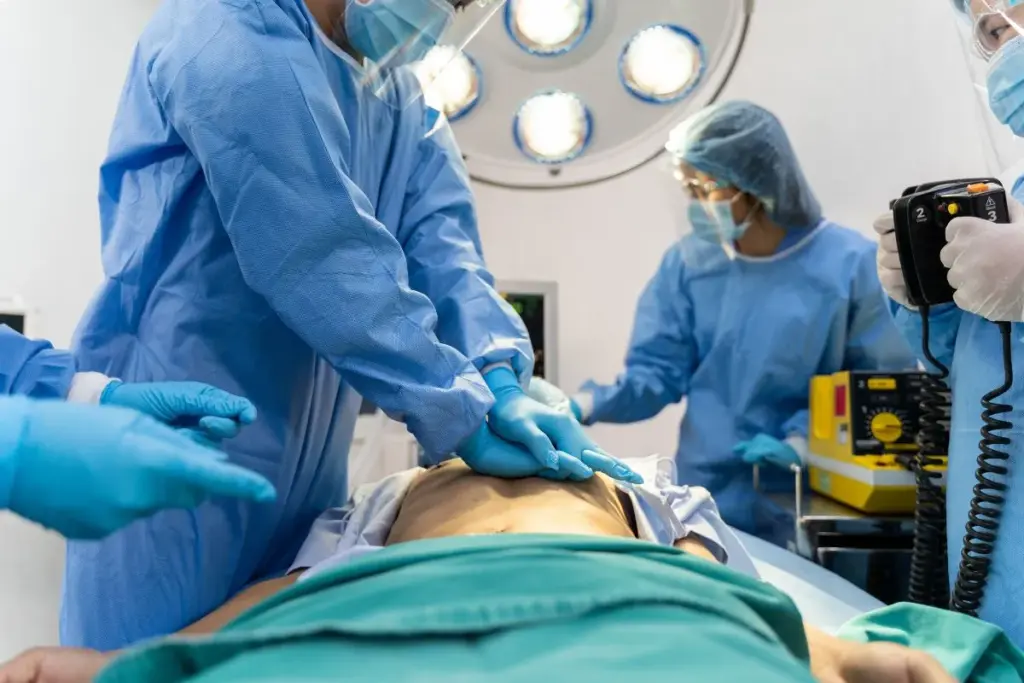
After endoscopic sinus surgery, also known as FESS surgery, patients are told not to bend over. This is to prevent complications. It’s a key part of the recovery process to ensure it goes well.
Bending over can raise blood pressure in the head. This increases the risk of bleeding and swelling after surgery. It’s important to follow postoperative precautions to avoid these risks. By knowing the rules, patients can help their recovery.
Key Takeaways
- Avoid bending over after sinus surgery to prevent complications.
- Increased blood pressure in the head can lead to bleeding and swelling.
- Following postoperative precautions is key for a smooth recovery.
- Endoscopic sinus surgery needs careful postoperative care.
- Knowing the risks helps patients recover well.
The Basics of Sinus Surgery and Its Purpose

Sinus surgery aims to ease sinusitis symptoms with advanced techniques. Sinusitis causes discomfort and health problems. Surgery is a last resort when other treatments don’t work.
Common Types of Sinus Procedures
There are many sinus surgery procedures, each with its own benefits. Here are a few:
- Endoscopic Sinus Surgery (ESS): A minimally invasive procedure using an endoscope to visualize the sinuses and remove blockages or diseased tissue.
- Balloon Sinuplasty: A technique that uses a balloon to dilate the sinus passages, improving drainage.
- Functional Endoscopic Sinus Surgery (FESS): A more extensive form of ESS that aims to restore the normal drainage and ventilation of the sinuses.
|
Procedure |
Description |
Benefits |
|---|---|---|
|
Endoscopic Sinus Surgery (ESS) |
Minimally invasive surgery using an endoscope |
Less recovery time, precise removal of diseased tissue |
|
Balloon Sinuplasty |
Dilation of sinus passages using a balloon |
Less invasive, promotes natural drainage |
|
Functional Endoscopic Sinus Surgery (FESS) |
Comprehensive ESS for restoring sinus function |
Improves sinus drainage and ventilation, reduces recurrence |
Conditions Requiring Surgical Intervention
Surgery is often needed for those with chronic sinusitis who haven’t improved with medicine. Certain conditions may require surgery, such as:
“Chronic sinusitis is a common condition that can significantly impact quality of life. When medical management fails, surgical options should be considered to alleviate symptoms and improve outcomes.” –
American Academy of Otolaryngology
- Chronic sinusitis with nasal polyps
- Recurrent acute sinusitis
- Sinusitis complicated by anatomical abnormalities
Understanding sinus surgery and its purposes helps patients appreciate the importance of following post-operative instructions. This ensures the best recovery.
The Physiological Impact of Bending After Sinus Surgery
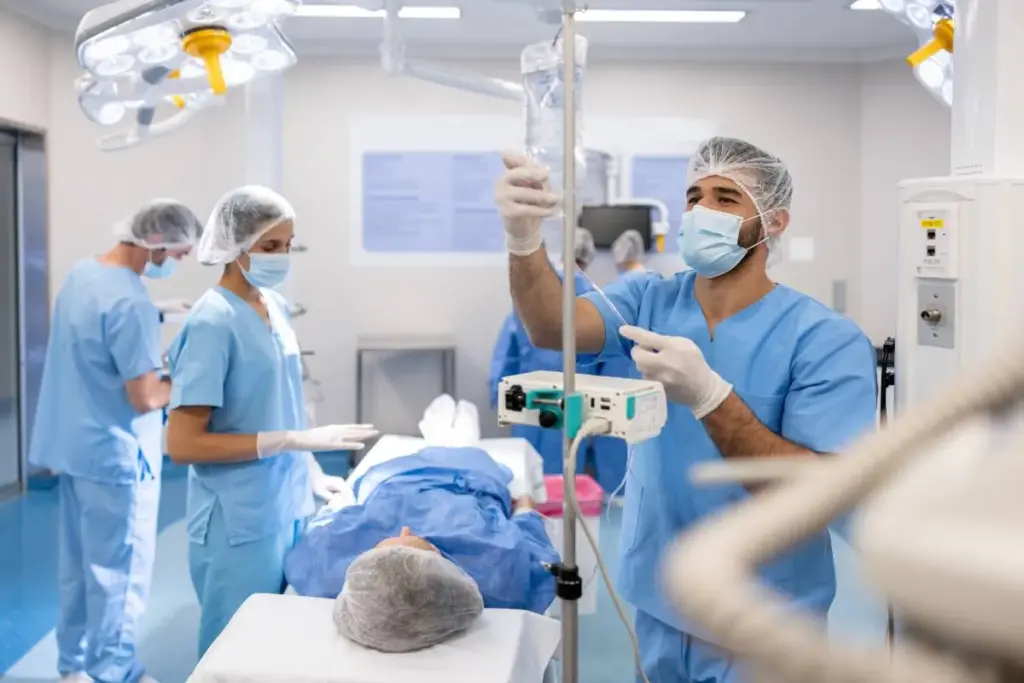
Bending after sinus surgery can affect the body in many ways. It can lead to bleeding and swelling. When you bend, it puts more pressure on your head and nasal cavities. This can slow down the healing process.
Blood Pressure Changes in the Head When Bending
Bending after surgery increases blood pressure in your head. This can make blood vessels in your nose swell. Research has shown that bending can increase the risk of bleeding after surgery.
- Increased intracranial pressure
- Engorgement of nasal blood vessels
- Risk of post-operative bleeding
Effects on Healing Tissues and Nasal Packing
The tissues in your nose are delicate and need time to heal after surgery. Bending can put stress on these tissues and slow healing. If you have nasal packing, bending can also cause it to move or come out.
It’s important to avoid bending during the healing period. Bending can cause immediate problems and affect the surgery’s long-term success.
Scientific Explanation of Increased Bleeding Risk
The risk of bleeding from bending comes from the body’s response to increased pressure. When pressure in the head goes up, the body tries to compensate by widening blood vessels. This can lead to more blood flow to the nose, increasing the risk of bleeding.
- Increased intracranial pressure due to bending
- Vasodilation as a compensatory mechanism
- Increased risk of nasal bleeding
Understanding these effects can help patients follow their recovery plan better. This can reduce the risk of complications. We suggest a careful recovery plan to ensure healing and avoid bleeding or other issues.
Critical Post-Operative Care Guidelines
After sinus surgery, following post-operative care is key for a smooth recovery. Studies show that sticking to these guidelines can lower the risk of problems. This ensures the surgery is a success.
First 24-48 Hours After Surgery
The first 24 to 48 hours after surgery are very important. Patients should rest and avoid hard work, like bending or lifting. This is to prevent bleeding from increased blood pressure in the head.
Elevating the head while resting helps reduce swelling and aids in healing. It’s also important to watch for signs of trouble, like too much bleeding or trouble breathing. Eating soft foods or liquids is recommended to ease discomfort and avoid irritating the nose.
First Week Recovery Protocol
In the first week, avoid activities that raise head pressure or cause bending, like weight lifting or hard exercise. Gentle nasal saline irrigations can be started as advised by your doctor. This helps clear the nasal passages and aids in healing.
|
Activity |
Recommended Action |
|---|---|
|
Bending or Lifting |
Avoid for at least one week |
|
Nasal Irrigation |
Start as directed by healthcare provider |
|
Exercise or Strenuous Activity |
Avoid for at least one week |
Long-term Recovery Considerations
While the first recovery period is vital, long-term care is also important. Keep following your doctor’s advice on follow-up visits and medication. It’s wise to avoid smoking and pollutants to help healing and prevent future sinus problems.
“Proper post-operative care is not just about avoiding immediate complications; it’s also about ensuring the long-term success of the sinus surgery.”
—ENT Specialist
By sticking to these guidelines, patients can lower their risk of problems. This ensures a successful recovery from their FESS operation or sinusitis medical procedure.
Sinusitis Medical Procedure Complications: Why Bleeding is the Primary Concern
Sinus surgery is effective but carries a risk of bleeding. This risk is significant and patients need to know the signs of abnormal bleeding.
We will discuss the statistics on post-operative bleeding, factors that increase this risk, and signs of abnormal bleeding.
Statistics on Post-Operative Bleeding
Studies show that up to 5-10% of patients experience bleeding after sinus surgery. This highlights the need to understand the risks and take preventive steps.
|
Study |
Incidence of Bleeding |
|---|---|
|
2023 Review on Sinus Surgery |
5% |
|
2020 Study on FESS Surgery |
10% |
Factors That Increase Bleeding Risk
Several factors can raise the risk of bleeding after sinus surgery. These include:
- Bending over or heavy lifting
- Strenuous activities
- Pre-existing bleeding disorders
Knowing these risk factors helps patients and healthcare providers take the right precautions.
Signs of Abnormal Bleeding to Watch For
It’s important for patients to recognize signs of abnormal bleeding. These include:
- Heavy or persistent nasal bleeding
- Increased swelling or pain
- Difficulty breathing through the nose
If these symptoms appear, patients should get medical help right away.
Being aware of the risks and signs of bleeding helps patients avoid complications. It ensures a smoother recovery.
Physical Restrictions Beyond Bending
Sinus surgery recovery is more than just avoiding bending. It requires a careful approach to physical activities. Knowing these limits is key to avoiding complications and helping your body heal well.
Weight Lifting Limitations
Heavy lifting is a big no-no after sinus surgery. Doctors often tell patients to steer clear of lifting anything over 10-15 pounds for at least a week. This rule helps prevent strain, which could cause bleeding or swelling.
A study showed that heavy lifting and hard activities can raise the risk of problems after sinus surgery. This makes following these rules very important.
Exercise and Strenuous Activity Guidelines
After sinus surgery, it’s best to limit strenuous activities, including exercise. High-intensity workouts can raise blood pressure, which might cause bleeding or swelling at the surgery site. Doctors suggest starting with light exercises and gradually increasing intensity as you get better.
Daily Activities That May Increase Head Pressure
Some daily tasks can increase head pressure, which is risky after sinus surgery. These include straining during bowel movements, heavy lifting, or bending over. It’s important to avoid activities that make you strain or use the Valsalva maneuver, as they can raise nasal pressure.
By paying attention to these physical restrictions and following your doctor’s advice, you can lower your risk of complications. This helps ensure a smoother recovery.
The Science Behind Postoperative Swelling and Nose Swelling Management
It’s important to know why swelling happens after surgery. Swelling is a natural reaction to surgery. In the case of sinus surgery, it can cause discomfort and problems if not handled right.
Normal vs. Abnormal Swelling Patterns
Some swelling is normal after sinus surgery. But, it’s key to tell normal from abnormal swelling. Normal swelling usually goes away in a few days to a week with good care. Abnormal swelling can last longer or get worse, which might mean infection or too much bleeding.
Signs of abnormal swelling include:
- Increased pain or tenderness
- Redness or warmth around the surgical site
- Pus or discharge
- Fever
- Swelling that doesn’t improve with elevation or cold compresses
How Bending Exacerbates Facial Swelling
Bending over can make swelling worse. When you bend, blood flows to your head, raising pressure in your nose and sinuses. This can make swelling, pain, and bleeding worse.
To avoid more swelling:
- Avoid bending or heavy lifting for at least a week after surgery.
- Keep your head elevated, even when sleeping.
- Use cold compresses as directed by your healthcare provider.
Effective Swelling Management Techniques
It’s vital to manage swelling well for a smooth recovery. Techniques include:
- Elevation: Keeping your head up reduces blood flow and swelling.
- Cold Compresses: Cold compresses can shrink blood vessels and lessen swelling.
- Medication: Anti-inflammatory meds can also help control swelling, as advised by your surgeon.
By knowing why swelling happens and using the right ways to manage it, patients can make their recovery after sinus surgery better.
Potential Complications from Improper Post-Surgery Activity
Not following post-surgery activity guidelines can lead to complications. It’s important to know these risks to ensure a smooth recovery.
Short-term Complications
Improper activity can cause short-term issues, such as:
- Increased bleeding or hemorrhage
- Infection or abscess formation
- Swelling or bruising
- Nasal congestion or difficulty breathing
These problems can be fixed with quick medical care. Knowing the signs is key to getting help on time.
Long-term Healing Issues
Ignoring post-surgery activity guidelines can lead to long-term problems. Some possible issues include:
|
Complication |
Description |
|---|---|
|
Nasal scarring |
Scarring in the nasal passages can cause chronic congestion and breathing issues. |
|
Chronic sinusitis |
Long-term sinus infections or inflammation can happen if the sinuses don’t heal right. |
|
Nasal septal perforation |
A hole in the thin wall between the nasal passages can cause breathing problems and nasal discharge. |
Knowing these risks helps patients take steps to avoid them and recover well.
When to Seek Emergency Medical Attention
It’s vital to know when to get emergency help after sinus surgery. If you have symptoms like:
- Severe bleeding or trouble stopping it
- Severe headache or facial pain
- Difficulty breathing or feeling short of breath
- Fever or signs of infection
Don’t hesitate to reach out to your healthcare provider if you’re unsure or worried.
Understanding Endoscopic Sinus Surgery Revision Rates
Revision rates for endoscopic sinus surgery vary. Knowing the statistics and causes helps patients prepare for their recovery. This surgery, also known as Functional Endoscopic Sinus Surgery (FESS), treats sinusitis and other sinus-related conditions.
Statistics on Revision Rates
Research shows that revision rates after endoscopic sinus surgery can be high. Some studies suggest rates over 15%. This highlights the need to understand what leads to revision surgery.
A study in a medical journal found a 12% revision rate for FESS over five years. These numbers show the importance of careful patient selection and precise surgical technique to lower revision risks.
Common Causes for FESS Operation Revision
Several factors can lead to the need for revision surgery after FESS. These include:
- Incomplete removal of diseased tissue
- Recurrence of sinusitis or polyps
- Anatomical issues, such as nasal septal deviation
- Inadequate post-operative care
Experts say that thorough preoperative evaluation and precise surgical technique are key. Proper post-operative care also plays a big role in reducing revision risks.
“The goal of FESS is to restore normal sinus function while minimizing the risk of complications. Understanding the factors that contribute to revision rates is essential for achieving optimal outcomes.”
—ENT Specialist
How Proper Post-Op Care Reduces Revision Risk
Following post-operative care guidelines is vital to lower revision risks. This includes:
- Following a strict nasal saline irrigation regimen
- Avoiding strenuous activities, including bending and heavy lifting
- Attending follow-up appointments with your surgeon
- Managing allergies and sinusitis symptoms
By following these guidelines, patients can significantly reduce their risk of needing revision surgery. Proper post-operative care is a key to successful FESS outcomes.
Understanding the revision rates for endoscopic sinus surgery and taking steps to minimize these risks can help patients achieve better outcomes. Choosing an experienced surgeon and following post-operative care instructions can reduce the need for revision surgery.
Timeline for Resuming Normal Activities After Sinuplasty Surgery
Patients who have had sinuplasty surgery must follow a specific recovery timeline. This is key to healing well and avoiding problems. It helps ensure the best results.
Gradual Return to Daily Functions
It’s important to slowly get back to daily activities after sinuplasty. This slow pace helps prevent issues like bleeding or swelling. Studies show that a slow return to normal activities can greatly lower the risk of complications.
In the first 24 to 48 hours, rest and avoid hard activities. This early time is vital for your body’s healing.
When It’s Safe to Bend Again
Bending can raise pressure in the head and cause problems. Usually, patients should not bend or lift heavy for at least a week after surgery. The exact time may change based on how you heal and your doctor’s advice.
Activity Progression Schedule
Here’s a basic guide for getting back to activities after sinuplasty surgery:
|
Time Frame |
Allowed Activities |
Activities to Avoid |
|---|---|---|
|
0-48 hours |
Rest, light walking |
Strenuous activities, bending, heavy lifting |
|
2-7 days |
Gradual increase in activity, gentle stretching |
High-impact exercises, bending, heavy lifting |
|
1-2 weeks |
Most daily activities, light exercise |
Strenuous exercises, contact sports |
|
2-4 weeks |
Normal activities, including exercise |
Very strenuous activities, contact sports |
Always follow your healthcare provider’s specific instructions. They can adjust the recovery plan to fit your needs and progress.
Special Considerations for Different Types of Sinus Surgeries
Each sinus surgery has its own recovery needs. Knowing these can help avoid problems. It’s key for a good recovery.
FESS Surgery Recovery Specifics
Functional Endoscopic Sinus Surgery (FESS) treats sinusitis. After FESS, managing nasal packing and watching for bleeding or infection is important. Patients should avoid hard work and bending for a week to stay safe.
Balloon Sinuplasty Recovery Differences
Balloon sinuplasty is a gentler option than traditional surgery. It heals faster, letting most people get back to normal in a few days. But, heavy lifting and bending should be avoided to prevent bleeding.
Sinus Polyp Removal Additional Precautions
Removing sinus polyps needs extra care to stop them from coming back. Using nasal saline and corticosteroid sprays helps reduce swelling and prevent polyps. Regular check-ups with the doctor are vital to track healing and solve any issues.
|
Procedure |
Recovery Time |
Specific Precautions |
|---|---|---|
|
FESS Surgery |
1-2 weeks |
Avoid bending, heavy lifting |
|
Balloon Sinuplasty |
3-5 days |
Minimize strenuous activities |
|
Sinus Polyp Removal |
1-2 weeks |
Use nasal saline irrigations, corticosteroid sprays |
Knowing the recovery needs for each sinus surgery helps patients. It makes post-operative care easier and reduces risks.
Managing Daily Activities While Avoiding Bending
Changing daily activities to avoid bending is key for a smooth sinus surgery recovery. It might need some changes, but it’s vital to avoid complications.
Practical Tips for Personal Care
Personal care is a big part of getting better after sinus surgery. Use long-handled cleaning tools for hygiene to avoid bending. A shower chair can also prevent falls.
Make sure to get everything ready before showering. This way, you won’t have to bend down for items. These small changes can greatly help your recovery.
Household Chore Adaptations
Household chores can be tough after sinus surgery. But, there are ways to make them easier. For example, a vacuum cleaner with a long handle helps clean without bending. Also, break tasks into smaller parts to rest more.
|
Chore |
Adaptation |
|---|---|
|
Cleaning |
Use long-handled mops and dusters |
|
Laundry |
Use a laundry basket with wheels |
|
Gardening |
Avoid bending; use raised beds or long-handled tools |
Sleeping Positions and Arrangements
Sleeping positions are important for recovery. Try to sleep with your head elevated using extra pillows. This helps reduce swelling. Avoid sleeping on your side to prevent bending your neck or putting pressure on your sinuses.
By adjusting these things, patients can lower their risk of complications. This ensures a smoother recovery from sinus surgery.
Medical Evidence Supporting Post-Operative Restrictions
A growing body of evidence supports specific post-operative restrictions to minimize complications after sinus surgery. As we advance in otolaryngology, following these guidelines is more important than ever.
Research Findings from 2023 Review on Surgery for Sinus Infections
A 2023 review of studies on sinus infection surgeries showed the importance of post-operative care. It found that patients who followed post-operative restrictions had fewer bleeding and infection issues. Key findings included a significant reduction in revision surgeries among patients who followed post-operative guidelines.
- Reduced risk of post-operative bleeding
- Lower incidence of infection
- Fewer revision surgeries required
These findings highlight the importance of evidence-based post-operative care. By following established protocols, patients can reduce their risk of complications and ensure a smoother recovery.
Academic Medical Centers’ Guidelines
Leading academic medical centers have developed detailed guidelines for post-operative care after sinus surgery. These guidelines are based on the latest research and aim to improve patient outcomes. They typically include recommendations on activity levels, wound care, and follow-up appointments.
A study published in a prominent otolaryngology journal found that patients who followed these guidelines had better outcomes and fewer complications. The study stressed the importance of a gradual return to normal activities and avoiding strenuous exercise in the initial recovery period.
Evidence-Based Recovery Protocols
Evidence-based recovery protocols are essential for safe and effective recovery from sinus surgery. These protocols are developed based on the latest scientific evidence and clinical expertise. They ensure that all patients receive high-quality care.
Some key components of evidence-based recovery protocols include:
- Clear instructions on post-operative activities and restrictions
- Guidelines for managing pain and discomfort
- Recommendations for follow-up care and monitoring
By adhering to these protocols, healthcare providers can ensure that their patients receive the best possible care. This minimizes the risk of complications and promotes optimal recovery.
Can You Have Surgery With a Cold? Pre-existing Conditions and Sinus Surgery
Pre-existing conditions, like upper respiratory infections, are key when planning sinus surgery. They can affect how safe and successful the surgery is. Patients with these conditions need to be careful.
Studies show that colds can make sinus surgery harder. It’s important to know what happens when you have surgery with a cold or other health issues.
Impact of Upper Respiratory Infections
Having a cold can raise the risk of problems during and after surgery. Infections can cause:
- More nasal congestion
- Higher chance of bleeding
- Spread of infection
- Slower healing
Table: Complications Associated with Upper Respiratory Infections During Sinus Surgery
|
Complication |
Description |
Impact on Surgery |
|---|---|---|
|
Increased Nasal Congestion |
Swollen nasal passages |
Difficulty in surgical access |
|
Enhanced Risk of Bleeding |
Increased blood flow and fragile tissues |
Complicates surgical site visibility |
|
Potential for Infection Spread |
Spread of infection to other areas |
Increases risk of post-operative infections |
|
Delayed Healing |
Impaired healing process due to infection |
Prolongs recovery time |
When Surgery Should Be Postponed
If you have cold symptoms, surgery might need to wait. The decision depends on how bad your symptoms are and how urgent the surgery is.
Always listen to your surgeon about when to have surgery. This helps avoid risks.
Managing Pre-existing Conditions During Recovery
It’s important to manage your health during recovery. This means:
- Following your doctor’s medication plan
- Watching for any signs of problems
- Keeping a healthy lifestyle to aid in recovery
- Going to all follow-up appointments
Knowing how health issues affect surgery and taking the right steps can help. This way, patients can reduce risks and have a better recovery.
Face Before and After Sinus Surgery: Expectations and Reality
Patients often wonder how sinus surgery will change their face. They want to know about short and long-term effects. Understanding these changes can help manage expectations and reduce anxiety.
Normal Appearance Changes During Recovery
After sinus surgery, patients usually see facial swelling. This is a normal part of healing. Facial swelling happens because the body reacts to surgery, holding more fluid in the face.
Timeline for Facial Swelling Resolution
The time it takes for swelling to go down varies. But usually, it starts to decrease within two weeks. Knowing this timeline helps patients prepare for recovery. We suggest following a post-operative care plan to reduce swelling. This includes keeping the head up and using cold compresses.
Long-term Aesthetic Outcomes
In the long run, most patients see their face return to normal or even look better. The aesthetic outcomes of sinus surgery are often good. Many patients are happy with their appearance after they heal.
Role of Healthcare Providers in Recovery Guidance
Getting help from healthcare providers is key to avoiding problems after sinus surgery. They guide patients through recovery, making sure they get the care they need to heal well.
Follow-up Appointment Importance
Seeing healthcare providers for follow-ups is very important. These visits help check how you’re healing and solve any issues. They can also remove any packing or stitches and give advice on caring for yourself after surgery.
Going to these appointments helps catch problems early, which can prevent long-term damage. For example, studies show that those who go to follow-ups are less likely to face complications after surgery.
Communication with Your Surgical Team
Talking openly with your surgical team is essential for a good recovery. Patients should ask questions or share concerns with their healthcare providers. This includes any unusual symptoms, like a lot of bleeding or really bad pain.
“Clear communication between patients and healthcare providers is key to a smooth recovery,” saida leading otolaryngologist. “By working together, we can minimize complications and ensure the best possible outcomes.”
When to Report Concerns or Symptoms
Know when to tell your healthcare providers about serious issues. This includes a lot of bleeding, trouble breathing, or really bad pain. Telling them right away can help prevent bigger problems.
By working closely with their healthcare providers, patients can ensure a successful recovery and minimize the risk of complications.
Conclusion: Ensuring Optimal Recovery After Sinus Surgery
After sinus surgery, it’s key to follow the recommended steps for a good recovery. Sticking to post-operative instructions can greatly lower the chance of complications. This is true for both sinus surgery recovery and fess operation recovery.
Studies have found that patients who stick to the guidelines for nasal surgery and sinusitis medical procedures face fewer risks. Avoiding bending over, heavy lifting, and hard activities helps in a smooth recovery.
We know that recovering from sinus surgery takes time and careful planning. This way, you can get the best results from your surgery.
FAQ
Why is bending over not recommended after sinus surgery?
Bending over after sinus surgery can raise blood pressure in the head. This can cause bleeding and swelling.
What are the common types of sinus procedures?
There are two main types of sinus procedures. Endoscopic sinus surgery and balloon sinuplasty. The choice depends on your condition and symptoms.
How long should I avoid bending over, heavy lifting, and strenuous activities after sinus surgery?
You should avoid these activities for at least a week after surgery. This helps prevent complications.
What are the signs of abnormal bleeding after sinus surgery?
Look out for signs of abnormal bleeding. Bending over, heavy lifting, and strenuous activities can trigger it.
Can I exercise after sinus surgery?
No, you should avoid exercise and strenuous activities. They can increase head pressure and cause complications.
How can I manage swelling after sinus surgery?
To manage swelling, understand the science behind it. Taking measures to reduce it is important. Bending over can make swelling worse.
What are the possible complications of improper post-surgery activity?
Improper activity can lead to serious complications. It can affect both short-term and long-term healing. Be aware of the signs of complications.
How long does it take to recover from sinus surgery?
Recovery time varies based on the procedure. You’ll need to follow a specific timeline to resume normal activities after surgery.
Can I have sinus surgery if I have a cold or upper respiratory infection?
Be cautious if you have a cold or upper respiratory infection before surgery. In some cases, surgery may need to be postponed.
What are the long-term aesthetic outcomes after sinus surgery?
Facial swelling is normal after surgery. It will go away over time. You can have realistic expectations about your appearance.
How important are follow-up appointments with my healthcare provider after sinus surgery?
Follow-up appointments are very important. They guide your recovery. Always communicate with your team about any concerns or symptoms.
What is the revision rate for endoscopic sinus surgery?
Revision rates for endoscopic sinus surgery can be high. Be aware of the common causes of revision. Proper post-operative care can reduce the risk.
Are there any specific precautions for sinus polyp removal surgery?
Yes, there are specific precautions for sinus polyp removal surgery. Knowing these can help minimize the risk of complications.