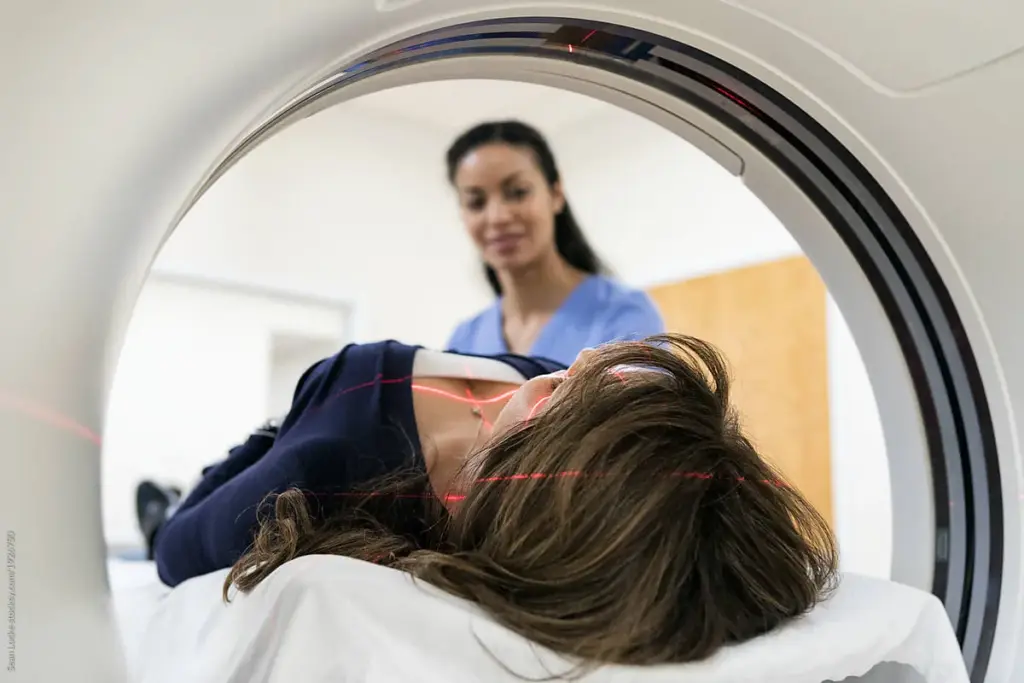
Interventional radiology (IR) is transforming medicine through innovative, minimally invasive treatments that enhance safety, efficiency, and effectiveness in healthcare.
The need for IR is growing fast, thanks to new technologies and global health trends. It’s expected to jump to $46-49 billion by 2033-2035, showing a big increase in demand.
As people want treatments that are less invasive, IR is becoming more important. It has the power to make patients better faster and with less pain. So, interventional radiology is in high demand.
Key Takeaways
- The global IR market is experiencing significant growth.
- Technological innovations are driving the demand for IR.
- Patient preferences are shifting towards minimally invasive procedures.
- IR is expected to play a critical role in shaping the future of healthcare.
- The IR market is forecasted to rise to $46-49 billion by 2033-2035.
The Current State of Interventional Radiology in 2024
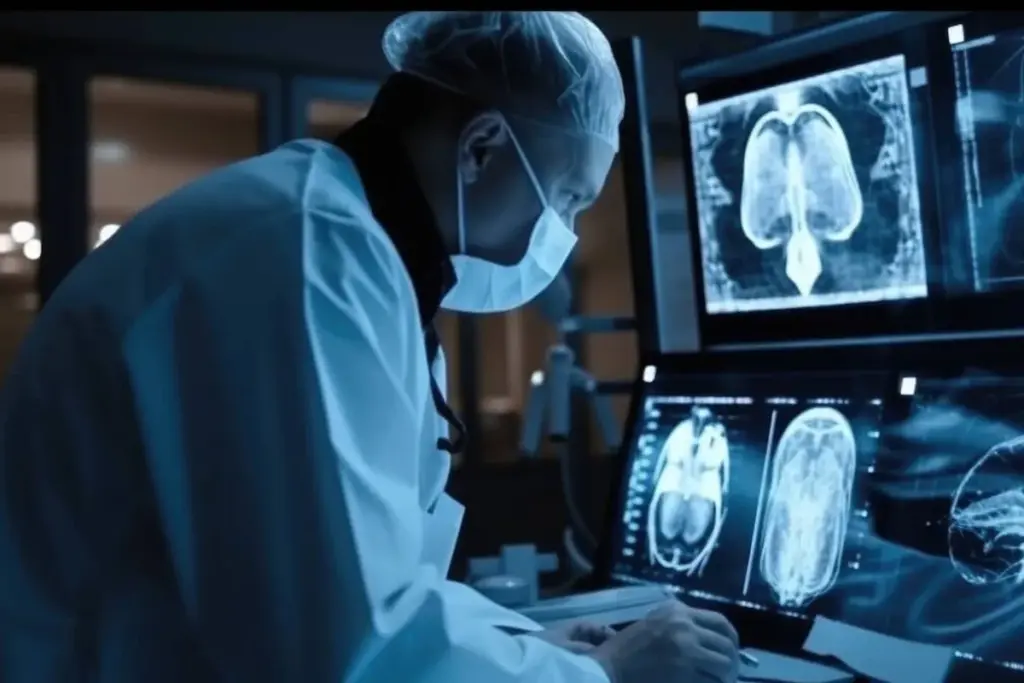
In 2024, interventional radiology is more important than ever. It offers effective, less invasive treatments instead of traditional surgery. The field has grown a lot, helping more patients and improving care.
Definition and Scope of Interventional Radiology
Interventional radiology (IR) uses imaging to guide procedures. It has moved from just looking at images to treating many conditions.
Common IR Procedures and Applications
IR covers many treatments, like vascular diseases and cancer. Some key procedures include:
- Angioplasty and stenting
- Embolization for cancer treatment
- Biopsy and drainage procedures
- Vascular access procedures
The Evolution of IR as a Medical Specialty
IR has grown thanks to new technology and the push for less invasive care. A report by shows the market is expanding fast. This is because more people want these treatments.
Key Statistics on IR Procedures Performed Annually
More IR procedures are done every year. This is true for managing chronic pain and other issues.
Most Common IR Treatments in the United States
In the U.S., the top IR treatments are vascular, oncological, and pain management. They are chosen for being effective and less invasive.
Patient Demographics and Trends
IR patients vary, but more older adults and those with chronic conditions are being treated. As the population ages, IR use is expected to grow.
Global Market Growth Projections for Interventional Radiology
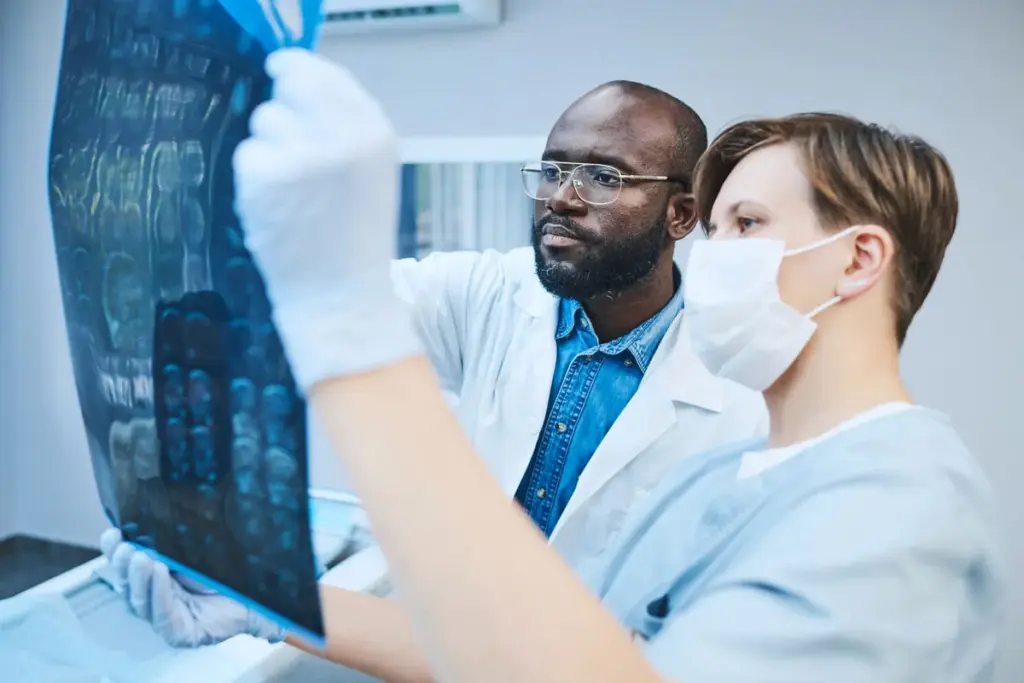
The global interventional radiology (IR) market is set to grow a lot. This is because more people want less invasive treatments. IR is becoming more important in healthcare.
Current Market Valuation
This shows IR procedures are getting more popular.
Market Segmentation by Procedure Type
The IR market includes different types of procedures. These are:
- Angiography and angioplasty
- Embolization procedures
- Biopsies and drainages
- Vascular stenting
Each type is helping the IR market grow. For more info, visit.
Projected Growth to $46-49 Billion by 2033-2035
The IR market is expected to reach $46 billion to $49 billion by 2033-2035. This is a big jump in IR procedure use.
Understanding the 5.2%-6.9% CAGR
The IR market’s growth rate is 5.2% to 6.9% CAGR. This shows steady growth in the market.
Regional Market Distribution and Growth Rates
The IR market spans many regions, with North America leading. But, new markets in Asia-Pacific and Latin America are growing fast.
North American Market Leadership
North America leads in IR procedures. This is thanks to its advanced healthcare and quick adoption of new tech.
Emerging Markets and Opportunities
Asia-Pacific and Latin America are growing fast. This is because of more healthcare spending and better healthcare systems.
The IR market’s growth shows more people want less invasive treatments. New IR tech is also driving this growth. As the market grows, we can expect even more new treatments and technologies.
Why Patients Are Choosing Interventional Radiology
Interventional radiology (IR) is becoming more popular. It’s known for being minimally invasive and having many benefits. This field offers effective procedures that are safer and have less recovery time.
Benefits of Minimally Invasive Procedures
IR is all about small procedures. They are safer than big surgeries. These small cuts cause less damage and pain.
Reduced Complications and Recovery Time
IR procedures are quick and safe. They help patients heal faster. This means patients can get back to their lives sooner.
Patient Satisfaction Rates and Preferences
People really like IR procedures. Many prefer them over traditional surgery. The comfort and ease of these procedures are big reasons why.
The 92% Patient Preference Statistic
A big study found 92% of patients like IR. This shows more and more people are choosing IR over surgery.
Shorter Hospital Stays and Economic Benefits
IR also saves money. It means patients don’t have to stay in the hospital as long. This cuts down on costs.
Cost-Effectiveness Compared to Traditional Surgery
IR is cheaper than surgery. It uses less hospital resources and has shorter recovery times. This makes IR a smart choice for saving money.
In summary, IR is a great choice for patients. It’s safe, makes people happy, and saves money. As IR grows, it will likely become even more important in healthcare.
Technological Innovations Driving IR Demand
The world of Interventional Radiology (IR) is changing fast, thanks to new technologies. These advancements make IR procedures more precise and effective. They also open up new treatment options for patients.
AI-Guided Imaging Advancements
Artificial Intelligence (AI) is becoming key in IR, mainly in imaging. AI helps make diagnoses and treatments more accurate. It does this by giving real-time data and insights during procedures.
Machine Learning in Procedural Planning
Machine learning is being used in planning treatments. It helps create personalized and effective plans. These algorithms look at lots of data to predict outcomes and suggest the best approach.
Real-Time Decision Support Systems
Real-time decision support systems are also a big step forward. They give doctors important information right when they need it. This helps them make better decisions and improve patient care.
Hybrid Technologies in Interventional Suites
Hybrid technologies are changing interventional suites. They combine diagnostic and therapeutic capabilities. This makes IR procedures more efficient and effective.
Integration of Diagnostic and Therapeutic Capabilities
Integrating diagnostic and therapeutic capabilities in suites is a big plus. It allows for smooth transitions between checking and treating. This makes workflows better and reduces risks.
New Tools and Techniques Expanding Treatment Options
New tools and techniques are adding to IR’s treatment options. Emerging device technologies are leading this innovation.
Emerging Device Technologies
New devices, like advanced catheters and embolization tools, are improving IR. They make procedures more precise and safe. These tools are opening up new ways to treat complex conditions.
A leading expert in the field says,
“The future of Interventional Radiology is bright, with technological innovations poised to drive significant improvements in patient care.”
These technological advancements are making a big difference. They are increasing demand for IR services and changing how care is given. As technology keeps getting better, IR will likely play a bigger role in treating many medical conditions.
The Impact of SIR EDGE 2024 on the Future of Interventional Radiology
The SIR EDGE2024 conference is a big deal for Interventional Radiology. It will show us what’s new and what’s coming. Experts, researchers, and professionals will all come together to share their knowledge.
Key Developments Presented at SIR Conference2024
The SIR EDGE2024 conference will have a lot to offer. It will cover the latest in Interventional Radiology. Here are some of the highlights:
Breakthrough Research and Clinical Trials
Top researchers will share their findings. They will talk about new techniques and technologies. These could change how we do things in IR.
- Advances in AI-guided imaging
- Innovations in hybrid technologies for interventional suites
- New tools and techniques expanding treatment options
Industry Trends Highlighted by Leading Experts
Experts will talk about what’s happening now and what’s coming. Their views will help professionals stay up-to-date.
Predictions for IR Practice Evolution
Experts will share their thoughts on how IR might change. They will talk about new technologies and how healthcare is changing.
Networking and Educational Opportunities for IR Professionals
The SIR EDGE2024 conference is a chance to meet and learn from others. It’s a great way to improve your skills.
Collaborative Initiatives and Partnerships
The conference will help people work together. It will encourage teamwork and new ideas.
|
Key Takeaways |
Description |
Impact on IR |
|---|---|---|
|
Breakthrough Research |
Latest findings from clinical trials and research studies |
Transforming IR practices with new techniques and technologies |
|
Industry Trends |
Insights from leading experts on current and future trends |
Guiding professionals in staying ahead in the field |
|
Networking Opportunities |
Facilitating collaboration and knowledge sharing among professionals |
Enhancing skills and fostering innovation in IR |
Chronic Disease Management Through Interventional Radiology
Interventional radiology (IR) is key in fighting chronic diseases. It uses small, non-invasive methods to treat many health issues. This includes heart disease, cancer, and brain disorders. IR brings new hope to those suffering from these conditions.
IR Solutions for Cardiovascular Conditions
Heart diseases are a big problem worldwide. IR has many ways to help, making life better for patients.
Angioplasty and Stenting Innovations
Angioplasty and stenting are common IR treatments for heart disease. New stents and better imaging help these procedures work better.
|
Procedure |
Benefits |
Outcomes |
|---|---|---|
|
Angioplasty |
Minimally invasive, reduces blockages |
Improved blood flow, reduced symptoms |
|
Stenting |
Keeps arteries open, reduces restenosis |
Long-term patency, improved quality of life |
Cancer Treatment Innovations
Cancer treatment has seen big changes with IR. These new methods are safer than old surgeries.
Targeted Therapies and Embolization Techniques
IR uses targeted treatments and embolization to fight cancer. These methods aim to kill tumors or cut off their blood supply.
Managing Neurological Disorders with IR Techniques
IR also helps with brain and nerve problems. It offers quick and effective treatments.
Stroke Intervention and Pain Management
IR helps restore blood flow to the brain after a stroke. It also manages pain with nerve blocks and spinal cord stimulation.
In conclusion, IR is vital in managing chronic diseases. It offers new ways to treat heart disease, cancer, and brain disorders. As IR grows, it will likely change how we treat these diseases even more.
Career Outlook for Interventional Radiologists
The career outlook for interventional radiologists is bright. There’s a growing need for their skills in diagnosing and treating medical conditions. As healthcare evolves, their role becomes more critical.
Salary Trends and Job Growth Projections
Interventional radiologists earn high salaries. Their pay is expected to rise as demand for their services grows. show a big increase in the interventional radiology market. This is due to more need for minimally invasive procedures.
Demand-Supply Gap Analysis
The demand for interventional radiologists is higher than the supply. This gap is expected to grow. It’s caused by:
- An aging population needing more medical interventions
- Advancements in IR technology making more procedures possible
- More chronic diseases that require IR treatments
Training and Certification Requirements
To become an interventional radiologist, you need a lot of training and certification. This includes a radiology residency and fellowship training in IR.
Fellowship Programs and Continuing Education
Fellowship programs offer specialized IR training. They’re key for staying up-to-date. Continuing education is also important for keeping certification and learning about new technologies.
Work-Life Balance in Interventional Radiology
Interventional radiologists often have a good work-life balance. This is because of:
- Predictable schedules
- Less emergency call duty
- Flexible practice models
Practice Models and Lifestyle Considerations
There are many practice models for interventional radiologists. These include private practice, academic medicine, and hybrid models. Each offers different lifestyle options, allowing professionals to choose what fits their goals.
International Competition and Public Awareness Challenges
Interventional Radiology is growing but faces big challenges. It’s not well known to many patients. This makes it hard for IR to help more people.
Current Recognition Rates Among Patients
Only about 40% of patients know IR is a special field. This shows a big gap in understanding. It’s because many don’t know much about IR or its benefits.
Barriers to IR Recognition
There are many reasons why IR isn’t well known. Patients and doctors often don’t know enough about it. Also, IR sounds similar to other radiology fields, which can confuse people.
Strategies for Improving Public Understanding of IR
Groups and healthcare providers are working hard to teach people about IR. They use campaigns and programs to reach out to patients. This helps patients make better choices about their health.
Educational Campaigns and Patient Outreach
There are many ways to teach people about IR. Campaigns, patient stories, and working with advocacy groups are some examples. These efforts help people understand and value IR more.
Competing in the Global IR Marketplace
The IR world is getting more competitive. New tech and players are coming in. IR experts need to keep up with new things and follow high standards.
Standards and Practices Across Different Healthcare Systems
Healthcare systems and rules vary worldwide. Knowing these differences helps IR professionals work better globally.
‘s Approach to Interventional Radiology
is changing Interventional Radiology with a focus on patients. It follows IR’s main idea of giving top-notch, small-invasive care.
Alignment with IR’s Patient-Centric Philosophy
puts patients first, making sure treatments fit each person’s needs. This focus on patients is key to getting the best medical results.
Pursuing Best Medical Outcomes
uses the newest IR tech to offer care that’s both effective and personal. Its team works hard to meet high standards, shown in its strict quality assurance protocols.
Multidisciplinary Care and Innovation
is known for its team approach. Experts from different fields work together to create detailed treatment plans.
Collaborative Treatment Planning
This team effort means patients get the best care possible. They benefit from the combined knowledge of the medical team.
Ethical Standards and International Best Practices
sticks to high ethical standards and global best practices. This ensures patients get safe, top-quality care.
Quality Assurance and Patient Safety Protocols
The hospital’s dedication to quality is clear in its strong quality and safety plans. These standards ensure the highest care levels.
|
Key Aspects |
Description |
Benefits |
|---|---|---|
|
Patient-Centric Approach |
Tailored treatment plans |
Improved patient satisfaction |
|
Multidisciplinary Care |
Collaborative treatment planning |
Enhanced treatment effectiveness |
|
Ethical Standards |
Adherence to international best practices |
High-quality, safe care |
Conclusion: The Promising Future of Interventional Radiology
The future of interventional radiology (IR) is looking bright. This is thanks to the growing need for less invasive treatments and new technologies. The global IR market is set to see a big jump, reaching $46-49 billion by 2033-2035.
IR’s benefits are clear: patients get to leave the hospital sooner, recover faster, and have better results. The use of AI and hybrid technologies in IR suites is opening up more treatment options.
As IR continues to grow, it’s key for experts and groups to keep up with new trends. IR’s focus on the patient and its team-based care make its future look bright. It offers chances for growth and innovation.
The rising need for IR services means we must keep investing in research, education, and training. As IR evolves, it will play a bigger role in healthcare’s future.
FAQ
What is Interventional Radiology?
Interventional Radiology (IR) is a medical field. It uses small, guided procedures to treat diseases. This includes cancer, heart issues, and brain disorders.
What is the current market valuation of the Interventional Radiology industry?
The Interventional Radiology market is worth between $28.1-30.7 Billion.
What are the benefits of choosing Interventional Radiology over traditional surgery?
Choosing IR means smaller procedures. You’ll likely stay in the hospital less and recover faster. It’s also cheaper than traditional surgery.
How is AI being used in Interventional Radiology?
AI helps in IR by improving imaging and diagnosis. It also makes treatments more effective.
What is the significance of SIR Conference2024 for Interventional Radiology professionals?
The SIR Conference2024 is a big event for IR pros. It’s a chance to network, learn, and keep up with new trends.
What are the career prospects for Interventional Radiologists?
IR doctors earn good salaries and have job growth. They enjoy a good work-life balance. Their skills are in demand for managing chronic diseases.
How does approach Interventional Radiology?
focuses on patient care in IR. It offers a team approach, innovation, and follows ethical standards.
What are the challenges faced by Interventional Radiology in terms of public awareness?
IR faces a challenge in public recognition. Less than 40% of patients know about it. Improving awareness is key.
National Center for Biotechnology Information. Evidence-Based Medical Insight. Retrieved from https://www.ncbi.nlm.nih.gov/books/NBK13463