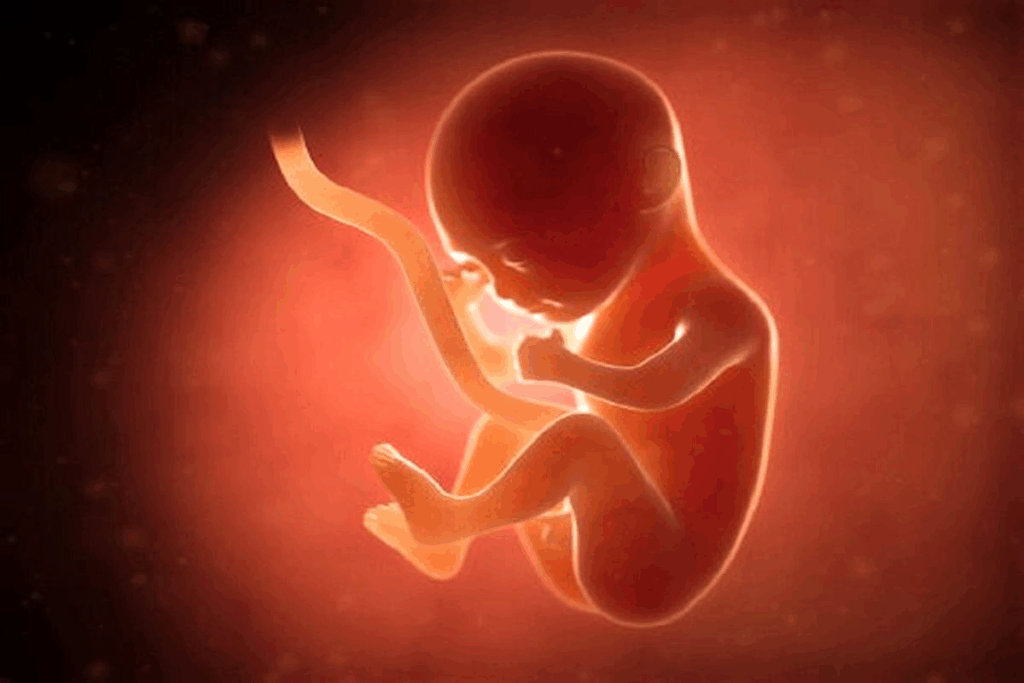
At 7 weeks pregnant, your tiny fetus is about the size of a blueberry. It measures around 0.4 inches or 8-10 millimeters long. Every day, it grows and changes, with its heart beating and face features becoming clear.
Your fetus is growing fast, making new brain cells at 100 per minute. It’s now 10,000 times bigger than when it first formed in your uterus. Healthcare providers like Liv Hospital are there to help you through each stage and symptom.
Learn the actualsize of 7 week fetus in relatable comparisons and check out development milestones for the size of 7 week fetus.
Key Takeaways
- At 7 weeks, your fetus is approximately the size of a blueberry.
- Rapid fetal development is occurring, with the heart beating and facial features forming.
- Brain cells are being generated at a rate of 100 per minute.
- Comprehensive prenatal care is key during this time.
- Symptoms and milestones may vary, but help is available.
Your Pregnancy Journey at Week 7

At week 7, your pregnancy journey is filled with fast growth and changes. Your embryo has grown to about 10mm long, doubling in size from last week. This is a key time for your embryo to start making big changes.
Transitioning from Embryo to Fetus
Even though it’s called an embryo, it’s starting to become a fetus. Rapid cellular growth is happening, with organs and body parts starting to form. The brain is growing fast, making about 100 new brain cells every minute. This fast brain growth is important for your baby’s growth and function.
Key Developmental Milestones
Week 7 is full of important milestones. Some key developments include:
- The neural tube forms, which will become the brain and spinal cord.
- The heart starts to divide into four chambers and pumps blood.
- The digestive system starts to form, with the mouth, esophagus, and stomach.
- Limb buds appear, which will become arms and legs.
Developmental Feature | Description | Significance |
Brain Development | Rapid growth, 100 new cells/minute | Critical for overall growth and functionality |
Heart Formation | Divides into four chambers, starts pumping blood | Essential for circulatory system |
Digestive System | Formation of mouth, esophagus, stomach | Prepares for nutrient absorption post-birth |
Limb Development | Limb buds appear | Precursor to arms and legs |
As you move through your pregnancy, knowing about these milestones is helpful. At 7 weeks, your embryo is changing a lot. These changes are key for it to grow into a healthy fetus.
7 Weeks Pregnant Baby Size: From Seed to Blueberry

Your baby is now about 8-10 millimeters long, similar to a blueberry at 7 weeks. This is a key time for growth and development.
Measuring Your Baby at 7 Weeks
At this stage, your baby is 0.4 inches or 8-10 millimeters long. This size is important for tracking growth and development.
Comparing your baby to a blueberry helps you understand their size. It’s amazing to see how much they’ve grown from a tiny seed to a small fruit in just a few weeks.
Growth Comparison to Previous Weeks
Let’s look at how your baby’s size has changed over the past few weeks:
Week | Baby’s Size | Length |
5 | Small seed | About 2-3 mm |
6 | Pumpkin seed | Around 4-5 mm |
7 | Blueberry | Approximately 8-10 mm |
This table shows how fast your baby is growing. By comparing sizes week by week, you can see the remarkable development happening.
As we move through pregnancy, knowing your baby’s size and growth is key. It gives us insights into their development.
Fetal Development at 7 Weeks
At 7 weeks, the embryo grows fast, preparing for vital organ development. This time is key for the growth of major organs and body systems.
Rapid Cellular Growth and Organ Formation
The 7th week is when the embryo grows quickly, which is key for organ formation. The heart, lungs, and liver start to develop. This is a big step towards becoming a fully formed fetus.
Cells in the embryo start to become different types, each with its own job. This is important for the growth of body systems like the heart, lungs, and digestive system.
The Foundation of Body Systems
This period lays the groundwork for body systems. The cardiovascular system starts to form, with the heart dividing into chambers. The respiratory system also begins, with the lungs and airways developing.
The digestive system starts to take shape, with the liver, pancreas, and intestines forming. These are key for the fetus’s growth and development.
Understanding the fast growth and development at 7 weeks can help parents appreciate the complex process. As organs continue to form, the embryo’s major organs and structures become clearer. This sets the stage for the rest of the pregnancy.
Facial Features Taking Shape
By the seventh week, your baby’s face starts to take shape. The embryo’s facial features are becoming clearer. This is the beginning of more growth.
Formation of Ears, Nostrils, and Mouth
The creation of your baby’s ears, nostrils, and mouth is complex. In week 7, the ears start to form, and the nasal pits begin to shape up. The mouth and jaw also start to develop.
Key developments include:
- The formation of the nasal pits, which will eventually become the nostrils.
- The development of the jaw and the initial formation of the mouth.
- The beginning of ear development, with the ears starting to take shape.
Development of Eyes and Tongue
The eyes and tongue are also seeing big changes. The eyes start as small vesicles and begin to grow. The tongue starts to form from the first pharyngeal arch. The oral cavity starts to take shape.
Notable developments in the eyes and tongue include:
- The initial formation of the eye vesicles, marking the beginning of eye development.
- The development of the tongue and the oral cavity, which are key for future feeding and speech.
Brain and Nervous System Development
At seven weeks, the embryo’s brain starts growing fast. The brain and nervous system are key to the fetus’s development at this time.
The baby’s brain makes about 100 new brain cells each minute. It’s forming into five different areas. This growth is essential for future brain functions.
The Remarkable Rate of Neuron Formation
Neurons are forming at a rate of about 250,000 per minute. This is vital for the nervous system’s development. It helps with complex functions and interactions.
Early Brain Function and Structure
The early brain is not just getting bigger. It’s also starting to form structures for controlling the body. The five areas of the brain are beginning to have specific roles. This sets the stage for future growth.
As the brain and nervous system grow, they will control the fetus’s movements and sensations. They will also help the fetus respond to stimuli.
Your Baby’s Beating Heart at Week 7
By the seventh week, your baby’s heart is not only beating but also developing a regular rhythm. This is a critical period in the development of your baby’s cardiovascular system. At 7 weeks pregnant, the heart rate is typically around 150-180 beats per minute, which is much faster than a normal adult heart rate.
Heart Rate and Rhythm Development
The heart begins to divide into four chambers and starts to pump blood through its chambers. The heart rate at this stage is quite rapid, usually between 150-180 beats per minute. This rapid heart rate is essential for delivering oxygen and nutrients to the growing embryo.
Cardiovascular System Formation
The cardiovascular system is forming and starting to function. The blood vessels are developing, and the heart is pumping blood through them. This complex process involves many cell types and tissues. As the cardiovascular system matures, it will support your baby’s growth and development.
At this stage, the heart is now beating at a regular rhythm and can be detected via vaginal ultrasound. This is an exciting milestone for expectant parents. It confirms the baby’s viability and provides a reassuring sign of a healthy pregnancy.
Skeletal and Umbilical Development
At the 7th week, your baby’s bones start to grow. The tissue for the spine and major bones is forming. This is key for your baby’s structure and support.
Early Bone Formation Process
Ossification, the early bone formation, starts around the 7th week. Cartilage, which will become bones, begins to form. This cartilage acts as a blueprint for bone growth, gradually replacing cartilage with bone.
By the end of the 7th week, the base of major bones is set. This includes vertebrae, ribs, and limb bones. This complex process involves genetics and environment.
The Umbilical Cord and Placenta Connection
The umbilical cord connects your baby to the placenta, providing nutrients and oxygen. By the 7th week, it’s fully formed and working. This connection is vital for delivering nutrients and removing waste.
The placenta also grows and matures, supporting your baby’s growth. It makes important hormones and helps exchange gases and nutrients between you and your baby.
Developmental Feature | Status at 7 Weeks |
Skeletal System | Cartilage formation begins, laying down the foundation for bones |
Umbilical Cord | Fully formed and functioning, connecting baby to placenta |
Placenta | Continues to develop and mature, supporting baby’s growth |
Morning Sickness and Hormonal Changes
The 7th week of pregnancy often brings morning sickness, linked to hormonal changes. It’s important to know why it happens and how to handle it.
Why Nausea Peaks at 7 Weeks
Nausea and vomiting, or morning sickness, affect many pregnant women. About 70-80% of them experience it. The 7th week is when it usually gets worse.
The hormone hCG levels rise fast during this time. This hormone helps keep the pregnancy going but also makes nausea worse. As hCG levels rise, smells and stomach sensitivity increase, causing morning sickness symptoms.
“The exact cause of morning sickness is not fully understood, but hormonal changes play a big role. Managing these symptoms is key for pregnant women’s well-being.”
Managing Morning Sickness Effectively
Managing morning sickness can be tough, but there are ways to make it easier. Here are some tips:
- Eating small, frequent meals to keep the stomach from becoming too empty
- Avoiding foods and smells that trigger nausea
- Staying hydrated by drinking plenty of fluids
- Getting plenty of rest to combat fatigue, which can make nausea worse
Management Strategy | Description | Benefits |
Eating Small Meals | Consuming smaller portions throughout the day | Reduces stomach discomfort and nausea |
Avoiding Triggers | Identifying and steering clear of nausea-inducing foods and smells | Minimizes episodes of nausea and vomiting |
Staying Hydrated | Drinking adequate fluids to prevent dehydration | Helps maintain overall health and reduces nausea |
Managing morning sickness is more than just easing symptoms. It’s about improving life during pregnancy. By understanding the causes and using effective strategies, women can get through this tough time.
Fatigue and Physical Changes
At 7 weeks pregnant, women often feel very tired. They also notice other physical changes. These changes come from big hormonal shifts.
Understanding Pregnancy Fatigue
Pregnancy fatigue is common in early pregnancy. The surge in progesterone levels makes you feel very tired. Progesterone relaxes muscles, which is good for the baby but makes you feel sleepy.
Your body is working hard to support the growing embryo. This takes a lot of energy. It’s important to listen to your body and rest when you need to.
Breast Tenderness and Swelling
During the 7th week, you might notice your breasts are tender and swollen. Hormonal changes, like more estrogen and progesterone, make the breast tissue sensitive.
This tenderness can be mild or severe. It’s a normal part of early pregnancy. Wearing a comfy bra and avoiding tight clothes can help.
Symptom | Cause | Management Tip |
Fatigue | Increased progesterone, energy demand for the embryo | Rest when needed, maintain a balanced diet |
Breast Tenderness | Hormonal fluctuations (estrogen and progesterone) | Wear a comfortable bra, avoid tight clothing |
Knowing about these physical changes helps you deal with early pregnancy. By understanding what’s happening and how to manage symptoms, you can take better care of yourself.
Urinary and Digestive Symptoms
At 7 weeks pregnant, women often face urinary and digestive symptoms. These changes come from the growing uterus and hormonal shifts.
Frequent Urination Causes
Frequent urination is a common symptom at this time. The expanding uterus presses on the bladder, making you need to pee more often. Increased kidney function also plays a role, as the kidneys work harder to support the pregnancy.
Frequent urination might be a hassle, but it shows your body is adjusting to your growing baby.
Excess Saliva and Other Digestive Changes
Some women notice excess saliva production during pregnancy. This symptom, though less talked about, is quite common. Hormonal changes, like the rise in estrogen, are thought to cause it.
Other digestive changes include mild constipation or changes in taste. These symptoms can be managed with the right diet and plenty of water.
Keeping a balanced diet and staying hydrated is key for your health and your baby’s.
When to Contact Your Healthcare Provider
Knowing when to reach out to your healthcare provider is key during the 7th week of pregnancy. Your body is changing a lot, and knowing what to watch for is important for a healthy pregnancy.
Spotting and Discharge at 7 Weeks
Spotting or discharge in the 7th week can be normal due to implantation or hormonal changes. But, it’s important to watch how severe it is. If you see heavy bleeding, severe pain, or if the discharge smells bad, call your healthcare provider right away.
Doctors say spotting in early pregnancy is common. But, it’s key to tell normal spotting from bleeding that might mean a problem.
“Bleeding in early pregnancy can be caused by various factors, including implantation, infection, or issues with the placenta.”
Warning Signs That Require Immediate Attention
There are warning signs in the 7th week of pregnancy that mean you need to see your healthcare provider fast. These include:
- Severe abdominal pain or cramping
- Heavy vaginal bleeding or bleeding that lasts for more than a few days
- Dizziness or fainting
- Severe vomiting or dehydration
- Fever above 100.4°F (38°C)
If you notice any of these symptoms, you should get medical help right away. Your healthcare provider can check you out and help keep you and your baby safe.
In short, while some symptoms in the 7th week might be okay, it’s important to know the signs that mean you need to see a doctor. By knowing when to reach out, you can get through this important time with confidence.
Conclusion: Embracing Week 7 of Your Pregnancy
As we wrap up the 7th week of your pregnancy, it’s time to look back at the big changes. Your baby’s major organs and body systems are coming together. Their heart is also beating. Knowing about these changes and symptoms can help you through this important time.
Every pregnancy is different, and knowing what’s happening can make you feel more ready. This time might be tough, but with the right info, you can handle the symptoms better. It’s key to keep in touch with your healthcare provider and talk about any worries you have.
By embracing the changes of week 7, you can look forward to a healthy pregnancy and a good outcome. We’re here to support you every step of the way. We’ll provide the care and advice you need to do well.
FAQ
What does a 7 week fetus look like?
At 7 weeks pregnant, your baby is tiny, about the size of a blueberry. They measure around 0.4 inches or 8-10 millimeters long.
What are the common symptoms at 7 weeks pregnant?
At 7 weeks, you might feel morning sickness, tiredness, and sore breasts. You could also pee a lot and have more saliva than usual.
Is it normal to experience spotting at 7 weeks pregnant?
Spotting is common at 7 weeks. But, if you see a lot of blood or feel a lot of pain, call your doctor right away.
How is the baby’s heart developing at 7 weeks?
By 7 weeks, your baby’s heart is beating regularly. It’s usually around 150-180 times per minute.
What is the significance of the 7th week in fetal development?
The 7th week is key for your baby’s growth. It’s when major organs and systems like the brain and heart start to form.
Can I manage morning sickness effectively?
Yes, you can manage morning sickness. Eating small meals and drinking lots of water can help a lot.
What are the warning signs that require immediate attention at 7 weeks pregnant?
Look out for severe pain, heavy bleeding, and other signs that might mean something’s wrong. These need quick medical help.
How is the baby’s brain developing at 7 weeks?
The brain is growing fast, with about 100 new brain cells forming every minute. It’s amazing!
What is the role of the umbilical cord at 7 weeks?
The umbilical cord connects your baby to the placenta. It’s vital for getting nutrients and oxygen.
Is it normal to experience fatigue at 7 weeks pregnant?
Yes, feeling tired is common at 7 weeks. Knowing why you’re tired can help you deal with early pregnancy better.
References
National Health Service (NHS). Evidence-Based Medical Guidance. Retrieved from https://www.nhs.uk/pregnancy/first-trimester/