Gastric bypass surgery, also known as Roux-en-Y gastric bypass, changes the stomach’s size to help with weight loss. It makes a small pouch at the stomach’s top. This pouch is then connected to the small intestine, skipping a big part of the stomach and small intestine. Explaining the pouch capacity and anatomical changes that determine the size of stomach after gastric bypass.
The new pouch is very small, about 20 to 60 milliliters in size. It’s as small as an egg or a golf ball. This small size is key to the surgery’s success. It limits how much food you can eat, helping you lose a lot of weight.
Key Takeaways
- Gastric bypass surgery creates a small stomach pouch, significantly reducing stomach capacity.
- The new pouch is approximately 20 to 60 milliliters in size.
- This surgery alters the digestive pathway, connecting the pouch directly to the small intestine.
- The procedure is highly effective for substantial weight loss.
- Understanding the new stomach anatomy is key for success after surgery.
The Basics of Gastric Bypass Surgery
Learning about gastric bypass surgery is key for those thinking about it. At our Philadelphia center, we do this surgery with great care. It’s not just for losing weight; it treats obesity and health issues too.
What Is Roux-en-Y Gastric Bypass?
The Roux-en-Y gastric bypass is a detailed surgery. It makes a small stomach pouch and connects the small intestine to it. This reconfiguration helps cut down on calorie and nutrient absorption, leading to weight loss.
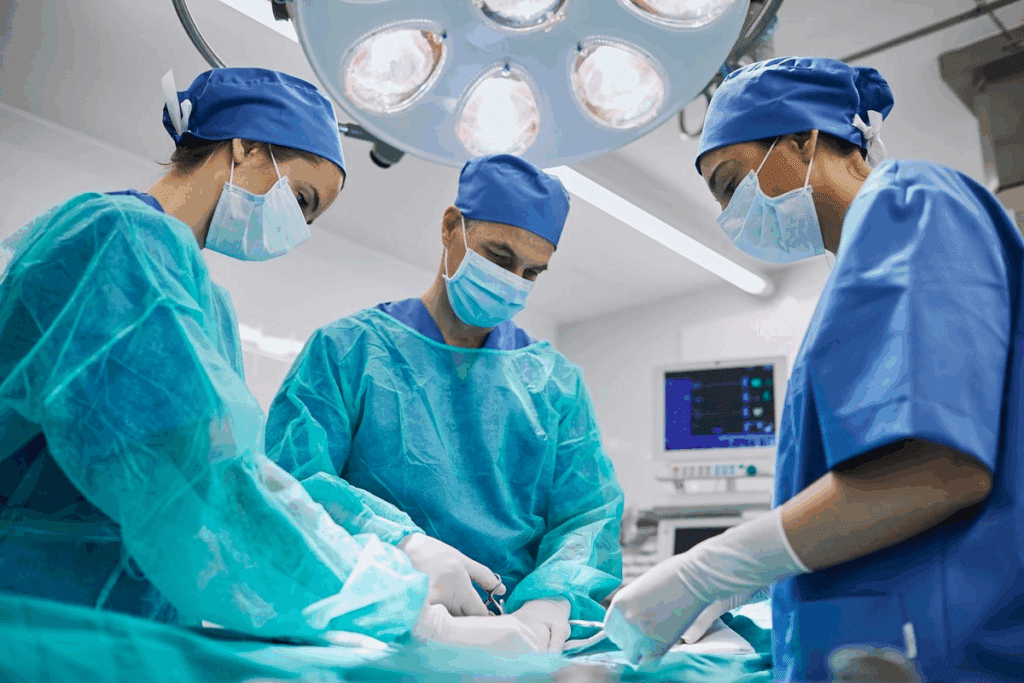
The surgery uses a stapler to divide the stomach into two parts. A small pouch is made right below where the esophagus meets the stomach.
Candidates for Gastric Bypass
People with a BMI of 40 or higher might be good candidates. Those with a BMI of 35 or higher and health issues like diabetes or high blood pressure might also qualify. Our team checks each person to see if they’re a good fit.
| BMI Category | Obesity-Related Conditions | Candidate for Gastric Bypass |
|---|---|---|
| 40 or higher | Not required | Yes |
| 35 or higher | Present | Yes |
| Less than 35 | Not applicable | No |
Benefits Beyond Weight Loss
Weight loss is a big plus of gastric bypass surgery. But there are more benefits. Patients often see better control over diabetes and high blood pressure. They also get more mobile and feel less joint pain, improving their life quality.
Our doctors explain all the benefits and risks to patients. They offer full care from start to finish.
Normal Stomach Anatomy and Capacity
It’s important to know about the stomach before talking about changes after surgery. The stomach is key in our digestive system. It breaks down food into smaller pieces.
Average Stomach Size Before Surgery
A normal stomach can hold about 1 liter of food and liquids. This lets us eat a typical meal. Then, the food moves to the small intestine for more digestion.
How the Normal Stomach Functions
The stomach’s walls churn food with digestive enzymes and acids. These break down proteins and fats. This step is vital for the food to be absorbed in the intestines.
The stomach also secretes mucus to protect itself from acidic juices. This keeps the stomach lining safe during digestion.
The stomach’s role is both mechanical and chemical. Gastric juices with pepsin and hydrochloric acid help break down proteins.
How Big Is Your Stomach After Gastric Bypass?
Many people wonder about the stomach size after gastric bypass surgery. The stomach gets much smaller, which is key for losing weight.
The New Gastric Pouch Measurements
The new stomach pouch is about 20 to 60 milliliters in size. That’s as small as an egg or a golf ball. This small size means you can’t eat as much, helping with weight loss.
Visualizing the Dramatic Size Reduction
Seeing the new pouch size helps grasp the big change. The old stomach can hold a lot of food. But the new pouch is tiny, limiting how much you can eat. This change is vital for losing weight.
Adjusting to this new size can be tough. But it’s a big step towards a healthier life. Knowing about the new pouch size helps patients get ready for the lifestyle changes after surgery.
The Surgical Creation of a Smaller Stomach
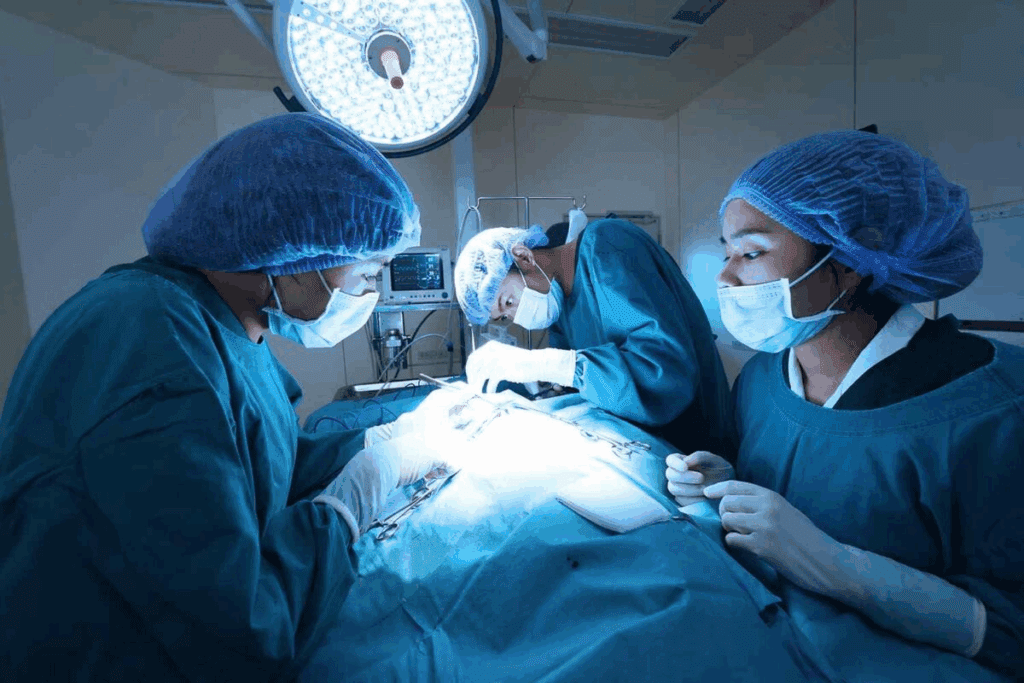
During gastric bypass surgery, a smaller stomach pouch is made. This is done using advanced stapling techniques. This step is key for the success of the Roux-en-Y gastric bypass procedure.
Stapling Techniques Used in Surgery
The stapling technique is a vital part of gastric bypass surgery. Surgeons use specialized stapling devices to make the gastric pouch and re-route the intestine. These devices help ensure a secure closure and lower the risk of complications.
We use the latest stapling technologies for precise control. This precision is essential for making the right-sized gastric pouch. It also ensures the staple lines are secure.
Bypassing the Intestinal Tract
Bypassing the intestinal tract is a key part of gastric bypass surgery. It reduces nutrient absorption and helps with weight loss. This is done by creating a Y-shaped intestine, known as the “Roux-en-Y” gastric bypass.
Variations in Surgical Approaches
There are different ways to do gastric bypass surgery, like laparoscopic and open surgery. Laparoscopic surgery is the most common because it’s less invasive and has a quicker recovery. But, the choice depends on the patient’s health and the surgeon’s judgment.
| Surgical Approach | Description | Recovery Time |
|---|---|---|
| Laparoscopic Surgery | Minimally invasive procedure with small incisions | Typically shorter, around 2-4 weeks |
| Open Surgery | Traditional method with a larger incision | Generally longer, around 6-8 weeks |
Anatomical Changes and New Digestive Pathway
After gastric bypass surgery, the digestive system changes a lot. A new path for food is created. The stomach and small intestine are altered.
Where Is the Stomach Located After Gastric Bypass?
The stomach is split into two parts after surgery. The smaller top part goes straight to the small intestine. The bigger bottom part is bypassed.
Function of the Bypassed Stomach Portion
The bigger stomach part makes digestive enzymes. But it’s not used for digestion anymore.
How Food Moves Through the New System
Food goes into the small gastric pouch first. Then it moves into the small intestine. There, it mixes with digestive juices. This new path cuts down on calorie and nutrient absorption.
| Aspect | Pre-Surgery | Post-Surgery |
|---|---|---|
| Stomach Size | Normal size, approximately 1.5 liters | Reduced to a small pouch, about 15-30 ml |
| Food Pathway | Food passes through the entire stomach and into the small intestine | Food bypasses the larger stomach portion and enters the small intestine directly |
| Digestive Enzymes | Produced in the stomach and pancreas | Stil produced, but the stomach’s role is altered |
It’s key for patients to understand these changes. It helps them adjust to their new digestive system. It also helps healthcare providers give the right care after surgery.
Impact of Stomach Size on Weight Loss Results
Studies show that a smaller stomach pouch leads to better weight loss after gastric bypass surgery. This link between stomach size and weight loss is key to the surgery’s success.
Research on Pouch Size and Weight Loss Correlation
Many studies have looked into how pouch size affects weight loss. They found that smaller pouches lead to more weight loss. For example, a JAMA study showed that those with pouches under 50 ml lost more weight than those with larger ones.
The reason for this is simple. Smaller pouches mean less room for food. This leads to eating fewer calories, which is important for losing weight.
“The size of the gastric pouch is a critical determinant of weight loss after gastric bypass surgery.” – Medical Expert, renowned bariatric surgeon.
Why Smaller Pouches May Lead to Better Outcomes
Smaller pouches help with weight loss in several ways. They limit how much food you can eat at once, making you feel full. They also slow down food digestion, helping you feel full longer.
A study at the American Society for Metabolic and Bariatric Surgery (ASMBS) found that smaller pouches lead to better health. Patients with smaller pouches lost more weight and had better blood sugar control and used less medication.
| Pouch Size (ml) | Average Weight Loss (%) | Number of Patients |
|---|---|---|
| <50 | 75% | 120 |
| 50-100 | 60% | 150 |
| >100 | 45% | 80 |
Individual Variations in Results
While smaller pouches are linked to better weight loss, results can vary. Health, diet, and lifestyle choices all impact success.
It’s important for patients to stay in touch with their healthcare team. This way, they can adjust their diet and exercise to get the best results and long-term health benefits.
Adapting to Life With a Smaller Stomach
Life with a smaller stomach after gastric bypass surgery is a big change. You need to think differently about what and how you eat. This is key for losing weight and staying healthy.
Dietary Guidelines Following Surgery
Right after surgery, you’ll start with a strict dietary regimen. It begins with liquids, then soft foods, and later solid foods. This slow start helps your body heal and lowers the risk of problems.
The first part of your diet focuses on hydration and nutrition. You’ll eat a lot of protein and might need supplements too.
As you get better, you’ll eat smaller meals more often. This helps manage your smaller stomach and makes sure you get all the nutrients you need.
Eating Habits and Portion Control
Portion control is very important after gastric bypass surgery. Eating too much can cause discomfort and serious issues. You’ll start with tiny portions and gradually increase them as you get used to your new stomach.
It’s also important to develop good eating habits. Eat slowly, chew well, and don’t drink fluids with meals. This helps avoid overfilling your small stomach pouch.
Potential Challenges and Solutions
Adapting to a smaller stomach can be tough. You might face nutritional deficiencies or struggle to stick to your diet. Regular check-ups with your healthcare team, including dietitians, are key.
For these challenges, there are solutions. You can get personalized meal plans, take supplements, and learn more about healthy eating. Support groups are also great for sharing tips and advice.
By following these guidelines, you can overcome the challenges of a smaller stomach. This will help you get the most out of your surgery.
Recovery Timeline and Long-Term Changes
Patients often wonder about the recovery time and long-term changes after gastric bypass surgery. The recovery is a gradual process with several stages. These stages are key to achieving the best results.
Gastric Bypass Recovery Time Expectations
The initial recovery period after gastric bypass surgery is a few weeks. During this time, patients need to follow a specific diet and slowly get back to normal activities. Most patients can get back to their usual lifestyle in 2 to 4 weeks. But, this can vary based on individual factors.
We suggest a structured recovery plan for patients. This includes:
- Following a liquid diet for the first few days post-surgery
- Gradually introducing soft foods into their diet
- Avoiding heavy lifting and strenuous activities
- Attending follow-up appointments with their healthcare provider
How Your Stomach Adapts Over Months and Years
Over time, the stomach pouch adapts to its new size and function. This adaptation is key to the surgery’s success. It helps patients maintain a healthy weight and improve their health.
As the stomach adjusts, patients may notice changes in hunger and eating habits. It’s important to keep following a balanced diet and practice portion control for long-term weight loss.
Potential for Pouch Stretching
The gastric pouch can stretch slightly over time, but it stays smaller than before. Pouch stretching can happen if patients overeat or don’t follow dietary guidelines. This can affect their weight loss.
To avoid pouch stretching, we advise patients to:
- Eat smaller, more frequent meals
- Avoid drinking carbonated beverages
- Choose nutrient-dense foods
Understanding the recovery timeline and long-term changes helps patients prepare for their journey. This way, they can achieve a successful outcome.
Conclusion
Understanding the changes after gastric bypass surgery is key for successful weight loss. The stomach size drops to about 1-2 ounces, similar to a small egg. This is a big change.
Gastric bypass surgery makes a small pouch in the stomach and changes the digestive path. This reduces stomach size and how nutrients are absorbed. The new stomach size limits how much food you can eat at once, affecting weight loss.
Knowing how your stomach changes after surgery helps you adjust to your new life. Following dietary advice and controlling food portions are vital. They help you get the most from the surgery.
Every person’s experience with gastric bypass surgery is different, and results vary. But, understanding the smaller stomach and digestive changes helps. It guides patients in making choices that support their weight loss and health goals.
FAQ
What is the size of the stomach after gastric bypass surgery?
After gastric bypass surgery, the stomach gets much smaller. It’s about 20 to 60 milliliters, like an egg or a golf ball.
How does the Roux-en-Y gastric bypass procedure work?
The Roux-en-Y procedure makes a small pouch in the stomach. It then connects the small intestine to this pouch. This reduces how much the body absorbs calories and nutrients.
Who are suitable candidates for gastric bypass surgery?
People with a BMI of 40 or higher might get gastric bypass surgery. Or those with a BMI of 35 or higher and obesity-related health issues.
What are the benefits of gastric bypass surgery beyond weight loss?
Gastric bypass surgery does more than help with weight. It also helps control type 2 diabetes and hypertension.
How long is the recovery time for gastric bypass surgery?
Recovery starts slow. Most people get back to normal in a few weeks.
What are the dietary guidelines following gastric bypass surgery?
Patients must eat very carefully. They start with liquids and then move to solid foods. It’s important to eat healthy and control portions.
Can the gastric pouch stretch over time?
The pouch might stretch a bit, but it stays much smaller than before. This helps with long-term weight loss.
Where is the stomach located after gastric bypass surgery?
The stomach’s spot changes a lot. A small pouch is made and connects directly to the small intestine.
How does food move through the new digestive system after gastric bypass surgery?
Food goes straight from the pouch to the small intestine. It skips a big part of the stomach and the start of the small intestine.
What is the impact of stomach size on weight loss results after gastric bypass surgery?
The pouch size can affect how much weight you lose. Smaller pouches might lead to more weight loss.
References
National Center for Biotechnology Information. Evidence-Based Medical Guidance. Retrieved from https://www.ncbi.nlm.nih.gov/pmc/articles/PMC3939459/