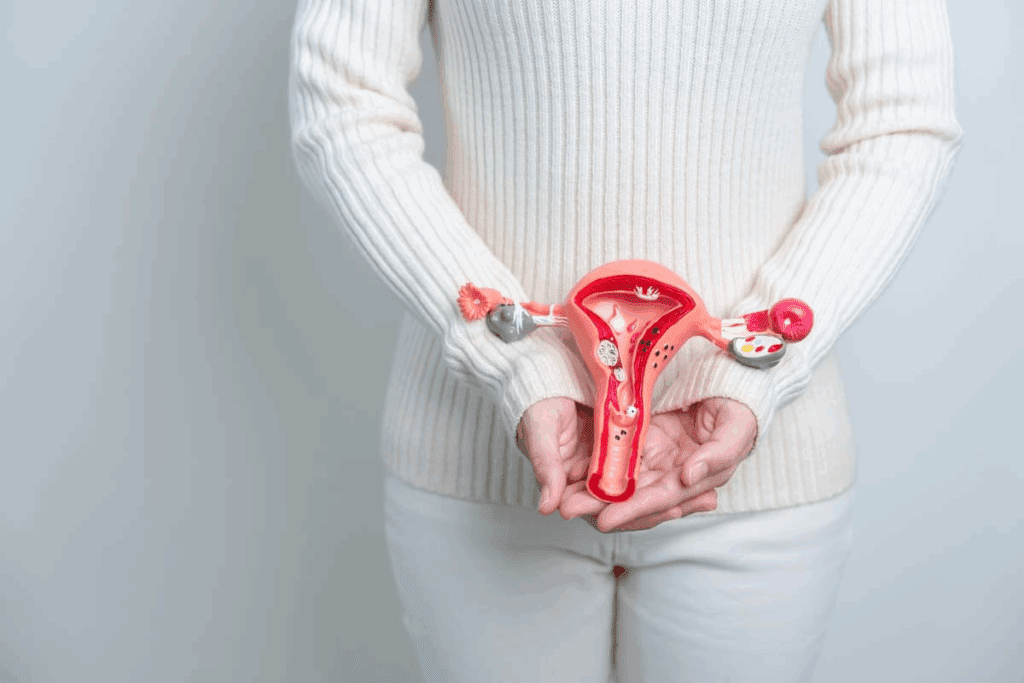
Many women wonder if their skin will change after a hysterectomy. A hysterectomy is a surgery to remove the uterus. It can lead to physical and hormonal changes. These changes can affect the skin’s elasticity and hydration. Skin effects hysterectomy may include dryness or sensitivity. Learn how hormonal changes impact skin texture, elasticity, and aging.
It’s important to understand these changes to manage them well. We’ll look into how a hysterectomy can affect your skin. We’ll discuss the possible changes you might see.
Key Takeaways
- Hormonal changes after a hysterectomy can affect skin health.
- Skin elasticity and hydration may be impacted.
- Managing skin changes requires a complete approach.
Understanding Hysterectomy and Hormonal Balance
It’s important for women to know how hysterectomy affects hormonal balance. A hysterectomy removes the uterus and sometimes other organs. This can greatly change a woman’s hormones.
Types of Hysterectomy Procedures
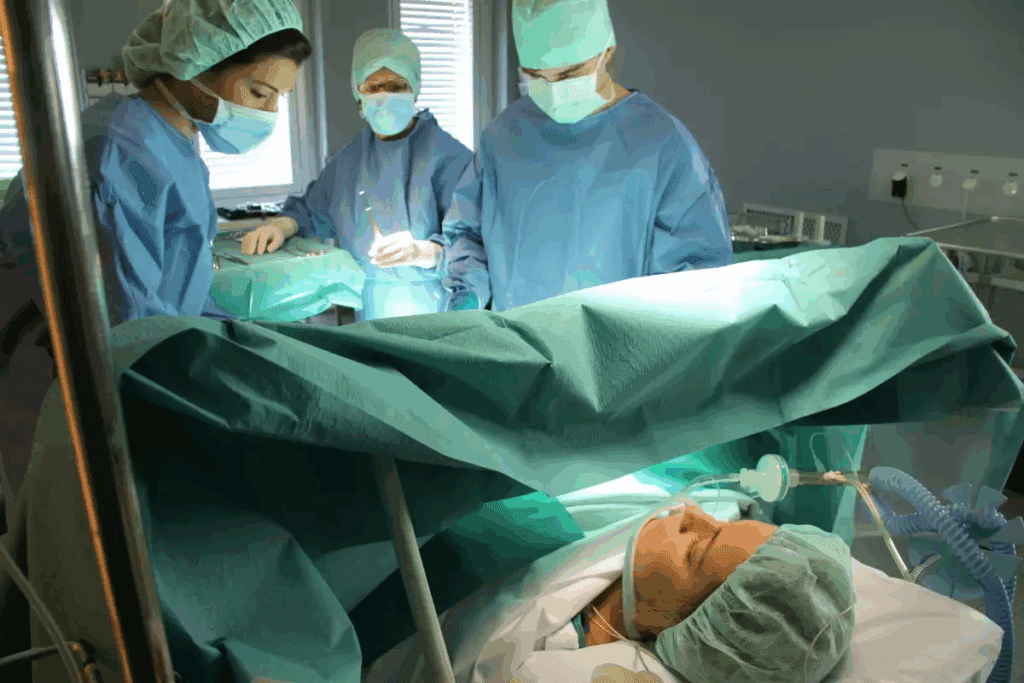
There are several types of hysterectomy, each affecting hormones differently. The main types are:
- Total hysterectomy: removal of the uterus and cervix
- Partial hysterectomy: removal of the uterus, leaving the cervix intact
- Radical hysterectomy: removal of the uterus, cervix, and surrounding tissue, often performed in cases of cancer
Immediate Hormonal Changes Post-Surgery
Women may see hormonal changes right after a hysterectomy. This is more likely if their ovaries are removed or damaged. The ovaries make hormones like estrogen and progesterone, which are key for balance.
If the ovaries are removed, a woman may quickly enter surgical menopause. This leads to a drop in hormone levels. Symptoms can include hot flashes, mood swings, and skin changes.
| Hormone | Function | Impact of Removal |
| Estrogen | Regulates menstrual cycle, maintains bone density | Decline can lead to menopausal symptoms, bone loss |
| Progesterone | Prepares uterus for pregnancy, regulates menstrual cycle | Decline can lead to changes in menstrual cycle, mood swings |
The Role of Ovaries in Hormone Production
Ovaries are key in making hormones like estrogen, progesterone, and testosterone. These hormones help with the menstrual cycle, bone health, and skin.
If ovaries are kept during a hysterectomy, hormone production keeps going. But, the surgery can affect hormone balance due to changes in blood and nerve function.
Knowing how ovaries affect hormone production is key to managing changes after a hysterectomy.
The Connection Between Hormones and Skin Health
Hormones and skin have a complex relationship. Hormones are key to keeping skin healthy. Any imbalance can cause skin problems. We’ll look at how different hormones affect the skin.
How Estrogen Affects Skin Quality
Understanding how skin changes after a hysterectomy is crucial for managing expectations and maintaining skin health.
Progesterone’s Impact on Skin
Progesterone also affects skin health. It can change how much oil the skin makes, which might cause acne. But, it also protects the skin by making antioxidants. Keeping progesterone levels balanced is key for healthy skin.
Testosterone and Its Skin Effects
Understanding how skin changes after a hysterectomy is crucial for managing expectations and maintaining skin health.
| Hormone | Effects on Skin |
| Estrogen | Maintains hydration, supports collagen production, keeps skin firm and elastic |
| Progesterone | Influences oil production, can cause acne; promotes antioxidant production |
| Testosterone | Affects sebum production, can lead to acne; maintains skin thickness and firmness |
It’s vital to understand how hormones and skin health are connected. This knowledge is key for managing skin changes, like those after a hysterectomy. By knowing how hormones affect the skin, people can prepare for and tackle skin issues.
Skin Effects Hysterectomy Patients Commonly Experience
After a hysterectomy, hormonal changes can affect the skin. These changes can alter its moisture, elasticity, and look. It’s key to know how these changes impact women’s skin post-surgery.
Changes in Skin Moisture and Hydration
One common change is a drop in skin moisture and hydration. Lower estrogen levels can make the skin dry and dehydrated. This makes the skin look dull and feel rough.
Alterations in Skin Elasticity and Firmness
Estrogen loss also affects skin elasticity and firmness. Estrogen helps make collagen, which keeps the skin elastic. Without enough estrogen, the skin may sag and lose firmness.
Exercising to boost collagen and using skincare with retinol can help. These steps can improve skin elasticity and firmness.
Shifts in Skin Texture and Thickness
Hormonal changes can also change skin texture and thickness. Some women may have thinner skin that bruises easily. Others might notice increased sensitivity or fine lines.
| Skin Change | Cause | Management Strategy |
| Dryness and Dehydration | Decrease in Estrogen | Use moisturizers rich in hyaluronic acid and ceramides |
| Loss of Elasticity and Firmness | Reduced Collagen Production | Exercises that boost collagen production, skincare products with retinol |
| Changes in Skin Texture and Thickness | Hormonal Fluctuations | Gentle skincare products, sun protection |
Knowing about these skin changes and how to manage them is important. By taking proactive steps, women can keep their skin healthy and resilient after a hysterectomy.
Timeline of Skin Changes Following Surgery
Knowing how skin changes after a hysterectomy is key. Understanding how skin changes after a hysterectomy is crucial for managing expectations and maintaining skin health. The time after surgery brings many changes, including to the skin.
Immediate Post-Operative Skin Reactions
Right after surgery, the skin can react in different ways. Swelling and redness are common as healing starts. It’s important to follow care instructions to reduce these effects.
Short-Term Changes (1-6 Months)
Long-Term Skin Adaptations (6+ Months)
Over time, skin keeps adapting to hormones. Some see better skin texture, while others notice wrinkles or loss of firmness. Knowing these changes helps plan for long-term skincare.
Specific Skin Concerns After Hysterectomy
Hormonal changes after a hysterectomy can affect skin health. Women may face several skin issues that can be upsetting. It’s important to know about these changes to manage them well.
Dryness and Dehydration Issues
Dryness and dehydration are common after a hysterectomy. Lower estrogen levels reduce the skin’s moisture barrier. This can cause dry, itchy, and flaky skin.
To fight dryness, use gentle, hydrating skincare. Look for products with hyaluronic acid and ceramides. They help keep moisture in and support the skin’s barrier.
Wrinkles and Fine Lines Development
Lower estrogen levels can make wrinkles and fine lines appear faster. Estrogen helps keep the skin elastic and produces collagen. Without enough estrogen, the skin loses firmness and wrinkles more.
Use skincare with retinol and peptides to boost collagen. This can help reduce wrinkles and fine lines.
Changes in Skin Tone and Complexion
Hormonal changes can also affect skin tone and complexion. Some women see hyperpigmentation or uneven skin tone. These changes can be hard to manage but are common.
Products with vitamin C and niacinamide can brighten and even out skin tone. Regular exfoliation helps remove dead skin cells and makes the skin look brighter.
Sagging and Loss of Firmness
Sagging skin is another issue after a hysterectomy. Lower estrogen levels reduce skin elasticity, causing it to sag. This is often seen in the face, neck, and breasts.
Keeping a healthy lifestyle, like eating well and exercising, supports skin health. Using skincare with collagen and elastin can also improve skin elasticity.
In summary, while skin concerns after a hysterectomy are significant, there are ways to manage them.
Factors Influencing Skin Changes After Hysterectomy
It’s important to know what affects skin changes after a hysterectomy. Many things can change how a woman’s skin looks after surgery.
Age at Time of Surgery
The age of a woman at surgery can greatly affect her skin. Younger women often have skin that can handle hormonal changes better. On the other hand, older women might see bigger changes because of aging and hormonal shifts.
Type of Hysterectomy Performed
The type of hysterectomy also matters for skin changes. For example, a total hysterectomy with the removal of ovaries causes sudden menopause. This can lead to quicker skin changes than other types of hysterectomies.
Pre-Existing Skin Conditions
Women with skin issues like eczema or rosacea might see these worsen after a hysterectomy. It’s key for them to work with their doctors to keep their skin healthy.
Genetic Predispositions
Genetics also play a big part in how skin ages and reacts to hormones. Women with a family history of menopause-related skin issues might face similar problems after surgery.
Knowing these factors helps women prepare for skin changes after a hysterectomy. They can take steps to keep their skin healthy.
Surgical Menopause and Its Impact on Skin Aging
Hysterectomy can cause sudden hormonal changes, speeding up skin aging. This is different from the slow process of natural menopause. Knowing this helps women take better care of their skin after surgery.
Comparing Natural vs. Surgical Menopause
Natural menopause happens slowly, letting the skin adjust to hormone drops. But, surgical menopause from hysterectomy causes a quick and big drop in hormones, like estrogen. This is key for keeping the skin healthy.
Key differences between natural and surgical menopause include:
- Sudden vs. gradual hormonal decline
- Impact on skin elasticity and firmness
- Varied effects on skin moisture and hydration
| Characteristics | Natural Menopause | Surgical Menopause |
| Hormonal Decline | Gradual | Sudden |
| Estrogen Levels | Decreases over time | Drops immediately |
| Skin Impact | Gradual aging | Accelerated aging |
Accelerated Skin Aging Concerns
Estrogen loss can make skin age faster, causing dryness and wrinkles. Women going through surgical menopause need to know about these changes.
“The onset of menopause, whether natural or surgical, marks a significant change in a woman’s life, including her skin health. Understanding and addressing these changes can greatly improve her quality of life.”
It’s important to take care of your skin during surgical menopause. Use a good skincare routine, eat well, and talk to your doctor about hormone therapy.
Some strategies for managing skin aging include:
- Using moisturizers rich in hyaluronic acid and ceramides
- Incorporating products with retinol and peptides
- Protecting the skin from sun damage with SPF
By understanding how surgical menopause affects skin aging, women can take steps to keep their skin looking young and healthy.
Collagen and Elastin Changes Post-Hysterectomy
After a hysterectomy, hormonal changes can deeply affect the skin. This is mainly because of changes in collagen and elastin production. These proteins are key for skin strength, elasticity, and firmness. Knowing how they change after surgery is vital for skin health.
How Hormonal Changes Affect Collagen Synthesis
Hormonal shifts after a hysterectomy can greatly affect collagen production. Estrogen is important for collagen production, and less estrogen can mean less collagen. This can make skin less firm and more likely to wrinkle.
Studies suggest that estrogen therapy can help with collagen loss. But, it’s important to talk to a doctor before starting hormone therapy. This is to ensure it’s safe for you.
Measuring Collagen Loss Post-Surgery
It’s hard to measure collagen loss after a hysterectomy. It involves checking skin elasticity and firmness over time. Clinical assessments might include skin biopsies or non-invasive tests. These help doctors understand how much collagen is lost and what to do next.
Strategies to Support Collagen Production
There are ways to help collagen production after a hysterectomy. These include:
- Eating a diet full of vitamins and minerals that help collagen, like vitamin C and zinc.
- Exercising regularly to improve circulation and skin health.
- Using skincare with ingredients like retinol and peptides that help collagen.
- Thinking about professional treatments like laser therapy or microneedling to boost collagen.
By using these strategies, women can help keep their skin healthy. This can lessen the effects of collagen loss after a hysterectomy.
Real Patient Experiences with Skin Changes
Real patient stories give us a glimpse into the skin changes after a hysterectomy. These personal accounts show how hysterectomy can affect skin health in different ways.
Common Testimonials and Reports
Many women notice changes in their skin’s moisture and elasticity after a hysterectomy. Some common reports include:
- Dryness and dehydration issues
- Loss of skin firmness and elasticity
- Changes in skin texture and thickness
These changes can be upsetting. But knowing they’re common can make women feel less alone.
Varied Experiences Based on Age and Procedure Type
Experiences differ based on age and the type of hysterectomy. For example:
| Age Group | Common Skin Changes | Coping Strategies |
| Under 40 | Increased dryness, loss of firmness | Moisturizing regularly, using sunscreen |
| 40-55 | Wrinkles, changes in skin tone | Using anti-aging products, maintaining a healthy lifestyle |
| Over 55 | Sagging, thinning skin | Considering professional skin treatments, staying hydrated |
Coping Strategies from Patient Perspectives
Patients have found ways to cope with skin changes after a hysterectomy. Some strategies include:
- Establishing a consistent skincare routine
- Using products rich in hyaluronic acid and retinol
- Staying hydrated and maintaining a balanced diet
By sharing these experiences and strategies, we aim to offer support and guidance to others facing similar challenges.
Hormone Replacement Therapy and Skin Benefits
Hormone Replacement Therapy (HRT) is a possible solution for women with skin changes after a hysterectomy. It’s important to know the different types, the benefits, and the risks.
Types of HRT Available
HRT isn’t a one-size-fits-all solution. There are several types, each with its own benefits and considerations. The main forms include:
- Systemic HRT: This type involves taking hormones orally or through patches. They are absorbed into the bloodstream to help with menopausal symptoms, including skin changes.
- Local HRT: Local treatments, like vaginal creams or rings, target specific areas. They help with vaginal dryness without affecting the rest of the body.
- Bioidentical HRT: These hormones are custom-made and molecularly identical to the body’s hormones. They can be tailored to meet individual needs.
Expected Skin Improvements with HRT
Many women report significant skin health improvements with HRT. These improvements include:
- Increased hydration: HRT can improve skin moisture levels, reducing dryness and discomfort.
- Enhanced elasticity: It can potentially improve collagen production, making skin look smoother and reducing wrinkles.
- Better skin texture: Women often notice their skin looking healthier and more vibrant.
Risks and Considerations
While HRT offers benefits, it’s important to consider the risks. These can include:
- Increased risk of certain health conditions: Such as blood clots, stroke, and breast cancer, depending on the type of HRT and individual health factors.
- Side effects: Some women may experience side effects like breast tenderness, bloating, or mood changes.
- Individual variability: Responses to HRT can vary significantly from one person to another. It’s essential to work closely with a healthcare provider.
Understanding the types of HRT, the benefits, and the risks helps women make informed decisions. Always consult with a healthcare professional to find the best treatment for individual needs.
Adapting Your Skincare Routine After Hysterectomy
After a hysterectomy, your skin may change due to hormonal shifts. It’s important to adjust your skincare routine. This change helps your skin adapt to new hormonal levels.
Essential Ingredients for Post-Hysterectomy Skin
Look for skincare products with ingredients that help with hormonal changes. Key ingredients include hyaluronic acid, which keeps your skin moist. Retinol helps with cell turnover and collagen. Antioxidants protect your skin from damage.
“Hyaluronic acid is key for keeping skin hydrated, even after menopause.”
“Hyaluronic acid can hold up to 1000 times its weight in water, making it an excellent ingredient for combating dryness.”
Morning Skincare Recommendations
In the morning, focus on protecting and hydrating your skin. Start with a gentle cleanser, then a toner to balance your skin’s pH. Use a serum with antioxidants to fight free radicals. Finish with a moisturizer that keeps moisture in.
A simple yet effective morning routine might include:
- A gentle, non-foaming cleanser
- A hydrating toner
- An antioxidant serum
- A moisturizer with SPF
Evening Skincare Strategies
In the evening, focus on repairing and rejuvenating your skin. Cleanse thoroughly to remove makeup and dirt. Use an exfoliant or chemical peel a few times a week for cell turnover. Apply a treatment product with retinol or peptides to tackle fine lines and wrinkles. Seal it all in with a nourishing moisturizer.
Professional Treatments to Consider
Latest Research on Hysterectomy and Skin Health
Recent studies have shed new light on the complex relationship between hysterectomy and skin health. As medical science advances, we’re gaining a deeper understanding of how this surgical procedure affects the skin.
Recent Scientific Studies
Numerous studies have investigated the impact of hysterectomy on skin health. Research Women who underwent hysterectomy experienced significant changes in skin elasticity and hydration levels compared to those who had not.
The loss of estrogen after surgery accelerated skin aging, leading to increased wrinkles and dryness.
Emerging Treatments and Approaches
As our understanding of the relationship between hysterectomy and skin health grows, so does the development of new treatments and approaches. Hormone replacement therapy (HRT) has emerged as a promising solution for mitigating some of the skin changes associated with hysterectomy.
What Medical Experts Are Saying
“The latest research is helping us better understand the complex interplay between hysterectomy and skin health. “
“The emerging evidence on HRT and its benefits for post-hysterectomy skin health is promising. It offers new hope for women looking to maintain healthy, youthful skin after surgery.”
As research continues to evolve, it’s clear that a multidisciplinary approach is essential for addressing the skin health concerns of women post-hysterectomy. By staying informed about the latest findings and treatment options, healthcare providers can offer the best possible care for their patients.
Conclusion
It’s key for women to know how hysterectomy affects their skin health. We’ve looked at how hysterectomy can change skin moisture, elasticity, and texture. This is important for those going through this big surgery.
Handling skin changes after hysterectomy needs a full plan. Knowing how hormones like estrogen and testosterone affect the skin helps. This knowledge helps women deal with the skin issues that come with surgical menopause.
We’ve talked about how to change skincare routines to fight dryness, wrinkles, and loss of firmness. We’ve also covered the good points of hormone replacement therapy and new treatments.
Women can fight the bad effects of hormonal changes on their skin after hysterectomy. They can keep their skin looking good and healthy. We suggest talking to doctors to make a plan for skin care and overall health.
FAQ
References
- Töz, E. (2016). Potential adverse effects of prophylactic bilateral salpingo-oophorectomy on skin aging in premenopausal women. Menopause, 23(9), 1022-1029.https://pubmed.ncbi.nlm.nih.gov/26382316/
- Stevenson, S. (2007). Effect of estrogens on skin aging and the potential role of hormone replacement therapy. Climacteric, 10(sup1), 105-111. https://pmc.ncbi.nlm.nih.gov/articles/PMC2685269/
How does a hysterectomy affect my skin?
A hysterectomy can cause skin changes due to hormonal shifts. The main change is a drop in estrogen levels. This can make your skin dry, lose its elasticity, and change its texture.
Will I experience skin dryness after a hysterectomy?
Yes, many women get dry skin after a hysterectomy. This is because estrogen helps keep skin hydrated, and levels drop after surgery.
Can a hysterectomy cause wrinkles and fine lines?
Yes, a drop in estrogen can make wrinkles and fine lines appear faster. Estrogen helps keep skin elastic and firm.
How long do skin changes last after a hysterectomy?
Skin changes can vary. Some see them right away, while others notice them later. It can take from a few months to over a year.
Can Hormone Replacement Therapy (HRT) help with skin changes after a hysterectomy?
HRT might help by adding back hormones like estrogen. But, talk to a doctor about the pros and cons first.
What skincare routine is recommended after a hysterectomy?
Use a gentle, hydrating skincare routine. Include products with hyaluronic acid, vitamin C, and retinol. Protect your skin from the sun and live a healthy lifestyle.
Are there any specific skin concerns I should be aware of after a hysterectomy?
Yes, watch out for dryness, wrinkles, changes in skin tone, and sagging. Knowing these can help you manage them better.
How can I support collagen production after a hysterectomy?
Eat well, stay hydrated, and use skincare with collagen-boosters like retinol and vitamin C. A healthy lifestyle helps too.
Can I prevent skin sagging after a hysterectomy?
Some sagging is unavoidable, but you can reduce it. Keep a healthy weight, exercise, and use products that improve skin firmness.
Are there any professional treatments that can help with skin changes after a hysterectomy?
Yes, treatments like chemical peels, microdermabrasion, and laser therapy can help. Talk to a dermatologist to find the right treatment for you.