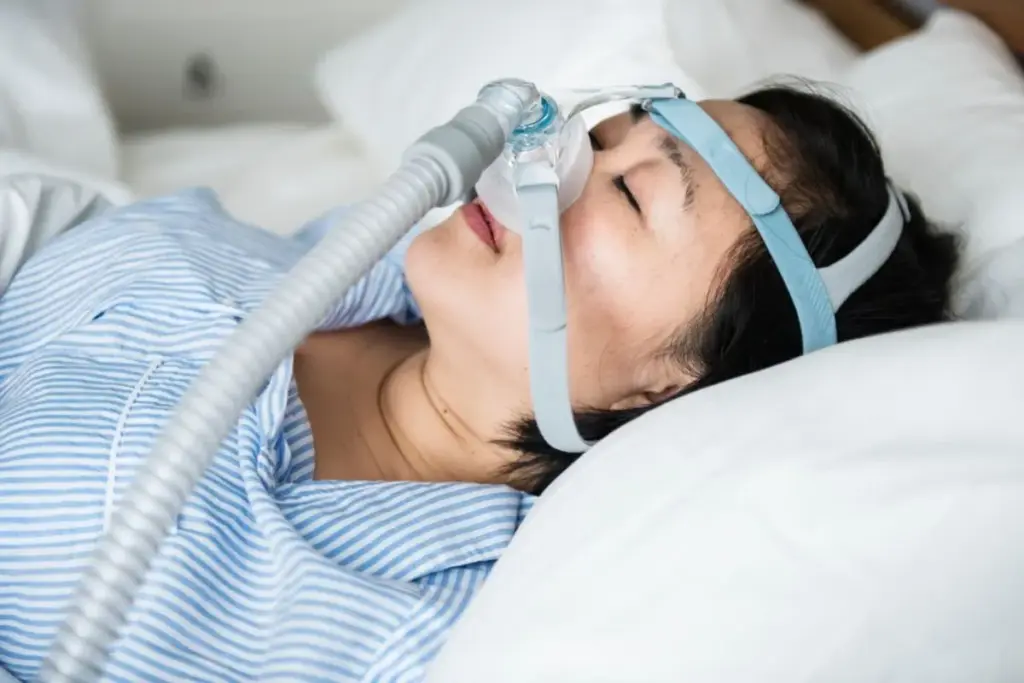
A recent study from the UK Biobank found a strong link between sleep disorders and neurological conditions. This has raised concerns about the connection between sleep apnea and dementia.
We aim to provide top-notch healthcare and support for international patients. It’s vital to grasp the risks of sleep apnea and its effects on brain health.
Sleep apnea is a serious sleep disorder that can cause severe health issues if not treated. Studies indicate it might raise the risk of dementia.
Key Takeaways
- Sleep apnea is associated with an increased risk of neurological conditions.
- Untreated sleep apnea can lead to serious health complications.
- Research suggests a possible link between sleep apnea and dementia risk.
- Understanding sleep apnea is key to keeping the brain healthy.
- Comprehensive care is essential for international patients seeking treatment.
Understanding Sleep Apnea and Its Types
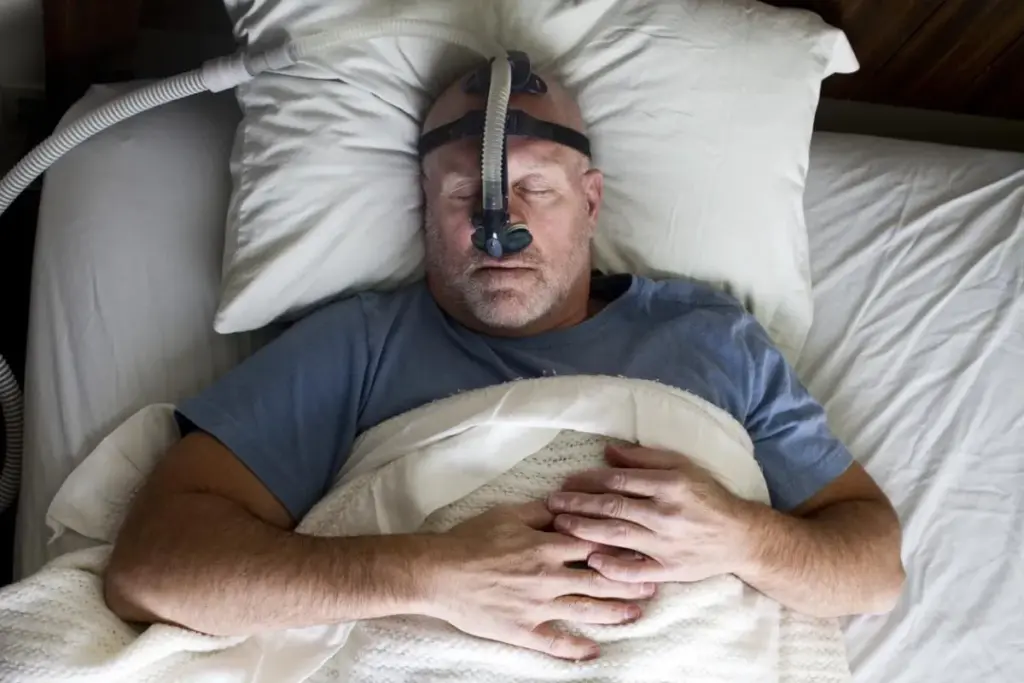
Sleep apnea affects millions worldwide and is more than a simple sleep disorder. It has different types, each with its own challenges. Knowing these types is key to finding the right treatment. It can also affect brain health, raising the risk of dementia.
Obstructive Sleep Apnea Explained
Obstructive sleep apnea (OSA) happens when throat muscles relax too much. This causes the airway to narrow or even block during sleep. It leads to poor sleep quality and low blood oxygen, harming health.
OSA is the most common sleep apnea type. It’s linked to loud snoring, headaches in the morning, and feeling tired during the day.
Being overweight, smoking, and having a narrow airway are risk factors for OSA. Treatment options include losing weight, sleeping on one’s side, and using a CPAP machine.
Central Sleep Apnea Defined
Central sleep apnea (CSA) is rarer and happens when the brain can’t send signals to breathe. It’s not caused by airway blockage but by brain issues.
CSA can be triggered by heart failure, stroke, and some medicines. Diagnosing CSA often requires a sleep study to check brain and breathing activity during sleep.
Complex Sleep Apnea Syndrome
Complex sleep apnea syndrome, or treatment-emergent central sleep apnea, combines OSA and CSA. It can happen when treating OSA with a CPAP machine, leading to central apneas.
Managing complex sleep apnea syndrome needs a careful treatment plan. This might include adjusting CPAP settings or using ASV therapy.
It’s vital to understand the different sleep apnea types for effective management. By identifying the specific type, healthcare providers can create a treatment plan. This helps address the root causes and reduces the risk of brain decline.
The Connection Between Sleep Apnea and Cognitive Health
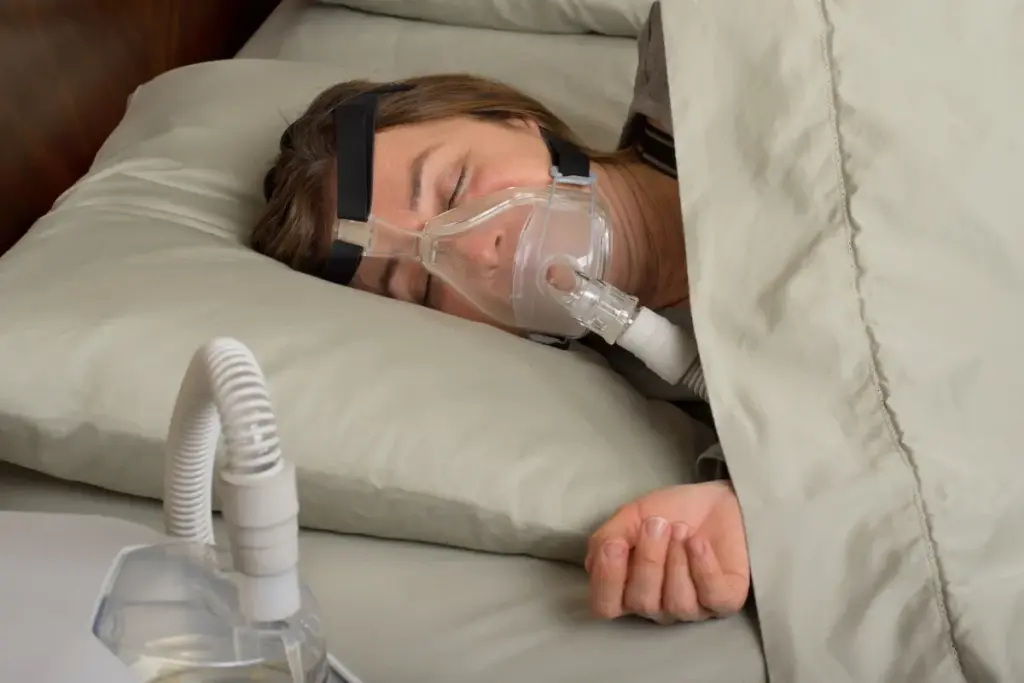
Sleep apnea is a condition where breathing stops during sleep. It can greatly affect how well we think. This is because it disrupts sleep and reduces blood oxygen levels, which can harm the brain.
How Sleep Apnea Affects Brain Function
Sleep apnea can harm brain function by reducing sleep quality and lowering blood oxygen. Repeated episodes of low oxygen can damage brain tissues. This can make it harder to remember things, pay attention, and make decisions.
- Cognitive Impairment: Sleep apnea can cause cognitive impairment due to the lack of continuous, restorative sleep.
- Brain Damage: The intermittent hypoxia (low oxygen levels) associated with sleep apnea can lead to brain damage over time.
Also, sleep apnea is linked to a higher risk of conditions like Alzheimer’s disease and other forms of dementia. This is because the damage from low oxygen and disrupted sleep can harm the brain.
Scientific Studies on Sleep Apnea and Dementia
Many studies have looked into the connection between sleep apnea and dementia. A lot of evidence shows that untreated sleep apnea can raise the risk of cognitive decline and dementia.
“Sleep apnea is associated with an increased risk of cognitive decline and dementia, stressing the importance of early diagnosis and treatment to reduce these risks.”
– Research Findings
- A study found that sleep apnea was linked to a higher risk of epilepsy, and poor sleep quality was tied to a greater risk of incident epilepsy.
- Research has shown that treating sleep apnea can improve cognitive function and may lower the risk of dementia.
Understanding the link between sleep apnea and cognitive health is key. By exploring this connection, we can see why early diagnosis and treatment of sleep apnea are vital to protect our brain function.
Symptoms and Risk Factors of Sleep Apnea
Knowing the signs and risk factors of sleep apnea is key to managing it, even in dementia patients. This condition can greatly affect a person’s life and health.
Common Symptoms
Signs of sleep apnea include loud snoring, feeling tired during the day, and headaches in the morning. These happen because sleep apnea causes breathing pauses at night. This leads to poor sleep and low blood oxygen.
- Loud snoring: This symptom is common and happens when the upper airway vibrates during breathing.
- Daytime fatigue: Feeling tired in the day, even after sleeping well, is a sign of sleep apnea. It’s due to disrupted sleep.
- Morning headaches: These can be caused by low blood oxygen levels during sleep.
Other symptoms include trouble concentrating, memory problems, and feeling irritable. For people with dementia, these symptoms can make their condition worse.
Risk Factors
Several factors can raise the chance of getting sleep apnea. These include being overweight, smoking, and certain health issues. Knowing these risk factors helps in preventing and treating sleep apnea early.
- Obesity: Being overweight, mainly around the neck, can narrow the airway and increase sleep apnea risk.
- Smoking: It can cause inflammation and fluid buildup in the airway, making it easier to block.
- Medical conditions: Issues like high blood pressure, diabetes, and heart disease can also raise the risk.
It’s important to manage sleep apnea, even more so for dementia patients. Recognizing symptoms and understanding risk factors helps in early detection and treatment. This can greatly improve their life and cognitive function.
“Early diagnosis and treatment of sleep apnea can significantly improve the quality of life for patients with dementia, potentially slowing down cognitive decline.”
— Expert in Sleep Medicine
The Role of Oxygen Deprivation
Sleep apnea causes repeated oxygen deprivation at night. This can harm the brain’s function, leading to long-term cognitive decline. The brain is very sensitive to oxygen levels. Chronic deprivation can damage it, possibly causing dementia.
Why Oxygen Levels Matter for Brain Health
Oxygen is key for brain cells to work right. When oxygen levels drop, brain cells can get damaged. This damage can lead to a decline in cognitive function.
The brain needs a lot of oxygen. Even small drops in oxygen levels can hurt cognitive function. This shows how important it is to keep oxygen levels healthy during sleep.
Oxygen is also vital for the brain’s waste removal process, called the glymphatic system. This system is more active during sleep, removing toxins. Oxygen deprivation can disrupt this, leading to harmful protein buildup in the brain.
Consequences of Chronic Oxygen Deprivation
Chronic oxygen deprivation from sleep apnea can severely harm cognitive health. Low oxygen levels cause inflammation and oxidative stress in the brain. This damages brain cells and contributes to cognitive decline. The cumulative effect of these episodes over time can significantly increase the risk of developing dementia.
Chronic oxygen deprivation can also change the brain’s structure. It can lead to the loss of brain volume in areas important for memory and cognitive function. This loss can increase the risk of cognitive decline and dementia. Understanding these consequences shows why treating sleep apnea is so important for brain health.
Types of Dementia Linked to Sleep Issues
Research shows a strong link between sleep problems and different types of dementia. Sleep issues can greatly affect the lives of dementia patients. This makes their care more challenging. We will look at how Alzheimer’s disease and vascular dementia are connected to sleep disruptions and sleep apnea.
Alzheimer’s Disease and Sleep Disruptions
Alzheimer’s disease is the most common dementia among the elderly. Studies reveal that Alzheimer’s patients often face sleep problems. These problems can make symptoms worse and speed up the disease’s progress. Sleep issues in Alzheimer’s patients can cause more confusion, agitation, and cognitive decline.
Addressing sleep problems in Alzheimer’s care is essential for improving patient outcomes. Managing sleep issues can help improve patient outcomes and lessen caregiver stress.
Vascular Dementia and Sleep Apnea
Vascular dementia is the second most common dementia type. It’s linked to reduced blood flow to the brain. Sleep apnea is a big risk factor for vascular dementia. It can reduce oxygen to the brain, making cognitive decline worse.
The link between sleep apnea and vascular dementia shows the need for early sleep apnea diagnosis and treatment. This could slow down vascular dementia’s progression.
The table below highlights the main differences and similarities between Alzheimer’s disease and vascular dementia regarding sleep issues:
|
Dementia Type |
Sleep Issue |
Impact on Disease |
|---|---|---|
|
Alzheimer’s Disease |
Sleep Disruptions |
Exacerbates symptoms, accelerates progression |
|
Vascular Dementia |
Sleep Apnea |
Reduces oxygen supply, worsens cognitive decline |
Diagnosing Sleep Apnea: What to Expect
Getting a sleep apnea diagnosis involves physical exams, medical history, and special tests. We know these tests can make you nervous. So, we’re here to help you know what to expect.
At your visit, you’ll get a detailed check-up. First, a physical exam and a look at your medical history. This helps find out if you might have sleep apnea. Things like obesity, high blood pressure, or past strokes are checked.
Common Diagnostic Tests
There are a few tests to find sleep apnea. Here are some:
- Polysomnography (PSG): This is an overnight sleep study. It tracks brain waves, muscle activity, and heart rate while you sleep.
- Home Sleep Apnea Testing (HSAT): If you can’t stay in a sleep center, HSAT is a home test. You wear a portable device to record your sleep.
- Oximetry: This test checks your blood oxygen levels at night. It helps spot low oxygen levels linked to sleep apnea.
These tests are key to finding out if you have sleep apnea. The American Academy of Sleep Medicine says they’re very accurate and reliable.
Sleep Study Overview
A sleep study, or PSG, is the top choice for diagnosing sleep apnea. Sensors are put on your body to watch:
- Brain activity
- Eye movements
- Muscle activity
- Heart rate
- Breathing patterns
- Oxygen levels in the blood
As noted by
“The sleep study is a detailed tool. It lets doctors check your sleep quality and find sleep disorders like sleep apnea.”
— American Sleep Association
It’s important to understand your sleep study results. We’ll help you make sense of them. Then, we’ll create a treatment plan just for you.
Treatment Options for Sleep Apnea
Managing sleep apnea is key, even more so for those with dementia. Treating it can make life better and slow down brain decline. We’ll look at different ways to treat sleep apnea, focusing on those with dementia.
Lifestyle Changes that Help
Simple lifestyle changes can help a lot. These include:
- Weight Loss: Losing weight can lessen sleep apnea symptoms.
- Exercise Regularly: Regular exercise can improve sleep quality.
- Sleep Position: Sleeping on your side can keep airways open.
- Avoiding Alcohol and Sedatives: These can relax throat muscles, making sleep apnea worse.
These changes need dedication but can greatly improve sleep apnea symptoms.
Medical and Surgical Treatments
For some, lifestyle changes aren’t enough. They might need medical or surgical help. Common treatments are:
- Continuous Positive Airway Pressure (CPAP): CPAP involves wearing a mask over the nose and/or mouth while sleeping.
- Oral Appliances: These devices move the lower jaw forward, keeping the airway open.
- Surgical Options: Surgery might be needed for severe cases to remove blockages or reposition the jaw.
It’s important for patients to work with their healthcare provider to find the best treatment. This is even more true for those with dementia.
By treating sleep apnea thoroughly, we can enhance sleep quality and overall health in dementia patients.
Preventive Measures for Cognitive Decline
Preventing cognitive decline is a complex task. It involves keeping a good sleep routine and regular health check-ups. These steps can greatly lower the risk of cognitive decline linked to sleep problems.
Sleep Hygiene Practices
Good sleep habits are key to brain health. This means sticking to a regular sleep schedule, making your bedroom sleep-friendly, and avoiding caffeine and screens before bed. Here are some key sleep hygiene tips:
- Establish a regular sleep schedule to regulate your body’s internal clock.
- Create a sleep-conducive environment by ensuring your bedroom is dark, quiet, and cool.
- Avoid consuming caffeine and electronics at least an hour before bedtime.
- Engage in relaxing activities, such as reading or meditation, to help you unwind before sleep.
By following these tips, you can sleep better. This can help prevent sleep disorders and cognitive decline.
Regular Health Check-ups
Regular health check-ups are vital for brain health. They let doctors keep an eye on your health, spot problems early, and manage conditions that affect the brain.
Key benefits of regular health check-ups include:
- Early detection and management of sleep disorders and other health conditions.
- Monitoring of cognitive function to identify any decline.
- Opportunities for healthcare providers to offer personalized advice on maintaining cognitive health.
Combining good sleep habits with regular health check-ups is a smart way to prevent cognitive decline. It helps keep your overall health in top shape.
Lifestyle Changes to Mitigate Risks
Changing your lifestyle can help a lot with sleep apnea and dementia risks. Healthy habits can lower dementia risk linked to sleep apnea. We suggest a mix of diet, exercise, and stress management.
Diet Recommendations
Eating well is key for health and managing sleep apnea and dementia. We recommend:
- Choose whole grains and lean proteins
- Avoid processed foods and sugars
- Drink plenty of water
a sleep specialist, says, “A healthy diet boosts well-being and helps with sleep apnea symptoms.”
Exercise and Physical Activity
Regular exercise is vital for sleep apnea and dementia risks. We suggest:
- Do at least 30 minutes of moderate exercise daily
- Add strength training for muscle
- Do activities that improve flexibility and balance
“Exercise keeps the mind sharp and lessens sleep apnea symptoms.” – NIA Guidelines
Stress Management Techniques
Managing stress is key for sleep apnea, as stress makes symptoms worse. We recommend:
- Try mindfulness and meditation
- Do yoga or tai chi
- Use deep breathing exercises
Stress management improves life quality and may lower dementia risk. As
“Stress management is not just about relaxation; it’s about building resilience to face life’s challenges.”
–
Stress Management Expert
By making these lifestyle changes, you can manage sleep apnea and lower dementia risk. Always talk to healthcare experts for a plan that fits you.
Seeking Professional Help
For those facing sleep apnea and dementia, getting professional help is key. It’s a big step towards managing these conditions well. We know it’s tough to handle sleep apnea treatment for dementia alone. But with the right help, patients can get the care they need.
Consulting a Doctor
If you or someone you love shows signs of sleep apnea or dementia, see a doctor. Early diagnosis and treatment can greatly improve life quality. It may also slow down dementia caused by sleep apnea.
Specialist Care
Specialist care is essential for sleep apnea dementia. Doctors can create treatment plans that fit the patient’s needs. This includes lifestyle changes and medical treatments. By getting care from specialists, patients get a full plan to manage both sleep apnea and dementia.
FAQ
What is sleep apnea and how is it linked to dementia?
Sleep apnea is a sleep disorder that can cause serious health issues. It can lead to cognitive decline and dementia. We’ve talked about how it affects brain function and dementia risk.
What are the different types of sleep apnea?
There are three main types of sleep apnea. They are obstructive, central, and complex sleep apnea syndrome. Each type has its own causes and effects on the body.
How does sleep apnea affect cognitive health?
Sleep apnea can harm brain function and lead to cognitive decline. It does this by reducing oxygen in the brain. Chronic lack of oxygen can increase dementia risk.
What are the common symptoms of sleep apnea?
Symptoms include loud snoring, pauses in breathing, and daytime fatigue. It’s important to manage sleep apnea for those with dementia.
How is sleep apnea diagnosed?
A sleep study diagnoses sleep apnea. It monitors breathing and oxygen levels during sleep.
What are the treatment options for sleep apnea?
Treatments include lifestyle changes, medical treatments, and surgery. Managing sleep apnea is key for dementia patients.
How can lifestyle changes help mitigate the risks associated with sleep apnea and dementia?
Healthy diet, exercise, and stress management can reduce sleep disorder and cognitive decline risks.
What is the importance of oxygen levels in maintaining brain health?
Oxygen is vital for brain health. Sleep apnea can cause oxygen deprivation, raising dementia risk.
How are Alzheimer’s disease and vascular dementia linked to sleep disruptions and sleep apnea?
Alzheimer’s and vascular dementia are linked to sleep disruptions and sleep apnea. A holistic approach is needed to manage these conditions.
When should I consult a doctor for sleep apnea and dementia?
See a doctor if you or a loved one has sleep apnea symptoms or cognitive decline signs. Specialist care is vital for managing these conditions.
What is the role of sleep hygiene in preventing cognitive decline?
Good sleep hygiene can lower sleep disorder and cognitive decline risks. Regular health check-ups are also important for overall health.
Can managing sleep apnea reduce the risk of dementia?
Yes, managing sleep apnea is key to reducing dementia risk. Treating sleep apnea and adopting healthy habits can lower cognitive decline risk.