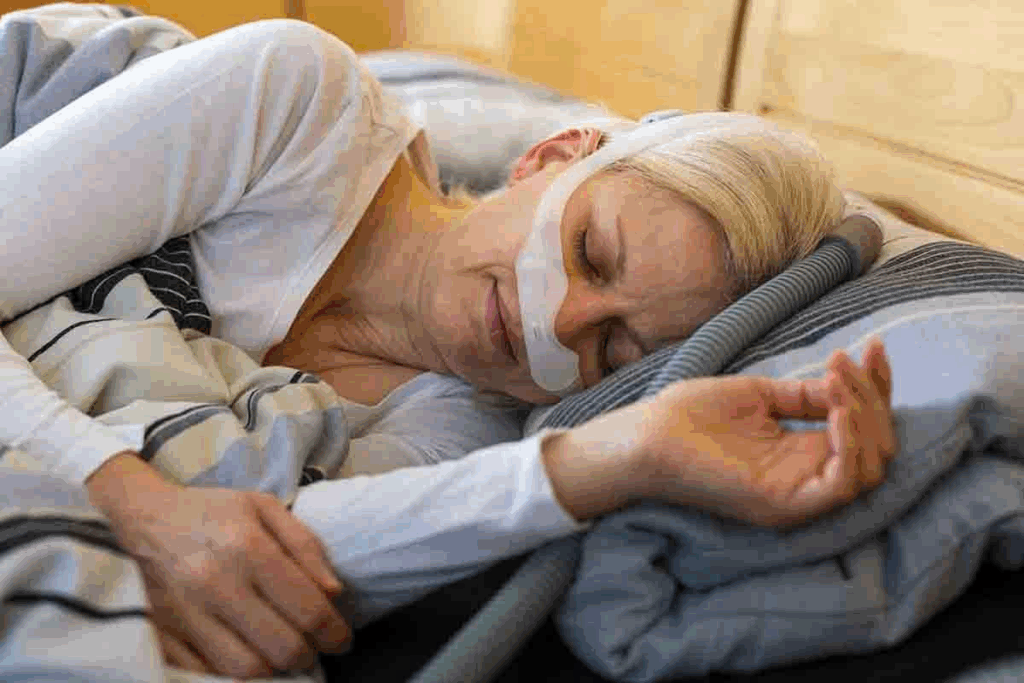
Nearly 40 percent of patients give up on CPAP therapy because it’s uncomfortable. We know how hard it is to stick with traditional treatments. So, we’re here to offer different ways to help.
Effective alternatives are now available, giving patients new hope. Options like oral appliances, implanted nerve stimulators, and lifestyle changes are backed by science. They offer real solutions for better sleep.
At Liv Hospital, we put our patients first. We use the latest research to give top-notch care. We also support international patients with all they need.
Effective ways to treat sleep apnea no cpap machine required, with proven alternatives.
Key Takeaways
- Alternative treatments are available for patients who cannot tolerate CPAP therapy.
- Oral appliances and implanted nerve stimulators are among the proven alternatives.
- Lifestyle modifications can also play a critical role in managing the condition.
- Liv Hospital’s patient-centered approach ensures complete care.
- Clinical research supports the effectiveness of these alternative treatments.
Understanding Sleep Apnea and Its Impact
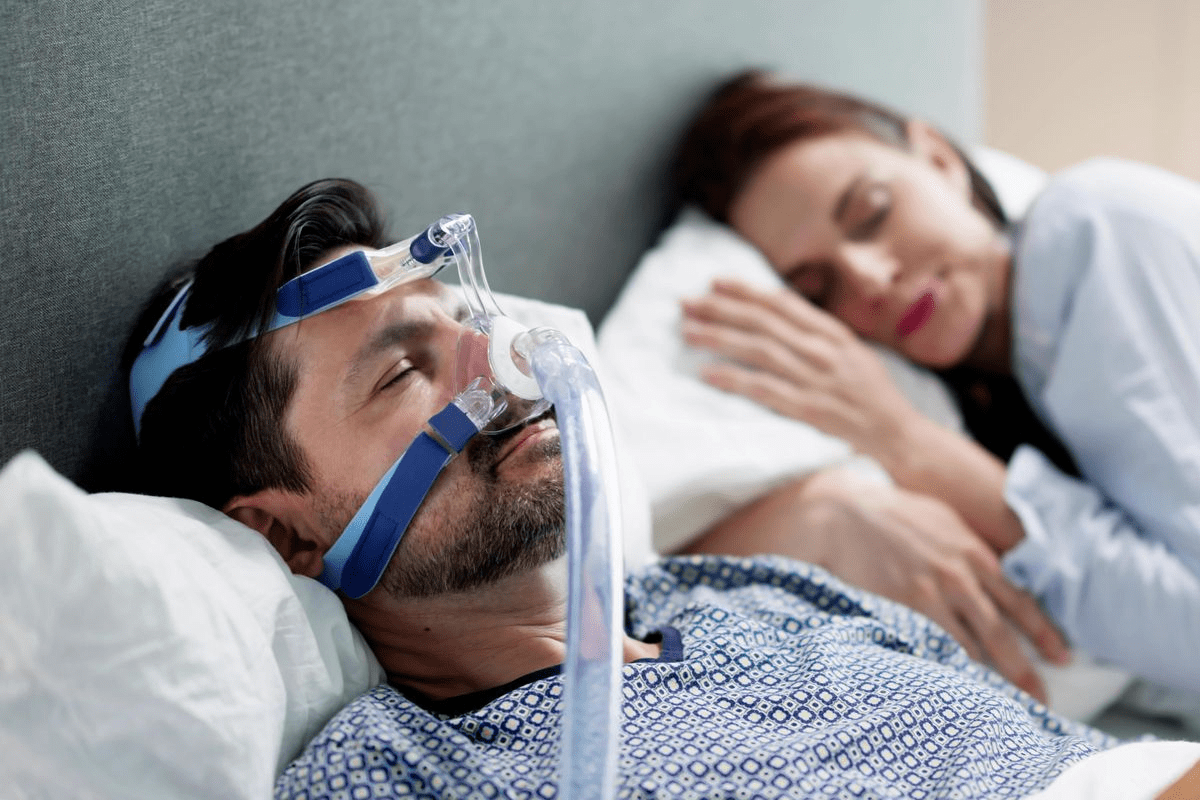
Sleep apnea is a serious sleep disorder with different types and a big impact on daily life. It affects health and quality of life greatly.
Types of Sleep Apnea
Sleep apnea is divided into three main types: Obstructive Sleep Apnea (OSA), Central Sleep Apnea (CSA), and Mixed or Complex Sleep Apnea. Obstructive Sleep Apnea (OSA) happens when the throat muscles relax, blocking the airway. Central Sleep Apnea (CSA) is when the brain doesn’t send the right signals to breathe. Mixed or Complex Sleep Apnea is a mix of OSA and CSA.
Each type needs a special treatment plan. Knowing the type of sleep apnea is key to finding the right treatment.
Prevalence and Health Consequences
Sleep apnea affects 10% to 30% of adults in the U.S. It gets more common with age and is linked to obesity and other health issues. The health consequences of sleep apnea are serious, including heart failure, mental health problems, poor immune function, and memory loss.
Untreated sleep apnea can lead to big problems. It causes daytime sleepiness, lowers productivity, and increases the risk of accidents.
How Sleep Apnea Affects Daily Life
Sleep apnea makes daily life hard, causing tiredness, fatigue, and poor thinking. People with untreated sleep apnea often feel very tired, even after a full night’s sleep. This makes it hard to focus and make decisions.
It also affects mental health, leading to more depression and anxiety. The strain on personal and work relationships is big because of irritability and mood swings.
Knowing how sleep apnea affects daily life is key to understanding its importance. Treating sleep apnea can greatly improve life and reduce health risks.
Why Many Patients Seek Sleep Apnea No CPAP Solutions
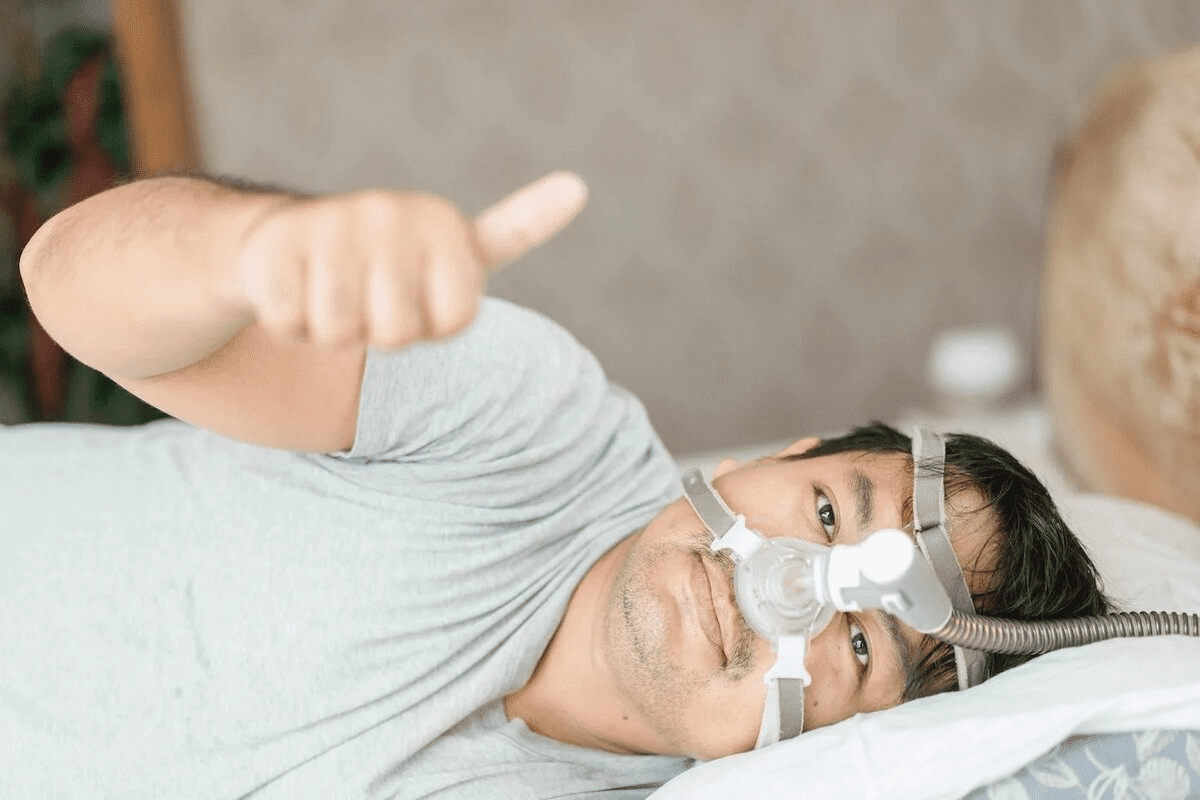
Many people with sleep apnea find CPAP therapy hard to stick with. This makes them look for other ways to treat their condition. CPAP is a common treatment, but it comes with its own set of problems.
Adhering to CPAP therapy can be tough for many. It can affect their quality of life. We’ll look at these challenges and why finding other treatments is important.
CPAP Compliance Challenges and Statistics
Not using CPAP as directed is a big problem. Studies show that 30% to 40% of users don’t stick with it. The reasons include discomfort, the device’s noise, and feeling trapped by the mask.
A study in the Journal of Clinical Sleep Medicine found CPAP use as low as 50% in some groups. This shows we need other treatments that work better.
Reason for Non-Compliance | Percentage of Patients |
Discomfort | 25% |
Noise | 15% |
Claustrophobia | 20% |
Other | 40% |
Common Complaints About CPAP Therapy
People often complain about CPAP therapy. They mention mask discomfort, trouble getting used to the air pressure, and the hassle of traveling with it.
These issues can really hurt a person’s life quality. So, it’s key to look for treatments that work without these problems.
The Importance of Finding Viable Alternatives
Finding other ways to treat sleep apnea is vital. It helps patients live better lives. We help patients explore options like oral appliances, positional therapy, and changes in lifestyle.
By knowing the CPAP therapy challenges and the options available, we can create plans that fit each patient’s needs.
Oral Appliances: First-Line Alternative Treatment
Oral appliances are now seen as a first choice for treating sleep apnea. They are a non-invasive option. These devices move the lower jaw forward, keeping the airway open while you sleep.
Mandibular Advancement Devices Explained
Mandibular advancement devices are a type of oral appliance. They move the lower jaw forward to keep the airway open. You wear a custom-made device that looks like a mouthguard, fitting over your teeth.
Key benefits of these devices include their ease of use, comfort, and effectiveness. They work well for mild to moderate obstructive sleep apnea.
Clinical Effectiveness: Reducing Apnea Events
Studies show oral appliances can cut apnea events by at least 50 percent. This is true for most patients.
Because of their effectiveness, many patients prefer oral appliances over CPAP therapy.
Getting Fitted and Adjusting to Oral Appliances
Getting an oral appliance involves a visit to a dental specialist. They will check your mouth and make a custom-fit device.
It may take time to get used to wearing an oral appliance. Start by wearing it for a few hours a day. Then, gradually increase the time.
Patient compliance is high because these devices are comfortable and easy to use. They are a good long-term treatment option.
Positional Therapy for Position-Dependent Sleep Apnea
Positional therapy is a simple yet effective treatment for position-dependent sleep apnea. It focuses on preventing sleep apnea events by encouraging side-sleeping positions. This can significantly reduce the severity of the condition.
How Sleeping Position Affects Breathing
Sleeping on one’s back can cause the tongue and soft palate to relax. This can obstruct the airway and lead to apnea events. On the other hand, sleeping on the side can help keep the airway open. This reduces the likelihood of obstruction.
Research has shown that changing sleeping position can improve sleep quality for some patients. This is a significant finding for those with sleep apnea.
Specialized Pillows and Position Trainers
Positional therapy often involves using specialized pillows or position trainers. These devices help maintain a side-sleeping position throughout the night. They can be very effective in reducing apnea events.
Some common devices include:
- Body pillows that provide support and encourage side-sleeping
- Position trainers that vibrate or provide a gentle stimulus when the sleeper rolls onto their back
- Specialized pillows with built-in wedges or contours to maintain the optimal sleeping position
Effectiveness and Patient Experience
Studies have shown that positional therapy can be highly effective for patients with position-dependent sleep apnea. It reduces the number of apnea events. This leads to improved sleep quality and reduced daytime fatigue.
“Positional therapy has been a game-changer for my sleep apnea. I no longer wake up feeling groggy, and I’ve noticed a significant reduction in my apnea events.” – Patient testimonial
A comparative study on various sleep apnea treatments is summarized in the table below:
Treatment | Effectiveness | Patient Compliance |
Positional Therapy | High for position-dependent sleep apnea | Generally high due to non-invasive nature |
CPAP Therapy | High for moderate to severe sleep apnea | Variable, often lower due to discomfort |
Oral Appliances | Effective for mild to moderate sleep apnea | High, as they are custom-fitted and comfortable |
The table shows that positional therapy is a promising alternative. It has high effectiveness and patient compliance rates.
Weight Loss and Exercise as Sleep Apnea Treatments
People with sleep apnea can see a big drop in apnea events by losing weight and exercising. This not only makes sleep better but also boosts health and happiness.
The 7-7 Rule: How Weight Loss Reduces Apnea Severity
Studies show that losing weight can really help with sleep apnea. The 7-7 rule says losing 7 pounds cuts apnea by about 7%. This shows how key it is to keep a healthy weight to manage sleep apnea.
Key Benefits of Weight Loss:
- Reduction in apnea events
- Improvement in overall health
- Enhanced quality of life
Exercise Programs That Improve Sleep Quality
Exercise is key in fighting sleep apnea. Tailored exercise plans can make sleep better, lessen apnea, and boost energy. Walking or cycling are great choices.
Recommended Exercise Types:
- Aerobic exercises (e.g., walking, cycling)
- Strength training
- Flexibility exercises (e.g., yoga)
Dietary Changes That Support Better Breathing
Changing what you eat is also important for sleep apnea. Eating more fruits, veggies, and whole grains helps keep weight in check and cuts down on inflammation. This makes breathing easier while you sleep.
Nutritional Recommendations:
- High intake of fruits and vegetables
- Whole grains over processed foods
- Adequate hydration
By losing weight, exercising regularly, and eating well, people with sleep apnea can greatly improve their condition. This leads to a better life overall.
Surgical Interventions for Sleep Apnea
Surgery for sleep apnea has grown, giving hope to those with severe cases. It’s for people who can’t use CPAP machines or have big airway problems. Surgery is a good option for them.
Upper Airway Procedures and Their Success Rates
These procedures aim to clear airway blockages, helping breathing at night. Uvulopalatopharyngoplasty (UPPP) removes throat tissue. Genioglossal advancement moves the tongue to open the airway.
Research shows these surgeries can work well for some. How well they work depends on the patient’s body, sleep apnea level, and the surgery type.
Hypoglossal Nerve Stimulation Technology
Hypoglossal nerve stimulation uses a device to move the tongue. This keeps the airway open, cutting down on apnea.
Studies show it’s effective in lowering sleep apnea. Before trying it, patients get checked with sleep studies and body checks.
Determining If You’re a Surgical Candidate
Not everyone with sleep apnea needs surgery. A sleep specialist must check if surgery is right for you. They look at how bad your sleep apnea is, your health, and your body shape.
Talking to a sleep specialist is key. They can help you decide if surgery is the best choice. Knowing about surgery options helps you make a smart choice for your sleep apnea.
Innovative Devices and Emerging Technologies
The world of sleep apnea treatment is changing fast. New devices and technologies are being made to help more people. They aim to make treatments better, more comfortable, and easier to stick with.
Expiratory Positive Airway Pressure (EPAP) Valves
EPAP valves are a new way to treat sleep apnea. They are small, disposable, and fit over your nostrils. They create pressure when you breathe out, keeping your airway open.
Benefits: EPAP valves are easy to use. They don’t need a machine or electricity, making them great for traveling.
Oral Pressure Therapy Systems
Oral Pressure Therapy (OPT) systems are another new tech for sleep apnea. They create a vacuum in your mouth. This pulls your soft palate forward and keeps your tongue in place, opening your airway.
Effectiveness: OPT has been shown to work well. It’s good for people with mild to moderate sleep apnea.
Nasal Dilators and Breathing Strips
Nasal dilators and breathing strips are simple, non-invasive tools. They help you breathe better at night. Dilators open your nasal passages, while strips support them.
Advantages: These tools are easy to use and cheap. They can also be used with other treatments.
Device | Mechanism | Benefits |
EPAP Valves | Creates pressure during exhalation | Simple, no electricity required |
Oral Pressure Therapy | Creates a vacuum to stabilize the airway | Effective for mild to moderate sleep apnea |
Nasal Dilators/Strips | Opens or supports nasal passages | Easy to use, inexpensive |
These new devices and technologies bring hope for sleep apnea treatment. Knowing how they work and their benefits helps patients and doctors choose the best treatments.
Lifestyle Modifications That Improve Sleep Breathing
Managing sleep apnea needs both medical help and lifestyle changes. Making a few simple changes can greatly improve sleep quality. It can also lessen sleep apnea symptoms.
Alcohol and Sedative Reduction Strategies
Drinking alcohol and sedatives before bed can make sleep apnea worse. It’s best to cut down or stop these substances. Here are some ways to do it:
- Set a time limit for drinking alcohol a few hours before bed.
- Slowly stop taking sedatives with a doctor’s help.
- Try relaxation methods like meditation or deep breathing instead.
Less alcohol and sedatives can lead to better sleep and fewer apnea episodes. This small change can greatly improve your health.
Sleep Position Training Techniques
Your sleep position can affect your breathing. Sleep position training helps you sleep on your side or other positions that help. This can reduce apnea.
Here are some effective methods:
- Use special pillows or trainers to keep you sleeping on your side.
- Wear a pajama top with a pocket and a tennis ball to stop rolling onto your back.
- Put your bed on blocks to raise the head a bit, which helps breathing.
Establishing Healthy Sleep Routines
Having a regular sleep routine is key for better sleep. This means:
- Stick to the same sleep schedule every day, even on weekends.
- Make your bedroom cool, dark, and quiet for sleep.
- Stay away from screens and electronic devices before bed.
Lifestyle Modification | Impact on Sleep Apnea |
Reducing Alcohol and Sedatives | Decreases relaxation of throat muscles, reducing apnea events |
Sleep Position Training | Encourages side-sleeping, reducing apnea severity |
Healthy Sleep Routines | Improves overall sleep quality, reducing apnea symptoms |
By making these lifestyle changes, you can actively manage sleep apnea. This can greatly improve your life quality.
When to Consult a Sleep Specialist About Alternatives
If your current sleep apnea treatment isn’t working, a sleep specialist can guide you. Sleep apnea is complex, and what works for one might not work for another. If you’re struggling with your current treatment, getting professional advice is key.
Signs Your Current Treatment Isn’t Working
Keep an eye out for signs like loud snoring, morning headaches, or feeling tired during the day. These could mean your current treatment isn’t doing the job. Also, if you’re having trouble with your CPAP machine or other devices, it’s time to talk to a specialist.
Common indicators that your treatment needs adjustment include:
- Continued sleep disruptions
- Persistent daytime sleepiness
- Increased snoring or apnea episodes
- Discomfort or difficulty using your current device
Finding a Doctor Who Specializes in Non-CPAP Approaches
To find a sleep specialist for alternative treatments, ask your primary care doctor for a referral. You can also look in professional directories from groups like the American Academy of Sleep Medicine (AASM). Look for doctors who know about oral appliances, positional therapy, or other non-CPAP methods.
When selecting a sleep specialist, consider their:
- Experience with alternative sleep apnea treatments
- Patient reviews and testimonials
- Approach to personalized care
Questions to Ask During Your Consultation
Be ready with questions for your consultation. Ask about the specialist’s experience with your type of case, the benefits and risks of new treatments, and what the treatment process will be like.
Key questions to ask include:
- What alternative treatments do you recommend for my specific condition?
- How will we monitor the effectiveness of the new treatment?
- Are there any lifestyle changes I need to make to support the treatment?
By talking to a sleep specialist and looking into alternative treatments, you can find a better way to manage your sleep apnea. This can greatly improve your quality of life.
Conclusion: Creating Your Personalized Sleep Apnea Treatment Plan
Creating a personalized treatment plan is key to managing sleep apnea. It helps patients improve their quality of life. We’ve looked at different treatments like oral appliances and positional therapy.
These alternatives can be part of a treatment plan. Oral appliances work well for mild to moderate sleep apnea. Positional therapy helps those who sleep better in certain positions. Working with healthcare providers helps find the best treatment.
Finding the right mix of therapies is important. We suggest talking to healthcare providers to create a plan. This ensures patients get the best care for their sleep apnea.
FAQ
What are the alternatives to CPAP therapy for sleep apnea?
Alternatives include oral appliances, positional therapy, and weight loss. You can also try surgical options or new devices like EPAP valves.
How effective are oral appliances in treating sleep apnea?
Oral appliances, like mandibular advancement devices, can cut apnea events by up to 50%. They’re a top choice for treating sleep apnea.
What is positional therapy and how does it help with sleep apnea?
Positional therapy uses special pillows to help you sleep better. It’s great for those with sleep apnea that gets worse when they’re in certain positions.
Can weight loss and exercise really improve sleep apnea symptoms?
Yes, losing weight and exercising can really help. The 7-7 rule says losing 7% of your weight can reduce apnea by 7%.
What are the surgical options for treating sleep apnea?
Surgery includes upper airway procedures and hypoglossal nerve stimulation. These are good options for some patients.
Are there any new technologies emerging for sleep apnea treatment?
Yes, new tech includes EPAP valves and oral pressure systems. There are also nasal dilators and breathing strips available.
How can lifestyle modifications help improve sleep breathing?
Changing your lifestyle can help a lot. Try reducing alcohol and sedatives, and use sleep position trainers. Healthy sleep routines are also key.
When should I consider consulting a sleep specialist about alternative treatments?
See a sleep specialist if your current treatment isn’t working. Or if you’re experiencing side effects or discomfort.
How do I find a sleep specialist who specializes in non-CPAP approaches?
Ask your doctor for a referral or search online. Look for specialists in your area who know about non-CPAP treatments.
What questions should I ask during my consultation with a sleep specialist?
Ask about their experience with non-CPAP treatments. Find out about the benefits and risks. Also, ask what you can expect from treatment.
What is the importance of creating a personalized treatment plan for sleep apnea?
A personalized plan is key. It considers your specific needs and ensures you get the best treatment.
Are there any non-invasive sleep apnea treatments available?
Yes, non-invasive options include oral appliances and positional therapy. Lifestyle changes can also help.
Can alternative treatments for sleep apnea be used in combination?
Yes, treatments can be combined. A sleep specialist can help find the best mix for you.
References
National Center for Biotechnology Information. (2025). How to Treat Sleep Apnea Without CPAP Proven. Retrieved from https://www.ncbi.nlm.nih.gov/pmc/articles/PMC9584565/



 Departments
 Related Videos
 Our Doctors
 News
News