
Recent studies have found a worrying link between obstructive sleep apnea (OSA) and a higher chance of getting dementia. People with OSA often see their thinking skills get worse. Does sleep apnea lead to dementia? Understand the proven link and learn vital, amazing ways to safeguard your brain with expert medical care.
This connection between sleep disorders and brain health is very important. It might show us new ways to stop or slow down dementia. Knowing how OSA and dementia are linked can help us understand why thinking skills decline.
Key Takeaways
- Obstructive sleep apnea is linked to a higher risk of dementia.
- Research suggests that treating sleep disorders may help prevent cognitive decline.
- The connection between sleep health and brain function is complex and multifaceted.
- Understanding this link can lead to new strategies for dementia prevention.
- Further studies are needed to fully understand the relationship between OSA and dementia.
What Is Sleep Apnea and Who Does It Affect?
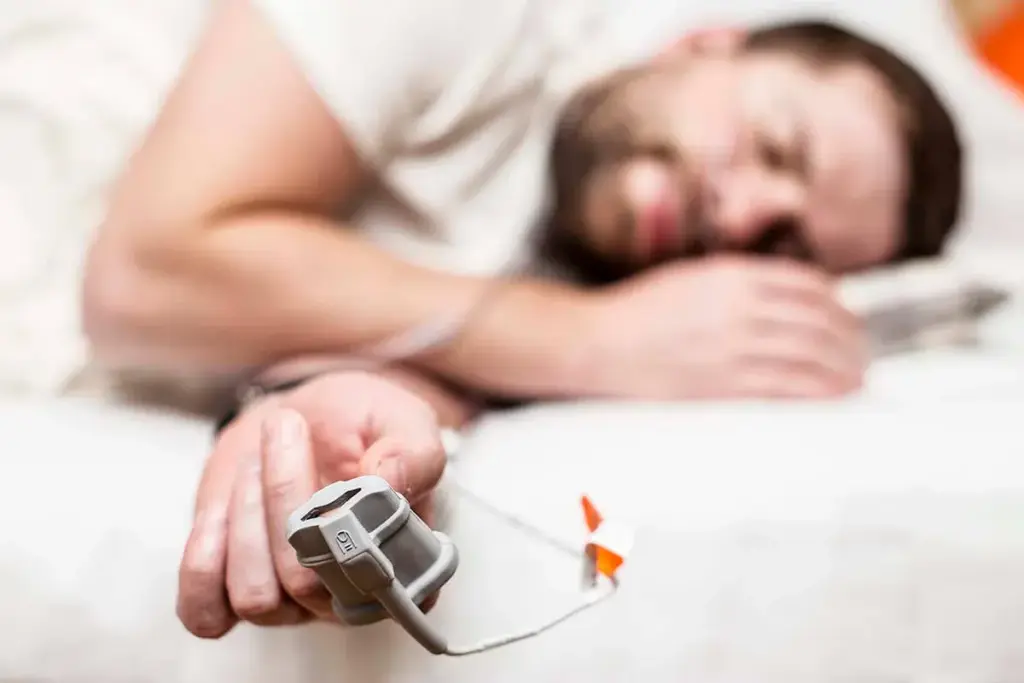
Sleep apnea is when breathing stops during sleep. It’s more common than people think. It affects millions, disrupting their sleep and health.
There are three main types of sleep apnea, each with its own traits.
Types of Sleep Apnea: Obstructive, Central, and Mixed
The most common is obstructive sleep apnea (OSA). It happens when throat muscles relax, blocking the airway.Central sleep apnea is rarer, caused by brain signals not reaching breathing muscles.Mixed sleep apnea mixes OSA and central sleep apnea traits.
Prevalence and Risk Factors
Sleep apnea affects different groups in varying ways. The
American Academy of Sleep Medicine
says about 1 in 5 adults in the U.S. has it. Risk factors include obesity, age, and family history. Knowing these helps diagnose and treat early.
It’s not just for older people. Certain factors make some more likely to get it. Spotting symptoms and knowing the types can help get better health.
Understanding Dementia and Its Various Forms
Dementia is a term that covers a range of cognitive decline. It includes memory loss and trouble with communication and problem-solving. This decline affects many areas of brain function.
Dementia impacts not just the person but their families too. It’s important to know about its different types. Alzheimer’s disease and vascular dementia are the most common, each with its own traits.
Alzheimer’s Disease vs. Vascular Dementia
Alzheimer’s disease is the leading cause of dementia, making up 60-80% of cases. It slowly damages memory, thinking, and behavior. Vascular dementia, the second most common, happens when brain blood flow is reduced, often from a stroke.
Studies link sleep disorders to a higher dementia risk. For example, a study in Nature shows how sleep apnea can lead to cognitive decline.
Common Risk Factors for Cognitive Decline
Many factors increase the risk of cognitive decline. These include age, genetics, lifestyle, and medical conditions. Sleep apnea is also a risk factor, as it can worsen cognitive issues.
Knowing about dementia types and risk factors helps prevent it. Managing sleep disorders and living a healthy lifestyle are key. Staying updated with research is also important.
The Scientific Connection Between Sleep Apnea and Dementia

Sleep apnea is a condition where breathing stops during sleep. It has been linked to a higher risk of dementia. Research has shown that sleep apnea might play a big role in cognitive decline.
Historical Understanding of Sleep’s Role in Brain Health
For a long time, scientists have studied sleep’s importance for brain health. They found that sleep helps clear out harmful substances in the brain, like those found in Alzheimer’s disease. Sleep problems can cause inflammation and oxidative stress, which harm the brain.
Recent Research Breakthroughs
Recent studies have made big strides in understanding the link between sleep apnea and dementia. They found that not treating sleep apnea can increase the risk of cognitive decline and dementia. The reasons include intermittent hypoxia and sleep fragmentation, which damage brain cells and small blood vessels.
More research is needed to fully grasp the connection between sleep apnea and dementia. But, the current evidence shows that treating sleep apnea could help prevent cognitive decline.
Meta-Analysis Results: The Statistical Evidence
Recent studies have shown a strong link between sleep apnea and dementia risk. By combining data from many studies, researchers have found how sleep apnea increases dementia risk. This gives us important insights into how sleep issues affect our brains.
The findings are clear. People with sleep apnea face a higher risk of getting dementia. This risk is not just for one type of dementia. It includes Alzheimer’s disease too.
33% Higher Risk for All-Cause Dementia
One key finding is that sleep apnea raises the risk of dementia by 33%. This means those with sleep apnea are much more likely to get dementia than those without it. This finding is important for both patients and doctors, showing the need to catch and treat sleep apnea early.
45% Higher Risk for Alzheimer’s Disease
Also, the studies found a 45% higher risk for Alzheimer’s disease in people with sleep apnea. Alzheimer’s is a common dementia that causes brain decline. The link between sleep apnea and Alzheimer’s shows how important good sleep is for our brains.
In summary, the meta-analysis shows sleep apnea is a big risk for dementia and Alzheimer’s. It’s key to understand and treat sleep apnea to protect our brains and prevent cognitive decline.
Obstructive Sleep Apnea as a Specific Dementia Risk Factor
The connection between Obstructive Sleep Apnea (OSA) and dementia is complex. It involves many pathways that lead to cognitive decline. OSA causes partial or complete blockage of the upper airway during sleep. This results in intermittent lack of oxygen and disrupted sleep.
Unique Mechanisms of OSA-Related Brain Damage
Brain damage from OSA is mainly due to intermittent hypoxia. This can harm neurons and cause oxidative stress. It sets off a chain of events, including inflammation and damage to the blood-brain barrier. These factors contribute to cognitive decline.
OSA’s effects on the brain are different from other sleep disorders. For example, insomnia mainly affects sleep quality and cognitive function. But OSA’s impact comes from physical blockage of the airway and lack of oxygen.
Differences from Other Sleep Disorders
OSA is unique because it involves both mechanical blockage and neurological responses. This is important to understand why OSA is linked to a higher dementia risk.
|
Sleep Disorder |
Primary Mechanism |
Dementia Risk Association |
|---|---|---|
|
Obstructive Sleep Apnea |
Intermittent Hypoxia |
High |
|
Insomnia |
Sleep Deprivation |
Moderate |
|
Restless Leg Syndrome |
Motor Restlessness |
Low to Moderate |
It’s key to understand these differences to create specific treatments for OSA-related dementia risk.
The UK Study: Following 2.3 Million Adults
A UK study looked at 2.3 million adults to understand sleep apnea and dementia’s link. It aimed to shed light on how sleep disorders might affect our brains.
Methodology and Population Demographics
The study used a big dataset from adults in the UK. It found a mix of ages, genders, and backgrounds. The team used special models to look at the data, keeping other factors steady.
Findings on Vascular Dementia vs. Alzheimer’s Risk
The study found sleep apnea raises the risk of both vascular dementia and Alzheimer’s. But, the risk was higher for vascular dementia. It seems sleep apnea might play a role in vascular dementia, possibly because of the lack of oxygen and inflammation it causes.
|
Dementia Type |
Risk Increase |
Confidence Interval |
|---|---|---|
|
Vascular Dementia |
45% |
35%-55% |
|
Alzheimer’s Disease |
25% |
15%-35% |
The study shows treating sleep apnea could lower dementia risk. More research is needed to understand how and why this happens.
Long-Term Risk Assessment: The Biobank Studies
Biobank research gives us a special view of how sleep apnea links to dementia risk over time. It uses big data from many people to learn more about sleep apnea’s role in dementia.
Predictive Value 15 Years Before Onset
Biobank studies have found a way to guess dementia risk up to 15 years early. People with sleep apnea face a 33% higher risk of all-cause dementia and a 45% higher risk of Alzheimer’s disease. This shows why finding and treating sleep apnea early is key.
|
Dementia Type |
Risk Increase |
|---|---|
|
All-Cause Dementia |
33% |
|
Alzheimer’s Disease |
45% |
Implications for Early Intervention
The results from biobank studies mean a lot for starting treatments early. Doctors can spot who’s at risk of dementia from sleep apnea. They can then use treatments and lifestyle changes to lower this risk.
Early steps might include CPAP therapy, losing weight, and getting better sleep. They also mean watching closely for any signs of brain problems.
In short, biobank studies have shown us a lot about dementia risk from sleep apnea. Knowing about this risk 15 years before dementia starts is a chance to act early. This could help prevent brain decline.
How Sleep Apnea Damages the Brain
Studies show that sleep apnea can harm the brain over time. This damage comes from two main causes: intermittent hypoxia and small vessel disease in key brain areas.
Intermittent Hypoxia and Neuronal Damage
Intermittent Hypoxia and Neuronal Damage
When someone with sleep apnea stops breathing during sleep, it leads to intermittent hypoxia. This lack of oxygen damages brain cells. An Expert explains, “This can cause oxidative stress, inflammation, and even loss of brain cells.”
The brain’s memory and thinking areas are most affected. This damage can be permanent if not treated.
Small Vessel Disease in Memory-Critical Regions
Sleep apnea also causes small vessel disease in the brain. This affects the tiny blood vessels. It can lead to lesions in important memory areas, like the hippocampus.
A study in the Sleep journal found sleep apnea linked to more brain damage. This damage can worsen memory and thinking skills, raising dementia risks.
“The relationship between sleep apnea and cognitive decline is complex, but it’s clear that untreated sleep apnea can have severe consequences on brain health.”
Knowing how sleep apnea affects the brain is key. It helps in finding ways to protect brain health.
Gender Differences in Sleep Apnea and Cognitive Outcomes
Gender is key in how sleep apnea affects our brains. Research shows that sleep apnea’s impact on thinking skills varies between men and women. This has big implications for how we diagnose, treat, and prevent sleep apnea.
Cognitive Impairment in Older Women
Older women with sleep apnea face a high risk of brain problems. A 44.8% rate of cognitive impairment has been found in this group. This highlights the urgent need for specific treatments.
Several factors contribute to this high rate. Hormonal changes, sleep quality, and overall health are all involved. Grasping these factors is essential for creating effective treatment plans.
Hormonal Influences and Protective Factors
Hormonal differences between men and women affect how sleep apnea impacts thinking. For example, changes in estrogen levels can alter sleep and thinking in women.
|
Factor |
Impact on Cognitive Outcomes |
Relevance to Sleep Apnea |
|---|---|---|
|
Hormonal Changes |
Influences cognitive decline |
Significant in women, specially post-menopause |
|
Sleep Quality |
Affects cognitive function |
Critical for overall brain health |
|
Comorbid Health Conditions |
Exacerbates cognitive impairment |
Common in sleep apnea patients |
Understanding these factors helps doctors tailor treatments for sleep apnea. This way, they can better prevent and treat the condition, focusing on gender-specific risks.
Recognizing Sleep Apnea Symptoms and Seeking Diagnosis
Knowing the signs of sleep apnea is key to getting the right treatment. Sleep apnea causes breathing to pause or become shallow during sleep. It’s serious and can harm your health if not treated.
Warning Signs That Shouldn’t Be Ignored
Signs of sleep apnea include loud snoring and breathing stops during sleep. You might also wake up with a dry mouth or sore throat, or have a morning headache. Other signs are daytime fatigue, trouble focusing, and feeling irritable. If you notice these, see a doctor right away.
- Loud snoring
- Episodes of stopped breathing during sleep
- Waking up with a dry mouth or sore throat
- Morning headache
- Daytime fatigue
Diagnostic Options: Home Testing vs. Sleep Studies
Diagnosing sleep apnea often means a sleep study. This can be done at home or in a lab. Home sleep apnea testing is easier and uses a device to track your sleep. On the other hand, a lab study offers more detailed monitoring with sleep experts.
|
Diagnostic Method |
Home Sleep Apnea Testing |
Sleep Study in Laboratory |
|---|---|---|
|
Convenience |
High |
Low |
|
Comprehensive Monitoring |
Limited |
High |
|
Supervision |
None |
Sleep Specialists |
Both methods have benefits, and the right choice depends on your needs and symptoms. Always talk to a doctor to figure out the best test for you.
CPAP Therapy and Its Impact on Cognitive Function
CPAP therapy is a common treatment for sleep apnea. It has shown promise in protecting cognitive function. By keeping airflow steady during sleep, CPAP therapy may reduce cognitive risks linked to sleep apnea.
Evidence for Cognitive Protection with Treatment
Studies suggest CPAP therapy can improve cognitive function in sleep apnea patients. Improved cognitive outcomes have been seen in areas like attention, memory, and executive function. This is because CPAP therapy reduces apneic events, lowering intermittent hypoxia and sleep fragmentation.
Research shows that sticking to CPAP therapy is key for cognitive benefits. Consistent use of CPAP devices is linked to better cognitive performance than irregular use.
Overcoming Adherence Challenges
Despite its benefits, CPAP therapy faces adherence challenges. Issues include discomfort, claustrophobia, and adjusting to the device. Healthcare providers can help by educating patients on CPAP use and addressing concerns.
To boost adherence, using CPAP masks designed for comfort is helpful. Also, gradual titration protocols can aid in adjusting to therapy. These steps can improve adherence and cognitive outcomes.
Alternative Treatments for Sleep Apnea
For those who find CPAP therapy uncomfortable or not effective, there are other options. CPAP is often the first choice, but some may find better relief with other methods.
Oral Appliances and Positional Therapy
Oral appliances are made just for you to keep your airway open while you sleep. They work well for mild to moderate sleep apnea. Studies show they can greatly improve symptoms. Positional therapy helps by keeping you from sleeping on your back, which can make sleep apnea worse. It’s often used with other treatments.
“The use of oral appliances has been shown to significantly reduce symptoms of sleep apnea, improving quality of life for many patients.” – American Academy of Sleep Medicine
Surgical Interventions and Their Success Rates
Surgery is an option for those with severe sleep apnea or who haven’t seen results from other treatments. Procedures like uvulopalatopharyngoplasty (UPPP) and maxillomandibular advancement are used. Success rates depend on the procedure and who it’s for. A detailed check-up is needed to find the right surgery.
|
Treatment |
Description |
Success Rate |
|---|---|---|
|
Oral Appliances |
Custom-made devices to keep airway open |
50-80% |
|
Positional Therapy |
Devices/techniques to prevent back sleeping |
40-60% |
|
Surgical Interventions |
Various procedures to address airway obstruction |
30-90% |
These alternatives give hope for managing sleep apnea. It’s important to talk to healthcare experts to find the best treatment for you.
Lifestyle Modifications to Reduce Both Sleep Apnea and Dementia Risk
Making smart lifestyle choices can help prevent sleep apnea and dementia. By changing our habits and daily routines, we can lower our risk of these diseases.
Weight Management Approaches
Keeping a healthy weight is key to avoiding sleep apnea. A balanced diet and regular exercise help maintain a good weight. Eat more whole foods like veggies, fruits, and lean proteins. Avoid processed and high-calorie foods.
Regular exercise is also important for weight control and health. Activities like walking, cycling, or swimming for 150 minutes a week can help lose weight and improve sleep.
Sleep Hygiene and Brain Health Practices
Good sleep habits are vital for brain health and can lower dementia risk. Keep a regular sleep schedule and create a sleep-friendly environment. Avoid caffeine and electronics before bed.
Also, doing mentally challenging activities and staying socially active is good for the brain. Reading, puzzles, or learning new things can build cognitive reserve. This might help prevent cognitive decline.
By focusing on weight management, sleep hygiene, and brain health, we can reduce our risk of sleep apnea and dementia.
Special Considerations for Elderly Patients
Managing sleep apnea in elderly patients is complex. This is due to health conditions, many medications, and changes with age. As more people get older, it’s vital to have specific ways to diagnose and treat sleep apnea.
Challenges in Diagnosis and Treatment
It’s hard to diagnose sleep apnea in older adults. Symptoms like fatigue and cognitive decline can come from many sources. So, detailed tests are needed to find the cause.
Treatment is also tricky because of other health issues. These can make it hard for older adults to use treatments like CPAP therapy.
Managing Comorbidities
Elderly patients with sleep apnea often have other health problems. These can include heart disease, diabetes, and hypertension. It’s important to manage these conditions well.
This is because they can make sleep apnea worse and affect treatment. A care plan that covers sleep apnea and other health issues is key to better health for older adults.
Doctors need to think about how sleep apnea and other health problems work together. This ensures older patients get the best care possible.
The Role of Healthcare Providers in Prevention
Healthcare providers play a key role in managing sleep apnea. This is important because sleep apnea can lead to dementia. By managing sleep apnea, providers can help prevent cognitive decline.
Screening Recommendations
Healthcare providers should screen for sleep apnea regularly. This is important for people at high risk. Screening tools like the STOP-BANG questionnaire can spot those at risk early.
Early detection is key. It allows for quick action to prevent long-term brain damage.
|
Screening Tool |
Description |
Target Population |
|---|---|---|
|
STOP-BANG Questionnaire |
A simple, 8-item questionnaire to assess sleep apnea risk. |
Adults with suspected sleep apnea. |
|
Home Sleep Apnea Testing |
A portable device to monitor sleep patterns at home. |
Patients with a high risk of sleep apnea. |
Coordinating Care Between Specialties
Managing sleep apnea well needs coordinated care. This means working together between primary care doctors, sleep specialists, and others. A team approach ensures a complete treatment plan.
This includes lifestyle changes, CPAP therapy, and more. By teaming up, healthcare providers can better help patients. This helps reduce dementia risk and improves overall health.
Conclusion: Taking Action Against a Modifiable Dementia Risk Factor
Dealing with sleep apnea is key to stopping dementia. Studies show that low oxygen in REM sleep can harm the brain. This can lead to memory loss. A recent study found a strong link between REM sleep apnea and brain damage.
Acting on sleep apnea can greatly lower dementia risk. Knowing how sleep apnea affects the brain helps people get help. Doctors are essential in this fight, guiding patients and improving care.
Managing sleep apnea is a big step towards brain health. It’s a way to fight dementia. This message calls for more research and awareness. It encourages people to tackle this risk factor head-on.
FAQ
What is sleep apnea and how is it related to dementia?
Sleep apnea is a sleep disorder where breathing stops or gets shallow during sleep. It’s linked to a higher dementia risk, including Alzheimer’s and vascular dementia.
What are the types of sleep apnea and their risk factors?
There are three main types: obstructive, central, and mixed sleep apnea. Risk factors include obesity, age, smoking, and certain medical conditions. Obstructive sleep apnea is common and linked to obesity and snoring.
Can sleep apnea cause dementia?
Research is ongoing, but studies suggest OSA increases dementia risk. Sleep apnea may damage brain cells and affect memory areas.
What are the symptoms of sleep apnea that I should not ignore?
Symptoms include loud snoring, pauses in breathing, morning headaches, and feeling very tired during the day. If you notice these, get checked by a doctor.
How is sleep apnea diagnosed?
It’s diagnosed with home tests or sleep studies. Home tests monitor breathing, while sleep studies are done in a lab.
What is the treatment for sleep apnea, and can it reduce dementia risk?
Treatments include CPAP therapy, oral appliances, and surgery. CPAP therapy can protect brain function, reducing dementia risk if followed.
Are there lifestyle changes that can help mitigate sleep apnea and dementia risk?
Yes, losing weight, improving sleep habits, and exercising can help. Avoiding back sleeping and regular exercise can ease symptoms.
Are there any differences in sleep apnea and cognitive outcomes between men and women?
Older women with sleep disorders are at higher risk of cognitive issues, with a 44.8% rate. Hormones and protective factors might explain these differences.
What is the role of healthcare providers in preventing dementia through sleep apnea management?
Doctors are key in managing sleep apnea to prevent dementia. They should screen and coordinate care to offer full support.
Can alternative treatments for sleep apnea be effective in reducing dementia risk?
Yes, treatments like oral appliances and surgery can manage sleep apnea. Success varies, but sticking to treatment is key to reducing dementia risk.
How can I reduce my risk of sleep apnea and dementia?
A healthy lifestyle, balanced diet, exercise, and good sleep habits can help. Recognizing symptoms and seeking treatment also play a big role.
References
National Center for Biotechnology Information. Evidence-Based Medical Insight. Retrieved from https://pubmed.ncbi.nlm.nih.gov/22078438/



 Departments
 Related Videos
 Our Doctors
 News
News