

Sleeping After Thoracic Surgery can be hard. Learn easy, crucial techniques and positions to ensure a positive and comfortable night’s rest.
Recovering from thoracic surgery is tough, and sleeping well is a big challenge. You need good rest to heal, but pain and worry can keep you awake. It’s hard to sleep or stay asleep at night.
We know how important post-operative care is. We’re here to help our international patients. In this article, we’ll share tips to help you sleep better after thoracic surgery. This will make your recovery easier.
Key Takeaways
- Understanding the challenges of sleeping after thoracic surgery
- Importance of proper rest for recovery
- Tips for improving sleep quality during the recovery period
- Comprehensive support for international patients
- Strategies for managing post-operative discomfort and pain
Understanding the Challenges of Sleeping After Thoracic Surgery
Patients who have had thoracic surgery often struggle to sleep well. This is key for their healing. Surgery can cause fever and changes in how the body works, making it hard to sleep.
Types of Thoracic Surgeries and Their Impact on Sleep
Thoracic surgeries include many types, like lobectomies and pneumonectomies. Each one has its own challenges after surgery. These can make it hard to sleep because of pain and the body’s healing.
For example, surgeries that remove part of the lung can change how you breathe while you sleep. Knowing this can help manage sleep problems better.
| Type of Thoracic Surgery | Potential Impact on Sleep |
| Lobectomy | Post-operative pain, changes in breathing patterns |
| Pneumonectomy | Significant changes in respiratory dynamics, potentially leading to sleep apnea |
| Thoracic Aortic Surgery | Post-operative discomfort, possible breathing issues |
Why Sleep Is Crucial for Post-Surgical Recovery
Sleep is very important for healing after thoracic surgery. It helps the body fix damaged cells, build bone and muscle, and boost the immune system.
Adequate sleep is essential for the proper healing of tissues and the recovery of the body’s physiological functions after surgery.
Good sleep also helps manage pain and stress. These are big factors in getting better after surgery. Better sleep can mean a faster and smoother recovery.
To improve sleep, patients can try a few things. Keep the sleep area comfy, use supportive devices, and try relaxation techniques.
Common Sleep Disruptions Following Chest Surgery
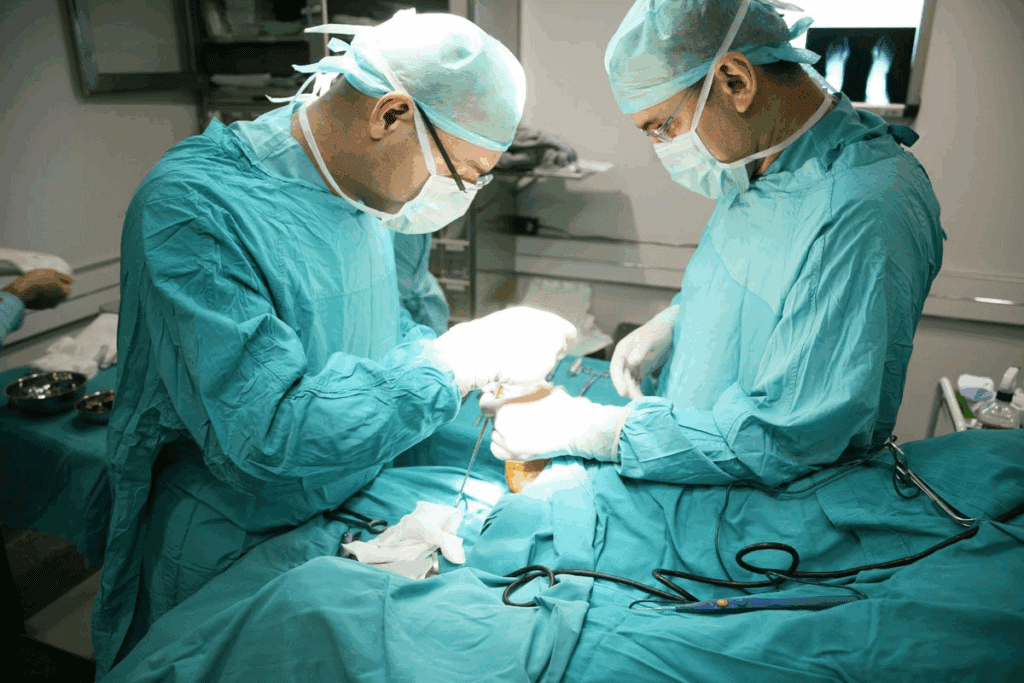
Thoracic surgery can cause sleep problems like pain, breathing issues, and side effects from medication. These issues can affect a patient’s recovery and overall health.
Pain-Related Sleep Disturbances
Pain is a big reason for sleep trouble after thoracic surgery. It can be hard to find a comfy sleeping spot, leading to waking up a lot.
It’s key to manage pain well to improve sleep. Talk to your doctor about adjusting your pain meds.
Tips for Managing Pain-Related Sleep Issues:
- Use pillows to support your upper body and reduce strain on your chest.
- Practice relaxation techniques, such as deep breathing or meditation, to help manage pain.
- Consider using a heating pad or warm compress to alleviate discomfort.
Breathing Difficulties During Sleep
After thoracic surgery, breathing problems are common. Patients might feel short of breath or like they’re not getting enough air, which is tough at night.
Try elevating your upper body to help breathe better. Extra pillows or a wedge pillow can help.
| Breathing Technique | Description | Benefit |
| Diaphragmatic Breathing | Focus on expanding the diaphragm instead of shallow chest breathing. | Improves lung capacity and reduces discomfort. |
| Pursed Lip Breathing | Breathe in through the nose and out through pursed lips. | Helps keep airways open longer, improving oxygen exchange. |
Medication Side Effects Affecting Sleep Quality
Medicines after thoracic surgery, like pain meds, can mess with sleep. Some might make you drowsy, while others can cause insomnia or vivid dreams.
Talk to your doctor about any sleep side effects from your meds. They can adjust your treatment plan.
Understanding and managing sleep issues after chest surgery can help patients sleep better. This supports their recovery.
Sleeping After Thoracic Surgery: Timeline and Expectations

After thoracic surgery, patients often wonder about sleep recovery. This is a key part of healing. The path to normal sleep varies for everyone. Knowing what to expect can help patients and their caregivers.
First Week Post-Surgery Sleep Patterns
The first week is tough for sleep. Patients face discomfort, pain, and hard sleeping positions. This leads to poor quality sleep.
- Patients may wake up often due to pain or discomfort.
- Finding a comfortable sleeping position is hard because of the surgery site.
- Pain meds can also mess with sleep.
It’s important to follow your pain plan and adjust your sleep position to ease discomfort.
Weeks 2-4 Sleep Improvements
By weeks 2-4, sleep starts to get better. Pain goes down, and finding a comfy sleep spot gets easier.
- Less pain means better sleep.
- Patients can sleep on their sides or back more easily.
- Some might need pain meds, but only as told by their doctor.
Keeping a regular sleep schedule and a comfy sleep space can help sleep even more.
Long-Term Sleep Recovery
Recovering sleep after thoracic surgery varies. Some get back to normal sleep quickly, while others take longer.
“Recovery is a journey, and patience is key. It’s not just about the physical healing but also about regaining the quality of life, including restful sleep.” – A thoracic surgery patient
What affects long-term sleep recovery includes:
- The surgery’s extent and your health.
- Following post-surgery care and appointments.
- Your sleep habits before surgery and any sleep disorders.
Knowing the sleep recovery timeline after thoracic surgery helps patients prepare. It’s a step towards better sleep.
Recommended Sleeping Positions After Thoracic Surgery
The right sleeping position after thoracic surgery is very important. It can help your healing a lot. Comfort is key during recovery, and the right posture can make things easier.
Elevated Upper Body Position Techniques
Keeping your upper body elevated is often advised after thoracic surgery. You can use extra pillows or a wedge pillow to support your back and shoulders.
Benefits of Elevated Sleeping:
- Reduces swelling and discomfort
- Improves breathing and lung expansion
- Minimizes strain on the surgical site
Side Sleeping Considerations
If you sleep on your side, you need to be careful. You should avoid putting pressure on your chest or the incision site.
Tips for Side Sleeping:
- Use a supportive pillow between your knees to maintain alignment.
- Avoid sleeping directly on the side of the surgery.
- Consider using a body pillow for additional support.
Back Sleeping Adjustments
Sleeping on your back can be comfortable after thoracic surgery if done correctly. Here are some adjustments to make:
Back Sleeping Tips:
- Place a pillow or wedge under your knees to reduce strain on your back.
- Keep your upper body slightly elevated.
- Avoid lying flat on your back without support.
| Sleeping Position | Recommendations | Benefits |
| Elevated Upper Body | Use pillows or a wedge pillow | Reduces swelling, improves breathing |
| Side Sleeping | Use a pillow between knees, avoid surgery side | Maintains alignment, reduces pressure |
| Back Sleeping | Elevate upper body, pillow under knees | Reduces strain, improves comfort |
Creating an Optimal Sleep Environment for Recovery
The sleep environment is key to healing after thoracic surgery. A well-designed sleep space improves rest quality, which is vital for recovery.
Bedroom Setup Modifications
Changing your bedroom setup can boost sleep quality. Rearrange furniture to make a quiet, comfy space. Think about using a hospital bed or raising your current bed to help breathing.
Key Considerations for Bedroom Setup:
- Minimize clutter to reduce stress and promote relaxation
- Use blackout curtains to control light exposure
- Invest in a comfortable mattress and pillows
Temperature and Lighting Considerations
Temperature and lighting are key for a good sleep environment. Keeping a cool, steady temperature can help sleep quality.
| Factor | Recommended Setting | Benefit |
| Temperature | Between 60-67°F (15-19°C) | Promotes better sleep quality |
| Lighting | Dim red lighting | Less disruptive to sleep patterns |
Optimizing these elements helps patients create a sleep space that aids in recovery.
Essential Sleep Aids and Supportive Devices
Choosing the right sleep aids and supportive devices is key for better sleep after thoracic surgery. These tools can make you more comfortable, lessen pain, and help you sleep better.
Specialized Pillows and Wedges
Special pillows and wedges are made to support and comfort you after thoracic surgery. They keep you in the best sleeping position, easing chest strain and making breathing easier.
Using a contoured pillow or a wedge pillow can help lift your upper body. This is often advised after thoracic surgery to lessen swelling and discomfort. These pillows are made from dense foam, giving the right support without being too hard.
Adjustable Beds and Mattress Toppers
Adjustable beds and mattress toppers can greatly improve your sleep by letting you find the most comfortable position. Adjustable beds can be set to lift your head and feet, easing body strain and improving blood flow.
Mattress toppers, like those made from memory foam, add extra comfort by molding to your body. This reduces pressure points and boosts sleep quality.
Supportive Garments for Nighttime Comfort
Supportive garments, like post-surgical compression vests or bras, offer extra comfort at night. They help cut down swelling and support the surgical area, easing discomfort and aiding in healing.
| Device | Purpose | Benefits |
| Specialized Pillows and Wedges | Support and elevate the upper body | Reduces strain on the chest, promotes easier breathing |
| Adjustable Beds | Allow for customizable sleeping positions | Reduces strain on the body, improves circulation |
| Mattress Toppers | Provide additional comfort and support | Reduces pressure points, enhances sleep quality |
| Supportive Garments | Support the surgical site | Reduces swelling, promotes healing |
Pain Management Strategies for Better Sleep
Pain management is key to better sleep after thoracic surgery. It helps patients recover faster and sleep better. This is because pain control is linked to how well you can rest and heal.
Medication Timing for Optimal Nighttime Relief
When it comes to pain meds and sleep, timing is everything. Take your pain relief as your doctor tells you, usually 30 minutes to 1 hour before bed. This ensures you’re pain-free at night.
- Stick to your medication schedule for consistent pain relief.
- Talk to your doctor if side effects mess with your sleep.
- Use a pain diary to adjust your timing as needed.
Non-Pharmaceutical Pain Relief Methods
There are many ways to manage pain without meds. These can also help you sleep better. Some include:
- Heat or Cold Therapy: Heat or cold packs can lessen pain and discomfort.
- Relaxation Techniques: Meditation, muscle relaxation, or guided imagery can reduce stress and pain.
- Gentle Stretching: Gentle stretches, okayed by your doctor, can improve flexibility and reduce pain.
Breathing Techniques to Reduce Discomfort
Breathing techniques are great for thoracic surgery recovery. Diaphragmatic breathing, for example, can lessen discomfort and help you relax.
- Try deep, slow breaths to calm your mind and body.
- Use a pillow or wedge to support your upper body and ease chest strain.
- Try relaxation techniques like progressive muscle relaxation with deep breathing.
Using these pain management strategies can greatly improve sleep quality. This makes the recovery process smoother and more effective.
Managing Sleep With Drainage Tubes and Incision Sites
Patients after thoracic surgery often struggle to sleep. This is because of drainage tubes and the need to care for their incision sites. It’s important to manage these issues well for a smooth recovery.
Positioning Techniques With Medical Equipment
Finding a good sleeping position is key when you have drainage tubes. Try elevating your upper body a bit to ease discomfort and help with drainage.
Use a wedge pillow or an adjustable bed to do this. Elevating your upper body reduces chest strain and makes breathing easier.
Protecting Incisions While Sleeping
It’s important to keep the incision site safe while you sleep. Avoid sleeping on the side of the incision to prevent problems and help it heal.
Support your body with pillows to stay in a safe position. For example, a pillow between your knees can stop you from twisting and turning, which helps the incision site.
Tips for Managing Sleep with Drainage Tubes:
- Make sure the drainage tubes are in the right place to avoid them getting pulled or kinked while you sleep.
- Watch the drainage output and tell your healthcare provider if you notice anything odd.
- Keep the area around the drainage tubes clean and dry to lower the chance of infection.
| Positioning Technique | Benefit |
| Elevating the upper body | Reduces strain on the chest and promotes better drainage |
| Using pillows for support | Helps maintain a safe sleeping position and reduces strain on the incision site |
| Avoiding direct pressure on the incision site | Prevents complications and promotes healing |
By using these strategies, patients can manage sleep better with drainage tubes and incision sites. This makes the recovery process more comfortable and effective.
Establishing Healthy Sleep Routines During Recovery
After thoracic surgery, a regular sleep routine helps a lot with healing. Recovery can be tough, and good sleep habits are key. They help patients rest well.
Creating a Consistent Sleep Schedule
Keeping a regular sleep schedule is important. It helps your body’s clock stay in sync. Go to bed and wake up at the same time every day, even on weekends.
This routine improves sleep quality and aids in recovery. To start, create a bedtime routine. It could be reading, meditation, or a warm bath. A consistent schedule helps your body heal better.
Pre-Sleep Rituals for Better Rest
Pre-sleep rituals are key for a good night’s rest. We advise doing calming activities before bed. Some good ones are:
- Reading a book or listening to soothing music
- Practicing gentle stretches or meditation
- Taking a warm bath or shower
- Writing in a journal to clear your mind
These activities tell your body it’s time to sleep. They make falling and staying asleep easier.
Daytime Activities That Promote Better Sleep
Daytime activities also affect sleep. We suggest doing things that are good for your body and mind. Some good activities are:
- Gentle exercises, such as yoga or short walks
- Exposure to natural light to regulate the circadian rhythms
- Social activities, like spending time with family and friends
- Engaging in hobbies or creative pursuits
Adding these activities to your day can make your sleep better. It also helps with recovery.
When to Seek Medical Help for Sleep Issues
Knowing when to get help for sleep problems after thoracic surgery is key. Some sleep issues are normal, but others need quick medical attention to avoid problems.
Warning Signs of Sleep-Related Complications
It’s important to know the signs of sleep complications. These include:
- Severe pain that keeps you awake or can’t be controlled with medicine.
- Breathing difficulties like shortness of breath or wheezing at night.
- Excessive fatigue that makes it hard to do daily tasks.
- Sleep disturbances that last longer than expected.
Communicating Sleep Problems to Your Healthcare Team
Talking openly with your healthcare team is vital for sleep issues. Here’s how to get the best help:
- Keep a sleep diary to record your sleep, including how long you sleep and any problems.
- List your medications and supplements, as they can affect sleep.
- Describe your symptoms in detail, including when they happen and what makes them better or worse.
- Ask questions about your sleep and recovery to understand what to expect and how to handle issues.
By being proactive and open, you and your healthcare team can find ways to solve sleep problems and support your recovery.
Patient Experiences: Real-Life Sleep Solutions After Thoracic Surgery
Patients who have had thoracic surgery often struggle with sleep. But, there are real-life solutions that can help. We’ve collected stories from patients to show success, tips, and common challenges during recovery.
Success Stories and Practical Tips
Many patients have found ways to better their sleep after surgery. Using specialized pillows and wedges helps keep them comfortable and reduces chest strain. One patient said using a wedge pillow to elevate their upper body greatly improved their sleep.
Another success story is about adjustable beds. Patients found adjusting their bed to a comfy position helped with pain and sleep. We suggest looking into adjustable beds or bed risers to find what works for you.
Common Challenges and How Patients Overcame Them
Many patients have beaten sleep issues after thoracic surgery. Issues like pain and breathing problems are common. Patients have used breathing techniques and pain management strategies to tackle these.
One patient found relaxation techniques, like deep breathing, helped with pain and sleep. Another patient said managing their pain meds around sleep time made a big difference.
- Establishing a consistent sleep schedule
- Creating a comfortable sleep environment
- Using supportive devices like pillows and wedges
We hope these stories give you useful insights and solutions for recovering from thoracic surgery.
Professional Advice: What Thoracic Surgeons Recommend for Sleep
Thoracic surgeons stress the need for the right sleep position after thoracic surgery. Good sleep is key for healing. They share tips to make sleep better during recovery.
Medical Perspectives on Sleep Positioning
Doctors say patients should sleep in certain ways to feel less pain and heal faster. Elevating the upper body helps reduce chest strain. You can use wedges or adjustable beds for this.
They also advise against side sleeping right after surgery. It can press on the cut. Back sleeping with the right support is better.
Expert Tips for Improving Sleep Quality During Recovery
To sleep better, keep a regular sleep schedule and have a calming bedtime routine. Reading or listening to calm music can help.
- Keep your sleep area cool and dark for better rest.
- Use pillows and wedges for support.
- Don’t eat big meals before bed to avoid sleep discomfort.
By following these tips and using the right sleep position, patients can greatly improve their sleep during thoracic surgery recovery.
Conclusion
Recovering from thoracic surgery needs careful attention to sleep and rest. We’ve seen how important sleep is for healing and avoiding complications. By following sleep tips, patients can make their recovery better.
There are many ways to improve sleep after surgery. This includes finding the right sleeping position and making your sleep area comfy. Using supportive devices and managing pain well also helps a lot.
At our institution, we support international patients with top-notch care and advice. By using the sleep tips from this article, patients can recover faster and get back to their daily life easily.
FAQ
What are the best sleeping positions after thoracic surgery?
Sleeping with your upper body elevated can help reduce pain and improve breathing. Use pillows or wedges to support your back. This keeps you comfortable.
How can I manage pain while sleeping after thoracic surgery?
Time your pain medication to work best at night. Also, try deep breathing, relaxation, and supportive devices to ease pain.
How long does it take to recover normal sleep patterns after thoracic surgery?
Recovery times vary, but most see better sleep in 2-4 weeks. Be patient and follow your doctor’s advice.
Can I sleep on my side after thoracic surgery?
Side sleeping is okay, but use pillows to keep your spine aligned. This reduces pressure on your incision. Try different pillow setups to find what works for you.
What are some tips for creating a sleep-conducive environment after thoracic surgery?
Make your bedroom cool, dark, and quiet. Use blackout curtains, a white noise machine, or adjust the temperature to help you relax.
Are there any specific sleep aids that can help after thoracic surgery?
Yes, try specialized pillows, wedges, adjustable beds, and mattress toppers for better sleep. Supportive clothes can also offer comfort and stability at night.
How can I protect my incision site while sleeping?
Avoid direct pressure on your incision. Use pillows to support your body and keep a comfortable position. A pillow can also help keep your body away from the incision.
What are the warning signs of sleep-related complications after thoracic surgery?
Look out for ongoing pain, trouble breathing, or fever. If you notice anything unusual, contact your healthcare team right away.
How can I establish a healthy sleep routine during recovery?
Stick to a regular sleep schedule and relax before bed. Avoid stimulating activities during the day. Daytime activities can also help improve your sleep.
When should I seek medical help for sleep issues after thoracic surgery?
If you have ongoing sleep problems, severe pain, or concerns, reach out to your healthcare team. They can offer guidance and support.
References
- Lin, J., Zhang, Y., & Wang, L. (2024). Evidence-based interventions to improve sleep quality after cardiac surgery: A network meta-analysis. Sleep Medicine Reviews, 77, 101987. https://pubmed.ncbi.nlm.nih.gov/38945038/