

Sleeping position spine
Degenerative disc disease is a common issue that affects millions. It causes a lot of pain and discomfort. Finding the right sleeping position can help a lot.
Studies show that many people with this condition feel better when they change how they sleep. The right sleeping position spine alignment can make a big difference in comfort and recovery.
Finding the best sleeping position is key to managing degenerative disc disease. It helps reduce pain and improve sleep quality.
Key Takeaways
- Understanding the impact of degenerative disc disease on sleep.
- The importance of adopting the right sleeping position for relief.
- Tips for adjusting sleeping habits to alleviate symptoms.
- The role of sleep support in managing disc disease.
- Strategies for maintaining a healthy back while sleeping.
Understanding Degenerative Disc Disease and Sleep Challenges
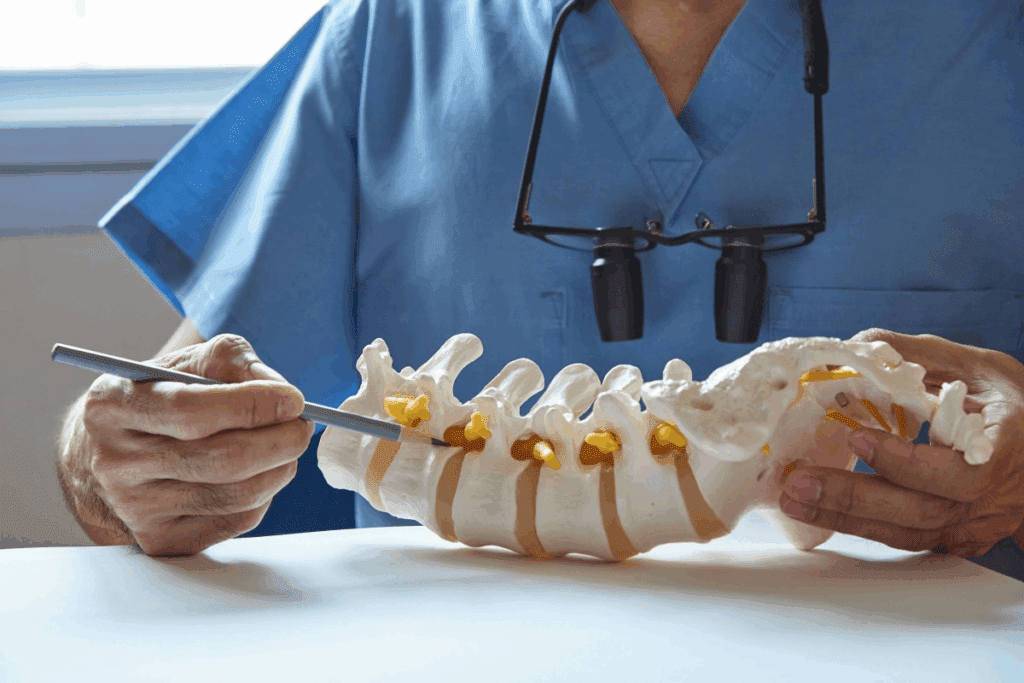
It’s important to know how degenerative disc disease (DDD) and sleep are connected. DDD affects the spinal discs, causing pain and sleep problems.
What Happens to Spinal Discs in DDD
In DDD, the spinal discs change a lot. The discs lose height and become less elastic, sometimes bulging or herniating. This can cause pain, especially when trying to sleep.
A study in the Spine Journal says, “Degenerative disc disease makes the intervertebral discs degenerate, leading to back pain and disability.”
“The degeneration of spinal discs is a natural aging process, but it can be accelerated by factors such as genetics, lifestyle, and injury.”
| Changes in Spinal Discs | Effects on Sleep |
| Loss of disc height | Increased pressure on the spine |
| Disc bulging or herniation | Pain and discomfort during sleep |
| Reduced disc elasticity | Stiffness and reduced mobility |
Why Sleep Position Matters for Disc Health
The way we sleep can really affect our spinal health. Choosing the wrong sleep position can make DDD symptoms worse, leading to more pain and discomfort.
A study in the Journal of Sleep Research shows, “Sleeping position can impact sleep quality and back pain in DDD patients.” Choosing the right sleep position can help reduce pain and improve sleep.
Knowing how DDD affects spinal discs and how sleep position impacts them helps us manage the condition better. Next, we’ll look at the best sleep positions for those with DDD.
The Impact of Sleeping Position on Spine Health
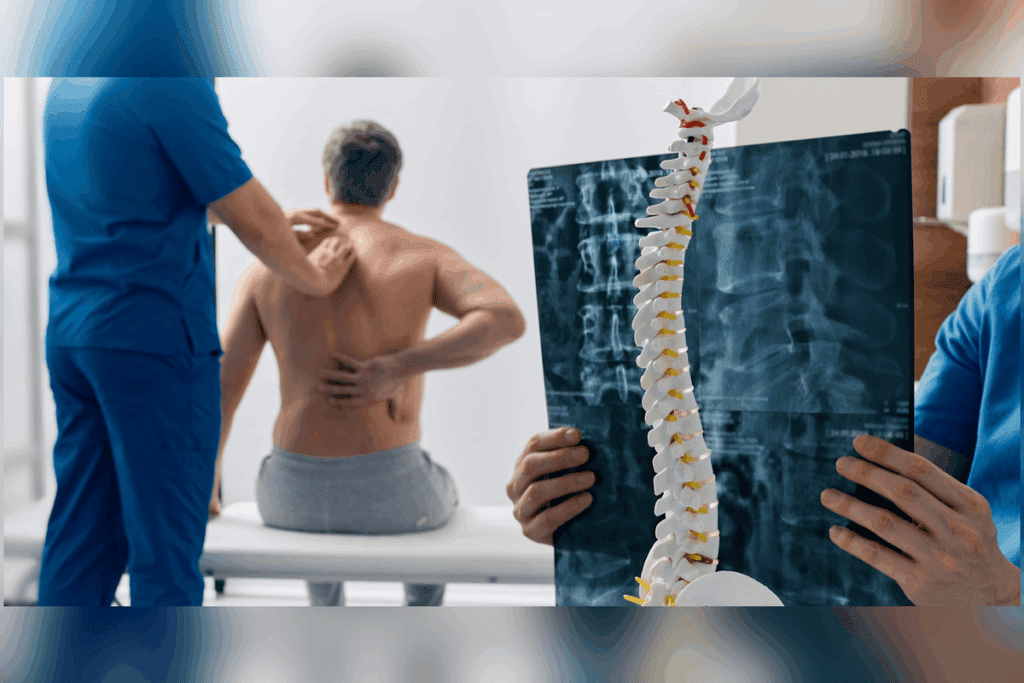
sleeping position spine health
Sleeping position is key to keeping your spine healthy. Some positions can make spinal pressure worse, while others can help. We’ll look at how different sleeping positions affect your spine.
How Different Positions Affect Spinal Pressure
Different sleeping positions can either increase or decrease spinal pressure. For example, sleeping on your stomach can put your spine in an unnatural position. This can lead to more pressure on your spinal discs. On the other hand, sleeping on your back with the right support can help keep your spine’s natural curve. This can reduce pressure.
To minimize spinal pressure while sleeping, it’s important to keep your spine aligned naturally. You can do this with the right support, like pillows or a supportive mattress. Here are some key points to consider:
- Side Sleeping: Using a pillow between your knees can help keep your hips aligned. This reduces pressure on your spine.
- Back Sleeping: A pillow under your knees can help take pressure off your spine. It reduces the arch in your lower back.
- Stomach Sleeping: Avoiding this position or using a thin pillow under your pelvis can help reduce strain on your neck and spine.
Pain Patterns Related to Sleep Posture
Sleep posture can greatly affect pain patterns, especially for those with degenerative disc disease. Poor sleep posture can strain muscles and joints, leading to pain. By changing your sleep posture and using the right support, you can lower your pain levels.
Some common pain patterns related to sleep posture include:
- Neck pain due to improper pillow height or material.
- Lower back pain from inadequate lumbar support.
- Hip pain resulting from misalignment of the hips while side sleeping.
Understanding how different sleeping positions affect spinal pressure and pain patterns can help you make better choices. This can improve your spine health.
Side Sleeping: Benefits and Proper Technique
Many people choose side sleeping, but it’s key to do it right for those with degenerative disc disease. When done correctly, it can ease spine pressure and lessen discomfort from degenerative disc disease.
The Fetal Position for Disc Relief
The fetal position is a common side sleeping pose, where you bring your knees to your chest. This can reduce pressure on the spinal discs by keeping the spine curved naturally. But it’s important not to curl up too much, as it can strain your lower back.
Sleeping in a fetal position can be good, but balance is key. A supportive pillow between the knees can also help keep your hips aligned and ease spine strain.
Optimal Alignment in Side Sleeping
To sleep on your right side, keep your neck and spine in their natural curve. A supportive pillow under the neck and another between your knees can help align your hips and ease spine pressure. Also, having a supportive mattress is crucial for keeping your spine aligned.
- Use a supportive pillow under the neck to maintain cervical alignment.
- Place a pillow between the knees to keep the hips aligned.
- Ensure the mattress is supportive and comfortable.
By using the right side sleeping technique and support, people with degenerative disc disease can reduce their discomfort and sleep better.
Back Sleeping Position: Advantages and Modifications
back sleeping position
The back sleeping position can help those with degenerative disc disease. It spreads out the weight evenly. This helps keep the spine in its natural curve.
Supporting the Natural Spine Curve
To get the most out of back sleeping, it’s important to support the spine’s natural curve. A pillow or a rolled towel under the knees can ease lower back strain. Also, a supportive pillow under the neck keeps the cervical spine aligned.
Here are some tips for supporting the spine:
- Choose a medium-firm mattress that fits your body.
- Put a pillow under your knees to ease spine pressure.
- Find a pillow that keeps your neck in line with your spine.
Reducing Pressure Points While Supine
It’s key to reduce pressure points when back sleeping to avoid pain. The right pillows and mattress can help a lot.
Here are ways to lessen pressure points:
- Use a mattress that supports and relieves pressure well.
- Put a pillow under your lower back for extra support.
- Stay away from thick pillows that push your head too far forward.
By making these changes, people with degenerative disc disease might feel less pain. They could also sleep better.
Stomach Sleeping: Risks and Alternatives
stomach sleeping spine stress
Stomach sleeping can be harmful, especially for those with degenerative disc disease. It puts a lot of stress on the spine. This is why it’s important to talk about its effects.
Why Prone Positions Stress the Spine
When you sleep on your stomach, your spine doesn’t align naturally. This can cause strain on your neck and back. It’s especially hard on people with degenerative disc disease.
The spine can also become too straight, which is bad for the discs and joints. This can make your condition worse and hurt more.
Transitioning Away from Stomach Sleeping
Changing your sleep position is hard but necessary. Start by paying attention to how you sleep. Use pillows to help you sleep better.
Try sleeping on your side or back. These positions can be good for your spine if done right. For example, a pillow between your knees can help your hips and spine.
Find what works for you by trying different positions and supports. Talking to a doctor can help you find a better sleep position.
Optimal Sleeping Position Spine Alignment Techniques for DDD
optimal spine alignment techniques
For those with degenerative disc disease, keeping the spine neutral while sleeping is key. Optimal spine alignment helps reduce pressure on the discs. This leads to a better night’s sleep.
Maintaining Neutral Spine During Sleep
Keeping the spine neutral means it stays in its natural shape while you sleep. The right support and sleeping position are important. For example, a supportive mattress and pillows can help align the spine.
“The way we sleep can greatly affect degenerative disc disease symptoms,” says a leading spine specialist. “Using the right sleeping techniques can greatly reduce discomfort.”
Position Adjustments for Different Disc Conditions
Different disc problems need different sleeping positions. For instance, those with herniated discs might sleep on their sides with a pillow between their knees. This keeps the hips aligned and reduces spine pressure.
- Those with lumbar disc issues might find relief with a supportive pillow under their knees.
- People with cervical disc problems might need a cervical pillow for neck support.
- Changing your sleep position to avoid direct pressure on the affected disc can help.
By using these spine alignment techniques, people with degenerative disc disease can sleep better and feel less pain. It’s about finding the right balance and making adjustments to keep the spine neutral while sleeping.
Lumbar Spine Considerations: Lower Back Support
lumbar spine support
Proper care of your lumbar spine can greatly reduce pain from degenerative disc disease. Keeping your lower back healthy is key to your spine’s overall health. We’ll look at important tips for supporting your lower back while you sleep.
Pillow Placement for Lumbar Relief
Strategic pillow placement can help support your lumbar spine. Placing a pillow under your knees when on your back can ease lower back strain. When on your side, a pillow between your knees keeps your hips aligned and reduces lumbar pressure.
Using a lumbar support pillow can offer extra relief. These pillows fill the gap between your lower back and mattress, promoting natural spinal alignment. Try different pillow placements to find what works best for you.
Avoiding Lumbar Rotation During Sleep
Lumbar rotation during sleep can worsen degenerative disc disease symptoms. To avoid this, keep your spine in a neutral position. Side sleeping with a supportive pillow between your knees prevents hip rotation and lumbar spine twisting.
Also, pay attention to your sleep position and make adjustments if needed. Waking up with lower back pain might mean you need to change your sleeping posture to reduce lumbar rotation.
Cervical Spine Care: Neck Positioning at Night
How we sleep affects our neck health. Keeping our necks right while we sleep is key to managing pain from degenerative disc disease. It helps keep our spine healthy and reduces pain.
Proper Pillow Height for Neck Alignment
The pillow’s height is crucial for neck alignment. A pillow that’s too high or too low can cause strain. It’s best to use a pillow that keeps the neck straight and aligned with the spine.
The right pillow height depends on how you sleep. Side sleepers need a higher pillow to fill the gap between their ear and shoulder. Back sleepers should use a lower pillow to support the neck’s natural curve.
Guidelines for Pillow Height:
- Side sleepers: A pillow with a loft that keeps the spine straight
- Back sleepers: A pillow that supports the natural curve of the neck
- Stomach sleepers: A thin pillow or no pillow to keep the head in a neutral position
Preventing Cervical Strain While Sleeping
There are ways to prevent neck strain while sleeping. Sticking to one sleep position and avoiding twists or bends helps. This reduces strain on the neck.
| Sleeping Position | Cervical Strain Prevention Technique |
| Side Sleeping | Use a supportive pillow and keep the knees slightly bent |
| Back Sleeping | Place a pillow under the knees to reduce pressure on the spine |
| Stomach Sleeping | Avoid this position if possible, or use a thin pillow under the pelvis |
By using these tips, people with degenerative disc disease can improve their neck care at night. This leads to better spinal health and less pain.
Choosing the Right Mattress for Degenerative Disc Disease
The mattress you sleep on is crucial for managing degenerative disc disease symptoms. A good mattress offers the right support and comfort. This can help reduce pain and improve sleep.
Firm vs. Medium-Firm: Finding the Optimal Support
Choosing between a firm or medium-firm mattress is a big decision for degenerative disc disease. Some say a firmer mattress is better for the spine. Others think a medium-firm mattress is the best mix of comfort and support.
A firm mattress is good for back sleepers as it keeps the spine’s natural curve. But it might be too hard for side sleepers, causing pressure on the shoulders and hips. A medium-firm mattress is a better choice. It supports back sleepers well and is soft enough for side sleepers.
| Mattress Firmness | Back Sleepers | Side Sleepers |
| Firm | Maintains spinal alignment, potentially reducing back pain | May cause pressure on the shoulders and hips |
| Medium-Firm | Offers a balance between support and comfort | Can alleviate pressure points while maintaining spinal alignment |
Memory Foam and Orthopedic Mattress Options
Memory foam and orthopedic mattresses are great for people with degenerative disc disease. Memory foam molds to your body, offering tailored support and relief. Orthopedic mattresses support the body’s skeleton, helping keep the spine aligned.
When looking at memory foam mattresses, choose one with the right density. High-density foam is more supportive, while low-density foam is softer. Orthopedic mattresses use different materials like memory foam, latex, or hybrids for the best support and comfort.
Finding the right mattress for degenerative disc disease depends on personal preferences and needs. It’s important to research and try out different mattresses. This way, you can find the one that offers the best support and comfort for your condition.
Pillow Selection and Placement for Spinal Support
Picking the right pillow is key to supporting your spine and easing degenerative disc disease symptoms. A good pillow keeps your spine aligned, lessens disc pressure, and boosts sleep quality.
Choosing the right pillow involves considering its type and where to place it. Each pillow has its own role in supporting the spine.
Cervical Pillows for Neck Alignment
Cervical pillows are made for neck support and keeping its natural curve. They’re firmer and shaped to fit the head and neck, ensuring they align with the spine.
- Benefits: They ease cervical spine strain, enhance sleep, and can lessen neck pain.
- Selection Tip: Pick a cervical pillow that fits your neck’s natural height and supports your head without tilting it.
Knee Pillows for Hip and Spine Alignment
Knee pillows support hips and legs, especially for side sleepers. They keep hips aligned and ease spine pressure.
- Benefits: They help keep the spine aligned, ease hip and lower back pressure, and can reduce degenerative disc disease pain.
- Placement Tip: Place the knee pillow between your knees, making sure it’s thick enough for hip alignment but not too thick for the spine curve.
Body Pillows for Full Spine Support
Body pillows support the whole body, great for pregnant people or those needing back and leg support.
- Benefits: They offer full-body support, helping maintain sleep posture and easing back strain.
- Usage Tip: Use the body pillow to support your whole body, adjusting its position for spinal alignment and comfort.
By choosing and placing pillows wisely, people with degenerative disc disease can get better spinal support during sleep. This leads to better rest and fewer symptoms.
Transitioning Between Sleeping Positions Safely
For those with degenerative disc disease, it’s key to change sleeping positions carefully. This helps avoid putting too much pressure on certain spots and eases pain. But it’s important to do this without hurting your spine more.
Log Rolling Technique to Protect the Spine
The log rolling technique is a good way to switch positions. It keeps the spine straight and avoids twisting. Here’s how to do it:
- Keep your knees a bit bent and your arms by your sides.
- Make sure your core muscles are tight to support your spine.
- Roll your body as one unit, without twisting.
This method helps lower the chance of making your degenerative disc disease worse.
Using Supports When Changing Positions
Using supports is also helpful for keeping your spine straight when you move. Pillows or wedges can be used between your knees or under your lower back. Here’s what to do:
- Use a contoured pillow between your knees to keep your hips aligned.
- Place a lumbar support pillow under your lower back to keep the natural curve.
- Change the position of the support pillows as needed to keep your spine aligned and comfortable.
By adding these supports and techniques to your sleep routine, you can manage your degenerative disc disease better. This can also improve your sleep quality.
Creating a Spine-Friendly Sleep Environment
Improving your bedroom for better sleep can greatly help your spine. A well-designed sleep area is key for those with degenerative disc disease. Making a few easy changes can greatly improve your sleep quality and reduce spinal discomfort.
Bedroom Setup for Easier Movement
A tidy bedroom helps with easier movement, especially for those with degenerative disc disease. Here are some tips to make your bedroom more spine-friendly:
- Clear Pathways: Make sure the path from your bed to the rest of the room is clear. This helps avoid tripping or straining.
- Bed Height: Adjust your bed height so you can get in and out without straining your back.
- Furniture Arrangement: Arrange your furniture so you don’t have to twist or bend too much.
Temperature and Comfort Considerations
Keeping your bedroom at a comfortable temperature and humidity is crucial for good sleep and spine health. Here are some tips for the perfect sleep environment:
- Temperature Control: Keep your bedroom cool, between 60-67 degrees Fahrenheit (15-19 degrees Celsius), for better sleep.
- Humidity Levels: Keep humidity levels between 30-50% to avoid dryness or too much moisture.
- Air Quality: Use an air purifier or change your air filters often to keep the air clean and free from allergens.
By making these changes, you can create a sleep-friendly environment that supports your spine health and overall well-being.
Pre-Sleep Routines to Reduce Disc Pain
Creating a bedtime routine can help ease disc pain from Degenerative Disc Disease. Certain activities before bed can enhance sleep quality and lessen pain.
Gentle Stretches Before Bed
Doing gentle stretches before sleep can relax the spine muscles, easing pain. Try simple stretches like knee to chest or pelvic tilts. These should be done slowly and carefully to avoid making things worse.
Always listen to your body and stop if you feel sharp pain. It’s wise to talk to a healthcare professional before starting any new stretches.
Heat and Cold Therapy Applications
Heat and cold therapies can help with disc pain. Heat, like a warm bath or heating pad, relaxes muscles and boosts blood flow. Cold, like an ice pack, can cut down inflammation and dull pain.
Choosing between heat and cold depends on what feels right for you and your pain. Some people find switching between them helpful.
Relaxation Techniques for Muscle Tension
Relaxation techniques are key in easing muscle tension that can worsen disc pain. Deep breathing, progressive muscle relaxation, or meditation can soothe the mind and body before sleep.
These methods not only help manage pain but also improve sleep. Regular use can boost overall health and lessen Degenerative Disc Disease symptoms.
By adding these bedtime routines to your daily life, you can actively manage disc pain and enhance your sleep.
When to Consult a Specialist About Sleep Positions
If you have degenerative disc disease, talking to a specialist about sleep positions can really help. Sleep is key in managing this condition. A specialist can give you advice tailored to you, to ease pain and better your sleep.
Signs Your Sleep Position Is Worsening Your Condition
Look out for these signs to know when to see a specialist:
- Persistent or worsening back pain upon waking
- Numbness or tingling sensations in your limbs
- Difficulty falling or staying asleep due to discomfort
- Reduced mobility or stiffness in the morning
These signs mean your sleep position might be harming your spine. A specialist can find out why and suggest changes to improve your sleep posture.
Working with Physical Therapists on Sleep Posture
Physical therapists are key in improving your sleep posture. They’ll check your current sleep position and give you tips, like:
- Exercises to strengthen core and back muscles
- Stretching routines to improve flexibility
- Guidance on optimal pillow and mattress selection
- Techniques for maintaining proper spinal alignment during sleep
With a physical therapist, you can create a plan that fits your needs. This will help improve your sleep quality.
Talking to a specialist about your sleep positions is a big step in managing degenerative disc disease. By fixing sleep posture issues, you can lessen pain, enhance your quality, and care for your spine.
Adapting Sleep Positions During Disc Disease Flare-Ups
Changing your sleep position during a flare-up can really help. Degenerative disc disease can be very painful. So, it’s key to adjust how you sleep to ease the pain.
Temporary Modifications for Acute Pain
When you’re in pain, small changes in how you sleep can help. Using extra pillows for support is a good start. Side sleepers might want a pillow between their knees to keep their hips aligned and reduce spine pressure.
- Back sleepers can use a pillow under their knees to flex their hips and ease spine pressure.
- A small, rolled towel or pillow under the lower back adds extra support.
Changing your sleep position during flare-ups can really help with pain. It’s about finding a comfortable spot that also supports your spine.
Gradual Return to Optimal Positions
After the pain goes away, slowly go back to your best sleep position. This change should be done slowly to avoid more pain. Slowly take away supportive pillows or change where they are to help your body adjust.
- Start by removing one pillow or adjusting its position.
- Watch how your body reacts and make changes as needed.
- Go back to your best sleep position when you feel comfortable.
By changing your sleep position during flare-ups and making slow adjustments, you can manage your condition better. This can also improve your sleep quality.
Conclusion: Finding Your Optimal Sleep Position for Long-Term Spine Health
Keeping the right optimal sleep position is key for those with degenerative disc disease. The right sleeping posture can ease pain and boost long-term spine health. It also improves our overall health.
We’ve looked at different sleeping positions and techniques for better sleep habits and spine health. Knowing how sleep positions affect spinal pressure and pain helps us choose better. This way, we can improve our sleep quality.
To help with disc recovery sleeping, we need the right sleep setup. This includes a supportive mattress and pillows. Making these changes can help us sleep better and feel less discomfort.
By using these tips, we can actively work on keeping our spines healthy. This improves our quality of life.
FAQ
What is degenerative disc disease, and how does it affect sleep?
Degenerative disc disease happens when spinal discs lose their cushioning. This leads to pain and discomfort. It makes it hard to sleep comfortably because of the pain and stiffness.
How does sleeping position impact spine health for individuals with degenerative disc disease?
Sleeping position can either help or hurt your spine health. Some positions add stress, while others keep your spine aligned.
What is the best sleeping position for degenerative disc disease?
Sleeping on your back with a pillow under your knees is often best. It takes pressure off your spine. Sleeping on your side with a pillow between your knees also helps keep your hips aligned.
How can side sleeping benefit individuals with degenerative disc disease?
Side sleeping can be good for your spine if done right. Use a pillow between your knees for support.
What are the risks associated with stomach sleeping for individuals with degenerative disc disease?
Stomach sleeping can hurt your spine. It twists your neck and puts your spine out of alignment.
How can I maintain a neutral spine during sleep?
Use the right pillows and mattress to support your spine. Choose a sleeping position that doesn’t stress your spine.
What type of mattress is best for degenerative disc disease?
The best mattress is a medium-firm one. It supports your body without being too hard.
How do pillows contribute to spinal support during sleep?
Pillows help keep your neck and spine aligned. They also support your knees or hips to keep them aligned.
What pre-sleep routines can help reduce disc pain?
Gentle stretches, heat or cold therapy, and relaxation techniques like deep breathing or meditation can help before bed.
When should I consult a specialist about my sleep position?
See a specialist if you have ongoing pain or discomfort at night. Or if you’re not sure about the best sleeping position for you.
How can I adapt my sleep position during a degenerative disc disease flare-up?
Use extra pillows for support during a flare-up. Try different positions to find one that feels better.
References
- Moreside, J. M., & McGill, S. M. (2016). Identifying relationships between sleep posture and non-specific spinal pain: A systematic review. BMJ Open, 6(3), e011264. https://pmc.ncbi.nlm.nih.gov/articles/PMC6609073/



 Departments
 Related Videos
 Our Doctors
 News
News