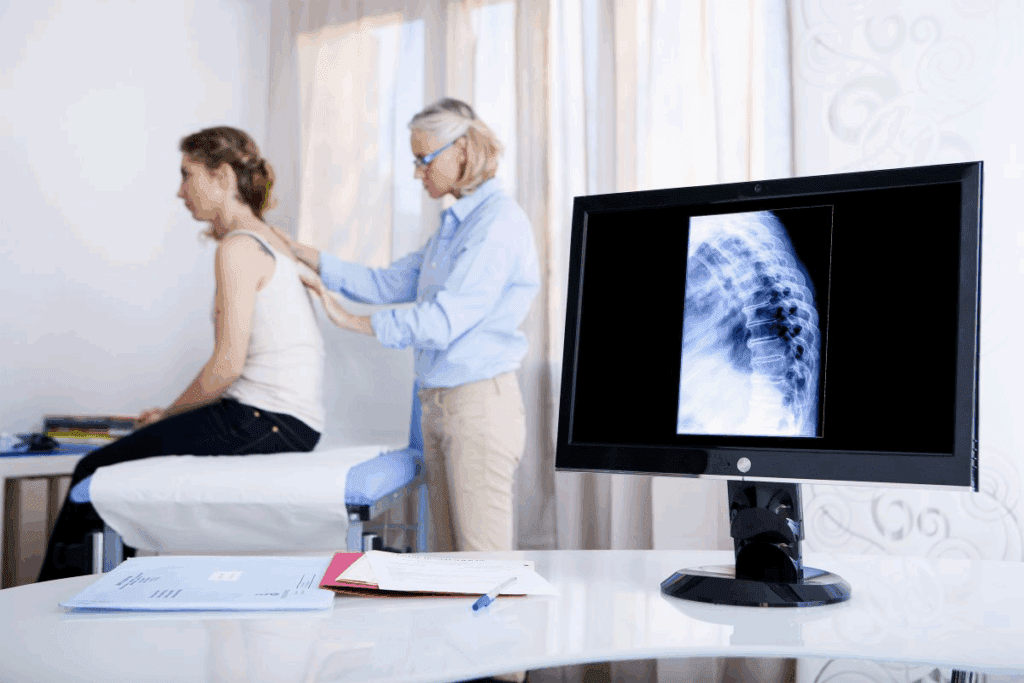
A herniated disc can really mess up your sleep, affecting millions globally. Maintaining proper spinal alignment is key to easing back pain at night.
Finding a comfy sleep position is tough, but it’s vital for Sleeping with Herniated Disc pain relief. The right sleep positions for back pain can cut down on discomfort and boost sleep quality.
Our guide will show you the best sleep posture for a herniated disc. We’ll share practical tips for sleeping well, even with a herniated disc.
Key Takeaways
- Proper spinal alignment is key to easing back pain at night.
- Choosing the right sleep positions can lessen discomfort and enhance sleep quality.
- Supportive pillows help keep the spine’s natural curve.
- A herniated disc needs careful thought on sleep posture and mattress support.
- Practical tips and techniques can help you sleep comfortably with a herniated disc.
Understanding Herniated Discs and Sleep Challenges
It’s important to know about herniated discs to tackle the sleep issues they cause. A herniated disc happens when the soft center of the disc leaks out. This can irritate nerves and cause pain, numbness, or tingling. It can really hurt your sleep quality.
What Is a Herniated Disc?
A herniated disc is when the soft center of the disc bulges out. It can happen in any part of the spine but often affects the lower back and neck. This can press on nerves, causing pain, numbness, and weakness in the arms or legs.
How Herniated Discs Affect Sleep Quality
The pain from a herniated disc makes it hard to sleep well. Sleep disruptions happen because you need to keep changing positions to ease the pain. Sometimes, the pain is so bad it wakes you up at night. It can also make you feel anxious, making it hard to fall or stay asleep.
Common Sleep Disruptions Caused by Disc Herniation
A disc herniation can cause many sleep problems. Sciatica, which is pain along the sciatic nerve, is a common issue. It can make it hard to sleep. The pain and discomfort also lead to waking up a lot, hurting your sleep quality, and causing sleep deprivation. Knowing these issues is the first step to better sleep.
The Science of Sleeping with a Herniated Disc

It’s important to know how sleeping with a herniated disc works. Our body changes a lot when we sleep, affecting our spine and muscles. Keeping the spine aligned is key to lessening pain and discomfort.
Spinal Alignment During Sleep
Spinal alignment means keeping the spine in a way that doesn’t stress it too much. This is important during sleep to avoid putting more pressure on the herniated disc. Proper sleeping posture helps reduce spine strain.
Pressure Points and Disc Compression
Pressure points on our bodies can really impact sleep with a herniated disc. When certain areas get too much pressure, it can cause disc compression, making things worse. It’s important to know and manage these points for a good night’s sleep.
| Pressure Point | Effect on Herniated Disc | Relief Measure |
| Lower Back | Increased disc compression | Use a supportive mattress |
| Neck and Shoulders | Strain on the cervical spine | Use a cervical pillow |
| Hips and Knees | Pressure on the lumbar spine | Use a knee pillow for side sleepers |
Pain Cycles and Sleep Disruption
Pain from a herniated disc can mess up our sleep. The pain can wake us up a lot, making sleep poor and making the condition worse. It’s key to understand these cycles to manage them well.
By focusing on spinal alignment, managing pressure points, and knowing about pain cycles, people with a herniated disc can sleep better and feel less pain.
Best Sleeping Positions for Herniated Disc Patients

Finding the right sleeping position is key for those with a herniated disc. It can greatly affect pain and sleep quality. Some positions can make things worse, while others can help.
Side Sleeping Techniques
Side sleeping can be good for herniated disc patients if done right. To ease spine pressure, sleep with a pillow between your knees. This keeps your hips aligned and lowers back stress.
Tips for side sleeping:
- Choose a supportive mattress for spine alignment.
- Put a pillow between your knees for hip alignment.
- Think about using a body pillow for extra support.
Maintaining proper body alignment during sleep is essential for managing back pain.
Back Sleeping Modifications
Back sleeping can work for herniated disc patients with some tweaks. A pillow under your knees can lessen spine pressure.
Tips for back sleeping:
- Use a pillow under your knees to ease spine pressure.
- Keep your spine neutral by not arching your back.
- Try a lumbar support pillow for more comfort.
Positions to Strictly Avoid
Some sleeping positions can make herniated disc symptoms worse. Avoid sleeping on your stomach. It can put your spine out of alignment and increase disc pressure.
Positions to avoid:
- Sleeping on your stomach can misalign your spine.
- Twisting or turning while sleeping adds stress to your spine.
By choosing the right sleeping position and making a few adjustments, people with a herniated disc can improve their sleep and reduce pain.
Side Sleeping Strategies for Different Herniated Disc Locations
For those with a herniated disc, finding a comfy sleeping position is key, more so for side sleepers. The disc’s location affects the best side sleeping strategy. We’ll give specific advice for cervical, thoracic, and lumbar herniated discs.
Cervical Herniated Disc Side Sleeping
Side sleepers with a cervical herniated disc need to keep their neck aligned. A supportive pillow is vital to avoid straining the cervical spine. A contoured cervical pillow is best, as it supports the head and neck, easing pressure on the disc.
Thoracic Herniated Disc Side Sleeping
Thoracic herniated discs are less common but need careful side sleeping. Keeping the upper body stable is key. A pillow between the knees helps align the hips, easing thoracic strain. A supportive mattress also prevents twisting or bending.
Lumbar Herniated Disc Side Sleeping
Lumbar herniated discs are common, and side sleeping can help. A pillow between the knees aligns the hips, easing lumbar pressure. Drawing knees towards the chest also reduces lower back tension.
| Herniated Disc Location | Recommended Side Sleeping Strategies |
| Cervical | Use a contoured cervical pillow, maintain neck alignment |
| Thoracic | Place a pillow between the knees, and use a supportive mattress |
| Lumbar | Place a pillow between the knees, and draw the knees towards the chest |
Using these side sleeping strategies can greatly improve sleep quality and reduce pain. It’s important to try different pillows and mattresses to find what works best for you.
Back Sleeping Techniques for Herniated Disc Relief
Proper back sleeping posture is key to easing herniated disc pain. It’s important to keep your spine’s natural curve when sleeping on your back. We’ll look at ways to support your back and ease pain.
Optimal Back Sleeping Posture
Start with a mattress that supports your back well. A medium-firm mattress is best for back sleepers with herniated discs. Place a pillow under your knees to ease spine pressure.
Keeping your lower back curved is essential. Use a rolled towel or small pillow under your lower back, just above your waist. This helps reduce strain on your herniated disc.
Using Pillows for Proper Support
Pillows are important for back sleepers. A pillow under your knees helps reduce spine pressure and keeps your hips and legs aligned.
For more support, try a thin pillow or a rolled towel under your back. This helps keep your lumbar curve and eases herniated disc pain.
Reducing Pressure on the Spine
It’s vital to reduce spine pressure for herniated disc relief. Use pillows and choose a supportive mattress. A mattress that’s too soft or too firm can worsen back pain.
| Technique | Description | Benefit |
| Pillow under knees | Place a pillow under your knees to reduce strain on your lower back. | Reduces pressure on the spine |
| Lumbar support | Use a rolled towel or small pillow under your lower back. | Maintains lumbar curve |
| Mattress selection | Choose a medium-firm mattress. | Provides optimal support |
By using these back sleeping techniques, people with herniated discs can lessen their pain and sleep better. It’s about finding the right mix of support and alignment for you.
Choosing the Right Mattress for Herniated Disc Support
The mattress you sleep on can help or hurt if you have a herniated disc. A supportive mattress keeps your spine aligned. This can ease the pain from herniated discs.
Firmness Considerations
The firmness of your mattress is key for herniated disc support. A soft mattress might not support your spine well. This can make the pain worse.
A mattress that’s too firm can also cause discomfort, mainly for side sleepers. Medium-firm mattresses are best. They offer a good balance of comfort and support. Look for one that can be adjusted to fit your needs.
Memory Foam vs. Hybrid vs. Innerspring Options
Each material has its own benefits. Memory foam molds to your body, giving great pressure relief. Hybrid mattresses mix innerspring coils with memory foam for the best of both. Innerspring mattresses are firmer and more traditional.
- Memory Foam: Great for pressure relief and body contouring.
- Hybrid: A mix of support and comfort.
- Innerspring: Offers a firmer feel.
Mattress Toppers and Pads for Added Support
Adding a mattress topper or pad can enhance your mattress. They can make your mattress firmer or softer. They also add extra comfort and support.
Recommended Mattress Brands for Back Pain
Some mattress brands are better for back pain.
When picking a mattress, think about what you need. Consider your sleeping position, preferred firmness, and any extra features you want. Things like cooling or heating properties are important too.
Pillow Selection and Placement for Herniated Disc Relief
Choosing the right pillow is key for those with herniated discs. It affects how your spine aligns and how comfortable you feel. The right pillow can ease pain and make sleeping better.
Cervical Pillows for Neck Support
Cervical pillows are made for neck support. They help keep your spine in line. These pillows use contoured foam to support your head and neck, easing neck strain.
For those with herniated discs, a cervical pillow is a big help. It lessens neck pressure and helps you sleep better.
When picking a cervical pillow, think about the material and height. Memory foam is good because it molds to your neck. The pillow should be tall enough to align your spine, but not too tall.
Body Pillows for Side Sleepers
Body pillows are great for side sleepers with herniated discs. They support your whole body, keeping your spine straight and easing hip and lower back pressure. This can help reduce herniated disc pain.
To use a body pillow correctly, place it between your knees if you sleep on your side. This keeps your hips and lower back in line. Also, hugging the pillow can help you sleep comfortably.
Knee and Lumbar Pillow Positioning
Knee and lumbar pillows offer specific support. For back sleepers, a pillow under the knees can ease spine pressure. For side sleepers, a knee pillow keeps hips and spine aligned.
Lumbar pillows support your lower back, which is helpful for back pain. Place the pillow in your lower back’s curve for the best support.
By picking the right pillows and using them correctly, people with herniated discs can sleep better and feel less pain. It’s about finding what works best for you.
Sleeping with Herniated Disc: Practical Nighttime Strategies
Dealing with a herniated disc at night requires smart strategies to sleep better. It’s not just about the mattress or how you sleep. You need a full plan to reduce pain and discomfort.
Safe Methods for Getting In and Out of Bed
Getting in and out of bed can be hard with a herniated disc. Start by sitting on the bed’s edge with your feet on the floor. Use your arm to help lower or lift your body. Try not to twist or bend, as it can make things worse.
Transitioning Between Positions Safely
Changing sleep positions is key when you have a herniated disc. Move slowly and carefully. For example, if you’re switching from side-sleeping to back-sleeping, roll onto your back slowly. Use a pillow under your knees if needed to support your spine.
Using Assistive Devices for Comfort
Assistive devices can make sleeping with a herniated disc more comfortable. Try body pillows, knee pillows, or lumbar support pillows. They help keep your spine aligned and reduce pressure on the disc, easing pain and helping you sleep better.
Adjustable Beds and Their Benefits
Adjustable beds are great for people with herniated discs. They let you adjust the bed to a position that’s comfortable for your spine. This can help manage pain and improve your sleep.
Look for adjustable beds with these features:
- Multiple adjustment options for customized comfort
- Massage functions to help relax tense muscles
- Programmable settings for easy adjustment
By using these strategies, you can manage your herniated disc better and sleep more comfortably.
Pre-Sleep Routine to Minimize Herniated Disc Pain
Creating a pre-sleep routine can greatly improve sleep for those with herniated disc pain. A good routine can ease discomfort, lessen pain, and get your body ready for sleep.
To manage herniated disc pain, include gentle stretches, heat and cold therapy, and relaxation techniques in your routine.
Gentle Stretches Before Bed
Doing gentle stretches before bed can ease muscle tension around the herniated disc. This can reduce pain and boost flexibility. Here are some stretches to try:
- Knee to chest stretch: Lie on your back, bring one knee towards your chest, and hold for 30 seconds before switching legs.
- Pelvic tilt: Lie on your back with your knees bent, tilt your pelvis upwards, and then release. Repeat for several repetitions.
- Cat-cow stretch: On your hands and knees, arch your back (like a cat) and then round your back (like a cow), repeating the motion several times.
Do these stretches gently and avoid any sharp pain or discomfort.
Heat and Cold Therapy Applications
Heat and cold therapy can both help with herniated disc pain. Heat therapy relaxes muscles and boosts blood flow. Cold therapy reduces inflammation and numbs pain.
For heat therapy, use a warm bath, heating pad, or warm compress for 15-20 minutes before bed. For cold therapy, wrap an ice pack or a bag of frozen peas in a towel and apply it to the affected area for 10-15 minutes. Try alternating between heat and cold to see what works best for you.
Relaxation Techniques for Pain Management
Adding relaxation techniques to your pre-sleep routine can help manage pain and improve sleep. Some effective techniques include:
- Deep breathing exercises: Focus on slow, deep breaths to calm the mind and body.
- Progressive muscle relaxation: Systematically tense and relax different muscle groups to release tension.
- Meditation or guided imagery: Use mindfulness practices to distract from pain and promote relaxation.
By combining these elements into a consistent pre-sleep routine, individuals with herniated discs can potentially reduce their pain and improve their overall sleep quality.
Managing Herniated Disc with Sciatica During Sleep
For those with herniated discs and sciatica, getting good sleep is key. Sciatica, which causes leg pain, can mess up your sleep. We’ll look at ways to handle sciatica at night, like easing leg pain and finding the right sleep position.
Addressing Radiating Leg Pain
Radiating leg pain from sciatica can make it hard to sleep. To help, try pain relief methods and change how you sleep.
- Use a heating pad or cold pack before bed to reduce pain.
- Practice gentle stretches to relieve tension.
- Consider using a supportive pillow between the knees to maintain proper spinal alignment.
Positioning for Sciatic Nerve Relief
Getting the right sleep position is key for sciatic nerve relief. Here are some tips:
| Sleeping Position | Adjustment for Sciatic Nerve Relief |
| Side Sleeping | Use a pillow between the knees to keep the hips aligned. |
| Back Sleeping | Place a pillow under the knees to reduce pressure on the spine. |
Managing Nighttime Sciatica Flare-ups
Nighttime sciatica flare-ups can really disrupt sleep. To handle these, try the following:
- Maintaining a consistent sleep schedule.
- Avoid heavy meals close to bedtime.
- Engaging in relaxation techniques, such as deep breathing or meditation, before sleep.
By using these tips, people with herniated discs and sciatica can sleep better. This can lead to more rest and recovery.
Medication and Natural Remedies for Nighttime Pain Relief
Managing nighttime pain from herniated discs often means trying both medicines and natural treatments. It’s key to keep pain under control while sleeping for better health and recovery.
Over-the-Counter Pain Management Options
OTC drugs are big helpers for herniated disc pain. Nonsteroidal anti-inflammatory drugs (NSAIDs) like ibuprofen and naproxen cut down inflammation and ease pain. Acetaminophen also helps with pain, but it doesn’t fight inflammation.
When picking OTC pain relievers, stick to the right dose and talk to a doctor. This is very important if you have other health issues or take other meds.
Prescription Medications and Considerations
For serious pain, you might need prescription drugs. Muscle relaxants can lessen muscle spasms that come with herniated discs. Sometimes, oral steroids are used to lower inflammation. But these drugs can have side effects and should be watched closely by doctors.
Talking to your doctor about prescription pain meds is key. They’ll look at the good and bad sides, like the chance of getting hooked or how they might mix with other meds.
Natural Supplements and Alternatives
Many people like to try natural ways to ease pain instead of or along with medicines. Turmeric and ginger have anti-inflammatory effects that might help with pain. Omega-3 fatty acids in fish oil can also help lower inflammation.
Other natural options include acupuncture, which some studies say can help with chronic pain, and topical creams with capsaicin or arnica. While these options look promising, always check with a doctor before adding them to your pain plan.
By looking at both medicines and natural remedies, people with herniated discs can find a good plan for nighttime pain relief. This plan should fit their specific needs.
Lifestyle Adjustments to Improve Sleep with a Herniated Disc
For those with a herniated disc, making lifestyle changes can greatly improve sleep. It’s not just about sleeping positions or pain relief. It’s about a whole approach to managing back pain and sleep.
Healthy habits can greatly reduce discomfort and improve sleep. Let’s look at key areas where changes can make a big difference.
Daytime Activities That Affect Nighttime Pain
Our daily activities can deeply affect our nighttime pain. Prolonged sitting or standing in one spot can worsen back pain. It’s key to take breaks to stretch and move.
How we do daily tasks also matters. Proper lifting techniques can prevent injury. But poor posture, like when working on a computer, can increase pain.
| Activity | Impact on Herniated Disc | Recommended Adjustment |
| Prolonged Sitting | Increases pressure on the disc | Take breaks to stand and stretch every 30 minutes |
| Lifting Heavy Objects | Can cause further disc herniation | Use proper lifting techniques, bending at the knees |
| Poor Posture | Exacerbates back pain | Maintain good posture, use ergonomic furniture |
Weight Management and Its Impact
Keeping a healthy weight is key to reducing back strain. Excess weight adds extra pressure on the spine, making back pain worse.
Eating right and exercising regularly can help keep a healthy weight. This reduces spine pressure and improves sleep comfort.
Exercise Recommendations for Better Sleep
Right exercises can help with herniated disc symptoms and sleep. Gentle stretching and strengthening exercises stabilize the spine and lessen pain.
Always talk to a healthcare professional before starting new exercises, even with a herniated disc. They can suggest safe and helpful exercises.
- Stretching exercises to improve flexibility
- Strengthening exercises to support the spine
- Low-impact aerobic exercises to enhance overall health
By making these lifestyle changes, people with a herniated disc can greatly improve their sleep and reduce pain.
Conclusion
Managing herniated disc pain at night needs a mix of strategies. Knowing how to sleep right can make a big difference. We’ve looked at the best sleeping positions, keeping the spine straight, and using supportive mattresses and pillows.
Starting your night with gentle stretches and calm-down activities can help too. Also, staying at a healthy weight and doing the right exercises can help ease pain. By using these sleep tips, people can handle their herniated disc better and feel better overall.
Using these steps can make sleeping easier and less painful. This helps people deal with the tough nights caused by a herniated disc.
FAQ
What is the best sleeping position for a herniated disc?
Sleeping on your back with a pillow under your knees is good. It takes pressure off your spine. Or, try sleeping on your side with a pillow between your knees to keep your hips aligned.
How can I alleviate herniated disc pain while sleeping?
Use a supportive mattress and keep your spine aligned with pillows. Try different sleep positions to find what feels best.
What type of mattress is best for herniated disc support?
A medium-firm mattress is best. It supports your spine without putting too much pressure on you.
Can pillows help with herniated disc pain during sleep?
Yes, pillows can help. They provide support and keep your spine aligned. Cervical, body, and knee pillows are good choices.
Are there any pre-sleep routines that can help minimize herniated disc pain?
Yes, gentle stretches, heat or cold therapy, and relaxation techniques can help. They can reduce pain and improve sleep.
How can I manage sciatica pain caused by a herniated disc during sleep?
Manage sciatica pain by positioning yourself correctly. Try sleeping on your back with a pillow under your knees or on your side with a pillow between your knees.
Are there any lifestyle adjustments that can improve sleep with a herniated disc?
Yes, staying healthy, exercising regularly, and avoiding heavy lifting can help. They can improve your sleep quality.
Can adjustable beds help with sleeping with a herniated disc?
Yes, adjustable beds can help. They let you customize your position and elevate your legs or back to reduce spine pressure.
What are some common sleep disruptions caused by disc herniation?
Pain, discomfort, and stiffness are common. They can make it hard to fall asleep or stay asleep.
How can I choose the right pillow for herniated disc relief?
Choose a pillow that supports your neck and spine. A cervical pillow or a body pillow is a good choice.
Reference
- Mahajan, S., et al. (2023). Disk Herniation – StatPearls. National Center for Biotechnology Information. https://www.ncbi.nlm.nih.gov/books/NBK441822/