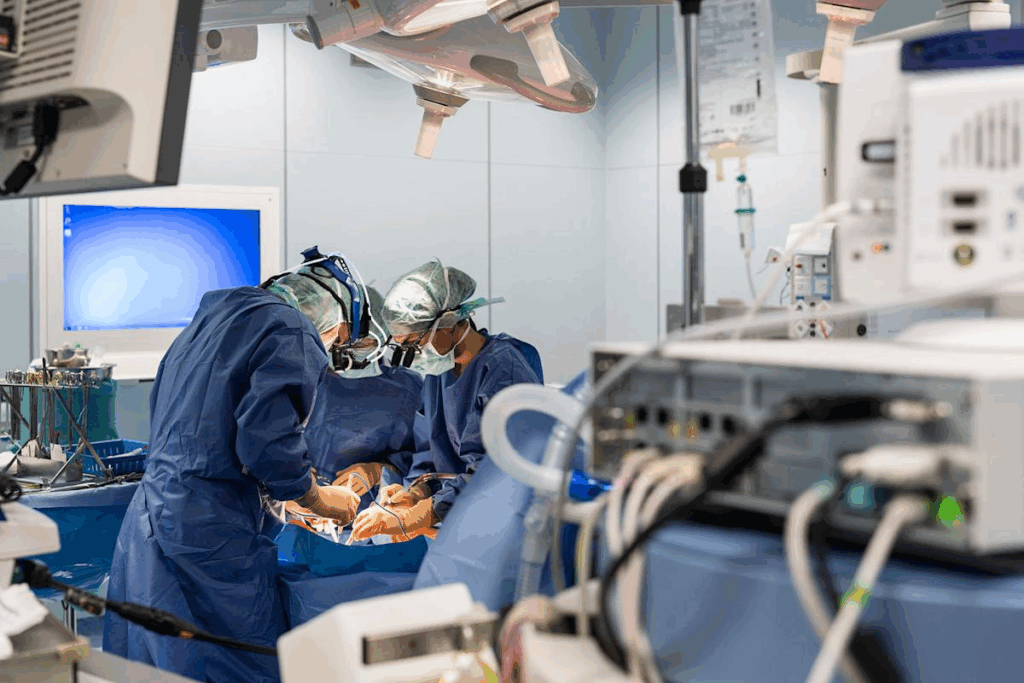
Gastric sleeve surgery has become very popular in recent years. It’s now the top bariatric surgery worldwide. Over 150,000 people get this surgery every year. It’s a big help for those who struggle with obesity.Comprehensive guide detailing the sleeve gastrectomy reviews, benefits, and potential drawbacks of the procedure.
This surgery cuts down the stomach by 75-80%. It makes a small tube-like pouch. This pouch limits how much food you can eat and lowers hunger hormones, like ghrelin. We’ll look at the good and bad sides of this surgery.
We aim to give you a full review of gastric sleeve surgery’s pros and cons. This will help you decide if it’s right for you.
Key Takeaways
- Gastric sleeve surgery is the most popular bariatric procedure globally.
- The surgery involves removing a significant portion of the stomach.
- It helps reduce hunger hormones and restricts food intake.
- Understanding the benefits and drawbacks is key for making a good choice.
- Our review will cover the essential pros and cons of the procedure.
Understanding Gastric Sleeve Surgery

The gastric sleeve procedure is a minimally invasive surgery for weight loss. It removes about 75-80% of the stomach, leaving a narrow stomach or “sleeve.” We’ll look into how it’s done and what makes it different from other surgeries.
The Procedure Explained
Gastric sleeve surgery is done laparoscopically, with small incisions in the abdomen. The surgeon makes small cuts to insert tools. They then remove a big part of the stomach, creating the sleeve.
This surgery can’t be reversed, so patients must be ready for big lifestyle changes. It usually takes 1-2 hours. Most patients go home the same day or after a short stay.
How It Differs from Other Bariatric Surgeries
Gastric sleeve surgery is different from gastric bypass or duodenal switch. It doesn’t involve rerouting the intestines. This makes it safer and less likely to cause nutritional problems.
The surgery is also less invasive, leading to fewer complications and a quicker recovery. This makes it a popular choice for those looking to lose weight.
The Science Behind Sleeve Gastrectomy
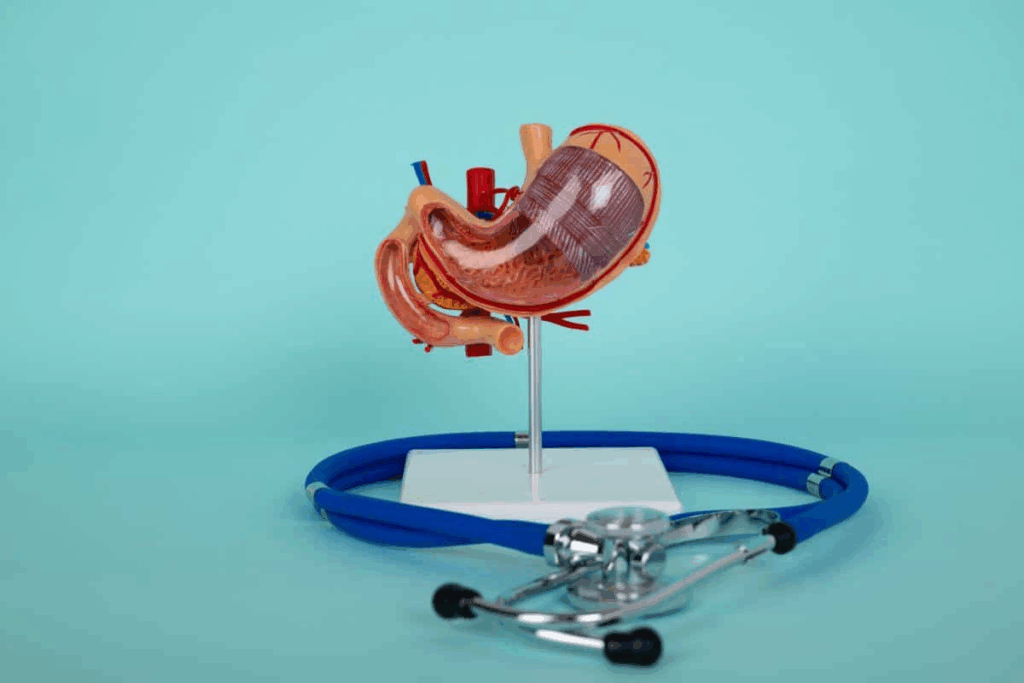
The science behind gastric sleeve surgery is complex. It involves changes in the body that help with weight loss. Sleeve gastrectomy, which removes a big part of the stomach, is very effective for losing weight.
How the Surgery Promotes Weight Loss
The surgery works by limiting how much food you can eat and lowering ghrelin levels, the hunger hormone. With a smaller stomach, you can’t eat as much. This means you take in fewer calories.
- Less stomach space means you can’t eat as much.
- Lower ghrelin levels make you feel less hungry and more full.
- Changes in gut hormones also affect how hungry or full you feel.
People usually lose a lot of weight after surgery. They lose 50-65% of excess weight in the first year. This big weight loss comes from the smaller stomach and hormonal changes.
The Role of Ghrelin Reduction
Ghrelin is a hormone that makes you hungry. The drop in ghrelin levels after surgery is key to its success. By removing the stomach part that makes ghrelin, hunger goes down.
- Less ghrelin means you’re not as hungry.
- Lower ghrelin levels help you eat less.
- This drop in ghrelin is linked to better weight loss results.
The science of sleeve gastrectomy shows how important it is to understand the body’s changes after surgery. By shrinking the stomach and lowering ghrelin levels, it helps you lose weight in a big way.
Comprehensive Sleeve Gastrectomy Reviews and Statistics
Reviews and statistics on sleeve gastrectomy show it’s a top choice for weight loss. With obesity on the rise worldwide, knowing how well this surgery works is key for both patients and doctors.
Success Rates and Patient Satisfaction
Many studies prove sleeve gastrectomy leads to big weight loss and better health. Success rates are based on how much weight is lost and how happy patients are with the results.
Patients usually lose a lot of weight in the first two years after surgery. They also feel much better about their lives and health.
Long-term Outcomes (3-5 Years)
Studies on sleeve gastrectomy’s long-term effects are plentiful. Over 3 to 5 years, patients keep losing weight and see lasting health gains.
One reason for its long-term success is the drop in ghrelin levels, a hunger hormone. This helps patients stick to healthier eating. The surgery also boosts insulin sensitivity, aiding in long-term weight control.
Looking at detailed sleeve gastrectomy reviews and stats helps us grasp its benefits and areas for growth. This knowledge guides patients in making informed choices about their health.
Pro #1: Significant and Sustainable Weight Loss
Gastric sleeve surgery is known for its significant weight loss benefits. It’s a popular choice for those looking to lose a lot of weight. This surgery helps improve health and quality of life.
Expected Weight Loss Timeline
Most weight loss happens in the first year after surgery. The first six months are usually the fastest. Then, the body gets used to the new stomach size.
Patients see a steady and hopeful weight loss path. Most of the weight loss happens in the first 12 to 18 months.
Average Excess Weight Loss Percentages
Studies show patients lose a big part of their excess weight. On average, they lose 50-65% of excess weight in the first year. This loss is both big and lasting.
Here’s a table showing average weight loss percentages at different times:
Time Post-Surgery | Average Excess Weight Loss |
6 months | 40-50% |
1 year | 50-65% |
3 years | 55-70% |
5 years | 50-65% |
The data shows weight loss is big in the first year. It stays strong in years 3-5. This long-term effect is a big plus of gastric sleeve surgery.
Pro #2: Improvement in Metabolic Health Conditions
Gastric sleeve surgery greatly improves metabolic health conditions. It leads to significant weight loss and better health. This surgery helps many patients live a better life.
Impact on Type 2 Diabetes
Gastric sleeve surgery greatly helps with type 2 diabetes. Many patients see big improvements or even get rid of their diabetes. This is because of weight loss and changes in gut hormones.
A study in a medical journal found that gastric sleeve surgery improves blood sugar control. It also lowers the need for diabetes meds. This makes life better for patients and lowers the risk of diabetes problems.
Effects on Hypertension and Cardiovascular Health
Gastric sleeve surgery also helps with hypertension and heart health. It lowers blood pressure and reduces heart disease risk. Patients often need less blood pressure medicine.
A clinical review noted that bariatric surgery, like gastric sleeve, lowers heart disease risk. This is because of better blood pressure, cholesterol, and diabetes control. This shows the surgery’s heart health benefits.
Reduction in Sleep Apnea and Joint Pain
Gastric sleeve surgery also helps with sleep apnea and joint pain. Weight loss reduces sleep apnea by making breathing easier. It also relieves joint pressure, easing pain and improving movement.
Patients often find it easier to do daily tasks. This makes their life quality much better.
Pro #3: Reduced Cancer Risk and Overall Mortality
Research shows that gastric sleeve surgery can greatly lower cancer risk and improve survival rates. Losing a lot of weight after surgery brings many health benefits. This includes a drop in cancer rates and death rates. We’ll look into how gastric sleeve surgery helps prevent cancer and boosts survival chances.
Research on Cancer Prevention
Studies reveal that losing a lot of weight after gastric sleeve surgery can lower cancer risk. Being overweight is a risk factor for many cancers, like breast, colon, and kidney cancer. By losing weight, people can reduce their cancer risk.
A study in the Journal of the American Medical Association found a big drop in cancer cases after bariatric surgery. The study tracked patients for years. It showed that those who had surgery had fewer cancer diagnoses than those who didn’t.
Long-term Survival Benefits
Gastric sleeve surgery not only lowers cancer risk but also boosts survival chances. Significant weight loss can improve health conditions like diabetes, high blood pressure, and heart disease. These conditions can affect how long someone lives.
A detailed review of bariatric surgery outcomes found that gastric sleeve surgery patients had better long-term survival than those without surgery. The review stressed the importance of keeping weight off for these benefits.
The following table summarizes key findings from studies on cancer risk reduction and long-term survival benefits after gastric sleeve surgery:
Study | Findings | Follow-up Period |
Journal of the American Medical Association | Significant reduction in cancer incidence | 5 years |
International Journal of Cancer | Reduction in obesity-related cancer risk | 3-5 years |
Surgery for Obesity and Related Diseases | Improved long-term survival rates | 7-10 years |
In conclusion, gastric sleeve surgery offers big benefits in lowering cancer risk and improving survival. By losing a lot of weight, people can lower their cancer risk and improve their health.
Pro #4: Fewer Nutritional Deficiencies Than Other Procedures
Gastric sleeve surgery has a big advantage over other weight-loss surgeries. It leads to fewer nutritional problems. This is great for those worried about long-term health effects.
Comparison with Gastric Bypass and Duodenal Switch
Gastric bypass and duodenal switch surgeries can cause big problems with nutrient absorption. This increases the risk of nutritional deficiencies. On the other hand, gastric sleeve surgery removes a big part of the stomach but doesn’t mess with the intestines. This means less nutrient loss.
Let’s look at how these surgeries compare:
Bariatric Procedure | Malabsorption Risk | Nutritional Deficiency Risk |
Gastric Sleeve | Low | Moderate |
Gastric Bypass | Moderate to High | High |
Duodenal Switch | High | Very High |
Required Vitamin and Mineral Supplementation
Even though gastric sleeve surgery has fewer nutritional issues, patients might need supplements. This is because the smaller stomach can make it harder to get enough nutrients.
Common Supplements Recommended:
- Multivitamins
- Calcium
- Vitamin D
- Vitamin B12
It’s key for patients to stay in touch with their doctors. This way, they can keep an eye on their nutrition and adjust supplements if needed.
Con #1: Irreversibility of the Procedure
Gastric sleeve surgery is a big deal because it can’t be undone. It changes your stomach forever, affecting your body in lasting ways.
Understanding the Permanent Anatomical Changes
Gastric sleeve surgery makes your stomach much smaller. It removes about 75-80% of it, leaving a narrow tube. This change is permanent, so patients need to be ready for it for life.
The changes from this surgery are big:
- Your stomach is smaller, helping you eat less and lose weight.
- Less stomach means less hunger, thanks to changes in hunger hormones.
- You’ll have to eat differently to avoid problems like nausea and not getting enough nutrients.
Psychological Implications of Permanence
The fact that gastric sleeve surgery can’t be reversed affects your mind too. It means your stomach will always be different. This can make you feel many things, like happiness about losing weight or sadness about losing your old stomach.
It’s very important for patients to get help with their feelings before, during, and after surgery. This support helps them deal with their new body and life. It makes the transition easier and helps them do better overall.
Some important things to think about include:
- Getting used to eating in new ways and changing your lifestyle.
- Handling the emotional side of having a changed stomach forever.
- Understanding what to expect with weight loss and health improvements.
Knowing about the permanent effects of gastric sleeve surgery helps patients make better choices. Doctors should give lots of counseling and support. This helps with both the physical and emotional sides of such a big surgery.
Con #2: Surgical Complications
It’s important to know the risks of gastric sleeve surgery. This surgery, like any big operation, has its own set of problems.
Staple Line Leakage Risks
Staple line leakage is a big worry with gastric sleeve surgery. It happens when there’s a leak along the staple line made during surgery. This can lead to serious issues like infection. We do our best to avoid this, but it’s something patients should keep in mind.
Bleeding and Infection Concerns
Bleeding and infection can happen with any surgery, including gastric sleeve. We use the latest techniques and strict infection control to lower these risks. If you notice signs like too much pain, fever, or bleeding, get help right away.
Long-term Complications
There are also long-term complications to think about with gastric sleeve surgery. These might include nutritional problems, stomach issues, or other health concerns. We keep a close eye on our patients after surgery and deal with any issues quickly.
Con #3: Required Lifestyle Modifications
Gastric sleeve surgery needs patients to make big lifestyle changes. These changes are key for losing weight and getting healthier.
Dietary Restrictions and New Eating Habits
Patients must follow a strict diet after surgery. They eat small, protein-rich meals often. This helps them get the nutrients they need without gaining weight.
They also need to avoid foods that can cause problems, like fizzy drinks and sweets. Following these diet rules is very important for success.
Dietary Component | Pre-Surgery | Post-Surgery |
Meal Frequency | 3 main meals | 5-6 small meals |
Protein Intake | Variable | High protein |
Foods to Avoid | None specific | Carbonated drinks, high-sugar foods |
Physical Activity Requirements
After surgery, staying active is very important. Start with simple walks and slowly add more exercise. Exercise helps with weight loss and keeps you healthy.
We suggest 150 minutes of moderate exercise weekly. Also, do strength training to build muscle. This helps keep the weight off and boosts your health.
Psychological Adjustment to Body Changes
Adjusting to the body changes from surgery is as important as the physical changes. Patients need to accept their new body and lifestyle. Support from doctors, family, and groups is very helpful.
Remember, surgery is a big help, but it’s not a magic solution. It takes time, effort, and a willingness to change.
The Recovery Process and What to Expect
After gastric sleeve surgery, patients start a recovery phase that’s as vital as the surgery itself. Knowing this process is key for a smooth recovery.
Hospital Stay and Immediate Post-Op Period
The hospital stay after gastric sleeve surgery is usually short, lasting from one to two days. Medical staff watch over patients closely for any immediate issues and manage pain. Effective pain management is a top priority to keep patients comfortable.
When patients go home, they get detailed instructions on post-op care. This includes dietary guidelines, wound care, and what to watch for in case of complications. It’s vital to follow these instructions closely to avoid risks.
Returning to Normal Activities
The recovery period at home can last several weeks. During this time, patients slowly get back to their usual activities. Rest is advised at first, with a gradual increase in physical activity. Listening to one’s body and not pushing too hard is important during this time.
Activity | Recommended Timeline |
Light Walking | Within 1-2 weeks |
Moderate Exercise | After 3-4 weeks |
Strenuous Activities | After 6-8 weeks |
Managing Pain and Discomfort
Pain management is a big part of the recovery. Patients usually get pain medication to help with discomfort. Staying hydrated and eating soft foods at first can also help reduce pain and aid in healing.
By understanding the recovery process and following the post-op instructions, patients can avoid complications and have a successful outcome from their gastric sleeve surgery.
Conclusion: Weighing the Decision for Gastric Sleeve Surgery
Gastric sleeve surgery is a big choice that needs careful thought. It can lead to lasting weight loss and better health. But, it also has risks like surgery problems and lifestyle changes needed.
Before deciding, think about your own situation and goals. It’s smart to talk to a doctor to get all the facts. This way, you can make a choice that’s right for you.
Understanding the good and bad points of gastric sleeve surgery is key. This helps you see if it’s the right choice for you. Always talk to a doctor before making a decision.
FAQ
What is gastric sleeve surgery?
Gastric sleeve surgery, also known as sleeve gastrectomy, is a type of bariatric surgery. It removes a large part of the stomach. This leaves a narrow “sleeve” or tube-like stomach.
How does gastric sleeve surgery promote weight loss?
Gastric sleeve surgery limits food intake by reducing the stomach’s size. It also decreases ghrelin production. Ghrelin is a hormone that makes you hungry.
What are the benefits of gastric sleeve surgery?
Gastric sleeve surgery leads to significant weight loss. It also improves metabolic health and reduces cancer risk. Plus, it causes fewer nutritional deficiencies than other bariatric surgeries.
What are the possible complications of gastric sleeve surgery?
Possible complications include staple line leakage, bleeding, and infection. Long-term issues like nutritional deficiencies and gastrointestinal problems can also occur.
Is gastric sleeve surgery reversible?
No, gastric sleeve surgery is not reversible. It involves permanently removing a large part of the stomach.
What lifestyle changes are required after gastric sleeve surgery?
After surgery, patients must make big lifestyle changes. This includes dietary changes, more physical activity, and adjusting to new eating habits.
How long does it take to recover from gastric sleeve surgery?
Recovery time varies. Most patients stay in the hospital for a few days. They can return to normal activities in a few weeks.
What are the pros and cons of gastric sleeve surgery?
The pros include significant weight loss and improved metabolic health. The cons are its irreversibility, possible complications, and the need for lifestyle changes.
How effective is gastric sleeve surgery in achieving weight loss?
Gastric sleeve surgery is very effective. Patients usually lose a lot of weight in the first year after surgery.
What are the long-term outcomes of gastric sleeve surgery?
Long-term outcomes include sustained weight loss and improved metabolic health. Most patients see significant health and quality of life improvements.
What are the benefits of gastric sleeve surgery compared to other bariatric procedures?
Gastric sleeve surgery has fewer nutritional deficiencies and less risk of intestinal complications. It’s also a simpler procedure compared to others.
Are there any downsides to gastric sleeve surgery?
Yes, downsides include irreversibility, possible complications, and the need for lifestyle changes. These should be carefully considered before deciding.
Reference
National Center for Biotechnology Information. Evidence-Based Medical Guidance. Retrieved from https://www.ncbi.nlm.nih.gov/pmc/articles/PMC7961448/