Soft tissue sarcoma is a rare cancer that can grow in any body tissue. The American Cancer Society says about 13,520 new cases will be found in the U.S. in 2025.Learn small soft tissue sarcoma signs, symptoms, and care options for children.
The abdomen is a common place for these tumors to appear. They often grow quietly, making it hard to catch them early. Knowing the key facts about sarcoma in the abdomen is key for quick diagnosis and treatment.
Liv Hospital is a leader in treating rare cancers like small soft tissue sarcoma. They offer advanced care that focuses on the patient. Spotting this disease early can greatly improve treatment results. This shows how important it is to know the main facts about this condition.
Key Takeaways
- Soft tissue sarcomas are rare and can occur in various parts of the body, including the abdomen.
- Early detection is key for effective treatment and better outcomes.
- The American Cancer Society estimates around 13,520 new soft tissue sarcoma cases in the U.S. in 2025.
- Liv Hospital offers specialized care for patients with rare conditions like small soft tissue sarcoma.
- Understanding the essential facts about sarcoma in the abdomen is vital for timely diagnosis.
What is Small Soft Tissue Sarcoma?
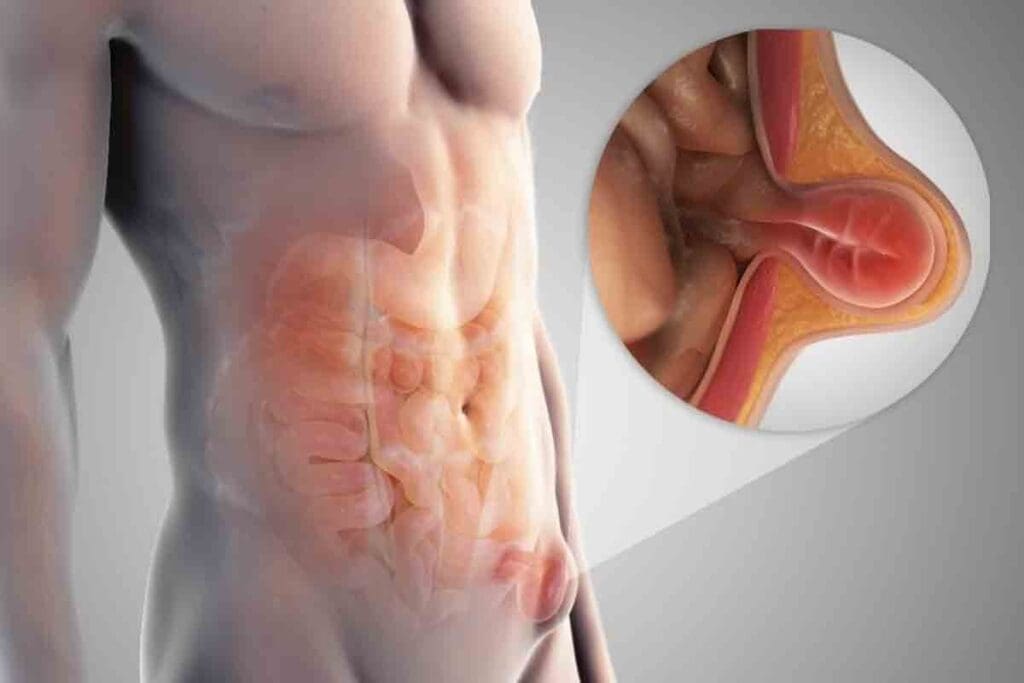
Soft tissue sarcoma is a rare cancer that starts in the body’s connective tissues. These tissues include fat, muscle, and blood vessels. When it happens in the abdomen, it’s harder to diagnose and treat.
Definition and Origin in Connective Tissues
Soft tissue sarcomas happen when DNA in soft tissue cells mutates. This leads to cells growing out of control. says this can be due to genetics or chemicals.
These tumors can grow in any connective tissue. They can be different in how aggressive they are and how fast they grow.
Prevalence and Risk Factors
Soft tissue sarcomas are rare, making up 1% of adult cancers. Risk factors include:
- Genetic conditions, such as neurofibromatosis or Li-Fraumeni syndrome
- Exposure to radiation therapy
- Chemical exposure, like certain industrial chemicals
- A history of certain viral infections
Knowing these risk factors helps with early detection and treatment.
Why the Abdomen is a Common Site
The abdomen is a common place for these tumors because of its many connective tissues. Abdominal sarcomas can grow big before they’re found. This is because they often don’t show symptoms until they press on or invade nearby organs.
“The retroperitoneal space, which is located behind the abdominal organs, can harbor large sarcomas that may not be symptomatic until they are quite large, making early detection challenging.”
This shows why it’s key to stay aware and get regular check-ups if you’re at risk.
Types of Soft Tissue Sarcoma Found in the Abdomen

Abdominal soft tissue sarcomas are a mix of tumors from different tissues. They can be hard to diagnose and treat because of their varied traits and locations in the abdomen.
Leiomyosarcoma: Arising from Smooth Muscle
Leiomyosarcoma is a common soft tissue sarcoma that comes from smooth muscle cells. It grows quickly and can get big before being found. Leiomyosarcomas often appear in the retroperitoneum, an area behind the peritoneum in the abdomen.
Liposarcoma: Developing in Fatty Tissue
Liposarcoma is a common soft tissue sarcoma that starts in fatty tissue. It can be less aggressive or very malignant. Liposarcomas in the abdomen can grow large and cause symptoms because of their size and location.
Desmoplastic Small Round Cell Tumor
Desmoplastic small round cell tumor (DSRCT) is a rare and aggressive soft tissue sarcoma. It often shows up in the abdominal cavity and mainly affects young people. DSRCT has a poor prognosis because it grows quickly and often spreads widely.
Other Significant Subtypes
Other than leiomyosarcoma, liposarcoma, and DSRCT, there are other types of soft tissue sarcoma in the abdomen. These include undifferentiated pleomorphic sarcoma, synovial sarcoma, and malignant peripheral nerve sheath tumors. Each type has its own unique features and how it behaves.
Knowing the exact type of soft tissue sarcoma is key to finding the right treatment and predicting how well a patient will do. The variety of sarcoma types in the abdomen shows why a team approach is needed to manage these complex tumors.
Early Detection: Signs and Symptoms of Abdominal Sarcoma
Finding the early signs of abdominal sarcoma is key to getting help quickly. Soft tissue sarcomas in the belly can show up in different ways. This makes it hard to diagnose them.
Painless Masses and Non-Tender Lumps
A common sign of abdominal sarcoma is a painless mass or lump. These lumps can grow a lot before they start to hurt. This is why they are a big worry.
Abdominal Discomfort and Pain Patterns
As the tumor gets bigger, it can cause abdominal discomfort or pain. The pain can be steady or come and go. It can also get worse over time.
People might feel anything from a little discomfort to a lot of pain. This depends on how big the tumor is and where it is.
Symptoms from Organ Compression
Big tumors can push on nearby organs. This can cause different symptoms. For example, pushing on the bowel can lead to constipation or bowel obstruction. Pushing on the urinary tract can cause urinary retention.
Spotting these symptoms early can help diagnose and treat abdominal sarcoma. If you or someone you know has any of these signs, getting medical help is very important.
Small Soft Tissue Sarcoma: From Early Stage to Advanced Disease
It’s key to know how small soft tissue sarcoma grows to catch it early. This knowledge helps doctors treat it better. It can make patients live longer and feel better.
Initial Formation and Growth Patterns
Small soft tissue sarcoma starts as a small, painless lump in the belly. These lumps might not hurt, so it’s important to get checked often. As it grows, it can press on other parts, causing pain or discomfort.
Growth patterns differ among sarcoma types. For example, leiomyosarcoma and liposarcoma grow at different rates. Watching how they grow helps doctors choose the right treatment.
Progression Timeline
How fast small soft tissue sarcoma grows depends on several things. These include the type of sarcoma, its grade, and the patient’s health. High-grade sarcomas grow faster than low-grade ones.
“Early detection is key to improving survival rates for patients with soft tissue sarcoma.”
Knowing how fast it grows helps doctors make treatment plans that fit each patient’s needs.
Size Progression: From Small Lumps to Grapefruit-Sized Masses
As it grows, small soft tissue sarcoma can become quite large. It can even grow as big as a grapefruit. How big it gets helps doctors figure out the stage and plan treatment.
Seeing a small lump turn into a grapefruit-sized tumor shows why regular check-ups are so important. They help catch the disease early and treat it effectively.
Diagnostic Approaches for Identifying Abdominal Sarcomas
Diagnosing abdominal sarcomas involves several steps. First, a detailed medical history and physical exam are done. This helps find any signs of a sarcoma.
Imaging studies are key in finding sarcomas. X-rays, CT scans, and MRIs help spot tumors and see how big they are. These tests also help doctors plan the best treatment.
Imaging Techniques
Computed Tomography (CT) scans are great for seeing where the tumor is and how big it is. Magnetic Resonance Imaging (MRI) shows soft tissues well, helping to tell different tumors apart. The right imaging depends on the tumor and the patient’s health.
Biopsy Methods and Pathological Assessment
Imaging gives clues, but a biopsy is needed for a sure diagnosis. A biopsy takes tissue from the tumor for a microscope check. This check tells what kind of sarcoma it is and how serious it is.
The biopsy’s quality and the pathologist’s skill are very important. Sometimes, more tests like immunohistochemistry and molecular diagnostics are done. These tests help understand the tumor better.
Visual Characteristics: What Does Soft Tissue Sarcoma Look Like?
It’s important to know what soft tissue sarcoma looks like to catch it early. These tumors can look different, making them hard to spot. They often show up as irregular masses that include muscle and fiber, unlike normal growths.
Appearance on Imaging
On scans, soft tissue sarcomas look like irregularly shaped masses. They mix muscle and fiber, which is a key sign. MRI or CT scans are key for seeing how big the tumor is and where it is.
Scans can tell sarcomas apart from other tumors or growths. For example, seeing necrosis or hemorrhage in the tumor points to a sarcoma.
Physical Characteristics During Examination
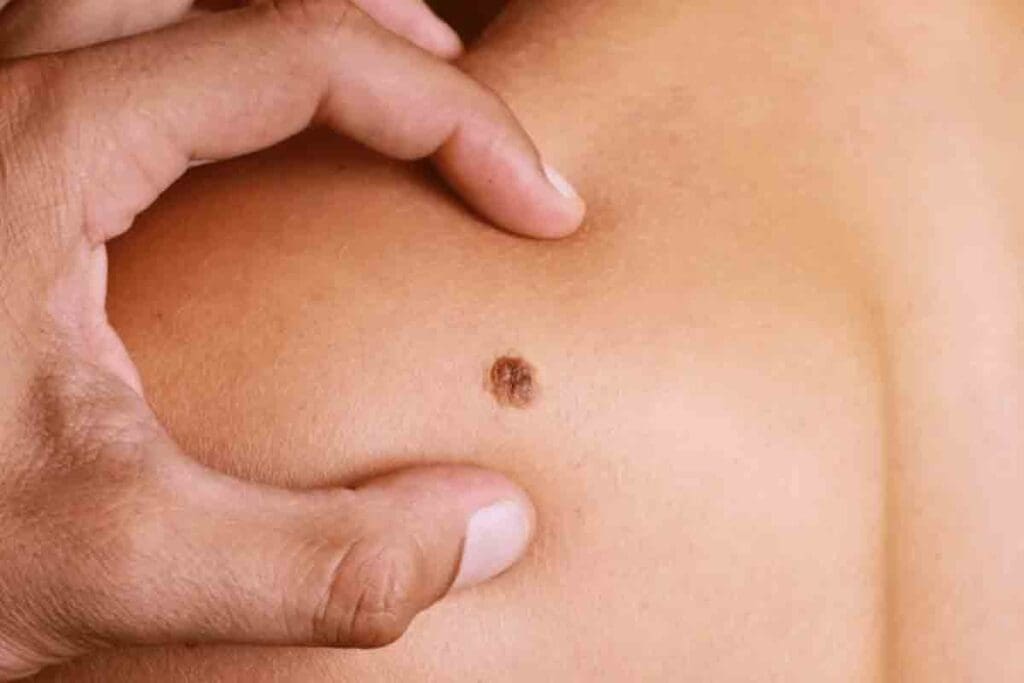
When checked by hand, soft tissue sarcomas feel like a painless lump under the skin. As it grows, it might hurt, pressing on nearby organs or nerves. The lump’s feel can vary, being firm or soft.
The tumor might stick to deeper tissues, making it hard to move. The size of the lump can be small or quite large.
Differentiating from Benign Growths
Telling soft tissue sarcomas from benign growths is tricky just by feeling them. But, signs like rapid growth or fixation to deeper tissues might suggest a sarcoma.
Imaging and a biopsy are key to confirm a diagnosis. The muscle and fiber involvement seen on scans is a big clue for sarcomas.
Skin Sarcomas vs. Deep Abdominal Sarcomas
It’s important to know the difference between skin sarcomas and deep abdominal sarcomas. This difference affects how doctors treat them and how well patients do. Skin sarcomas, like dermatofibrosarcoma protuberans, grow on the skin’s surface. They might look like harmless growths at first.
Dermatofibrosarcoma Protuberans: A Superficial Variant
Dermatofibrosarcoma protuberans is a rare skin sarcoma. It grows slowly and can spread deeper if not treated. It shows up as a firm, painless bump or plaque, usually on the trunk or limbs.
“Early detection of dermatofibrosarcoma protuberans is key. It greatly improves treatment results and lowers the chance of it coming back.”
Progression Patterns from Skin to Deeper Tissues
Skin sarcomas, like dermatofibrosarcoma protuberans, can grow from the skin’s surface to deeper layers. This makes treatment harder. Deep abdominal sarcomas start in the belly and often don’t show symptoms until they’re big.
- Skin sarcomas are easier to spot, leading to earlier treatment.
- Deep abdominal sarcomas are often not noticed until they’re large.
Comparative Prognosis
The outlook for skin sarcomas and deep abdominal sarcomas is different. Skin sarcomas caught early usually do well because they’re easy to remove surgically. Deep abdominal sarcomas need more complex treatments and have a higher chance of coming back.
Doctors need to understand these differences to give the best care. Knowing the special traits of each type helps patients get better care. This can lead to better results for them.
High-Grade vs. Low-Grade Sarcomas: Understanding Aggressiveness
The grade of a sarcoma tells us how aggressive it is and how fast it might grow. Soft tissue sarcomas can be very different, from slow-growing to very aggressive.
Tumor Grading System Explained
The tumor grading system helps pathologists understand how aggressive sarcomas are. They look at how the tumor cells look, how often they divide, and if there’s dead tissue. The French Federation of Cancer Centers Sarcoma Group (FNCLCC) system is common. It divides sarcomas into three grades: low-grade, intermediate-grade, and high-grade.
Table 1: FNCLCC Grading System
| Grade | D differentiation | Mitotic Rate | Necrosis |
| 1 | Well differentiated | Low | Absent |
| 2 | Moderately differentiated | Moderate | |
| 3 | Poorly differentiated | High | > 50% |
Growth Rate and Size Correlation
The growth rate of a sarcoma is linked to its grade. High-grade sarcomas grow faster and are more likely to spread. Size also matters, but the grade is key to understanding the tumor’s behavior.
Impact of Grade on Treatment Decisions
The grade of a sarcoma affects treatment choices. High-grade sarcomas need aggressive treatments like surgery, radiation, and chemotherapy. Low-grade sarcomas might be treated with surgery alone or watched closely.
Knowing the grade of a sarcoma is vital for doctors to plan the right treatment for each patient.
Abdominal Sarcomas vs. Sarcomas in Other Locations
Sarcomas can happen in many parts of the body. But, sarcomas in the abdomen are different from those in other places.
Comparison with Sarcoma Lumps in Arms
Sarcomas in the arms are easier to spot because they are closer to the surface. This means doctors can find them sooner. But, sarcomas in the abdomen grow bigger before anyone notices them.
Key differences:
- Visibility and detectability
- Symptom manifestation
- Treatment approaches
Differences from Sarcomas on the Back
Sarcomas on the back might be harder to find early, like those in the abdomen. But, some on the back can be found sooner if they are near the skin. Deep ones, though, are as tricky to find as abdominal ones.
Unique Challenges of Abdominal Location
The abdomen is a complex area. Sarcomas here can grow a lot before anyone notices. This makes them hard to find and treat.
The table below shows how abdominal sarcomas differ from those in other spots:
| Location | Detectability | Symptoms | Treatment Challenges |
| Abdomen | Late detection due to deep-seated nature | Non-specific, often related to organ compression | Complex anatomy, proximity to vital organs |
| Arms | Earlier detection due to superficial location | Visible lump, pain if near nerves | Less complex anatomy, but possible nerve and vessel issues |
| Back | Variable detectability depending on depth | Pain, visible lump if superficial | Potential for spinal involvement, complex anatomy |
Treatment Options for Small Soft Tissue Sarcoma in the Abdomen
Dealing with small soft tissue sarcoma in the abdomen needs a mix of treatments. The right treatment depends on the tumor’s size, grade, and where it is. It also depends on the patient’s health.
Surgical Approaches and Considerations
Surgery is often the first step for treating small soft tissue sarcoma in the abdomen. The goal is to take out the tumor and some healthy tissue around it. The surgeon’s method can change based on the tumor’s size and where it is.
Surgical Techniques:
- Wide local excision: Removing the tumor along with a margin of healthy tissue.
- Compartmental resection: Removing the tumor and the entire compartment in which it is located.
For more information on surgical approaches, visitNational Cancer Institute.
Radiation Therapy Protocols
Radiation therapy can be used before or after surgery to kill any cancer cells left behind. It’s also used if surgery isn’t possible.
| Type of Radiation Therapy | Description |
| External Beam Radiation Therapy (EBRT) | Delivers radiation from outside the body to the tumor site. |
| Brachytherapy | Involves placing radioactive material directly into or near the tumor. |
Chemotherapy Regimens
Chemotherapy is used for soft tissue sarcomas that have spread or are at high risk of spreading. The choice of chemotherapy drugs depends on the type and grade of the sarcoma.
Chemotherapy Drugs:
- Doxorubicin
- Ifosfamide
- Dacarbazine
Emerging Targeted Therapies and Immunotherapy
Targeted therapies and immunotherapy are new and promising treatments for soft tissue sarcomas. These treatments aim to target specific cancer cells or boost the body’s immune response against cancer.
Treating small soft tissue sarcoma in the abdomen is complex. It needs a team effort. Patients should talk to a healthcare provider to find the best treatment plan.
Conclusion: Living with Sarcoma – Prognosis and Quality of Life
It’s key to know about soft tissue sarcoma early for better treatment. People with small sarcoma in the abdomen can live longer and feel better with quick medical help.
Dealing with sarcoma means having a detailed treatment plan. This includes surgery, radiation, and chemotherapy. Knowing about soft tissue sarcoma helps patients make better choices, improving their chances.
Spotting sarcoma early is very important. Signs like painless lumps or belly pain mean it’s time to see a doctor. This can lead to better treatment and results.
Staying up-to-date on sarcoma facts and new treatments helps patients. They can then play a big part in their care. This improves their life quality and chances of beating the disease.
FAQ
What is small soft tissue sarcoma in the abdomen?
Small soft tissue sarcoma in the abdomen is a rare cancer. It starts in the connective tissues like fat, muscle, and blood vessels inside the belly.
What are the common types of soft tissue sarcoma found in the abdomen?
Common types include leiomyosarcoma, liposarcoma, and desmoplastic small round cell tumor. Each has its own characteristics and how common it is.
What are the signs and symptoms of abdominal sarcoma?
Symptoms can be painless lumps, belly pain, and other issues like nausea or trouble breathing. These happen when the tumor presses on organs.
How is abdominal sarcoma diagnosed?
Doctors use CT scans and MRI to find the tumor. Then, they take a biopsy and check it under a microscope to confirm it’s a sarcoma.
What does soft tissue sarcoma look like on imaging?
On scans, it looks like irregular masses. These can involve muscle and fibers, making it different from normal growths.
How does the grade of sarcoma affect treatment decisions?
The grade of sarcoma shows how aggressive it is. High-grade sarcomas need more intense treatments.
What are the treatment options for small soft tissue sarcoma in the abdomen?
Treatments include surgery, radiation, chemotherapy, and new therapies like targeted and immunotherapy. The choice depends on the sarcoma’s type, grade, and stage.
How does the location of sarcoma, such as in the abdomen versus the arm or back, impact prognosis?
Where the sarcoma is can affect how well you do. It’s because of differences in finding it early, how hard surgery is, and if it presses on organs.
What is the prognosis for individuals living with sarcoma?
How well you do depends on the sarcoma type, grade, stage, and how it responds to treatment. Early detection and good treatment are key.
Can soft tissue sarcoma be mistaken for other conditions?
Yes, it can look like benign conditions. This is why getting a thorough diagnosis is so important.
Are there any specific risk factors for developing abdominal sarcoma?
Risk factors might include genetic conditions, past radiation, and certain genetic syndromes. But many cases happen without known risks.
Reference
- National Cancer Institute. (2023, June 2). Soft tissue sarcoma treatment (PDQ®) – patient version. U.S. Department of Health and Human Services. Retrieved fromhttps://www.cancer.gov/types/soft-tissue-sarcoma/patient/adult-soft-tissue-treatment-pdq