
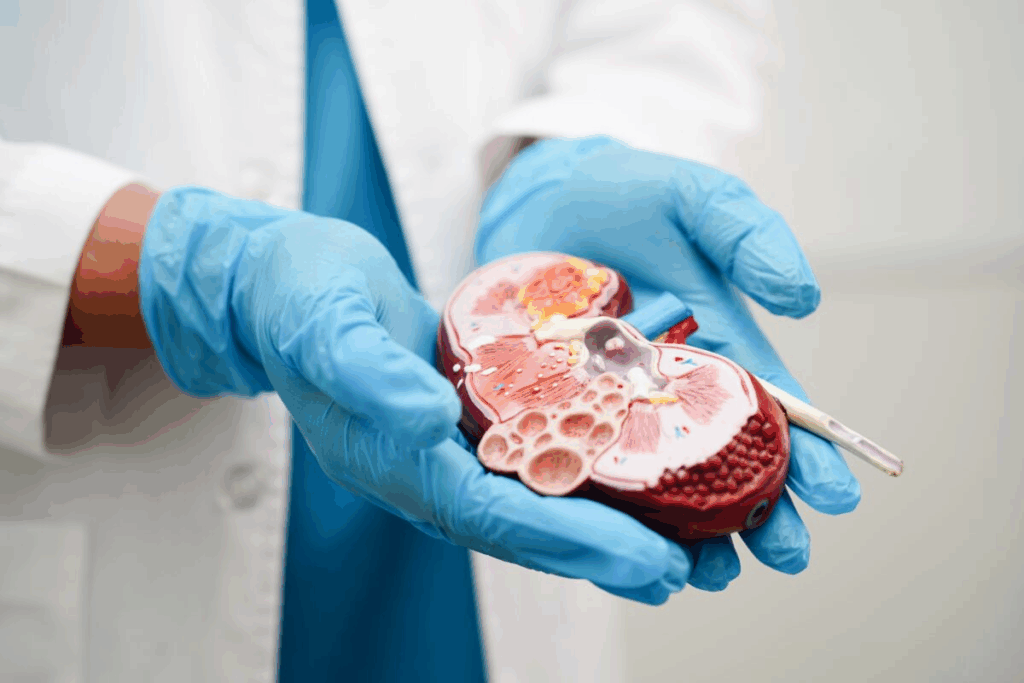
Kidney stones are interesting mineral deposits that come in different sizes and looks. They can be as small as a grain of sand or as big as a golf ball. Every year, about one million people deal with kidney stones.
Learning about kidney stones helps people prevent them. At Liv Hospital, we use the latest technology and tailor-made plans to help our patients.
Key Takeaways
- Kidney stones can grow to varying sizes, from a grain of sand to a golf ball.
- Approximately one million people are affected by kidney stones every year.
- Understanding kidney stone characteristics is key to preventing them.
- Liv Hospital offers personalized prevention strategies for patients.
- Cutting-edge diagnostic techniques are used to support patient care.
The Hidden World of Kidney Stones
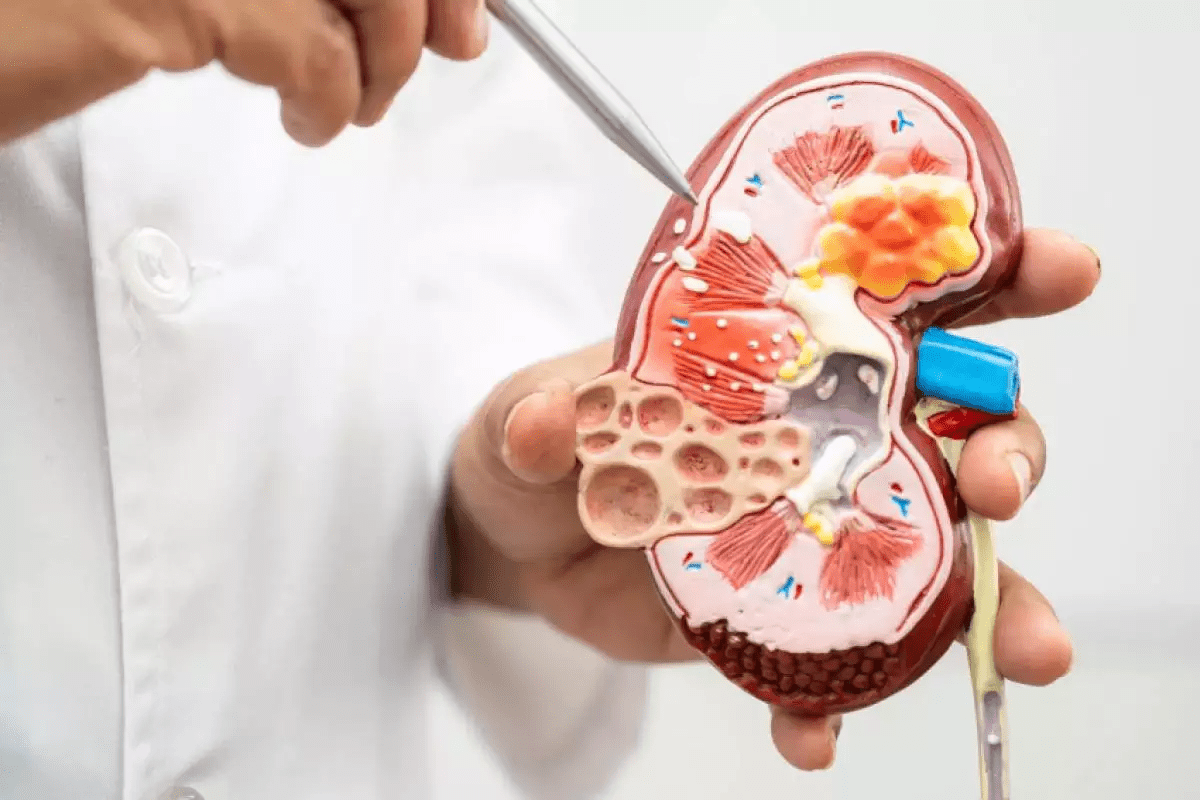
Kidney stones affect millions worldwide but are often misunderstood. We’ll look into what causes them, shedding light on this health concern.
What Makes Kidney Stones Form
Kidney stone formation is complex, influenced by many factors. Inadequate fluid intake is a key cause, as it makes minerals in urine concentrate and form stones. Other important factors include family history, diet, and certain medical conditions. For example, a diet high in sodium and low in calcium raises the risk of kidney stones.
Knowing these risk factors is key to prevention. By understanding dehydration, diet, and medical conditions, people can lower their risk of kidney stones.
Why Kidney Stones Deserve Your Attention
Kidney stones are more than just pain; they can signal deeper health issues. If you have recurring stones, it might mean you have metabolic problems or other health concerns. The pain from kidney stones can also greatly affect your quality of life.
It’s important to watch and manage kidney stone growth. Monitoring and managing kidney stone growth is key to avoid complications like blockages or infections. Knowing the facts about kidney stones and their causes helps manage the condition and seek the right medical care.
In summary, kidney stones are a major health issue that needs attention. Understanding what causes them and how to manage them is essential for better prevention and treatment.
Fact 1: Kidney Stones Range From Sand Grains to Golf Balls
Kidney stones can be tiny or quite large, from a grain of sand to a golf ball. This size range is interesting and important for diagnosis and treatment.
The Astonishing Size Spectrum
The average size of a kidney stone is 5-7 mm. But, they can be much smaller or bigger. Stones under 5 mm might pass on their own, while bigger ones need medical help.
Imagine a stone as small as 1 mm, like a grain of sand, or as big as 1 cm, like a golf ball. The stone’s size affects symptoms and treatment.
The 5-Inch Monster: Record-Breaking Kidney Stones
Most kidney stones are not huge, but some are. The biggest stone ever recorded was over 5 inches long and weighed over a pound. Such big stones are rare but show what can happen if stones grow big.
How Doctors Measure Kidney Stone Size
Doctors use X-rays, CT scans, or ultrasounds to measure stone size. These tests show the stone’s size and where it is. This info helps decide the best treatment.
Knowing a stone’s size is key for patients and doctors. It helps figure out the risk, if it will pass on its own, and the best treatment.
Fact 2: The Smooth Kidney Stone Mystery Explained
The mystery of smooth kidney stones is slowly being solved. Research has found their unique features. These stones are a special type that has caught a lot of attention.
Calcium Oxalate Monohydrate: The Building Blocks
Smooth kidney stones are made mostly of calcium oxalate monohydrate crystals. These crystals form in a way that makes the stone smooth. The process of creating these crystals is complex and involves many factors.
Studies have found that certain substances in urine can affect how these crystals form. For example, high levels of oxalate can make it more likely for these crystals to form.
Concentric Crystal Patterns in Smooth Stones
Smooth kidney stones have a unique concentric crystal pattern. This pattern comes from the way calcium oxalate monohydrate crystals stack up around a center. This arrangement makes the stone’s surface smooth.
This pattern is not just interesting to look at. It also tells us about how the stone grew. By studying these patterns, scientists can learn about the stone’s history.
Why Smooth Stones Behave Differently
Smooth kidney stones act differently than other stones because of their makeup and shape. Their smooth surface might make it easier for them to move through the urinary tract.
Some key things about smooth kidney stones include:
- They are less likely to cause severe pain because of their smooth surface
- They might respond differently to treatment than jagged stones
- They grow in a unique way because of their composition
Knowing these things is important for finding the best treatment for smooth kidney stones.
Fact 3: Jagged Kidney Stones and Their Unique Properties
Kidney stones come in many shapes and sizes, with jagged ones being quite challenging. These stones are made of calcium oxalate dihydrate crystals on their surface. This makes them irregular and rough.
Calcium Oxalate Dihydrate Crystal Formation
Calcium oxalate dihydrate crystals form in urine under certain conditions. When there’s too much calcium and oxalate, these crystals fall out of solution. They then stick to the stone’s surface, giving it a jagged look.
Why Some Stones Develop Sharp Edges
Sharp edges on kidney stones come from how calcium oxalate dihydrate crystals grow. As they grow, they can form sharp points and irregular shapes. The speed of growth and other substances in the urine affect the stone’s final shape.
The Pain Factor: Smooth vs. Jagged Stones
People with jagged kidney stones often feel more pain than those with smooth ones. The jagged surface irritates and damages the urinary tract lining more. This leads to more discomfort. We’ll look into this further, comparing pain levels from different stone types.
In summary, jagged kidney stones have special features that set them apart from smooth ones. Knowing these differences is key for proper diagnosis and treatment.
Fact 4: Decoding Kidney Stone Colors: Yellow, Brown, and Beyond
The color of a kidney stone tells us more than just how it looks. It shows what the stone is made of and what health issues it might point to. Kidney stones come in many colors, each telling a story about their makeup and how they formed.
The Color Spectrum of Kidney Stones
Kidney stones can be yellow, brown, black, or even white. Their color mainly shows what they’re made of. For example:
- Yellow or brown stones are often calcium oxalate.
- Black stones might have a lot of melanin or other pigments.
- White stones are usually calcium phosphate or magnesium ammonium phosphate.
What Your Stone’s Color Reveals About Its Composition
The color of a kidney stone can tell us a lot about it. For example:
- Yellow or Brown Stones: These are often calcium oxalate. Yellow might mean more oxalate, while brown could mean other substances like phosphate.
- Dark or Black Stones: These might have melanin or other pigments. They could be linked to certain health or genetic conditions.
- White or Whitish Stones: These are usually calcium phosphate or magnesium ammonium phosphate. They might be related to urinary tract infections or metabolic disorders.
Unusual Kidney Stone Colors and Their Medical Significance
While most stones are yellow to brown, some have unusual colors. This can be due to:
- Infection-related stones might be green or have a unique color because of bacteria.
- Medication-induced stones could have special colors based on the drugs used.
- Genetic conditions might cause stones with unusual colors, hinting at health issues.
Knowing a kidney stone’s color is not just about looks. It’s a key tool for doctors to figure out what the stone is and what health problems it might show. This info is key for treating the stone and stopping more from forming.
Fact 5: The Surprising Prevalence of Kidney Stones in America
Kidney stones are more common than many think. A surprising number of Americans get them. This is a big health issue in the U.S., affecting many people.
11% of Men vs. 6% of Women: Understanding the Gender Gap
About 11% of men and 6% of women in the U.S. will get kidney stones at some point. This difference has caught the attention of doctors. Men are nearly twice as likely as women to get kidney stones. Hormones, diet, and genes play a role in this gap.
A study found that the reasons for this gender difference are complex. Hormones, genes, and lifestyle all play a part. Knowing this helps doctors find ways to prevent kidney stones.
Age-Related Risk Peaks: The 40-60 Year Danger Zone
The risk of getting kidney stones goes up with age, peaking at 40-60. People in this age group are more likely to have their first stone. This is due to lifestyle changes, diet, and aging. Older people are more likely to get certain types of stones.
Geographic and Demographic Patterns
Where you live and who you are also affects your risk of kidney stones. Some areas have more stones due to diet, climate, and genes. For example, places with hard water have more stones.
Looking at the data, we see many factors at play. Gender, age, where you live, and lifestyle all matter. Doctors can use this info to better prevent and treat kidney stones.
“The epidemiology of kidney stones is complex, with multiple factors contributing to their formation. Understanding these factors is essential for developing effective prevention and treatment plans.”
Fact 6: Yes, Kidney Stones Can Grow Larger Over Time
Research shows that kidney stones can grow, which is a big health risk. This happens due to diet, medical conditions, and genetics.
The Growth Process Explained
Kidney stones grow through crystallization. This is when minerals in urine form crystals. These crystals then grow into bigger stones over time.
The growth speed varies. It depends on how fast you metabolize, your urine’s makeup, and your health.
Diet is key in stone growth. Foods high in oxalate, sodium, and animal protein can make stones grow. But, eating fruits, veggies, and whole grains can help prevent this.
How Fast Do Kidney Stones Grow?
Kidney stones grow at different rates. Some stay small for years, while others grow fast and cause a lot of pain. The type of stone, your health, and lifestyle choices affect how fast they grow.
Can Small Stones Become Dangerous?
Yes, small stones can be dangerous if they block the urinary tract. They can also cause severe pain. Plus, small stones can grow into bigger ones if not treated.
Knowing what makes stones grow is key to preventing and managing them. Making smart lifestyle choices and getting the right medical care can help avoid big problems.
Fact 7: Blood Sugar Levels and Kidney Stone Growth
Research has found a strong link between blood sugar levels and kidney stone growth. This is key to understanding what causes kidney stones to develop and grow.
The 100 mg/dl Threshold: What Research Shows
Studies show that fasting glucose levels over 100 mg/dl are linked to bigger kidney stones. This finding is important because it shows managing blood sugar can help prevent kidney stones from growing.
A recent study found that people with fasting glucose over 100 mg/dl were more likely to see their kidney stones grow. This means keeping blood sugar below this level might help manage kidney stone growth.
Metabolic Connections Between Diabetes and Stone Formation
There’s a clear link between diabetes and a higher risk of kidney stones. Diabetes-related metabolic changes, like insulin resistance and high blood sugar, can lead to kidney stones.
Insulin resistance, common in type 2 diabetes, can change urine composition, making it more likely for kidney stones to form. High blood sugar also increases the concentration of substances that can form stones in urine.
“The metabolic syndrome, which includes insulin resistance and hyperglycemia, is associated with an increased risk of kidney stone formation.”
Dietary Strategies to Control Both Blood Sugar and Stone Growth
Controlling blood sugar and preventing kidney stones can be done through diet. Eating a balanced diet low in sugar and salt, and high in fruits, vegetables, and whole grains can help manage blood sugar and reduce stone risk.
Here are some dietary strategies that can help:
- Reduce intake of refined sugars and carbohydrates
- Increase consumption of fiber-rich foods
- Stay hydrated by drinking plenty of water
- Limit intake of animal protein and salt
Dietary Component | Recommended Intake | Benefit |
Refined Sugars | Limit to | Reduces risk of high blood sugar |
Fiber | 25-30 grams per day | Helps control blood sugar and promotes satiety |
Hydration | At least 8 cups (64 oz) per day | Dilutes urine and reduces stone-forming substances |
By following these dietary strategies, people can lower their risk of kidney stone growth and better manage their blood sugar levels.
Multiple Kidney Stones: When One Is Not Enough
Kidney stones can be a problem, but for many, it’s more than one stone. This is more common than you might think. It’s key to know what having multiple stones means.
Simultaneous Stone Formation
Studies show that multiple stones can form at the same time. The number of stones varies a lot from person to person. Some have many small stones, while others have a mix of small and large ones.
Factors like diet, genes, and health conditions can lead to multiple stones. People who have had stones before are more likely to get them again.
Managing Multiple Stone Episodes
Handling multiple stone episodes needs a detailed plan. This includes:
- Hydration: Drinking lots of water to help pass small stones and prevent new ones.
- Dietary changes: Staying away from foods that can cause stones, like those high in oxalate or sodium.
- Medical treatment: Sometimes, doctors may prescribe medicine to ease symptoms or stop stones from forming.
For those with recurring stones, it’s vital to work with a doctor to create a tailored plan.
Prevention Strategies for Recurrent Stone Formers
Stopping future stones needs a few steps. Some good ways include:
- Eating a healthy diet low in salt and animal protein.
- Drinking lots of water all day.
- Not eating too much of foods high in oxalate, like spinach and beets.
By knowing why stones form in groups and using prevention tips, you can lower your risk of getting stones again.
Treatment Approaches Based on Stone Type and Size
Knowing the type and size of a kidney stone is key to picking the right treatment. Managing kidney stones has grown a lot. Now, there are many options based on the stone’s details.
Small Stone Management
For stones smaller than 5 mm, the first step is often to just wait it out. This means:
- Drinking lots of water to help pass the stone.
- Taking pain meds to manage discomfort.
- Checking with ultrasound or X-rays to see how the stone moves.
The American Urological Association says, “For small stones, just watching them with imaging is a good start.”
“Most small stones will go away on their own, but it’s less likely for bigger stones.”
Large Stone Interventions
Bigger stones or those causing a lot of pain might need more serious treatments. Options include:
Treatment Option | Description | Typical Stone Size |
Extracorporeal Shock Wave Lithotripsy (ESWL) | A non-invasive method that breaks the stone with shock waves. | 5-20 mm |
Ureteroscopy | A small scope is used to see and remove the stone. | 5-15 mm |
Percutaneous Nephrolithotomy (PCNL) | A surgery to remove big stones through a small cut. | >15 mm |
As stones get bigger, they’re less likely to pass on their own. So, treatments get more serious.
Personalized Treatment Plans
Every patient is different, and treatments should match their needs. What affects the choice of treatment includes:
- Stone size and where it is
- What the stone is made of
- The patient’s health and past medical history
- How they’ve dealt with stones before
Personalized medicine is key in treating kidney stones well. By looking at the patient and stone, doctors can find the best treatment.
In summary, treating kidney stones involves a lot of thought about the stone’s type and size. With a personalized approach and many treatment options, doctors can help patients manage their stones well.
Conclusion
We’ve looked into the world of kidney stones, covering their size, color, and growth. Knowing about kidney stones helps us prevent and treat them.
Kidney stones can be tiny or as big as a golf ball. Their makeup and shape guide how we treat them. We’ve seen how different stones can affect our bodies in different ways.
Preventing kidney stones is key. Eating right and living healthy can lower your risk. It’s important to know how to prevent them to avoid getting them again.
In wrapping up our study on kidney stones, knowledge is key. Learning about prevention and treatment helps us stay healthy and live better lives.
FAQ
What are the main causes of kidney stones?
Dehydration and a diet high in certain substances like oxalate or salt can cause kidney stones. Medical conditions like hyperparathyroidism or urinary tract infections also play a role.
How big can kidney stones get?
Kidney stones can be as small as a grain of sand or as big as a golf ball. The largest recorded stone was over 5 inches in diameter.
What is the difference between smooth and jagged kidney stones?
Smooth stones are usually made of calcium oxalate monohydrate and have a smooth surface. Jagged stones, made of calcium oxalate dihydrate, have sharp edges and cause more pain.
What do the different colors of kidney stones indicate?
The color of a stone can hint at its composition. Yellow or brown stones are often calcium oxalate. White or tan stones might be calcium phosphate.
How common are kidney stones in the United States?
Kidney stones are common, affecting about 11% of men and 6% of women at some point. The risk is highest in people aged 40-60.
Can kidney stones grow in size over time?
Yes, stones can grow if the conditions that caused them don’t change. Dehydration, diet, and certain medical conditions can contribute to growth.
Is there a link between blood sugar levels and kidney stone growth?
High blood sugar, like in diabetes, can increase the risk of kidney stones. Managing blood sugar can help prevent this.
How many kidney stones can a person have at one time?
People can have multiple stones at once. The number varies, and managing them requires a detailed treatment plan.
What are the treatment options for kidney stones?
Treatment depends on the stone’s size, type, and symptoms. Small stones might pass with hydration and pain relief. Larger stones may need medical treatments like lithotripsy or surgery.
Can dietary changes help prevent kidney stones?
Yes, staying hydrated, eating less oxalate-rich foods, and managing salt can prevent stones. These steps are helpful for those prone to stones.
References
Kidney Stones – https://pmc.ncbi.nlm.nih.gov/articles/PMC5685519/