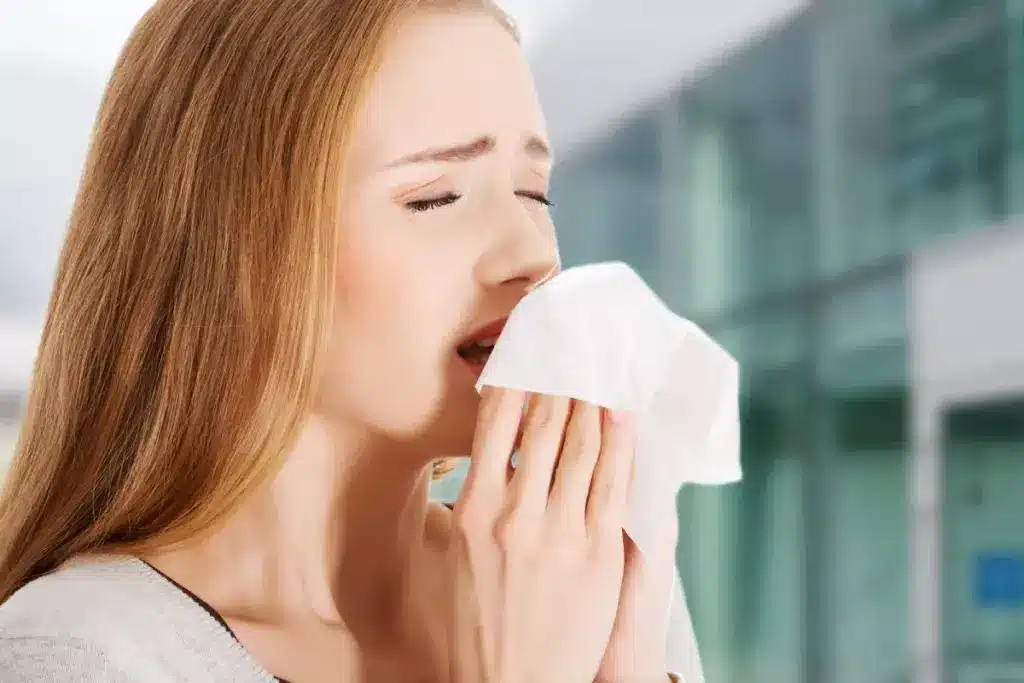
Ever sneezed right after eating? You’re not alone. Sneezing after meals is common and can be embarrassing. People often wonder if it’s an allergy or something more serious.
At Liv Hospital, we focus on top-notch medical care and patient needs. Gustatory rhinitis, a nonallergic condition, is a main cause of sneezing after meals. Knowing the reasons helps us find ways to stop it.
Key Takeaways
- Sneezing after eating is a common physiological response.
- Gustatory rhinitis is a nonallergic inflammatory condition that can cause sneezing after meals.
- Understanding the underlying causes can help manage and prevent sneezing after eating.
- Liv Hospital offers world-class medical expertise and patient-centered care.
- Identifying the cause is the first step towards finding a solution.
The Science Behind Sneezing After Eating
Eating and sneezing are linked by science. Foods, like spicy ones, can make our nasal nerves react, causing a sneeze. This is tied to gustatory rhinitis.
How Food Consumption Triggers Sneezing
Food can make us sneeze by touching our nasal nerves. The trigeminal nerve controls mucus in our nose. It gets excited by spicy or hot foods, making us sneeze.
UCLA Health says sneezing after eating is common. It happens because our body reacts to certain foods. The trigeminal nerve is key in this reaction.
Common Food Triggers and Patterns
Some foods are more likely to make us sneeze. Spicy foods are big culprits because they touch the trigeminal nerve. Foods with a lot of histamine, like fermented ones, can also make some people sneeze.
| Food Type | Potential for Triggering Sneezing | Reason |
| Spicy Foods | High | Stimulates trigeminal nerve |
| Histamine-rich Foods | Moderate | Increases histamine levels |
| Cold Foods/Drinks | Low to Moderate | Can cause nasal congestion |
Knowing what foods trigger sneezes can help control them. By picking foods wisely, we can avoid sneezing fits.
Medical Conditions Causing Post-Meal Sneezes
Post-meal sneezing can be caused by several medical conditions. It’s important to understand and address these issues. While sneezing after eating sometimes isn’t a big deal, it can be a sign of a health problem if it happens a lot.
Gustatory Rhinitis: The Spicy Food Connection
Gustatory rhinitis is a condition that makes your nose react to certain foods, like spicy ones. It can cause sneezing, a runny nose, and congestion. The trigeminal nerve is key in this reaction, as it senses irritants in the nose.
Symptoms of Gustatory Rhinitis:
- Sneezing
- Runny nose
- Nasal congestion
- Postnasal drip
Snatiation: Sneezing Due to Stomach Fullness
Snatiation is a rare condition where sneezing is triggered by a full stomach, usually after eating a lot. The exact reason for snatiation is not fully understood. It’s thought to be related to the stomach stretching or nerves being stimulated during meals.
| Condition | Triggers | Symptoms |
| Gustatory Rhinitis | Spicy or hot foods | Sneezing, runny nose, nasal congestion |
| Snatiation | Large meals, stomach fullness | Uncontrollable sneezing |
Food Allergies vs. Non-Allergic Reactions
Food allergies are an immune system reaction to certain foods. They can cause symptoms like sneezing, itching, and swelling. In severe cases, they can lead to anaphylaxis. Non-allergic reactions, on the other hand, don’t involve the immune system. They can be caused by food intolerances or irritants.
Differentiating between Food Allergies and Non-Allergic Reactions:
- Food allergies involve the immune system and can cause severe reactions.
- Non-allergic reactions are usually less severe and can be related to food intolerances or irritants.
Conclusion: Managing and Preventing Sneezing After Meals
Sneezing after eating can be annoying and embarrassing. Knowing why it happens helps us stop it. Gustatory rhinitis, snatiation, and food allergies are common reasons.
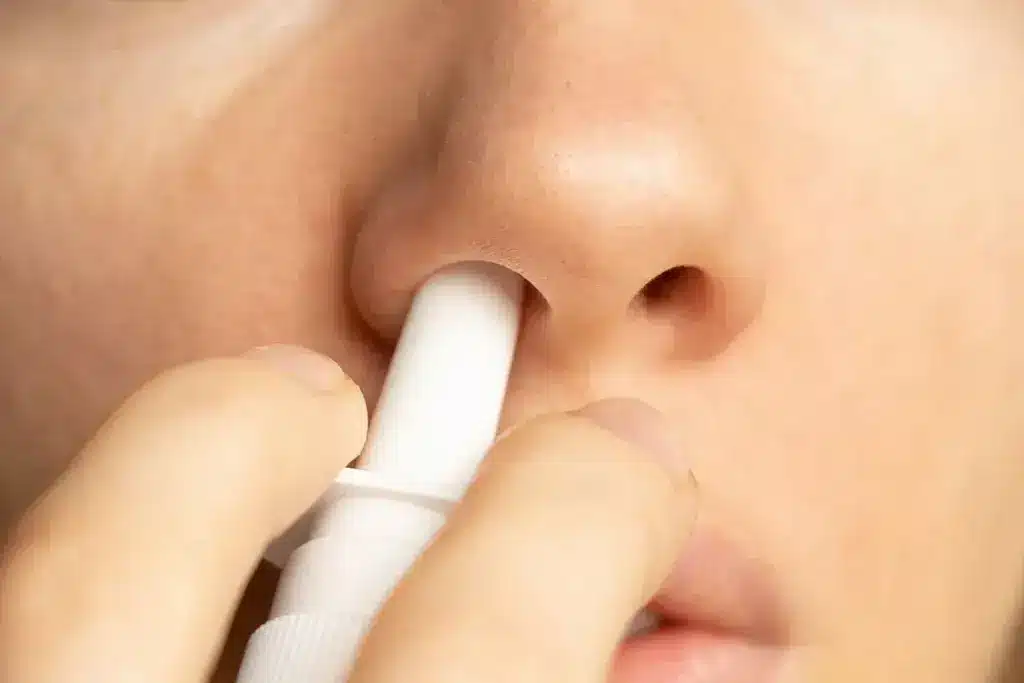
To stop sneezing after meals, avoid foods that make your nose tickle. Verywell Health says nasal sprays can help with gustatory rhinitis. Paying attention to what you eat is key to less sneezing.
Eating spicy food can lead to sneezing because of gustatory rhinitis. A big meal can cause snatiation, making you sneeze. Knowing these triggers helps us avoid sneezing while eating.
By following these tips, we can enjoy our food without sneezing. Stopping sneezing after meals needs us to understand the reasons and act on them. Making a few changes in our eating habits and surroundings can help a lot.
FAQ
Why do I sneeze every time I eat?
Sneezing after eating can be caused by gustatory rhinitis or snatiation, which trigger nasal nerve reflexes.
What is gustatory rhinitis?
Gustatory rhinitis is a non-allergic reaction where eating certain foods, especially spicy or hot foods, triggers sneezing, a runny nose, or congestion.
What is snatiation?
Snatiation is sneezing triggered specifically by a full stomach after eating large meals.
Can food allergies cause sneezing after eating?
Yes, food allergies can cause sneezing, but this usually occurs along with other allergic symptoms like itching, hives, or swelling.
How can I prevent sneezing after eating?
Prevent it by avoiding trigger foods, eating smaller meals, and using nasal sprays if recommended by a doctor.
Why do I sneeze when I’m full?
A full stomach can stimulate the vagus nerve, leading to the snatiation reflex and triggering sneezing.
Are there any specific foods that trigger sneezing?
Spicy foods, hot beverages, and strongly flavored foods are common triggers for gustatory rhinitis and snatiation.
Can sneezing after eating be a sign of an underlying medical condition?
Occasionally, frequent sneezing after meals may indicate non-allergic rhinitis or other nasal nerve sensitivities, and a doctor can evaluate if needed.
When should I seek medical attention for a sinus infection?
Seek medical care if symptoms last more than 10 days, worsen after initial improvement, cause high fever, severe facial pain, swelling, or vision changes.
References
National Center for Biotechnology Information. Evidence-Based Medical Insight. Retrieved from https://pubmed.ncbi.nlm.nih.gov/20502728/