

Handle the soccer injuries worst with our essential recovery tips and discover amazing ways to get back on the field fast.
Ligament injuries can be very different in how severe and painful they are. Finding out which one is the most painful is a big worry for athletes and doctors.
It’s important to understand ligament injuries well. This helps in creating good treatment plans and ways to prevent them.
Key Takeaways
- Ligament injuries are a significant concern in sports.
- The severity and pain of ligament injuries can vary greatly.
- Understanding ligament injuries is key for effective treatment and prevention.
- Athletes and medical professionals must work together to address these issues.
- Prevention strategies can help reduce the incidence of ligament injuries.
Understanding Ligament Injuries
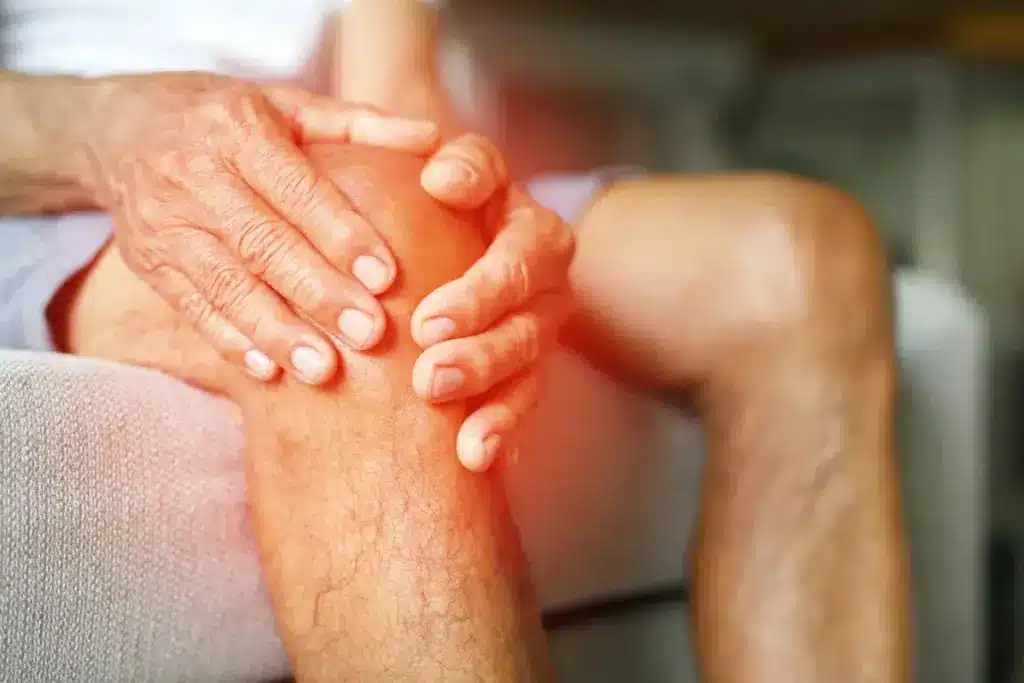
What Are Ligaments and Their Function
Ligaments help keep our joints stable, supporting them during physical activities. They are made of dense tissue that connects bones, playing a big role in our body’s structure.
They help us move every day, from walking to sports. Keeping them strong is key to avoiding joint damage.
How Ligament Injuries Occur
Ligament injuries, or sprains, happen when joints are twisted, bent, or hit hard. The severity of the injury depends on how much the ligament is damaged.
Sports like soccer, basketball, and football often lead to ligament injuries. These happen when a force stretches or tears the ligament too much.
Here’s a table summarizing the common types of ligament injuries and their characteristics:
|
Type of Injury |
Description |
Common Causes |
|---|---|---|
|
Mild Sprain |
Minimal tearing of ligament fibers |
Sudden twisting or bending |
|
Moderate Sprain |
Partial tearing of ligament fibers |
Direct blow to the joint or sudden stop |
|
Severe Sprain |
Complete tearing of ligament fibers |
Significant force or trauma to the joint |
It’s important to understand ligament injuries to prevent and treat them. Recognizing the signs early helps athletes recover faster.
The Science of Pain in Ligament Injuries
Pain from ligament injuries is complex. It involves many physiological and psychological factors. Ligaments connect bones and provide joint stability. They have pain receptors that play a big role in injury pain.
Pain Receptors in Ligaments
Ligaments are not just simple tissues. They are filled with nerve endings, including pain receptors. These receptors feel mechanical stress and damage, causing injury pain. The number and type of these receptors can change the pain level.
When pain receptors in ligaments are activated, they send signals to the brain. This is not just a simple pain signal. It involves complex processes in the nervous system, including the spinal cord and brain.
Why Some Ligament Injuries Hurt More Than Others
Pain from ligament injuries can vary a lot. This is true for different people and different injuries. Several things can affect how much pain you feel, like injury severity and the ligament involved.
Injuries with more pain receptors or more stress tend to hurt more. Also, where the injury is can change how much pain you feel. Injuries near the joint or involving many ligaments can be more painful.
Knowing why pain varies is key to better pain management. Healthcare providers can then tailor treatments to address both the injury and the pain. This helps improve recovery and outcomes for patients.
Anterior Cruciate Ligament (ACL) Tears
ACL tears are a big deal in sports. They happen often and can really hurt an athlete’s game and career. The ACL keeps the knee stable, so when it’s injured, it’s a big problem.
Mechanism of Injury
ACL tears usually happen when athletes suddenly change direction or land wrong. They can also happen when someone hits the knee during sports like soccer, basketball, and football. Sometimes, the injury is not caused by contact, but by sudden stops or changes in direction.
Common scenarios include:
- Quick pivoting movements
- Awkward landings after jumps
- Direct hits to the knee
Pain Level and Description
The pain from an ACL tear is often very bad and happens right away. Athletes might hear or feel a “pop” in their knee. Then, they feel a lot of pain and their knee feels unstable. The pain is usually very high, often an 8 or 9 out of 10.
The immediate symptoms include:
- Severe pain
- Swelling within hours of the injury
- Instability or feeling of the knee “giving way”
Long-term Consequences
ACL tears can lead to long-term problems like chronic knee instability and a higher risk of osteoarthritis. If not treated right, these injuries can make it hard for athletes to keep playing their sport.
|
Consequence |
Description |
Potential Outcome |
|---|---|---|
|
Chronic Instability |
Ongoing feeling of knee instability |
Increased risk of further injury |
|
Osteoarthritis |
Wear and tear on the joint |
Chronic pain and limited mobility |
|
Functional Limitations |
Reduced ability to perform daily or athletic activities |
Impact on quality of life and athletic career |
It’s important for athletes, coaches, and doctors to understand ACL tears. This way, they can handle the injury well and avoid long-term damage.
Posterior Cruciate Ligament (PCL) Injuries
The posterior cruciate ligament is key to knee stability. It can get hurt in sports or activities that hit the knee hard.
How PCL Injuries Happen
PCL injuries usually come from hitting the knee’s front side, like in car accidents or football. This can stretch or tear the ligament. The injury’s severity can range from mild sprains to full tears. Knowing how the injury happened helps doctors figure out the best treatment.
“The most common way PCL injuries happen is from falling on a bent knee or getting hit in the knee during a car crash or sports,” say sports medicine experts. This shows why getting the right diagnosis and treatment is key to avoiding long-term knee problems.
Pain Comparison to ACL Tears
Looking at the pain from PCL and ACL injuries can show how serious they are. Both hurt, but the pain feels different. ACL tears cause sudden, sharp pain, while PCL injuries might hurt more over time.
A study showed that both ACL and PCL injuries can really affect an athlete’s performance. Knowing these differences helps in managing and rehabbing the injuries better.
- PCL injuries often result from direct trauma to the knee.
- The pain and symptoms can vary depending on the severity of the injury.
- Comparison with ACL tears highlights the need for specific diagnosis and treatment protocols.
Medial Collateral Ligament (MCL) Tears
MCL tears are common in sports, like soccer and football. They happen when there’s contact or sudden changes in direction. The medial collateral ligament helps keep the knee stable. Injuries here can really affect an athlete’s performance and knee health.
Common Causes
MCL tears often come from a valgus stress, pushing the knee inward. This stress is common in sports like soccer, football, and skiing. These sports have a higher risk of MCL tears because of the frequent collisions.
- Direct blows to the knee
- Sudden changes in direction
- Valgus stress on the knee
Knowing what causes MCL tears can help prevent them. Training that strengthens the knee muscles and improves flexibility can lower the risk.
Pain Experience and Duration
The pain from MCL tears can vary. Grade 1 tears are mild and may not hurt much. But Grade 3 tears, where the ligament is completely torn, are very painful. The pain lasts longer with more severe tears.
“The pain from an MCL tear can be intense, even in the early stages. It’s not just the immediate pain but also the long-term discomfort during the healing process that athletes need to manage.”
Healing from MCL tears involves rest, physical therapy, and sometimes surgery. The pain will lessen as the ligament heals. But, it’s important to stick to a rehabilitation program to avoid more injuries.
In summary, MCL tears are serious injuries that need proper care and rehabilitation. Knowing their causes and the pain they bring helps athletes and healthcare providers manage them better.
Lateral Collateral Ligament (LCL) Injuries
LCL injuries are rare but very painful. The LCL is a key ligament in the knee, helping to keep it stable. Knowing how these injuries happen and what they feel like is important for treatment.
Mechanism and Occurrence
LCL injuries happen when the knee is pushed outward. This is less common than MCL injuries but can occur in sports or accidents. It happens when there’s a direct hit to the knee or too much pressure on the outside.
Here are some common ways LCL injuries happen:
- Sports injuries, like in football or rugby
- High-energy trauma, such as car accidents
- Falls onto the knee
LCL injuries can be mild or severe. Knowing the severity helps doctors decide how to treat them.
|
Grade |
Description |
Symptoms |
|---|---|---|
|
1 |
Mild sprain |
Mild pain, minimal instability |
|
2 |
Moderate sprain |
Moderate pain, some instability |
|
3 |
Complete tear |
Significant pain, marked instability |
Pain Characteristics
The pain from ACL injuries can be different for everyone. People often feel pain on the outside of the knee. This pain gets worse when they move or put weight on it.
A sports medicine expert says, “LCL injuries are very painful and can really limit you. Getting the right treatment is key to avoiding long-term problems.”
In summary, LCL injuries are not as common but need quick and proper care. Knowing how they happen and what they feel like is important for doctors and athletes.
Ankle Ligament Injuries: High Ankle Sprains
High ankle sprains are a severe type of ankle injury. They affect the ligaments above the ankle joint. These injuries are known for their severity and the challenges they pose in terms of recovery. We will explore the reasons behind the significant pain associated with high ankle sprains and discuss the typical recovery timeline and pain management strategies.
Why High Ankle Sprains Are Particularly Painful
High ankle sprains involve the ligaments that connect the tibia and fibula bones in the lower leg, just above the ankle joint. These ligaments play a critical role in stabilizing the ankle and facilitating movements such as walking and running. When these ligaments are injured, it can lead to significant pain due to their role in weight-bearing activities and ankle stability.
The pain is often more pronounced than in typical ankle sprains. This is because the injury affects a larger area and involves more complex ligament structures.
The severity of the pain can be attributed to the extent of the ligament damage. This can range from mild stretching to complete tears. The pain is usually sharp and can be exacerbated by movements that involve twisting or bending of the ankle. Understanding the mechanism of injury is key for diagnosing and treating high ankle sprains effectively.
Recovery Timeline and Pain Management
The recovery timeline for high ankle sprains can vary significantly. Mild to moderate high ankle sprains may take 4-6 weeks to heal. More severe injuries can take up to 3 months or longer. Pain management is a critical component of the recovery process.
It involves a combination of rest, ice, compression, and elevation (RICE), along with physical therapy. This helps restore strength and flexibility to the ankle.
Effective pain management strategies also include the use of nonsteroidal anti-inflammatory drugs (NSAIDs) to reduce pain and inflammation. In some cases, more advanced treatments such as platelet-rich plasma (PRP) therapy may be considered to promote healing. It’s essential for patients to work closely with their healthcare providers to develop a personalized recovery plan.
By understanding the causes of pain in high ankle sprains and implementing appropriate recovery and pain management strategies, individuals can better navigate the challenges posed by these injuries and achieve a full recovery.
Achilles Tendon Ruptures vs. Ligament Tears
Sports injuries like Achilles tendon ruptures and ligament tears are very serious. They can really hurt an athlete’s career. But, they affect different parts of the body and have different recovery times.
ACL vs Achilles: Pain Comparison
The pain from these injuries is very bad. But, the kind of pain and how long it lasts are different. ACL tears hurt right away and make the knee feel unstable. You might hear a popping sound when it happens.
An Achilles tendon rupture hurts a lot in the back of the ankle. People often say it feels like a sharp stab.
Research shows that Achilles tendon ruptures can hurt more and last longer than ACL tears. The Achilles tendon is very important for moving and doing daily activities. It’s also key for sports.
What’s Worse: Torn or Ruptured Achilles
Whether a torn ACL or a ruptured Achilles is worse depends on many things. These include your health, how active you are, and what you prefer. But, there are some big differences to consider.
- Recovery Time: Achilles tendon ruptures usually take longer to heal than ACL tears, often needing surgery.
- Pain Duration: The pain from Achilles tendon ruptures can last for months. ACL tears hurt right away but the pain gets better as it heals.
- Impact on Mobility: Both injuries make moving hard. But, Achilles tendon ruptures make simple things like walking and going up stairs very hard during recovery.
Both injuries are very serious and need careful treatment. By looking at the differences between Achilles tendon ruptures and ligament tears, athletes and doctors can plan better treatments.
Soccer Injuries Worst: Ligament Damage in the Beautiful Game
Ligament injuries are a harsh reality for soccer players. The sport’s demanding nature makes these injuries common. Players at all levels face the risk of ligament damage.
Most Common Ligament Injuries in Soccer
Knee injuries are common in soccer, with the Anterior Cruciate Ligament (ACL) and Medial Collateral Ligament (MCL) being the most affected. These injuries often happen from sudden stops, changes in direction, or direct contact. Sports medicine experts say ACL injuries are a big worry for soccer players because of their role in knee stability.
“The incidence of ACL injuries in soccer is alarmingly high, with female players being at a higher risk compared to their male counterparts.”
Other common injuries include ankle sprains, like high ankle sprains. These can be very debilitating because they affect the syndesmotic ligaments.
Career-Threatening Ligament Injuries for Soccer Players
Certain ligament injuries can greatly impact a soccer player’s career. Severe ACL tears often need surgery and a long recovery. This can keep players out for months to over a year. The risk of re-injury and long-term problems like osteoarthritis adds to the concern.
- Severe ACL tears requiring surgery
- Complex MCL injuries with associated fractures
- Chronic ankle instability due to repeated ligament sprains
It’s important to understand these risks to develop better prevention and treatment plans. This helps soccer players stay healthy and competitive.
Severe Soccer Injuries: Beyond Ligaments
Severe soccer injuries go beyond just ligament damage. They affect players in many ways. While ligament injuries are a big worry, other injuries can also deeply impact players’ careers and health.
Comparing Ligament Injuries to Other Soccer Traumas
Ligament injuries, like ACL and MCL tears, are common in soccer. But, fractures, concussions, and muscle tears also hurt players a lot. A study in the Journal of Orthopaedic & Sports Physical Therapy showed fractures and dislocations are big issues in soccer.
It’s hard to say which injuries are worse, as each has its own effects. But, fractures and concussions can have lasting impacts. Concussions, for example, can cause chronic traumatic encephalopathy (CTE), a serious brain condition.
Soccer Injury Statistics
Soccer injury stats give us important info on injury types and how common they are. Recent data shows severe injuries in soccer are common, with ligament injuries being a big part. A FIFA Medical Centre study found knee injuries, like ligament sprains and tears, make up about 17% of all soccer injuries.
Other severe injuries, like fractures and head traumas, also play a big role. For example, a study in the International Journal of Sports Medicine found head injuries, including concussions, are increasing in soccer. This shows we need better safety measures and rules.
It’s key to understand these stats to improve prevention and treatment. By looking at the data, we can spot trends and areas to focus on. This helps us work towards lowering the number and impact of severe soccer injuries.
The Psychological Impact of Painful Ligament Injuries
Ligament injuries do more than just hurt physically. They also affect athletes’ mental health while they recover. Healing isn’t just about fixing the torn ligament. It’s also about dealing with the mental health issues that come with it.
Mental Health Challenges During Recovery
Athletes with ligament injuries often face mental health problems. These include anxiety, depression, and frustration. The sudden stop in sports can make them feel isolated and lose their sense of identity.
Mental Health Challenges:
|
Challenge |
Description |
Impact |
|---|---|---|
|
Anxiety |
Fear of re-injury or not being able to return to previous performance levels. |
Can hinder recovery by increasing stress levels. |
|
Depression |
Feelings of sadness and loss due to the inability to participate in sports. |
May lead to decreased motivation and slower recovery. |
|
Frustration |
Irritability due to the slow pace of recovery and limitations imposed by the injury. |
Can affect relationships with coaches, teammates, and family. |
Overcoming Fear of Re-injury
One big challenge athletes face is the fear of re-injury. This fear can be very scary. It can make them doubt their ability to play sports again.
Strategies to overcome this fear include:
- Gradual return to play with a well-structured rehabilitation program.
- Mental preparation techniques such as visualization and positive self-talk.
- Support from sports psychologists or mental performance coaches.
By understanding the psychological effects of ligament injuries, athletes can tackle their recovery better. They can regain their confidence and return to sports feeling strong.
Modern Treatment Approaches for Ligament Injuries
Medical technology and surgery have changed a lot. Now, people have many ways to treat ligament injuries. The choice depends on how bad the injury is and the patient’s health.
Surgical vs. Non-surgical Options
Choosing between surgery and non-surgery depends on several things. These include how bad the injury is, the patient’s health, and how active they are. Non-surgical treatments use physical therapy, bracing, and pain management. Surgical interventions are for more serious injuries or when other treatments don’t work.
Talking to a doctor is key to deciding. Non-surgery is less invasive and might let you get back to normal faster. But, it might not work for very bad tears. Surgery can give more stability and is better for those who are very active.
Most Painful Surgeries for Ligament Repair
Some surgeries for ligament repair are more painful than others. For example, ACL reconstruction is often very painful. This is because it’s a complex surgery in a sensitive area. Pain from these surgeries is managed with medicine, physical therapy, and exercises.
- ACL Reconstruction: Known for its complexity and associated pain.
- PCL Reconstruction: Similar to ACL reconstruction, it involves significant post-operative pain.
- Ligament repair in the ankle: High ankle sprains can require surgical intervention, which can be painful.
Innovative Treatment Methods
New treatments for ligament injuries have come up. These include biologic treatments like PRP therapy and stem cell therapy. They aim to help healing, cut down recovery time, and improve results.
Also, new surgery methods like arthroscopic surgery are making repairs less invasive. This can mean less time to recover and less scarring. Rehab has also gotten better, using new tech and methods to boost strength and function.
As research keeps going, we’ll see even more new ways to treat ligament injuries. This means better results and quicker recovery times for patients.
Soccer Injury Prevention: Protecting Your Ligaments
Soccer injury prevention is about training, conditioning, and using protective gear. By using these methods, soccer players can lower their risk of ligament injuries.
Training Techniques to Strengthen Ligaments
Strengthening ligaments is key in soccer injury prevention. Neuromuscular training programs improve balance, agility, and strength. This helps keep joints stable and lowers injury risk.
Some good training methods include:
- Plyometric exercises to boost muscle power
- Agility drills for quick direction changes
- Balance training for better proprioception
- Core and lower limb strengthening exercises
A study in the Journal of Orthopaedic & Sports Physical Therapy showed neuromuscular training cut ACL injuries in young female soccer players by 72%.
Protective Equipment and Its Effectiveness
Protective gear is also important in preventing injuries. Protective bracing and supportive taping add stability to joints. This reduces the chance of ligament injuries.
|
Protective Equipment |
Effectiveness |
Usage |
|---|---|---|
|
Knee Braces |
High |
For players with previous ligament injuries |
|
Ankle Braces |
Moderate to High |
For players with a history of ankle sprains |
|
Supportive Taping |
Moderate |
For extra support during games and practices |
Choosing the right protective gear and using it correctly is vital. This maximizes its effectiveness.
Soccer Injury Rehabilitation: The Road to Recovery
A good rehabilitation plan is key for soccer players to heal from ligament injuries. It helps prevent more damage. Knowing the rehab phases and recovery time is important for athletes and coaches to plan well.
Phases of Ligament Injury Rehabilitation
The rehab for ligament injuries has several phases. Each phase has its goals. The first phase aims to reduce pain and swelling. Then, there’s a strengthening phase and a functional training phase before returning to play.
Phase 1: Acute Phase – This phase is about managing pain and swelling. Techniques like cold therapy and compression are used. Gentle exercises are started to keep muscle strength without harming the ligament.
Phase 2: Strengthening Phase – When pain and swelling go down, the focus is on muscle strength. Exercises with increasing resistance are used to build strength and stability.
Phase 3: Functional Training – Here, athletes start doing agility and plyometric exercises. These prepare them for soccer’s demands.
Timeline for Return to Play
The time it takes to return to play varies. It depends on the injury’s severity and the athlete’s progress. Mild injuries might need 2-4 weeks, while severe ones can take 6-12 months or more.
Several things affect the return time. These include how well the rehab goes, the athlete’s commitment, and any other injuries.
Understanding rehab phases and recovery times helps soccer players and their teams plan a safe return to competition.
Comparing Ligament Injuries to Other “Most Painful” Experiences
Ligament injuries are among the most painful in sports. The pain from tears can be as bad as other serious injuries or medical conditions. Knowing how bad ligament injuries are can help us understand their impact on athletes and others.
Where Ligament Tears Rank Among Painful Medical Conditions
Ligament tears are very painful in sports. To understand this, we can compare them to other severe medical issues. For example, a study showed that:
- Complex regional pain syndrome (CRPS) is very painful, even worse than childbirth or losing a limb.
- Kidney stones cause extreme pain, often described as severe and debilitating.
- Ligament injuries, like ACL tears, are as painful as these conditions.
a famous orthopedic surgeon, says ACL injuries are very painful. This shows how serious ligament injuries are in sports.
“The pain from a ligament injury is not just immediate; it can have long-term implications for an athlete’s career and overall well-being.”
Sports Medicine Specialist
Most Painful Things Ranked: Where Do Ligament Injuries Stand?
Ranking the most painful experiences can differ based on who you ask and the situation. Yet, studies and experts agree on a general ranking:
- Childbirth
- Complex regional pain syndrome (CRPS)
- Kidney stones
- Cluster headaches
- Severe ligament injuries (e.g., ACL tears)
Ligament injuries are very painful, but not always the worst. For athletes, the pain and recovery can be tough. It’s important for athletes to prevent injuries and for doctors to help them recover well.
We know ligament injuries are very painful and need attention. By understanding their severity, we can help athletes recover and prevent injuries better.
Conclusion: Managing and Overcoming Ligament Injuries
Managing and overcoming ligament injuries need a full plan. This includes preventing them, treating them right, and rehabbing them. We’ve looked at the different types of ligament injuries, how much pain they cause, and how they affect athletes, mainly soccer players.
To manage ligament injuries, it’s key to know what they are and how to prevent them. Using the right treatment and rehab, athletes can get better and go back to playing. Soccer injury rehab is a big part of this, needing a solid plan for a safe and successful comeback.
Beating ligament injuries takes a team effort. It involves using the newest treatments and rehab methods. We talked about the need for a detailed rehab program. This includes exercises to make ligaments stronger and gear to protect against getting hurt again.
We’ve gathered the main points to help athletes, coaches, and medical teams with ligament injuries in soccer and other sports. Our aim is to offer top-notch healthcare and support for patients worldwide. We believe it’s vital to manage and overcome ligament injuries well to reach this goal.
FAQ
What is the most painful ligament injury?
The pain from ligament injuries can vary. But ACL tears are often seen as very painful. This is because they severely affect knee stability right away.
How do ligament injuries occur?
Ligament injuries happen from sudden twists, bends, or direct hits to the joint. This often happens in sports, like soccer, where quick changes in direction are common.
What is the difference between ACL and PCL injuries?
ACL injuries usually happen from sudden direction changes or landing from jumps. PCL injuries often come from direct hits to the front of the knee. ACL injuries are more common in soccer.
Are high ankle sprains more painful than other ankle sprains?
Yes, high ankle sprains are very painful and debilitating. They affect the ligaments above the ankle joint. This makes recovery longer than other ankle sprains.
How do Achilles tendon ruptures compare in pain to ACL tears?
Achilles tendon ruptures are extremely painful. They can be as bad as ACL tears. The pain is sudden and severe at the time of injury.
What are the most common ligament injuries in soccer?
ACL tears, MCL tears, and ankle ligament injuries are common in soccer. This is because of the sport’s demands for quick movements, jumps, and collisions.
Can ligament injuries be prevented in soccer?
While not all injuries can be prevented, training and protective gear can help. Strengthening the muscles around the joints can reduce injury risk.
What is the typical recovery process for ligament injuries?
Recovery includes rest and pain management first. Then, rehabilitation exercises to build strength and stability. The final step is a gradual return to play.
Are there innovative treatment methods for ligament injuries?
Yes, there are both surgical and non-surgical treatments now. Advances in surgery and rehabilitation aim to improve outcomes and shorten recovery times.
How do ligament injuries rank among other painful medical conditions?
Severe ligament injuries, like ACL tears, are among the most painful in sports medicine. They are comparable to fractures or tendon ruptures in terms of pain.
Reference
National Center for Biotechnology Information. Evidence-Based Medical Insight. Retrieved from https://www.ncbi.nlm.nih.gov/books/NBK499848/[3