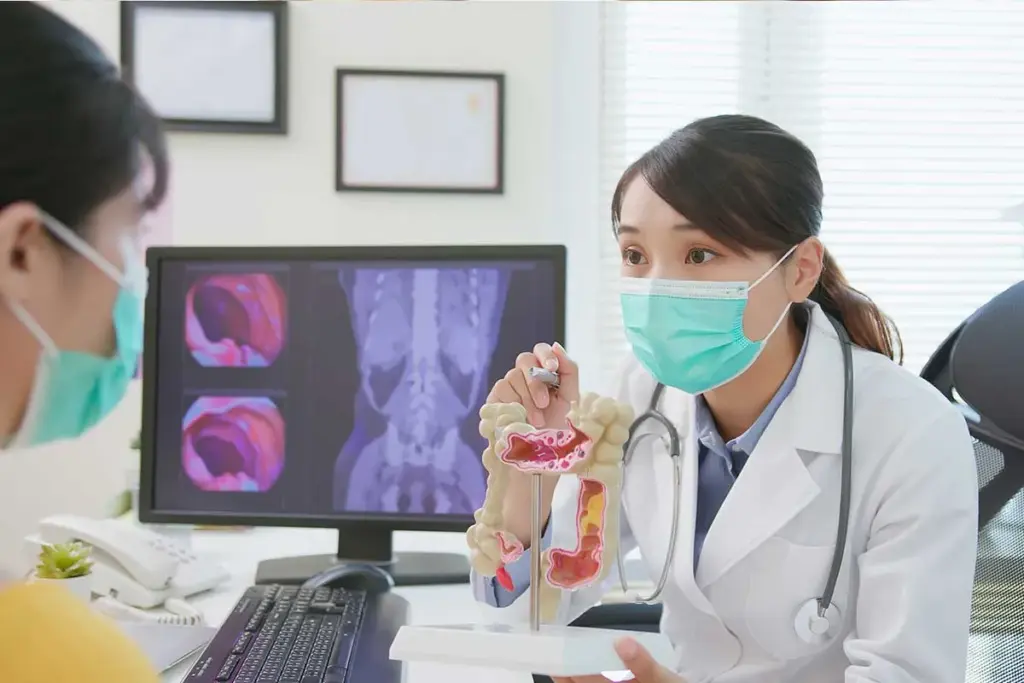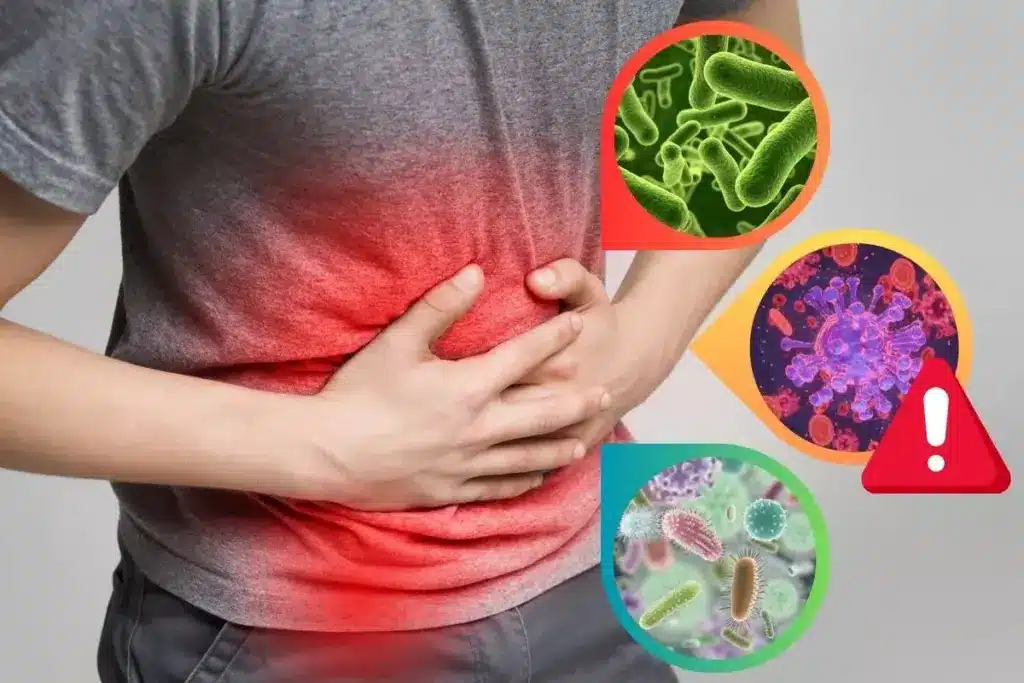
Feeling a sore chest and headache at the same time can be scary and confusing. At Liv Hospital, we get how worried you must be about these symptoms. Discover why sore chest and headache symptoms appear together and possible heart-related causes.
Medical News Today says chest pain can have many reasons. It might be from the heart, muscles, stomach, or even your mind. We’ll look at why you might feel this way, like from migraines, heart issues, viruses, high blood pressure, or stress.
It’s important to know why you’re feeling this way. We want to help you understand and find the right help.
Key Takeaways
- Feeling a sore chest and headache together can mean different health issues.
- It could be from migraines, heart problems, or viruses.
- Knowing the cause is key to getting the right treatment.
- Liv Hospital offers a team approach to find the best solution for you.
- Chest pain can stem from heart, muscle, stomach, or mental health issues.
The Concerning Combination of Sore Chest and Headache

When you have a sore chest and headache at the same time, it’s scary. Many wonder what’s causing it. We’ll look into how these symptoms are connected and what they might mean for your health.
How These Symptoms May Be Related
A heavy chest headache or a headache tight chest can point to several health issues. For example, migraines can cause pain in both your head and chest. Research shows that some people feel chest pain during migraines, thanks to the brain’s complex workings.
Angina is another condition that might cause both chest and headache pain. It happens when arteries around the heart get blocked. Even though angina mainly affects the chest, the pain can sometimes spread to your head. This is because of how pain signals travel in your body.
Common Symptom Patterns
Understanding how these symptoms show up can help figure out what’s causing them. For instance:
- Some people feel their chest tighten with movement or deep breaths.
- Others might have headaches with chest pain, often during migraines.
- Respiratory infections can also cause both chest congestion and headaches, due to inflammation and infection.
Initial Self-Assessment Steps
If you’re dealing with a sore chest and headache, here are some steps to take:
- Keep an eye on your symptoms, looking for patterns or triggers.
- Check your vital signs, like blood pressure and heart rate, for any odd readings.
- Think about any recent activities or exposures that might have led to your symptoms.
By understanding these points, you can get a better idea of what’s going on. This can help you decide if you need to see a doctor.
When to Seek Emergency Medical Attention

It’s important to know when to go to the emergency room for a sore chest and headache. Some symptoms mean you need help right away. These can be signs of serious health issues.
Red Flag Symptoms That Require Immediate Care
Some symptoms are “red flags” for serious health problems. If you have any of these, go to the emergency room fast:
- Severe chest pain or pressure that spreads to your arms, neck, or back
- Difficulty breathing or feeling short of breath
- Severe headache with confusion, trouble speaking, or losing consciousness
- Heavy chest or tightness with dizziness or fainting
Differentiating Between Urgent and Non-Urgent Situations
Not every chest pain or headache is an emergency. But it’s safer to be cautious. If you’re not sure, think about these points:
- How bad is your pain? Is it getting worse?
- How long have you had symptoms? Are they getting worse over time?
- Are you feeling other symptoms like trouble breathing, nausea, or dizziness?
If you’re not sure, talk to a doctor.
What to Expect in the Emergency Room
If you need emergency care, here’s what happens:
- You’ll get checked right away by a healthcare team
- They might do tests like ECG, blood work, or imaging
- They’ll start treating you based on what they find
Knowing what to expect can make you feel less anxious. It helps you get the care you need.
Migraines: Beyond Head Pain
Migraines are more than just headaches. They can cause chest pain and other symptoms. This condition affects the whole body, not just the head.
Manifestation of Chest Discomfort
Migraines can cause chest pain due to brain nerves and blood vessels. During a migraine, these areas get irritated. This irritation leads to the release of chemicals that can swell blood vessels.
The sensation of chest pain during a migraine can be alarming and is often described as a tightness or pressure in the chest.
Identifying Migraine-Related Chest Symptoms
It’s important to know if chest pain is from a migraine or something else. Migraine-related chest symptoms often happen with other symptoms like headache and nausea. Keeping a symptom journal can be helpful in tracking when chest pain occurs in relation to other migraine symptoms.
This can help doctors diagnose the condition.
Treatment Approaches for Migraine-Related Chest Pain
Treating migraine-related chest pain involves several steps. This includes managing migraine symptoms overall. Lifestyle changes like avoiding triggers and staying hydrated are key.
Medications such as triptans can be effective in alleviating migraine symptoms, including chest discomfort. Sometimes, more treatments are needed for chest pain.
Understanding migraines and chest pain is key to managing symptoms. Recognizing signs and using the right treatments can improve life quality.
Cardiac Cephalgia: The Heart-Headache Connection
Cardiac cephalgia is a rare but serious condition that links headaches to heart-related issues. It’s important to understand its causes and implications. This condition shows how the heart and brain can affect each other, causing headaches.
Understanding This Rare but Serious Condition
Cardiac cephalgia is when headaches are a main symptom of a heart problem. The exact mechanisms are not fully understood. But, it’s thought that heart conditions can make headaches worse through different ways.
One important thing about cardiac cephalgia is its link to serious heart issues. For example, myocardial infarction or angina can show up with headaches, along with chest pain or discomfort.
- Headache as a referred pain due to cardiac ischemia
- Shared risk factors between cardiovascular disease and migraine
- Potential for cardiac conditions to trigger headache through various mechanisms
Risk Factors and Vulnerable Populations
It’s key to know the risk factors and who might be more at risk for cardiac cephalgia. People with heart problems or a history of migraines are more likely to be affected.
Some main risk factors include:
- Hypertension
- Coronary artery disease
- History of myocardial infarction
- Family history of cardiac or migraine conditions
Diagnostic Challenges and Solutions
Diagnosing cardiac cephalgia is hard because it’s rare and symptoms can be similar to other conditions. A thorough diagnosis is needed, including a detailed medical history, physical exam, and tests.
Diagnostic tests may include:
- Electrocardiogram (ECG) to assess heart rhythm and detect ischemia
- Cardiac biomarkers to identify myocardial damage
- Imaging studies such as echocardiography or coronary angiography
Understanding cardiac cephalgia, its risk factors, and the challenges in diagnosis helps healthcare providers. They can then give the right care to patients with both chest pain and headache.
Viral Infections Causing Sore Chest and Headache
Viral infections often cause chest and headache symptoms. People may wonder why this happens. These infections can hit many parts of the body, causing a variety of symptoms.
Common Respiratory Infections and Their Symptoms
Respiratory viruses like the flu and bronchitis can make your chest and head hurt. The flu can bring fever, cough, and body aches. Bronchitis, caused by viruses, can lead to a long cough, chest pain, and discomfort.
Infections like tuberculosis can also cause severe symptoms. These include coughing, chest pain, and feeling very tired. Knowing the virus is key to treating it right.
How Viruses Affect Multiple Body Systems
Viruses can hit many parts of the body at once. For example, a lung virus can cause chest pain. It can also make you feel tired and have headaches.
Viruses are tricky because they can affect different parts of the body. This makes it hard to diagnose and treat them. It’s important to know the range of symptoms to get the right care.
Recovery Timeline and Support Measures
The time it takes to get better from a viral infection varies. Most people get better from common viruses in a few weeks. Rest, drinking lots of water, and pain relievers can help.
In some cases, you might need to see a doctor. This is true if symptoms get worse or if you have other health issues. Watching your symptoms and getting medical help when needed is important for a quick recovery.
Hypertension’s Dual Impact on Chest and Head
High blood pressure, or hypertension, affects many people worldwide. It can cause chest pain and headaches. This condition is a big risk for heart attacks and strokes.
The Mechanism Behind Multiple Symptoms
Hypertension strains the heart and blood vessels. This can lead to chest pain or discomfort. It also affects the brain’s blood vessels, causing headaches.
The relationship between hypertension and chest pain is complex. Hypertension may not directly cause chest pain. But it can lead to heart disease or failure. On the other hand, the link between hypertension and headaches is direct. High blood pressure can make brain blood vessels constrict or become inflamed.
Monitoring Blood Pressure at Home
For those with hypertension, checking blood pressure at home is key. It helps see if treatments are working. It also warns of any upcoming issues.
- Choose a reliable blood pressure monitor that fits your needs.
- Take readings at the same time each day for consistency.
- Record your readings in a log to track changes over time.
Long-term Management Strategies
Managing hypertension needs a full plan. This includes lifestyle changes and, if needed, medication. Key lifestyle modifications include a healthy diet, regular exercise, a healthy weight, and less alcohol.
Medication adherence is vital for those on drugs. Working closely with your doctor is key to finding the right medication and dosage.
Understanding hypertension’s effects on the chest and head helps manage it. By using effective strategies, people can lower their risk of complications. This improves their quality of life.
Anxiety and Stress: Physical Manifestations
Anxiety and stress can really affect our health in unexpected ways. When we feel anxious, our body’s stress response kicks in. This leads to different physical symptoms.
The Stress Response in Your Body
The stress response, or “fight or flight,” is our body’s natural reaction to threats. It releases hormones like adrenaline and cortisol. These hormones make our heart beat faster, blood pressure go up, and muscles tighten.
While this response helps us react to danger, it can cause problems if it happens too often. It can lead to symptoms like chest tightness and head pressure.
Chest Tightness and Tension Headaches
Two common signs of anxiety are chest tightness and tension headaches. Chest tightness feels like a squeeze or discomfort in the chest. Tension headaches are a dull pain or feeling of tightness around the forehead or back of the head.
These symptoms can be uncomfortable but are usually not serious. It’s important to know the difference between anxiety symptoms and serious health issues.
Distinguishing Anxiety from Medical Emergencies
Telling anxiety symptoms apart from serious health issues can be hard. Symptoms like chest pain, shortness of breath, or severe headache could mean something serious like a heart attack or stroke. If you have these symptoms, get emergency help right away.
If your symptoms are not severe, watch them closely. See a doctor if they get worse or don’t go away.
Effective Coping Techniques
There are ways to manage anxiety and stress. Deep breathing, muscle relaxation, and meditation can calm your mind and body. Exercise, enough sleep, and a healthy diet also help.
For some, talking to a mental health expert is key to finding the right coping strategies.
By understanding anxiety and stress symptoms and using good coping methods, we can handle these issues better. This improves our overall well-being and quality of life.
Dehydration and Other Lifestyle Factors
Dehydration and lifestyle choices can cause chest pain and headaches. What we eat and drink affects our health a lot.
How Fluid Imbalance Affects Your Body
Dehydration happens when we lose more fluids than we take in. This imbalance can cause fatigue, headaches, and dry mouth. It makes it hard for our body to regulate temperature and move nutrients.
Studies show that even a little dehydration can make us feel tired and have headaches. Drinking enough water is key to keeping our body working right.
Dietary Triggers for Chest Discomfort and Headache
Some foods and drinks can make chest pain and headaches worse. Common ones include:
- Processed meats with nitrates
- Caffeine, which can dehydrate us
- Foods with tyramine, like aged cheeses
- Carbonated drinks that can make us feel bloated
Knowing what foods to avoid can help ease chest pain and headaches.
Sleep Deprivation and Its Effects
Sleep is vital for our health, and not getting enough can harm us. Lack of sleep can make us feel more stressed, tired, and sensitive to pain, including chest pain and headaches.
To fight sleep deprivation, we need to sleep regularly and make our sleep area comfortable. This can help us sleep better and reduce chest pain and headaches.
Understanding how dehydration, diet, and sleep affect us helps us take care of our health. Making smart choices in our lifestyle is important for staying healthy and feeling good.
Women-Specific Considerations for Chest Pain and Headache
It’s key to understand the special needs for women with chest pain and headache. Women often show different signs than men with heart problems. This makes finding the right diagnosis harder.
Atypical Presentation of Cardiovascular Issues in Women
Studies show women might have atypical symptoms during a heart attack. These include back pain, nausea, and shortness of breath, along with chest pain and headache. These symptoms can confuse people, causing them to wait too long to get help.
Women and their doctors need to know about these differences. This ensures they get the right care quickly.
Hormonal Influences on Symptom Patterns
Hormones change a lot in a woman’s life. These changes can affect how often and how bad chest pain and headache are. For instance, some women get migraine headaches more often during their period or menopause.
Knowing how hormones affect symptoms helps doctors create better treatment plans.
Important Screening Recommendations
Women should get regular health checks, more so as they get older. Tests for blood pressure, cholesterol, and diabetes can spot heart disease risks.
- Annual check-ups with a healthcare provider
- Monitoring blood pressure at home
- Maintaining a healthy lifestyle, including diet and exercise
By taking care of their health, women can lower their risk of heart problems and other issues that cause chest pain and headache.
Diagnostic Approaches When You Have Sore Chest and Headache
When you have both sore chest and headache, finding the cause is key. These symptoms can point to many conditions, from mild to severe.
Medical Tests and Evaluations
Healthcare providers use several tests to find the cause of chest and head symptoms. These include:
- Electrocardiograms (ECG) to check the heart
- Blood tests for signs of infection or inflammation
- Imaging studies like chest X-rays or CT scans to see inside the body
These tests help spot heart problems, infections, or other issues causing your symptoms.
What to Tell Your Healthcare Provider
Tell your healthcare provider all about your symptoms. Share:
- When your symptoms started and how long they last
- What makes them better or worse
- Your medical history, including any health issues you already have
Being clear about your symptoms helps your healthcare provider find the right tests.
Keeping a Symptom Journal
Keeping a symptom journal is helpful. It lets you track your symptoms over time. Note:
- How often and how bad your symptoms are
- What triggers or makes them worse
- Any changes in your symptoms with treatments or lifestyle changes
A symptom journal gives your healthcare provider important information and helps monitor your health.
Follow-up Care Recommendations
After you’re diagnosed, follow-up care is important. This may include:
| Follow-up Care | Description | Frequency |
| Monitoring Symptoms | Tracking changes in symptom severity and frequency | As advised by your healthcare provider |
| Lifestyle Adjustments | Making changes to diet, exercise, or stress management | Ongoing |
| Medication Management | Adjusting medications as necessary to manage symptoms | As prescribed by your healthcare provider |
Following these recommendations is key to managing your condition well and avoiding complications.
Conclusion: Taking Control of Your Health
Knowing why you have a sore chest and headache is key to feeling better. We’ve looked at many reasons, like migraines, heart issues, viruses, and stress. Each one can cause these symptoms.
If you have a sore chest and headache, check how bad they are. If they’re really bad, see a doctor right away. Doctors can find and treat the real cause of your symptoms.
Listening to your body and acting early can help you stay healthy. If your sore chest and headache don’t go away, talk to your doctor. They can help figure out what to do next.
Being informed and taking charge of your health is important. By knowing what might cause sore chest and headache, you and your doctor can make a plan. This plan can help you feel better and live a healthier life.
FAQ
What are the common causes of sore chest and headache?
A sore chest and headache can come from many health issues. These include migraines, angina, and viral infections. Also, high blood pressure, anxiety, and not drinking enough water can cause these symptoms. Knowing the cause is key to getting the right treatment.
How can I differentiate between urgent and non-urgent situations when experiencing chest pain and headache?
If you have severe chest pain or trouble breathing, get help right away. But if your symptoms are not as bad, watch them closely. Then, talk to your doctor to figure out what to do next.
Can migraines cause chest discomfort?
Yes, migraines can cause more than just head pain. They can also make your chest feel uncomfortable. It’s important to know if your chest pain is from a migraine so you can get the right treatment.
What is cardiac cephalgia, and how is it diagnosed?
Cardiac cephalgia is a rare condition that links headaches to heart problems. It’s hard to diagnose. A doctor will need to do a thorough check to figure it out.
How can viral infections cause sore chest and headache?
Viral infections, like colds or flu, can make your chest and head hurt. They affect your whole body. Knowing the symptoms and how long it takes to get better can help you deal with it.
Can hypertension cause chest pain and headache?
Yes, high blood pressure can cause chest pain and headaches. Keeping an eye on your blood pressure at home and following your doctor’s advice can help ease these symptoms.
How can anxiety and stress cause physical manifestations like chest tightness and tension headaches?
Anxiety and stress can make your body feel tight, including your chest and head. Finding ways to cope with stress can help you feel better.
What role does dehydration play in causing chest discomfort and headache?
Not drinking enough water can lead to chest pain and headaches. Knowing what foods can trigger these symptoms and staying hydrated can help you feel better.
Are there women-specific considerations for chest pain and headache?
Yes, women might have different symptoms of heart problems. Hormones can also affect how symptoms show up. Getting screened regularly is important for women’s health.
What diagnostic approaches are used to evaluate sore chest and headache?
Doctors use tests and keep a symptom journal to find the cause. It’s important to tell your doctor about your symptoms and follow their advice.
Why is it essential to seek medical attention for concerning symptoms?
Seeing a doctor for symptoms like sore chest and headache is important. It helps manage and treat the problem. Understanding the cause can prevent more serious issues and improve your health.
What is the importance of follow-up care for individuals experiencing sore chest and headache?
Following up with your doctor is key to managing your condition. It ensures your symptoms are controlled and treated properly.
Can lifestyle changes help alleviate chest pain and headache?
Yes, making healthy lifestyle choices can help with chest pain and headaches. Drinking enough water, managing stress, and getting enough sleep are good ways to start.
How can I manage headache and chest heaviness?
Managing headache and chest heaviness means understanding the cause and following the right treatment. This might include lifestyle changes, medicine, or other treatments.
What is the relationship between headache tight chest and anxiety?
Anxiety can make your body feel tight, including your chest and head. Learning about stress and finding ways to cope can help manage these symptoms.
Can chest pain and headache be related to heart problems?
Yes, chest pain and headache can be signs of heart issues like cardiac cephalgia or angina. Understanding the cause and getting the right treatment is important for managing these conditions.
References:
- Martinez-Lemus, L. A. (2012). The dynamic structure of arterioles. Basic & Clinical Pharmacology & Toxicology, 110(1), 5-11. https://pubmed.ncbi.nlm.nih.gov/21989114/