
Did you know millions of people worldwide get nuclear medicine tests every year? The SPECT scan is a key tool for diagnosing and managing health issues.
Getting ready for a SPECT scan prep can feel overwhelming. Proper preparation is key for a smooth procedure and accurate results. We’ll show you how to prepare for a SPECT scan. You’ll learn what it is and how to get the most from it.
Key Takeaways
- Understanding the purpose and process of a SPECT scan
- Steps to prepare for a SPECT scan
- What to expect during the procedure
- Tips for a smooth recovery
- The importance of following pre-scan instructions
Understanding SPECT Scans: What Patients Need to Know
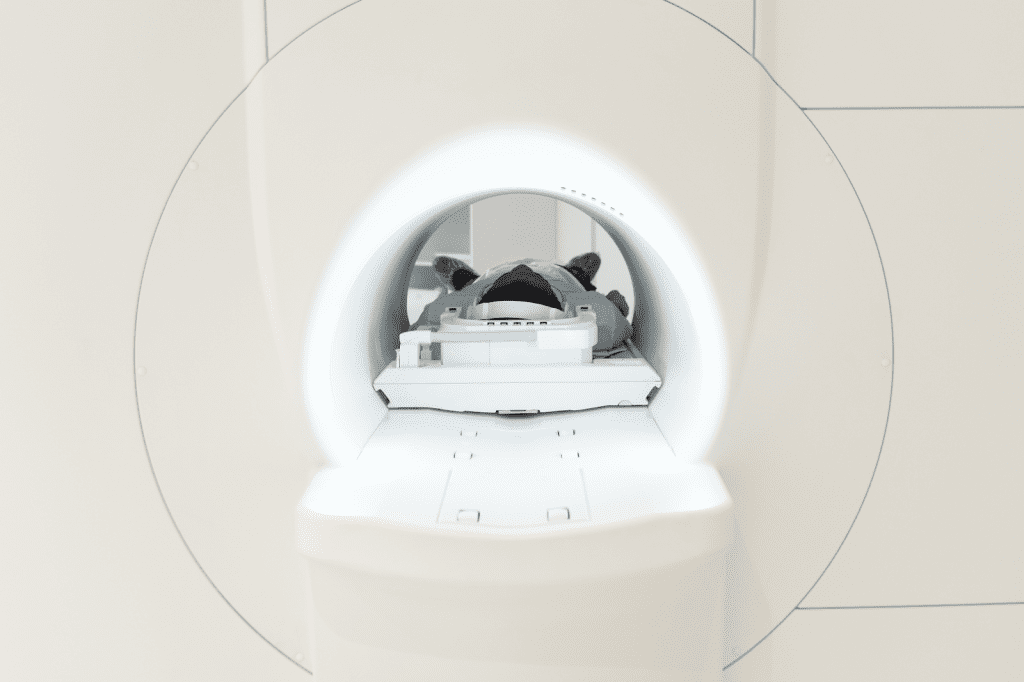
Learning about SPECT scans can make patients feel less anxious. We’ll explain the basics of this important diagnostic tool. You’ll understand it better as we guide you through it.
What is a SPECT Scan and How Does it Work?
A SPECT (Single Photon Emission Computed Tomography) scan is a type of nuclear medicine imaging. It creates detailed 3D images of the body’s internal structures and functions. It uses a small amount of radioactive tracer that is injected into the body.
The tracer accumulates in the areas being studied. The SPECT scanner detects the gamma rays emitted by the tracer. It uses this information to create images that help doctors diagnose and monitor various medical conditions.
“SPECT scans are very useful for examining the brain, bone, and certain other organs,” says a leading nuclear medicine specialist.
Common Medical Conditions Requiring SPECT Imaging
SPECT scans are used to diagnose and manage many medical conditions. Some common conditions include:
- Cancer, for assessing tumor activity and spread
- Cardiovascular disease, for evaluating heart function and blood flow
- Neurological disorders, such as Alzheimer’s disease and epilepsy
- Bone disorders, including infections and certain types of arthritis
By understanding how SPECT scans work and the conditions they help diagnose, patients can better prepare themselves. They can prepare for the imaging process and the treatment plans that follow.
The Importance of Proper SPECT Scan Prep
The accuracy of a SPECT scan depends a lot on how well patients prepare. We know that getting ready for a SPECT scan is a big deal. Being well-prepared is key to getting the best results.
Why Preparation Matters for Accurate Results
Good preparation leads to high-quality, accurate images from the SPECT scan. This is important because the scan’s value depends on clear images. Accurate SPECT scan results help doctors diagnose and treat many health issues well.
Several things affect how accurate SPECT scan results are, including:
- Following dietary restrictions and requirements
- Adhering to medication guidelines
- Avoiding certain substances like caffeine
- Proper hydration
By paying attention to these details, patients can improve their SPECT scan results a lot.
Consequences of Improper Preparation
Not preparing well for a SPECT scan can cause big problems, such as:
- Lower image quality, which can lead to wrong diagnoses
- The need for more scans, which can slow down getting a diagnosis and treatment
- Higher healthcare costs because of extra procedures or longer diagnostic times
Improper preparation can also make patients more stressed and anxious. We try to help by giving clear guidance and support.
We stress how important it is to follow the prep advice from healthcare pros. This makes sure patients are ready for their SPECT scan. It also makes the scan more useful and the experience less stressful for patients.
Initial Consultation: What to Discuss with Your Doctor

Talking to your doctor before a SPECT scan is key for a good experience. This meeting helps prepare you for the scan. It makes sure the scan is safe and works well.
Medical History Review
Your doctor will look over your medical history during the first talk. They want to know about any past health issues, surgeries, or allergies. This step is important for your safety during the scan.
Current Medications and Supplements
Telling your doctor about your current meds and supplements is very important. Some drugs might need to be changed or stopped before the scan. This helps the scan work better.
- List all prescription medications.
- Include any over-the-counter drugs.
- Mention any herbal supplements or vitamins.
Addressing Patient Concerns and Questions
The first talk is a great time to share any patient concerns or questions. We want you to feel comfortable and know what to expect. Our aim is to make you understand and feel at ease.
By talking about your medical history, current meds, and any worries, we make sure your SPECT scan is done right. We care about your safety and accuracy.
Scheduling Your SPECT Scan: Timing Considerations
To get the most out of your SPECT scan, timing is key. The right time can affect how accurate the results are and your experience.
Optimal Timing for Different Types of SPECT Scans
Each SPECT scan has its own best time. For example, cardiac stress tests are best in the morning. This is to avoid any food or drink that could mess with the results.
Scans that need a wait after the tracer is given might be set for later. This lets the tracer build up in the right area.
Here’s a general overview of timing considerations for common SPECT scans:
| SPECT Scan Type | Optimal Timing | Special Considerations |
| Cardiac Stress Test | Early morning | Fasting required before the test |
| Brain SPECT | Anytime, depending on the tracer used | Avoid caffeine and certain medications as advised |
| Cancer Imaging | Varies based on the type of cancer and tracer | May require specific preparation, such as hydration |
Scan Scheduling Around Work and Personal Commitments
Scheduling a SPECT scan can be tough, given work and personal life. Talk to your healthcare provider to find a good time. Some centers offer early or late slots to fit your schedule.
Thinking about the best time for your scan and your schedule helps. We aim to find a time that works for you and ensures the scan’s accuracy.
Medication Guidelines Before a SPECT Scan
Before a SPECT scan, talk to your healthcare provider about your medications. Some drugs can mess with the scan’s results. Knowing which ones to change or stop is key for good results.
Medications That May Need to Be Temporarily Discontinued
Some drugs might need to be stopped before a SPECT scan. This is to avoid messing with the imaging process. These include:
- Certain antidepressants that may affect the tracer’s uptake.
- Thyroid medications that could alter the test results.
- Caffeine and other stimulants that might impact the scan’s accuracy.
It’s important to follow your healthcare provider’s advice on which drugs to stop and when to start again.
Medication Disclosure Requirements
Telling your healthcare provider about all your medications is critical. This includes prescription drugs, over-the-counter drugs, and supplements. They need this info to:
- Check for any drug interactions with the tracer.
- Figure out the right dosage and timing for your drugs around the scan.
- Make sure you’re safe during the procedure.
Give your healthcare provider a full list of your medications before your SPECT scan.
By following these guidelines, you can help make your SPECT scan a success. This way, you’ll get accurate results for your diagnosis.
Dietary Restrictions and Requirements
Before getting a SPECT scan, patients need to know and follow some dietary rules. This is to get accurate and reliable results.
Fasting Rules for Different Types of SPECT Scans
Fasting rules change based on the SPECT scan type. Usually, patients are told to fast for a few hours before the scan. This helps the tracer absorb correctly in the body.
Some scans need a 4-6 hour fast, while others might be shorter or longer. Always follow the exact instructions from your healthcare provider or the imaging center.
| Type of SPECT Scan | Fasting Requirement | Additional Instructions |
| Myocardial Perfusion SPECT | 4-6 hours | Avoid caffeine and certain medications |
| Brain SPECT | 2-4 hours | Normal hydration is encouraged |
| Tumor SPECT | 6-8 hours | Specific dietary restrictions may apply |
Foods and Beverages to Avoid
Some foods and drinks can mess with SPECT scan results. Patients are usually told to skip caffeine, sugary foods, and high-fat meals for a few hours before the scan.
It’s also good to limit or avoid things that can dehydrate you or affect how the tracer works. Your healthcare provider or the imaging center will give you a list of what to avoid.
- Caffeine-containing products
- High-sugar foods and beverages
- Fatty or heavy meals
- Certain herbal supplements
By sticking to these dietary guidelines, patients can help make their SPECT scan a success. This ensures accurate diagnostic results.
Caffeine and Substance Avoidance Protocol
To get accurate results from your SPECT scan, it’s important to follow a specific protocol. This includes avoiding certain substances. We know it can be tough to prepare for a scan, but it’s key for your healthcare team to get clear images.
Timeline for Caffeine Restriction
Caffeine can mess with your SPECT scan results. So, it’s important to avoid it before the scan. We suggest not having caffeine for at least 24 hours before your scan. This helps make sure caffeine doesn’t mess with the scan’s accuracy.
Other Substances to Avoid Before Imaging
Other things can also affect your SPECT scan. This includes some medications, herbal supplements, and foods. Tell your doctor about any meds or supplements you’re taking. They might need to stop them before the scan. Your doctor will guide you based on your health and history.
Hydration Guidelines for SPECT Imaging
Drinking enough water is key for a successful SPECT scan. It affects how well the scan works and the quality of the images. Drinking water helps spread the tracer evenly in the body, making images clearer and more accurate.
Proper Patient Hydration Before the Scan
Before your SPECT scan, drink lots of water. Aim for eight glasses a day, unless your doctor tells you differently. Drinking water helps:
- Flush out the tracer, so it doesn’t stay in your body too long
- Lower the chance of side effects from the tracer
- Make your SPECT images better
Avoid drinks like caffeine and some medicines that can dry you out. If you’re taking something that might affect your water levels, talk to your doctor.
Hydration Requirements on Scan Day
On the day of your scan, keep drinking water. You can usually drink water right up until your scan. But, always listen to what your imaging center says. They might have special rules about drinking before your scan.
| Hydration Tip | Benefit |
| Drink at least 8 glasses of water a day | Ensures the tracer is well-distributed |
| Avoid diuretics like caffeine | Prevents dehydration |
| Follow specific scan center guidelines | Ensures compliance with scan requirements |
Doctors say, “A well-hydrated patient is key for great SPECT scan images.” Drinking enough water is a simple way to help your scan go well.
“Staying hydrated is one of the simplest ways to ensure that your SPECT scan is successful. It’s a critical step that patients should not overlook.”
A Nuclear Medicine Specialist
By following these hydration tips, you can help make your SPECT scan a success. This ensures your images are the best they can be.
Special Considerations for Specific Patient Groups
SPECT scan preparation varies for different patients. Some need special care to stay safe and get accurate results. We know every patient is different, and we aim to give personalized care.
Pregnancy Alert: Safety Precautions and Alternatives
Pregnant women face concerns about safety for both mom and baby. We take all precautions to reduce risks. If a SPECT scan is needed, we’ll talk about the risks and benefits with you.
In some cases, we might suggest other imaging methods to avoid radiation.
Tell your healthcare provider if you’re pregnant or think you might be. This helps us take the right steps and explore other options.
Breastfeeding Notice: Guidelines and Precautions
Breastfeeding women should tell their healthcare provider before a SPECT scan. The type of tracer used might affect breastfeeding guidelines. We might ask you to stop breastfeeding for a while to protect your baby.
Your safety and your baby’s are our main concerns. We’ll give you specific advice based on your situation.
Diabetic Patient Preparation
Diabetic patients need special care for a SPECT scan. Your medication or fasting might need changes. Talk to your healthcare provider about your diabetes plan to ensure a safe procedure.
- Tell your doctor about your diabetes medication.
- Discuss any changes to your medication schedule.
- Follow any dietary instructions given.
Preparation for Patients with Mobility Restrictions
We aim to make SPECT scans comfortable and accessible for patients with mobility issues. This might mean adjusting the schedule, providing extra support, or using special equipment.
Let us know about any mobility issues or disabilities so we can adapt our approach. This ensures a successful scan for you.
Complete SPECT Scan Prep: Day Before Checklist
To get accurate results and a smooth SPECT scan, we’ve made a checklist for you. Follow it the day before your scan.
Final Medication Adjustments
Talk to your doctor about your medications the day before. Some might need to be changed or stopped for the scan.
Write down your medications and how much you take to discuss with your doctor. This includes all prescription and over-the-counter drugs, plus supplements.
- Tell your doctor about any medications that could affect the scan.
- Follow their advice on changing your medication schedule.
Dietary Preparations
Some SPECT scans have dietary rules. Your doctor will tell you about fasting or diet changes.
Common dietary rules include:
- Avoiding foods or drinks that might mess with the scan.
- Fasting for a certain time before the scan.
| Dietary Preparation | Description | Action Required |
| Fasting | Avoid eating and drinking for a set time. | Check with your doctor how long to fast. |
| Avoiding Certain Foods | Stay away from foods that could affect the scan. | Ask your doctor for a list of foods to skip. |
Arranging Transportation and Support
You might need a ride home after the scan, depending on the type and any sedation. It’s best to have a friend or family member drive you.
If you’re sedated, having someone stay with you for a few hours is a good idea.
Preparing Documents: ID, Referral, and Insurance
Get all your documents ready the day before to avoid stress.
- Bring a valid ID.
- Carry your insurance cards and details.
- Have your doctor’s referral or prescription for the scan.
By following this checklist, you’ll be ready for your SPECT scan. It will make your experience smooth and successful.
Day of the SPECT Scan: What to Bring and Wear
To have a smooth SPECT scan, knowing what to wear and bring is key. We aim to make your experience as comfortable as possible.
Comfortable Clothing Recommendations
Wear comfortable, loose-fitting clothing on the day of your scan. This makes it easy to move around. Also, skip clothes with metal parts like zippers or buttons, as they might mess with the scan.
- Choose clothing that is easy to remove if needed.
- Consider wearing a two-piece outfit for easier changing.
- Layers are a good idea, as the scanning room may be cool.
Jewelry and Metal Objects Removal Guidelines
Make sure to remove any jewelry or metal objects before the scan. This ensures your images are clear. This includes:
- All types of jewelry (necklaces, earrings, rings, etc.).
- Metal hairpins or clips.
- Any other metal objects that may be on your person.
We have secure storage for your belongings. So, you can safely store your removed items.
Prior Imaging Records to Bring
Bring your prior imaging records to help your healthcare provider. Include any previous SPECT scans, MRI, or CT scans. Having these records can help make sure your SPECT scan is correctly interpreted.
Please arrive at least 15 minutes before your scheduled appointment. This allows time for check-in and preparation.
The Tracer Injection and Waiting Period
After getting ready, you’ll get a tracer injection for your SPECT scan. This step is key to getting clear images of your body’s inside parts.
What to Expect During Tracer Administration
You might feel a pinch or sting when the needle goes into your vein. Our team works hard to make it as easy as possible. The injection is fast, and you might not feel much after it’s done.
Key aspects to be aware of during tracer administration include:
- The injection is usually given in a small vein in your arm.
- You might be asked to remain very quiet during the injection to ensure the tracer is properly administered.
- Our team will watch you closely for any bad reactions, though they are rare.
The Waiting Period After Injection
After getting the tracer, you’ll wait before the SPECT scan. This lets the tracer spread out in your body. This makes the images taken very accurate and helpful for doctors.
The waiting time can change based on the SPECT scan type you’re having. You might need to rest or do certain things as told by your doctor. This helps the tracer spread right.
During the waiting period, it’s important to:
- Follow any instructions from your healthcare team.
- Drink lots of water, unless your doctor tells you not to.
- Avoid doing too much that could mess with the tracer’s spread.
Sedation Arrangements for Anxious Patients
If you’re worried or uncomfortable during medical tests, we can help. Our team wants to make sure you’re comfortable during the whole process.
If you’re scared about the injection or waiting, talk to your healthcare provider about sedation. They can help pick the best sedation for you. This way, you’ll be comfortable and safe during the test.
Conclusion: Ensuring a Successful SPECT Scan Experience
A successful SPECT scan depends on good preparation. Knowing the scan process, following medication rules, and sticking to dietary limits are key. This ensures accurate and reliable results.
It’s vital to follow the preparation steps closely. This avoids complications and the need for repeat scans. Our healthcare team is dedicated to providing top-notch care and support during the SPECT scan.
By working together and following these guidelines, we can have a smooth SPECT scan. This leads to accurate diagnostic results and helps in the effectiveness of treatment plans.
FAQ
What is a SPECT scan and how does it work?
A SPECT scan is a test that uses a tiny bit of radioactive material. It helps doctors find and check on different health issues. A special camera captures images of this material after it’s injected into the body.
Why preparation is important for a SPECT scan?
Getting ready right is key for good SPECT scan results. If you don’t follow the prep, the scan might not work right. This could mean you need more tests or it might affect the diagnosis.
What should I discuss with my doctor before a SPECT scan?
Talk to your doctor about your health history and medicines before the scan. Share any worries or questions you have. This helps your doctor know what to expect and give you the best advice.
Are there any dietary restrictions before a SPECT scan?
Yes, you might need to eat differently before the scan. You might have to fast or avoid certain foods. Your doctor will tell you what you should and shouldn’t eat.
Can I consume caffeine before a SPECT scan?
No, it’s best to avoid caffeine and other substances before the scan. Your doctor will tell you when to stop caffeine and what else to avoid.
How can I stay hydrated before and on the day of the SPECT scan?
Drinking water is important before and during the scan. Your doctor will suggest how much to drink to stay hydrated.
Are there special considerations for pregnant or breastfeeding women?
Yes, pregnant or breastfeeding women need special care before the scan. Tell your doctor if you’re in this situation. They’ll guide you on safety and alternatives.
What should I wear on the day of the SPECT scan?
Wear comfy clothes and avoid metal or jewelry that might get in the way. Your doctor will give you tips on what to wear and bring.
What is the process of tracer injection and the waiting period?
A tiny amount of radioactive material is injected into your body during the scan. Then, you wait a few hours before the scan. Your doctor will explain what to expect and help with any anxiety.
References
- Dickson, J. C. et al. EANM practice guideline for quantitative SPECT-CT. European Journal of Nuclear Medicine and Molecular Imaging / PMC.