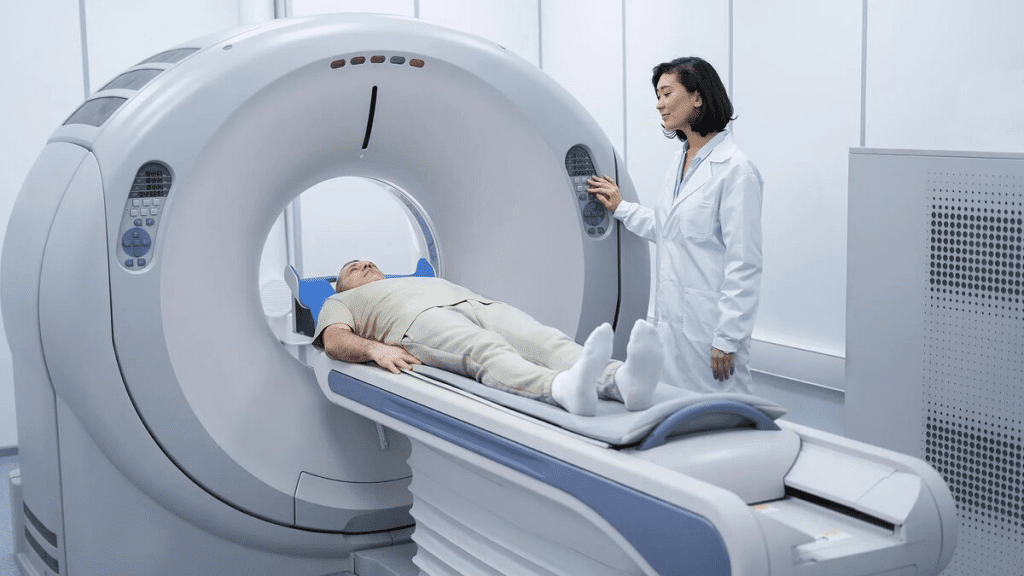
Medical imaging has changed how we diagnose diseases, using different methods to see inside the body. Over 80 million CT scans are done in the U.S. every year, showing how important imaging is for health care. Similarly, understanding the SPECT scan purpose highlights its role in providing detailed insights into organ function and blood flow.
A CT scan uses X-rays to make detailed pictures of the body. It mainly shows what’s inside. On the other hand, a SPECT CT scan mixes the body’s function info from nuclear medicine with CT’s detailed pictures. This gives a full view of how the body works and what it looks like.
Knowing the differences between these scans is key. It helps patients and doctors choose the right test for health issues.
Key Takeaways
- CT scans provide detailed anatomical images using X-rays.
- SPECT CT scans combine functional and anatomical imaging.
- The choice between CT and SPECT CT scans depends on the diagnostic needs.
- Understanding the differences is key for making good choices.
- SPECT CT scans offer insights into both structure and function.
The Fundamentals of Medical Imaging
Medical imaging has changed how doctors diagnose and treat patients. It has moved from simple X-rays to complex methods like SPECT CT.
The Evolution of Diagnostic Imaging Technology
The history of diagnostic imaging is amazing. It started with X-rays and grew to include CT and SPECT. Each step has helped us see inside the body better.
From X-rays to Advanced Hybrid Imaging
The shift to hybrid imaging is key. Hybrid imaging modalities like SPECT CT mix nuclear medicine with CT scans. This gives a full view of the body’s functions and structures.
The Growing Importance of Functional Imaging
Functional imaging, like SPECT, shows how organs work, not just their shape. This is vital for diagnosing and treating problems with organ function.
How Diagnostic Imaging Guides Medical Decision-Making
Diagnostic imaging is key in making medical decisions. It offers both structural and functional details. This helps doctors diagnose better and plan treatments.
Structural vs Functional Information
The difference between structural imaging and functional imaging is important. Structural imaging shows body parts, while functional imaging looks at organ activity. Both are needed to understand and treat health issues.
CT Scan Technology Explained
CT scans use X-rays to create detailed images inside the body. An X-ray source and detectors rotate around the body. They capture data from many angles.
Basic Principles of Computed Tomography
CT scans use ionizing radiation to make images. They measure how X-rays change as they go through different tissues.
X-ray Based Cross-Sectional Imaging
CT scans make cross-sectional images by combining X-ray measurements. This lets us see internal structures in detail.
Hounsfield Units and Tissue Differentiation
Values are measured in Hounsfield Units (HU). This helps tell different tissues apart by their density. For example, bone has a high HU value, and soft tissues have lower ones.
| Tissue Type | Hounsfield Unit (HU) Range |
| Bone | 1000+ |
| Soft Tissue | 40-80 |
| Fat | -100 to -50 |
Types of CT Scans and Their Applications
There are many types of CT scans, like non-contrast and contrast-enhanced CT imaging. Contrast-enhanced scans use a contrast agent to highlight certain areas.
Contrast-Enhanced CT Imaging
Contrast agents make certain tissues or structures more visible. This is helpful for diagnosing things like tumors or vascular diseases.
“The use of contrast agents in CT scans has significantly improved the diagnostic accuracy for various conditions, allowing for more precise treatment plans.”
Radiation Exposure Considerations
One big thing to think about with CT scans is the ionizing radiation they use. It’s important to weigh the benefits of CT scans against the risks of radiation.
Balancing Diagnostic Value and Safety
To lower risks, doctors adjust the radiation dose based on the patient and the task. This way, we get the most benefit from CT scans while keeping radiation exposure low.
Understanding SPECT CT Hybrid Imaging
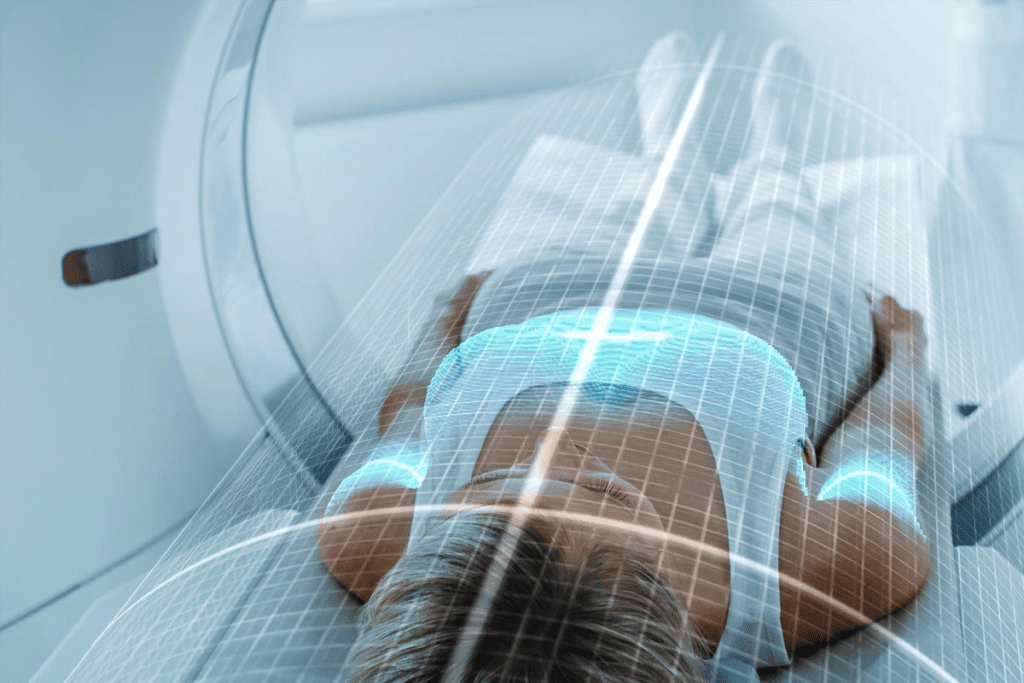
SPECT CT combines functional and anatomical data for a full view of the body’s inner workings. It merges the best of SPECT and CT technologies.
The Nuclear Medicine Foundation of SPECT
SPECT imaging uses nuclear medicine. It detects gamma photons from a radiotracer. Gamma camera technology captures these photons, showing the body’s functions.
Gamma Camera Technology
Gamma cameras detect gamma radiation from the radiotracer. This lets us see where metabolic activity is happening in the body.
Detection of Gamma Photons
Finding gamma photons is key for SPECT imaging. It shows where the radiotracer is in the body, giving insights into body functions.
How SPECT CT Combines Functional and Anatomical Data
SPECT CT combines SPECT and CT for better diagnostics. It gives both functional info from SPECT and detailed anatomy from CT. This mix gives a full picture of the body’s structure and function.
The Integration of Two Imaging Modalities
By merging SPECT and CT, doctors can see how body functions match up with anatomy. This makes diagnosis and treatment planning more accurate.
Radiotracers in SPECT Imaging
Radiotracers are essential in SPECT imaging. They help show specific body processes. The right radiotracer depends on the medical need.
Common Radiopharmaceuticals and Their Applications
Many radiopharmaceuticals are used in SPECT imaging. Each one is for a specific purpose, like checking metabolic activity or organ function.
Uptake Time and Metabolic Assessment
The uptake time of a radiotracer is important. It affects when images are taken and how they are read.
Key Differences Between CT and SPECT CT
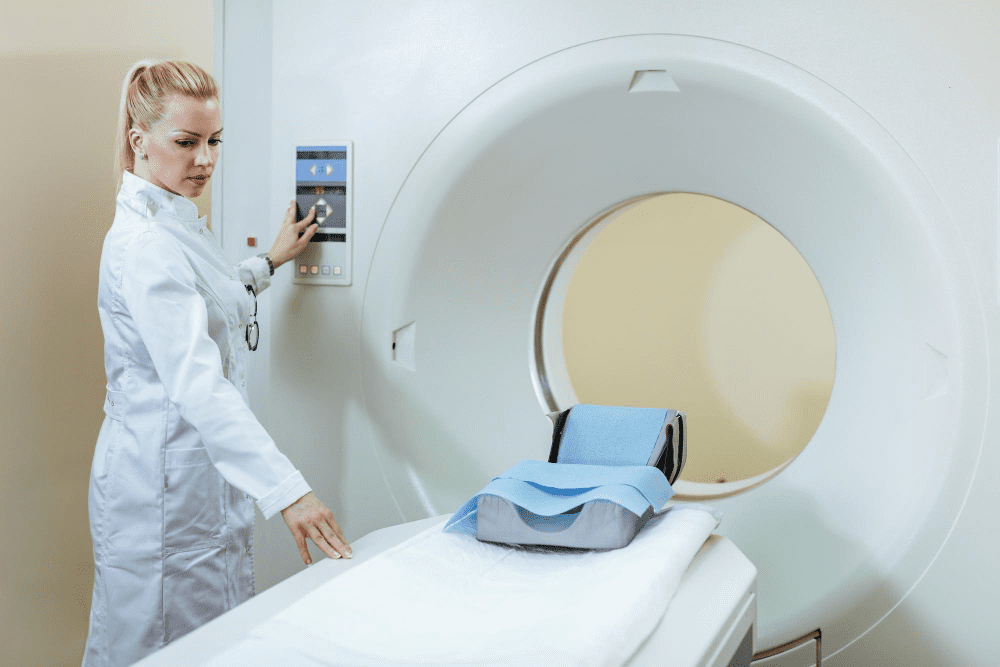
It’s important to know the differences between CT and SPECT CT scans. This helps choose the right tool for different health issues.
Imaging Principles and Technology
CT scans use X-ray technology to show detailed body images. SPECT CT scans add functional information to CT’s detailed images.
Structural vs Functional Information
CT scans mainly show the body’s structure, like organs and bones. SPECT CT scans, on the other hand, reveal how the body works.
Radiation Types and Exposure Levels
Both CT and SPECT CT scans use ionizing radiation. But, CT scans use X-rays, and SPECT CT scans use radiotracers that emit gamma rays.
Diagnostic Capabilities and Limitations
Choosing between CT and SPECT CT depends on what you need to diagnose. Here are some key points:
- CT Alone Is Sufficient for detailed images needed for injuries, tumors, and vascular diseases.
- SPECT CT Provides Critical Additional Information for functional data, like in cardiac studies or certain cancers.
When CT Alone Is Sufficient
CT scans are often first choice for emergencies or detailed images.
When SPECT CT Provides Critical Additional Information
SPECT CT is great for looking at how organs and tissues function. It gives insights CT alone can’t.
Image Acquisition and Processing Differences
Getting and processing images is different for CT and SPECT CT scans.
Scan Duration and Protocol Variations
CT scans are faster, done in minutes. SPECT CT scans take longer because they capture functional data over time.
Scan time and protocol are key in picking the right imaging method for a condition.
MRI vs SPECT: Comparing Alternative Imaging Modalities
Diagnostic imaging has grown to include many options. MRI and SPECT are key for different needs. MRI uses magnetic fields to show body details. SPECT uses nuclear medicine for functional info.
Magnetic Resonance vs Nuclear Medicine Fundamentals
MRI and SPECT work in different ways. MRI uses strong magnetic fields and radio waves for images. SPECT uses radioactive tracers and gamma rays for its scans.
Non-ionizing vs Ionizing Radiation
MRI and SPECT differ in radiation type. MRI uses safe non-ionizing radiation. SPECT uses ionizing radiation from tracers.
Tissue Characterization Differences
MRI is great at showing soft tissues. It can tell different tissues apart. SPECT is better at showing how tissues work, not just what they look like.
Contrast Mechanisms: Gadolinium vs Radiotracers
MRI and SPECT use different contrast methods. MRI uses gadolinium to improve images. SPECT uses radiotracers to highlight specific areas.
Distribution and Uptake Patterns
Contrast agents in MRI and SPECT give important clues. Gadolinium makes some areas clearer in MRI. Radiotracers in SPECT show metabolic activity or disease.
Soft Tissue Detail and Functional Assessment
MRI and SPECT are both good at showing soft tissues and function. MRI is better at anatomy. SPECT is better at showing how tissues work.
Perfusion Assessment Techniques
MRI and SPECT can both check blood flow. MRI uses special techniques. SPECT uses Technetium-99m for heart studies.
Metabolic Activity Visualization
SPECT is great for seeing metabolic activity. It can check heart health or find tumors with the right tracers.
In summary, MRI and SPECT are both important in imaging. Knowing their differences helps choose the best imaging for each case.
Clinical Applications of CT Scans
CT scans are key in today’s medicine, used in many ways. They give detailed images that doctors find very useful. This makes them important in many medical fields.
Emergency and Trauma Imaging
In emergency and trauma cases, CT scans are a big help. They quickly show if there are internal injuries or bleeding. This helps doctors make fast treatment plans.
Rapid Assessment of Injuries
CT scans are fast and accurate, which is great for trauma. They let doctors see how bad the injuries are. This helps them decide what to do first.
Oncology Applications
CT scans are also key in fighting cancer. They help find tumors, see how big they are, and check if treatments are working.
Cancer Detection, Staging, and Monitoring
For oncologists, CT scans are essential. They help figure out how far cancer has spread. This helps doctors plan the best treatment. They also check if the cancer is getting better or worse.
Cardiovascular and Pulmonary Assessment
CT scans are used for heart and lung health too. They show how the heart and lungs are doing. This is important for diagnosing diseases.
Coronary Calcium Scoring
Coronary calcium scoring is a special CT scan. It checks for heart disease by looking at calcium in the heart’s arteries.
Pulmonary Embolism Evaluation
CT scans are great for finding blood clots in the lungs. They show where the clot is and how it’s affecting the lungs.
| Clinical Application | Description | Benefits |
| Emergency and Trauma Imaging | Rapid assessment of injuries | Timely diagnosis and treatment |
| Oncology | Cancer detection, staging, and monitoring | Accurate staging and treatment planning |
| Cardiovascular Assessment | Coronary calcium scoring | Risk assessment for coronary artery disease |
| Pulmonary Assessment | Pulmonary embolism evaluation | Diagnosis and assessment of pulmonary embolism |
Clinical Applications of SPECT CT Scans
SPECT CT scans are used in many ways, from checking the heart to studying the brain. They mix SPECT’s function with CT’s detail. This gives a full picture of many health issues.
Cardiac Perfusion and Function Studies
SPECT CT is key in heart imaging. It shows how well the heart muscle gets blood and works.
Myocardial Perfusion Imaging
It uses SPECT CT to see if the heart’s blood flow is normal. This is key for spotting heart disease.
Viability Assessment
SPECT CT also checks if damaged heart parts can heal. This helps doctors decide on treatments like surgery.
Neurological Disorders and Brain Imaging
In brain studies, SPECT CT is a big help. It gives important clues for diagnosing.
Dementia Evaluation
It looks at brain blood flow to spot dementia types. This helps in diagnosing and planning care.
Stroke Assessment
For stroke, SPECT CT checks brain blood flow. It finds out which parts can be saved, helping with treatment.
Bone and Joint Disorders
SPECT CT is also used for bone and joint issues. It checks bone health and finds infections or inflammation.
Bone Metabolism Assessment
It helps find and manage bone problems like osteoporosis. This is by looking at bone health.
Infection and Inflammation Detection
SPECT CT spots infections and inflammation in bones and joints. This helps diagnose serious conditions like osteomyelitis.
| Clinical Application | Description | Benefits |
| Cardiac Perfusion Studies | Assesses blood flow to the heart muscle | Diagnoses coronary artery disease, identifies ischemia or infarction |
| Neurological Disorders | Evaluates cerebral blood flow and brain function | Aids in dementia evaluation and stroke assessment |
| Bone and Joint Disorders | Assesses bone metabolism and detects infection/inflammation | Helps in diagnosing osteoporosis, bone metastases, and osteomyelitis |
Patient Experience and Practical Considerations
CT and SPECT CT scans differ in how they affect patients. This includes how long the procedure takes and what preparation is needed.
Procedure Duration and Patient Preparation
CT scans are usually shorter than SPECT CT scans. CT scans take just a few minutes. On the other hand, SPECT CT scans can take hours, including preparation and scanning.
CT vs SPECT CT Time Requirements
CT scans are quicker because they mainly focus on body structure. SPECT CT scans, which look at both function and structure, take longer. This is because the radiotracer needs time to build up in the target area.
Fasting and Medication Considerations
Preparation for the scans varies. For SPECT CT scans, patients might need to fast or skip certain medicines. This is to get accurate results.
Comfort and Accessibility Factors
Comfort is key for patients. Both CT and SPECT CT scanners are enclosed. This can be a problem for those with claustrophobia.
Claustrophobia and Patient Positioning
Patients with claustrophobia might need special care or sedation. The way they are positioned in the scanner also affects their experience.
Cost, Insurance Coverage, and Availability
The cost of CT and SPECT CT scans varies. It depends on the facility, location, and insurance.
Regional Variations in Access to Advanced Imaging
Access to these scans can vary by region. Urban areas usually have more options than rural areas.
In summary, knowing about the practical aspects and patient experience of CT and SPECT CT scans helps patients prepare for their imaging tests.
Conclusion: Selecting the Appropriate Imaging Modality
Choosing the right imaging modality is key for accurate diagnosis and treatment planning. The decision between CT and SPECT CT scans depends on the clinical question, patient condition, and diagnostic needs.
CT scans give high-resolution images of the body’s anatomy. They are best for emergency and trauma cases, cancer studies, and heart assessments. On the other hand, SPECT CT hybrid imaging offers functional details. It’s great for heart function studies, brain and nervous system disorders, and bone and joint issues.
It’s important to know the strengths and weaknesses of each imaging method. This knowledge helps in making the best choice for each patient. Healthcare professionals can then make decisions that lead to better patient outcomes.
Using imaging modalities wisely is essential for their diagnostic value. As medical imaging technology advances, staying updated on different modalities is critical. This ensures high-quality care for patients.
FAQ
What is the main difference between a CT scan and a SPECT CT scan?
CT scans use X-rays to show detailed body structures. SPECT CT scans combine nuclear medicine with CT. This gives both structure and function information.
How do CT scans and SPECT CT scans differ in terms of radiation exposure?
Both use radiation, but in different ways. CT scans use X-rays. SPECT CT scans use ionizing radiation from radiotracers. The amount of radiation depends on the procedure and radiotracer.
What are the typical applications of CT scans in clinical practice?
CT scans are used in emergencies, trauma, oncology, and for heart and lung checks. They provide detailed structural images.
What are SPECT CT scans particularly useful for?
SPECT CT scans are great for functional imaging. They help with heart studies, neurological disorders, and bone issues. They show metabolic activity and tissue function.
How do MRI and SPECT compare in terms of soft tissue detail and functional assessment?
MRI is better for soft tissue detail because of its high resolution. SPECT is better for functional assessment, like metabolic activity and perfusion.
What factors influence the choice between CT, SPECT CT, and other imaging modalities?
The choice depends on the clinical context and the diagnostic question. It also depends on patient needs and the type of information needed.
How do radiotracers work in SPECT imaging?
Radiotracers emit gamma photons detected by the SPECT scanner. This shows their distribution in the body, reflecting metabolic or physiological processes.
Are there any differences in patient preparation for CT and SPECT CT scans?
Yes, preparation can differ. SPECT CT scans may need a radiotracer. CT scans might use contrast agents. Instructions will vary.
How do image resolution and uptake time affect SPECT CT imaging?
Image resolution is influenced by the scanner and radiotracer. Uptake time is how long the radiotracer accumulates before imaging. Both affect image quality and diagnostic value.
Can both CT and SPECT CT scans be used for assessing brain imaging and neurological disorders?
Yes, both can be used. CT scans are for acute structural assessment. SPECT CT scans provide functional brain information for certain neurological disorders.