

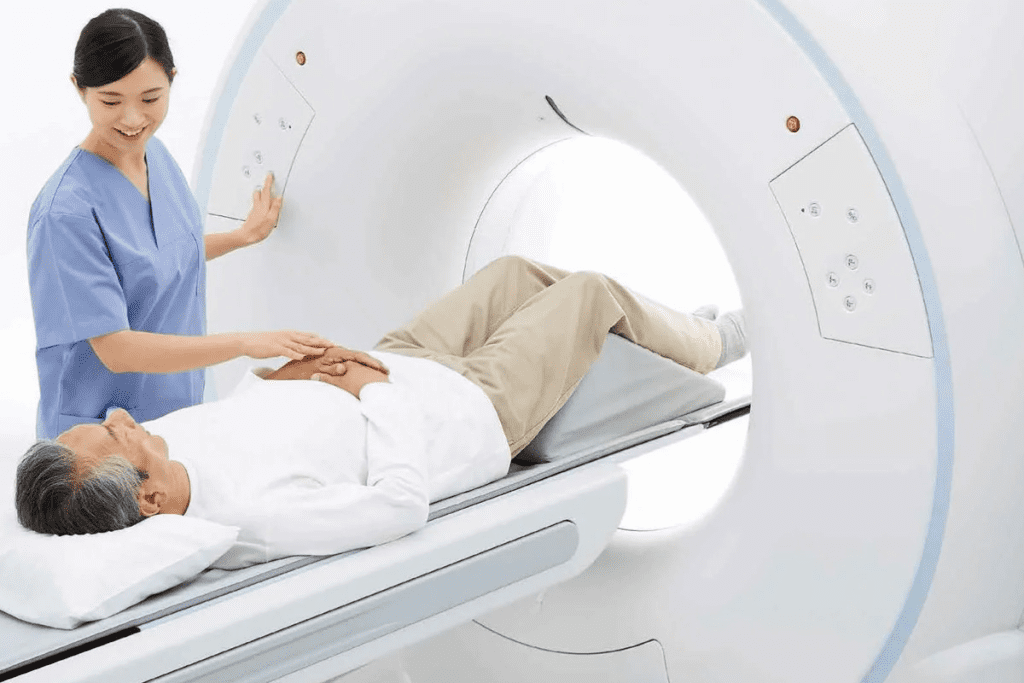
Did you know that nearly 12 million CT scans are done every year in the United States? Many patients feel anxious during these scans, especially when comparing SPECT vs CT imaging techniques. Some turn to Xanax (alprazolam) to calm their nerves.
For those getting a CT scan with contrast, anxiety is a big worry. Pre-scan medication like Xanax might be given to ease this anxiety, whether for a SPECT vs CT imaging study or a routine CT. This way, the scan can be done smoothly and well.
Key Takeaways
- Xanax (alprazolam) is sometimes used to manage anxiety related to CT scans.
- The use of Xanax before a CT scan can help patients relax during the procedure.
- It’s essential to consult with a healthcare provider about using Xanax or other benzodiazepines before imaging procedures.
- CT scans with contrast require careful consideration of patient anxiety and comfort.
- Pre-scan medication can significantly improve the CT scan experience for anxious patients.
Understanding CT Scans with Contrast
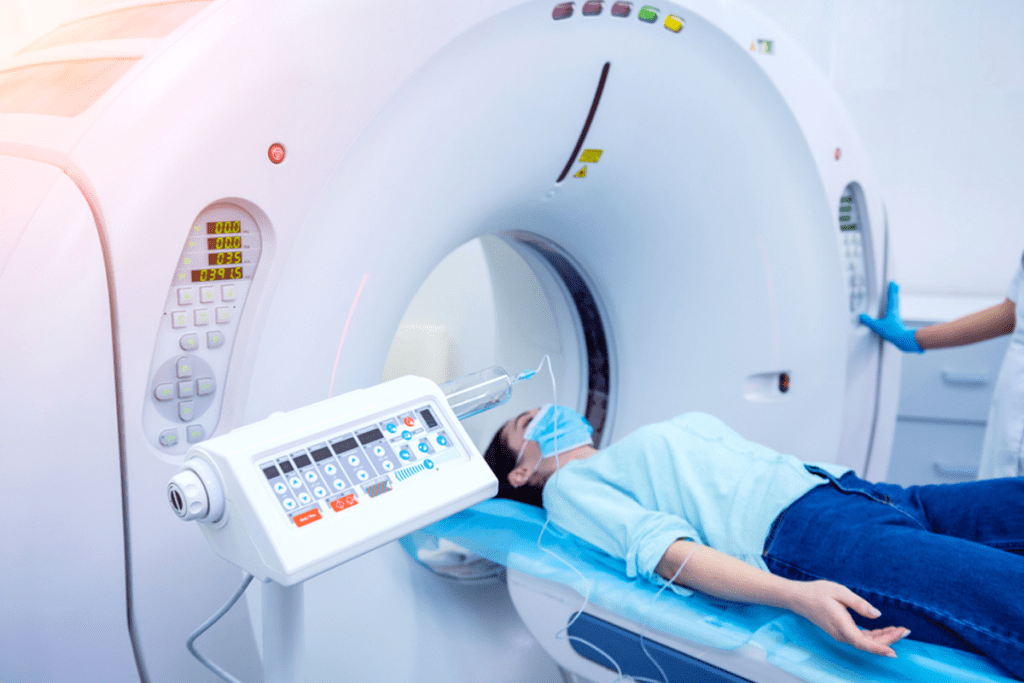
Contrast agents in CT scans have changed the game in medical imaging. They make it easier to see inside the body. This helps doctors find and treat health problems better.
What is a CT scan with contrast?
A CT scan with contrast uses a special dye to light up the body. This dye is given through an IV. It helps doctors see different parts of the body clearly, making it easier to spot problems.
Types of contrast agents used
There are many contrast agents for CT scans. Iodine-based agents are used for scans of the head, neck, and body. Barium-based agents are best for looking at the stomach and intestines.
How contrast affects the body
Some people might feel side effects from the contrast agent. This could be an allergic reaction, kidney issues, or problems with other medicines. But, these risks are small, and doctors take steps to avoid them.
| Type of Contrast Agent | Common Use | Potential Side Effects |
| Iodine-based | Head, neck, and body scans | Allergic reactions, kidney strain |
| Barium-based | Gastrointestinal tract imaging | Constipation, cramping |
It’s important for patients to understand contrast agents in CT scans. This helps them prepare and talk to their doctors about any worries. Knowing what to expect makes the imaging process safer and more effective.
Anxiety and Medical Imaging Procedures
Many people feel anxious about CT scans and other medical imaging tests. The thought of getting a CT scan with contrast can make them very nervous.
Common Causes of Scan-Related Anxiety
There are several reasons why people get anxious before a CT scan. These include:
- Fear of the unknown or unfamiliar environment
- Concerns about the procedure itself, such as the use of contrast agents
- Previous negative experiences with medical procedures
- General anxiety or claustrophobia
Physical Symptoms of Imaging Anxiety
Anxiety from medical imaging can show up in different ways. This includes:
- Increased heart rate and blood pressure
- Trembling or shaking
- Nausea or stomach discomfort
- Difficulty breathing or feeling of suffocation
It’s essential to recognize these symptoms as they can impact not only the patient’s comfort but also the quality of the scan.
How Anxiety Can Affect Scan Quality
When patients are anxious during a CT scan, it can cause problems. This includes:
- Movements that cause blurry images
- Difficulty following instructions, potentially requiring the scan to be repeated
- Increased stress levels, which may complicate the procedure
Effective management of anxiety is key to a smooth scan. It ensures the images are of high quality.
Looking into non-drug anxiety relief methods can help. Techniques like deep breathing, guided imagery, and cognitive behavioral strategies can reduce anxiety. They do not require medication.
Xanax (Alprazolam): Mechanism and Effects
Understanding Xanax is key for those thinking about it for anxiety before a CT scan. Xanax, or alprazolam, is a benzodiazepine. It calms the nervous system.
How Xanax Works in the Body
Xanax boosts the effect of GABA, a neurotransmitter, at the GABAA receptor. This gives it sedative, hypnotic, anxiolytic, anticonvulsant, and muscle relaxant properties. It reduces neuron activity, calming the nervous system.
Typical Onset and Duration of Effects
Xanax’s effects start in 20 to 60 minutes after taking it. Its calming effects last several hours, depending on dosage and individual factors. For most, peak effects are seen in 1 to 2 hours.
Common Side Effects Relevant to Medical Procedures
Xanax is usually safe but can cause side effects for medical imaging. Common ones include drowsiness, lightheadedness, and dizziness. These effects can be a concern if you need to follow specific instructions or stay very quiet during the procedure.
It’s vital to tell your healthcare provider about all medications and any substance abuse history. This ensures Xanax is safely given before a CT scan.
Safety Considerations: Xanax and CT Contrast Agents
When Xanax is used with CT contrast agents, safety is a big concern. Medical experts say, “The key to safe imaging lies in understanding the complex interactions between medications and contrast agents.” Careful patient assessment is critical to avoid risks.
Potential Interactions Between Benzodiazepines and Contrast Media
Xanax is often used to calm anxiety during medical procedures. But, mixing it with CT contrast agents needs careful thought. Studies show that while Xanax is usually safe, mixing it with contrast can cause more sleepiness or problems in some people.
Monitoring patient response is key when using these together. A study in a radiology journal found, “The use of benzodiazepines and contrast agents together needs careful watch for bad reactions.”
Research Findings on Medication Compatibility
Research on Xanax and CT contrast agents has given us important info. Most people do okay with the mix. But, how someone reacts can change a lot based on things like how much they take, their health, and other meds.
“The safety of mixing benzodiazepines with contrast media is mostly good, but there are risks.” – Radiology Expert
Risk Factors That Require Special Attention
Some things make it more important to think carefully about using Xanax before a CT scan with contrast. These include past allergic reactions to contrast, kidney problems, and bad reactions to benzodiazepines before. Patients with these risks need careful checking and might need other ways to calm their nerves.
- History of allergic reactions to contrast agents
- Kidney disease or impaired renal function
- Previous adverse reactions to benzodiazepines
Knowing about these safety points and how they interact helps doctors manage risks. This makes sure patients have a safer time during imaging tests.
Medical Guidelines on Anti-Anxiety Medication Before Imaging
Managing anxiety before a scan is key in medical imaging. Guidelines help with this. The use of Xanax or other anti-anxiety drugs before scans is a big topic for both patients and doctors.
Official Recommendations from Radiology Associations
Radiology groups, like the American College of Radiology (ACR), have rules for anti-anxiety meds before scans. These rules aim to keep patients safe and make sure scans work well.
The ACR says to decide on meds based on each patient’s needs and the scan’s requirements. This approach considers the patient’s health history.
Hospital Protocols for Pre-Scan Medications
Hospitals have their own rules for giving meds before scans. These rules often involve benzodiazepines like Xanax. Doctors and other health experts help create these guidelines.
It’s important for patients to tell their doctors about all meds they’re taking. This includes benzodiazepines. It helps make sure scans are safe and effective.
Documentation Requirements for Pre-Procedure Medications
Keeping records of meds given before a scan is vital. Doctors must write down the meds, how much, and when they were given.
This record-keeping is key for patient care. It helps spot any issues with meds and contrast agents. It also ensures the right care is given.
Key Considerations include knowing how benzodiazepines and contrast media might interact. Also, following guidelines and hospital rules is very important.
- Patients should talk to their doctors about their anxiety.
- Doctors should decide on meds based on each patient’s needs.
- Keeping records of pre-procedure meds is essential for safety.
Discussing Anxiety with Your Healthcare Provider
Talking about your anxiety before a CT scan is key. It helps find the best way to manage your feelings. Good communication can make the procedure more comfortable for you.
Communicating Anxiety Concerns Effectively
To talk about your anxiety well, be ready to share your feelings. Here are some tips:
- Tell your healthcare provider what makes you anxious about the CT scan.
- Share how medical imaging in the past made you feel.
- Let them know any fears or worries you have about the procedure.
Clear communication helps your healthcare provider understand you. They can then suggest the best solutions.
Questions to Ask About Medication Options
When talking about medication, ask these questions:
- What are the benefits and risks of anti-anxiety medication before the CT scan?
- Are there other ways to feel better without medication?
- How will the medication be given, and what will it do?
Knowing your options helps you decide what’s best for you.
Requesting Medication Accommodation
If you choose medication, talk to your healthcare provider about when and how much. Ask:
- How long before the scan should I take the medication?
- Are there special instructions for taking it (like with food)?
- What side effects might I experience, and how can I handle them?
By talking openly about your anxiety and medication, you and your healthcare provider can create a plan. This plan will help you feel more comfortable and safe during the CT scan.
Alternative Approaches to Managing Scan Anxiety
There are many ways to manage scan anxiety that don’t involve medication. These methods help reduce anxiety without drugs, making CT scans easier for people to handle.
Non-pharmaceutical anxiety reduction techniques
Several techniques can help ease anxiety before and during a CT scan. These include:
- Deep breathing exercises
- Progressive muscle relaxation
- Meditation and mindfulness practices
These methods calm the mind and body, lowering stress. Deep breathing exercises, for instance, slow down the heart rate and help relax.
Breathing exercises and guided imagery
Guided imagery is another great way to manage scan anxiety. It lets you imagine a peaceful, safe place to take your mind off the scan. Listening to guided imagery recordings before and during the scan can help calm your nerves.
Combining breathing exercises with guided imagery can make you even more relaxed. Progressive muscle relaxation can also help release physical tension when used with these techniques.
Cognitive behavioral strategies for medical procedures
Cognitive behavioral therapy (CBT) can help with anxiety during medical procedures like CT scans. It involves changing negative thoughts to more positive ones.
Working with a therapist, you can learn coping strategies that fit your needs. This can help lower your anxiety and make the scan experience better.
Exploring these alternative methods can help you find ways to manage your anxiety before and during a CT scan. This makes the whole process less stressful and more manageable.
Preparation Timeline: When to Take Xanax if Approved
When your healthcare provider says it’s okay, timing is key for Xanax before a CT scan. Xanax helps with anxiety during medical tests, like CT scans with contrast.
Optimal Timing Based on Procedure Duration
The length of a CT scan with contrast matters for when to take Xanax. These scans usually last 15 to 30 minutes. But, getting ready and processing can add more time. So, it’s best to take Xanax 30 minutes to 1 hour before starting the scan.
Key Considerations:
- Take Xanax on an empty stomach or with a light snack to avoid stomach upset.
- Follow the exact dosage prescribed by your healthcare provider.
- Plan your arrival time at the imaging facility to include registration and preparation.
Considerations for Morning vs. Afternoon Appointments
The time of your CT scan affects when to take Xanax. For morning scans, you might need to wake up early. For afternoon scans, you can take it closer to the scan time, depending on your lunch and the facility’s rules.
Afternoon Appointments: If your scan is later, have a light meal or snack before Xanax. This can help avoid side effects like dizziness or nausea.
Talk to your healthcare provider about your specific needs. Include any other meds you’re on and your health status. They can give you personalized advice on Xanax before your CT scan.
Eating Before SPECT: Guidelines and Recommendations
Preparing your diet for a SPECT scan is key. Certain foods and drinks can affect the scan’s quality. It’s important to follow specific guidelines for the best results.
Fasting Requirements for SPECT Scans
The fasting time for SPECT scans varies. It depends on the type of scan and the radiopharmaceutical used. Patients usually fast for 4 to 6 hours before the scan.
This fasting helps the radiotracer absorb properly in the body. Some scans might allow a light meal a few hours before.
Table: Fasting Requirements and Recommendations
| Fasting Duration | Allowed Intake | Notes |
| 4-6 hours | Water only | Standard protocol for most SPECT scans |
| 2-3 hours | Clear liquids | May be allowed for certain procedures |
| Overnight | NPO (Nothing by mouth) | For specific types of SPECT scans or patient conditions |
Recommended Foods and Beverages Before SPECT Procedures
Even when fasting is required, what you eat before can matter. Drinking water is important. It helps keep you hydrated.
If you can eat before your scan, choose light, easy-to-digest foods. Avoid heavy, fatty, or sugary foods. They might make you uncomfortable during the scan.
Staying hydrated is key, but following your healthcare provider’s dietary advice is also vital.
Foods and Substances to Avoid Prior to SPECT Imaging
Some foods and substances can affect SPECT imaging. Avoid caffeine, alcohol, and certain medications. They might impact the scan’s results.
Also, foods high in sugar or fat can change your body’s metabolic state. This might affect how the radiotracer is taken up.
By following these dietary guidelines, you can help make your SPECT scan safe and effective. This ensures your healthcare providers get the best diagnostic information.
Comparing Preparation Guidelines: CT vs. SPECT Scans
Diagnostic imaging procedures like CT scans with contrast and SPECT scans need different preparations. It’s important for patients to know these differences. This ensures they are ready for their imaging tests.
Contrast vs. radiotracer: Different preparation needs
CT scans with contrast ask patients to not eat or drink for a few hours before. But, how long you need to fast can change. On the other hand, SPECT scans use a radiotracer. This might mean fasting or avoiding certain medicines.
The contrast agent or radiotracer used decides how to prepare. For example, some SPECT scans might need fasting, while others don’t. Always follow what your healthcare provider or the imaging center tells you.
Medication considerations across imaging modalities
Medication before a scan can be different for CT scans with contrast and SPECT scans. You might need to keep taking some medicines or stop others. This depends on the scan type and the medicine.
For CT scans, you might stop some medicines that could react with the contrast. With SPECT scans, you might adjust or stop medicines to help the radiotracer work right.
Why preparation protocols vary between scan types
The reasons for different preparations for CT scans with contrast and SPECT scans are in the technology and substances used. CT scans use X-rays and contrast to get detailed images. SPECT scans use a radiotracer to see how body organs or tissues work.
So, the prep guidelines are made for each scan type. This makes sure patients are ready and the scans are done safely and well.
Special Considerations for Patients with Chronic Anxiety
Managing anxiety is key for patients getting medical imaging, like CT scans. Those with chronic anxiety need a special plan to feel safe and comfortable.
Managing Regular Psychiatric Medications
It’s important for patients with chronic anxiety to keep taking their regular medications before a CT scan. The timing and amount might change based on the scan needs. They should talk to their healthcare provider about the best plan.
Some medicines can react with CT scan contrast agents. So, it’s important for patients to tell their radiologist about all their medications, including psychiatric ones.
Communication Between Mental Health Providers and Radiologists
Good communication between mental health teams and radiologists is essential for patients with chronic anxiety. They work together to understand the patient’s anxiety plan and how to fit it into the scan.
Radiologists can team up with mental health experts to create a plan that lowers the patient’s anxiety during the scan. This might include relaxation methods, having a support person, or changing the scan area.
Developing a Personalized Imaging Strategy
Creating a custom imaging plan is important for patients with chronic anxiety. It means understanding what the patient fears and needs during the scan.
Healthcare providers can make the imaging experience better by tailoring it. Using breathing exercises, guided imagery, or cognitive behavioral strategies can help manage anxiety.
Patients with chronic anxiety do best with a full approach. This includes managing their medications, good communication among healthcare teams, and custom care plans. With these steps, the anxiety from CT scans can be greatly reduced.
Potential Side Effects: Combining Xanax with CT Contrast
It’s important to know the side effects of Xanax with CT contrast agents. This knowledge helps keep patients safe and manage their anxiety well.
Warning Signs that Require Immediate Medical Attention
When Xanax and CT contrast agents are used together, watch your body closely. Some symptoms mean you need to see a doctor right away. These include:
- Severe allergic reactions: Trouble breathing, fast heartbeat, or swelling in the face, lips, tongue, or throat.
- Neurological effects: Feeling dizzy, confused, or having mood or behavior changes.
- Cardiovascular issues: Chest pain, irregular heartbeat, or big changes in blood pressure.
Tell your doctor about any allergies, medical conditions, or past reactions to contrast agents or benzodiazepines.
Recovery Expectations After the Procedure
After a CT scan with contrast and Xanax, follow these recovery tips. Usually, you’re told to:
- Rest for the rest of the day and avoid hard activities.
- Drink lots of water unless your doctor says not to.
- Watch for any late reactions to the contrast, like skin rash or itching, and tell your doctor.
A medical expert says, “The key to a smooth recovery is careful monitoring and following post-procedure instructions.”
Patients should be aware of the possibility of late reactions and know when to get help.
Here’s a table with key recovery tips and warning signs to watch for:
| Aspect | Guidelines |
| Immediate Post-Procedure | Rest, stay hydrated, monitor for adverse reactions |
| Warning Signs | Severe allergic reactions, neurological effects, cardiovascular issues |
| Delayed Reactions | Skin rash, itching; report to doctor if observed |
Legal and Consent Considerations for Medication Use
Using anti-anxiety meds before medical imaging raises legal and consent issues. As imaging tech gets better, using Xanax to calm nerves during tests is more common.
Documentation of Pre-scan Medications
It’s key to document pre-scan meds for safety and legal reasons. Doctors must write down all meds given before a test in the patient’s file. This includes the type, dose, and when it was given.
Key elements of documentation include:
- The patient’s medical history, including any previous adverse reactions to medications
- The specific medication administered, including its dosage and route of administration
- The time of medication administration in relation to the procedure
- Any informed consent forms signed by the patient or their representative
Patient Rights Regarding Anxiety Management During Procedures
Patients have the right to know about anxiety management options during tests. This includes the right to say no to meds like benzodiazepines. Doctors must talk about these choices with patients, covering the good and bad sides of the meds.
Patients should be encouraged to ask questions about their anxiety management options, including:
- What medications are available for anxiety management during the procedure?
- What are the possible side effects of these medications?
- Are there other ways to handle anxiety that don’t involve meds?
Knowing about legal and consent issues with pre-scan meds helps patients make better choices. Doctors must find a balance between easing anxiety and keeping patients safe and following the law.
Real Patient Experiences and Clinical Perspectives
Anxiety before CT scans is a big issue for both patients and doctors. They look for ways to make scans less stressful. Using Xanax before a CT scan with contrast is a topic of much interest.
Patient Testimonials About Anxiety Management During Imaging
Many patients have shared how they handled their anxiety during CT scans. For example, a patient might say,
“I was extremely nervous before my CT scan, but after taking Xanax as advised by my doctor, I felt much more relaxed during the procedure.”
These stories show how anti-anxiety medication can help make scans easier.
But not every patient feels the same way. Some worry about the side effects of these medications or don’t want to take them. As one patient noted,
“I was hesitant to take any medication before my scan, but my doctor reassured me that Xanax was safe and would help me stay calm.”
Healthcare Provider Insights on Medication Use
Doctors are key in helping patients feel less anxious during scans. The decision to use anti-anxiety medication before a CT scan depends on various factors, including the patient’s medical history and the specific requirements of the imaging procedure.
Doctors stress the need for clear information and consent. Clear guidelines and patient consent are key when thinking about using these medications. It’s important to talk about the risks and benefits with patients and make sure they’re okay with the chosen approach.
Looking at both patient stories and doctor insights helps us understand the challenges of managing anxiety before a CT scan with contrast.
Conclusion
Knowing how Xanax helps with ct scan anxiety is key for patients. This article looked at using benzodiazepine before scans. It also talked about its effects with contrast agents and the need for clear guidelines.
Patients with imaging anxiety should talk to their doctors. Doctors can suggest other ways or medicines to help. Also, knowing what to eat before a scan is important for preparation.
In summary, managing anxiety and knowing about pre-procedure meds is vital. It makes medical imaging smoother and more successful.
FAQ
Can I take Xanax before a CT scan with contrast?
Always talk to your doctor before taking Xanax or any medicine before a CT scan. They will look at your health history and how anxious you are. Then, they’ll decide what’s best for you.
What are the guidelines for eating before a SPECT scan?
Usually, you’re told to not eat for a while before a SPECT scan. Your doctor or the imaging place will tell you what to eat and what to avoid.
How does Xanax work to manage anxiety during medical imaging?
Xanax, or alprazolam, is a medicine that helps calm you down. It works by making a brain chemical work better. This helps reduce anxiety during scans.
Are there alternative methods to manage anxiety during CT scans beside taking Xanax?
Yes, there are other ways to handle anxiety. You can try breathing exercises, guided imagery, or cognitive behavioral strategies. Talk to your doctor about these options.
What are the possible interactions between Xanax and CT contrast agents?
Taking Xanax and CT contrast agents together might have some risks. Your doctor will check your risk and watch you closely.
How do I discuss my anxiety with my healthcare provider before a CT scan?
It’s important to share your anxiety worries with your doctor. Ask about medicine options and if you need special help during the scan.
What are the differences in preparation guidelines between CT and SPECT scans?
CT scans use contrast agents, while SPECT scans use special tracers. Because of these differences, the prep steps can vary. Always follow the exact instructions for your scan type.
Can I take my regular psychiatric medications before a CT scan or SPECT scan?
If you take medicine for anxiety, talk to your doctor about it before a scan. They might help you come up with a plan that works for you.
What are the possible side effects of combining Xanax with CT contrast agents?
Know the signs of a bad reaction that need quick help. Also, talk to your doctor about what to expect after the scan.
Are there specific foods or substances to avoid before a SPECT scan?
Yes, some foods and drinks might be off-limits before a SPECT scan. Your doctor or the imaging place will tell you what to eat and what to skip.
How do medical guidelines address the use of anti-anxiety medication before imaging procedures?
Medical groups and hospitals have rules for using anti-anxiety meds like Xanax before scans. These rules help keep you safe and make sure you get the best care.

























