Dealing with abnormal sperm morphology, also known as teratozoospermia, is tough for those trying to have a baby. This issue makes a man’s sperm look irregular in size, shape, and appearance. It can really hurt fertility sperm abnormal morphology treatment.
When a semen analysis is done, doctors look at sperm under a microscope. They check how many look normal. The World Health Organization says a man needs at least 4 percent of his sperm to be normally shaped to be considered fertile.
At Liv Hospital, we know how hard teratozoospermia can be. We use the latest science and care for each patient to boost fertility.
Key Takeaways
- Abnormal sperm morphology is a common condition affecting fertility.
- A semen sample is considered fertile if it has at least 4% normal morphology.
- Teratozoospermia diagnosis is made through routine semen analysis.
- Liv Hospital offers advanced treatment options for male factor infertility.
- Personalized care and the latest medical evidence can improve fertility outcomes.
Understanding Abnormal Sperm Morphology

Teratozoospermia is a key issue in male fertility. It’s when a man’s sperm have irregular shapes or structures. This can greatly affect his ability to have children.
Definition of Teratozoospermia
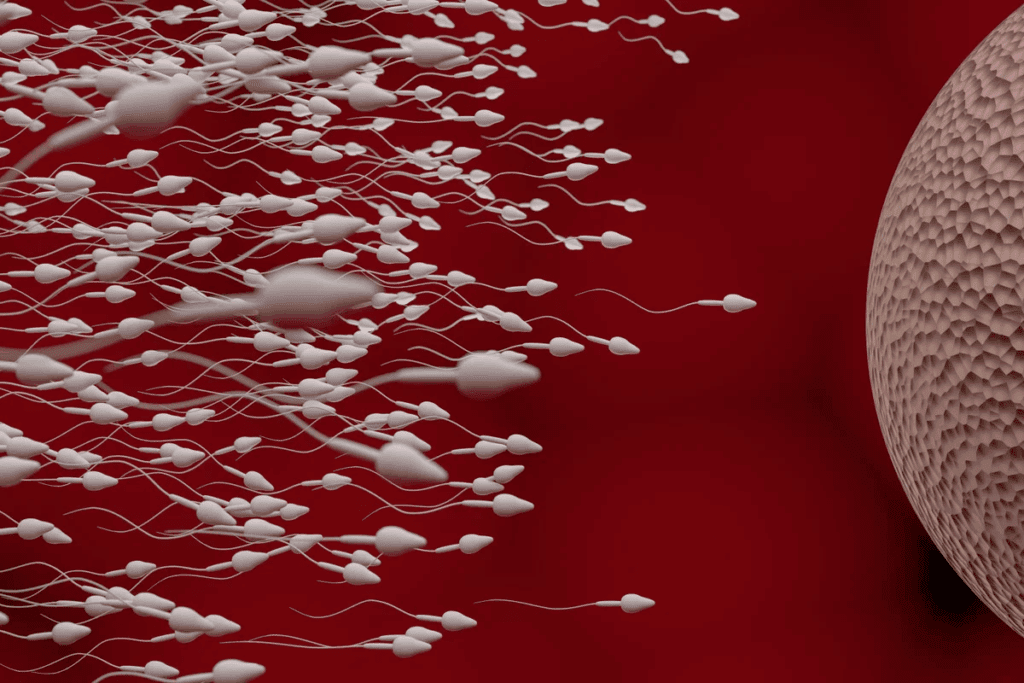
Teratozoospermia means a man’s sperm don’t look right. It’s when a lot of sperm in a semen sample don’t have the usual oval shape. This makes it hard for them to fertilize an egg.
Normal vs. Abnormal Sperm Structure
A normal sperm has an oval head, a neck, a middle section, and a tail. The head has the genetic material needed for fertilization. The tail helps the sperm move. But, if a sperm doesn’t look like this, it can’t fertilize an egg well.
Common Morphological Defects
Some common problems include big or small heads, bent or missing tails, or a bad midpiece. These issues can be seen in a semen analysis. It checks how the sperm look.
Sperm Component | Normal Structure | Common Abnormalities |
Head | Oval shape | Large, small, or irregular shape |
Tail | Straight and long | Bent, coiled, or missing |
Midpiece | Properly formed | Improperly formed or absent |
Knowing about these defects helps diagnose teratozoospermia. It also helps find ways to improve fertility.
Diagnosing Sperm Morphology Issues

Checking sperm shape is key in figuring out fertility problems. It’s important to look at sperm details to understand male fertility.
Semen Analysis Process
The semen analysis is a key step in finding sperm shape issues. A semen sample is taken and looked at under a microscope. This checks sperm shape, movement, and count. Getting semen analysis right is key to spotting fertility problems.
The steps include:
- Getting a semen sample
- Looking at the sample under a microscope
- Checking sperm shape, movement, and count
WHO Criteria for Normal Morphology
The World Health Organization (WHO) sets standards for sperm shape. A semen sample is seen as normal if 4% of sperm have the right shape. Meeting these standards is key for fertility.
The WHO has specific rules for what makes sperm shape normal, including:
Characteristic | Normal Criteria |
Head Shape | Oval, smooth contour |
Acrosome | Covers 40-70% of the head |
Midpiece | Slender, straight, and uniform |
Tail | Single, uniform, and straight |
“The WHO criteria provide a standardized framework for evaluating sperm morphology, which is essential for diagnosing fertility issues.”
World Health Organization
Interpreting Your Results
Understanding semen analysis results can be tricky. If less than 4% of your sperm look normal, it might mean fertility issues. But, it’s not a final say on your fertility.
Your doctor will look at your semen analysis, medical history, and other things to decide what to do next. It’s important to talk to a doctor about your results to know your fertility options.
The Impact of Abnormal Morphology on Fertility
It’s key for couples trying to have a baby to know how abnormal sperm shapes affect fertility. This issue, known as teratozoospermia, means sperm don’t look right. It can lower the chances of a successful fertilization.
Relationship Between Morphology and Conception
The link between sperm shape and getting pregnant is complex. Sperm shape is just one thing that affects fertility. Abnormal morphology makes it harder for sperm to reach the egg. This can lower the chances of getting pregnant naturally.
But, it’s important to remember that shape isn’t the only thing that matters. Other things like motility and count also play big roles in fertility.
Research on Fertility Outcomes
Research has looked into how abnormal sperm shapes affect getting pregnant, including with IVF and ICSI. It shows that while shape can affect natural conception, it’s less of a problem with IVF or ICSI.
A big discovery is that ICSI works well for men with abnormal sperm shapes. This is because ICSI injects a single sperm directly into the egg, skipping the usual barriers.
Other Sperm Parameters to Consider
While shape is important, it’s not the only thing that matters for fertility. Sperm count and motility are just as important. A full semen analysis checks all these to understand a man’s fertility fully.
Knowing how these factors work together helps couples and doctors plan the best treatments. For example, a man with both shape issues and low motility might need a different plan than one with just shape problems.
Sperm Abnormal Morphology Treatment Options
Men facing fertility issues need to know about treatment options for abnormal sperm morphology. There are many treatments available. The right one depends on the cause of the abnormal morphology.
Medical Interventions
Medical treatments are key for abnormal sperm morphology, often due to infections or hormonal issues. Antibiotics treat bacterial infections. Anti-inflammatory medications help if inflammation is a problem.
For hormonal imbalances, clomiphene citrate might be suggested. It helps improve sperm production and quality.
Surgical Approaches
Surgery is needed for physical issues affecting sperm shape. For example, varicocele repair fixes enlarged veins in the scrotum. This can improve sperm quality.
Other surgeries, like vasectomy reversal, are for men who want to conceive after a vasectomy.
Hormone Therapy
Hormone therapy is used when hormonal imbalances are a factor. Testosterone replacement therapy or other treatments aim to balance hormones. This can help improve sperm shape.
It’s important to talk to a healthcare provider to find the best treatment plan.
Treatment Option | Description | Indications |
Medical Interventions | Use of antibiotics, anti-inflammatory medications, or hormonal treatments. | Infections, hormonal imbalances. |
Surgical Approaches | Procedures like varicocele repair or vasectomy reversal. | Physical abnormalities, varicoceles, vasectomy. |
Hormone Therapy | Testosterone replacement therapy or other hormonal treatments. | Hormonal imbalances. |
Lifestyle Modifications to Improve Sperm Shape
Lifestyle changes are key to better sperm shape and fertility. Men can make choices that boost their sperm health and conception chances. Understanding what affects sperm shape is important.
Optimal Temperature Management
Keeping testicular temperature right is essential for sperm health. The testes are sensitive to heat, which can harm sperm. Avoiding hot tubs, saunas, and tight clothes helps manage temperature.
“The ideal temperature for sperm production is slightly lower than the body’s core temperature.” Keeping testes cool preserves sperm health. Wearing loose underwear and avoiding laptops on the lap helps a lot.
Exercise and Weight Management
Exercise and a healthy weight are key for sperm health. Exercise boosts circulation, reduces stress, and improves well-being. But, too much exercise can be bad.
Being at a healthy weight is also important. Obesity can harm sperm quality. Eating well and exercising regularly improves health and fertility.
Stress Reduction Techniques
Stress can lower testosterone, which is vital for sperm. Activities like meditation, yoga, or deep breathing help reduce stress.
“Chronic stress can disrupt the body’s natural balance, affecting sperm quality and overall fertility.”
Adding stress-reducing activities to daily life helps maintain balance and improves sperm health.
- Practice mindfulness and meditation
- Engage in regular exercise
- Get adequate sleep
By making these lifestyle changes, men can actively improve sperm shape and fertility. Being patient and consistent is important, as these changes take time.
Dietary Changes That Support Healthy Sperm Production
Changing your diet can greatly improve sperm health and fertility. Eating foods rich in important nutrients can boost sperm quality. Some foods, though, can harm it. Here, we’ll look at how you can eat better for healthy sperm.
Nutrient-Rich Foods for Sperm Health
Eating foods full of nutrients is key for healthy sperm. Foods like berries, leafy greens, and nuts are full of antioxidants. They protect sperm from damage.
Fatty fish like salmon are great for sperm because they have omega-3 fatty acids. Foods with zinc, like oysters and beef, help make testosterone and grow sperm.
Foods to Avoid
Some foods can hurt sperm health. It’s best to eat less processed meats because they have bad fats and preservatives.
Soy products and high-mercury fish like shark and swordfish can also be bad. They can mess with hormone levels and sperm quality.
Hydration and Its Importance
Drinking enough water is vital for your health, including your reproductive system. It helps keep everything working right and supports healthy sperm. Make sure to drink plenty of water all day.
Supplements and Vitamins for Improving Morphology
Vitamins and supplements are getting more attention for improving sperm morphology. It’s important to know how they can help with fertility.
Antioxidants (Vitamin C, E, and Selenium)
Antioxidants fight oxidative stress, which can harm sperm. Vitamins C and E, along with selenium, are strong antioxidants. Vitamin C protects sperm from damage. Vitamin E keeps sperm cells healthy. Selenium helps make healthy sperm.
Zinc and Folic Acid
Zinc is key for sperm production and health. It helps make testosterone and keep sperm healthy. Folic acid prevents birth defects and supports sperm health. Studies show zinc and folic acid together can boost sperm count and shape.
CoQ10 and L-Carnitine
CoQ10 (Coenzyme Q10) is an antioxidant that boosts energy in cells, including sperm. It improves sperm motility and shape. L-Carnitine is an amino acid that helps sperm produce energy, improving motility and health.
To better understand the impact of these supplements, let’s examine the following table:
Supplement | Benefit | Recommended Dosage |
Vitamin C | Protects sperm from oxidative damage | 60-90 mg/day |
Vitamin E | Maintains sperm cell integrity | 15 mg/day |
Selenium | Supports healthy sperm production | 55 mcg/day |
Zinc | Essential for testosterone production and sperm health | 11 mg/day for men |
Folic Acid | Prevents birth defects and supports sperm health | 400 mcg/day |
CoQ10 | Improves sperm motility and morphology | 100-200 mg/day |
L-Carnitine | Enhances sperm motility | 2-3 grams/day |
While these supplements can be beneficial, it’s important to talk to a healthcare professional before starting. They can help find the best supplements for your needs and health.
Environmental Factors Affecting Sperm Shape
Our surroundings greatly influence sperm shape and fertility. The world is full of elements that can harm our reproductive health. We might not always see these effects right away.
Every day, we are exposed to toxins that can change sperm shape. These toxins come from air pollution, chemicals in our homes, and pesticides in food. It’s important to limit our exposure to these toxins to keep our sperm healthy.
Toxin Exposure in Daily Life
Toxins are everywhere, and they can harm our sperm. For example, air pollution can lower sperm quality. We can reduce our exposure by using air purifiers and avoiding polluted areas.
Some plastics, personal care items, and cleaning products also contain harmful chemicals. Choosing eco-friendly options and products with natural ingredients can help lower our chemical intake.
Occupational Hazards
Some jobs expose people to more toxins and stress. Workers in industries like manufacturing, agriculture, or those who handle chemicals often face higher risks to their reproductive health.
People in these jobs need to know the risks and take steps to protect themselves. This includes wearing protective gear, following safety rules, and talking to doctors about possible dangers.
Protective Measures
We can’t get rid of all toxins, but we can reduce our exposure. Simple actions like wearing protective gear at work, choosing organic food, and being careful with home products can help.
Also, living a healthy lifestyle helps sperm health. Eating well, exercising regularly, and not smoking are all good for our fertility. By making smart choices, we can lessen the negative effects of our environment on our fertility.
Assisted Reproductive Technologies for Poor Morphology
For those facing poor sperm morphology, assisted reproductive technologies (ART) offer hope. These technologies help overcome the challenges of abnormal sperm. They provide options for couples to consider in their fertility journey.
Intrauterine Insemination (IUI)
Intrauterine insemination (IUI) places sperm directly into the uterus. It’s helpful for those with poor sperm morphology. This method shortens the sperm’s journey to the egg. But, it’s best when sperm quality isn’t severely bad.
Key aspects of IUI include:
- Minimally invasive procedure
- Less expensive compared to other ART options
- Often used in conjunction with fertility medications
In Vitro Fertilization (IVF)
In vitro fertilization (IVF) fertilizes an egg with sperm in a lab. It’s a good choice for those with poor sperm morphology. It lets you pick healthy embryos for transfer.
IVF process includes:
- Ovulation induction and egg retrieval
- Sperm collection and preparation
- Embryo culture and selection
- Embryo transfer
Intracytoplasmic Sperm Injection (ICSI)
Intracytoplasmic sperm injection (ICSI) injects a single sperm into an egg. It’s great for men with severe sperm issues. It skips the need for natural sperm entry.
ICSI advantages:
- High success rates even with poor sperm morphology
- Ability to use sperm from men with very low sperm count or poor motility
- Reduced risk of fertilization failure
To better understand the differences between these technologies, let’s examine the following comparison:
Technology | Description | Benefit for Poor Morphology |
IUI | Sperm placed directly into the uterus | Reduces distance for sperm to travel |
IVF | Egg fertilized with sperm outside the body | Allows selection of healthy embryos |
ICSI | Single sperm injected into an egg | Bypasses need for natural sperm penetration |
Understanding ART options helps couples make informed choices. We’re here to support and guide you through this journey.
Timeline for Improvement and Success Rates
Knowing the timeline for improvement in sperm health is key. It helps set realistic goals during treatment. Improving sperm health is complex and varies from person to person.
Sperm Regeneration Cycle
The sperm regeneration cycle is vital for seeing improvements in sperm health. It takes about 40 to 80 days for the body to make new sperm cells.
It’s important to live a healthy lifestyle during this time. This includes eating well, exercising regularly, and avoiding harmful substances. These habits help support sperm health.
Realistic Expectations for Treatment
It’s important to have realistic expectations for treatment results. Success rates can vary a lot. This depends on many factors like the cause of the issue, overall health, and the treatment’s effectiveness.
Treatment success isn’t just about improving sperm shape. It also depends on sperm count and how well they move.
When to Consider Alternative Options
If you don’t see improvements after a full sperm regeneration cycle and following treatment advice, it’s time to think about other options. This might include Intrauterine Insemination (IUI), In Vitro Fertilization (IVF), or Intracytoplasmic Sperm Injection (ICSI).
Talking to a fertility specialist can help figure out the best next steps. They can recommend the best option based on your situation.
Conclusion
Treating abnormal sperm morphology needs a full plan. This includes knowing the condition, getting a correct diagnosis, and looking at different treatment choices. We talked about how changing your lifestyle, diet, and using assisted reproductive technologies can help.
Understanding the reasons and effects of abnormal sperm morphology helps people take action to boost their fertility. There are many treatments and lifestyle changes that can make sperm better. This increases the chance of getting pregnant.
Our conversation shows the need for a complete approach to deal with abnormal sperm morphology. Mixing medical help, lifestyle changes, and nutrition can improve fertility. We’ve shown how to tackle abnormal sperm morphology and boost fertility through treatment.
FAQ
What is abnormal sperm morphology, and how does it affect fertility?
Abnormal sperm morphology, or teratozoospermia, means sperm are irregular in size, shape, and look. This can make it hard to get pregnant.
How is sperm morphology diagnosed?
To diagnose sperm morphology, a semen analysis is done. Sperm are looked at under a microscope to check their shape, size, and structure.
What are the World Health Organization’s criteria for normal sperm morphology?
The World Health Organization says at least 4% of sperm need to be normally shaped to be fertile.
What are the common morphological defects in sperm?
Common defects include head issues, bent or coiled tails, and wrong midpiece formation. These can really hurt fertility.
Can lifestyle modifications improve sperm morphology?
Yes, changing your lifestyle can help. Managing testicular temperature, exercising, staying healthy, and reducing stress can improve sperm shape and fertility.
How do dietary changes support healthy sperm production?
Eating well, with the right nutrients, can boost sperm quality. Avoiding bad foods and staying hydrated also helps reproductive health.
Are there supplements that can improve sperm morphology?
Yes, antioxidants like vitamins C and E, selenium, zinc, folic acid, CoQ10, and L-Carnitine can improve sperm shape and fertility.
How do environmental factors affect sperm shape?
Daily toxins and job hazards can harm sperm shape and fertility. It’s key to know risks and protect yourself.
What assisted reproductive technologies are available for poor sperm morphology?
Treatments like intrauterine insemination (IUI), in vitro fertilization (IVF), and intracytoplasmic sperm injection (ICSI) are options for poor sperm morphology.
How long does it take to see improvements in sperm morphology?
It takes about 40 to 80 days for sperm regeneration. This is important for seeing improvements in sperm shape.
What are the success rates of treatments for abnormal sperm morphology?
Success rates vary by treatment and individual. It’s important to have realistic expectations and consider other fertility options when needed.
How can I manage expectations and know when to consider alternative fertility options?
Knowing the timeline for improvement and treatment success rates helps manage expectations. Talking to a healthcare professional can guide when to look at other options.
Can low sperm morphology be treated?
Yes, low sperm morphology can be treated. This includes lifestyle changes, diet, supplements, and assisted reproductive technologies.
What is the relationship between sperm morphology and conception?
Sperm morphology, along with motility and count, is key to fertility. Research shows it plays a big role in getting pregnant.
References
World Health Organization. Teratozoospermia: Managing Abnormal Sperm Morphology and Fertility. Retrieved from https://www.who.int/publications/i/item/9789240030787