
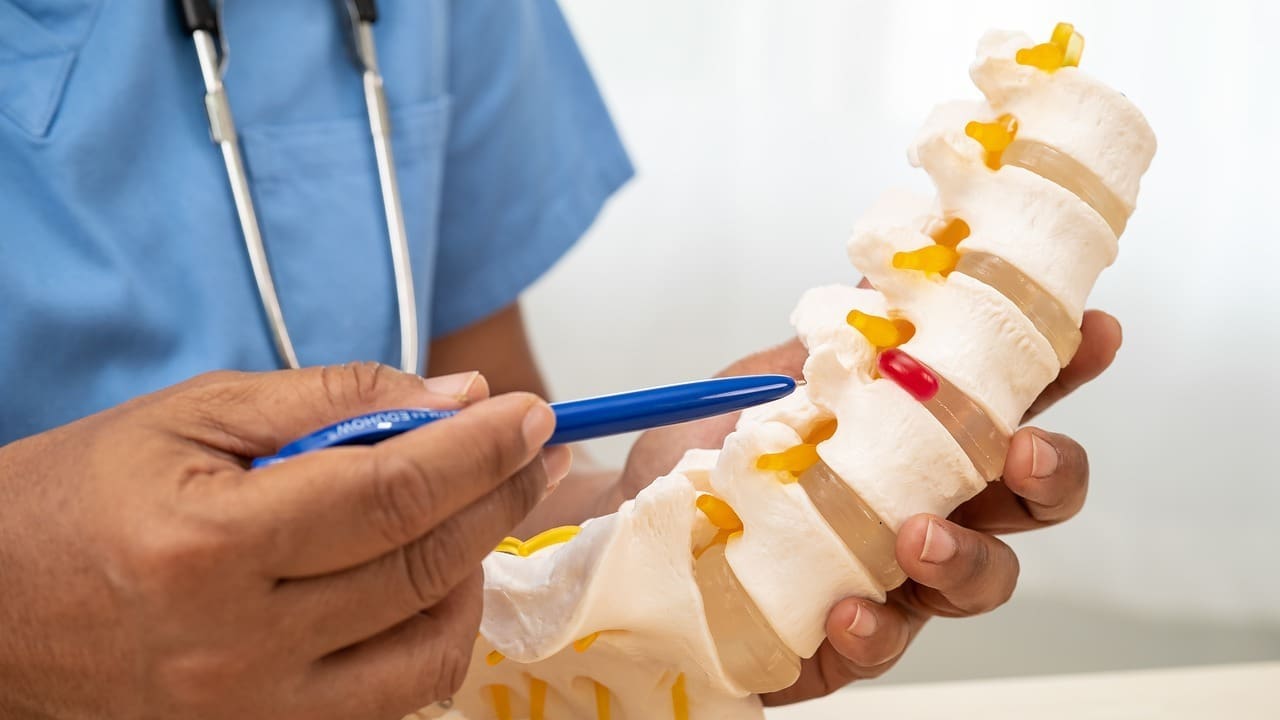
Going through spinal fusion surgery can feel scary. At Liv Hospital, we aim to offer top-notch care and focus on our patients’ needs. We want to make sure your spine stays healthy.
Our team is here to help you understand spinal fusion indications and what happens during the surgery. We blend reliability with new ideas to give you the best results.
Key Takeaways
- Understanding the key facts and indications for spinal fusion surgery
- Exploring the latest advancements in spinal fusion procedures
- The role of advanced imaging in guiding patient care
- Liv Hospital’s commitment to world-class expertise and patient-centered innovation
- Optimizing spine health through trustworthiness and innovation
The Evolution and Significance of Spinal Fusion Surgery
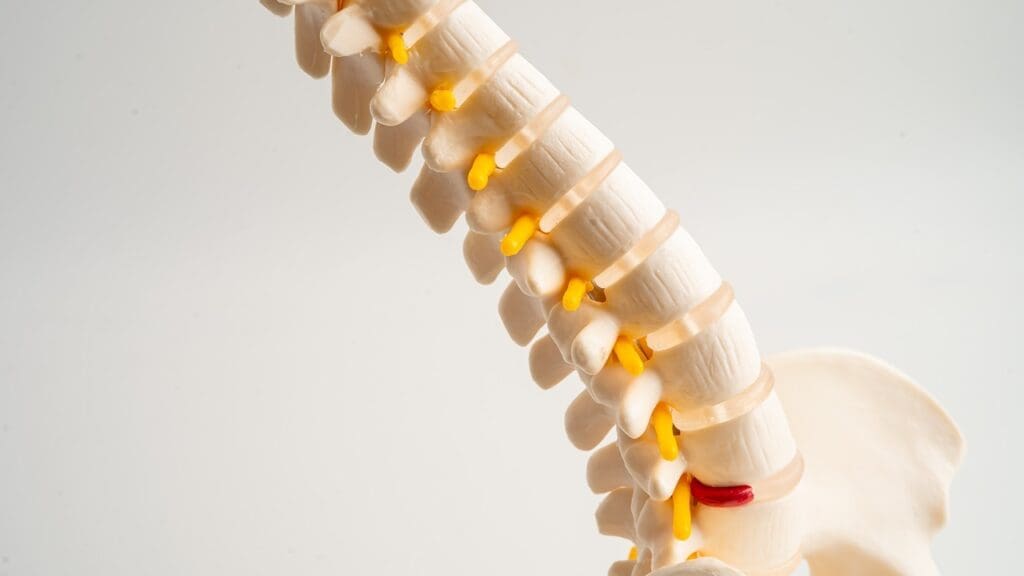
Spinal fusion surgery has a long history in orthopedic surgery. It has evolved over decades, improving patient care. This surgery joins two or more vertebrae together. It stabilizes the spine and relieves pain.
Definition and Basic Principles
Spinal fusion, or arthrodesis, fuses two or more vertebrae together. The main goal is to reduce or eliminate pain from spine instability. Bone grafts, from the patient or a donor, are used. Metal implants like rods and screws help hold the vertebrae in place until they fuse.
To prepare for fusion, damaged or painful discs or joints are removed. Bone graft material is then placed in the space. The spine is stabilized with instrumentation, allowing the bone graft to heal and fuse with the surrounding bone.
| Key Components | Description |
|---|---|
| Bone Grafts | Used to facilitate fusion between vertebrae |
| Metal Implants | Provide stability to the spine during the healing process |
| Instrumentation | Helps in stabilizing the spine, promoting fusion |
Historical Development of Fusion Procedures
The idea of spinal fusion started in the early 20th century. The first spinal fusion surgery was done in 1911 by Dr. Fred Albee and Dr. William Hibbs. They used different methods. Over time, spinal fusion has greatly improved.
Now, we use less invasive methods and biologics to help bones fuse. Better imaging like MRI and CT scans help doctors plan surgeries better.
The Growing Prevalence of Spinal Fusion Procedures
More people are getting spinal fusion surgery. This is due to changes in who needs it and new medical tech. It’s key to know the stats and what’s causing this rise.
Current Statistics and Global Trends
The spinal fusion market is expected to hit over $18 billion by 2035. This shows more surgeries are happening worldwide. Studies reveal a spike in lumbar fusions, mainly among the elderly.
| Region | 2015 | 2020 | 2025 (Projected) |
|---|---|---|---|
| North America | 250,000 | 320,000 | 400,000 |
| Europe | 180,000 | 230,000 | 290,000 |
| Asia-Pacific | 120,000 | 180,000 | 250,000 |
Factors Driving Increased Surgical Volumes
Several things are pushing up the number of spinal fusions. The main ones are an older population and better surgery methods.
Aging Population Impact
As people get older, spinal problems like degenerative disc disease rise. Older adults are more likely to need spinal fusion because of these issues. This is why more surgeries are needed.
Advancements in Surgical Techniques
New surgery methods, like minimally invasive procedures, make spinal fusion safer and more effective. These improvements let more people get the surgery they need.
As spinal fusion surgery keeps getting better, we must think about how it affects healthcare and patient results. The rise in these surgeries shows we need to keep researching and improving in this area.
7 Key Facts About Spinal Fusion Surgery You Should Know
Spinal fusion surgery is a big deal. It involves joining two or more vertebrae together. Knowing the success rates, recovery time, and risks is key.
Fact 1: Success Rates and Long-term Outcomes
Spinal fusion surgery works well for most people. 80-90% of patients see big improvements in their symptoms. Over time, the fusion helps with pain and spine stability.
Fact 2: Recovery Timeline and Rehabilitation Process
Recovery from spinal fusion surgery takes time. Most people get back to normal in 6-12 months. Physical therapy is part of the process to build back strength and flexibility.
Fact 3: Potentail Risks and Complications
Like any big surgery, spinal fusion comes with risks. These include infection, nerve damage, and hardware failure. Knowing these risks helps patients make better choices.
Fact 4: Impact on Adjacent Vertebrae Mobility
Spinal fusion might limit the movement of nearby vertebrae. This could put extra stress on those areas. It’s something to think about for long-term spinal health.
Fact 5: Cost Considerations and Insurance Coverage
Spinal fusion surgery is expensive. Insurance coverage varies. It’s important to check with your insurance to know what’s covered and what you’ll have to pay for.
Fact 6: Alternative Treatments Before Considering Fusion
Before surgery, try other treatments first. This includes physical therapy, pain management, and changing your lifestyle. These might help without surgery.
Fact 7: The Future of Fusion Technology
New tech is making spinal fusion better. Advances in materials and techniques aim to improve results and reduce recovery times. This makes the surgery more effective and easier to recover from.
Primary Indications for Spinal Fusion Procedures
It’s important for patients and doctors to know when spinal fusion is needed. This surgery joins vertebrae to stabilize the spine and ease pain. It’s chosen based on certain medical reasons.
Degenerative Spine Conditions
Most spinal fusion surgeries are for degenerative spine diseases. Two main conditions that might lead to this surgery are:
Degenerative Disc Disease
This happens when discs between vertebrae lose height and strength. It causes instability and pain. Spinal fusion can stabilize the area and lessen pain.
Spinal Stenosis
Spinal stenosis narrows the spinal canal, pressing nerves and causing pain. Fusion surgery, along with decompression, can relieve nerve pressure and stabilize the spine.
Traumatic Injuries and Spinal Deformities
Spinal fusion is also for trauma, like fractures, and spinal deformities, like scoliosis. It stabilizes the spine after trauma and corrects deformities, improving function and looks.
When Conservative Treatments Fail
Spinal fusion is considered when other treatments don’t work. This includes physical therapy, medication, and injections. If these don’t help, and the condition affects daily life, fusion might be suggested.
Knowing these main reasons helps patients understand their treatment options better. It aids in making informed decisions about their care.
Essential Imaging in Spinal Fusion: From Diagnosis to Follow-up
Imaging is key in spinal fusion surgery, from start to finish. We use different imaging methods to check spinal health and track fusion progress.
Spinal Fusion X-ray Techniques and Applications
X-rays are a basic tool in spinal fusion. They show how vertebrae line up, if the fusion works, and any hardware issues.
Lumbar Fusion X-ray Specifics
Lumbar fusion X-rays focus on the lower back. This area is where most surgeries happen. It helps us see if the fusion is stable and if there are any problems with the hardware.
Interpreting Fused Spine X-ray Results
Reading X-rays of fused spines needs skill. We look for signs of fusion, like bone growth between vertebrae. We also check for any issues like loose hardware.
Advanced Imaging Modalities (MRI, CT)
While X-rays are important, MRI and CT scans give more details. MRI shows soft tissues like nerves and discs. CT scans give clear views of bones.
| Imaging Modality | Primary Use in Spinal Fusion | Key Benefits |
|---|---|---|
| X-ray | Initial assessment and follow-up | Quick, cost-effective, good for hardware assessment |
| MRI | Soft tissue evaluation | Excellent for nerve and disc assessment |
| CT | Bony anatomy evaluation | Detailed images of bone structure |
Post-operative Evaluation of Successful Vertebrae Fusion
Checking if vertebrae fusion worked involves both doctor checks and imaging. We mainly use X-rays for follow-ups, with CT scans for tricky cases. A successful fusion shows bone growth between vertebrae and no hardware problems.
Cutting-Edge Innovations in Spinal Fusion Operations
The field of spinal fusion surgery is changing fast with new technologies. These advancements make surgery more precise, safe, and effective. This leads to better results for patients.
New technologies are changing spinal fusion operations. We see AI-enabled implants, 3D printing, and robotic-assisted surgeries. These are promising changes.
AI-Enabled Spinal Implants
AI-enabled spinal implants are changing spinal fusion surgery. They adapt to the patient’s body and give feedback during surgery. This helps surgeons make better decisions, improving surgery success.
AI in implants also means personalized medicine. Surgeons can tailor their approach based on the implant’s data. This makes surgery more effective for each patient.
3D Printing Applications for Fusion Procedures
3D printing is used in spinal fusion to make custom implants and models. It creates implants that fit perfectly, improving their function. This is key for fusing vertebrae in the back.
3D printing also lets surgeons practice and plan with a precise model of the spine. This can lower the risk of surgery complications.
Robotic-Assisted Fusion Operations
Robotic-assisted fusion operations are another big step forward. These systems give surgeons better precision and control. This means implants are placed more accurately.
Robotic-assisted systems improve the accuracy of spinal fusion. This can lead to faster recovery times and fewer complications. Patients get better results from their surgery.
In conclusion, new technologies are transforming spinal fusion surgery. As these technologies grow, we’ll see even more improvements in patient care and outcomes.
Minimally Invasive Approaches to Fusing Vertebrae in the Back
Minimally invasive spinal fusion procedures are changing how we treat back problems. These new methods allow us to do spinal fusion surgery with less damage and quicker healing.
Benefits Over Traditional Open Surgery
These new approaches have many benefits over old-school open surgery. They cause less damage and blood loss, and patients heal faster.
Reduced Tissue Damage and Blood Loss
Smaller cuts mean less harm to nearby tissues and less blood loss during the fusion procedure. This leads to fewer problems and a smoother recovery.
Faster Recovery Times
People who get minimally invasive surgery to fuse vertebrae usually stay in the hospital less and get back to their lives sooner. This is because the surgery is less harsh on the body.
Patient Selection Criteria for Minimally Invasive Techniques
Not every patient is right for minimally invasive spinal fusion. We look at each person’s condition, medical history, and health to pick the best surgery.
| Criteria | Description | Importance |
|---|---|---|
| Condition Severity | Assessment of the severity of the spinal condition | High |
| Medical History | Review of the patient’s past medical history | Medium |
| Overall Health | Evaluation of the patient’s general health status | High |
The Global Market for Spinal Fusion: Current State and Future Projections
The global spinal fusion market is growing steadily. This growth is due to more spinal disorders and better surgery techniques. We’ll look at the market size, growth trends, and how different regions use spinal fusion.
Market Size and Growth Trends Through 2035
The global spinal fusion market is expected to hit over $18 billion by 2035. This increase comes from several factors:
- Increasing Prevalence of Spinal Disorders: More people are getting conditions like degenerative disc disease and spinal deformities.
- Technological Advancements: New surgery methods and materials are improving results for patients.
- Aging Population: As more people get older, they’re more likely to need spinal fusion surgeries.
Regional Variations in Adoption of Fusion of the Spine
How much spinal fusion is used varies by region. This depends on things like healthcare, economy, and laws.
- North America: It’s the leader because of its top-notch healthcare and quick adoption of new tech.
- Europe: It’s close behind, thanks to an aging population and more spinal disorders.
- Asia-Pacific: It’s expected to grow the most. This is because healthcare is getting better and more people know about spinal fusion.
Conclusion: The Evolving Landscape of Spinal Fusion Surgery
Spinal fusion surgery is a complex field that keeps getting better. New ways to fuse vertebrae have changed how we treat spinal problems. This gives hope to people all over the world.
Over time, spinal fusion surgery has improved a lot. New technology and a better understanding of the spine have driven these changes. The rise in spinal fusion surgeries shows how important it is to keep up with the latest news in this area.
The market for spinal fusion is growing, and we can look forward to even more improvements. We’ll see better minimally invasive methods and AI in spinal implants. Knowing the basics about spinal fusion helps patients and doctors work together for the best results.
What is spinal fusion surgery?
Spinal fusion surgery joins two or more vertebrae together. This helps stabilize and correct spinal conditions.
What are the primary indications for spinal fusion procedures?
Spinal fusion is often needed for degenerative spine conditions, traumatic injuries, and spinal deformities.
What imaging modalities are used in spinal fusion surgery?
X-ray, MRI, and CT scans are key in spinal fusion surgery. They help diagnose and evaluate the spine’s condition.
What are the benefits of minimally invasive approaches to fusing vertebrae in the back?
Minimally invasive methods reduce tissue damage and post-operative pain. They also lead to faster recovery times than traditional surgery.
What are the possible risks and complications of spinal fusion surgery?
Risks include infection, nerve damage, and hardware failure. These are among the complications that can occur.
How is the success of spinal fusion surgery evaluated?
Success is measured through clinical assessment, imaging studies, and patient feedback. X-ray, MRI, and CT scans verify the fusion.
What is the recovery timeline for spinal fusion surgery?
Recovery times vary based on individual factors. It usually involves weeks or months of rehabilitation and physical therapy.
What are the latest innovations in spinal fusion operations?
New innovations include AI-enabled implants, 3D printing, and robotic-assisted operations. These aim to improve outcomes and reduce complications.
How is spinal fusion surgery related to the condition of the adjacent vertebrae?
Fusion surgery can affect the mobility of adjacent vertebrae. This is important when considering the procedure’s benefits and risks.
What are the cost considerations and insurance coverage for spinal fusion surgery?
Costs vary based on location, surgeon, and insurance. Patients should discuss these with their healthcare provider.
References
- PMC – PubMed Central : https://pmc.ncbi.nlm.nih.gov/articles/PMC12238211/