
Minimally invasive surgery has revolutionized the medical field. It offers patients a quicker recovery than traditional open procedures. Most patients can get back to their daily activities within a month. Recover from spinal fusion surgery fast. Discover amazing tips and vital facts for a powerful and painless path to back health.
The recovery after minimal access surgery is much shorter. This is because of smaller incisions and less tissue damage. This leads to less post-operative pain and a lower risk of complications.
For those having back surgery or other minimally invasive procedures, knowing the recovery process is important. It helps in a smooth and effective rehabilitation.
Key Takeaways
- Minimally invasive surgery typically results in a shorter recovery period.
- Most patients can return to daily activities within one month.
- Smaller incisions lead to less post-operative pain.
- The risk of complications is reduced with minimally invasive procedures.
- Understanding the recovery process is key to effective rehabilitation.
The Evolution of Minimal Access Surgical Techniques

Surgical innovation has led to minimal access surgery. This is a less invasive option compared to traditional surgery. It’s thanks to tech advancements and a better understanding of surgery.
Definition and Core Principles of Minimally Invasive Surgery
Minimally invasive spine surgery uses smaller incisions. This reduces tissue damage and helps patients recover faster. The main goals are to cause less harm, reduce pain, and speed up healing.
Key elements of minimally invasive surgery include:
- Smaller incisions, resulting in less tissue damage
- Specialized instruments designed for precision and minimal disruption
- Advanced imaging technologies to guide the surgical process
Technological Advancements Enabling Less Invasive Approaches
Technology has been key in developing minimal access surgery. New imaging tools like fluoroscopy and endoscopy help surgeons work more precisely and gently.
The table below shows how tech has helped in minimally invasive spine surgery:
|
Technological Advancement |
Impact on Minimally Invasive Surgery |
|---|---|
|
Advanced Imaging Technologies |
Enhanced visualization and precision during surgery |
|
Specialized Surgical Instruments |
Reduced tissue damage and trauma |
|
Minimally Invasive Surgical Techniques |
Faster recovery times and reduced post-operative pain |
These technologies have greatly improved spine surgery outcomes. They offer a less invasive option with fewer complications and quicker recovery.
Recovery Advantages of Minimal Access Surgery
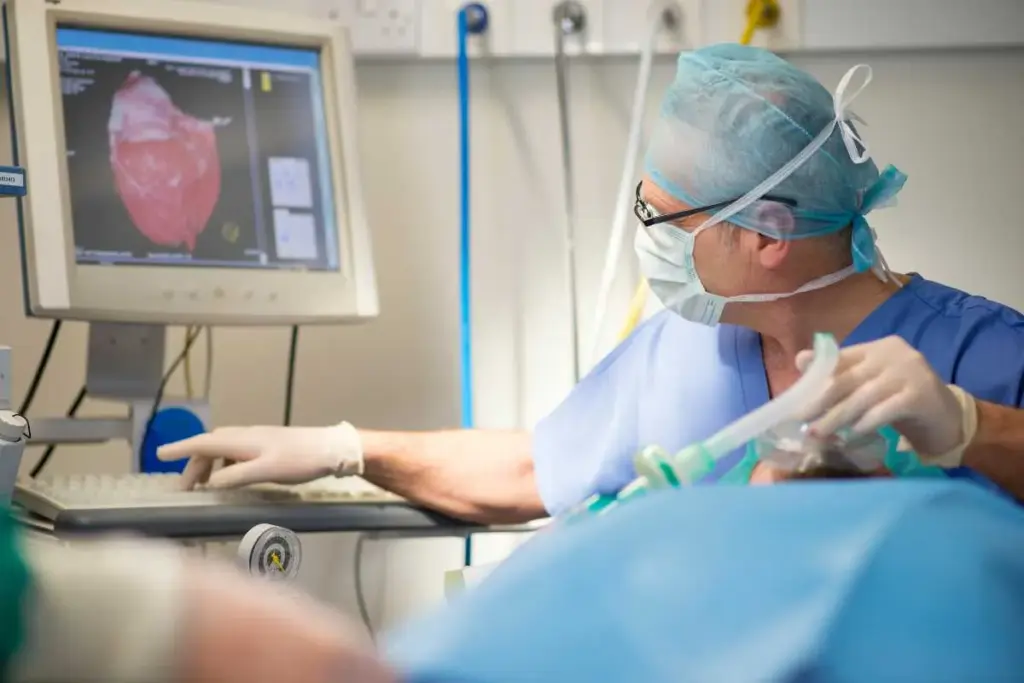
Minimal access surgery offers many benefits for patients having back surgery or spine surgery. It makes recovery easier in many ways. This makes it a popular choice for many.
Statistical Comparison with Traditional Open Surgery
Research shows that minimal access surgery leads to quicker recovery. Patients usually spend less time in the hospital. They also get back to driving, work, and stop using opioids faster.
This shows how much better minimal access surgery is for recovery.
Tissue Preservation Benefits
One big plus of minimal access surgery is it saves tissue. Smaller cuts mean less damage to tissue. This results in less pain and fewer complications.
This is great for spine surgery patients. It helps keep the tissue around the spine healthy.
Pain Reduction and Medication Requirements
Minimal access surgery also means less pain and fewer meds. The smaller cuts and less tissue damage lead to less pain. This means patients need fewer opioids, reducing the chance of addiction.
Overall, minimal access surgery is a good choice for many. Knowing these benefits helps patients make better decisions. They can look forward to a quicker, easier recovery.
The General Timeline of Recovery After Minimal Access Surgery
Knowing the recovery timeline after minimal access surgery is key for patients. This type of surgery uses small incisions and may cause less damage. It’s often chosen for spine surgeries, like laminectomy with fusion.
Immediate Post-Operative Period (First 72 Hours)
The first 72 hours are very important. Patients usually stay in the hospital for at least a day. During this time, they focus on managing pain, preventing infection, and watching for any immediate problems.
Pain management is done with medicines. Doctors tell patients to rest and slowly start moving again.
Early Recovery Phase (First Two Weeks)
In the first two weeks, patients start to move more. Most can do light activities in a week or two. But, they must follow their doctor’s advice on what activities to avoid.
They should not lift heavy things or bend too much. Slowly, they can do daily tasks and household chores with their doctor’s help.
Intermediate Recovery (2-6 Weeks)
Between two to six weeks, patients make big progress. They can do more strenuous activities, but should avoid heavy lifting or bending. It’s important to see the doctor regularly during this time.
Long-Term Recovery (Beyond 6 Weeks)
After six weeks, most patients have made a lot of progress. They can start doing more intense activities, like exercise and recreational activities. But, everyone recovers at their own pace.
It’s vital for patients to keep following their doctor’s advice and go to follow-up appointments. This ensures they’re recovering as expected.
Most patients can do important daily tasks within a month after surgery. But, full recovery can take longer. Knowing the recovery timeline helps patients plan better and follow instructions for a smoother recovery.
Recovery Milestones: Returning to Specific Activities
The journey to recovery after minimal access surgery has key milestones. These show how well a patient is doing. The time it takes to get back to normal varies. It depends on the surgery’s complexity and the patient’s health.
Resuming Self-Care and Household Activities
Patients start doing simple tasks like bathing and dressing a few weeks after surgery. They also begin with light meals. As they get stronger, they can handle more tasks.
Driving After Minimal Access Surgery
Most people can drive again in 1-3 weeks. It depends on how comfortable and quick they can react. Always check with your doctor before driving, making sure you’re not on pain meds.
Returning to Work: Timeframes and Considerations
When you can go back to work varies a lot. It depends on your job and the surgery. For decompression operation spine or spinal decompression surgery, desk jobs might take 1-2 weeks. But jobs that are very physical could take 6-12 weeks or more.
|
Job Type |
Typical Return to Work Timeframe |
|---|---|
|
Desk Job |
1-2 weeks |
|
Light Physical Labor |
2-4 weeks |
|
Heavy Physical Labor |
6-12 weeks |
Resuming Exercise and Recreational Activities
Starting to exercise and do fun activities is based on what your doctor says. Walking is often okay early on. But activities that are hard on your body might be off-limits for a while.
Knowing these milestones helps patients plan better. It helps them stick to their recovery plans. This way, they can have a good outcome after back surgery types like minimal access surgery.
Spinal Fusion Surgery Recovery Timeline
Knowing how long it takes to recover from spinal fusion surgery is key. It helps patients set realistic goals and get ready for what comes next. The time it takes to get better can change a lot. It depends on your health, how complex the surgery is, and if it was done in a minimally invasive way or not.
Understanding the Spinal Fusion Procedure
Spinal fusion surgery joins two or more vertebrae together. It uses bone grafts, rods, or other devices to do this. This is often needed to stop pain and instability from spinal problems. Minimally invasive spine surgery techniques are getting more popular. They might cause less damage and help you recover faster.
Week-by-Week Recovery Expectations
The recovery after spinal fusion surgery goes through different stages:
- Immediate Post-Operative Period (0-2 weeks): You might feel pain, numbness, or tingling. These symptoms are managed with medicine.
- Early Recovery Phase (2-6 weeks): You’ll start to feel better. Focus on physical therapy to build strength and move better.
- Intermediate Recovery (6-12 weeks): You can start doing light activities. You might also go back to work, depending on your job.
- Long-Term Recovery (3-6 months): You’ll fully recover and can do normal activities again. This includes exercising and lifting heavy things, but only with your doctor’s okay.
Return to Activity After Spinal Fusion
Going back to activities after spinal fusion surgery should be slow and with your doctor’s advice. It’s important to avoid heavy lifting, bending, or twisting early on to avoid problems.
|
Activity |
Typical Recovery Time |
|---|---|
|
Light household chores |
6-8 weeks |
|
Driving |
4-6 weeks |
|
Returning to work (desk job) |
6-12 weeks |
|
Returning to work (physical labor) |
3-6 months |
Minimally Invasive vs. Traditional Fusion Recovery Comparison
Minimally invasive spinal fusion surgery often means less pain and quicker recovery. But, how you feel can really depend on you and the surgery details.
Recovery After Different Types of Minimally Invasive Spine Procedure
Minimally invasive spine surgery includes many procedures, like lumbar laminectomy and TLIF. Each has its own recovery time. Knowing these differences helps patients plan better and recover faster.
Minimally Invasive Lumbar Laminectomy
This surgery relieves pressure on the spinal cord or nerves. It removes part of the vertebra to do this.
Recovery is usually quick, with most feeling better in a few weeks. Important recovery points include:
- Initial recovery (1-2 weeks): Some discomfort, numbness, or tingling may occur, but it usually goes away in a few days to a week.
- Pain management: Pain meds are given to help with discomfort during the first few weeks.
- Return to activities: Patients can start with light activities in 1-2 weeks and more strenuous ones in 4-6 weeks.
Transforaminal Lumbar Interbody Fusion (TLIF)
TLIF fuses two or more vertebrae together using a minimally invasive method. It’s often for degenerative disc disease or spondylolisthesis.
Recovery takes longer than laminectomy, usually 6 to 12 weeks. Important points for TLIF recovery include:
- Immediate post-operative care: Patients are watched for hours after surgery and might stay overnight in the hospital.
- Pain management: A mix of pain meds and muscle relaxants is used to manage discomfort.
- Physical therapy: Gentle exercises and stretches are started to improve flexibility and strength.
Endoscopic Discectomy Procedures
Endoscopic discectomy removes herniated disc material pressing on a nerve. It uses an endoscope to see the disc and area.
Recovery is quick, with most back to normal in a few days to weeks. Key recovery points include:
- Minimally invasive technique: This leads to less damage and trauma, making recovery faster.
- Pain management: Some discomfort is managed with over-the-counter pain meds.
- Return to activities: Most can go back to normal activities in 1-2 weeks.
Spinal Decompression Surgery Recovery
Spinal decompression surgery relieves pressure on the spinal cord or nerves. It’s done through various minimally invasive methods, like laminectomy or discectomy.
Recovery time varies based on the procedure and patient. Generally, patients can expect:
- Initial recovery (1-2 weeks): Managing pain and discomfort with medication.
- Gradual improvement (2-6 weeks): Patients start to feel better significantly.
- Full recovery (6-12 weeks): Most patients fully recover, but it can vary.
A spine specialist says, “The key to successful recovery is proper post-operative care, following rehabilitation protocols, and patience.” Recovery times can vary a lot between people, so it’s important to follow your healthcare provider’s specific advice.
Pain Management and Medication During Recovery
Pain management is key to a smooth recovery after minimal access surgery. It helps reduce discomfort and speeds up getting back to normal.
Typical Pain Patterns After Minimal Access Surgery
Patients often feel unique pain patterns after surgery. The pain usually peaks in the first few days and then gets better as they heal.
Doctors use medication to manage this pain. Knowing the pain patterns helps create a better pain management plan.
Opioid Medication Use and Discontinuation
Opioids are used to control severe pain after surgery. But, doctors aim to use them less due to side effects and addiction risks. Studies show patients stop using opioids in 11–31 days on average.
Doctors and pain specialists work together to taper off opioids. This helps avoid withdrawal and eases the switch to non-narcotic pain relief.
Transitioning to Non-Narcotic Pain Management
As recovery advances, moving to non-narcotic pain relief is important. This includes over-the-counter drugs, physical therapy, and alternative methods like acupuncture or heat therapy.
Switching to non-narcotic pain management reduces opioid dependency risks. It also helps manage pain long-term. A patient shared, “Moving to non-narcotic pain relief was a big change. It let me manage my pain safely without opioid risks.”
Pain as an Indicator of Recovery Progress
Pain levels show how well you’re recovering. As healing happens, pain usually goes down. This means you’re getting better.
It’s vital to tell your healthcare team about your pain. This helps them adjust your pain management plan for your recovery.
Physical Therapy and Rehabilitation After Spine Surgery
Rehabilitation is key after spinal surgery. It helps patients regain strength, mobility, and quality of life. A good physical therapy plan is made just for each person, ensuring a safe recovery.
When Rehabilitation Typically Begins
Physical therapy starts a few days after surgery, when pain lessens. The exact start time depends on the surgery type and patient health. Early movement is important to avoid problems and aid healing.
Progressive Physical Therapy Phases
The rehab process has different phases, each with its own goals and exercises. First, it focuses on gentle movement and managing pain. Later, it gets more challenging, adding strengthening and functional activities.
The therapy phases aim to:
- Improve flexibility and range of motion
- Strengthen muscles around the spine
- Boost balance and coordination
- Help with everyday activities like walking and climbing stairs
Home Exercise Programs and Compliance
Following a home exercise program is vital. Doing the exercises as directed greatly affects recovery. Patients learn how important their efforts are in the rehab process.
Measuring Rehabilitation Success
Rehab success is tracked through pain reduction, better function, and patient happiness. Healthcare teams regularly check progress to adjust the therapy plan if needed.
Here’s a summary of the key rehabilitation outcomes:
|
Outcome Measure |
Pre-Rehabilitation |
Post-Rehabilitation |
|---|---|---|
|
Pain Level |
High |
Reduced |
|
Functional Ability |
Limited |
Improved |
|
Patient Satisfaction |
Low |
High |
In conclusion, physical therapy and rehabilitation are vital after spine surgery. Understanding the rehab phases and following a structured physical therapy plan helps patients achieve the best results and get back to their normal lives.
Factors That Influence Recovery Speed After Minimal Access Surgery
Many things affect how fast a patient recovers from minimal access surgery. Knowing these can help both patients and doctors make the recovery better.
Patient-Related Factors
Things about the patient can really change how fast they get better. Age is a big one, as older people might need more time to heal. Overall health, like having diabetes or heart disease, also matters. Plus, how fit a person was before surgery can help them heal faster.
Surgical Factors
The type and complexity of the surgery also matter a lot. Minimally invasive techniques are meant to help patients heal faster. But, the specific surgery and the surgeon’s skill can change how well it works. How long the surgery takes and how much tissue is affected also play big roles.
Post-Operative Factors
How well a patient follows their post-operative care is key to a quick recovery. Following post-operative instructions closely, like taking medicine and doing physical therapy, is very important. Also, how well pain is managed and if there are any complications can affect how long it takes to get better.
Doctors can make recovery plans that fit each patient’s needs better. This can lead to better results and shorter recovery times.
Nutrition and Lifestyle Influences on Surgical Recovery
Recovering well after surgery needs good nutrition, healthy habits, and managing stress. A smart plan for these can help healing and lower risks.
Optimal Nutritional Support for Healing
Good nutrition is key for healing after surgery. Protein-rich foods help fix tissues. Foods with vitamin C, like citrus and greens, aid in healing and immunity. A balanced diet supports natural healing.
Impact of Smoking and Alcohol on Recovery Timelines
Smoking and too much alcohol slow healing. Smoking cuts off blood and oxygen, hurting healing and raising risks. Excessive alcohol weakens immunity and hinders recovery. Staying away from these can speed up healing.
Sleep Quality and Recovery Correlation
Sleep is essential for healing, letting the body fix and grow. Bad sleep can cause more inflammation and weaken immunity, making recovery longer. A regular sleep schedule and a calm sleep space can improve sleep during recovery.
Stress Management During the Recovery Period
Managing stress well is important during recovery. Stress can harm the immune system and slow healing. Using meditation, deep breathing, and gentle yoga can help control stress and aid in a better recovery.
Potential Complications That May Extend Recovery Time
Minimal access spine surgery has many benefits. But, it’s important to know about possible complications that can slow down recovery. Knowing these complications and their signs can help patients recover better.
Common Complications After Minimal Access Spine Surgery
Common issues after this surgery include infection, nerve damage, and hardware failure. These problems are rare but can greatly affect recovery.
- Infection: As with any surgery, there’s a chance of infection.
- Nerve Damage: The surgery’s close to nerves can cause numbness, tingling, or weakness.
- Hardware Failure: If screws or rods are used, they might fail, needing more surgery.
Warning Signs During the Recovery Period
Spotting complications early is key. Look out for these warning signs:
- Pain that doesn’t get better with medicine
- Fever or chills
- Redness, swelling, or discharge from the incision
- Numbness, tingling, or weakness in the limbs
- Hard time walking or staying balanced
Managing and Resolving Complications
Acting fast is important if complications happen. This might mean more treatment, therapy, or surgery.
Managing Complications: Catching and treating problems early is vital. Patients should watch their health closely and tell their doctor about any issues.
Impact on Overall Recovery Timeline
Complications can make recovery take longer. Knowing this can help everyone plan better.
Recovery Timeline: If complications occur, the recovery plan might need changes. This could include more treatments or a longer rehab period.
Special Considerations for Different Patient Populations
Each patient group has its own recovery needs after minimal access surgery. These needs vary based on age, physical health, and lifestyle.
Recovery Differences in Elderly Patients
Elderly patients face unique challenges during recovery. They may have less physical strength, health issues, and sometimes, memory problems. Careful pre-operative assessment and post-operative care are key to helping them. They might need more time to get better and extra help with daily tasks.
Athletes and Highly Active Individuals
Athletes and very active people usually recover faster because of their good physical shape. But, they must return to activity slowly to avoid injury. Gradual progression of physical activity under a doctor’s watch is advised.
Patients with Pre-existing Conditions
Those with health issues like diabetes, heart disease, or COPD face a tougher recovery. It’s important to manage these conditions well before and after surgery. Close monitoring and adjusting treatment plans as needed is essential for a good recovery.
Occupational Considerations in Recovery Planning
Work is a big part of recovery planning. Patients with hard jobs might need more time to heal. Workplace modifications or temporary job reassignment could help them safely go back to work. Healthcare providers should work with patients to create a recovery plan that fits their job needs.
Understanding and meeting the unique needs of each patient group helps improve recovery outcomes and patient happiness.
Advanced Recovery Protocols and Future Directions
Minimal access surgery recovery is getting a big boost from new recovery protocols and technologies. These changes are making patients recover faster, with better care overall.
Enhanced Recovery After Surgery (ERAS) Protocols
ERAS protocols are changing how we care for patients after surgery. They use a team effort to make recovery better. This includes practices that reduce stress, prevent problems, and speed up healing.
Key components of ERAS protocols include:
- Preoperative counseling and optimization
- Minimally invasive surgical techniques
- Optimal pain management strategies
- Early mobilization and nutrition
Using these protocols, doctors can make patients’ recovery times shorter and outcomes better.
Emerging Technologies in Recovery Monitoring
New technologies like wearable devices and remote monitoring are changing recovery after minimal access surgery. They let doctors keep an eye on patients’ progress in real-time. This helps catch problems early and act fast.
Benefits of emerging technologies include:
- Enhanced patient engagement and empowerment
- Improved accuracy in recovery monitoring
- Reduced need for in-person follow-up visits
Telemedicine in Post-Surgical Care
Telemedicine is becoming key in post-surgical care. It lets patients get follow-up care easily and without leaving home. Doctors can check on patients, answer questions, and offer advice without needing to see them in person.
Research Directions in Minimal Access Surgery Recovery
Research is always looking for ways to make recovery better after minimal access surgery. They’re working on new materials, improving ERAS protocols, and using artificial intelligence for monitoring.
Future research directions are likely to include:
- Personalized recovery protocols based on individual patient characteristics
- Advanced biomaterials for improved tissue repair
- Integration of machine learning algorithms for predictive analytics in recovery
Conclusion
Understanding the recovery process after minimal access surgery is key to the best results. By knowing what affects recovery, patients can improve their healing. This makes a big difference in how well they get better.Minimal access surgery has changed the way we do surgery. It causes less damage, less pain, and faster healing. But, the success of the surgery also depends on how well you care for yourself after it.To get the most out of your recovery, follow your surgeon’s advice. Stay healthy and do the physical therapy they suggest. This helps avoid problems, cuts down recovery time, and leads to better results.Having a good plan for recovery is vital for the full benefits of minimal access surgery. By using the latest in surgery and proven care after, patients can get back to their life faster. They can feel better and more energetic than before.
FAQ
What is the typical recovery time for minimally invasive spine surgery?
Recovery times for minimally invasive spine surgery vary. It usually takes 6-12 weeks. This depends on the surgery and the person’s health.
How does minimally invasive surgery compare to traditional open surgery in terms of recovery?
Minimally invasive surgery causes less damage and pain. It also has shorter recovery times than open surgery.
What are the benefits of minimally invasive spine surgery?
It offers less pain and blood loss. The incisions are smaller, and recovery is faster.
What can I expect during the immediate post-operative period after minimal access surgery?
You might feel pain, numbness, or tingling right after. Resting and avoiding hard activities is key.
When can I resume self-care and household activities after minimal access surgery?
You can start with self-care and household tasks in 2-6 weeks. This depends on your surgery and recovery.
How long does it take to recover from spinal fusion surgery?
Spinal fusion surgery recovery takes months. It usually ranges from 3-6 months. This varies based on the surgery and the person.
What is the difference in recovery between minimally invasive and traditional spinal fusion surgery?
Minimally invasive surgery has faster recovery and less pain. It also leaves less scarring than traditional surgery.
How is pain managed after minimal access surgery?
Pain is managed with medicines. This includes both opioid and non-opioid types. Physical therapy and relaxation techniques are also used.
What is the role of physical therapy in recovery after spine surgery?
Physical therapy is vital. It helps improve mobility, strength, and flexibility. It also reduces pain and discomfort.
How do patient-related factors influence recovery speed after minimal access surgery?
Factors like age, health, and pre-existing conditions affect recovery speed. They play a big role in how fast you heal.
What nutritional support is optimal for healing after surgery?
A balanced diet with protein, vitamins, and minerals is best. Drinking enough water is also important for healing.
How do smoking and alcohol impact recovery timelines?
Smoking and alcohol can slow down recovery. They reduce blood flow and impair healing. They also increase the risk of complications.
What are the warning signs of potentially complications during the recovery period?
Watch for increased pain, swelling, redness, or drainage. Fever, numbness, or tingling are also warning signs.
How do occupational considerations impact recovery planning?
Job demands and work environment are important. They may need to be adjusted for a safe and successful recovery.
National Center for Biotechnology Information. Evidence-Based Medical Insight. Retrieved from



 Departments
 Related Videos
 Our Doctors
 News
News