Spinal stenosis at L4 L5 affects millions globally, causing a lot of pain and disability. Narrowing of the spinal canal at this level can put pressure on nerves. This leads to pain, numbness, and weakness in the lower back and legs. Understand how spinal l4 l5 stenosis affects nerve function, mobility, and pain management strategies.
It’s important to understand how serious spinal stenosis at L4 L5 is. We’ll look at its causes, symptoms, and treatment options. This will give you a full picture of this complex health issue.
Key Takeaways
- Spinal stenosis at L4 L5 is a serious condition that can cause significant pain and disability.
- Narrowing of the spinal canal can put pressure on the nerves, leading to various symptoms.
- Understanding the causes and symptoms is key for effective management.
- Treatment options vary, from conservative management to surgery.
- Early diagnosis and treatment can greatly improve outcomes for those affected.
The Seriousness of Spinal L4 L5 Stenosis

It’s important to know how serious spinal L4 L5 stenosis is. This condition, where the spinal canal narrows, can cause a lot of pain and limit what you can do. It can really affect your daily life and how well you feel.
What Constitutes “Serious” in Spinal Conditions
When we talk about spinal health, “serious” means conditions that can really harm you if not treated. For L4-L5 spinal stenosis, how bad the symptoms are, how much it affects your daily life, and if you have nerve problems are key.
Severe spinal stenosis can lead to severe spinal stenosis l4 l5 symptoms like constant pain, numbness, and weakness in your legs. These symptoms can make it hard to do everyday things and keep you independent.
Risk Assessment for L4-L5 Stenosis
To figure out the risk of L4-L5 stenosis, we look at a few things. This includes how much the narrowing is, if nerves are being compressed, and your overall health. Mild bilateral neural foraminal narrowing l4 l5 might not seem like a big deal at first, but it can get worse if not watched closely.
Things that can make it worse include getting older, having herniated discs, spinal arthritis, and genetics. Knowing these risks helps us come up with the right treatment plan and avoid more problems.
By understanding how serious spinal L4 L5 stenosis is and the risks involved, patients and doctors can work together to manage it well.
Anatomy of the L4-L5 Vertebral Segment
Understanding the L4-L5 vertebral segment is key to treating spinal stenosis. The L4 and L5 vertebrae are in the lower back. They support the spine and help with movement.
Structure and Function of L4 and L5 Vertebrae
The L4 and L5 vertebrae are in the lumbar spine. This part of the spine bears weight and is flexible. These vertebrae are big and have special structures. They support a lot of weight and help with different movements.
- The vertebral bodies are the weight-bearing parts of the vertebrae.
- The pedicles and laminae form the posterior arch, which protects the spinal canal.
- The spinous processes serve as attachment points for muscles and ligaments.
L4 and L5 Nerve Roots and Their Pathways
The nerve roots at the L4-L5 level control leg functions. When these nerves are compressed or irritated, it can cause pain, numbness, and weakness.
- The L4 nerve root controls muscles involved in knee extension and ankle dorsiflexion.
- The L5 nerve root is responsible for controlling muscles that help in ankle dorsiflexion and toe extension.
Importance of the Lumbosacral Junction
The lumbosacral junction is where the lumbar spine meets the sacrum. It is under a lot of mechanical stress. This area is more likely to have degenerative changes, which can lead to spinal stenosis.
Types of Spinal L4 L5 Stenosis
Spinal stenosis at L4 L5 can take many forms. Each type has its own traits and treatment needs. We’ll look at the different stenosis types at this key spine level.
Central Canal Stenosis
Central canal stenosis narrows the spine’s central canal. This area holds the spinal cord and nerve roots. Such narrowing can press on the spinal cord or cauda equina. This can cause severe symptoms like pain, numbness, and weakness in the legs.
Foraminal Stenosis at L4-L5
Foraminal stenosis happens when the foramina narrow. These are the openings for nerve roots to leave the spine. At L4-L5, this can press on the L4 or L5 nerve roots. Symptoms include pain, numbness, and weakness in the legs. Symptoms depend on which nerve root is compressed.
Subarticular Recess Narrowing
Subarticular recess narrowing is a less common but important stenosis type. It narrows the subarticular recess, pressing on nerve roots. This can cause symptoms similar to foraminal stenosis.
To understand the differences, let’s compare these stenosis types in a table.
| Type of Stenosis | Location | Primary Effect |
| Central Canal Stenosis | Central spinal canal | Compression of spinal cord or cauda equina |
| Foraminal Stenosis | Foramina (nerve root exits) | Compression of nerve roots |
| Subarticular Recess Narrowing | Subarticular recess | Nerve root compression |
Knowing the specific stenosis type at L4 L5 is key for the right treatment. We’ll dive into causes, symptoms, and treatments next.
Causes and Risk Factors
Understanding the causes and risk factors of spinal stenosis at L4-L5 is key to managing it well. Spinal stenosis is when the spinal canal narrows, causing discomfort and neurological problems. We’ll look at the factors that lead to stenosis at this important spine level.
Age-Related Degeneration
As we age, the spinal discs can degenerate and lose their elasticity. The facet joints also grow, making the spinal canal narrower. This can cause bone spurs and thicker ligaments, making stenosis worse.
Herniated Discs and Bulges at L4-L5
Herniated or bulging discs at L4-L5 can cause spinal stenosis. When a disc bulges, it can press on nerves, leading to pain, numbness, and weakness in the legs. The L4-L5 disc is prone to injury because of its location and the stress it faces.
Spinal Arthritis and Bone Spurs
Spinal arthritis, like osteoarthritis, can cause bone spurs and inflammation in facet joints. This narrows the spinal canal and irritates nerves, causing pain and stiffness. Bone spurs can also press on nerves, making things worse.
Genetic and Lifestyle Factors
Genetics and lifestyle also affect the risk of spinal stenosis at L4-L5. People with a family history of spinal issues are more likely to get stenosis. Lifestyle factors like being overweight, smoking, and jobs that involve heavy lifting or bending can also increase the risk.
| Risk Factor | Description | Impact on L4-L5 Stenosis |
| Age-Related Degeneration | Loss of disc height and elasticity, facet joint enlargement | Narrowing of the spinal canal |
| Herniated Discs and Bulges | Compression of nerves due to disc protrusion | Pain, numbness, weakness in lower extremities |
| Spinal Arthritis and Bone Spurs | Inflammation, bone spur formation, facet joint irritation | Nerve irritation, pain, stiffness |
| Genetic and Lifestyle Factors | Family history, obesity, smoking, occupational hazards | Increased risk of developing stenosis |
Classification of Stenosis Severity
Knowing how severe spinal stenosis is is key to picking the right treatment. Doctors use a system to figure out how much the spinal canal is narrowed. This helps them understand how it affects a patient’s life.
Mild Bilateral Neural Foraminal Narrowing
Mild narrowing at L4-L5 means the foramina, where nerves leave the spine, are a bit smaller. This can cause nerve irritation or compression. Symptoms might include pain or numbness. Mild narrowing might not cause big problems, but it’s important to watch it to stop it from getting worse.
Moderate Stenosis Indicators
When stenosis is moderate, the spinal canal gets a lot smaller. This can lead to more serious symptoms like pain, numbness, or weakness in the legs. Moderate stenosis might need stronger treatments, like physical therapy or medicine, to help manage symptoms and stop things from getting worse.
Severe Spinal Canal Stenosis Criteria
Severe stenosis means the spinal canal is very narrow, causing a lot of nerve compression. This can cause severe symptoms, like a lot of pain, weakness, or even problems with bladder or bowel control. Severe stenosis might need surgery to relieve nerve pressure and improve function.
“The severity of spinal stenosis is a critical factor in determining the most appropriate treatment approach, ranging from conservative management to surgical intervention.” –
Spine Specialist
Medical Coding for Lumbar Stenosis (ICD)
Lumbar stenosis is coded using the International Classification of Diseases (ICD) system for billing and insurance. The code depends on where and how severe the stenosis is. For example, ICD code for lumbar stenosis might be used, with extra codes for the severity or location, like L4-L5.
- Lumbar stenosis ICD code: M48.06
- Spinal stenosis, lumbar region: M48.07
Getting the coding right is important. It helps make sure patients get the right care and that doctors get paid correctly for their work.
Symptoms of L4-L5 Spinal Stenosis
When nerves at L4-L5 get compressed, it causes a lot of discomfort. This discomfort affects the lower back and legs. People with L4-L5 spinal stenosis often feel pain, numbness, and weakness in their legs.
L4 Nerve Compression Symptoms
Compression of the L4 nerve root can cause specific symptoms. These include pain or numbness on the inner leg, which might reach the knee or shin. Some people also feel weak in the muscles that help extend the knee.
L5 Nerve Root Pain Patterns
The L5 nerve root controls muscles for ankle dorsiflexion. When compressed, it can cause pain or numbness on the outer leg, reaching the top of the foot. This can lead to weakness in ankle dorsiflexion, making walking hard.
Neurological Manifestations
Neurological symptoms in L4-L5 spinal stenosis are significant. They include pain, numbness, and tingling sensations in the legs. In severe cases, there can be major neurological deficits, affecting bowel and bladder control, though this is rare.
Leg Heaviness and Weakness
Many people with L4-L5 spinal stenosis feel their legs are heavy or weak, mainly after standing or walking. This is known as neurogenic claudication. The legs might feel tired, heavy, or weak. Symptoms often improve when bending forward, sitting, or lying down.
To better understand the symptoms and their impact, let’s consider the following table:
| Symptom | Description | Commonly Affected Area |
| Pain | Sharp or dull pain due to nerve compression | Lower back, legs |
| Numbness | Loss of sensation due to nerve compression | Legs, feet |
| Weakness | Muscle weakness affecting mobility | Legs, ankles |
| Tingling/Paresthesia | Abnormal sensations like pins and needles | Legs, feet |
How L4-L5 Stenosis Affects Daily Functioning
L4-L5 stenosis impacts daily life in many ways. It affects how we do everyday tasks because of nerve compression and pain. This makes simple activities hard.
Impact on Walking and Standing
Walking and standing are big challenges with L4-L5 stenosis. The nerves in the lower back can cause leg pain, numbness, or weakness. This makes it hard to walk or stand for long.
People with this condition often need to take breaks or change how they do things. It affects their daily routines a lot.
Effects on Sitting and Sleeping
Sitting and sleeping can also be tough for those with L4-L5 stenosis. Sitting for too long can make the pain worse. Sleeping right, with the right mattress and pillow, is also important.
Without the right support, sleeping can be uncomfortable. This is because the spine needs the right support to relax.
Limitations in Work and Recreational Activities
L4-L5 stenosis limits more than just daily tasks. It also affects work and fun activities. Jobs that involve heavy lifting or bending are hard to do. Even hobbies like hiking or cycling can be tough.
People with this condition might need to find new ways to do things. This helps them manage their condition better.
Knowing how L4-L5 stenosis affects us is key to managing it. By understanding these challenges, we can get the right help. And make changes to our lives to feel better.
Diagnosing Spinal Stenosis at L4-L5
To diagnose spinal stenosis at L4-L5, doctors use many methods. They do physical exams and advanced imaging studies. This helps them understand how severe the condition is and what treatment is best.
Physical Examination Techniques
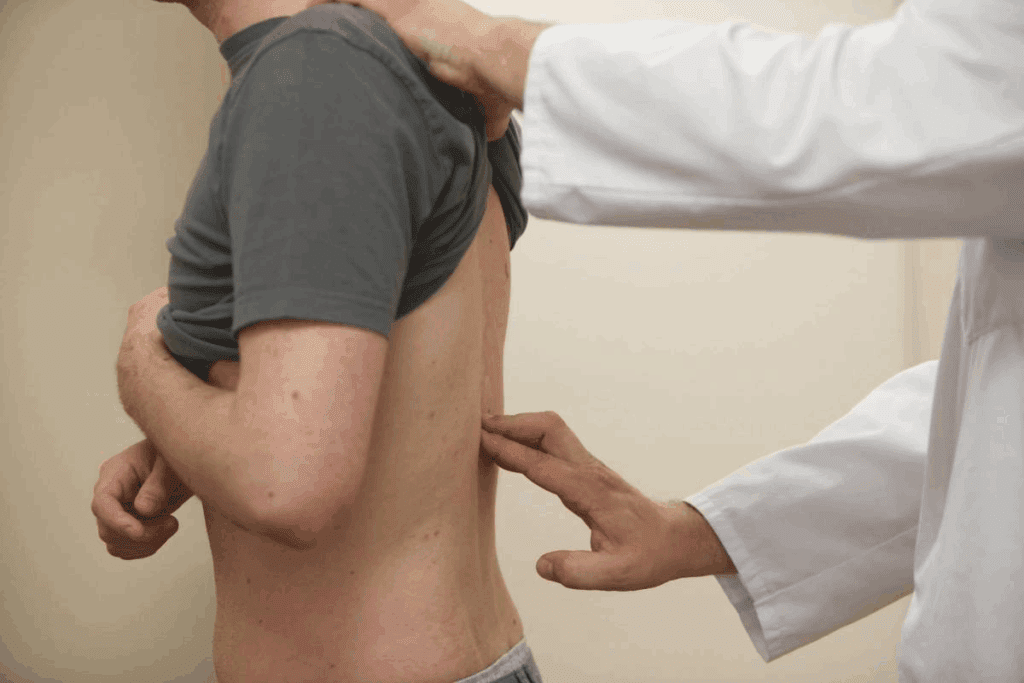
A thorough physical exam is the first step. Doctors check muscle strength, reflexes, and leg sensation. They look for any nerve problems.
They also check how the patient walks and stands. Spinal stenosis can make people walk differently or stand in a certain way. These signs help doctors see how the stenosis affects the patient.
Imaging Studies (MRI, CT, X-rays)
Imaging studies are key to confirming spinal stenosis. Magnetic Resonance Imaging (MRI) is the best, showing the spinal canal and nerves clearly. It helps find out how bad the stenosis is and if there are other problems.
Computed Tomography (CT) scans are used when MRI can’t be done. They show bone details well. X-rays also help, showing the spine’s alignment and any bone changes.
Electromyography and Nerve Conduction Studies
In some cases, electromyography (EMG) and nerve conduction studies (NCS) are needed. EMG checks muscle electrical activity. NCS looks at nerve signals. These tests help see how nerves are affected.
Together with physical exams and imaging, these tests give a full picture. This helps doctors create a treatment plan that fits the patient’s needs.
Non-Surgical Treatment Approaches
Many patients start with non-surgical treatments for spinal stenosis. These methods help manage pain, improve movement, and boost life quality.
Physical Therapy Protocols
Physical therapy is key for L4-L5 spinal stenosis. Personalized exercise programs aim to increase flexibility and strengthen muscles. Techniques like massage and joint mobilization also help.
Medication Options
Several medications can ease spinal stenosis symptoms. Nonsteroidal anti-inflammatory drugs (NSAIDs) are used to lessen pain and swelling. Oral steroids might be given for quick relief. Medications for nerve pain can also help some patients.
Epidural Steroid Injections
Epidural steroid injections are a good choice for L4-L5 spinal stenosis. These injections put corticosteroids into the epidural space, reducing inflammation and pain. The procedure is guided by fluoroscopy for accuracy.
Alternative Therapies
Some find relief in acupuncture and chiropractic care. While evidence varies, these options can help manage symptoms. Always talk to a healthcare provider before trying alternative therapies.
Exploring these non-surgical treatments can help patients with L4-L5 spinal stenosis. They can find ways to manage their condition and enhance their life quality.
Lifestyle Modifications for Managing Stenosis
Managing spinal stenosis isn’t just about medical treatment. It also involves making key lifestyle adjustments. By making certain changes, people can better manage their symptoms and improve their quality of life.
Weight Management Benefits
Keeping a healthy weight is key for those with spinal stenosis. Extra weight can strain the spine, making symptoms worse. By losing weight through diet and exercise, people can ease this strain.
For those who are overweight or obese, losing weight is beneficial. It’s not just about losing weight. It’s about losing it in a healthy way. A balanced diet and regular exercise can help manage weight and improve health.
Ergonomic Considerations
Making ergonomic adjustments can also help manage spinal stenosis. This means setting up workspaces for good posture, whether sitting or standing. For example, using an ergonomic chair or adjusting the height of a computer monitor can help reduce strain on the spine.
Simple changes, like taking regular breaks to stretch or adjusting sleeping positions, can also make a big difference. Using supportive devices like back supports or orthopedic pillows can further enhance comfort and reduce strain.
Exercise and Activity Modifications
Exercise is a key part of managing spinal stenosis. It’s important to avoid activities that make symptoms worse. But, certain exercises can strengthen the back muscles and improve flexibility. Low-impact activities like swimming, cycling, or yoga are often recommended.
It’s also important to modify activities to avoid putting unnecessary strain on the spine. For instance, bending or heavy lifting should be avoided, and alternative methods should be used instead.
Does Losing Weight Help Spinal Stenosis?
Losing weight can help alleviate some symptoms of spinal stenosis. By reducing body weight, there’s less pressure on the spine, which can lead to less pain and discomfort. But, it’s important to lose weight in a healthy and sustainable way.
| Lifestyle Modification | Benefits for Spinal Stenosis |
| Weight Management | Reduces strain on the spine, potentially alleviating symptoms |
| Ergonomic Adjustments | Promotes good posture, reduces strain on the spine |
| Exercise Modifications | Strengthens back muscles, improves flexibility |
| Weight Loss | Decreases pressure on the spine, can reduce pain and discomfort |
By incorporating these lifestyle modifications, individuals with spinal stenosis can take a proactive approach to managing their condition and improving their quality of life.
Age-Specific Considerations
It’s important to know how age affects L4-L5 stenosis. As people get older, the condition can change a lot. This means we need different ways to treat and manage it.
Stenosis in Middle-Aged Adults
Middle-aged people with L4-L5 stenosis face a mix of problems. These include degenerative changes and lifestyle factors. They might do well with a mix of physical therapy and lifestyle changes.
Key considerations for middle-aged adults include:
- Maintaining a healthy weight to reduce pressure on the spine
- Engaging in regular, low-impact exercise to improve flexibility and strength
- Avoiding smoking and excessive alcohol consumption
Elderly Patients with L4-L5 Stenosis
Elderly people often have more severe symptoms. This is because of the long-term effects of degenerative changes. Their treatment should focus on pain relief and improving their quality of life.
Treatment for elderly patients may involve:
- Medications for pain relief and inflammation
- Epidural steroid injections to reduce swelling
- Physical therapy tailored to the patient’s physical limitations
Treatment Approaches by Age Group
Treatment for L4-L5 spinal stenosis changes with age. Younger people might get more aggressive treatments, like surgery. But older adults often need more gentle approaches because of other health issues.
| Age Group | Common Treatment Approaches | Key Considerations |
| Middle-Aged Adults | Physical therapy, lifestyle modifications, possible surgery | Maintaining activity level, weight management |
| Elderly Patients | Pain management, epidural injections, gentle physical therapy | Managing other health issues, improving quality of life |
Understanding these age-specific needs helps doctors create better treatment plans. This leads to better outcomes and a better quality of life for patients.
When to Seek Immediate Medical Attention
Knowing when to get medical help for L4-L5 spinal stenosis is key. Some symptoms mean you need to see a doctor right away.
Red Flag Symptoms
Red flag symptoms are signs that something serious is happening. For L4-L5 spinal stenosis, watch out for:
- Sudden or severe numbness or weakness in the legs
- Loss of bladder or bowel control
- Severe pain that gets worse over time
- Difficulty walking or standing
If you notice any of these, go to the emergency room or urgent care.
Emergency Situations
Some cases of L4-L5 spinal stenosis are emergencies. These include:
- Cauda equina syndrome, where nerves in the lower spine get compressed. This causes severe pain, numbness, and loss of bladder or bowel control.
- Acute neurological deficits, like sudden weakness or paralysis in the legs.
These are medical emergencies. They need quick attention to avoid lasting harm.
Progressive Neurological Deficits
Progressive neurological deficits mean nerve damage gets worse over time. Symptoms include:
- Increasing numbness or tingling in the legs
- Weakness or loss of reflexes
- Deteriorating walking ability
Keep an eye on these symptoms. Tell your healthcare provider if they get worse.
If you see any red flag symptoms or notice your symptoms getting worse, get medical help fast. Quick action can greatly improve your outcome and quality of life.
Living with L4-L5 Spinal Stenosis
Spinal stenosis can be tough, but many people find ways to manage it. They lead active lives by making lifestyle changes and using medical treatments. It’s all about finding the right balance.
People with l4 l5 spinal stenosis should keep a healthy weight. This helps take pressure off the spine. Activities like walking or swimming can also boost mobility and strength. For severe cases, more intense treatments might be needed.
Effective management of spinal stenosis includes physical therapy, medication, and sometimes epidural steroid injections. Working with healthcare providers helps create a plan tailored to each person. This way, they can improve their life quality.
FAQ
What is spinal stenosis at L4 L5?
Spinal stenosis at L4 L5 is when the spinal canal narrows at the L4-L5 segment. This can press on nerves, causing symptoms.
Is spinal stenosis L4 L5 a serious condition?
Yes, it’s serious if not treated. It can cause a lot of pain, affect nerves, and make daily tasks hard.
What are the symptoms of L4 L5 spinal stenosis?
Symptoms include pain, numbness, tingling, and weakness in the lower back, legs, and feet. You might also feel heavy or tired in your legs.
How is spinal stenosis at L4 L5 diagnosed?
Doctors use a physical exam, MRI or CT scans, and tests like electromyography and nerve conduction studies to diagnose it.
What are the treatment options for L4 L5 spinal stenosis?
Treatments include physical therapy, medication, epidural steroid injections, and alternative therapies. Surgery is an option for severe cases.
Can losing weight help alleviate spinal stenosis symptoms?
Yes, losing weight can help by reducing spine pressure and improving mobility.
How does spinal stenosis affect daily functioning?
It can make everyday activities hard by causing pain, numbness, and weakness. It’s tough to walk, stand, sit, or do fun activities.
What are the red flag symptoms that require immediate medical attention?
Seek medical help right away for sudden severe pain, worsening nerve symptoms, or loss of bladder or bowel control.
Can spinal stenosis cause paralysis?
Yes, severe cases can lead to paralysis or permanent nerve damage if not treated.
How can I manage symptoms of L4 L5 spinal stenosis?
Manage symptoms with lifestyle changes, non-surgical treatments, and surgery if needed. Keep a healthy weight and exercise regularly.
References
- Fijalkowski, M., Kluga, A., & Lissy, P. (2022). Severity of lumbar spinal stenosis: Clinical correlation and radiological assessment with special focus on the L4-L5 segment. Journal of Medical Association of Thailand, 105(10), 986-992. https://www.sciencedirect.com/science/article/pii/S2590139720300041