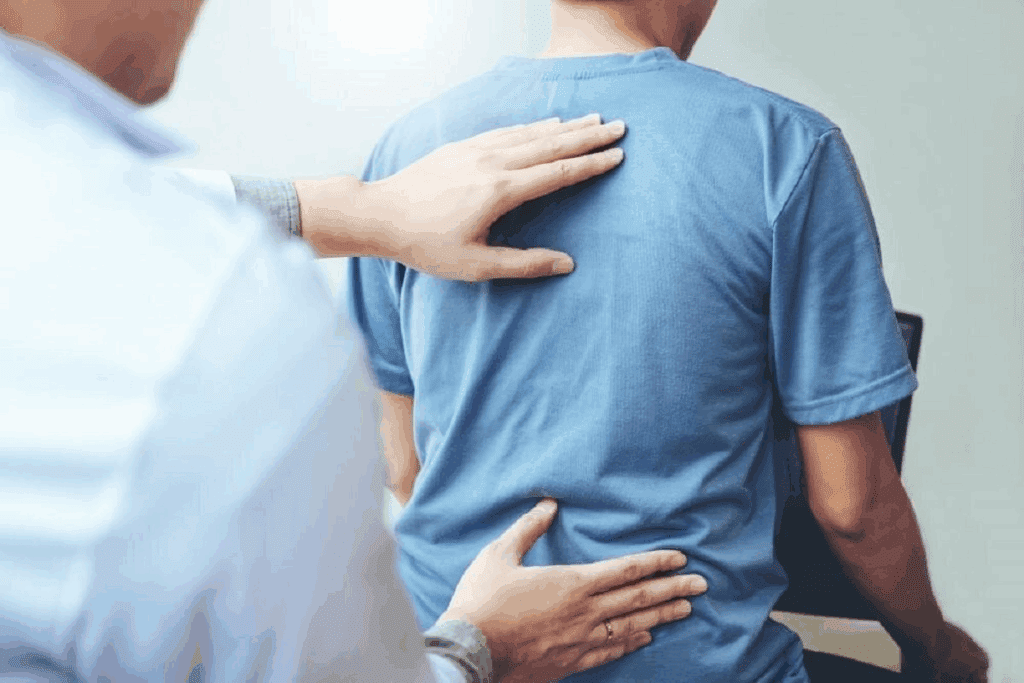
Spinal stenosis is a common condition that affects millions globally. It causes a lot of pain and discomfort. The narrowing of the spinal canal can lead to numbness, weakness, and limited mobility. This can really impact your daily life.
We know how complex this condition is. Our team offers top-notch healthcare and support for patients from around the world. We provide spinal stenosis treatment options tailored to your needs.
Key Takeaways
- Understanding the causes and symptoms of spinal stenosis
- Exploring conservative and surgical treatment approaches
- Personalized care for international patients
- Comprehensive support services for patients worldwide
- Advanced medical treatments for optimal outcomes
Understanding Spinal Stenosis
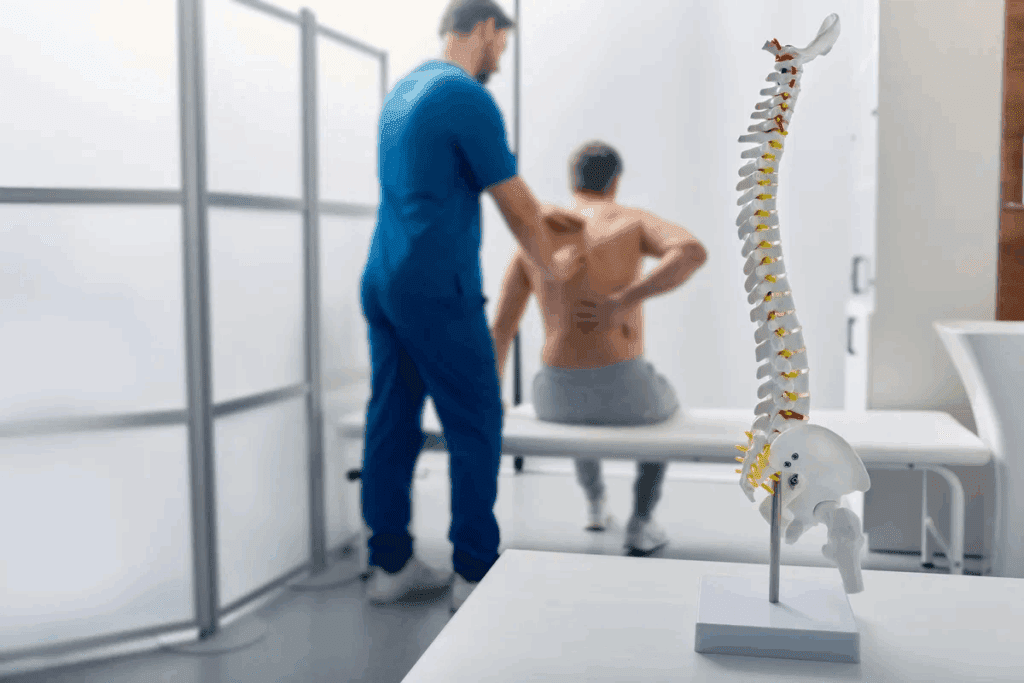
Spinal stenosis is a condition where the spinal canal narrows. This can put pressure on nerves, leading to symptoms. Understanding the causes and different forms of spinal stenosis is essential.
Understanding the causes and different forms of spinal stenosis is essential.
Spinal stenosis happens when the spinal canal gets narrower. This can be due to many reasons. These include being born with it, wear and tear over time, or injuries.
The narrowing can press on the spinal cord or nerves. This can cause pain, numbness, and weakness in different parts of the body. It depends on where the stenosis is.
Types of Spinal Stenosis
Spinal stenosis can affect different parts of the spine. The main types are lumbar stenosis and cervical stenosis.
- Lumbar Stenosis: This affects the lower back. Symptoms include pain, numbness, or weakness in the legs, calves, or buttocks.
- Cervical Stenosis: This affects the neck. Symptoms can include pain, numbness, or weakness in the neck, shoulders, arms, or hands.
Knowing the type of spinal stenosis is key. It helps find the best treatment. Each type has its own challenges and needs a specific approach.
Recognizing Spinal Stenosis Symptoms
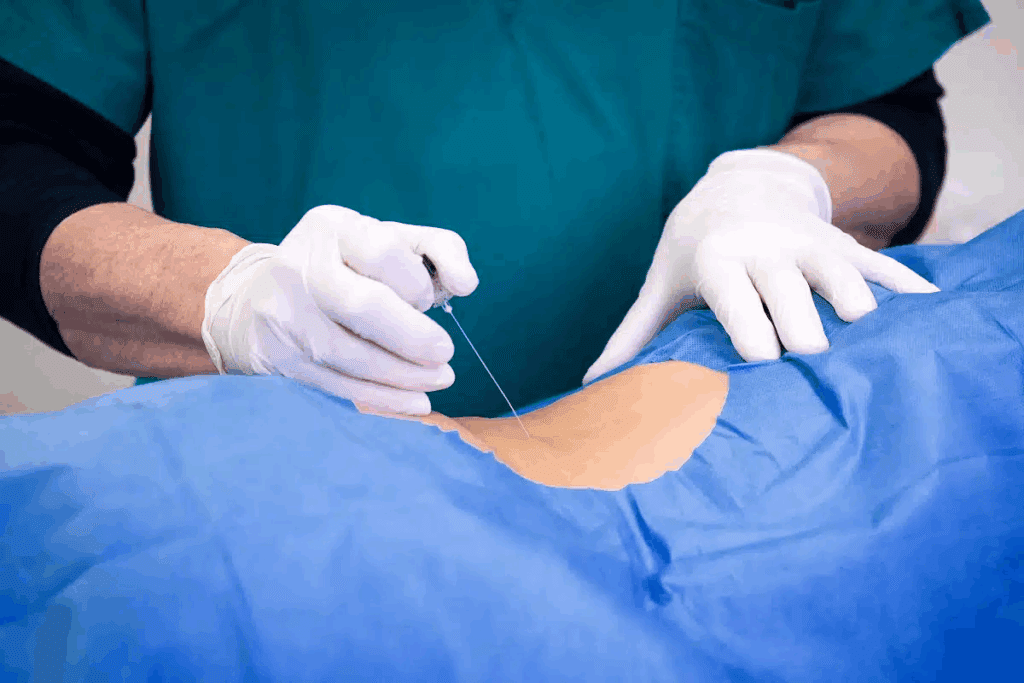
Knowing the signs of spinal stenosis is key to managing it well. This condition narrows the spinal canal, causing various symptoms. These symptoms can really affect how well you live your life.
Common Signs and Symptoms
The symptoms of spinal stenosis depend on where and how much the canal narrows. Common signs include:
- Back Pain: Pain in the back that can spread to the legs or arms, based on where the stenosis is.
- Numbness or Tingling: Feeling numb or tingly in your arms or legs, due to nerves being compressed.
- Weakness: Feeling weak in your legs or arms, which can make it hard to move or do everyday tasks.
These symptoms can get worse with activities like standing or walking. But, sitting or leaning forward might help.
When to Seek Medical Attention
It’s important to see a doctor if you notice any of these:
- Severe Pain: Pain that’s very bad, lasts a long time, or stops you from sleeping or doing daily things.
- Progressive Weakness: Getting weaker in your legs or arms, which makes it hard to move or control your bladder or bowel.
- Sudden Numbness: Sudden numbness or tingling, which is one-sided or comes with other nerve problems.
Getting a diagnosis and treatment early can really help with spinal stenosis. If you’re feeling symptoms, talk to a doctor to figure out what to do next.
Diagnosing Spinal Stenosis
Diagnosing spinal stenosis involves a mix of clinical checks and imaging tests. These tools help us see how severe the condition is. Then, we can plan the best treatment.
Physical Examination
The first step is a detailed physical check. We look at muscle strength, reflexes, and pain sensitivity. We also check how well you can move and for nerve symptoms like numbness.
“A thorough physical check is key to spotting spinal stenosis signs,” says a top orthopedic expert. “It helps us pick the right tests and treatments.”
Imaging Tests (MRI, CT Scans, X-rays)
Imaging tests are essential for confirming the diagnosis and understanding how severe spinal stenosis is. The main tests are:
- MRI (Magnetic Resonance Imaging): MRI is the top choice for diagnosing spinal stenosis. It shows the spinal cord, nerves, and soft tissues clearly, helping us spot compression areas.
- CT Scans (Computed Tomography): CT scans give clear images of the spine’s bones. They help find bone spurs, fractures, or other issues that might cause stenosis.
- X-rays: X-rays give a first look at the spine’s bones. They don’t show soft tissues as well as MRI but can spot degenerative changes like disc narrowing or arthritis.
Severity Classification
After confirming the diagnosis, we classify the stenosis severity. This depends on the nerve compression level and symptoms. This helps us choose the best treatment, whether it’s non-surgical or surgery.
The severity is usually mild, moderate, or severe. This depends on the spinal canal narrowing and any neurological problems. Knowing the severity is key to creating a treatment plan that fits the patient’s needs.
Overview of Spinal Stenosis Treatment Options
Patients with spinal stenosis have many treatment options. These range from non-surgical methods to surgery. The right choice depends on how bad the symptoms are, how much the nerves are compressed, and the patient’s health.
Finding the right treatment can be tough. So, it’s key to know what’s out there. Treatments for spinal stenosis fall into two main groups: non-surgical and surgical.
Conservative vs. Surgical Approaches
Non-surgical treatments aim to manage symptoms without surgery. This includes physical therapy, pain meds, lifestyle changes, and alternative therapies like acupuncture or chiropractic care. The goal is to reduce pain, improve movement, and enhance life quality.
Surgical treatments are for when non-surgical methods don’t work or if the condition is severe. Surgery can include decompression or spinal fusion to relieve nerve pressure and stabilize the spine.
Treatment Selection Factors
Choosing the right treatment involves looking at several factors. These include how severe the symptoms are, how they affect daily life, the patient’s age and health, and any other health conditions. We help patients weigh these factors to find the best treatment.
It’s also key to think about the risks and benefits of each treatment. Knowing this helps patients make choices that fit their health goals and preferences.
Setting Realistic Expectations
Setting realistic expectations is vital in treatment. We aim to give patients the knowledge they need about what to expect, whether it’s non-surgical or surgical treatment. This includes talking about possible outcomes, recovery times, and any needed follow-up care.
By working together and keeping communication open, we ensure patients get the best care for their spinal stenosis. We tailor treatment to their unique needs and situation.
Non-Surgical Spinal Stenosis Treatment
At first, doctors often try non-surgical ways to treat spinal stenosis. These methods aim to lessen pain and boost life quality. We look into these options, how well they work, and what patients might experience.
When Conservative Treatment is Appropriate
For those with mild to moderate symptoms, non-surgical treatment is usually the first step. It’s great for people who don’t want surgery or are not good candidates for it.
Key factors influencing the decision for conservative treatment include:
- The severity of symptoms
- The patient’s overall health
- Previous treatments or interventions
Effectiveness of Non-Surgical Approaches
Non-surgical methods, like physical therapy and pain management, can really help with spinal stenosis. They not only ease pain but also make moving and doing daily tasks easier.
Some benefits of non-surgical treatments include:
- Reduced pain and inflammation
- Improved flexibility and strength
- Enhanced quality of life
Duration and Expected Outcomes
How long non-surgical treatment lasts depends on the person’s condition and how well they respond. Most people start seeing improvements in a few weeks to a few months.
Factors influencing treatment duration include:
- The severity of spinal stenosis
- Adherence to the treatment plan
- Individual response to therapy
Knowing about non-surgical options helps patients make better choices. It might even mean they don’t need surgery.
Medication Options for Managing Spinal Stenosis
Managing spinal stenosis pain often means trying different medications. Finding the right one is key for those with this condition.
Over-the-Counter Pain Relievers
OTC pain relievers are a first step for spinal stenosis pain. Acetaminophen and ibuprofen can help with pain and swelling. Acetaminophen is for pain, while ibuprofen also fights inflammation.
It’s important to follow the dosage to avoid side effects. Too much acetaminophen can harm the liver. Long-term use of ibuprofen can upset your stomach.
Prescription Medications
When OTCs aren’t enough, prescription meds might be needed. These include stronger pain relievers and medications for nerve pain.
Some common prescription options include:
- Corticosteroids to reduce inflammation
- Nerve pain medications like gabapentin or pregabalin
- Stronger opioids for severe pain, though used with caution
Finding the Most Effective Pain Management
Finding the right pain management takes trial and error. We work with patients to find what works best.
It’s important to know the benefits and risks of each medication. For example, opioids can help a lot but come with dependency risks.
| Medication Type | Examples | Primary Use |
| Over-the-Counter Pain Relievers | Acetaminophen, Ibuprofen | Pain relief, inflammation reduction |
| Prescription Pain Relievers | Corticosteroids, Gabapentin | Inflammation reduction, nerve pain management |
| Opioids | Stronger pain relievers | Severe pain management |
By looking at different medications and patient needs, we create a plan that improves life for those with spinal stenosis.
Physical Therapy and Exercise for Spinal Stenosis
For those with spinal stenosis, physical therapy and exercise can make a big difference. They help manage symptoms by boosting flexibility, strength, and movement.
Beneficial Exercises and Stretches
Some exercises and stretches can ease spinal stenosis symptoms. These include:
- Flexion Exercises: These improve flexibility and cut down on pain.
- Stretching: Gentle stretches keep or boost range of motion.
- Aerobic Exercises: Low-impact activities like cycling or swimming are good for the heart without worsening symptoms.
It’s key to start slow and gradually get more intense and longer with exercises. Always do this with a healthcare pro’s advice.
Core Strengthening Techniques
Strengthening the core is important for spine support and lessening lower back strain. Techniques include:
- Planks: Holding a plank strengthens core muscles.
- Bridges: This targets glutes and lower back muscles.
- Pelvic Tilts: Gentle tilts strengthen abdominal muscles.
Do these exercises carefully and within a pain-free zone.
Working with a Physical Therapist
Getting help from a physical therapist is very helpful. They can:
- Check your condition and make a custom exercise plan.
- Offer manual therapy to boost mobility and lessen pain.
- Teach you about right posture and body mechanics to avoid more harm.
With a physical therapist’s help, people with spinal stenosis can create a detailed plan to handle their symptoms well.
Lifestyle Modifications to Manage Spinal Stenosis
Managing spinal stenosis is not just about medical treatments. It also involves making lifestyle changes. These changes can help reduce symptoms and improve life quality.
Weight Management Strategies
Keeping a healthy weight is key for spinal stenosis management. Extra weight can strain the spine, making symptoms worse. A balanced diet and regular, low-impact exercise can help maintain a healthy weight.
Effective weight management strategies include:
- Eating a nutritious, balanced diet with lots of fruits, vegetables, and lean proteins
- Doing low-impact exercises like swimming or cycling
- Staying away from high-calorie foods and sugary drinks
Posture Improvement Techniques
Good posture can reduce spine strain and help with spinal stenosis symptoms. It’s important to practice good posture every day.
Some posture improvement techniques include:
- Keeping a neutral spine position when sitting or standing
- Using ergonomic furniture and accessories
- Doing exercises that strengthen core and back muscles
Activity Modifications for Daily Living
Modifying daily activities is vital for managing spinal stenosis. Some activities can make symptoms worse, while others can help.
Recommended activity modifications include:
- Avoiding heavy lifting and bending
- Taking regular breaks during long activities
- Using assistive devices when needed
By making these lifestyle changes, people with spinal stenosis can manage their symptoms better. This can greatly improve their overall quality of life.
Alternative and Complementary Therapies
Alternative and complementary therapies offer a holistic way to manage spinal stenosis symptoms. They help improve overall well-being. These methods can be used alongside traditional treatments to offer more relief and enhance life quality.
Acupuncture and Massage
Acupuncture is an ancient practice that involves thin needles in specific body points. It has been shown to reduce pain and improve function in spinal stenosis patients. By stimulating healing and reducing inflammation, acupuncture can be a valuable addition to other treatments.
Massage therapy involves manual manipulation of soft body tissues. It helps alleviate muscle tension and promotes relaxation. Regular massage sessions may reduce the frequency and severity of spinal stenosis symptoms, improving mobility and comfort.
Chiropractic Care
Chiropractic care focuses on the diagnosis and treatment of joint misalignments, mainly in the spinal column. Chiropractors use spinal manipulation and other techniques to restore joint mobility, reduce inflammation, and improve function.
For spinal stenosis patients, chiropractic care can offer relief by improving spinal alignment and reducing pressure on affected nerves. It’s important to consult with a healthcare provider before starting chiropractic treatment to ensure it’s right for your condition.
Mind-Body Approaches (Yoga, Tai Chi)
Mind-body therapies like yoga and tai chi combine physical movement with deep breathing and meditation. These practices can improve flexibility, balance, and strength, which are beneficial for managing spinal stenosis symptoms.
Yoga and tai chi classes tailored for individuals with spinal stenosis can help improve posture, reduce pain, and enhance overall physical function. It’s essential to work with an experienced instructor who understands your condition and can adapt the exercises.
By incorporating alternative and complementary therapies into your treatment plan, you can take a more active role in managing spinal stenosis. This can improve your quality of life.
Injection-Based Treatments for Spinal Stenosis
For those with spinal stenosis, injection treatments can bring relief. These methods aim to lessen pain and swelling. This can greatly improve a patient’s life quality.
Epidural Steroid Injections
Epidural steroid injections are a common treatment for spinal stenosis. They put corticosteroids near the spinal cord to cut down on swelling and pain.
The procedure is guided by X-ray to place the injection correctly. Some people feel better in a few days, while others may take up to two weeks.
Nerve Blocks and Other Injections
Nerve blocks inject medicine into or around nerves to stop pain signals. For spinal stenosis, they are great for severe pain that other treatments can’t handle.
- Diagnostic Blocks: Help find out if a specific nerve is causing pain.
- Therapeutic Blocks: Give longer-lasting pain relief.
Effectiveness and Limitations
Injection treatments can help a lot of people, but they don’t work for everyone. It’s key to remember these treatments don’t cure spinal stenosis but help manage symptoms.
How long relief lasts varies. Some people get long-term relief, while others need more injections. The severity of stenosis, overall health, and past treatment responses play a big role.
Talking to a healthcare professional about the pros and cons is a good idea. They can help decide if these treatments are right for you.
Surgical Options for Spinal Stenosis
When other treatments don’t work, surgery might be the next step for spinal stenosis. It can help people move better and feel less pain.
Decompression Procedures
Decompression surgery is a common choice for spinal stenosis. It aims to take pressure off the spinal cord or nerves by removing what’s causing the problem.
Laminectomy and laminotomy are two types of decompression surgery. Laminectomy removes part of the vertebrae to make more space. Laminotomy is a milder version, where only a small part of the lamina is taken out.
Spinal Fusion Surgery
Spinal fusion surgery is sometimes needed. It joins two or more vertebrae together to stabilize the spine. It’s usually considered when there’s a lot of instability or deformity.
Spinal fusion uses bone grafts, rods, and screws to hold the vertebrae together while they fuse. This helps the spine stay stable.
Minimally Invasive Surgical Techniques
Minimally invasive surgical techniques are gaining popularity for spinal stenosis treatment. They use smaller cuts and cause less damage to tissues, leading to faster recovery.
These techniques include both decompression and fusion. They offer less blood loss, less pain after surgery, and shorter hospital stays.
Choosing surgery can be tough. But for many with spinal stenosis, it greatly improves their symptoms and life quality.
Lumbar Spinal Stenosis Treatment Approaches
Lower back stenosis, or lumbar spinal stenosis, is a serious issue. It affects the lower back, which is key for movement and support. So, treatments need to be carefully chosen to help manage it well.
Specific Considerations for Lower Back Stenosis
When treating lumbar spinal stenosis, several factors are important. These include how severe the stenosis is, the patient’s health, and any other health issues. Conservative management is often the first step. It aims to reduce symptoms and improve how well the patient can move.
Conservative treatments might include physical therapy, pain relief medicine, and making lifestyle changes. Epidural steroid injections are also an option for those who don’t get better with initial treatments.
Treatment Effectiveness for Lumbar Region
The success of treatment for lumbar spinal stenosis can differ. It depends on how severe the condition is and how well the patient responds to treatment. Monitoring progress and adjusting the treatment plan is key for the best results.
| Treatment Approach | Effectiveness | Considerations |
| Conservative Management | Highly effective for mild to moderate stenosis | Includes physical therapy, pain management, and lifestyle changes |
| Epidural Steroid Injections | Effective for short-term pain relief | May be used for patients not responding to conservative management |
| Surgical Intervention | Effective for severe stenosis or when conservative treatments fail | Includes decompression procedures and spinal fusion |
For severe cases or when other treatments don’t work, surgical options might be needed. These include decompression procedures or spinal fusion. The right surgery depends on the stenosis and the patient’s health.
Cervical Spinal Stenosis Treatment Options
There are several ways to treat cervical spinal stenosis. Each method has its own benefits and risks. The right treatment depends on how severe the condition is, the patient’s health, and their preferences.
Unique Approaches for Neck Stenosis
Cervical spinal stenosis needs a special treatment plan because it’s in the neck. Decompression surgery is often used to take pressure off the spinal cord. This might involve removing parts of the vertebrae or discs.
Laminoplasty is another option. It involves cutting and partially removing vertebrae to make more space for the spinal cord. This is helpful for those with stenosis at multiple levels.
Risks and Benefits of Cervical Treatments
Surgical treatments can greatly help, but they also have risks. Potential complications include infection, nerve damage, and spine instability. It’s important to consider these risks against the benefits.
For some, conservative management is suggested. This might include physical therapy, pain medication, and changes in lifestyle. The aim is to manage symptoms and improve life quality without surgery.
Finding the right treatment for cervical spinal stenosis is all about personalization. We work with patients to create a treatment plan that fits their needs and health.
Treatment for Severe Spinal Stenosis Cases
Severe spinal stenosis cases need a strong treatment plan to ease symptoms and improve life quality. When simple treatments don’t work, doctors might look at more serious options.
When Surgery Becomes Necessary
Surgery is considered when spinal stenosis is severe and affects daily life. Surgery aims to take pressure off the spinal cord or nerves. This can help reduce pain and improve movement.
“Surgery can be a game-changer for patients with severe spinal stenosis, giving them a chance to move better and feel less pain,” says a leading spine specialist.
Managing Complications and Recovery
It’s key to manage complications and ensure a smooth recovery after surgery. Post-operative care includes watching for complications like infection or nerve damage. It also involves a rehab program to build strength and flexibility.
- Close monitoring of the patient’s condition post-surgery
- Physical therapy to enhance recovery and improve mobility
- Pain management strategies to minimize discomfort
Understanding treatment options for severe spinal stenosis helps patients make better choices. It’s important to talk about the risks and benefits of each option with a doctor. This way, you can find the best treatment for you.
Special Considerations for Elderly Patients
Elderly patients with spinal stenosis need a special treatment plan. This plan must consider their health needs. As we get older, spinal stenosis becomes more common. It’s harder to manage because of other health issues and changes in our bodies.
Age-Related Treatment Modifications
When treating spinal stenosis in older adults, we must make adjustments. These changes ensure the treatment is safe and works well. This might include:
- Changing medication amounts because of kidney function changes and possible drug side effects.
- Choosing less invasive surgeries to lower risks.
- Creating physical therapy plans that fit their abilities and any other health issues.
A study in a
recent medical journal
showed the need for personalized plans for older patients. A one-plan-fits-all approach can be less effective.
Balancing Risks and Quality of Life
Older patients have to balance treating their spinal stenosis and keeping a good quality of life. We must think about the benefits and risks of treatment, mainly with surgery.
Important things to consider are:
- Looking at the patient’s overall health and how long they might live.
- Seeing how spinal stenosis affects their daily life and independence.
- Talking about what the patient wants and values in their care.
By focusing on the patient, we can create good treatment plans. These plans help improve their quality of life and reduce risks.
Managing spinal stenosis in older adults needs a detailed approach. This approach must consider their special needs. By doing this, we can help them stay independent and live well.
Conclusion:
Finding the best treatment for spinal stenosis means knowing a lot about the condition. We’ve looked at many ways to treat it, from simple steps to major surgery. This helps you choose the right care for yourself.
The best treatment is often made just for you. It depends on how bad your symptoms are, your health, and your life. Knowing all your options, like physical therapy and surgery, helps you and your doctor create a plan that’s just right for you.
There’s no one “cure” for spinal stenosis, but the right treatment can make a big difference. By learning and working with your healthcare team, you can find the best treatment for you.
FAQ
What is spinal stenosis?
Spinal stenosis is a condition where the spinal canal narrows. This puts pressure on the spinal cord and nerves. It can cause pain, numbness, and weakness.
What are the common signs and symptoms of spinal stenosis?
Signs include back pain, numbness, and tingling in the legs. You might also feel pain or numbness in the neck, arms, or hands.
How is spinal stenosis diagnosed?
Doctors use a few methods to diagnose it. They’ll check your medical history and do physical exams. They might also use MRI, CT scans, or X-rays.
What are the treatment options for spinal stenosis?
There are many ways to treat it. You can try physical therapy, pain management, and lifestyle changes. Surgery is also an option, like decompression or spinal fusion.
When is surgery necessary for spinal stenosis?
Surgery is needed when other treatments don’t work. It’s also necessary if the condition affects your daily life or if you have nerve damage.
What are the benefits and risks of epidural steroid injections for spinal stenosis?
These injections can give temporary pain relief. But, they’re not always effective. They can also cause infections, bleeding, or nerve damage.
How can physical therapy help manage spinal stenosis symptoms?
Physical therapy can improve your flexibility and strength. It can also help with your posture. This can reduce pain and inflammation.
What lifestyle modifications can help manage spinal stenosis?
Making lifestyle changes can help. This includes managing your weight, improving your posture, and changing your activities. These can improve your quality of life.
Are there alternative therapies that can help manage spinal stenosis?
Yes, there are. Acupuncture, massage, and chiropractic care might help. So can yoga and tai chi. But, they should be used with other treatments.
How does age impact treatment for spinal stenosis?
Age can affect treatment. Older adults might need special considerations. It’s important to balance risks and quality of life when treating them.
What are the specific considerations for treating lumbar spinal stenosis?
Treating lower back stenosis needs special care. You need to understand the unique aspects of it. Then, choose the best treatment for the lumbar area.
What are the unique approaches for treating cervical spinal stenosis?
Treating neck stenosis requires special care. You need to know the risks and benefits of treatments. Then, choose the best options for the neck area.
Can spinal stenosis be cured?
Spinal stenosis is a chronic condition. But, treatments can manage its symptoms. Surgery can also provide relief. A cure is not always possible.
What is the best painkiller for spinal stenosis?
The best painkiller varies. It depends on your needs and medical history. It might be over-the-counter pain relievers, prescription meds, or other strategies.
How can I manage spinal stenosis pain?
Managing pain requires a full approach. This includes medication, physical therapy, lifestyle changes, and alternative therapies. Working with a healthcare professional is key to creating a personalized plan.
References
- Wu, L. (2024). Lumbar spinal stenosis – StatPearls. https://www.ncbi.nlm.nih.gov/books/NBK531493/