

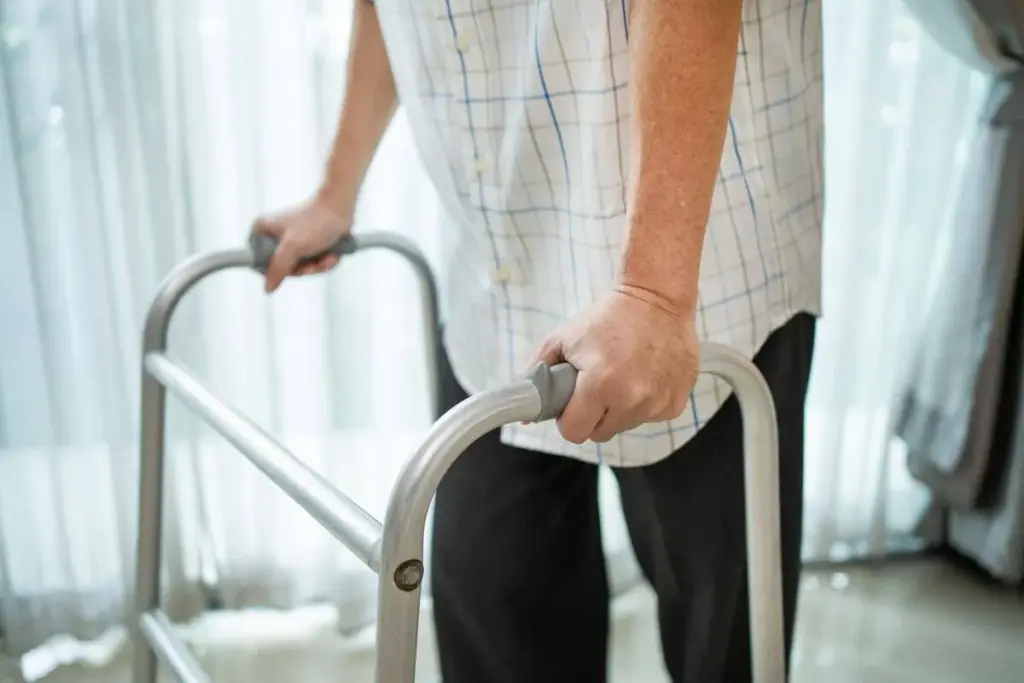
Many people face a serious issue called narrowing of the spine. This can cause big problems with moving around if not treated.
Medical studies show that spinal stenosis is becoming more common. Lots of people are looking for help because of its symptoms.
Those who get this condition worry a lot. They fear losing their ability to move and maybe even needing a wheelchair.
Key Takeaways
- It’s important to know what spinal stenosis is and its symptoms.
- If not treated, it can cause serious problems with moving.
- There are many ways to manage spinal stenosis.
- Getting diagnosed early can make a big difference.
- Making changes in your lifestyle can help with symptoms.
What Is Spinal Stenosis?
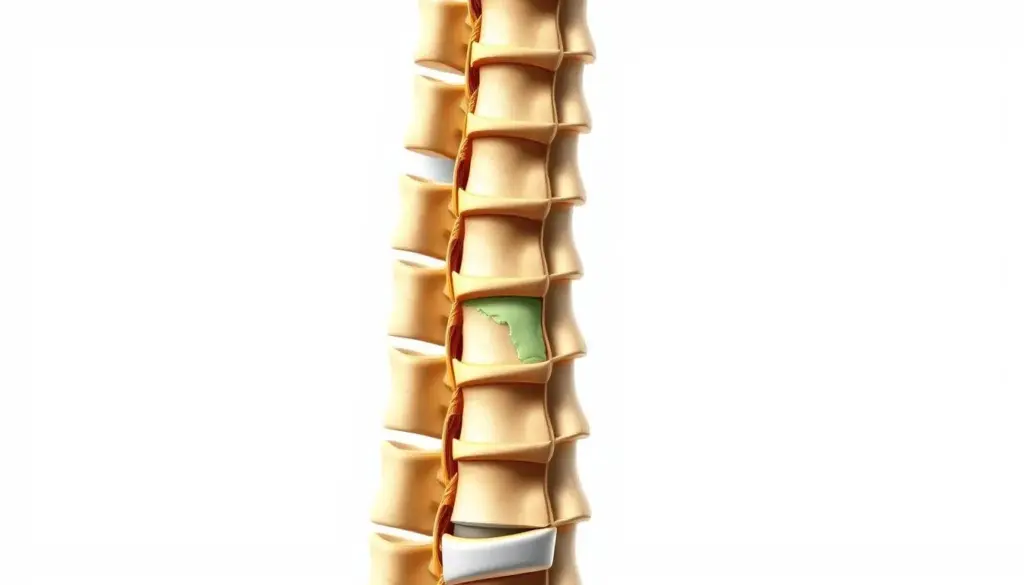
Spinal stenosis is a condition where the spinal canal gets narrower. This can press on the nerves in the spine, causing symptoms.
Definition and Stenosis Meaning
Stenosis means the abnormal narrowing of a passage in the body. In the spine, it’s the narrowing of the canal. This is where the spinal cord and nerves travel. Spinal stenosis often happens in the lower back and neck.
Narrowing of the Spine: The Process
The spine narrows over time in spinal stenosis. It can happen due to:
- Age-related wear and tear on the spine
- Degenerative changes like bone spurs or herniated disks
- Thickening of the ligaments in the spine
As the canal narrows, it can press on the spinal cord and nerves. This leads to pain, numbness, and weakness in the back, legs, or arms.
Prevalence and Demographics
Spinal stenosis is common, mainly among older adults. Studies show it affects many over 50. It’s more common in men than women.
Key groups affected by spinal stenosis include:
- Older adults, typically over 50
- Those with a history of spinal injuries or conditions
- People with degenerative spinal conditions
Types of Spinal Stenosis
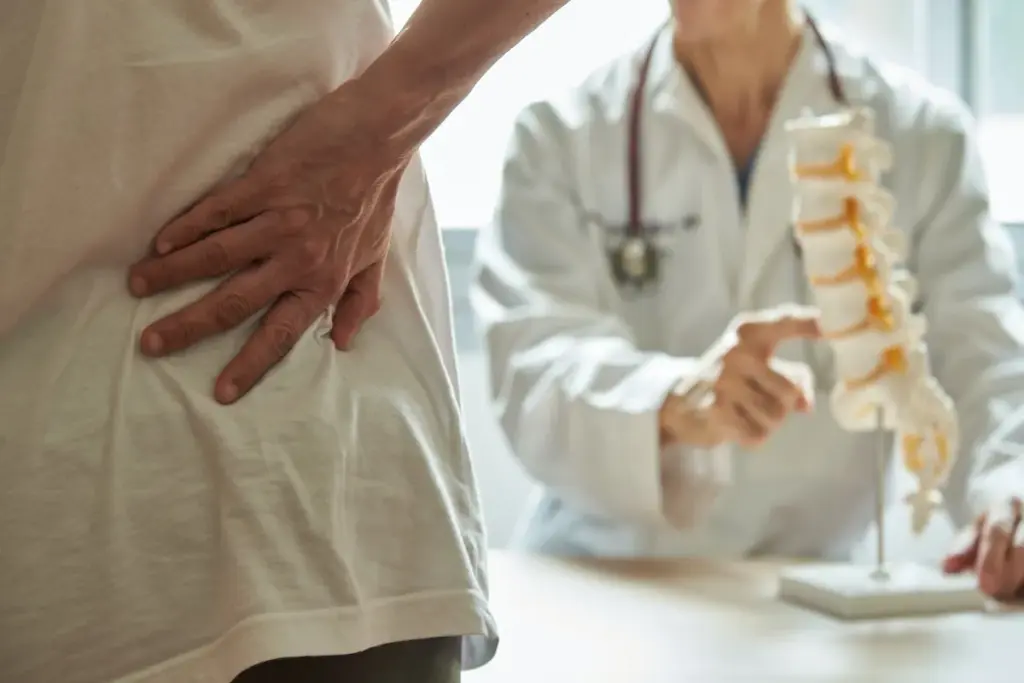
It’s important to know the different types of spinal stenosis. This knowledge helps in diagnosing and treating the condition. Spinal stenosis is divided based on the spine area it impacts.
Lumbar Spinal Stenosis
Lumbar spinal stenosis happens in the lower back. It’s the most common type. Symptoms include lower back pain, numbness, and leg weakness.
Cervical Spinal Stenosis
Cervical spinal stenosis affects the neck. Symptoms include neck pain, numbness, or weakness in the arms or legs. In severe cases, it can make walking or balance hard.
Thoracic Spinal Stenosis
Thoracic spinal stenosis is less common and affects the mid-back. It can cause chest or abdomen pain. In some cases, it may lead to severe neurological symptoms.
Which Is Worse: Spinal Stenosis or Foraminal Stenosis?
Foraminal stenosis is a specific type of spinal stenosis. It involves the narrowing of the foramina, where nerves exit the spinal canal. Both conditions can cause significant symptoms. Their impact depends on the location and severity of the narrowing.
|
Type of Stenosis |
Common Symptoms |
Region Affected |
|---|---|---|
|
Lumbar Spinal Stenosis |
Lower back pain, numbness, weakness in legs |
Lower Back |
|
Cervical Spinal Stenosis |
Neck pain, numbness, weakness in arms or legs |
Neck |
|
Thoracic Spinal Stenosis |
Pain or numbness in chest or abdomen |
Mid-back |
|
Foraminal Stenosis |
Radicular pain, numbness, or weakness |
Varies (lumbar or cervical) |
Summary: Each type of spinal stenosis has its own characteristics and symptoms. Knowing these differences is essential for proper diagnosis and treatment.
Causes and Risk Factors of Spinal Stenosis
Spinal stenosis comes from many sources, like aging and injuries. Knowing what causes it helps us find ways to prevent and treat it.
Age-Related Degeneration
As we get older, our spinal discs shrink and lose their bounce. The facet joints also grow, making the spinal canal narrower. Degenerative changes are part of aging but can harm the spine.
Congenital Factors
Some people are born with a smaller spinal canal. This can make them get spinal stenosis symptoms earlier. Congenital factors are key in these cases.
Injuries and Trauma
Spinal injuries can also cause or make spinal stenosis worse. Accidents, falls, or sports injuries can damage the spine. Knowing how injuries and trauma affect the spine is important.
Other Medical Conditions
Conditions like osteoarthritis, spondylolisthesis, and scoliosis raise the risk of spinal stenosis. These can cause the spine to degenerate, making the canal narrower.
|
Cause/Risk Factor |
Description |
Impact on Spinal Stenosis |
|---|---|---|
|
Age-Related Degeneration |
Natural aging process affecting spinal discs and facet joints |
Narrowing of the spinal canal |
|
Congenital Factors |
Inherent narrowing of the spinal canal |
Predisposes to early onset of symptoms |
|
Injuries and Trauma |
Accidents or injuries causing fractures or herniated discs |
Can cause or worsen spinal stenosis |
|
Other Medical Conditions |
Conditions like osteoarthritis, spondylolisthesis, and scoliosis |
Increases risk of spinal stenosis |
Understanding spinal stenosis causes and risk factors helps us prevent it. It also guides us to the right treatment if symptoms show up.
Symptoms of Spinal Stenosis
Spinal stenosis symptoms can vary a lot. This depends on where and how bad the condition is. The main cause is when nerves or the spinal cord get compressed or irritated.
Lumbar Stenosis Symptoms
Lumbar spinal stenosis mainly affects the lower back and legs. Common signs include:
- Pain or cramping in the legs, calves, or buttocks, worse when standing or walking
- Numbness or tingling in the legs or feet
- Weakness in the legs or feet, making it hard to stand or walk
These symptoms get worse when standing or walking. They often feel better when sitting or leaning forward.
Cervical Spinal Stenosis Symptoms
Cervical spinal stenosis impacts the neck. It can cause a range of symptoms, like:
- Neck pain or stiffness
- Numbness, tingling, or weakness in the arms, hands, or legs
- Difficulty with balance or coordination
- In severe cases, bowel or bladder problems
The symptoms can change based on how severe the stenosis is and which nerves are affected.
C5-C6 Foraminal Stenosis Symptoms
C5-C6 foraminal stenosis is when the neural foramina at the C5-C6 level narrow. Symptoms may include:
- Pain or numbness in the shoulder, arm, or hand
- Weakness in the arm or hand muscles
- Pain radiating down to the fingers
These symptoms happen because of nerve root compression at this level.
Bilateral Neural Foraminal Stenosis Signs
Bilateral neural foraminal stenosis means the neural foramina narrow on both sides of the spine. This can cause:
- Symptoms on both sides of the body, like pain, numbness, or weakness
- More severe symptoms because of nerve compression on both sides
- Potential for a bigger impact on mobility and quality of life
Seeing a doctor is important if symptoms don’t get better or get worse over time.
Diagnosing Spinal Stenosis
Spinal stenosis diagnosis needs a mix of physical exams and imaging tests. It’s about checking symptoms, medical history, and test results. This helps doctors understand the condition well.
Physical Examination
A physical exam is key in diagnosing spinal stenosis. Doctors check muscle strength, reflexes, and touch sensitivity. They also look for movement limits and nerve damage signs.
Doctors might do specific tests during the exam. For instance, the straight leg raise test checks for nerve irritation, a common issue with spinal stenosis.
Imaging Tests (MRI, CT, X-rays)
Imaging tests are vital for confirming spinal stenosis. The main ones are:
- MRI (Magnetic Resonance Imaging): Shows soft tissues like nerves and discs in detail.
- CT (Computed Tomography) scans: Gives clear bone images and spots bony issues.
- X-rays: Helps see the spine’s alignment and bone changes like spurs.
These tests let doctors see how severe the stenosis is. They then plan the best treatment.
Other Diagnostic Procedures
Other tests might be used to confirm the diagnosis or rule out other conditions. These include:
|
Diagnostic Procedure |
Purpose |
|---|---|
|
Myelogram |
Uses dye to see the spinal cord and nerve roots. |
|
Electromyography (EMG) |
Checks muscle electrical activity for nerve damage. |
|
Nerve Conduction Studies |
Tests nerve signal speed and strength. |
These tests, along with a thorough physical exam and imaging, help doctors accurately diagnose spinal stenosis. They then create a good treatment plan.
Severity Levels of Spinal Stenosis
It’s important to know the severity of spinal stenosis to choose the right treatment. Spinal stenosis is divided into stages based on how much the spinal canal narrows and how it affects nerves.
Mild Stenosis
Mild stenosis means the spinal canal narrows a little. People with mild stenosis might not feel much pain. Sometimes, the condition doesn’t get worse. Conservative management like physical therapy and pain relief is usually suggested.
Moderate Stenosis
Moderate stenosis causes more noticeable symptoms. These can include pain, numbness, or weakness in the legs or arms. Diagnostic imaging like MRI or CT scans are used to see how much the narrowing is.
Severe Spinal Stenosis
Severe stenosis means the spinal canal narrows a lot. This can lead to serious symptoms like severe pain, weakness, or even loss of bladder or bowel control. Surgical intervention is often needed for severe cases.
Measuring and Classifying Severity
Doctors use imaging studies to measure the severity of spinal stenosis. They classify it as mild, moderate, or severe based on how much the canal narrows and symptoms. Accurate classification helps pick the best treatment.
Can Spinal Stenosis Lead to Wheelchair Dependency?
Spinal stenosis can lead to wheelchair dependency. It’s a complex condition that affects the spine. This can cause various symptoms and mobility issues.
Understanding the Natural Progression
Spinal stenosis’s progression varies among people. Some may have mild symptoms that don’t change much. Others may see their condition worsen over time.
Several factors can influence this progression. These include the severity of the stenosis, other health conditions, and treatment effectiveness.
Research shows that spinal stenosis can stay the same for years in some. But for others, it can get worse. This can lead to more symptoms and mobility problems.
Statistical Likelihood of Severe Mobility Loss
Studies have looked at the risk of severe mobility loss in spinal stenosis patients. While the risk of needing a wheelchair is low, some factors can raise it. For example, a study found that many with lumbar spinal stenosis face mobility issues. But not all end up needing a wheelchair.
- The severity of stenosis at diagnosis
- The presence of comorbid health conditions
- The effectiveness of treatment interventions
These factors are key in determining the risk of severe mobility loss.
Factors That Increase Risk of Wheelchair Use
Several factors can increase the risk of needing a wheelchair with spinal stenosis. These include:
- Age: Older patients are more likely to see their condition worsen and face mobility issues.
- Severity of Stenosis: Those with more severe stenosis at diagnosis are at higher risk of mobility impairment.
- Presence of Other Health Conditions: Conditions like diabetes, arthritis, and heart disease can make spinal stenosis worse and increase mobility loss risk.
Knowing these risk factors is important for managing spinal stenosis. It can help reduce the chance of needing a wheelchair.
Can Spinal Stenosis Kill You?
Spinal stenosis is a serious condition where the spinal canal narrows. It can lead to life-threatening complications. Many people manage their condition with treatment and lifestyle changes. But, it’s important to know the risks of severe cases.
Life-Threatening Complications
Spinal stenosis can cause serious problems in rare cases. One of the most severe is cauda equina syndrome. This happens when nerves in the lower spine get compressed, causing big neurological problems.
Cauda Equina Syndrome is a medical emergency that needs quick attention. Symptoms include severe lower back pain, numbness or tingling in the legs, and loss of bladder or bowel control. If not treated, it can cause permanent nerve damage and a lot of disability.
Cauda Equina Syndrome
Cauda equina syndrome is a rare but serious problem from spinal stenosis. It happens when nerves in the spinal canal get severely compressed, stopping them from working right. Quick medical help is needed to avoid long-term damage.
“Cauda equina syndrome is a surgical emergency. Delaying treatment can lead to irreversible nerve damage and significant long-term disability.”
The table below summarizes key aspects of cauda equina syndrome:
|
Symptom |
Description |
Consequence if Untreated |
|---|---|---|
|
Severe Lower Back Pain |
Significant pain in the lower back region |
Permanent nerve damage |
|
Numbness or Tingling |
Numbness or tingling sensations in the legs |
Loss of sensation and motor function |
|
Loss of Bladder/Bowel Control |
Inability to control bladder or bowel movements |
Permanent loss of autonomic functions |
Knowing about the risk of serious problems like cauda equina syndrome is key. If symptoms of spinal stenosis get worse or if you see signs of cauda equina syndrome, get medical help right away.
Non-Surgical Treatment Options for Spinal Stenosis
Non-surgical treatments are a good choice for those wanting to ease spinal stenosis symptoms without surgery. These methods help manage pain, boost mobility, and improve life quality.
Physical Therapy Approaches
Physical therapy is a strong non-surgical option for spinal stenosis. A tailored exercise plan can boost flexibility, strengthen spine muscles, and improve posture. Physical therapists also teach patients how to move right to lessen spine pressure.
- Stretching exercises to improve flexibility
- Strengthening exercises to support the spine
- Posture training to reduce spinal strain
Injections and Nerve Blocks
For those not helped by other treatments, injections and nerve blocks can offer relief. Corticosteroid injections can cut down inflammation and pain. Nerve blocks involve injecting medication into pain-carrying nerves.
Surgical Interventions for Spinal Stenosis
When other treatments don’t work, surgery might be needed for spinal stenosis. Surgery is considered if the condition really hurts a patient’s life. This includes ongoing pain, numbness, or weakness that makes daily tasks hard.
Decompression Procedures
Decompression procedures are a common surgery for spinal stenosis. The main goal is to take pressure off the spinal cord or nerves. This is done by removing what’s causing the compression.
- Laminectomy: This involves removing part or all of the lamina, a portion of the vertebrae, to create more space in the spinal canal.
- Foraminotomy: This procedure involves enlarging the foramina, the openings through which nerves exit the spinal canal, to relieve compression on the nerves.
Spinal Fusion Surgery
Spinal fusion surgery joins two or more vertebrae together. This makes the spine stable and can reduce pain. It’s often used for patients with spinal stenosis and instability or deformity.
The fusion process involves several steps:
- Preparing the vertebrae for fusion by removing any damaged discs or bone.
- Placing bone grafts or synthetic materials between the vertebrae to facilitate fusion.
- Using instrumentation such as rods and screws to stabilize the spine during the healing process.
Minimally Invasive Options
Minimally invasive surgeries are becoming more common for spinal stenosis. These surgeries use smaller incisions and cause less damage to tissues. This can lead to faster recovery and less pain after surgery.
Some examples of these options include:
- Microdecompression: A technique that uses a microscope or endoscope to visualize the spine while removing compressing structures through a small incision.
- Endoscopic spine surgery: Utilizes an endoscope to visualize the spine and perform decompression or other procedures through small incisions.
Surgical options for spinal stenosis offer hope for those who haven’t seen improvement with other treatments. The right surgery depends on the stenosis’s severity, location, and the patient’s health and wishes.
Exercises and Self-Management for Spinal Stenosis Relief
People with spinal stenosis can find relief through exercises and self-management. These methods help ease symptoms and improve life quality.
Safe Exercises and Stretches
Doing safe exercises and stretches is key for managing spinal stenosis. Gentle stretching boosts flexibility and cuts down pain. Here are some examples:
- Pelvic tilts: Lie on your back with knees bent and feet flat. Tilt your pelvis up and then back down, repeating.
- Knee to chest stretch: Lie on your back and bring one knee to your chest. Hold for a few seconds, then release. Do the same with the other knee.
- Cat-cow stretch: Start on your hands and knees. Arch your back, lifting your tailbone and head up (like a cat). Then, round your back, tucking your chin and tailbone down (like a cow).
Posture and Body Mechanics
Keeping proper posture and using correct body mechanics are vital. This means:
- Standing straight with shoulders back and weight evenly on both feet.
- Sitting with a straight back and feet flat on the floor or on a footrest.
- Lifting objects by bending at the knees, not the waist.
Lifestyle Modifications
Some lifestyle modifications can also help manage symptoms. These include:
- Regular exercise: Do low-impact activities like walking, swimming, or cycling.
- Weight management: Keeping a healthy weight reduces spine pressure.
- Smoking cessation: Quitting smoking improves spinal health.
By doing these exercises, practicing good posture, and making lifestyle changes, people with spinal stenosis can manage their symptoms better. This improves their quality of life.
Living with Spinal Stenosis: Mobility Aids and Adaptations
For those with spinal stenosis, using mobility aids can make a big difference. This condition narrows the spinal canal, causing pain and limited movement. The right aids can improve life quality a lot.
Walking Aids (Canes, Walkers)
Walking aids are key for spinal stenosis patients. They offer support and stability. Canes and walkers are the most used types.
- Canes help by taking some of the weight off the spine, reducing pain and discomfort.
- Walkers offer additional support, for those with more severe mobility issues.
Braces and Supports
Braces and supports are vital for managing spinal stenosis. They stabilize the spine and lessen strain on affected areas.
|
Type of Brace |
Purpose |
Benefit |
|---|---|---|
|
Lumbar Brace |
Supports lower back |
Reduces pain and strain |
|
Cervical Collar |
Supports neck |
Improves posture and reduces discomfort |
When Wheelchairs Become Beneficial
In severe cases, wheelchairs may be needed for mobility and independence. Research shows that aids like wheelchairs greatly improve life quality for those with severe mobility issues.
“Mobility aids are not just tools; they are enablers of independence and dignity for individuals living with spinal stenosis.”
As spinal stenosis worsens, more substantial aids like wheelchairs may be needed. It’s important to talk to healthcare professionals to find the best aids for your condition.
Conclusion
Understanding spinal stenosis and its effects on movement is key. Studies and doctor’s experiences show a full plan can greatly help those with this condition. This can make their lives much better.
Key points show early diagnosis and treatment are very important. Knowing the causes, signs, and how severe spinal stenosis is helps people make smart choices about their health. Options like non-surgical treatments, surgery, exercises, and self-care are all important for managing spinal stenosis.
Future advancements in medicine and treatments look promising for spinal stenosis patients. By staying up-to-date and working with doctors, people can create a plan to manage their condition. This helps them stay mobile.
Managing spinal stenosis well means using a mix of medical care, lifestyle changes, and ongoing support. This approach can greatly improve a person’s health and lower the chance of serious problems.
FAQ
What is spinal stenosis?
Spinal stenosis is a condition where the spinal canal narrows. This can put pressure on the spinal cord and nerves. It leads to pain, numbness, and weakness.
What are the symptoms of spinal stenosis?
Symptoms vary based on where and how severe the condition is. Common signs include back pain, leg pain, numbness, tingling, and weakness. Standing or walking can also be hard.
Can spinal stenosis be treated without surgery?
Yes, there are non-surgical ways to manage spinal stenosis. These include medicines, physical therapy, injections, and alternative therapies. They can help reduce symptoms and improve life quality.
What is the difference between lumbar and cervical spinal stenosis?
Lumbar stenosis affects the lower back, while cervical stenosis affects the neck. Symptoms and treatments differ based on the location.
Can spinal stenosis lead to wheelchair dependency?
In severe cases, spinal stenosis can make it hard to move, even needing a wheelchair. But, it’s not always the case. Treatment success and condition severity play a big role.
What are the causes and risk factors of spinal stenosis?
Spinal stenosis can come from aging, birth defects, injuries, or other health issues. Having a family history can also increase your risk.
How is spinal stenosis diagnosed?
Doctors use a physical exam, MRI or CT scans, and other tests to diagnose spinal stenosis. These help figure out how severe it is and rule out other causes.
What are the surgical options for treating spinal stenosis?
Surgery for spinal stenosis includes decompression, spinal fusion, and minimally invasive methods. These help relieve pressure and improve symptoms.
Can exercises and lifestyle modifications help manage spinal stenosis symptoms?
Yes, exercises, good posture, and lifestyle changes can help manage symptoms. Physical therapy is also helpful in keeping mobility and strength.
Is cauda equina syndrome a potentially life-threatening complication of spinal stenosis?
Yes, cauda equina syndrome is a serious complication of spinal stenosis. It happens when nerves in the lower spine are compressed. It causes severe pain, numbness, and weakness.
Can spinal stenosis be fatal?
Spinal stenosis itself is not usually fatal. But, severe cases can lead to life-threatening complications like cauda equina syndrome if not treated properly.
How can mobility aids and adaptations help individuals with spinal stenosis?
Mobility aids like canes, walkers, and wheelchairs help people with spinal stenosis stay independent. Home modifications can also improve their quality of life.
Reference
JAMA Network. Evidence-Based Medical Insight. Retrieved from https://jamanetwork.com/journals/jama/fullarticle/2792079

























