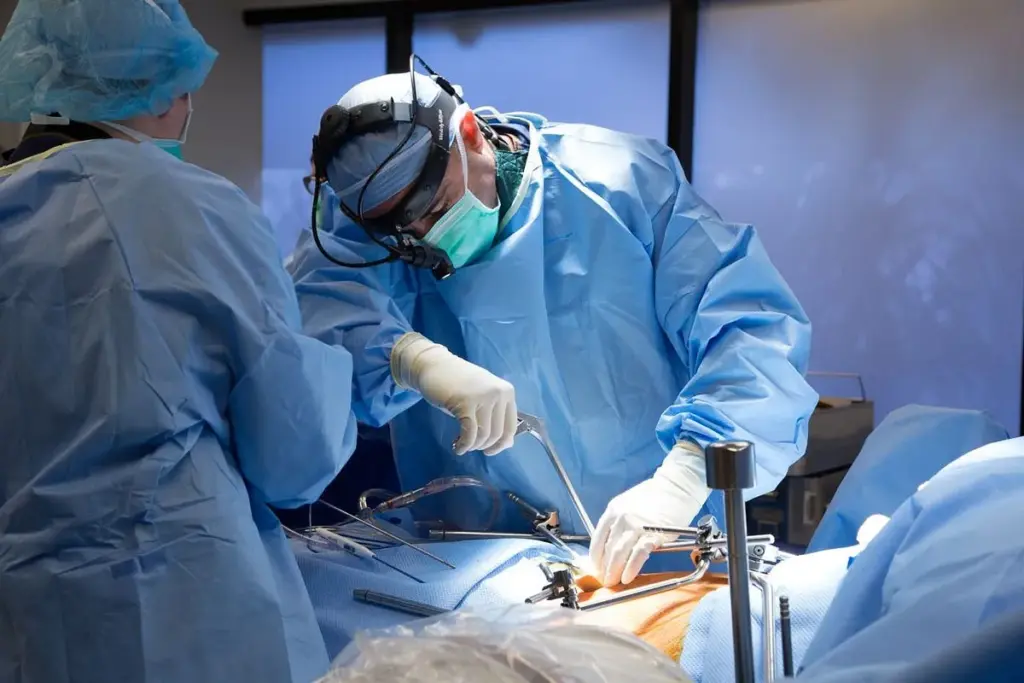
spine surgeon A lot of spine surgeries happen every year in the United States. Studies show that how well these surgeries work can change a lot. Some research found that people with insurance might feel more pain after spine surgery than those with private insurance.
It’s important for people thinking about back surgery to know the risks and benefits. The difference in results shows we need to look closer at what makes these surgeries successful.
Key Takeaways
- The success rate of spine surgeries varies significantly.
- Insurance type may impact outcomes after spine surgery.
- Understanding risks and benefits is key for patients.
- Further study of what affects success is needed.
- Patients should think carefully about their choices.
The Reality of Spine Surgery Success Rates
It’s important for patients to know about the success rates of spine surgery. This surgery aims to reduce pain and improve function in those with spinal issues. Techniques like spinal fusion and decompression are used.
Current Statistics on Surgical Outcomes
Recent studies have given us insights into spinal surgery outcomes. A study with 9,587 patients showed that better PROMIS-PI scores meant a higher chance of surgery. This shows how complex the decision to have spinal surgery can be.
The success of these surgeries is measured in different ways. These include how much pain is reduced, if function improves, and if patients are happy with the results.
|
Outcome Measure |
Success Rate |
Study Findings |
|---|---|---|
|
Pain Reduction |
60-80% |
Significant reduction in pain reported by patients post-surgery. |
|
Functional Improvement |
50-70% |
Patients showed improvement in daily activities and mobility. |
|
Patient Satisfaction |
70-90% |
High satisfaction rates among patients who underwent spinal surgery. |
How “Failure” is Defined in Spinal Operations
The term “failure” in spinal surgery covers more than just symptoms coming back. It also includes complications and the need for more surgeries.
Failed Back Surgery Syndrome (FBSS) is when patients keep feeling pain after surgery. This can happen for many reasons, like bad surgery technique, wrong diagnosis, or personal factors.
It’s key for doctors and patients to understand these points. This helps them make better choices about spinal surgery.
Common Types of Back Surgery Procedures
Back surgery comes in many forms, each designed to tackle different spinal issues. It’s important for those facing back pain to know about these options.
Spinal Fusion Surgery Techniques
Spinal fusion surgery joins two or more vertebrae together. It uses bone grafts, rods, and screws. This method treats problems like degenerative disc disease and scoliosis. Yet, it can make the spine less flexible.
Decompression Procedures: Laminectomy and Discectomy
Decompression surgeries aim to ease pressure on the spinal cord or nerves. A laminectomy removes part or all of the vertebrae to create space. A discectomy removes the herniated disc part that presses on a nerve. These surgeries can greatly reduce pain and improve movement.
Minimally Invasive Spine Surgeries
Minimally invasive spine surgeries use small incisions and special tools. This approach, like minimally invasive discectomy or endoscopic spinal surgery, causes less damage. It leads to less pain after surgery, faster recovery, and fewer complications. It’s a modern choice for many spinal issues.
Failure Rates by Procedure Typed
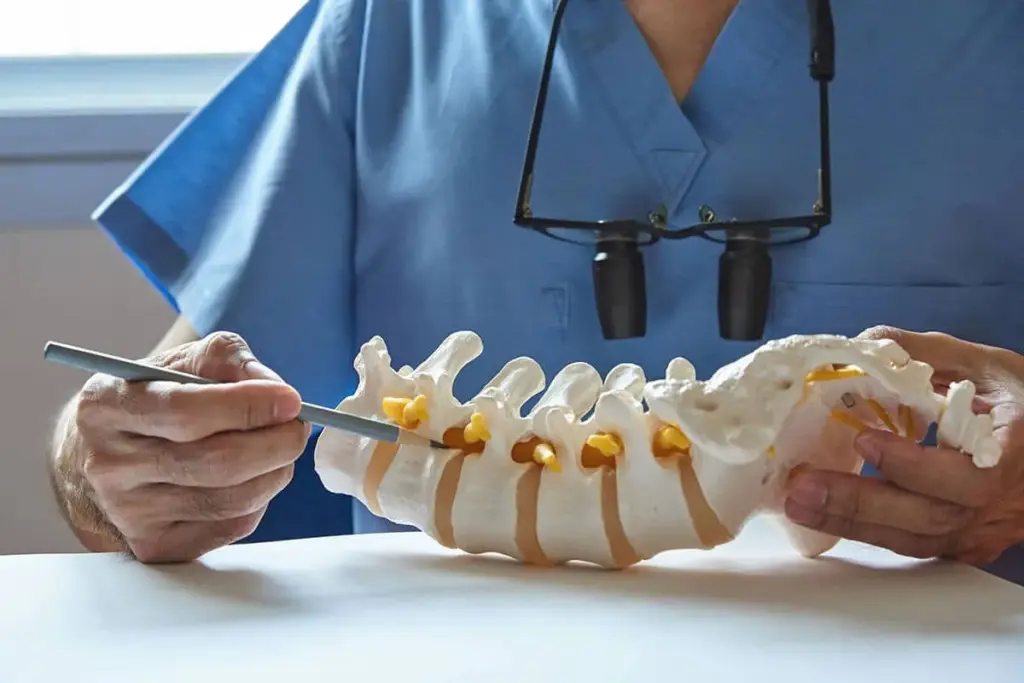
Different back surgery procedures have their own failure rates. It’s important for patients to know these rates. This knowledge helps in making informed decisions about surgery.
Lower Back Surgery Outcomes
Lower back surgeries, like lumbar fusion and decompression, aim to ease pain and improve function. But, their success rates differ.
Lumbar Fusion Success Metrics
Lumbar fusion surgery, also known as back fusion surgery or back surgery fusion, joins two or more vertebrae. Success rates for this surgery range from 60% to 90%. This depends on patient selection and surgical technique.
Lumbar Decompression Results
Lumbar decompression surgery, including laminectomy and discectomy, aims to ease spinal nerve pressure. Success rates for this surgery are high, with over 80% symptom relief in some studies.
It’s vital to remember that individual results can vary a lot. This depends on the patient’s health, condition severity, and the surgeon’s skill. A study showed that better PROMIS-PI scores meant a higher surgery success chance. This highlights the need for careful patient selection.
Several factors affect lower back surgery success:
- The specific surgical technique used
- The patient’s pre-operative condition and overall health
- Post-operative care and rehabilitation protocols
Understanding these factors and failure rates helps patients make better treatment choices.
Why Back Surgery Should Be Avoided When Possible
Many people and doctors are now thinking twice about back surgery. They wonder if it’s the best choice for some conditions. Back surgery is risky and should be a last resort.
Conservative Treatment Options to Try First
Before surgery, try other treatments first. This includes physical therapy, pain meds, and better diet and exercise. A study showed patients had more pain than those with private insurance.
These treatments can really help with back pain. Physical therapy, for example, strengthens muscles and reduces pain. Acupuncture and chiropractic care also offer non-surgical options for pain relief.
|
Treatment Option |
Description |
Benefits |
|---|---|---|
|
Physical Therapy |
Strengthening muscles around the spine |
Reduces pain, improves mobility |
|
Pain Management |
Medication for pain relief |
Manages chronic pain |
|
Lifestyle Changes |
Diet and exercise improvements |
Overall health improvement |
Long-term Implications of Surgical Intervention
Back surgery can have lasting effects. It might help some, but it also risks infection, hardware failure, and more. Knowing these risks is key to making a smart choice.
“The long-term outcomes of spinal surgery are not always predictable, and patients should be aware of the possible complications.”
There’s also the chance for ongoing pain and more surgeries. It’s vital to talk to your doctor about these risks. This way, you’ll know what surgery really means.
Primary Causes of Failed Spine Operations
Understanding why spine operations fail is key to better patient care and fewer complications. Failed surgeries can stem from wrong diagnoses, mistakes during surgery, and patient health issues.
Misdiagnosis and Improper Patient Selection
Misdiagnosis and choosing the wrong patients for surgery are big problems. Getting the diagnosis right is vital for picking the right surgery and making sure the patient is a good fit. If the diagnosis is wrong, the surgery might not fix the real problem, leading to ongoing pain or new issues.
Technical Errors During Surgical Procedures
Errors during surgery are another major reason for failed spine operations. These mistakes can include putting hardware in the wrong place, not removing enough tissue, or damaging too much tissue. The skill and experience of the surgeon are important in avoiding these mistakes.
Patient-Related Risk Factors
Patients’ health and lifestyle choices also affect the success of spine surgery. These can include how they live, any health problems they have, and their genes.
Smoking and Bone Healing
Smoking is a big risk factor that can slow down bone healing and lead to more surgery problems. Research shows that smokers often have more pain and worse results after spine surgery.
Comorbidities Affecting Outcomes
Health problems like diabetes, being overweight, and heart disease can also impact surgery results. These conditions can raise the chance of complications, make recovery longer, and affect how well the surgery works.
|
Risk Factor |
Impact on Spine Surgery |
|---|---|
|
Smoking |
Impedes bone healing, increases pain scores |
|
Diabetes |
Increases risk of infection, complicates recovery |
|
Obesity |
Places additional stress on the spine, complicates surgery |
Complications That Lead to Back Surgery Failure
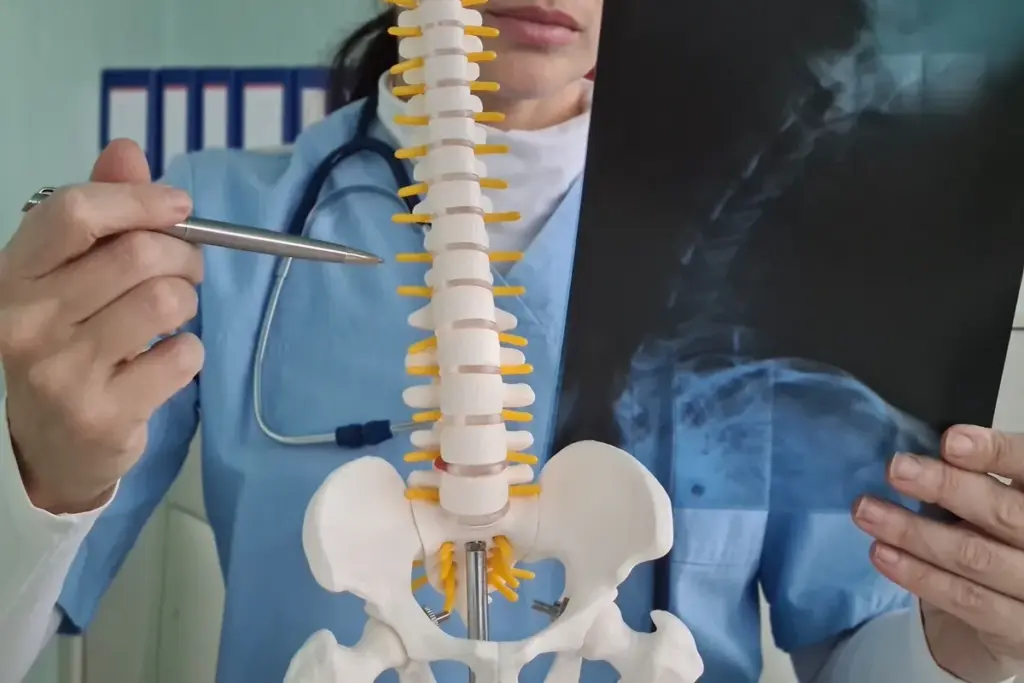
Back surgery success depends on many factors. Knowing the complications that can lead to failure is key. Vertebrae surgery, like any surgery, has its own risks and complications.
Infection and Hardware Issues
Infection is a big problem that can make back surgery fail. It can happen due to contamination during surgery or post-operative care mistakes. Also, hardware problems like loosening or breaking can affect surgery success.
Adjacent Segment Disease After Fusion
Adjacent segment disease (ASD) is a problem after spinal fusion. It happens when the vertebrae next to the fused area get stressed, leading to degeneration or instability. This might need more surgery.
Failed Back Surgery Syndrome (FBSS)
Failed back surgery syndrome (FBSS) is when patients keep feeling pain after surgery. It can be due to bad surgery technique, wrong diagnosis, or unresolved issues. Managing FBSS often needs a team effort, including pain management, physical therapy, and sometimes more surgery.
It’s important for both surgeons and patients to know about these complications. This helps make better decisions about vertebrae surgery. The table below shows the main complications and their effects.
|
Complication |
Description |
Potential Impact |
|---|---|---|
|
Infection |
Surgical site infection |
Prolonged recovery, additional surgery |
|
Hardware Issues |
Loosening or breakage of implanted devices |
Compromised surgical outcome, need for revision |
|
Adjacent Segment Disease |
Degeneration or instability adjacent to fused segment |
Further surgical intervention, ongoing pain |
|
Failed Back Surgery Syndrome |
Chronic pain after back surgery |
Significant impact on quality of life, complex management |
Critical Success Factors in Vertebrae Surgery Recovery
Recovering well from vertebrae surgery depends on key factors. A good recovery plan can greatly help patients after lumbar surgery or other lower back surgeries.
Physical Therapy and Rehabilitation Protocols
Physical therapy is very important for recovery. It helps patients get their strength and mobility back. A rehabilitation plan made just for them can make the surgery more effective.
Post-Operative Lifestyle Modifications
Changing your lifestyle after surgery is key for a good recovery. This means sticking to activity limits and eating right to help heal.
Activity Restrictions
After surgery, patients must follow certain activity rules. This helps avoid problems and helps the body heal. It means no heavy lifting, bending, or hard work.
Nutrition and Healing
Good nutrition is vital for healing. Eating foods full of vitamins, minerals, and proteins helps recovery. It also improves how well you do overall.
|
Nutritional Element |
Benefit for Healing |
|---|---|
|
Protein |
Supports tissue repair and regeneration |
|
Vitamin C |
Enhances collagen synthesis and wound healing |
|
Calcium |
Essential for bone health and density |
By focusing on these important factors, patients can have a better chance of a good recovery from vertebrae surgery. It’s important to work with healthcare providers to make a recovery plan that fits you.
Choosing the Right Surgeon for Backbone Surgery
Backbone surgery needs a lot of precision and skill. Choosing the right surgeon is very important for the success of the surgery. The surgeon’s expertise and the hospital’s quality can greatly affect the outcome of spinal operations.
Surgeon Experience and Specialization
A surgeon’s experience and focus on surgical spinal procedures are key. It’s important to pick a surgeon with a good track record in complex spinal surgeries.
Hospital Quality Metrics for Spinal Procedures
Hospital quality metrics are important for evaluating spinal procedure care. Look at infection rates, patient satisfaction scores, and the hospital’s reputation for spinal surgery.
|
Quality Metric |
Description |
Importance |
|---|---|---|
|
Infection Rate |
Percentage of patients who develop infections after surgery |
High |
|
Patient Satisfaction |
Measure of patient satisfaction with care and outcomes |
High |
|
Hospital Reputation |
Overall reputation of the hospital for spinal surgery |
High |
By considering these factors, patients can make better choices for their backbone surgery. This can improve their chances of a successful surgery.
Types of Lower Back Surgery: Success Predictors
Knowing about the different lower back surgeries is key to understanding their success. These surgeries aim to ease pain and improve spine function. Success depends on the surgery type, patient health, and post-op care.
Lumbar Fusion Techniques and Outcomes
Lumbar fusion surgery joins two or more vertebrae to stabilize the spine and lessen pain. Success depends on the technique, patient health, and any underlying conditions. Research shows it can help those with spondylolisthesis by reducing pain and improving function.
Microdiscectomy Success Rates
Microdiscectomy is a minimally invasive surgery to remove herniated disc material. It’s effective, with 80-90% of patients seeing significant pain relief. Success is influenced by age, herniation severity, and the surgeon’s skill.
Artificial Disc Replacement Results
Artificial disc replacement (ADR) replaces a damaged disc with an artificial one. It aims to keep the spine moving and reduce pain. Success depends on age, spine condition, and the artificial disc type. Research indicates it can help selected patients by reducing pain and improving function.
|
Surgery Type |
Success Rate |
Key Factors for Success |
|---|---|---|
|
Lumbar Fusion |
70-90% |
Technique, patient health, underlying conditions |
|
Microdiscectomy |
80-90% |
Patient age, herniation severity, surgeon experience |
|
Artificial Disc Replacement |
80-95% |
Patient age, surrounding spine condition, disc type |
Revision Options After Failed Back Fusion Surgery
Failed back fusion surgery can cause ongoing pain and disability. This means patients need to look into other treatments. These options aim to ease their symptoms.
Secondary Surgical Approaches
When the first surgery doesn’t work, doctors might suggest more surgery. This could be:
- Revision fusion surgery to fix the first surgery’s problems.
- Removing or changing hardware if it’s causing trouble.
- More decompression to take pressure off nerves.
These surgeries aim to fix what went wrong with the first one. They might help patients feel better.
Non-Surgical Management of Failed Back Surgery
Not every failed surgery needs more surgery. Some patients can find relief without going under the knife. This can improve their life quality.
Pain Management Strategies
Managing pain without surgery is key. This includes:
- Using medicines to control pain.
- Interventional procedures like nerve blocks.
Functional Rehabilitation
Rehabilitation helps patients get back to their daily activities. It includes:
- Physical therapy to build strength and flexibility.
- Making lifestyle changes for better health.
Exploring these non-surgical options can help patients avoid more surgery. They can find relief without going back to the operating room.
Conclusion: Making Informed Decisions About Spinal Surgery
Understanding spinal surgery is key to making smart health choices. Studies show that patients with insurance face similar surgery odds as those with private insurance. This means insurance type doesn’t greatly affect access to spinal surgery.
Thinking about spinal surgery or backbone surgery? It’s important to consider the good and bad sides. Know the different procedures, their success rates, and possible problems. This helps you choose the best treatment for you.
Good decision-making means knowing what leads to success. Look at the surgeon’s skill, the hospital’s quality, and after-care. These factors can help ensure a good spinal surgery outcome.
FAQ
What is the overall success rate of spine surgery?
The success rate of spine surgery varies. It depends on the procedure type, patient condition, and other factors. Studies show many patients see symptom improvement after surgery.
What are the most common types of back surgery procedures?
Common back surgeries include spinal fusion and decompression like laminectomy and discectomy. There are also minimally invasive surgeries. Each has its own benefits and risks.
Why is spinal fusion surgery performed?
Spinal fusion stabilizes the spine, relieves pain, and treats conditions like degenerative disc disease and scoliosis.
What are the risks associated with lower back surgery?
Lower back surgery risks include infection, hardware failure, nerve damage, and disease in adjacent segments. Knowing these risks helps in making informed decisions.
Can conservative treatments be tried before opting for back surgery?
Yes, treatments like physical therapy, pain management, and lifestyle changes are often recommended before surgery.
What are the primary causes of failed spine operations?
Failed spine operations often result from misdiagnosis, surgical errors, and patient risk factors like smoking and comorbidities.
What is failed back surgery syndrome (FBSS)?
Failed back surgery syndrome (FBSS) is chronic pain after back surgery. It’s often due to incomplete symptom relief or new complications.
How important is physical therapy in vertebrae surgery recovery?
Physical therapy is key in vertebrae surgery recovery. It helps patients regain strength, mobility, and function.
What factors should be considered when choosing a surgeon for backbone surgery?
When choosing a surgeon, look at their experience, spinal surgery specialization, and hospital quality metrics. This ensures the best outcomes.
What are the revision options after failed back fusion surgery?
After failed back fusion, options include secondary surgery and non-surgical management like pain management and functional rehabilitation.
Are there different types of lower back surgery, and how do they compare?
Yes, lower back surgery types include lumbar fusion, microdiscectomy, and artificial disc replacement. Each has its own success rates and outcomes.
What are the long-term implications of surgical intervention for back pain?
Back pain surgery can have long-term effects, including complications and the need for future surgeries.
References
JAMA Network. Evidence-Based Medical Insight. Retrieved from https://jamanetwork.com/journals/jama/fullarticle/204285