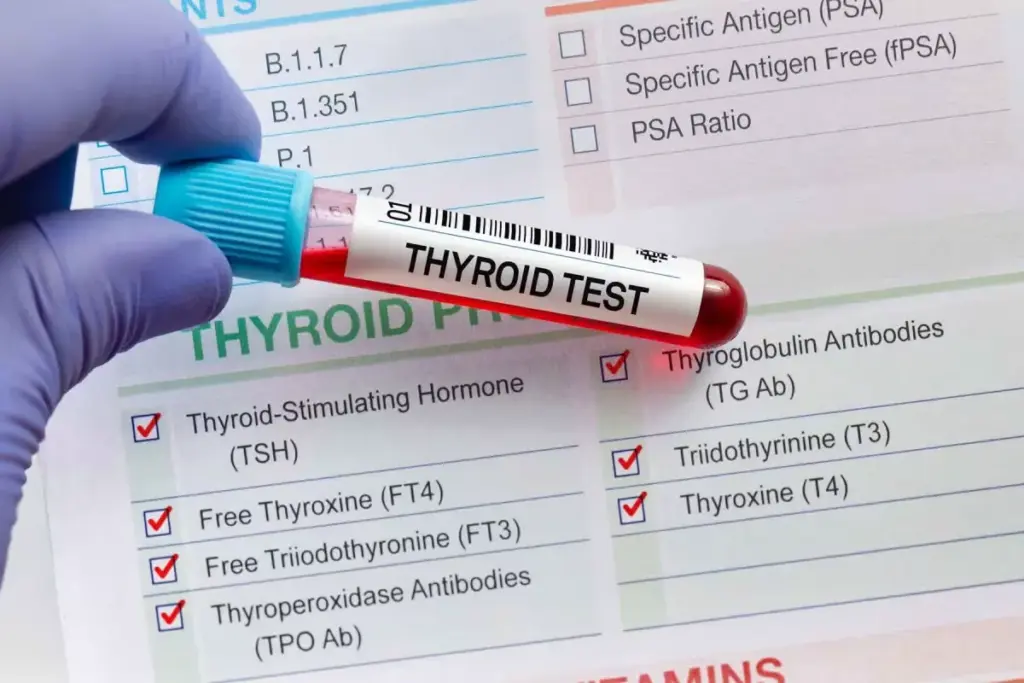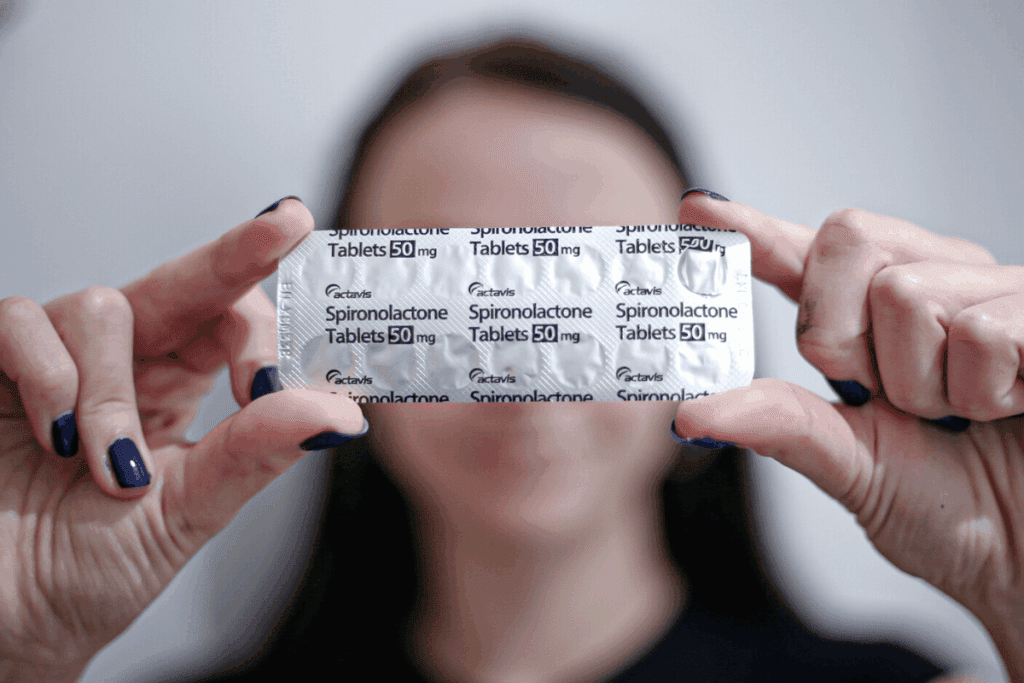
Women with Polycystic Ovary Syndrome (PCOS) face many challenges. Spironolactone, a medication, is often used to help manage these issues. It works by reducing androgens, which are male hormones, and many wonder how spironolactone PCOS fertility is affected by this treatment.
Many women worry about fertility when taking spironolactone. But, the truth is, it doesn’t cause infertility. Instead, it might even help with reproductive health by lowering androgen levels.
At Liv Hospital, we offer caring and top-notch medical care. We help women with PCOS understand how spironolactone affects their fertility plans.
Key Takeaways
- Spironolactone is used off-label to manage PCOS symptoms.
- It is not known to cause infertility in women.
- Reducing excess androgens may support reproductive health.
- Liv Hospital provides compassionate care for women with PCOS.
- Understanding spironolactone’s impact on fertility is key for women with PCOS.
Understanding Spironolactone and Its Uses

Spironolactone is a type of diuretic that helps the body get rid of extra water and salt. It also keeps potassium levels stable. This is important for treating high blood pressure and heart failure. It also has effects on hormones, which can impact fertility.
What Is Spironolactone?
Spironolactone is a drug that helps the body manage water and salt levels. It keeps potassium in the body. This is key in treating high blood pressure and heart failure. It also blocks the effects of male hormones like testosterone.
Common Medical Uses
Spironolactone is mainly used for:
- Hypertension (high blood pressure)
- Congestive heart failure
- Edema (swelling from too much fluid)
- Primary hyperaldosteronism (when the adrenal gland makes too much aldosterone)
It’s a helpful drug for heart health.
Off-Label Uses for Women’s Health
Spironolactone is also used for women’s health, even though it’s not officially approved for these uses. It helps with hirsutism, acne, and hair loss in women. For women with PCOS, it helps manage symptoms caused by high androgen levels.
Condition | Spironolactone’s Role | Benefits |
Hirsutism | Reduces excessive hair growth | Improves appearance and reduces distress |
Acne | Decreases acne severity | Enhances skin health and confidence |
Female Pattern Hair Loss | Helps in reducing hair loss | Promotes hair regrowth and improves scalp health |
Knowing how spironolactone works helps us understand its effects on fertility. It’s also important for managing PCOS symptoms.
The Connection Between PCOS and Fertility
PCOS, a condition with hormonal imbalance, is a top reason for fertility problems in women. It affects the ovaries and other parts of reproductive health.
What Is Polycystic Ovary Syndrome?
Polycystic Ovary Syndrome (PCOS) is a hormonal disorder. It can cause cysts on the ovaries, irregular periods, and infertility. It’s linked to high androgen levels, leading to symptoms like acne and excessive hair growth.
Prevalence of PCOS in American Women
PCOS affects a lot of women of reproductive age. Studies show 6-12 percent of American women have it. About 75-90 percent of these women have high androgen levels, affecting fertility.
How PCOS Affects Fertility
PCOS is a big reason for infertility in women. It causes irregular periods or no periods at all. This makes it hard to know when ovulation happens. It also leads to anovulation, where no egg is released.
The hormonal imbalance, with high androgens, disrupts the reproductive system. Understanding PCOS and fertility is key to finding treatments. Healthcare providers can help women with PCOS conceive by addressing hormonal imbalances and other issues.
How Spironolactone Works in the Body
Spironolactone is a treatment for polycystic ovary syndrome (PCOS) and fertility issues. It’s a medication that treats hormonal imbalances. Knowing how it works is key for women considering it.
Mechanism of Action
Spironolactone is an aldosterone antagonist and a strong anti-androgen. It blocks androgens like testosterone in the body. This helps reduce symptoms of too much androgen, common in PCOS.
It stops androgen receptors in hair follicles, reducing unwanted hair. It also lowers androgen production from ovaries and adrenal glands. This helps with its benefits.
Anti-Androgenic Properties
Spironolactone’s anti-androgen effects are great for treating hirsutism, acne, and hair loss. It fights male hormones, improving life quality for women with these symptoms.
Spironolactone isn’t a cure for PCOS. But, it manages many symptoms well.
Effects on Hormone Levels
Spironolactone affects hormone levels in several ways. It doesn’t lower androgen levels directly. Instead, it competes with androgens for receptors, reducing their effects.
This competition can lessen symptoms of high androgen levels. It does so without changing hormone levels too much.
Hormone | Effect of Spironolactone |
Androgens (e.g., Testosterone) | Blocks receptors, reducing their effect |
Aldosterone | Antagonizes its action, leading to diuretic effect |
Progesterone | May affect levels indirectly due to its effect on other hormones |
Understanding spironolactone’s effects helps women and doctors decide on its use for PCOS and fertility issues.
Spironolactone PCOS Fertility: The Research Evidence
Research has shown how spironolactone helps with PCOS and fertility. It’s known for fighting androgens, which can help manage PCOS symptoms. This makes it a promising treatment for improving fertility.
Clinical Studies on Spironolactone and PCOS
Studies have shed light on spironolactone’s effects on PCOS. They found that low doses (25-100 mg daily) can reduce androgen levels. This is key in treating PCOS.
One study showed that spironolactone and metformin together can help women with PCOS. About 82 percent of them got regular periods after six months. This shows spironolactone’s role in fixing menstrual issues.
“The addition of spironolactone to metformin therapy significantly enhances the restoration of regular menstrual cycles in women with PCOS, underscoring its value as a complementary treatment.”
Effects on Menstrual Regularity
PCOS often leads to irregular periods, affecting fertility. Spironolactone can help by lowering androgen levels. This might improve ovulation and periods.
Treatment | Menstrual Regularity Improvement |
Spironolactone + Metformin | 82% |
Metformin Alone | 50% |
Impact on Ovulation
Ovulation is key for fertility, and PCOS often disrupts it. Spironolactone may help by balancing hormones. This could improve ovulation in women with PCOS.
Key Findings:
- Spironolactone reduces hyperandrogenism, a factor that can disrupt ovulation.
- Combination therapy with metformin can improve ovulatory function.
- Regular menstrual cycles are often restored, indicating a chance for better fertility.
Does Spironolactone Cause Infertility in Women?
Spironolactone is often used to treat polycystic ovary syndrome (PCOS). PCOS is a common disorder in women of childbearing age. It can lead to infertility, irregular periods, and high levels of male hormones.
Many women worry if spironolactone affects their ability to get pregnant. This is a big concern for those trying to conceive.
Addressing Common Misconceptions
Some think spironolactone can make women infertile. But, it’s important to know the difference between the drug’s effects and actual infertility. Spironolactone can mess with menstrual cycles and cause irregular periods. This might make it harder to get pregnant. But, these problems usually go away when you stop taking the drug.
Studies show that spironolactone’s anti-androgen effects can help with PCOS symptoms like excess hair and acne. It doesn’t seem to harm fertility long-term. Women should talk to their doctors about their fertility plans before starting treatment.
Short-Term Effects on Fertility
In the short term, spironolactone might make it harder to get pregnant. The drug can mess with hormone levels, causing irregular periods. But, these issues usually fix themselves once you stop taking the drug.
Some research says spironolactone can make periods more regular in women with PCOS by lowering androgen levels. This might help with fertility. But, spironolactone’s main goal isn’t to help women get pregnant.
Does Spironolactone Affect Fertility Long Term?
The long-term effects of spironolactone on fertility are being studied. So far, it seems spironolactone doesn’t cause permanent infertility in women. When you stop taking it, your menstrual cycle and ovulation usually go back to normal.
For women with PCOS, spironolactone can help manage symptoms. This might indirectly help with fertility by balancing hormones. But, if you’re planning to get pregnant, it’s best to stop spironolactone and talk to your doctor about safer options.
Potential Benefits of Spironolactone for Women with PCOS
Spironolactone can greatly improve the lives of women with Polycystic Ovary Syndrome (PCOS). PCOS is a hormonal disorder that affects women of childbearing age. It causes irregular periods, too much hair growth, and infertility.
Spironolactone, known for its diuretic effects, helps manage PCOS symptoms.
Reducing Hyperandrogenism
Spironolactone helps lower androgen levels in women with PCOS. High androgens cause acne, too much hair, and baldness.
It blocks androgens, easing symptoms like acne and hirsutism. Studies show it can reduce androgen levels, helping with these symptoms.
Symptom | Effect of Spironolactone |
Acne | Reduces severity by blocking androgen receptors |
Hirsutism | Decreases excessive hair growth |
Male-pattern baldness | May slow down progression |
Improving Menstrual Regularity
Spironolactone can also help with irregular periods in PCOS. Irregular cycles are common due to hormonal imbalances.
It reduces androgens, improving hormonal balance. This can help regularize periods. But, it’s not the main treatment for irregular periods.
“The use of spironolactone in women with PCOS has been associated with improved menstrual regularity and reduced symptoms of hyperandrogenism.”
Managing Hirsutism and Acne
Spironolactone is great for managing hirsutism and acne in PCOS. Its anti-androgen effects reduce these symptoms, improving life quality.
For hirsutism and acne, doses range from 50 to 200 mg daily. Dosage depends on the patient’s response and symptom severity.
In summary, spironolactone offers many benefits for PCOS women. It reduces androgen levels, improves periods, and manages hirsutism and acne. While not a cure, it’s a key part of treatment.
Optimal Dosage of Spironolactone for PCOS Treatment
Spironolactone dosage for PCOS varies among individuals, requiring a personalized approach. It’s mainly used off-label to treat symptoms like hirsutism and acne. These symptoms are linked to hormonal imbalances in PCOS patients.
Healthcare providers start with a low dose of spironolactone for PCOS treatment. They then adjust the dose based on how the patient responds and tolerates it. This method helps reduce side effects while increasing the drug’s benefits.
Standard Dosing Guidelines
There are no strict guidelines for spironolactone dosing in PCOS treatment, as it’s often used off-label. Doctors usually start with 25 mg to 50 mg daily. The dose can increase to 100 mg or more, depending on symptoms and patient response.
Low-dose spironolactone (25-100 mg daily) has been found effective in reducing symptoms of PCOS. These include clinical and biochemical hyperandrogenism.
Spironolactone Dosage for PCOS
The best spironolactone dosage for PCOS varies among patients. Factors like symptom severity, patient health, and treatment response play a role. Regular check-ups with a healthcare provider are key to finding the right dose for each person.
In some cases, combining spironolactone with other treatments is recommended. This includes hormonal contraceptives or metformin to better manage PCOS symptoms.
Maximum Dose of Spironolactone for PCOS
The maximum spironolactone dose for PCOS can be 200 mg to 400 mg daily. High doses are rare and usually for severe cases. It’s important to weigh the benefits against the risk of side effects at higher doses.
It’s vital for healthcare providers to monitor patients closely. They should adjust the dosage as needed and manage any side effects.
Combining Spironolactone with Other PCOS Treatments
Using spironolactone with other treatments can make it work better. It’s often given with other drugs and lifestyle changes. This helps manage PCOS symptoms fully.
Spironolactone and Metformin Combination
Spironolactone and metformin work well together for PCOS. Metformin helps with insulin sensitivity, a big issue in PCOS. Together, they tackle both high androgen levels and insulin resistance.
“The combination of spironolactone and metformin offers a synergistic approach to treating PCOS, tackling both hormonal and metabolic aspects,” says Medical Expert, a leading expert in reproductive endocrinology.
Studies show this combo improves menstrual cycles and lowers androgen levels. A Journal of Clinical Endocrinology and Metabolism study found better symptoms in women treated with both. They had more regular periods and lower androgen levels.
Hormonal Contraceptives and Spironolactone
Hormonal contraceptives are also used for PCOS, often with spironolactone. They help with menstrual cycles and androgen levels. This combo can improve hirsutism and acne, but watch for side effects.
Using hormonal contraceptives with spironolactone is common. But, it’s important to watch for side effects. “It’s key to monitor patients and adjust treatment as needed,” says Medical Expert, an expert in obstetrics and gynecology.
Lifestyle Modifications as Complementary Approaches
Lifestyle changes, like diet and exercise, are key for PCOS. They work well with spironolactone. A healthy lifestyle boosts the drug’s effects and improves overall health.
“Lifestyle changes are a cornerstone in the management of PCOS,” emphasizes Medical Expert. “When patients combine these modifications with spironolactone treatment, we often see a more significant improvement in their symptoms.”
- Adopting a balanced diet rich in fruits, vegetables, and whole grains
- Engaging in regular physical activity to improve insulin sensitivity
- Maintaining a healthy weight to reduce the severity of PCOS symptoms
Adding lifestyle changes to spironolactone treatment helps women with PCOS manage symptoms better. It improves their quality of life.
Side Effects and Safety Considerations
It’s important to know about spironolactone’s side effects and safety for women with PCOS. This treatment can help manage symptoms but comes with risks. Knowing these risks and how to handle them is key.
Common Side Effects
Spironolactone may cause drowsiness, dizziness, and changes in menstrual cycles. Some women might notice breast tenderness or swelling. These effects are usually mild and often go away as the body gets used to the drug.
Common Side Effects of Spironolactone:
- Drowsiness
- Dizziness
- Changes in menstrual cycle
- Breast tenderness or enlargement
Risks During Pregnancy
Spironolactone poses risks during pregnancy, including feminizing a male fetus. Women who might get pregnant should use birth control while taking this drug.
Monitoring Requirements
It’s vital to regularly check on patients taking spironolactone. This includes watching potassium levels to avoid hyperkalemia, which can harm the heart. Regular blood tests and doctor visits are necessary to safely use spironolactone.
Monitoring Parameter | Frequency | Purpose |
Potassium Levels | Initially and periodically | To prevent hyperkalemia |
Blood Pressure | At each visit | To monitor for hypotension |
Renal Function | Periodically | To ensure safe use in patients with kidney issues |
When to Stop Taking Spironolactone Before Pregnancy
For women planning to get pregnant, it’s important to know when to stop taking spironolactone. This medication is often used for conditions like polycystic ovary syndrome (PCOS), which can affect fertility. But, it’s not safe during pregnancy because it could harm the fetus.
Recommended Timing for Discontinuation
The right time to stop spironolactone before pregnancy varies. It depends on how much you’re taking and your overall health. Doctors usually say to stop taking it one to two menstrual cycles before trying to conceive. This helps clear the medication from your body and lowers risks to early pregnancy.
Talking to a healthcare provider is key to figuring out when to stop spironolactone. They’ll look at your situation and give advice tailored to you.
How Long to Be Off Spironolactone Before Getting Pregnant
How long you should wait before getting pregnant after stopping spironolactone can differ. It’s best to wait until the medication is completely out of your system. This can take a few days to a few weeks. Your doctor might suggest waiting until:
- At least one menstrual cycle after stopping spironolactone
- Confirmation of ovulation and regular menstrual cycles
- Adjustment of other treatments that may be necessary for a healthy pregnancy
While waiting, you might need to try other treatments for PCOS or hirsutism. These should be safe for a possible pregnancy.
Transitioning to Pregnancy-Safe Alternatives
When you stop spironolactone for pregnancy, talking to your doctor about other treatments is important. Some options might include:
Treatment Alternative | Purpose | Considerations |
Metformin | Managing PCOS symptoms, improving insulin sensitivity | Often continued during pregnancy under medical supervision |
Hormonal contraceptives (until pregnancy is desired) | Regulating menstrual cycles, managing hormonal imbalances | Stopped when attempting to conceive |
Lifestyle modifications | Managing weight, improving insulin resistance | Recommended for all women planning pregnancy |
As one study pointed out, managing PCOS for pregnancy involves more than just medication. It includes lifestyle changes and choosing the right medications carefully.
“Careful planning and medical supervision are key to a successful pregnancy in women with PCOS.”
Switching from spironolactone to safer alternatives for pregnancy needs careful planning and doctor’s guidance. By working with your healthcare provider, you can make sure you’re taking the right steps for a healthy pregnancy.
Real Patient Experiences: Spironolactone and PCOS Management
Many women with Polycystic Ovary Syndrome (PCOS) have found spironolactone helpful. They report big improvements in their symptoms. We’ll look at their experiences, including before and after results, and how long it takes to see changes.
Spironolactone PCOS Before and After Results
Patients on spironolactone for PCOS see big improvements. They often have less acne, less facial hair, and more regular periods. For example, a patient might see a big drop in acne and better skin in six months.
These changes are not just about looks. They show a deeper balance in hormones. Spironolactone tackles the main causes of PCOS symptoms, helping manage the condition well.
Timeline for Seeing Improvements
How long it takes to see improvements with spironolactone varies. But, many women notice changes early on. Usually, acne and facial hair start to get better in 3 to 6 months. Menstrual regularity might take a bit longer.
- Within 1-3 months: Some patients see a drop in acne severity.
- By 6 months: Most notice big improvements in acne and facial hair.
- After 6-12 months: Many see their periods get more regular and overall symptoms improve.
Patient Testimonials and Outcomes
Patient stories show how well spironolactone works for PCOS. Women share how it has changed their lives. For example, one patient said:
“After starting spironolactone, I noticed a big drop in my acne and facial hair. My periods got more regular, and I felt more confident in my own skin.”
These stories give hope to women looking for effective treatments for PCOS. They show the positive impact spironolactone can have.
Conclusion: Making Informed Decisions About Spironolactone and Fertility
Spironolactone can be a great help for women with PCOS. But, it’s key to understand its effects on fertility. We’ve looked into how it might help and what risks it carries.
Talking to a healthcare provider about spironolactone is a must. It can ease symptoms like too much testosterone and irregular periods. This might help with fertility. Yet, we must think about the risks, like during pregnancy.
Deciding on spironolactone for PCOS needs careful thought. We should look at the research and our own situation. This way, we can find the best treatment and avoid risks. It helps women with PCOS reach their reproductive goals.
FAQ
Does spironolactone cause infertility in women?
Spironolactone doesn’t directly cause infertility. But, it can affect fertility in some women, like those with PCOS. It helps regulate menstrual cycles and can improve fertility.
Can spironolactone help with PCOS symptoms?
Yes, spironolactone can help with PCOS symptoms. It reduces hirsutism, acne, and hyperandrogenism. It blocks androgens’ effects.
What is the optimal dosage of spironolactone for PCOS treatment?
The usual dose for PCOS is 50-200 mg daily. The max dose is 200 mg, but it depends on the patient’s needs and history.
How long should I be off spironolactone before getting pregnant?
Stop spironolactone one to two months before trying to conceive. This clears the drug from your system and reduces fetal harm risk.
Can I take spironolactone while trying to conceive?
No, spironolactone is not safe during pregnancy or when trying to conceive. It can harm the fetus. Talk to your doctor about other options.
Does spironolactone affect fertility long-term?
Research shows spironolactone doesn’t harm fertility long-term. It can even help regulate menstrual cycles and improve fertility in PCOS women.
Can spironolactone be used in combination with other PCOS treatments?
Yes, spironolactone can be used with other PCOS treatments. This includes metformin and hormonal contraceptives. It helps manage symptoms and improves reproductive health.
What are the possible side effects of spironolactone?
Common side effects include dizziness, headache, and breast tenderness. Serious side effects like hyperkalemia can occur. Always monitor with a healthcare provider.
How long does it take to see improvements in PCOS symptoms with spironolactone?
Improvements in PCOS symptoms with spironolactone vary. But, many women see changes in three to six months of treatment.
References
National Center for Biotechnology Information. Spironolactone and Fertility in Women with Polycystic Ovary Syndrome. Retrieved from https://pubmed.ncbi.nlm.nih.gov/23945134/