Last Updated on December 3, 2025 by Ugurkan Demir
At Liv Hospital, we know how vital sports medicine is. It boosts performance and health for athletes and those who stay active.
Sports medicine deals with treating, preventing, and rehabbing injuries from sports and physical activity. It’s key for reaching fitness goals and staying healthy.
We aim to offer top-notch care at Liv Hospital. Our focus is on athletes and those who lead active lives. We provide care that meets their unique needs.
Key Takeaways
- Understanding the concept of sports medicine and its importance
- Recognizing the role of sports medicine in injury prevention and rehabilitation
- Appreciating the multidisciplinary approach to sports medicine
- Identifying the benefits of sports medicine for athletes and active individuals
- Accessing advanced, patient-centered care for sports-related injuries and conditions
The Meaning of Sports Medicine: A Comprehensive Definition
Exploring sports medicine means looking at its history and current role. It has grown a lot, thanks to new medical discoveries and the need to help athletes and active people.
To grasp what sports medicine is, we must examine its history. It began in ancient times, where people treated injuries from sports. Now, it includes many areas like orthopedics, physical therapy, and sports psychology.
Historical Evolution of the Field
Sports medicine’s history is tied to our growing knowledge of the human body and treating sports injuries. At first, it mainly focused on fixing injuries. But as we learned more about the body and sports, sports medicine expanded.
Important steps in sports medicine’s growth include the creation of professional groups and training programs. These changes have helped athlete care, focusing on both treating and preventing injuries.
Contemporary Understanding and Scope
Today, sports medicine covers a wide range of practices to prevent, diagnose, and treat sports injuries. It aims to keep athletes healthy and improve their performance. It also focuses on overall well-being.
The modern view of sports medicine is holistic, considering nutrition, psychology, and conditioning. It’s not just for top athletes but for anyone who’s active, no matter their age or fitness level.
The field is now more focused on preventing injuries. This includes screenings, prevention programs, and teaching safe exercise habits. This shift shows sports medicine’s growing role in keeping people healthy throughout their lives.
Sports Medicine is Concerned With: Core Focus Areas
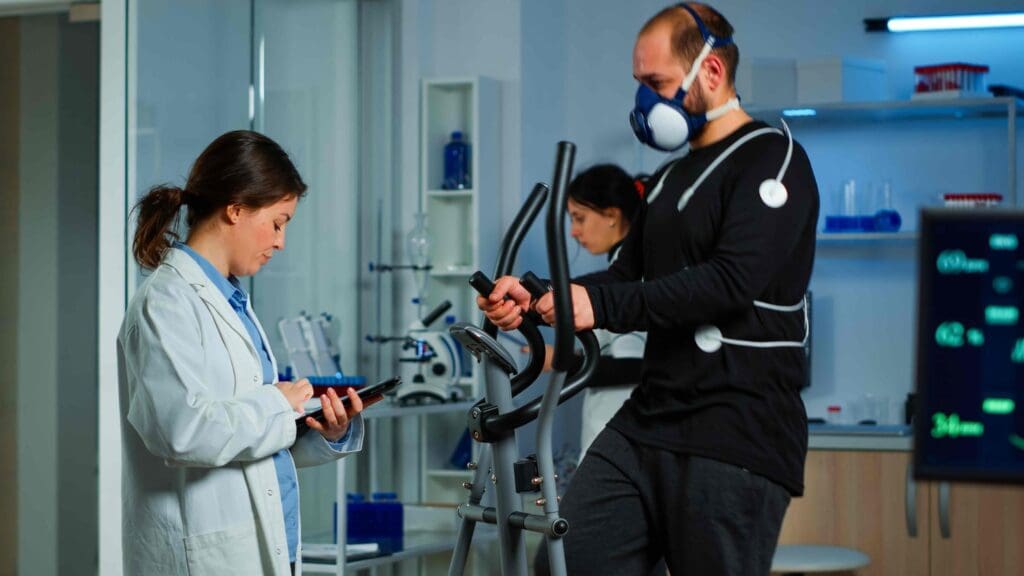
Sports medicine aims to boost physical performance and keep athletes healthy. It caters to those who play sports, providing care for prevention, diagnosis, treatment, and recovery of injuries.
Specialists in sports medicine help athletes perform better while staying healthy. They use personalized training, nutrition advice, and injury prevention methods.
Physical Performance Enhancement
Physical performance enhancement is a key area in sports medicine. It involves improving strength, endurance, and flexibility. Techniques include:
- Customized training programs for each athlete
- Biomechanical analysis to improve movement and lower injury risk
- Nutritional advice for better energy and recovery
By boosting physical performance, sports medicine helps athletes reach their best while reducing injury risks.
Health Maintenance for Active Individuals
Sports medicine also focuses on health maintenance for active individuals. It includes preventive steps and treating conditions that affect sports participation. Key areas include:
- Pre-participation screening for health risks
- Diagnosing and treating injuries to guide treatment
- Rehabilitation plans for safe return to sports
By improving performance and maintaining health, sports medicine is essential for athletes and active people.
Types of Sports Medicine Specialists
Sports medicine has many specialists working together. They help athletes get better care. These experts come from different fields, giving athletes a well-rounded approach.
Primary Care Sports Medicine Physicians
Primary Care Sports Medicine Physicians handle common sports injuries. They also focus on preventing injuries. They are the first people athletes see for non-surgical issues.
Orthopedic Sports Medicine Surgeons
Orthopedic Sports Medicine Surgeons fix sports injuries with surgery. They work with others to find the best treatment for each athlete.
Physical Therapists and Athletic Trainers
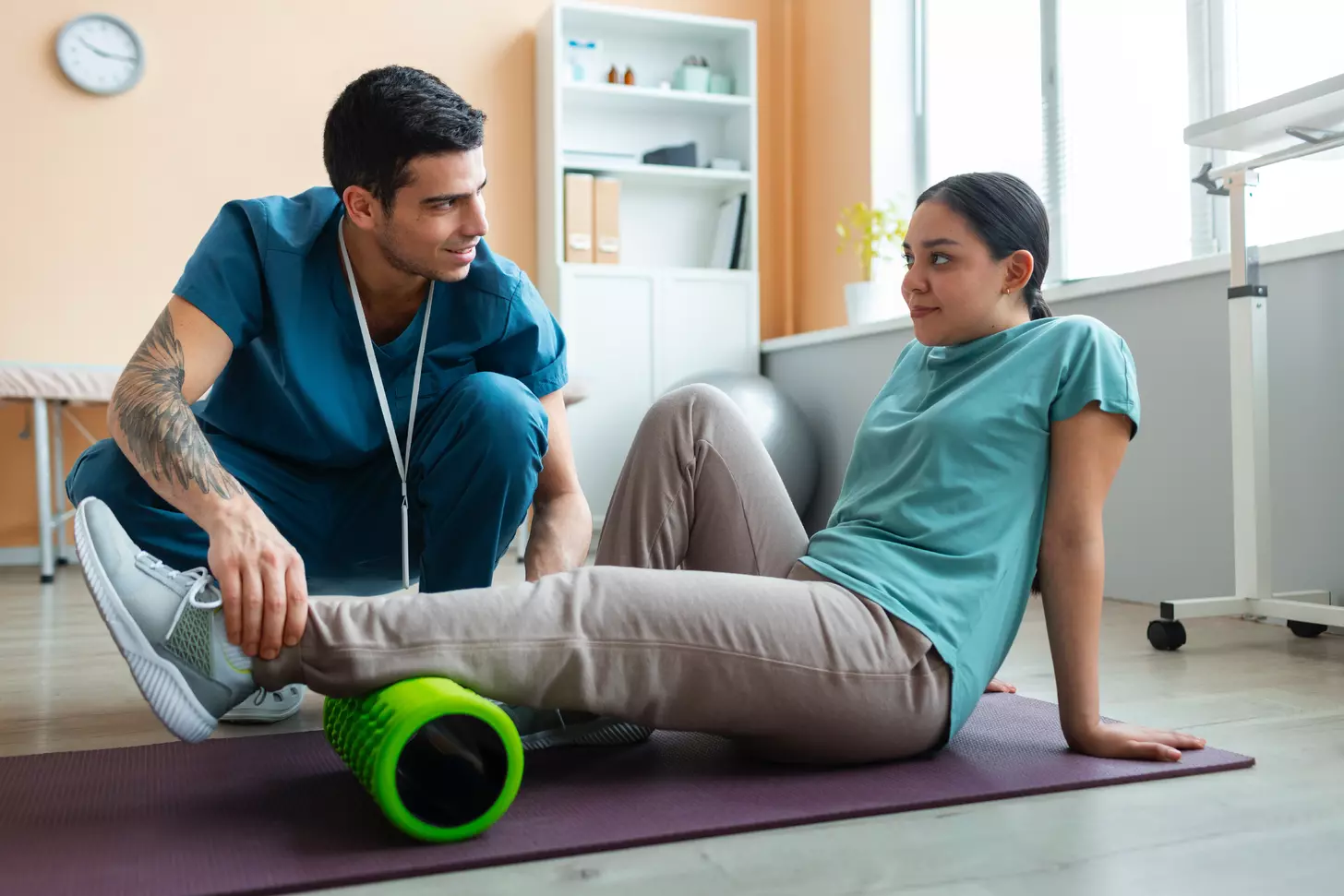
Physical Therapists and Athletic Trainers help athletes get better. They create workout plans to help athletes recover and perform better.
It’s important for these specialists to work together. They make sure athletes get all the help they need, from preventing injuries to recovering.
| Specialist | Role | Key Responsibilities |
|---|---|---|
| Primary Care Sports Medicine Physicians | Diagnosis and treatment of non-surgical conditions | Manage common sports injuries, provide preventive care |
| Orthopedic Sports Medicine Surgeons | Surgical treatment of sports-related injuries | Perform surgery, collaborate on treatment plans |
| Physical Therapists and Athletic Trainers | Rehabilitation and performance enhancement | Design exercise programs, aid in recovery |
Knowing about sports medicine specialists helps athletes and healthcare teams work better together. This leads to better results for everyone.
Allied Health Professionals in the Sports Medicine Team
Allied health professionals are key in helping athletes stay healthy and perform well. A sports medicine team is more than just doctors. It includes many professionals working together to help athletes reach their best.
Exercise Physiologists
Exercise physiologists are important in the sports medicine team. They create exercise plans to boost athletic performance and help with recovery. Their work helps athletes get better at heart health, strength, and endurance, all important for sports.
We team up with exercise physiologists to make exercise plans that fit each athlete. We consider their sport, role, and fitness level. This way, athletes are ready for their sport and less likely to get hurt.
Sports Nutritionists and Dietitians
Sports nutritionists and dietitians are key in helping athletes eat right for their sport. They guide on meal planning, staying hydrated, and supplements. They teach athletes how food affects their performance.
Working with them, we help athletes get the right nutrition. This supports their energy, helps with recovery, and keeps them healthy. It’s all about fueling the body right for top performance.
Sports Psychologists
Sports psychologists are vital for the mental side of sports. They teach athletes how to handle stress and build mental strength. This is key for winning in sports.
We work with sports psychologists to give athletes mental tools for success. By focusing on the mental side, we help athletes overcome challenges and reach their goals.
Sports Medicine Responsibilities: From Prevention to Rehabilitation
Keeping athletes healthy and safe is a big job. It involves many tasks in sports medicine. We work hard to give athletes the care they need at every step of their journey.
Injury Assessment and Diagnosis
Fixing an injury starts with knowing what’s wrong. We use the latest tools to figure out the injury’s details. This helps us make a good plan to treat it.
Key components of injury assessment include:
- Detailed medical history
- Physical examination
- Imaging studies (X-rays, MRI, etc.)
Treatment Planning and Implementation
After we know what’s wrong, we make a treatment plan just for the athlete. This plan might include medicine, therapy, or sometimes surgery.
| Treatment Approach | Description | Goals |
|---|---|---|
| Conservative Management | Non-surgical treatments such as medication, physical therapy, and bracing | Reduce pain, promote healing, restore function |
| Rehabilitation | Structured programs to improve strength, flexibility, and function | Enhance recovery, prevent re-injury, return to play |
| Surgical Intervention | Operative procedures to repair or reconstruct damaged tissues | Restore anatomy, alleviate pain, improve function |
Return-to-Play Decision Making
Deciding when an athlete can play again is key. We look at how well they’ve recovered and if they’re ready to play safely.
Our criteria for return-to-play include:
- Resolution of symptoms
- Restoration of strength and range of motion
- Successful completion of functional testing
We manage each injury carefully. This way, athletes get the best care and can perform well when they return to their sport.
Preventative Sports Medicine: Reducing Injury Risk
Preventative sports medicine is changing how we care for athletes. It focuses on stopping injuries before they happen. “Injury prevention is key in sports medicine,” says A top orthopedic surgeon.
Preventative sports medicine covers several important areas. It starts with pre-participation screening. This checks an athlete’s health before they start competing. It includes looking at their medical history, doing physical exams, and sometimes extra tests.
Pre-participation Screening
Screening before sports is vital to find athletes at risk of injury. It spots problems like heart issues or muscle imbalances early. This helps prevent injuries and makes sure athletes are fit for their sport.
Biomechanical Analysis and Correction
Biomechanical analysis is another key part. It looks at how athletes move to find any issues that could cause injuries. By fixing these problems through training or therapy, athletes can lower their injury risk. This is very helpful for athletes coming back from injuries.
Conditioning Programs for Injury Prevention
Conditioning programs are also essential. They make athletes stronger, more flexible, and more enduring. This reduces injury risk. Exercises that target specific muscles and improve overall fitness help athletes handle their sport’s demands better.
The American Orthopaedic Society for Sports Medicine says, “Injury prevention programs can greatly lower injury risk.” This shows the need for a proactive sports medicine approach.
In summary, preventative sports medicine is vital for athlete health. It includes pre-participation screening, biomechanical analysis, and conditioning programs. These steps help prevent injuries and keep athletes performing well.
Sports Injuries and Medicine: Treatment Approaches
Treating sports injuries is a detailed process. It includes managing acute injuries and setting up rehabilitation plans. We create treatment plans that meet each athlete’s unique needs and goals.
Acute Injury Management
Managing acute injuries is the first step. It involves checking the injury, giving immediate care, and making the area stable. We follow the PRICE principle (Protection, Rest, Ice, Compression, Elevation) for this.
Rehabilitation Protocols
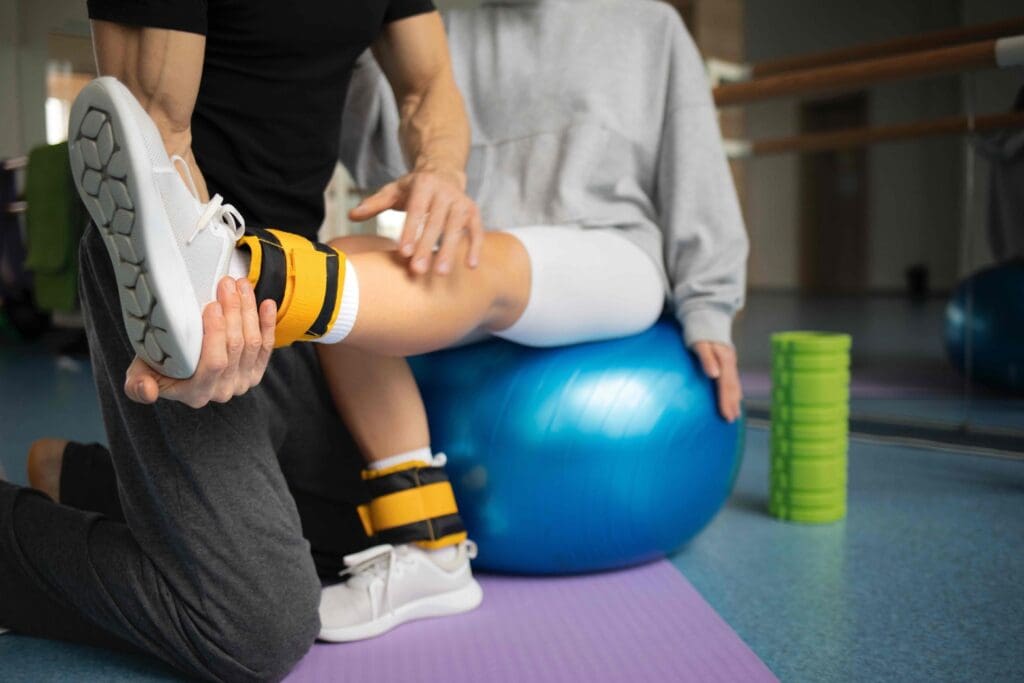
Rehabilitation is key to getting better. It helps athletes regain function, strength, and flexibility. Our plans include physical therapy, strength training, and stretching exercises, all tailored to the athlete.
| Rehabilitation Phase | Goals | Interventions |
|---|---|---|
| Phase 1 | Reduce pain and inflammation | Rest, Ice, Compression |
| Phase 2 | Restore range of motion | Physical therapy, Stretching exercises |
| Phase 3 | Strengthen muscles | Strength training, Resistance exercises |
Surgical vs. Non-surgical Interventions
Choosing between surgery and non-surgical treatments depends on the injury. We look at each case to decide the best treatment. Surgery is considered when other treatments won’t work or the injury is severe.
In summary, treating sports injuries needs a full approach. This includes managing acute injuries, setting up rehabilitation plans, and sometimes surgery. We aim to give personalized care for the best results for athletes.
A Primary Role of a Sports Physician: Patient Advocacy
In sports medicine, our main job is to look out for athletes’ health. As sports doctors, we make sure athletes get the best care. We balance their need to perform well with keeping them healthy.
Balancing Performance Demands with Health
Athletes often push themselves too hard, ignoring their health. We, as sports doctors, must find a balance. We do this by:
- Checking injuries carefully to decide the best treatment
- Creating treatment plans that help athletes now and in the future
- Telling athletes, coaches, and others why health is key
We take a full view of athlete care to keep health and performance in check. This means working closely with other health experts. Together, we offer all-around support.
Ethical Considerations in Sports Medicine
Sports medicine faces many tough choices, like dealing with head injuries or doping. We follow strict ethical rules to keep our practice trustworthy. Important ethical issues include:
- Keeping secrets while keeping everyone safe
- Giving honest medical advice, without outside influence
- Keeping up with new medical research and advice
By focusing on ethics, we ensure top-notch care and support for athletes. This improves their health and keeps sports fair and honest.
Sports Medicine Across the Lifespan
Sports medicine is key for athletes of all ages. It helps keep them healthy and performing well. Care is tailored to each athlete’s age and stage of development.
Pediatric and Adolescent Considerations
Young athletes get special attention in sports medicine. We focus on injury prevention and growth monitoring. Their bodies are always changing, so we must consider bone density, muscle strength, and flexibility.
Overuse injuries are common in young athletes. This is because their bones and muscles are not fully developed. We work to spot these risks early and find ways to prevent them.
We also stress the need for proper training techniques and equipment. Teaching about healthy nutrition and staying hydrated is also key. It helps young athletes perform better and grow stronger.
Sports Medicine for Aging Athletes
Aging athletes face unique challenges. These include less flexibility, muscle loss, and a higher risk of chronic diseases. We create personalized exercise programs to address these issues.
These programs aim to keep athletes functional, prevent injuries, and manage age-related health problems. We also focus on injury rehabilitation and recovery strategies for older athletes.
Guidance on proper warm-up and cool-down techniques is given. We also recommend the right equipment to support joint health and prevent injuries.
Understanding the needs of athletes at different ages helps us provide better care. This care supports their health, performance, and overall well-being.
The Future of Sports Medicine: Emerging Trends
Sports medicine is on the verge of big changes. New technologies and personalized medicine are leading the way. It’s key to keep up with the latest in this field.
Technological Innovations in Diagnosis and Treatment
New tech is changing sports medicine. Wearable devices and biomechanical analysis tools are getting better. They help doctors diagnose and treat athletes more accurately.
For example, wearables track athletes’ health in real-time. This can spot injuries early.
Artificial intelligence (AI) and machine learning (ML) are also becoming more common. They help analyze data to prevent injuries and tailor training and rehab.
| Technological Innovation | Application in Sports Medicine |
|---|---|
| Wearable Devices | Real-time monitoring of physiological metrics |
| Biomechanical Analysis Tools | Detailed analysis of movement patterns |
| Artificial Intelligence (AI) | Predictive analytics for injury prevention |
| Machine Learning (ML) | Personalized training and rehabilitation programs |
Personalized Medicine Approaches for Athletes
Personalized medicine is changing how we care for athletes. It looks at genetics, medical history, and lifestyle. This way, we can create treatments that fit each athlete’s needs.
Genomic medicine is key in sports medicine. It uses genetic tests to find injury risks. This lets us take steps to prevent them.
Looking ahead, sports medicine will blend new tech and personalized care. This will help athletes perform better and stay healthy.
Conclusion
We’ve looked into sports medicine, covering its wide range and history. It’s not just about treating injuries. It’s also about helping people stay healthy and perform better.
Many experts work together in sports medicine. They help from preventing injuries to helping people recover. This shows how important it is for athletes and active people.
Looking ahead, new technologies and personalized care will change sports medicine. By understanding these changes, we see how vital it is for better health and performance.
FAQ
What is sports medicine?
Sports medicine is a field that focuses on preventing, diagnosing, and treating injuries and illnesses linked to sports and physical activities.
What are the primary areas of focus for sports medicine?
Sports medicine mainly focuses on improving physical performance, keeping active individuals healthy, and preventing and treating sports injuries.
What types of specialists are involved in sports medicine?
Sports medicine brings together a team of specialists. This includes primary care sports medicine physicians, orthopedic surgeons, physical therapists, and more.
What is the role of allied health professionals in sports medicine?
Allied health professionals, like exercise physiologists and sports psychologists, are key in supporting athletes and helping them reach their goals.
What is preventative sports medicine?
Preventative sports medicine involves steps to prevent injuries and illnesses. This includes screenings, biomechanical analysis, and conditioning programs.
How are sports injuries treated?
Treating sports injuries involves various methods. This includes managing acute injuries, rehabilitation, and sometimes surgery or non-surgical treatments.
What is the role of a sports physician in patient advocacy?
Sports physicians balance athletes’ performance needs with their health. They advocate for athletes’ well-being.
How does sports medicine apply to different age groups?
Sports medicine caters to athletes of all ages. It includes special care for young athletes and those aging, requiring tailored attention.
What are the emerging trends in sports medicine?
New trends in sports medicine include using technology for diagnosis and treatment. There’s also a focus on personalized medicine for athletes.
What is the importance of sports medicine in enhanced performance and health?
Sports medicine is essential for improving performance and health. It offers complete care and support for athletes and those who are physically active.
Define sports medicine.
Sports medicine applies medical principles to prevent, diagnose, and treat injuries and illnesses from sports and physical activities.
What does sport medicine do?
Sport medicine focuses on preventing, diagnosing, and treating injuries and illnesses from sports. It also aims to enhance physical performance and maintain health for active individuals.
References
- Wikipedia contributors. (n.d.). Sports medicine. In Wikipedia. Retrieved October 17, 2025, from https://wikipedia.org/wiki/Sports_medicine Wikipedia
- National Center for Biotechnology Information (PMC). (n.d.). [Article on sports medicine]. Retrieved October 17, 2025, from https://pmc.ncbi.nlm.nih.gov/articles/PMC2577455 Wikipedia