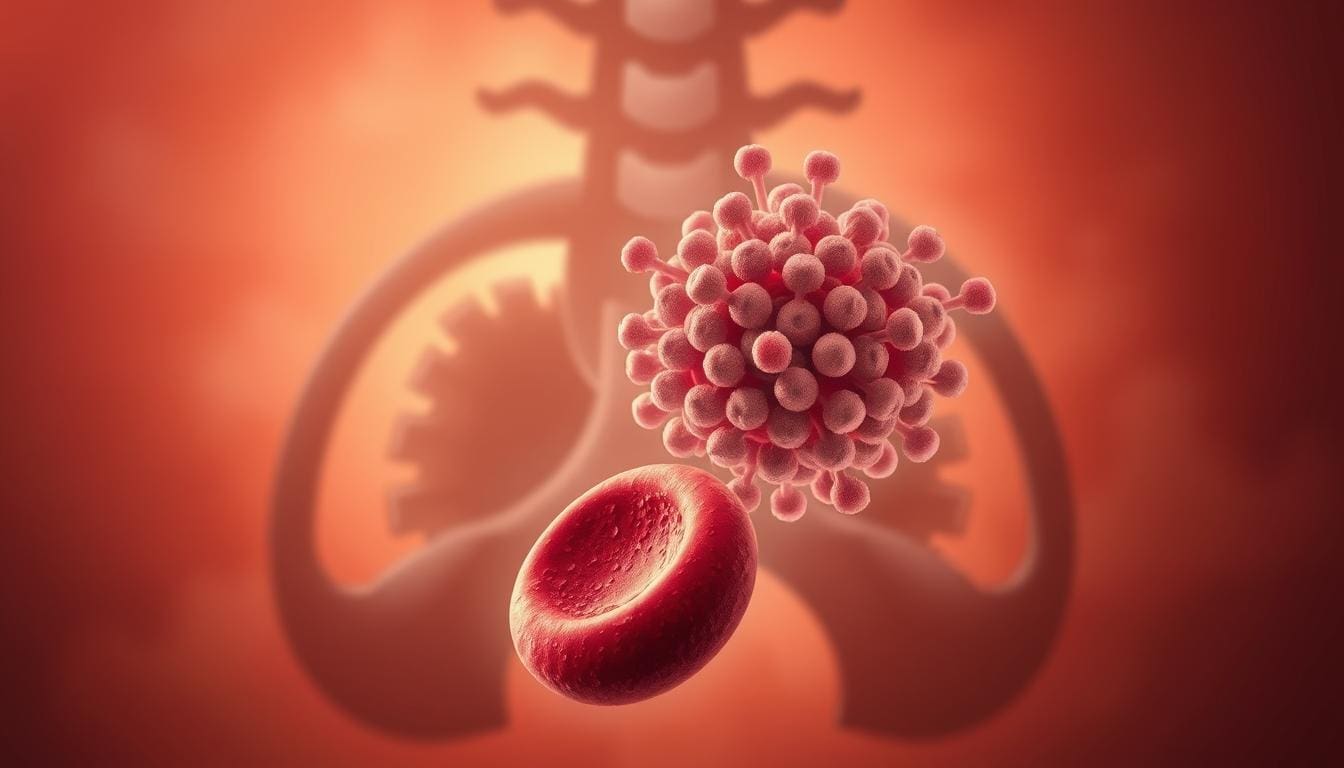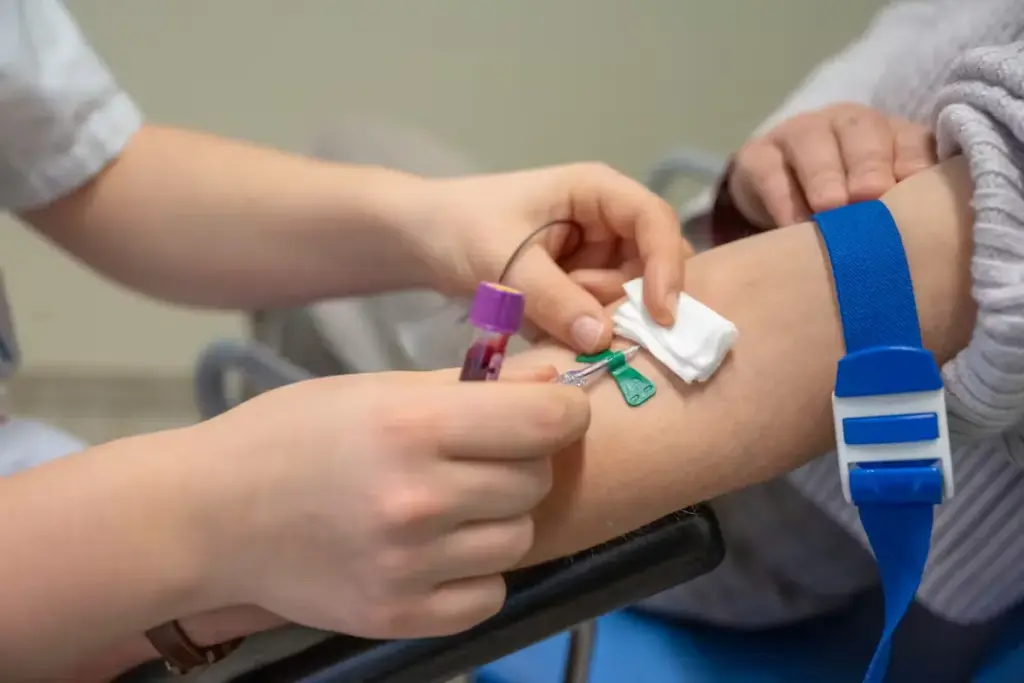
Many students need to get a sports physical exam every year to play sports in school. They often wonder if they’ll have to give blood. Whether or not blood is drawn depends on the sports physical requirements and the doctor’s rules.
A sports physical, or pre-participation physical examination (PPE), checks if an athlete is healthy enough for sports. Blood tests are usually not needed for a standard sports physical. But, a doctor might suggest them in some cases.
Knowing what happens during an annual sports physical can make students feel better. It helps them get ready for their check-ups.
Key Takeaways
- A sports physical exam is required annually for student athletes.
- Blood tests are not typically part of a standard sports physical.
- The examination assesses overall health and fitness.
- Specific requirements may vary by healthcare provider.
- Athletes should understand what to expect during the examination.
What Is a Sports Physical and Why Is It Required
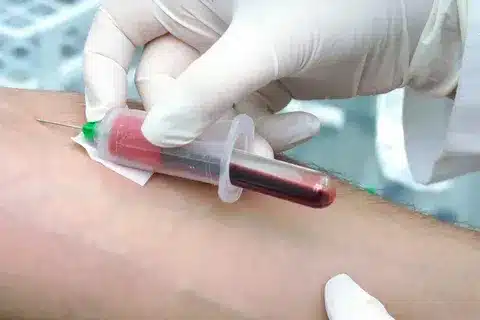
Sports physicals are key to keeping athletes safe and healthy. Before joining any sports, athletes must get a medical check-up. This check-up looks at their health and fitness.
Definition and Purpose of Sports Physicals
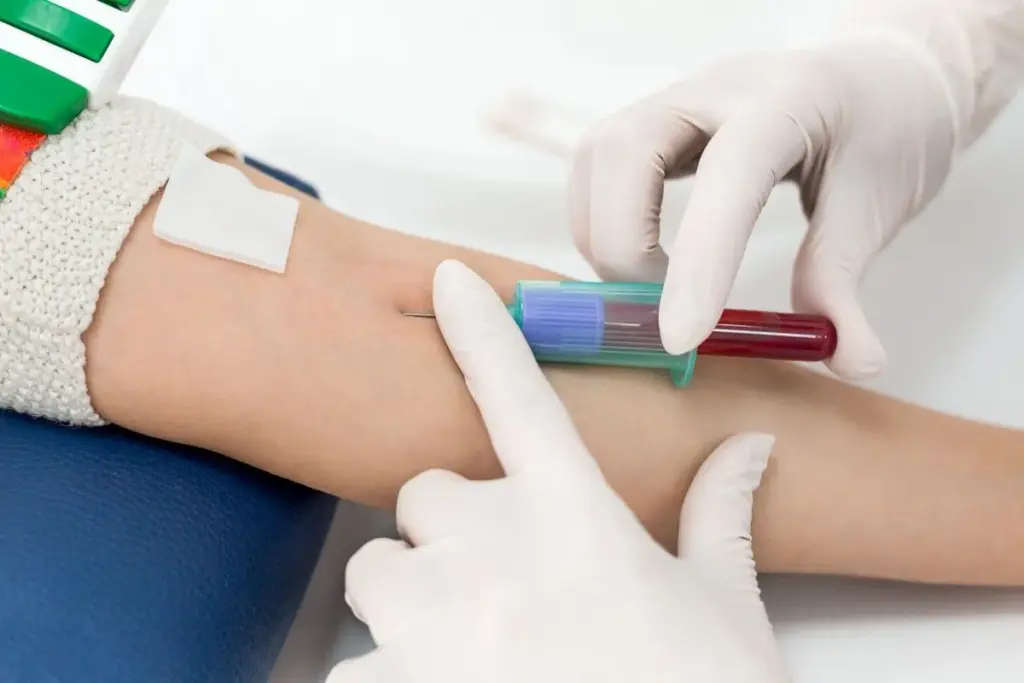
A sports physical, or pre-participation physical examination (PPE), checks an athlete’s physical state. It finds health issues that could affect their safety in sports.
The main goal of a sports physical is to make sure the athlete is healthy enough for their sport. This is to prevent health risks and ensure safety.
Legal and School Requirements
In the U.S., many states and schools need student athletes to have a sports physical before joining sports teams. These rules vary but aim to protect athletes’ health.
For example, a high school sports physical is often needed for students wanting to join sports teams. It ensures they meet health and safety standards.
Protecting Athlete Health and Safety
Sports physicals are vital for spotting health risks like heart problems or asthma. They help find issues that could get worse with exercise. This way, healthcare providers can help manage these problems, keeping athletes safe.
Also, sports physicals offer advice on preventing injuries, nutrition, and more. This helps athletes stay healthy and perform better.
Standard Components of a Sports Physical
During a sports physical, several key areas are checked to ensure an athlete’s safety. These checks help find any health issues that could affect sports performance.
Medical History Review
A detailed medical history review is a key part of a sports physical. It looks at the athlete’s past health, allergies, injuries, and family medical history. This helps spot health risks and decide if more tests are needed.
Physical Examination Elements
The physical examination is vital. It involves checking the athlete’s vital signs, heart health, muscles, and nerves. This helps find current or past injuries and conditions that could lead to future ones.
Basic Measurements and Tests
Basic measurements and tests are also done. These include height, weight, blood pressure, and vision checks. Sometimes, tests like urinalysis or blood tests are added, but not always.
These tests together give a full picture of an athlete’s health for sports. They help prevent injuries and ensure athletes get the right medical care.
Do They Draw Blood During a Standard Sports Physical?
When athletes get ready for sports, they often wonder about sports physicals. A sports physical, or pre-participation physical examination (PPE), checks if an athlete is healthy enough for their sport. It helps find any health problems that could affect their performance or safety.
Typical Procedures in Routine Sports Physicals
A standard sports physical includes looking at the athlete’s health history and doing a physical check-up. The doctor also takes basic measurements like height, weight, and blood pressure. They look for any signs of illness or injury and check the athlete’s joints and muscles.
Key components of a routine sports physical include:
- Medical history review
- Physical examination
- Basic measurements (height, weight, blood pressure)
- Vision screening
When Blood Tests Are Not Required
Usually, blood tests are not part of a routine sports physical. The focus is on checking the athlete’s physical condition and health risks through a physical exam and health history review.
Typically, blood tests are not required unless:
- The athlete has a pre-existing medical condition
- Symptoms suggest an underlying health issue
- The sport requires specific blood tests (e.g., for doping control)
Misconceptions About Blood Work in Sports Physicals
Many think blood tests are always part of sports physicals. But, this is not true. Blood work is usually only needed in certain situations.
It’s essential to understand that:
- Blood tests are not a standard part of routine sports physicals.
- Any extra tests, like blood work, depend on the athlete’s health needs or the sport’s requirements.
Knowing what a sports physical involves and when blood tests might be needed helps athletes and parents prepare better. This ensures a smooth process for everyone involved.
Circumstances When Blood Tests May Be Required
Routine sports physicals usually don’t include blood tests. But, there are times when they are needed. We’ll look at these situations to understand when blood tests are required.
Pre-existing Medical Conditions
Athletes with certain health issues might need blood tests. This includes conditions like diabetes, hemophilia, or chronic illnesses. For example, athletes with diabetes might need to show their blood sugar levels are under control.
Examples of pre-existing conditions that may require blood testing include:
- Diabetes
- Hemophilia
- Chronic kidney disease
- Liver disorders
Symptoms That Might Trigger Blood Testing
Some symptoms during a sports physical might lead to blood tests. These symptoms could be signs of anemia, infection, or other health issues.
Common symptoms that may lead to blood testing:
- Unexplained fatigue
- Persistent fever
- Unexplained weight loss
- Pale appearance or shortness of breath
Sport-Specific Blood Test Requirements
Some sports require specific blood tests due to their demands. For example, endurance sports like long-distance running might check for anemia to ensure athletes’ health and performance.
|
Sport/Activity |
Potential Blood Test |
Reason |
|---|---|---|
|
Endurance Sports (e.g., long-distance running, cycling) |
Complete Blood Count (CBC) |
To check for anemia or other hematological conditions |
|
Contact Sports (e.g., football, rugby) |
Liver Function Tests |
To assess liver health, specially if there’s a history of liver issues or medication use |
|
High-Intensity Sports |
Electrolyte Panels |
To evaluate hydration status and electrolyte balance |
In summary, blood tests are not always part of sports physicals. But, certain conditions, symptoms, or sports might need them. Knowing this helps athletes and doctors decide if more tests are needed.
Common Blood Tests in Sports Medicine
In sports medicine, many blood tests are used to check athlete health and improve performance. These tests find health issues that could stop an athlete from competing safely.
Complete Blood Count (CBC)
A Complete Blood Count (CBC) is a basic blood test. It checks red and white blood cells, hemoglobin, and hematocrit. It spots problems like anemia, infections, and leukemia.
The CBC is key in sports medicine. It shows an athlete’s health and finds any issues that could affect their performance or health.
Metabolic Panels
Metabolic panels are detailed blood tests. They look at electrolytes, kidney function, and blood sugar. These tests find metabolic problems that could hurt athletic performance.
Metabolic panels are vital for athletes in intense or long activities. They check how the body handles stress and make sure athletes stay hydrated and fed.
Iron Studies and Anemia Screening
Iron studies and anemia screening are key for endurance athletes. Iron deficiency is common and can hurt performance. Blood tests check iron levels, ferritin, and more to spot iron deficiency anemia.
Finding iron deficiency early helps athletes perform well and stay healthy.
Performance-Related Blood Markers
Some blood tests look at performance-related markers. For example, lactate levels show an athlete’s endurance. Hormones like testosterone and growth hormone are also checked. They help with muscle growth and recovery.
These tests help athletes see how they’re doing and improve their training. They aim to boost performance.
The Complete Sports Physical Process Step by Step
The sports physical process is all about keeping athletes safe and healthy. It checks if an athlete is ready for their sport. This includes many evaluations and exams.
Before Your Appointment
Before your sports physical, gather important medical info. This includes past medical records, current medications, and any injury or illness history.
Preparation Tips:
- Wear comfy clothes to your appointment.
- Bring any needed forms or documents.
- Be ready to talk about your medical history.
What Happens During the Examination
A healthcare pro will look over your medical history and do a physical check. They’ll check your vital signs, muscle and bone health, and heart health.
The examination typically includes:
- Reviewing your medical history for any conditions.
- A physical check to see your overall health.
- Basic measurements like height, weight, and blood pressure.
Post-Examination Procedures
After the exam, the healthcare provider will decide if you’re good to go for your sport. If there are issues, they might need more tests or checks.
|
Procedure |
Description |
|---|---|
|
Medical History Review |
A detailed look at your medical history for any conditions. |
|
Physical Examination |
A full physical check to see your health. |
|
Clearance Determination |
The healthcare provider decides if you’re cleared for your sport. |
Receiving Your Clearance
After the exam, you’ll know if you’re cleared. If yes, you’ll get a document for your school or sports group. If not, the provider will explain why and what to do next.
Getting clearance is a big deal for athletes. It means they’re good to go safely in their sport.
Sports Physical Requirements for Different Age Groups
It’s important to know the sports physical needs for each age group. This ensures athlete safety and follows the rules. Sports physicals help protect athletes from health risks in sports.
Elementary and Middle School Athletes
Sports physicals for younger athletes are detailed but not too complex. They check for health issues that might get worse with sports. The exam includes looking at medical history, a physical check, and measuring height, weight, and blood pressure.
High School Sports Requirements
High school sports physicals are stricter because sports are more intense. Athletes get more detailed checks, like heart health and muscle function tests.
States and schools have their own forms and rules for these physicals. They must be filled out by a doctor.
College and Professional Level Standards
At the top levels, sports physicals are even more detailed. They include tests like heart screenings and muscle checks. These tests are designed for the athlete’s specific sport.
College athletes must meet NCAA rules for their physicals. This includes certain medical checks and clearances.
In summary, sports physical needs change with age and level of play. Each stage has its own health risks and needs.
Sports Physical Forms and Documentation Needed
Sports physicals need specific forms and medical history to keep athletes safe. Athletes and their families must know what documents are required to finish the sports physical process.
Standard Forms and How to Complete Them
Most sports physicals ask athletes to fill out a standard form. This form is given by schools or sports organizations. It asks for basic info, medical history, and any health conditions.
To fill out these forms right, athletes should:
- Get their medical records, like vaccination history and past injuries or conditions.
- Talk to their primary care doctor if they have questions about their health history.
- Make sure all parts are filled out fully to avoid delays in getting cleared.
Required Medical History Information
A detailed medical history is key for sports physicals. This includes info on:
- Any past injuries or surgeries.
- Current health conditions, like asthma or diabetes.
- Family health history, focusing on conditions that might affect sports performance.
- Any medicines they’re taking now.
Telling the truth about this info helps doctors check the athlete’s health. They can then decide if it’s safe for them to play sports.
Validity Periods and Renewal Requirements
Sports physicals usually last a year. But, this can change based on the athlete’s age, competition level, and school or sports organization rules.
To stay eligible, athletes need to know:
- The date their current sports physical expires.
- If they need to update their medical history or get a new exam for renewal.
- When to schedule a renewal exam before the next sports season starts.
By knowing and filling out the right documents, athletes can have a smooth sports physical process. This keeps them eligible to play their favorite sports.
Where to Get a Sports Physical Near You
Athletes have many choices for getting a sports physical. We’ll help you understand your options. The right choice depends on convenience, cost, and the care you need.
Primary Care Physician Offices
Visiting your primary care physician is a great option. They know your health history. This makes the process easier. They can also give you quick advice on staying healthy for sports.
Urgent Care Centers and Walk-in Clinics
Urgent care centers and walk-in clinics are good for those without a primary care doctor. They offer sports physicals quickly. Plus, they’re open longer hours.
School-Sponsored Physical Events
Schools often host sports physical events. These are convenient and often cheaper. Schools might work with local doctors to provide these services.
Sports Medicine Specialists
For athletes needing extra care, sports medicine specialists are the best. They know a lot about sports injuries. They can give detailed sports physicals.
Here’s a comparison to help you decide:
|
Location |
Convenience |
Cost |
Level of Care |
|---|---|---|---|
|
Primary Care Physician |
High |
Variable |
Personalized |
|
Urgent Care/Walk-in Clinic |
High |
Generally Lower |
Standard |
|
School-Sponsored Events |
Very High |
Often Lower |
Standard |
|
Sports Medicine Specialists |
Variable |
Generally Higher |
Specialized |
Think about what matters most to you: convenience, cost, or care level. Each option has its own benefits. Choosing wisely can make your sports physical experience better.
Cost of Sports Physicals and Insurance Coverage
Many athletes and parents are curious about the cost of sports physicals. They also wonder if insurance covers them. Knowing the cost and insurance coverage is key for planning. It helps athletes play sports without financial stress.
Average Costs Across the United States
The cost of sports physicals varies across the U.S. On average, it can cost between $30 and $100 or more. This depends on the location, healthcare provider, and the services included.
Several factors affect the cost:
- The complexity of the medical history review
- The thoroughness of the physical examination
- Any additional tests or screenings required
- The qualifications and experience of the healthcare provider
Insurance Coverage Policies
Insurance coverage for sports physicals varies. Some plans cover the full cost, while others may require a copayment or deductible.
It’s important to check with your insurance provider to see what’s covered. Many plans cover preventive care, including sports physicals, for school or sports participation.
Low-Cost and Free Options for Students
For families with limited funds, there are affordable options. Schools and sports organizations often offer free or reduced-cost sports physicals.
|
Option |
Description |
Cost |
|---|---|---|
|
School-sponsored events |
Free sports physicals organized by schools |
$0 |
|
Community health clinics |
Low-cost health services including sports physicals |
$10-$30 |
|
Urgent care centers |
Quick and affordable sports physicals |
$30-$60 |
We suggest looking into these options for affordable sports physicals.
Preparing for Your Sports Physical Appointment
Getting ready for your sports physical is important. It helps you avoid any last-minute problems. Being prepared makes your physical efficient and effective.
What to Bring to Your Appointment
It’s key to bring the right documents and info to your sports physical. Here’s what we recommend:
- A completed sports physical form, if given by your school or organization
- Your medical history, including any pre-existing conditions or allergies
- A list of your current medications and supplements
- Any relevant medical records, such as previous test results or doctor’s notes
- Your insurance information and identification
Health Information to Gather Beforehand
Collecting your health info before the appointment can make things smoother. We suggest gathering:
|
Health Information |
Description |
|---|---|
|
Medical History |
Details about past illnesses, surgeries, or hospitalizations |
|
Allergies |
List of known allergies, including food, environmental, or medication allergies |
|
Medications |
Names and dosages of current prescription and over-the-counter medications |
Physical Preparation Tips
Being physically ready for your sports physical is important. Here’s how to prepare:
- Get a good night’s sleep before the appointment
- Stay hydrated by drinking plenty of water
- Avoid heavy meals or strenuous exercise on the day of the appointment
- Be ready to change into a gown or shorts and shirt for the physical examination
Questions to Ask Your Provider
Your sports physical is a chance to ask questions and clear up any concerns. We suggest asking:
- About any specific requirements for your sport or level of competition
- For guidance on injury prevention or management
- About any health concerns or symptoms you’ve been experiencing
- For recommendations on nutrition, hydration, or training
Advanced Testing Beyond the Basic Sports Physical
A standard sports physical is key for most athletes. But, some need extra tests for safety and top performance. This is true for athletes in high-risk sports or at the elite level.
Cardiovascular Screening Methods
Cardiovascular screening is vital for athletes in intense sports. We use ECGs and echocardiograms to check heart health. These tests spot heart issues that could be risky during sports.
Electrocardiogram (ECG): An ECG checks the heart’s electrical activity. It finds abnormal heart rhythms or other problems.
Echocardiogram: This ultrasound test makes heart images. It lets us see how well the heart works.
Neurological Assessments for Contact Sports
Neurological tests are needed for athletes in contact sports. They check for head injuries or other brain issues. These tests include:
- Concussion Protocols: Tests to see if a concussion is present and how severe it is.
- Nerve Conduction Studies: These tests measure nerve signals’ speed and strength.
Specialized Testing for Elite Athletes
Elite athletes need special tests to perform at their best. This includes advanced metabolic tests and lactate threshold assessments. These help them compete at their peak.
When Imaging Studies Might Be Recommended
Imaging studies like X-rays, CT scans, or MRI scans are suggested for certain injuries. They give detailed views of inside the body. This helps us diagnose and treat injuries better.
An MRI scan can check soft tissue injuries like sprains or tears. A CT scan is used for complex bone fractures.
Common Reasons for Sports Physical Disqualification
It’s important for athletes and their families to know why they might be disqualified from sports. A sports physical check is to make sure athletes are healthy enough for their sport. This is to keep them safe and healthy.
Temporary vs. Permanent Disqualifications
Disqualifications can be either short-term or permanent. Short-term ones are often because of treatable conditions like infections or minor injuries. For example, someone with a concussion might be out until they pass certain tests.
Permanent disqualifications are for serious health issues. These are risks that could harm the athlete’s health if they keep playing. Examples include heart problems or severe asthma that’s hard to manage.
Medical Conditions That May Affect Clearance
Many health issues can affect an athlete’s ability to play sports. These include:
- Cardiovascular conditions, such as hypertrophic cardiomyopathy or long QT syndrome
- Neurological conditions, including a history of concussions or other traumatic brain injuries
- Respiratory conditions, such as severe asthma
- Orthopedic issues, including certain knee or shoulder injuries
|
Medical Condition |
Potential Risk |
Possible Outcome |
|---|---|---|
|
Hypertrophic Cardiomyopathy |
Sudden cardiac death |
Permanent Disqualification |
|
Severe Asthma |
Respiratory failure during exercise |
Temporary Disqualification until controlled |
|
Concussion |
Traumatic brain injury |
Temporary Disqualification until cleared |
The Appeals Process for Disqualifications
If an athlete is disqualified, they can appeal. The appeal process usually involves more medical info or a second opinion. Athletes and their families should get help from their doctor to prepare the needed documents.
The appeals process can differ based on the sport’s organization. It’s key for athletes to know the steps and time frames for appealing a disqualification.
Conclusion: Ensuring a Successful Sports Physical Experience
A successful sports physical is key for athlete health and safety. We’ve covered what a sports physical includes, like medical history and physical exams. Knowing this helps athletes get ready and get the medical okay they need.
To have a good sports physical, athletes should be ready to share their medical history and do the needed exams. It’s a good idea for athletes to talk to their doctor about any special needs or worries they might have.
By following these tips and understanding the need for medical clearance, athletes can have a safe and successful sports physical. This lets them play their sport with confidence, knowing their health is checked and safe.
FAQ
What is a sports physical, and why is it required?
A sports physical checks if an athlete is healthy enough for their sport. Schools and sports groups require it to keep athletes safe and prevent injuries.
Do they draw blood during a standard sports physical?
No, blood is not drawn during a standard sports physical. This is unless there are specific medical reasons.
What are the standard components of a sports physical?
A sports physical includes checking your health history and doing a physical exam. It also includes basic tests like measuring height, weight, and blood pressure.
What happens during a sports physical examination?
A healthcare provider will review your health history and do a physical exam. They will also do basic tests to check your health and fitness.
When might blood tests be required for a sports physical?
Blood tests might be needed if you have health issues or symptoms. They might also be required for certain sports.
What are some common blood tests used in sports medicine?
Common tests include the Complete Blood Count (CBC) and metabolic panels. They check your overall health and look for any issues.
How do I prepare for a sports physical appointment?
To prepare, gather your health history and bring any needed forms. Be ready to talk about your health and any concerns with your doctor.
What are the sports physical requirements for different age groups?
Requirements change with age. Young athletes need a basic physical, while older athletes may need more detailed checks.
Where can I get a sports physical near me?
You can get a sports physical at your doctor’s office, urgent care, or school events. Sports medicine specialists also offer them.
How much does a sports physical cost, and is it covered by insurance?
The cost varies, but it’s usually between $50 to $150. Insurance might cover it, but it depends on your plan.
What if I’m disqualified from sports due to a medical condition?
If you’re disqualified, you can appeal or work with your doctor. They can help address your condition and possibly get you cleared again.
Are there any advanced testing options beyond the basic sports physical?
Yes, there are more tests like cardiovascular screening and neurological assessments. These might be for elite athletes or those in high-risk sports.
How long is a sports physical valid?
A sports physical is usually valid for a year. But, some places might have different rules.
Can I eat before a sports physical or CT scan?
For a sports physical, you can eat as usual. But, for a CT scan, you might need to fast or follow special diet instructions.
What is a CT scan, and how is it used in sports medicine?
A CT scan uses X-rays to create detailed images of your body. In sports medicine, it helps diagnose injuries or conditions in athletes.
What does a CT scan show, and how is it related to sports physicals?
A CT scan shows detailed images of internal injuries or conditions. It’s not part of a standard sports physical but might be used for specific concerns or symptoms.
References
National Center for Biotechnology Information. Evidence-Based Medical Insight. Retrieved from https://www.ncbi.nlm.nih.gov/pmc/articles/PMC10197055/