When you face squamous cell carcinoma in the lungs, knowing the symptoms and treatments is key. At Liv Hospital, we focus on you, giving top-notch care. Our team works together to help you.
Squamous lung cancer is a big part of non-small cell lung cancer, making up 25–30% of cases. We’ll give you all the details, making it easy to understand.
Key Takeaways
- Knowing the symptoms and types of squamous lung cancer is vital for effective treatment.
- Squamous lung cancer is a significant subtype of non-small cell lung cancer.
- Liv Hospital offers a multidisciplinary approach to treating squamous lung cancer.
- Early diagnosis and treatment can significantly improve patient outcomes.
- Our team is dedicated to providing world-class care with empathy and understanding.
What Is Squamous Lung Cancer?
Squamous lung cancer is a specific type of non-small cell lung cancer (NSCLC). Knowing this is key because it affects how it’s treated and how well it might do.
Definition and Classification as Non-Small Cell Lung Cancer
Squamous lung cancer starts in the squamous cells of the airways. It’s a major type of NSCLC, along with adenocarcinoma and large cell carcinoma. “Squamous cell carcinoma of the lung is a significant health concern due to its association with smoking and environmental exposures,” as noted by medical experts.
This type of lung cancer is common, mainly in smokers. It’s called NSCLC because of its cell type and how it grows. This is different from small cell lung cancer, which needs different treatments.
Cellular Origin and Characteristics
Squamous lung cancer comes from squamous cells. These are flat cells that line the airways in the lungs. They can turn cancerous due to smoking or exposure to harmful substances.
Key characteristics of squamous lung cancer include its tendency to grow in the central airways. It’s also known for necrosis and cavitation. The tumor can block airflow or invade nearby areas.
“The histological features of squamous cell carcinoma, such as keratinization and intercellular bridges, are critical for its diagnosis,” according to pathology guidelines.
We will dive deeper into these traits in later sections. This will give you a full picture of squamous lung cancer.
Key Fact 1: Prevalence and Epidemiology
It’s key to know how common squamous lung cancer is to tackle its health impact. Squamous cell carcinoma is a big part of non-small cell lung cancer. Its spread shows us trends in who gets it and how often.
Incidence Rates in the United States
Studies in the United States have tracked squamous lung cancer’s spread. The American Cancer Society says lung cancer is a top cancer killer. Squamous cell carcinoma is a big part of that.
Demographic Patterns
Who gets squamous lung cancer varies by age, gender, and race. Most cases are in people over 65. Men used to get it more than women, but that’s changing.
Smoking habits might be why fewer men get it now. Different races also face different risks. Some groups are more likely to get squamous cell lung carcinoma.
Key Fact 2: Risk Factors for Squamous Cell Carcinoma
It’s important to know the risk factors for squamous cell carcinoma. This helps in preventing and catching it early. We’ll look at the main risk factors for this lung cancer type.
Tobacco Use and Smoking
Tobacco and smoking are big risks for squamous cell carcinoma. Tobacco smoke’s harmful chemicals damage lung cells’ DNA, causing cancer. People who smoke are much more likely to get this cancer than those who don’t. The risk goes up with how long and how much you smoke.
Stopping smoking and reducing smoking rates have helped lower lung cancer cases. Health efforts keep warning about tobacco dangers and the need to quit.
Environmental and Occupational Exposures
Other than smoking, some environmental and job exposures also raise squamous cell carcinoma risk. Being around asbestos, radon, and chemicals like arsenic and chromium increases the risk. Workers in jobs with lots of these substances face a higher risk.
- Asbestos is very dangerous, mainly for construction or mining workers.
- Radon in homes and workplaces is another big risk.
- Being exposed to harmful chemicals at work also raises the risk.
Knowing these risks helps in making safety plans and policies at work.
Key Fact 3: Squamous Lung Cancer Symptoms
It’s important to know the symptoms of squamous lung cancer early. This helps in getting the right treatment. We will look at the common signs to help patients and caregivers know when to go to the doctor.
Early Warning Signs
The first signs of squamous lung cancer can be hard to spot. Look out for a persistent cough that doesn’t go away, chest pain that gets worse when you breathe deeply, and coughing up blood or rust-colored sputum. These signs are important, even more so for people who smoke.
Systemic Symptoms
As squamous lung cancer gets worse, other symptoms may show up. These include unexplained weight loss, fatigue, and loss of appetite. This is because the cancer uses a lot of energy and nutrients. Also, some people might get recurring respiratory infections like bronchitis or pneumonia. This could mean the tumor is blocking the airways.
When to Consult a Healthcare Provider
If you or someone you know is showing these symptoms, see a doctor. It’s key to get help if symptoms keep coming back or get worse. Early treatment can really help patients with squamous lung cancer. Your doctor will do a full check-up, ask about your health history, and might do tests like imaging or biopsies to find out what’s wrong.
Key Fact 4: Diagnostic Process and Staging
The journey to diagnose squamous lung cancer starts with a detailed check-up. Then, imaging tests and biopsies confirm the diagnosis and stage the cancer.
Initial Assessment and Imaging
When we suspect squamous lung cancer, we begin with a thorough check-up. This includes looking at your medical history and doing a physical exam. We look for symptoms or signs that might point to lung cancer.
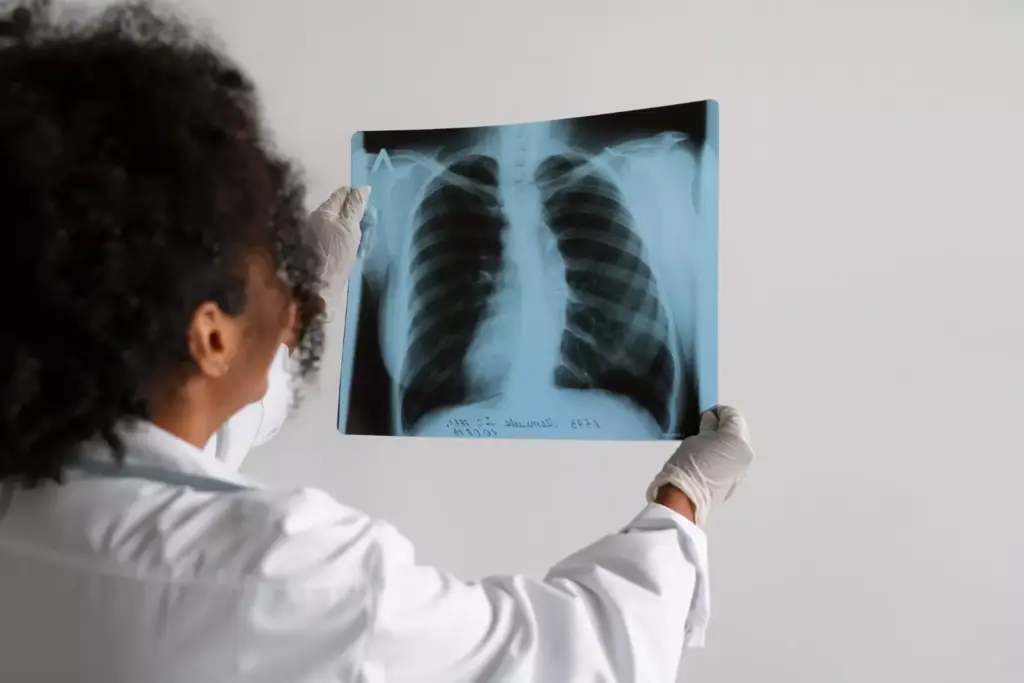
Imaging Techniques: We often use computed tomography (CT) scans to see the lungs clearly. This helps us spot tumors and understand their size and location. Positron emission tomography (PET) scans help us see if the cancer has spread.
Biopsy Procedures
A biopsy is key to confirming squamous lung cancer. We take a tissue sample from the tumor using different methods.
Biopsy Techniques: Bronchoscopy lets us see the airways and get tissue samples from inside the lung. Needle biopsy, guided by images, is another way to get tissue samples.
TNM Staging System for Squamous Cell Carcinoma
After confirming the diagnosis, we use the TNM staging system. This system looks at the tumor size, lymph node involvement, and if the cancer has spread.
Understanding TNM Staging: Accurate staging is vital for knowing the cancer’s outlook and planning treatment. The TNM system helps us classify the cancer into stages, from early to advanced.
Types and Classification of Squamous Cell Lung Carcinoma
The way we classify squamous cell lung carcinoma has changed a lot. Now, we look at both how the cells look and their molecular makeup. This helps us understand the disease better and find better ways to treat it.
Histological Variants
Squamous cell lung carcinoma has different types based on how the cells look. These include keratinizing, non-keratinizing, and basaloid types. Knowing these types is key for making the right diagnosis and treatment plan.
The keratinizing type has keratin pearls. The non-keratinizing type doesn’t. The basaloid type is very aggressive and has a poor outlook. Knowing these differences lets us tailor treatments to each patient’s needs.
Molecular Profiling
Molecular profiling has changed how we classify and treat squamous cell lung carcinoma. By studying the genetic makeup of tumors, we find biomarkers and targets for treatment.
New next-generation sequencing tech lets us spot mutations in TP53 and PIK3CA genes. These are common in squamous cell lung carcinoma. This info helps us create personalized treatment plans, improving patient results.
Also, molecular profiling helps us sort squamous cell lung carcinoma into subtypes. This makes treatment more precise. As we learn more about the molecular makeup of this disease, we’re creating more effective treatments.
Key Fact 5: Treatment Approaches for Squamous Lung Cancer
Treating squamous lung cancer often means using surgery, radiation, and chemotherapy. The right treatment depends on the cancer’s stage, the patient’s health, and other factors.
Surgical Options
Surgery is key for early-stage squamous lung cancer. It’s chosen when the cancer is small and can be safely removed.
- Lobectomy: This is often the best choice, where the tumor’s lobe is removed.
- Sleeve Resection: This method removes the tumor part of the airway and then connects the rest.
- Pneumonectomy: Sometimes, the whole lung must be removed if the tumor is big or in the middle.
Radiation Therapy Techniques
Radiation therapy is also vital for squamous lung cancer. It’s often used with surgery or chemotherapy.
- External Beam Radiation Therapy (EBRT): This method uses beams from outside the body to target the tumor.
- Stereotactic Body Radiation Therapy (SBRT): SBRT gives precise, high doses to small, well-defined tumors.
- Intensity-Modulated Radiation Therapy (IMRT): IMRT allows for precise targeting of tumors while protecting healthy tissue.
Chemotherapy Regimens
Chemotherapy is used at various stages of squamous lung cancer, often with other treatments.
- Neoadjuvant Chemotherapy: Given before surgery to shrink tumors and address microscopic spread.
- Adjuvant Chemotherapy: Administered after surgery to kill any remaining cancer cells.
- Palliative Chemotherapy: Focuses on easing symptoms and improving life quality in advanced cases.
We create a treatment plan that fits each patient’s needs. We consider the cancer’s stage, the patient’s health, and their preferences. A team of healthcare professionals works together to care for patients with squamous lung cancer.
Key Fact 6: Advanced Therapies and Innovations
In recent years, treatments for squamous lung cancer have greatly improved. New therapies are changing how we fight this disease. They bring hope to those affected.
Immunotherapy Breakthroughs
Immunotherapy is a major breakthrough in treating squamous lung cancer. It uses the body’s immune system to fight cancer cells. Checkpoint inhibitors are a key part of this, helping the immune system attack cancer more effectively.
“The advent of immunotherapy has been a game-changer in oncology,” says -Dr. a leading oncologist. “We’ve seen significant responses in patients with squamous lung cancer, giving them a new chance at life.”
Targeted Therapies for Squamous Cell Carcinoma
Targeted therapies are another big step forward. They focus on specific genetic changes in the cancer. This makes them more effective and have fewer side effects than traditional chemotherapy.
For example, therapies targeting the EGFR mutation work well for some patients. Researchers are always finding new targets and treatments.
Current Clinical Trials
Clinical trials are key to improving treatments for squamous lung cancer. Many trials are looking at new immunotherapies, targeted therapies, and combinations. They aim to make treatments better and improve patient quality of life.
Some trials are testing how immunotherapy works with other treatments. Others are looking at new targets and ways to treat cancer. Participation in clinical trials gives patients access to new treatments.
We’re hopeful that these advances will lead to better survival rates and outcomes for squamous lung cancer patients.
Key Fact 7: Prognosis and Survival Statistics
The outlook for squamous lung cancer changes a lot based on several important factors. Knowing these factors and how they affect survival is key for both patients and doctors.
Factors Influencing Prognosis
Many things affect how well someone with squamous lung cancer will do. These include:
- Stage at Diagnosis: When squamous lung cancer is found early, the outlook is better. Finding it late is tougher.
- Overall Health: A person’s overall health and any other health issues can change their chances and treatment options.
- Genetic Mutations: Certain genetic changes in the tumor can affect how well someone will do and what treatments might work best.
- Response to Treatment: How well the cancer responds to treatment is a big clue about the future.
Five-Year Survival Rates by Stage
Survival rates for squamous lung cancer are often talked about in terms of five-year survival rates. These rates show the percentage of people who live for five years after being diagnosed. The rates change a lot based on the stage:
| Stage | Five-Year Survival Rate |
|---|---|
| Stage I | 60-80% |
| Stage II | 30-50% |
| Stage III | 10-30% |
| Stage IV | Less than 10% |
As the table shows, early-stage squamous lung cancer has a much better five-year survival rate than late-stage cancer.
Quality of Life Considerations
Quality of life is very important for people with squamous lung cancer. It’s about managing symptoms, reducing side effects, and keeping up with physical activities. A patient advocate said:
“The focus should not only be on extending life but also on living well with dignity and as much quality as possible.”
We know how important supportive care is for a better quality of life. This includes managing pain, getting the right nutrition, and counseling for the mind.
Understanding the prognosis and survival stats for squamous lung cancer helps patients and their families make informed choices. We’re dedicated to supporting them every step of the way.
Living with Squamous Cell Lung Cancer
Living with squamous cell lung cancer is tough, but with the right support, it’s doable. Knowing the disease, its symptoms, and treatment options is key. Now, let’s talk about managing the disease and improving life quality.
Managing Treatment Side Effects
Managing treatment side effects is vital for squamous cell lung cancer patients. Side effects can vary based on treatment, health, and more. Common ones include fatigue, nausea, and hair loss. It’s essential for patients to work closely with their healthcare team to find ways to lessen these effects.
Medications can help with nausea and other symptoms. Making lifestyle changes, like eating better and exercising gently, can also help. “The key to managing side effects is proactive care and open communication with your healthcare providers,” says -Dr. a leading oncologist.
Supportive Care Options
Supportive care is key in managing squamous cell lung cancer. It covers physical, emotional, and social needs. Options include pain management, nutritional counseling, and psychological support.
- Pain management: Techniques and medications to control pain effectively.
- Nutritional counseling: Guidance on maintaining a healthy diet during treatment.
- Psychological support: Counseling and therapy to address emotional and mental health needs.
Accessing these options can greatly improve life quality. It’s about living with dignity and as much normalcy as possible despite the challenges of cancer.
Patient Resources and Support Groups
Patients with squamous cell lung cancer can greatly benefit from resources and support groups. These offer valuable info, emotional support, and a sense of community. Resources include online forums, local groups, and national cancer organizations.
“Connecting with others who understand what you’re going through can be incredibly empowering,”
notes Sarah Johnson, a lung cancer survivor. Many organizations offer counseling, educational materials, and advocacy.
By using these resources, patients and their families can face squamous cell lung cancer with more confidence and support.
Conclusion
We’ve looked into squamous lung cancer, a common type of lung cancer. We’ve covered its prevalence, risk factors, symptoms, diagnosis, treatment, and outlook. Knowing these details is key for both patients and doctors to make the best care plans.
Understanding squamous lung cancer is vital. Early detection and the right treatment are critical. This cancer type needs a mix of treatments like surgery, radiation, and chemotherapy. Also, newer treatments like immunotherapy and targeted therapy are important.
Our final thoughts on squamous lung cancer stress the importance of being aware and acting fast. Recognizing risk factors and symptoms early can help a lot. We urge patients to team up with their doctors to create a treatment plan that fits their needs.
What is squamous lung cancer?
Squamous lung cancer is a type of lung cancer. It starts in the squamous cells. These cells line the airways in the lungs.
Is squamous cell lung cancer the same as non-small cell lung cancer?
Yes, squamous cell lung cancer is a part of non-small cell lung cancer (NSCLC). NSCLC makes up about 85% of lung cancers. Squamous cell carcinoma is one of its main types.
What are the risk factors for developing squamous lung cancer?
Main risks include smoking and using tobacco. Exposure to chemicals like asbestos and radon also increases risk. A history of lung radiation therapy is another risk factor.
What are the symptoms of squamous lung cancer?
Symptoms include a persistent cough and coughing up blood or rust-colored mucus. Chest pain that gets worse with deep breathing is also common. Weight loss and fatigue are systemic symptoms.
How is squamous lung cancer diagnosed?
Diagnosis uses imaging tests like CT scans and PET scans. Biopsy procedures examine lung tissue. Molecular testing may also be done to find genetic mutations.
What are the treatment options for squamous lung cancer?
Treatment depends on the stage and health of the patient. Options include surgery, radiation therapy, and chemotherapy. Targeted therapy and immunotherapy may also be used.
What is the prognosis for squamous lung cancer?
Prognosis depends on the stage, health, and treatment response. Early stages have a better outlook. Advanced stages have a poorer outlook.
Can squamous lung cancer be prevented?
While not all cases can be prevented, avoiding tobacco smoke and carcinogens helps. A healthy lifestyle also reduces risk.
What are the latest advancements in treating squamous lung cancer?
New treatments include immunotherapies and targeted therapies. These are more effective and have fewer side effects than traditional chemotherapy. Ongoing trials explore new treatments.
How does squamous cell lung carcinoma differ from other types of lung cancer?
Squamous cell lung carcinoma differs in its cellular origin and treatment response. Molecular profiling helps identify these differences.
What is the role of molecular profiling in squamous lung cancer?
Molecular profiling identifies genetic mutations in the tumor. This guides treatment decisions, mainly for targeted therapies.
Are there any support resources available for patients with squamous lung cancer?
Yes, there are many resources. These include patient support groups, counseling services, and online resources. They offer emotional support and practical advice.
Reference
NCBI. PMC article. https://pmc.ncbi.nlm.nih.gov/articles/PMC11937135/
American Association for Cancer Research (AACR). Old, New, Borrowed, and Blue: Clinical Trial Results Highlight Therapeutic Approaches for Non-Small Cell Lung Cancer. https://www.aacr.org/blog/2025/05/16/old-new-borrowed-and-blue-clinical-trial-results-highlight-therapeutic-approaches-for-non-small-cell-lung-cancer/