

Receiving a Stage1 bladder cancer diagnosis can be overwhelming, but understanding the symptoms and tumor size is crucial for determining the best course of treatment.
Stage 1 bladder cancer symptoms and size? 2cm is significant. Get best size info. Removal is vital to stop dangerous growth immediately.
Bladder cancer symptoms can vary, but common signs include blood in the urine, frequent urination, and pain while urinating. It’s essential to recognize these symptoms early on to improve treatment outcomes.
The tumor size plays a significant role in determining the severity of the cancer. In Stage1 bladder cancer, the tumor is confined to the bladder lining, and treatment options may include surgery, such as bladder removal surgery, or other therapies.
Key Takeaways
- Stage1 bladder cancer is a type of cancer that is confined to the bladder lining.
- Common symptoms include blood in the urine, frequent urination, and pain while urinating.
- Tumor size is a critical factor in determining the severity of the cancer.
- Treatment options may include surgery, such as bladder removal surgery, or other therapies.
- Early detection and treatment can significantly improve outcomes.
What is Stage1 Bladder Cancer?
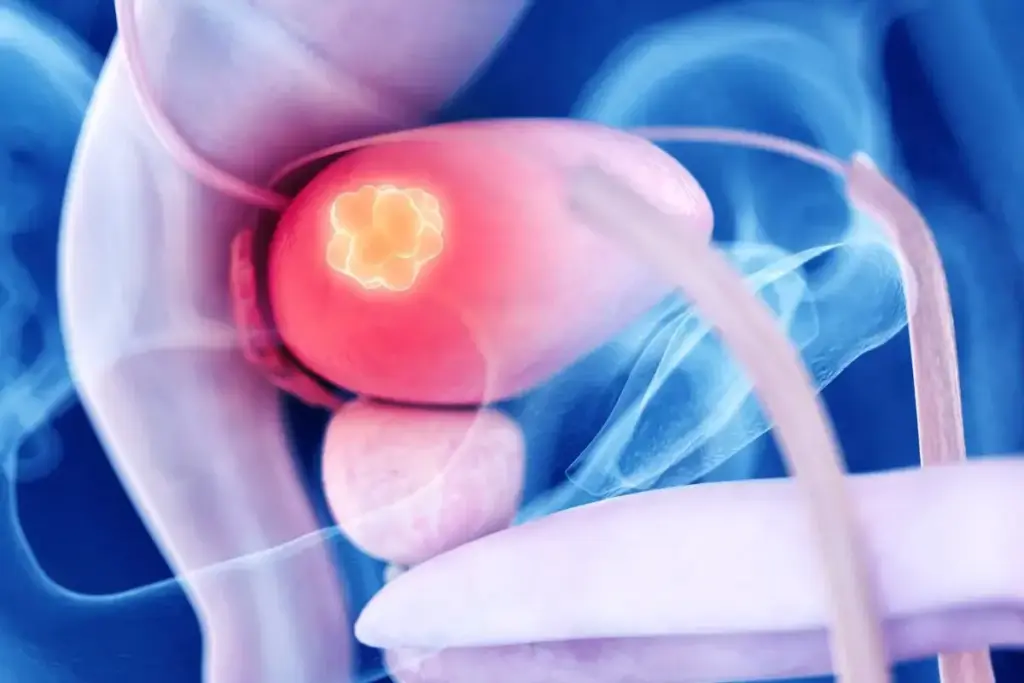
Understanding Stage 1 bladder cancer requires knowledge of its definition, staging, and the importance of early detection. Bladder cancer is categorized into different stages based on how far it has spread. Stage 1 indicates that the cancer is in its early phase.
Definition of Stage 1 Bladder Cancer
Stage 1 bladder cancer is defined as cancer that has invaded the lamina propria of the bladder but has not reached the muscularis propria. This means the cancer cells are found in the connective tissue beneath the bladder’s innermost layer but haven’t spread to the bladder muscle or beyond.
Overview of Bladder Cancer Staging
Bladder cancer staging is a critical process that determines the extent of cancer’s spread. The staging system used is typically the TNM system, which considers the size and extent of the main tumor (T), whether cancer has spread to nearby lymph nodes (N), and whether cancer has metastasized (M). Understanding the stage helps in planning bladder cancer surgery or other treatments.
- The stage helps determine the prognosis and treatment options.
- Accurate staging is crucial for selecting the most appropriate treatment plan.
Importance of Early Detection
Early detection of bladder cancer significantly improves treatment outcomes. When diagnosed at Stage 1, the cancer is more likely to be treated effectively, potentially avoiding the need for more aggressive treatments like radical cystectomy in the future. Early detection allows for timely intervention, which can improve survival rates and quality of life.
Common Symptoms of Stage1 Bladder Cancer
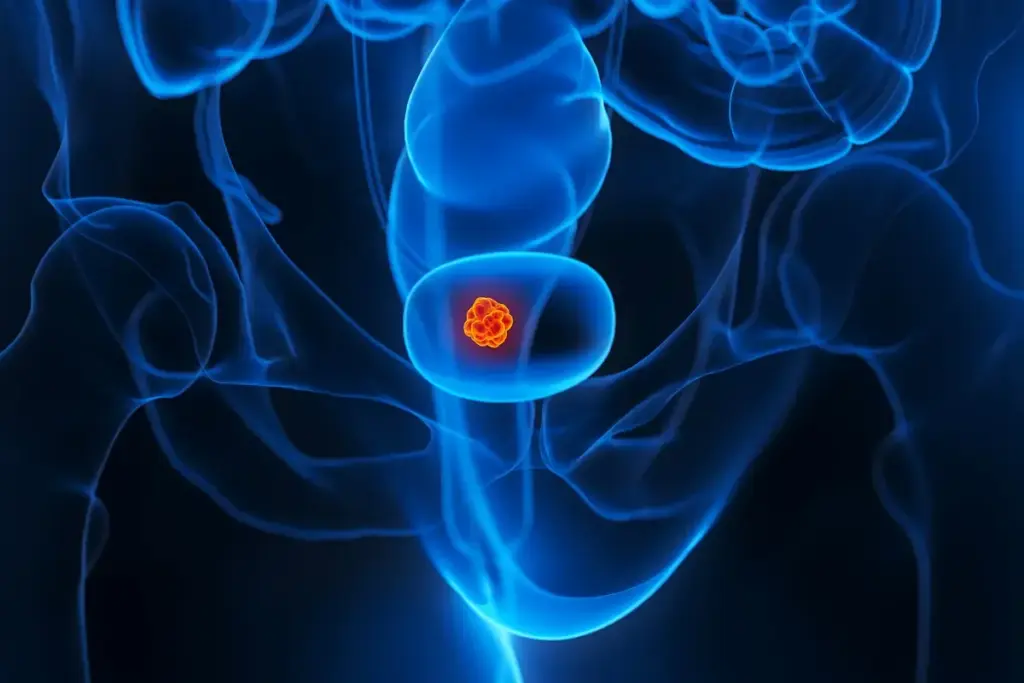
The symptoms of Stage 1 bladder cancer can be subtle, but recognizing them early is vital for effective management and treatment. Bladder cancer, especially in its early stages, may not always present with severe symptoms, but there are certain signs that individuals should be aware of.
Blood in Urine (Hematuria)
Hematuria, or blood in the urine, is one of the most common symptoms of bladder cancer. It can cause urine to appear pink, red, or cola-colored. Hematuria can be either microscopic (visible only under a microscope) or gross (visible to the naked eye).
According to the American Cancer Society, hematuria is a significant symptom that warrants medical evaluation. “Hematuria is the most common symptom of bladder cancer, and it is present in about 85% of patients at the time of diagnosis.”1
Frequent Urination
Frequent urination is another symptom that may indicate bladder cancer. This can be due to the tumor irritating the bladder wall or reducing its capacity. Patients may experience a need to urinate more often than usual, even when there is little urine in the bladder.
- Increased frequency of urination
- Urgency to urinate
- Nocturia (waking up at night to urinate)
Painful Urination
Painful urination, or dysuria, can occur in some cases of bladder cancer. The pain may be a burning sensation while urinating. This symptom can be uncomfortable and disrupt daily activities.
|
Symptom |
Description |
Possible Cause |
|---|---|---|
|
Hematuria |
Blood in urine, causing discoloration |
Tumor bleeding |
|
Frequent Urination |
Increased need to urinate |
Bladder irritation or reduced capacity |
|
Painful Urination |
Burning sensation while urinating |
Tumor irritation or infection |
Recognizing these symptoms early and consulting a healthcare professional is crucial for timely diagnosis and treatment. As emphasized by the National Cancer Institute, early detection significantly improves the prognosis for bladder cancer patients.2
Less Common Symptoms to Watch For
Understanding the full spectrum of bladder cancer symptoms is crucial, including those that are less frequently discussed. While common symptoms like blood in urine are well-known, other signs can also indicate the presence of bladder cancer.
Pelvic Pain
Pelvic pain is a less common symptom that can be associated with bladder cancer. This type of pain can manifest as a discomfort or ache in the pelvic region. It’s essential to note that pelvic pain can have various causes, but when accompanied by other urinary symptoms, it warrants a medical evaluation.
Back Pain
Back pain, particularly in the lower back, can sometimes be related to bladder cancer. This symptom occurs when the cancer has potentially spread to nearby areas or is causing an obstruction that leads to pain. Persistent back pain should be assessed by a healthcare professional.
Unexplained Weight Loss
Unexplained weight loss is a general symptom that can be associated with various cancers, including bladder cancer. Significant weight loss without a clear reason, such as changes in diet or exercise, should prompt a visit to a healthcare provider.
Being aware of these less common symptoms can lead to earlier detection and treatment. If you’re experiencing any of these symptoms, it’s crucial to consult with a healthcare professional for a proper evaluation.
|
Symptom |
Description |
Potential Cause |
|---|---|---|
|
Pelvic Pain |
Discomfort or ache in the pelvic region |
Bladder cancer or other urinary issues |
|
Back Pain |
Lower back pain, potentially radiating |
Cancer spread or urinary obstruction |
|
Unexplained Weight Loss |
Significant weight loss without clear reason |
Advanced cancer or metabolic changes |
How is Stage1 Bladder Cancer Diagnosed?
The diagnosis of Stage 1 bladder cancer is a multi-step process that includes various medical tests. These diagnostic procedures are crucial for confirming the presence of cancer and determining the appropriate treatment plan.
Urine Tests and Cytology
Urine tests are used to check for blood or cancer cells in the urine. Urine cytology is a specific test that examines urine for cancer cells. While it’s not foolproof, urine cytology can help identify cancer, especially in its early stages.
Imaging Tests
Imaging tests play a crucial role in diagnosing bladder cancer. These tests help doctors visualize the bladder and identify any tumors. Common imaging tests include CT scans, MRI scans, and ultrasound.
- CT scans provide detailed cross-sectional images of the bladder.
- MRI scans offer high-resolution images that can help identify the extent of cancer.
- Ultrasound uses sound waves to create images of the bladder.
Cystoscopy Procedure
A cystoscopy is a direct visual examination of the inside of the bladder. During this procedure, a doctor inserts a thin, flexible tube with a camera into the bladder through the urethra. This allows for a detailed inspection of the bladder lining and can help identify tumors.
|
Diagnostic Test |
Description |
Purpose |
|---|---|---|
|
Urine Tests |
Checking for blood or cancer cells in urine |
Initial screening for bladder cancer |
|
Urine Cytology |
Examining urine for cancer cells |
Identifying cancer cells in urine |
|
Imaging Tests (CT, MRI, Ultrasound) |
Visualizing the bladder and tumors |
Assessing the extent of cancer |
|
Cystoscopy |
Direct visual examination of the bladder |
Identifying tumors and assessing the bladder lining |
Understanding Tumor Size: Is 2 cm Big?
The size of a bladder tumor can significantly impact the treatment options available to patients with Stage 1 bladder cancer. Tumor size is a critical factor that healthcare providers consider when deciding on the best course of action.
Definition of Tumor Size
Tumor size refers to the diameter or length of the cancerous growth in the bladder. It is typically measured during diagnostic procedures such as imaging tests or cystoscopy. Understanding the size helps in staging the cancer accurately and planning treatment.
Typical Sizes for Stage 1 Tumors
In Stage 1 bladder cancer, the tumor is usually confined to the bladder lining and hasn’t invaded deeper tissues. The size can vary, but typically, these tumors are relatively small. A tumor size of 2 cm is considered relatively small in the context of bladder cancer.
Comparison with Larger Tumors
Larger tumors, those greater than 3 cm or more, may require more aggressive treatment, including cystectomy or other intensive therapies. In contrast, smaller tumors like those around 2 cm might be managed with less invasive procedures, depending on other factors such as the tumor’s grade and the patient’s overall health.
It’s essential to note that while tumor size is a significant factor, it’s not the only consideration in treatment planning. Other factors, including the tumor’s grade, the patient’s health status, and preferences, also play crucial roles.
Treatment Options for Stage1 Bladder Cancer
Treatment for Stage 1 bladder cancer is multifaceted, involving surgical, therapeutic, and follow-up strategies. The choice of treatment depends on various factors, including the patient’s overall health, the size and grade of the tumor, and the patient’s personal preferences.
Surgery
Surgery is a common treatment approach for Stage 1 bladder cancer. The primary surgical procedure is Transurethral Resection of Bladder Tumor (TURBT), which involves removing the tumor from the bladder wall. In some cases, a more radical surgery like radical cystoprostatectomy might be considered, especially if the cancer is high-grade or there’s a high risk of progression. However, this is typically reserved for more advanced cases or when other treatments are not effective.
The decision to undergo surgery should be made after discussing the potential benefits and risks with a healthcare provider. Surgical options can vary, and understanding the specifics of each procedure is crucial for making an informed decision.
Intravesical Therapy
Intravesical therapy involves delivering treatment directly into the bladder through a catheter. This approach is used to reduce the risk of cancer recurrence. BCG (Bacillus Calmette-Guérin) therapy is a common intravesical treatment, where a weakened form of the bacteria is instilled into the bladder to stimulate the immune system to fight cancer cells.
Intravesical therapy is typically administered after TURBT to eliminate any remaining cancer cells. The treatment regimen and frequency can vary based on the individual case and the healthcare provider’s recommendations.
Importance of Follow-Up Care
Follow-up care is a critical component of Stage 1 bladder cancer treatment. Regular check-ups and tests are necessary to monitor for any signs of recurrence or progression. This may include cystoscopy, imaging tests, and urine tests. The frequency of follow-up appointments can vary, but it’s essential to adhere to the recommended schedule to ensure early detection of any potential issues.
Patients should also be aware of the symptoms that require immediate medical attention, such as hematuria (blood in urine), and discuss any concerns or questions with their healthcare provider.
Risk Factors Associated with Bladder Cancer
Identifying the risk factors for bladder cancer is essential for developing strategies to reduce the incidence of this disease. By understanding what increases the likelihood of developing bladder cancer, individuals can take proactive steps towards prevention.
Smoking and Tobacco Use
Smoking is one of the most significant risk factors for bladder cancer. Tobacco smoke contains harmful chemicals that can be absorbed into the bloodstream and eventually make their way into the urine, damaging the bladder’s lining. Smokers are at least three times more likely to develop bladder cancer compared to non-smokers. Quitting smoking can significantly reduce this risk over time.
The link between smoking and bladder cancer is well-established, with studies indicating that smoking cessation programs can lead to a reduction in bladder cancer incidence. Epidemiological studies have consistently shown a dose-response relationship between the amount of tobacco consumed and the risk of bladder cancer.
Occupational Exposures
Certain occupations expose workers to carcinogens that can increase the risk of bladder cancer. Industries such as dye, rubber, and paint manufacturing have been linked to higher rates of bladder cancer due to the presence of chemicals like aromatic amines and polycyclic aromatic hydrocarbons.
- Dye industry workers
- Rubber industry workers
- Paint manufacturing workers
Workers in these industries should be aware of the potential risks and follow safety guidelines to minimize exposure.
Family History and Genetic Factors
A family history of bladder cancer can increase an individual’s risk, suggesting a genetic component to the disease. Certain genetic mutations, such as those affecting the genes responsible for DNA repair, can also play a role.
|
Risk Factor |
Description |
Relative Risk |
|---|---|---|
|
Smoking |
Tobacco smoke contains carcinogens |
3x higher |
|
Occupational Exposure |
Exposure to chemicals in certain industries |
2-5x higher |
|
Family History |
Genetic predisposition |
1.5-2x higher |
Understanding these risk factors can help individuals and healthcare providers identify those at higher risk and potentially reduce the incidence of bladder cancer through early intervention and preventive measures.
Lifestyle Changes to Reduce Risk
Making informed choices about your lifestyle can play a crucial role in minimizing the risk of bladder cancer. By adopting healthy habits and being mindful of certain risk factors, individuals can significantly lower their chances of developing this disease.
Diet and Nutrition
A well-balanced diet rich in fruits, vegetables, and whole grains can help reduce the risk of bladder cancer. Certain foods have been identified as having protective effects, including:
- Leafy Greens: Spinach, kale, and other leafy greens are rich in antioxidants and other nutrients that may help protect against cancer.
- Cruciferous Vegetables: Broccoli, cauliflower, and Brussels sprouts contain compounds that have been shown to have anti-cancer properties.
- Berries: Berries such as blueberries and raspberries are high in antioxidants and may help reduce inflammation.
In addition to incorporating these foods into your diet, it’s also important to limit or avoid certain items that may increase cancer risk, such as processed meats and foods high in salt and sugar.
Hydration and Urinary Health
Staying hydrated is essential for maintaining urinary health and reducing the risk of bladder cancer. Drinking plenty of water helps to flush out toxins and reduce the concentration of potential carcinogens in the urine.
Aim to drink at least 8-10 glasses of water per day, and consider increasing your intake if you’re physically active or live in a hot climate. Additionally, certain beverages like green tea have been suggested to have protective effects due to their antioxidant content.
Regular Screening Recommendations
For individuals at higher risk of bladder cancer, such as those with a family history or exposure to certain chemicals, regular screening is crucial. Discuss your risk factors with your healthcare provider to determine the best screening schedule for you.
Screening tests may include urine tests, imaging studies, and cystoscopy. Early detection through regular screening can significantly improve treatment outcomes and survival rates.
- Urine tests can help detect abnormalities in the urine that may indicate cancer.
- Imaging tests such as CT scans and MRI can help identify tumors and assess their size and location.
- Cystoscopy involves the use of a flexible tube with a camera to visually inspect the inside of the bladder.
Prognosis for Stage1 Bladder Cancer
Stage 1 bladder cancer has a relatively favorable prognosis, especially when detected early. The prognosis refers to the likely outcome or course of the disease, and in the case of Stage 1 bladder cancer, it is generally positive due to the cancer being confined to the bladder.
According to the American Cancer Society, the 5-year survival rate for people with Stage 1 bladder cancer is quite high, indicating a good chance of recovery with appropriate treatment. Early detection and treatment are crucial in improving survival rates and reducing the risk of cancer recurrence.
Survival Rates and Statistics
Survival rates are statistical measures that indicate the percentage of people with a particular type and stage of cancer who are still alive after a certain period, usually 5 years, following their diagnosis. For Stage 1 bladder cancer, the 5-year relative survival rate is approximately 88%, according to the National Cancer Institute’s Surveillance, Epidemiology, and End Results (SEER) data.
“The survival rate for bladder cancer has improved over the years due to advancements in medical technology and treatment options,” says a leading oncologist. This emphasizes the importance of staying updated with the latest treatment modalities.
Factors Influencing Prognosis
Several factors can influence the prognosis for Stage 1 bladder cancer, including the patient’s overall health, age, the presence of any genetic mutations, and how well the cancer responds to treatment. Smoking cessation is also a critical factor, as smoking is a significant risk factor for bladder cancer recurrence.
- The size and grade of the tumor
- The presence of cancer cells in the urine
- The effectiveness of the initial treatment
The Importance of Early Treatment
Early treatment is vital for improving the prognosis of Stage 1 bladder cancer. Treatment options may include surgery, intravesical therapy, or a combination of both. Timely intervention can significantly enhance the chances of a successful outcome and reduce the likelihood of the cancer progressing to a more advanced stage.
“Early detection and treatment of bladder cancer can make a significant difference in patient outcomes,” notes a renowned urologist. “It’s crucial for patients to adhere to their treatment plans and follow-up care schedules.”
Understanding the prognosis and actively participating in the treatment process can empower patients to take control of their health and make informed decisions about their care.
Emotional and Psychological Impact of Diagnosis
A bladder cancer diagnosis often triggers a rollercoaster of emotions, from fear and anxiety to determination and resilience. The emotional and psychological impact of this diagnosis can be significant, affecting not just the patient but also their family and friends.
The initial reaction to a cancer diagnosis can be overwhelming, with feelings of shock, denial, and fear about the future. It’s essential for patients to understand that these emotional responses are normal and that there are resources available to help them cope.
Coping Strategies for Patients
Developing effective coping strategies is crucial for managing the emotional impact of bladder cancer. Some strategies include:
- Meditation and mindfulness practices to reduce stress
- Engaging in physical activity to improve mood and overall health
- Journaling or expressing feelings through art
- Seeking support from loved ones, support groups, or online communities
Coping with the emotional aspects of cancer can be as important as treating the disease itself. By finding healthy ways to manage stress and emotions, patients can improve their quality of life during and after treatment.
Support Systems and Resources
Having a strong support system is vital for patients dealing with bladder cancer. This can include family, friends, support groups, and online forums. Support systems provide emotional support, practical help, and a sense of community.
|
Support System |
Description |
Benefits |
|---|---|---|
|
Family and Friends |
Emotional support and practical help from loved ones. |
Reduces feelings of loneliness, provides emotional comfort. |
|
Support Groups |
Groups of people with similar experiences sharing their stories. |
Offers a sense of community, practical advice, and emotional support. |
|
Online Communities |
Forums and social media groups for people affected by bladder cancer. |
Provides 24/7 support, connects people worldwide, and shares resources. |
Professional Counseling Options
For some patients, professional counseling may be necessary to cope with the emotional and psychological impact of their diagnosis. Professional counselors or therapists can provide a safe space to explore feelings, develop coping strategies, and work through challenges.
Patients can access professional counseling through various channels, including their healthcare provider, cancer centers, or private practices. It’s essential to find a counselor who understands the specific challenges associated with bladder cancer.
By acknowledging the emotional and psychological impact of a bladder cancer diagnosis and utilizing available resources, patients can navigate their journey with greater resilience and support.
Resources for Patients and Caregivers
Receiving a Stage 1 Bladder Cancer diagnosis can be overwhelming, but there are numerous resources available to support patients and caregivers throughout their journey.
National Organizations
The National Cancer Institute provides comprehensive information on bladder cancer, including treatment options and clinical trials. The Bladder Cancer Advocacy Network is another valuable resource, offering support and advocacy for patients and families affected by bladder cancer.
Support Networks
In addition to national organizations, local support groups and online communities can provide emotional support and connect patients with others who have experienced similar challenges. For those requiring medical supplies, searching for “colostomy bag supplies near me” can help locate nearby resources.
By leveraging these resources, patients and caregivers can better navigate the complexities of bladder cancer diagnosis and treatment, ultimately improving their overall care and well-being.
FAQ
What is bladder removal surgery?
Bladder removal surgery, also known as radical cystectomy, is a surgical procedure to remove the bladder, often performed to treat bladder cancer.
Can you live without a bladder?
Yes, it is possible to live without a bladder. After bladder removal, urine is diverted out of the body through a urinary diversion, such as an ileal conduit or a neo-bladder.
What is a urinary diversion?
A urinary diversion is a surgical procedure that redirects the flow of urine out of the body, often necessary after bladder removal surgery.
What is the life expectancy after bladder removal?
Life expectancy after bladder removal varies depending on the underlying reason for the surgery, overall health, and stage of cancer, if applicable.
What is a neo-bladder?
A neo-bladder is a surgically constructed bladder made from a portion of the intestine, used to store urine after bladder removal.
What is an ileal conduit?
An ileal conduit is a type of urinary diversion where a portion of the intestine is used to create a conduit for urine to exit the body, collecting in a bag on the abdomen.
Why can’t I urinate after catheter removal?
Difficulty urinating after catheter removal can be due to various factors, including swelling, infection, or nerve damage, and should be discussed with a healthcare provider.
What is a cystectomy?
A cystectomy is the surgical removal of the bladder, often performed to treat bladder cancer or other severe bladder conditions.
What are the risks associated with bladder removal surgery?
Risks associated with bladder removal surgery include infection, blood clots, and complications related to urinary diversion, among others.
How long does it take to recover from bladder removal surgery?
Recovery time from bladder removal surgery varies depending on the individual’s overall health, the complexity of the surgery, and the type of urinary diversion performed.
Can you have sex after bladder removal surgery?
Sexual function after bladder removal surgery can be affected, but many people are able to maintain some level of sexual activity; discussing concerns with a healthcare provider is recommended.
Reference
National Center for Biotechnology Information. Evidence-Based Medical Insight. Retrieved from https://pubmed.ncbi.nlm.nih.gov/31761106/
National Center for Biotechnology Information. Evidence-Based Medical Insight. Retrieved from https://pubmed.ncbi.nlm.nih.gov/31761106/