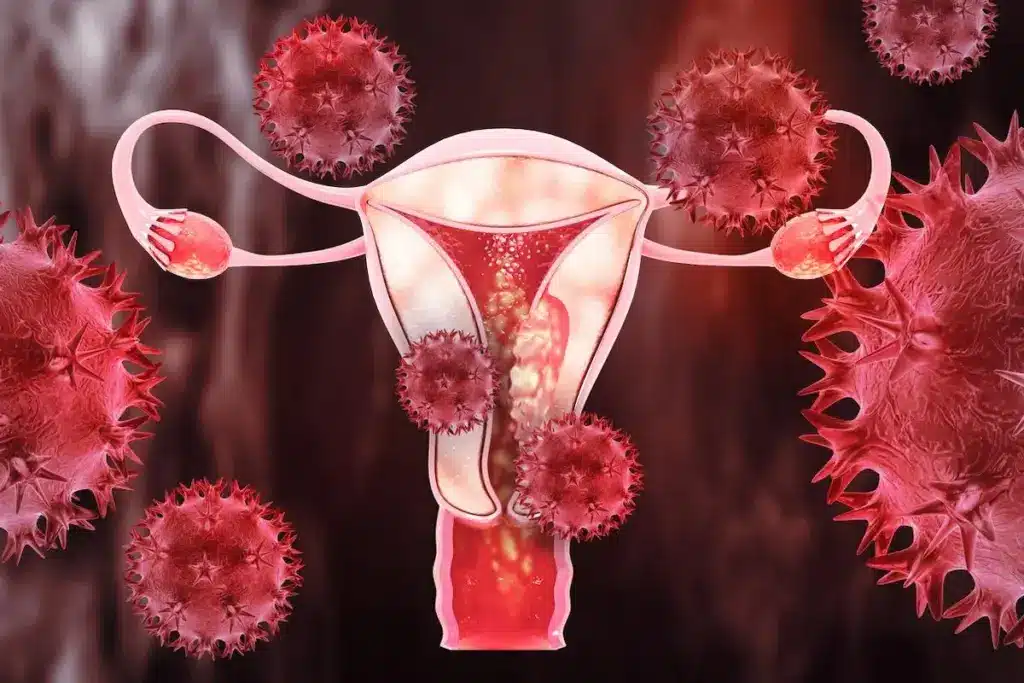
Early stage1 ovarian cancer is cancer that only affects one or both ovaries or fallopian tubes. It hasn’t spread to other parts of the body. We aim to give you the latest and most accurate info on this important topic.
About 17-20% of women are diagnosed with this early. At this stage, the 5-year survival rate is much higher, at 91.7%. Knowing the early signs and the need for early detection is key to better patient outcomes.
Learn stage 1 ovarian cancer symptoms today. Get amazing info on scary early signs and find powerful, vital ways to secure a complete cure.
Key Takeaways
- Early stage1 ovarian cancer is defined as cancer limited to the ovaries or fallopian tubes.
- The 5-year relative survival rate for localized ovarian cancer is 91.7%.
- Approximately 17-20% of ovarian cancer cases are diagnosed at an early stage.
- Early detection significantly improves survival rates.
- Understanding the early signs is critical for timely diagnosis.
Understanding Ovarian Anatomy and Function

To understand ovarian cancer, we must first know how ovaries work normally. The ovaries are key to the female body, helping with reproduction and keeping hormones balanced.
Structure and Role of the Ovaries
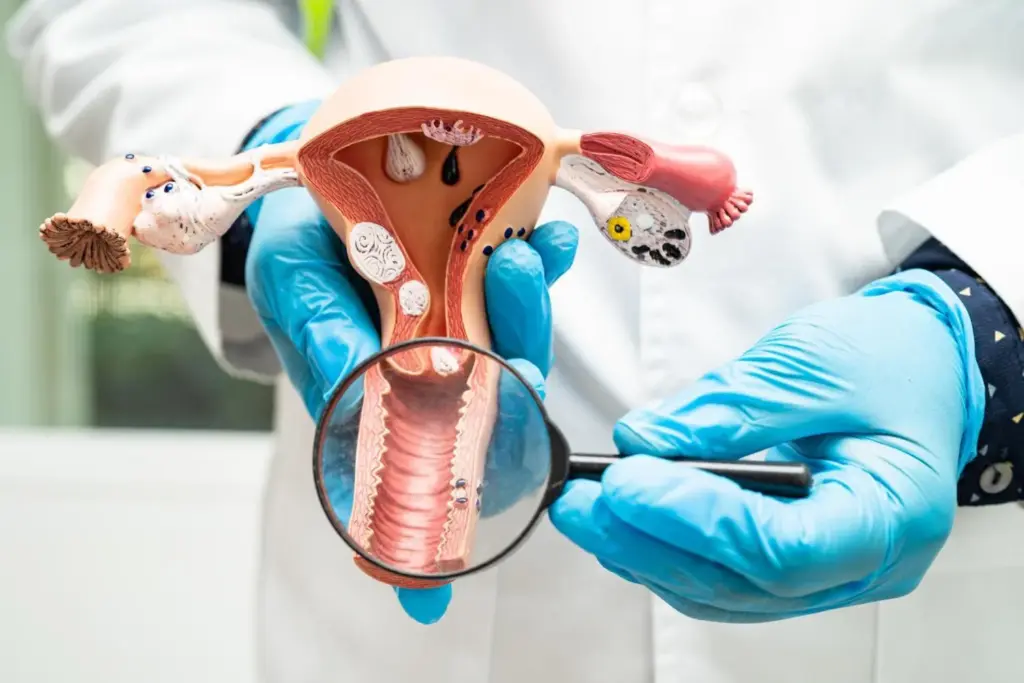
The ovaries are two small, oval organs on each side of the uterus. They measure approximately 3-4 cm in length. They connect to the uterus and make eggs and hormones like estrogen and progesterone.
An ovarian diagram shows where the ovaries are in the pelvic area. It helps us see how ovarian cancer can spread.
Relationship to the Reproductive System
The ovaries are vital to the reproductive system. They work with the fallopian tubes and uterus to help with pregnancy. Women are born with a set number of eggs. The ovaries release an egg each month during ovulation.
It’s possible for a woman to get pregnant with one ovary. Having one working ovary is enough for ovulation and getting pregnant.
The health of the ovaries affects a woman’s reproductive health and overall health. Knowing about ovarian anatomy and function is key to understanding ovarian cancer and women’s health.
Defining Stage1 Ovarian Cancer
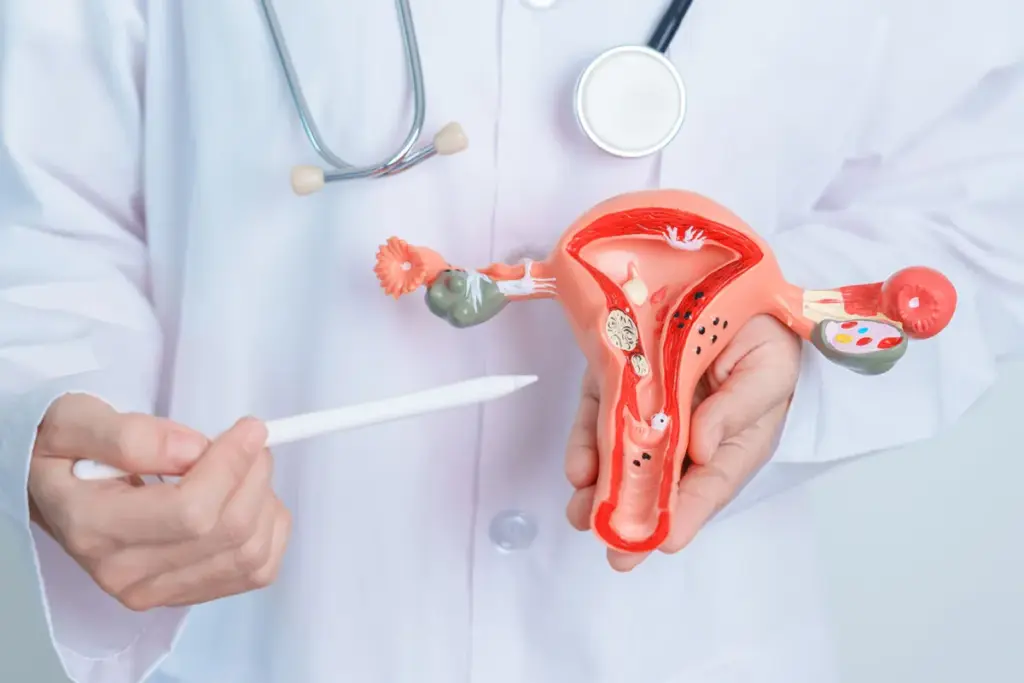
The FIGO staging system is key in classifying ovarian cancer. It helps doctors and patients understand how the disease progresses. This system is vital for figuring out how far the cancer has spread and planning treatment.
FIGO Staging System Explained
The International Federation of Gynecology and Obstetrics (FIGO) staging system is the main way to stage ovarian cancer. It groups the disease based on how far the tumor has spread in the pelvis and abdomen. The system focuses on surgical staging, where doctors check how far the disease has spread during surgery.
Key components of the FIGO staging system include:
- Surgical evaluation to determine the cancer’s extent
- Assessment of tumor spread within the pelvis and abdomen
- Classification based on the tumor’s characteristics and spread
Substages: 1A, 1B, and 1C
Stage 1 ovarian cancer is found only in the ovaries. It’s split into substages based on the tumor’s details and if there’s fluid or capsule rupture.
|
Substage |
Description |
|---|---|
|
1A |
The cancer is in one ovary, with the capsule intact, and no tumor on the outside. |
|
1B |
The cancer is in both ovaries, with the capsules intact, and no tumor on the outside. |
|
1C |
The cancer is in one or both ovaries, with any of the following: capsule ruptured, tumor on the outside, or cancer cells in fluid or washings. |
Knowing these substages is key for understanding prognosis and treatment plans. The substage helps doctors decide on the best treatment approach for each patient.
Prevalence and Epidemiology
Understanding ovarian cancer’s spread is key to fighting it. It’s a big health issue, with different rates in various groups.
Incidence Rates in the United States
In the U.S., ovarian cancer is a major concern. It’s the fifth leading cause of death in women. show its rates have stayed mostly the same, with some changes.
Let’s look at the numbers:
|
Age Group |
Incidence Rate per 100,000 Women |
|---|---|
|
40-49 years |
15.6 |
|
50-59 years |
25.4 |
|
60-69 years |
35.1 |
Demographic Patterns and Trends
Demographics are important in understanding ovarian cancer. Age, ethnicity, and family history all play a part. Women over 50 are at higher risk, with most cases found in this age group.
Ethnicity also affects rates. For example, white women have a higher rate than black women. Knowing these patterns helps in focusing prevention and screening.
Family history and genetics are also big factors. Women with a family history of ovarian or breast cancer are at higher risk. This shows the need for genetic testing and advice.
By studying these rates and patterns, we can fight ovarian cancer better. We can work on prevention, early detection, and treatment.
Risk Factors and Prevention
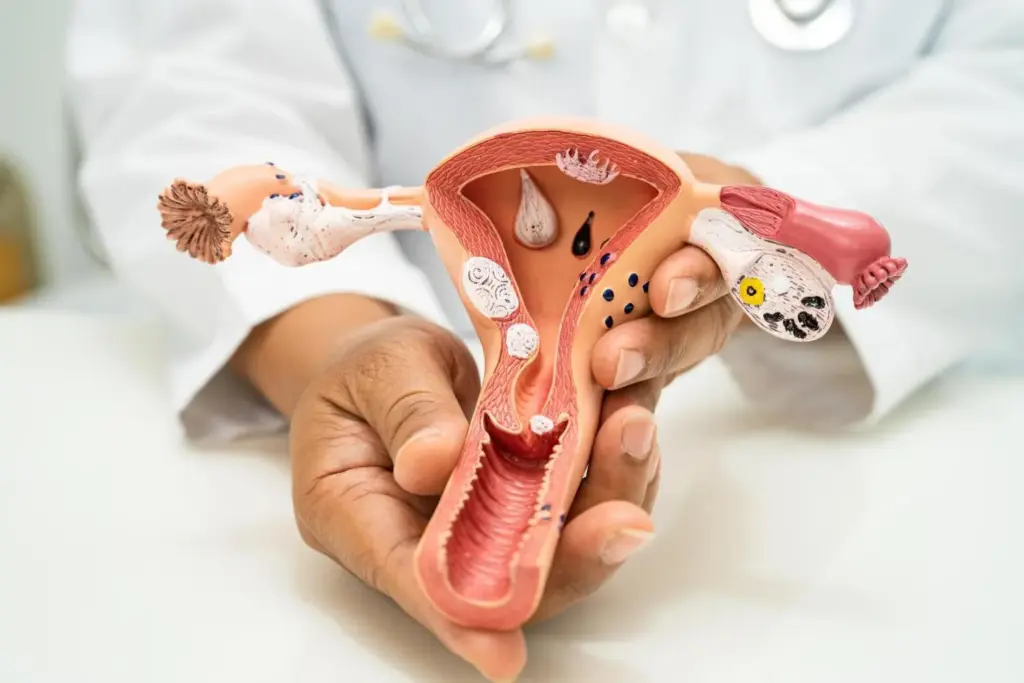
Ovarian cancer risk comes from genetics, family history, and lifestyle. Knowing these factors helps us spot who’s at higher risk. It also guides us on how to prevent it.
Genetic and Hereditary Factors
Genetic mutations are key in ovarian cancer. Mutations in BRCA1 and BRCA2 genes raise the risk of ovarian and breast cancer. If your family has a history of these cancers, get genetic counseling and testing.
Family history matters too. Women with a first-degree relative (mother, daughter, or sister) with ovarian cancer are at higher risk. The risk goes up with more affected relatives.
Lifestyle and Environmental Influences
Lifestyle and environment also affect ovarian cancer risk. Obesity, smoking, and diet can impact risk. Staying healthy, not smoking, and eating right might help lower risk.
Reproductive factors like how many times a woman ovulates can also raise risk. Pregnancy, breastfeeding, and using oral contraceptives can lower risk by reducing ovulations.
Knowing these risk factors helps us find ways to prevent ovarian cancer. For those at high risk, removing ovaries and fallopian tubes might be an option. Regular check-ups and screenings are key for early detection.
Stage1 Ovarian Cancer Symptoms
Knowing the early signs of Stage 1 ovarian cancer is key to better outcomes. The symptoms of this stage are often mild and can be mistaken for other issues.
Early Warning Signs
The symptoms include persistent bloating, pelvic pain, and abdominal discomfort. Some women might also notice changes in bowel habits or urinary urgency. These signs are not always clear, making early detection hard.
It’s vital to pay attention to these signs and see a doctor if they don’t go away. We urge you to listen to your body and not ignore these symptoms.
Why Symptoms Are Often Overlooked
The symptoms of Stage 1 ovarian cancer are often missed because they can look like other common issues. For example, they might seem like irritable bowel syndrome (IBS) or menstrual cramps. Also, the symptoms can be mild or come and go, causing delays in finding out what’s wrong.
- Lack of specific symptoms that are unique to ovarian cancer
- Misattribution of symptoms to other less serious conditions
- Limited awareness among some healthcare providers and patients
We believe that knowing about ovarian cancer symptoms and talking to a doctor can help catch it early. This can lead to better treatment options.
The Critical Importance of Early Detection
Finding ovarian cancer early is key to better patient outcomes. Early detection boosts the chances of successful treatment and survival. We’ll look at how early detection affects survival rates and the challenges in diagnosing ovarian cancer early.
Impact on Survival Rates
The survival rates for stage1 ovarian cancer are much higher than later stages. When caught early, the five-year survival rate can reach up to 90%. This is because early treatment can stop the cancer from spreading.
Patients with stage1 ovarian cancer have a much better outlook than those diagnosed later. This shows how vital early detection is for better patient outcomes.
Barriers to Early Diagnosis
Despite its importance, early detection faces several barriers. A big challenge is the lack of good screening tests for ovarian cancer. Current tests are not always reliable, making early detection hard. Also, ovarian cancer symptoms are often vague, leading to delayed diagnosis.
We need to overcome these barriers to improve early detection. This includes creating better screening tests and raising awareness about ovarian cancer signs. By doing this, we can increase the chances of catching ovarian cancer early, improving survival rates.
Diagnostic Approaches and Techniques

Finding ovarian cancer early needs a detailed plan. This plan includes physical exams, blood tests, and imaging. We use many methods to find ovarian cancer correctly.
Physical Examination and Medical History
First, we do a physical exam and look at your medical history. The exam checks for any unusual growths in the pelvis. Your medical history helps us see if you’re at risk or have symptoms of ovarian cancer.
We check your overall health for signs of a tumor. This first check helps us decide what tests to do next.
Blood Tests and Tumor Markers
Blood tests are key in finding ovarian cancer. We test for a marker called CA125. High CA125 levels might mean ovarian cancer, but it’s not the only sign.
We look at CA125 levels as part of many tests. It’s not enough by itself, but it helps a lot when combined with other signs.
Imaging Studies and Their Limitations
Imaging like ultrasound, CT scans, and MRI help see the ovaries. They show if there are any unusual growths. These tests tell us about the size and type of any growths.
But, these tests have limits. It’s hard to tell if a growth is cancerous just by looking at it. We use these tests along with other signs to make a correct diagnosis.
The table below shows the main ways we diagnose ovarian cancer and what’s important about each:
|
Diagnostic Approach |
Description |
Key Considerations |
|---|---|---|
|
Physical Examination |
Checking for pelvic masses and abnormalities |
Initial assessment, guides further testing |
|
Medical History |
Identifying risk factors and symptoms |
Helps in assessing the likelihood of ovarian cancer |
|
Blood Tests (CA125) |
Measuring tumor marker levels |
Not definitive on its own; used with other diagnostics |
|
Imaging Studies |
Visualizing ovarian masses |
Limited in distinguishing benign from malignant masses |
Surgical Diagnosis and Staging
Understanding ovarian cancer starts with surgery. We use surgery to see how far the cancer has spread. This helps us choose the best treatment and predict how well the patient will do.
Biopsy Procedures
A biopsy is key in diagnosing ovarian cancer. It involves taking a small piece of tissue from the ovary or tumor. This tissue is then checked for cancer cells and the type of cancer.
There are different ways to do a biopsy. These include:
- Fine-needle aspiration biopsy
- Core needle biopsy
- Surgical biopsy
Each method has its own use and benefits. The choice depends on where the tumor is and the patient’s health.
Surgical Staging Process

The surgical staging for ovarian cancer is detailed. It helps us understand how far the cancer has spread. The main steps include:
|
Procedure |
Description |
Purpose |
|---|---|---|
|
Total abdominal hysterectomy and bilateral salpingo-oophorectomy |
Removal of the uterus, ovaries, and fallopian tubes |
To remove the primary tumor and affected reproductive organs |
|
Omentectomy |
Removal of the omentum, a layer of tissue in the abdomen |
To check for cancer spread |
|
Peritoneal biopsies |
Taking tissue samples from the peritoneum |
To assess for microscopic cancer spread |
|
Lymph node dissection |
Removal and examination of lymph nodes |
To check for cancer metastasis |
These steps help us find the cancer’s stage. Knowing the stage is key to planning treatment, which can include surgery, chemotherapy, or both.
Accurate staging is vital for making the right treatment choices. We aim to give every patient a thorough evaluation to guide their care.
Treatment Options for Stage1 Ovarian Cancer
Stage 1 ovarian cancer treatment is tailored to each patient’s needs. Surgery is the main treatment, with options for preserving fertility in younger patients.
Surgical Approaches
For stage 1 ovarian cancer, surgery often includes removing the uterus, ovaries, and fallopian tubes. This is called a total hysterectomy with bilateral salpingo-oophorectomy (THBSO). But, the surgery can change based on the cancer’s stage and the patient’s health.
In early-stage cases, a less invasive surgery might be chosen. This is to save fertility, and it involves removing only the affected ovary and fallopian tube.
Fertility-Sparing Considerations
Younger women with stage 1 ovarian cancer may choose fertility-sparing surgery. This aims to remove cancer while keeping the uterus and at least one ovary. This way, they can have children in the future.
Many factors are considered for fertility-sparing surgery. These include the cancer’s stage and grade, and the patient’s wish for children. Doctors make this decision together, based on each case.
|
Treatment Approach |
Description |
Fertility Impact |
|---|---|---|
|
Total Hysterectomy with Bilateral Salpingo-Oophorectomy (THBSO) |
Removal of the uterus, both ovaries, and fallopian tubes |
Infertile |
|
Unilateral Salpingo-Oophorectomy |
Removal of one ovary and fallopian tube |
Potential for reduced fertility |
|
Fertility-Sparing Surgery |
Removal of cancerous tissue while preserving the uterus and at least one ovary |
Preserves fertility |
Every patient’s case is different, and treatment plans reflect that. We offer both standard and fertility-sparing surgeries. This way, we meet our patients’ physical and emotional needs.
Adjuvant Therapy Protocols
Understanding adjuvant therapy protocols is key for healthcare providers and patients with Stage 1 ovarian cancer. Adjuvant therapy is treatments given after the main therapy to lower cancer recurrence risk. It’s vital in managing ovarian cancer.
Adjuvant chemotherapy is often suggested for ovarian cancer patients, based on stage and risk factors. The aim is to kill any cancer cells left after surgery, lowering recurrence risk.
Chemotherapy Regimens
Chemotherapy for ovarian cancer usually involves a mix of drugs. The most common mix includes a platinum-based drug, like carboplatin, and a taxane, like paclitaxel. The choice depends on the patient’s health, tumor characteristics, and cancer stage.
Key Considerations for Chemotherapy Regimens:
- The regimen’s effectiveness in treating ovarian cancer
- Potential side effects and how to manage them
- The regimen’s impact on the patient’s quality of life
Risk-Based Treatment Decision Making
Risk-based treatment decision making is vital in adjuvant therapy protocols. Deciding on adjuvant chemotherapy depends on the patient’s recurrence risk. Factors like cancer stage, tumor grade, and high-risk features are considered.
For high-risk Stage 1 ovarian cancer patients, adjuvant chemotherapy is often advised to lower recurrence risk. Patients with low-risk disease might not need adjuvant therapy. The decision is made based on individual cases.
The goal is to balance adjuvant therapy benefits with risks and side effects. This ensures patients get the best treatment for their situation.
Survival Rates and Prognostic Factors
Knowing the survival rates and factors that affect stage1 ovarian cancer is key. This stage has a better outlook than later stages. But, many factors can change how well a person does.
Five-Year Survival Statistics
The 5-year survival rate is a key measure for cancer patients. For stage1 ovarian cancer, this rate is much higher than for later stages. The latest data shows a 5-year survival rate of about 90% for stage1 ovarian cancer. But, this can change based on the substage and other factors.
|
Stage |
5-Year Survival Rate |
|---|---|
|
Stage 1A |
94% |
|
Stage 1B |
92% |
|
Stage 1C |
85% |
Variables Affecting Long-Term Outcomes
Many things can affect how well a patient with stage1 ovarian cancer does in the long run. These include:
- Tumor Grade: The grade of the tumor, which shows how much it looks like normal cells, is very important.
- Histological Type: Different types of ovarian cancer have different outlooks. For example, serous tumors have a different outlook than clear cell or mucinous tumors.
- Patient’s Overall Health: The patient’s overall health, including any other health issues, can affect how well they do with treatment.
- Genetic Factors: Certain genetic mutations, like BRCA1 or BRCA2, can also affect how well a patient does and what treatment they should get.
Understanding these factors helps doctors give better care. It also helps patients make informed choices about their treatment.
Advancements in Early Stage Ovarian Cancer Management

Early-stage ovarian cancer management has made big strides. New screening technologies and treatments are leading the way. This change offers hope for better care for patients.
Emerging Screening Technologies
New screening methods are key to catching cancer early. Liquid biopsies and contrast-enhanced ultrasound are showing promise. They help find ovarian cancer before it spreads.
Researchers are looking into to treat and detect ovarian cancer. They’re exploring biomarkers and AI tools to improve screening.
“The integration of artificial intelligence in imaging analysis is revolutionizing the way we detect ovarian cancer, enabling earlier diagnosis and more effective treatment planning.”Ovarian Cancer Researcher
Some new screening technologies include:
- Liquid biopsies for detecting circulating tumor DNA
- Advanced imaging techniques, such as contrast-enhanced ultrasound and MRI
- AI-driven diagnostic tools for analyzing imaging data
|
Screening Technology |
Description |
Potential Benefits |
|---|---|---|
|
Liquid Biopsy |
Detects circulating tumor DNA in blood samples |
Non-invasive, potentially earlier detection |
|
Contrast-Enhanced Ultrasound |
Uses contrast agents to improve ultrasound imaging |
Enhanced visualization of ovarian tumors |
|
AI-Driven Diagnostic Tools |
Analyzes imaging data using artificial intelligence |
Improved diagnostic accuracy, reduced false positives |
Novel Treatment Approaches
New treatments are also being developed. Targeted therapies and immunotherapies are showing promise. They offer new hope for early-stage ovarian cancer patients.
There’s a move towards personalized treatment plans. These plans consider each patient’s cancer. This could lead to better outcomes and fewer recurrences.
The future of ovarian cancer management looks bright. Ongoing research and advancements in screening and treatment are promising. We expect to see big improvements in patient care.
Conclusion
Early detection and treatment of stage1 ovarian cancer greatly improve patient outcomes. We’ve covered the key points of ovarian anatomy and the FIGO staging system. It’s also vital to understand the risk factors and early symptoms to catch the disease early.
Managing stage1 ovarian cancer effectively requires a few steps. These include surgical diagnosis, thorough staging, and the right adjuvant therapy. The treatment choice depends on the disease’s substage and the patient’s health.
Raising awareness about stage1 ovarian cancer is key to better survival rates. We need to keep researching new screening methods and treatments. This will help us manage the disease more effectively.
FAQ
What is stage1 ovarian cancer?
Stage1 ovarian cancer is a cancer that only affects the ovaries. It hasn’t spread to other parts of the body. It’s divided into substages 1A, 1B, and 1C based on the tumor size.
How big is a normal ovary?
A normal ovary is about the size of an almond. It’s around 3-4 cm long.
Can you get pregnant with one ovary?
Yes, getting pregnant with one ovary is possible. The other ovary can keep working and release eggs.
What is the FIGO staging system for ovarian cancer?
The FIGO staging system is a way to classify ovarian cancer. It helps doctors understand how far the cancer has spread. This guides treatment choices.
What are the symptoms of early stage1 ovarian cancer?
Early stage1 ovarian cancer symptoms are often vague. They might include pelvic pain, bloating, and irregular periods.
Why are symptoms of ovarian cancer often overlooked?
Symptoms of ovarian cancer are often mistaken for less serious conditions. This can lead to delays in getting a proper diagnosis.
How is ovarian cancer diagnosed?
Doctors use a few methods to diagnose ovarian cancer. These include physical exams, medical history, blood tests (like CA125), imaging studies, and surgery.
What are the treatment options for stage1 ovarian cancer?
Treatments for stage1 ovarian cancer include surgery, chemotherapy, and sometimes options that help keep fertility. The choice depends on the patient’s needs and wishes.
What is the survival rate for stage1 ovarian cancer?
The 5-year survival rate for stage1 ovarian cancer is high. It ranges from 70-90% or more. This depends on the substage and other factors.
Can ovarian cancer be prevented?
There’s no sure way to prevent ovarian cancer. But, knowing your risk factors and taking steps can help. This includes genetic testing and counseling.
What are the emerging screening technologies for ovarian cancer?
New screening technologies for ovarian cancer include advanced imaging and biomarker tests. They aim to catch the disease early.
How does the removal of one ovary affect hormone production?
Removing one ovary usually doesn’t affect hormone levels much. The other ovary can keep producing hormones.
What is the role of adjuvant therapy in stage1 ovarian cancer?
Adjuvant therapy, like chemotherapy, is used to lower the chance of cancer coming back. It’s based on the patient’s risk level.
Reference
American Cancer Society (ACS). Key Statistics for Ovarian Cancer. https://www.cancer.org/cancer/types/ovarian-cancer/key-statistics.html
Ovarian Cancer Research Alliance (OCRA). About Ovarian Cancer. https://ovarian.org/about-ovarian-cancer/
OncoDaily. Ovarian Cancer Cure Rate. https://oncodaily.com/oncolibrary/ovarian-cancer-cure-rate
Ovarian Cancer Research Alliance (OCRA). Ovarian Cancer Staging. https://ocrahope.org/for-patients/gynecologic-cancers/ovarian-cancer/ovarian-cancer-staging/
SEER (Surveillance, Epidemiology, and End Results). Ovary Cancer Statistics. https://seer.cancer.gov/statfacts/html/ovary.html



 Departments
 Related Videos
 Our Doctors
 News
News