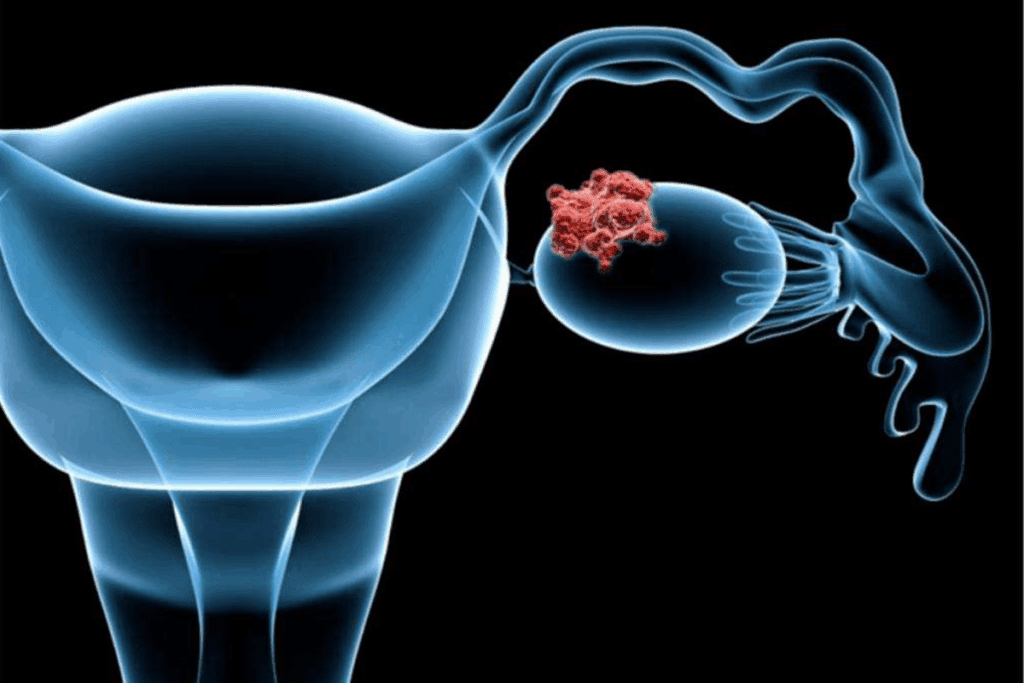
Knowing the prognosis for endometrial cancer is key for those diagnosed with locally advanced disease. A diagnosis of regionally advanced uterine adenocarcinoma can be scary.Get the critical facts on stage 3 endometrial cancer life expectancy. Our guide provides the clear prognosis data you need.
The American Cancer Society says the five-year survival rate for regional endometrial cancer is 70 percent. This shows how vital the right treatment and a skilled care team are for life expectancy.
At Liv Hospital, we aim to give top-notch oncology care. We use the latest academic protocols to treat patients with care and support.
Key Takeaways
- Regional endometrial cancer has a 70 percent five-year relative survival rate.
- Treatment selection significantly influences patient outcomes.
- The expertise of the care team plays a critical role in managing the disease.
- Understanding the prognosis helps patients make informed decisions.
- Liv Hospital offers complete oncology care for endometrial cancer patients.
Understanding Endometrial Cancer
It’s important to know about endometrial cancer for early detection and treatment. This cancer starts in the lining of the uterus. It’s treatable if caught early.
Definition and Basic Pathology
Endometrial cancer happens when abnormal cells grow in the uterus lining. Most cases are adenocarcinomas, coming from glandular cells. The most common type is endometrioid adenocarcinoma.
The cancer grows by invading deeper into the uterus. It can spread to other parts of the body. The stage at diagnosis is key to knowing the outcome.
Risk Factors and Prevalence
Several things increase the risk of endometrial cancer. These include obesity, hormonal imbalance, and genetic predisposition. Women with unopposed estrogen exposure are at higher risk. Other factors like early menarche, late menopause, and nulliparity also raise the risk.
Endometrial cancer is the most common uterine cancer and the fourth most common in women globally. It’s more common in developed countries. Knowing the risks and prevalence helps in prevention and screening.
Survival rates for endometrial cancer have gotten better thanks to better diagnosis and treatment. The outcome depends on the stage, type, and patient’s health.
The Staging System for Endometrial Cancer
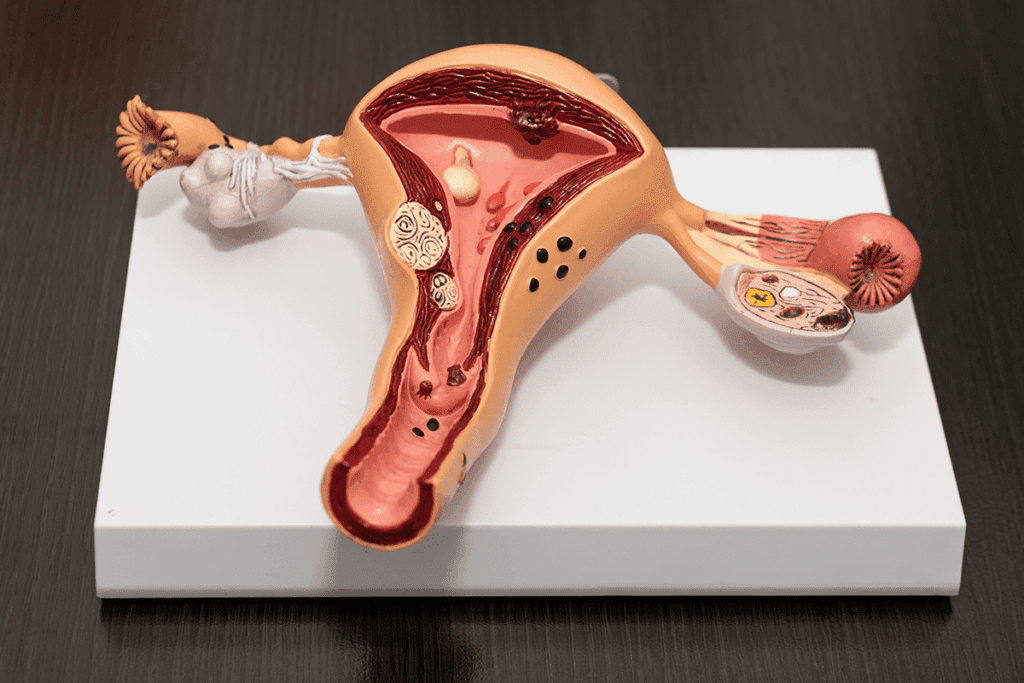
The International Federation of Gynecology and Obstetrics (FIGO) staging system is key in classifying endometrial cancer. It helps figure out the prognosis and treatment plans for patients.
FIGO Staging Overview
The FIGO system looks at the tumor’s size, how deep it goes into the myometrium, and if it has spread. It ranges from I to IV, with more details in each stage.
Key components of the FIGO staging system include:
- Tumor size and depth of myometrial invasion
- Involvement of the cervix or other nearby tissues
- Spread to lymph nodes or distant sites
Importance of Accurate Staging
Accurate staging is vital for several reasons. It helps figure out the prognosis or likely outcome for the patient. It also guides the treatment plan, including surgery, radiation, chemotherapy, or a mix of these.
Accurate staging ensures that patients get the right care for their specific condition. It also helps find patients who might benefit from clinical trials or more aggressive treatments.
The importance of accurate staging is clear in its impact on:
- Tailoring treatment to the individual’s disease extent
- Providing prognostic information to patients and their families
- Facilitating communication among healthcare providers
- Guiding follow-up care and surveillance
In conclusion, the FIGO staging system is a vital tool in managing endometrial cancer. Accurate staging is key for the best treatment approach and understanding the patient’s prognosis.
What Defines Stage 3 Endometrial Cancer
Stage 3 endometrial cancer is a serious stage. It means the cancer has spread to nearby tissues and lymph nodes. The cancer has moved beyond the uterus but is only in the pelvic area. Knowing about Stage 3 endometrial cancer is key to finding the right treatment and understanding the future.
Stage 3A: Spread to Uterine Serosa and/or Adnexa
In Stage 3A, the cancer has reached the outer layer of the uterus (serosa) and/or the adnexal structures. This includes the ovaries and fallopian tubes. This stage shows a more serious disease that needs a detailed treatment plan.
Stage 3B: Spread to Vagina or Parametrium
Stage 3B means the cancer has spread to the vagina and/or the parametrium. The parametrium is the tissue around the uterus. This shows the disease has progressed further, needing a careful check to see how far it has spread.
Stage 3C: Lymph Node Involvement
Stage 3C is when the cancer is in pelvic and/or para-aortic lymph nodes. The cancer in these lymph nodes means the disease has grown a lot. Lymph node involvement is a big factor in planning treatment and predicting the outcome. How many and where the lymph nodes are affected can change the treatment plan.
It’s important for doctors to understand these sub-stages to create a good treatment plan. The sub-stages help doctors see how serious the disease is. They help choose the best treatments, like surgery, radiation, and chemotherapy.
Stage 3 Endometrial Cancer Life Expectancy
Stage 3 endometrial cancer life expectancy is a big worry for patients and doctors. Knowing the prognosis and survival rates helps in making treatment and care choices.
Five-Year Relative Survival Rate
The five-year survival rate for stage 3 endometrial cancer is 70%. This means women with this cancer have a 70% chance of living at least five years after being diagnosed. This info comes from the American Cancer Society’s SEER database.
Median Survival Time
Median survival time is a key number. It shows the time when half of the patients have died, and the other half are alive. For stage 3 endometrial cancer, this time can change a lot based on the substage and other factors.
Statistical Variations by Substage
Stage 3 endometrial cancer is split into substages (3A, 3B, and 3C). Each substage has its own survival rate. The spread of cancer affects the outlook. For example, stage 3C, with lymph node metastasis, usually has a worse prognosis than stage 3A.
Substage | Five-Year Survival Rate |
Stage 3A | 65-75% |
Stage 3B | 50-65% |
Stage 3C | 40-55% |
These numbers show how vital accurate staging and personalized prognosis are. Health, age, and treatment response also greatly affect life expectancy.
Histological Types and Their Impact on Prognosis
Different types of endometrial cancer have different effects on how well a patient will do. Knowing the type of cancer is key to choosing the right treatment. It helps doctors make better decisions for their patients.
Low-Grade Endometrioid Adenocarcinoma
Low-grade endometrioid adenocarcinoma is the most common type. It usually has a good outlook. These cancers are well-differentiated and less likely to come back. People with this type often live longer than those with more aggressive cancers.
High-Grade Endometrioid Adenocarcinoma (Grade 3)
High-grade endometrioid adenocarcinoma (Grade 3) is more aggressive. It has poorly differentiated cells, which means it’s more likely to spread. Because of this, it needs more intense treatment to manage it well.
Non-Endometrioid Histologies
Non-endometrioid types like serous, clear cell, and carcinosarcoma are less common but more aggressive. They often show up later and have a worse outlook. Knowing the exact type is important for the right treatment plan.
The table below shows the five-year survival rates for different types of endometrial cancer. It highlights how the type of cancer affects survival chances.
Histological Type | Five-Year Survival Rate (%) |
Low-Grade Endometrioid Adenocarcinoma | 85-90 |
High-Grade Endometrioid Adenocarcinoma (Grade 3) | 50-60 |
Serous Carcinoma | 30-50 |
Clear Cell Carcinoma | 40-60 |
In summary, the type of endometrial cancer greatly impacts a patient’s prognosis. Accurate diagnosis is vital for the right treatment and better outcomes.
Factors Affecting Survival Rates in Stage 3 Endometrial Cancer
When you’re diagnosed with stage 3 endometrial cancer, many important factors come into play. These factors can greatly affect how long you might live. It’s key for both patients and doctors to know about these factors to make the best treatment choices.
Age at Diagnosis
How old you are when you’re diagnosed matters a lot. Younger patients usually have better chances of survival than older ones. This is because of health, other health issues, and how the tumor behaves.
Research shows younger patients often have fewer health problems. They can also handle tough treatments better, leading to better survival rates.
Overall Health and Comorbidities
Your overall health and any other health issues you have are very important. Big health problems, like diabetes or heart disease, can make treatments harder. This might affect how long you live.
Doctors look at your health to create a treatment plan that works for you. This helps improve your chances of living longer.
Extent of Lymph Node Involvement
How many lymph nodes are affected is also a big deal. The more nodes, the higher the risk of coming back and the lower the survival rate. Knowing how many nodes are involved helps doctors figure out the best treatment.
Molecular and Genetic Factors
Genetic and molecular factors are also key in predicting survival. Some genetic changes can affect how the tumor grows and how well it responds to treatment. For example, microsatellite instability or certain POLE gene mutations can be important.
Knowing these genetic details helps doctors tailor treatments. This can lead to better survival chances for stage 3 endometrial cancer patients.
In summary, survival in stage 3 endometrial cancer depends on many things. These include age, health, lymph node involvement, and genetic factors. Understanding these helps create effective treatment plans. This is key to improving patient outcomes.
Treatment Approaches for Stage 3 Endometrial Cancer
Patients with stage 3 endometrial cancer get treatments that fit their needs. A good plan often includes several treatments.
Surgical Interventions
Surgery is key in treating stage 3 endometrial cancer. We usually do a total hysterectomy with bilateral salpingo-oophorectomy. This means removing the uterus, cervix, ovaries, and fallopian tubes. Sometimes, we also remove affected lymph nodes or other tissues.
Radiation Therapy
Radiation therapy is vital for stage 3 endometrial cancer. It helps control the disease and prevent it from coming back. We might use external beam radiation therapy (EBRT) or brachytherapy, or both, based on the disease and patient factors.
Chemotherapy Options
Chemotherapy targets cancer that has spread. For stage 3 endometrial cancer, we often use chemotherapy with surgery and radiation therapy. This combination aims to improve treatment results.
Hormone Therapy
Hormone therapy is used for hormone receptor-positive tumors. We use it to slow cancer cell growth or as part of a treatment plan.
By combining these treatments, we create a plan that meets each patient’s needs. This approach aims to boost survival rates and improve quality of life for those with stage 3 endometrial cancer.
Treatment Outcomes and Survival Statistics
Looking at Stage 3 endometrial cancer treatment, we see survival rates depend on the treatment. Different treatments affect how well patients do.
Adjuvant Chemotherapy
Adjuvant chemotherapy is key for Stage 3 endometrial cancer. It boosts the five-year survival rate to 85.6%. This shows how vital chemotherapy is in fighting the disease.
The benefits of adjuvant chemotherapy include:
- Reduced risk of recurrence
- Improved overall survival rates
- Enhanced quality of life through effective disease management
Radiotherapy Alone
Radiotherapy alone is also used for Stage 3 endometrial cancer. It raises the five-year survival rate to 42.9%. Though lower than chemotherapy, it’s a good choice for some patients.
Key considerations for radiotherapy include:
- Localized treatment with minimal systemic side effects
- Effective for patients with specific tumor characteristics
- Potential for combination with other treatments to enhance outcomes
Combined Treatment Approaches
Using different treatments together can improve outcomes for Stage 3 endometrial cancer patients. This approach combines surgery, chemotherapy, and radiotherapy to meet each patient’s needs.
The advantages of combined treatment approaches include:
- Enhanced therapeutic efficacy
- Potential to address multiple aspects of the disease
- Improved patient outcomes through personalized care
In conclusion, the treatment outcomes and survival statistics for Stage 3 endometrial cancer vary based on the treatment chosen. Understanding these differences is key for informed patient care decisions.
Comparing Stage 3 to Other Stages of Endometrial Cancer
Looking at the stages of endometrial cancer shows us a lot about survival and treatment. It’s key for patients, doctors, and researchers to know these details. This helps in making the best choices for treatment and care.
Early-Stage (1-2) Survival Rates
Early-stage endometrial cancer, stages 1 and 2, has a much better survival rate. Studies show that the five-year survival rate for stage 1 is over 90%. For stage 2, the rate is also high but starts to drop as the cancer spreads more.
Stage 4 Metastatic Cancer Prognosis
Stage 4 endometrial cancer has spread to distant parts of the body. The outlook for stage 4 cancer is less hopeful than earlier stages. The five-year survival rate for stage 4 is often around 15-20%.
But, outcomes can vary a lot. This depends on health, treatment response, and cancer specifics.
Key Prognostic Differences
Several factors affect the outlook for endometrial cancer stages. These include how far the cancer has spread, lymph node involvement, grade, and metastasis. Accurate staging is vital for the right treatment and predicting results.
By comparing stage 3 to other stages, we learn about the disease’s progression. We see why early detection and effective treatment are so important. This comparison also shows the need for more research to improve outcomes for all endometrial cancer stages.
Follow-Up Care and Recurrence Monitoring
For those with Stage 3 endometrial cancer, follow-up care is key. It helps manage the risk of cancer coming back. Early detection through surveillance is vital for better survival and quality of life.
Surveillance Protocols
Survivors of endometrial cancer need regular check-ups. These include:
- Regular pelvic exams
- Imaging like CT scans and MRI
- Monitoring CA-125 levels
- Learning about symptoms of recurrence
These steps aim to catch recurrence early. Follow-up visits may lessen over time but are essential for long-term care.
Managing Recurrent Disease
Dealing with recurrent endometrial cancer requires a team effort. Treatments include surgery, radiation, chemotherapy, and hormone therapy. The right treatment depends on where the cancer came back, past treatments, and the patient’s health.
Key considerations for managing recurrent disease include:
- Checking how far and where the cancer has spread
- Looking at the patient’s health and any other health issues
- Thinking about past treatments and their results
- Talking about treatment goals and what the patient wants
Impact of Recurrence on Life Expectancy
The outlook for cancer coming back varies. It depends on where the cancer is, how long it takes to come back, and the treatments used. Early detection through regular check-ups can lead to better outcomes.
Life expectancy after recurrence is influenced by several factors, including:
- The stage and location of recurrence
- The success of treatments used to try to control it
- The patient’s overall health and any other health issues
Knowing these factors helps tailor care and manage hopes. It improves the quality of life for those who have beaten endometrial cancer.
Living with Stage 3 Endometrial Cancer
Living with stage 3 endometrial cancer means taking a full approach to manage the disease. It affects daily life in many ways. We must look at different aspects that impact a patient’s quality of life and well-being.
Quality of Life Considerations
Keeping a good quality of life is key for those with stage 3 endometrial cancer. It’s about managing symptoms, staying active, and doing things that bring joy. Effective symptom management is essential for a better quality of life.
- Regular exercise tailored to the patient’s ability
- Nutritional counseling to maintain strength and energy
- Pain management strategies
Symptom Management
Managing symptoms is a big part of living with stage 3 endometrial cancer. It includes handling pain, managing treatment side effects, and emotional challenges. Personalized care plans help reduce symptoms and improve life quality.
- Assessment of symptoms and treatment side effects
- Development of a personalized symptom management plan
- Ongoing monitoring and adjustments as needed
Psychological Support and Resources
Psychological support is very important for those with stage 3 endometrial cancer. It comes from healthcare professionals, support groups, and loved ones. Counseling and therapy help patients deal with the emotional and psychological effects of their diagnosis.
Some valuable resources include:
- Support groups for cancer patients
- Mental health professionals specializing in cancer care
- Online resources and forums
Patient Stories and Experiences
Listening to patients who have had stage 3 endometrial cancer offers insights and inspiration. Sharing stories and experiences helps us understand the challenges and opportunities of this diagnosis.
For example, a patient might talk about managing symptoms and treatment side effects. They can share practical tips and emotional support for others facing similar challenges.
By focusing on quality of life, symptom management, and psychological support, patients with stage 3 endometrial cancer can live more fulfilling lives. It’s about creating a supportive environment that cares for the whole person, not just the disease.
Conclusion
Knowing about stage 3 endometrial cancer life expectancy and prognosis is key. It helps both patients and doctors make better treatment choices. We’ve covered the main points about stage 3 endometrial cancer, like what it is, how it’s staged, and treatment results.
The five-year survival rate for stage 3 endometrial cancer is about 70%. But, this number can change based on several factors. These include the substage, age, overall health, and if lymph nodes are involved. Treatments like surgery, radiation, and chemotherapy are important for survival rates.
Getting personalized care and support is vital for stage 3 endometrial cancer patients. Knowing about the prognosis and treatment options helps patients manage their care better. This improves their life quality. We also stress the need for ongoing research and better treatments to boost survival rates.
FAQ
What is the five-year relative survival rate for stage 3 endometrial cancer?
The five-year survival rate for stage 3 endometrial cancer is about 70%. This means women with this cancer have a 70% chance of living five years after diagnosis. This is compared to women without the disease.
How does the substage of stage 3 endometrial cancer affect life expectancy?
The substage of stage 3 endometrial cancer greatly affects life expectancy. For example, stage 3A has a better prognosis than stage 3C. This is because stage 3C involves more lymph nodes. Knowing the substage helps doctors predict outcomes and plan treatments.
What are the histological types of endometrial cancer, and how do they impact prognosis?
Endometrial cancer types include low-grade endometrioid adenocarcinoma and high-grade endometrioid adenocarcinoma. There are also non-endometrioid types. Low-grade types usually have a better outlook. High-grade and non-endometrioid types are more aggressive and have worse outcomes.
How does age at diagnosis affect survival rates in stage 3 endometrial cancer?
Age at diagnosis is very important for stage 3 endometrial cancer. Younger patients are generally healthier and can handle treatments better. This leads to better survival rates compared to older patients.
What treatment approaches are available for stage 3 endometrial cancer?
Treatments for stage 3 endometrial cancer include surgery, radiation, chemotherapy, and hormone therapy. These can be used alone or together, depending on the disease and the patient’s health.
What is the significance of lymph node involvement in stage 3 endometrial cancer?
Lymph node involvement is very important in stage 3 endometrial cancer. It shows the cancer has spread beyond the uterus. The more lymph nodes involved, the worse the prognosis.
How does the overall health of a patient impact survival rates in stage 3 endometrial cancer?
A patient’s overall health and any comorbidities greatly affect survival rates in stage 3 endometrial cancer. Patients with fewer health issues and better overall health tend to live longer. They can better tolerate treatments.
What is the role of adjuvant chemotherapy in treating stage 3 endometrial cancer?
Adjuvant chemotherapy is key in treating stage 3 endometrial cancer. It targets any remaining cancer cells after surgery. Studies show it can improve survival rates, with a five-year survival rate of 85.6%.
How does stage 3 endometrial cancer compare to other stages in terms of prognosis?
Stage 3 endometrial cancer has a poorer prognosis than early-stage (1-2) disease but is better than stage 4 metastatic cancer. Understanding these differences is key for managing expectations and making treatment decisions.
What is the importance of follow-up care and recurrence monitoring in endometrial cancer survivors?
Follow-up care and monitoring for recurrence are vital for endometrial cancer survivors. They help catch recurrence early and treat it promptly. Regular checks help manage the disease and improve quality of life.
How does recurrence impact life expectancy in endometrial cancer?
Recurrence greatly affects life expectancy in endometrial cancer. It often means the disease is more aggressive or resistant to treatments. The site, extent, and timing of recurrence are key in determining prognosis and treatment.
What are the key considerations for improving quality of life in patients with stage 3 endometrial cancer?
Improving quality of life for stage 3 endometrial cancer patients involves managing symptoms, providing psychological support, and accessing resources. Patient stories highlight the importance of holistic care and support.
References
National Center for Biotechnology Information. Evidence-Based Medical Guidance. Retrieved from https://www.ncbi.nlm.nih.gov/pmc/articles/PMC9827697/