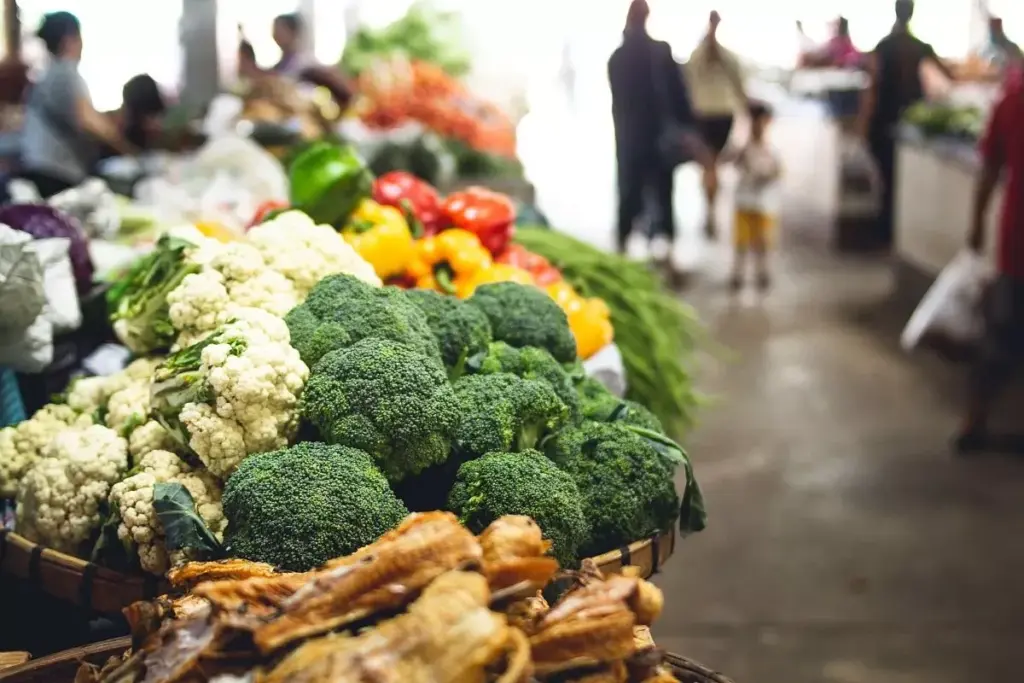
For cancer patients, what they eat is very important. It helps them get better and feel better. At Liv Hospital, we know how key good food is in their fight against cancer. Managing stage 4 cancer requires a careful diet. Learn which specific foods patients should avoid to stay strong and support their treatment.
It’s important to stay away from processed meats like hot dogs and sausages. The WHO says they are very bad for you. Also, eating less added sugars and refined carbs helps avoid cancer and other health problems.
We suggest eating more whole, plant-based foods. This helps cancer patients stay healthy and strong. Making smart food choices can help them through their cancer journey.
Key Takeaways
- Avoid highly processed foods, including red and processed meats.
- Limit added sugars and energy-dense fast food.
- Opt for a diet rich in whole, plant-based foods.
- Personalized nutrition support is key for cancer patients.
- Liv Hospital offers complete care and nutrition advice.
The Critical Connection Between Diet and Cancer
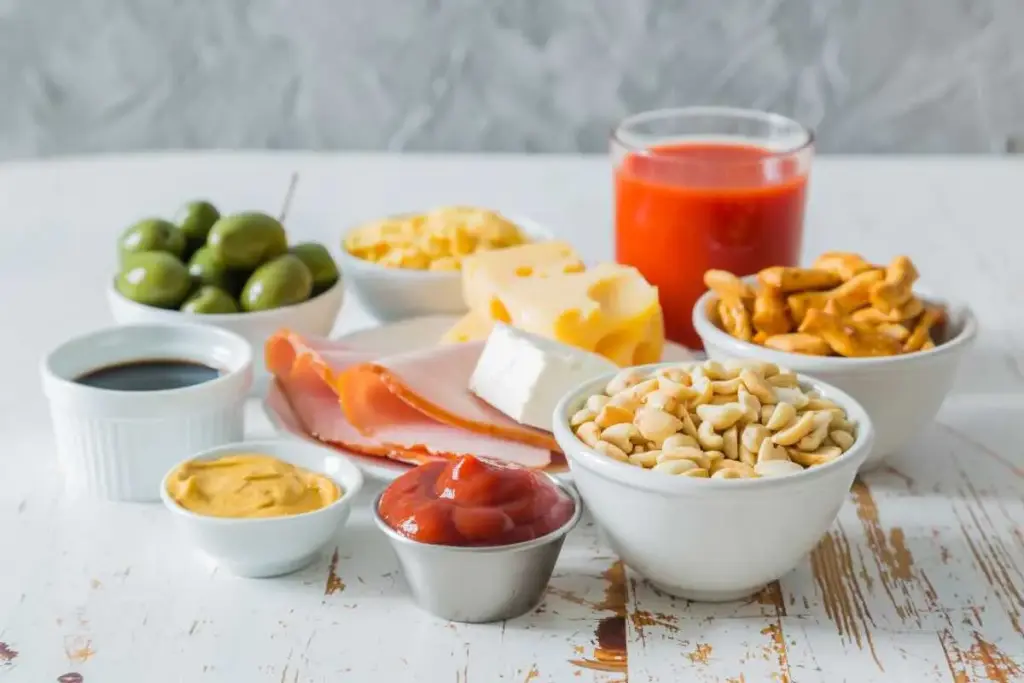
It’s key to understand how diet affects cancer. What we eat can help or harm cancer growth. Studies show that diet is a big part of fighting cancer.
How Food Choices Impact Cancer Progression
Our food choices greatly affect how cancer grows. Some nutrients help cancer cells grow, while others stop them. For example, research shows that eating less of certain amino acids can change how cancer cells work. Raw nutrition and eating plants are seen as good for fighting cancer.
The Science Behind Nutritional Oncology
Nutritional oncology studies how diet affects cancer. It looks at how nutrients and eating habits can change cancer cell growth. Adenocarcinoma cancer, a common type, has been studied with diet changes. This shows that diet can really make a difference in cancer treatment.
Also, plant therapy essential oils are being looked at for their anti-cancer effects. Even though there’s no single cure for cancer, changing what we eat can help a lot.
Nutritional Priorities for Stage4 Cancer Patients
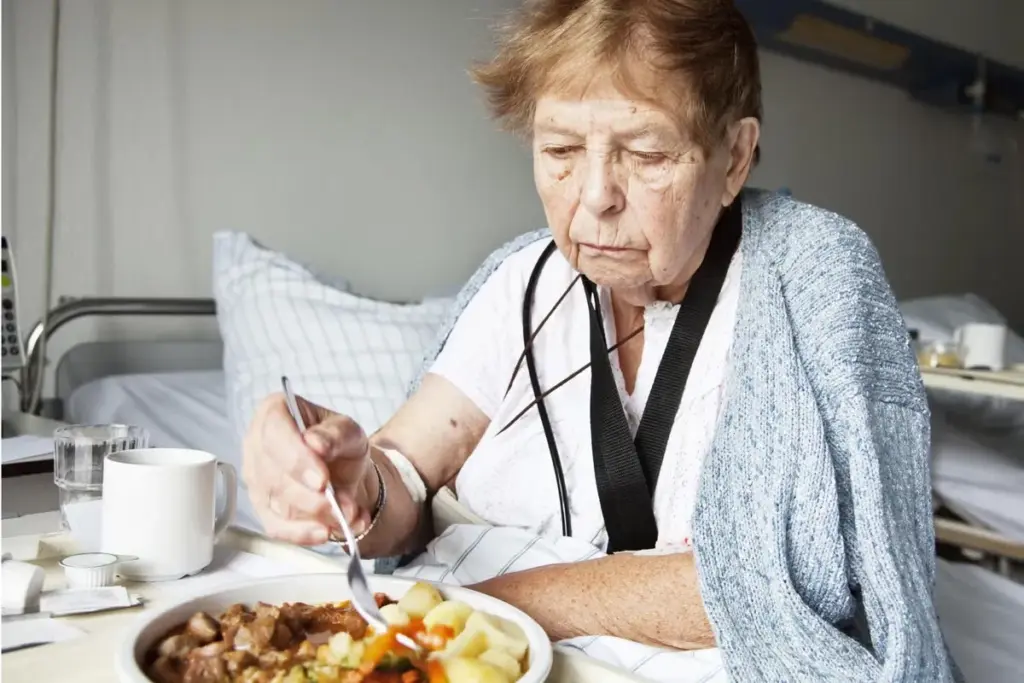
Stage 4 cancer patients need a special diet to help with treatment side effects. They face unique dietary challenges that affect their quality of life. We will look at the nutritional priorities for these patients, focusing on managing side effects and improving well-being.
Unique Dietary Challenges in Advanced Cancer
Stage 4 cancer patients often deal with nausea, fatigue, and loss of appetite. These symptoms make it hard to get enough nutrition. Personalized nutritional planning is key to addressing these challenges.
Balancing Nutrition and Treatment Side Effects
It’s important to balance nutrition with treatment side effects for stage 4 cancer patients. Some foods can make side effects worse, while others can help. For example, foods that boost metabolism can help with fatigue from chemotherapy.
Managing Chemo Side Effects Through Diet
Managing chemotherapy side effects through diet is vital for stage 4 cancer patients. Foods high in protein, vitamins, and minerals can help. For instance, foods rich in antioxidants can reduce oxidative stress from chemotherapy.
|
Nutritional Element |
Benefit |
Food Sources |
|---|---|---|
|
Protein |
Supports muscle mass and strength |
Lean meats, fish, eggs, dairy |
|
Antioxidants |
Reduces oxidative stress |
Fruits, vegetables, nuts |
|
Omega-3 Fatty Acids |
Reduces inflammation |
Fatty fish, flaxseeds, walnuts |
By adding these nutritional elements to their diet, stage 4 cancer patients can manage side effects better. It’s important to work with healthcare providers to create a personalized nutrition plan.
Processed Meats: A Significant Cancer Risk
Processed meats are classified as Group1 carcinogens by the World Health Organization (WHO). This means they are considered to be carcinogenic to humans. They are linked to an increased risk of certain cancers.
WHO Classification as Group1 Carcinogens
The WHO says processed meats are Group1 carcinogens. This is because research shows a clear link between these meats and colorectal cancer. They are in the same risk category as tobacco and asbestos, showing their danger.
Common Processed Meats to Eliminate
Cancer patients should avoid certain processed meats to lower their risk. Deli meats and sausages, like hot dogs and bacon, are big concerns.
Deli Meats and Lunch Meats
Deli meats and lunch meats, such as ham and salami, are risky. They are preserved with nitrates and nitrites. These can form carcinogenic compounds in the body.
Sausages, Hot Dogs, and Bacon
Sausages, hot dogs, and bacon are also high-risk for cancer patients. They are full of saturated fats and preservatives linked to cancer. Cooking them at high temperatures can create more carcinogens.
Knowing the risks of processed meats helps cancer patients make better food choices. This can help them manage their health and possibly lower cancer risk.
Red Meat Consumption and Cancer Progression
Studies show that eating a lot of red meat might raise the risk of colorectal cancer. For cancer patients, knowing how food choices affect treatment and health is key.
The Link Between Red Meat and Colorectal Cancer
Research links eating a lot of red meat to a higher risk of colorectal cancer. This is because cooked red meat contains harmful compounds.
Healthier Protein Alternatives for Cancer Patients
We suggest looking into better protein sources than red meat. Plant proteins are great, as they offer important nutrients without the risks of red meat.
Plant Proteins Like Avocados and Legumes
Avocados and legumes are packed with protein, fiber, and vitamins. Adding them to your diet can help with cancer symptoms and boost your health.
- Avocados are a good source of healthy fats and protein.
- Legumes, such as lentils and chickpeas, are rich in fiber and essential nutrients.
Ultraprocessed Foods and Their Impact on Cancer Mortality
Ultraprocessed foods are linked to cancer progression and mortality. They are a big concern in nutritional oncology. The link between diet and cancer is complex. But, it’s clear that eating ultraprocessed foods can harm cancer patients a lot.
Defining Ultraprocessed Foods
Ultraprocessed foods are made with lots of industrial processing. They have unhealthy fats, sugars, and preservatives. Examples include packaged snacks, frozen meals, and sugary drinks. These foods are easy to eat but often lack nutrients.
How These Foods Increase Cancer Recurrence Rates
Eating a lot of ultraprocessed foods can raise cancer recurrence risk. This is because of harmful additives, high sugar, and missing nutrients. Studies show that eating these foods can lead to more cancer coming back and higher death rates.
Hidden Ultraprocessed Foods in the American Diet
It’s hard to avoid ultraprocessed foods because they’re everywhere. Many foods that seem healthy are actually processed. It’s key for cancer patients to check food labels and know what’s in their food. Hidden sources include breakfast cereals, flavored yogurts, and some breads.
To lower risks from ultraprocessed foods, cancer patients should eat more whole foods. This means fruits, vegetables, whole grains, and lean proteins. By choosing better foods, patients can lower their cancer risk and live longer.
Added Sugars: Fueling Cancer Growth
Added sugars are key in helping cancer cells grow and work. Eating too much sugar can harm cancer patients. It can make tumors grow and make treatments harder.
The Relationship Between Sugar and Cancer Metabolism
Cancer cells need glucose for energy, a fact known as the Warburg effect. This means eating a lot of sugar can help cancer grow. Studies show that cutting down on sugar is important for managing cancer.
Common Sources of Hidden Sugars
Finding hidden sugars is key for cancer patients. Here are some common places to look:
- Sugary drinks like soda and sports drinks
- Baked goods and pastries
- Processed snacks and cereals
- Flavored yogurts and sauces
Reading Labels to Identify Added Sugars
To avoid added sugars, reading food labels is important. Look for these terms:
- High fructose corn syrup
- Sucrose
- Agave nectar
- Maltose
Knowing these names helps patients make better food choices. It helps them limit their sugar intake.
Understanding how added sugars affect cancer and knowing how to spot them is a big step. It helps patients manage their condition and improve their health.
Refined Grains and Their Effect on Cancer Progression
Refined grains play a big role in how cancer grows. They lack the nutrients and fiber found in whole grains. This can harm the health of those with cancer.
Why Refined Carbohydrates Are Problematic
Refined carbs, like white bread and sugary snacks, are bad for cancer patients. They raise blood sugar levels, helping cancer cells grow. They also lack important nutrients and fiber, leading to poor diet choices.
Some key issues with refined carbohydrates include:
- High glycemic index, causing blood sugar spikes
- Lack of fiber, leading to poor digestive health
- Inadequate nutrient profile, displacing more nutritious food options
Whole Grain Alternatives and Fiber Supplements
Whole grains like brown rice, quinoa, and whole wheat bread are better choices. They are full of fiber, vitamins, and minerals. These nutrients help keep you healthy and manage cancer treatment side effects.
Fiber supplements can also help. They are good when you don’t get enough fiber from food. They keep your bowels healthy and support your gut.
When Fiber Pills May Be Beneficial
Fiber pills might help if you have ongoing digestive problems or if treatment affects your bowels. But, always talk to your doctor before taking any supplements.
Choosing whole grains and using fiber supplements when needed helps cancer patients. It supports their treatment and overall health.
Foods That Contribute to Inflammation and Cancer Growth
It’s important to know how diet affects cancer. Some foods can make inflammation worse, speeding up cancer growth. We need to know which foods to avoid to stay healthy and manage cancer.
Inflammatory Oils to Avoid
Some oils can cause inflammation because of their unhealthy fats. We should watch out for these oils.
Processed Vegetable Oils vs. Grapeseed Oil
Processed vegetable oils have too many omega-6 fatty acids, leading to inflammation. Grapeseed oil, on the other hand, is better because it has a balanced mix of fats.
Trans Fats and Hydrogenated Oils
Trans fats and hydrogenated oils are very bad. They cause inflammation and harm our hearts. We should stay away from foods with these fats.
Metabolism-Slowing Foods to Limit
Some foods slow down our metabolism, making it harder to fight cancer. These include processed foods with unhealthy fats and sugars.
|
Food Type |
Impact on Inflammation |
Recommendation |
|---|---|---|
|
Processed Vegetable Oils |
High in omega-6, potentially increasing inflammation |
Limit consumption |
|
Grapeseed Oil |
Balanced fatty acid profile, less inflammatory |
Preferable choice |
|
Trans Fats and Hydrogenated Oils |
Significantly increase inflammation and health risks |
Avoid completely |
By choosing the right oils and fats, we can lower inflammation. This helps us stay healthy while fighting cancer.
Alcohol Consumption and Cancer Risk
Alcohol is linked to many cancers, making it a major concern. The way alcohol affects cancer is complex. It involves several steps that can raise cancer risk.
The Mechanisms Behind Alcohol’s Cancer Connection
Studies have found several ways alcohol can lead to cancer. Alcohol metabolism creates acetaldehyde, a harmful substance. It can damage DNA and proteins, causing cancer mutations. Also, alcohol can increase levels of certain hormones, like estrogen. This is linked to a higher risk of hormone-related cancers, like breast cancer.
Drinking alcohol can also make it harder for the body to absorb essential nutrients. This adds to the risk of cancer. The International Agency for Research on Cancer (IARC) has labeled alcohol as a Group 1 carcinogen. This means it is known to cause cancer in humans.
Guidelines for Cancer Patients Regarding Alcohol
Cancer patients should limit or avoid alcohol. The American Cancer Society suggests talking to a doctor about alcohol use. Important points to consider include:
- Avoid alcohol during treatment to avoid drug interactions.
- Drink less to lower cancer risk of coming back or getting worse.
- Talk to a doctor about alcohol use to understand its effects.
By knowing the risks of alcohol and following doctor’s advice, cancer patients can make better choices. This supports their health and treatment success.
Building a Cancer-Fighting Nutrition Plan
Creating a plan to fight cancer means understanding how diet affects cancer. A good plan can help manage symptoms and improve health. It might even help treatment work better.
Raw Nutrition and Plant-Based Approaches
We stress the value of raw nutrition and plant-based diets in fighting cancer. These diets focus on eating foods that are full of nutrients. Plant-based diets are good for health and may help with cancer management.
- Eat a variety of fruits and vegetables.
- Choose whole grains over refined ones.
- Legumes and nuts are great for protein and healthy fats.
Metabolism Boosting Foods for Cancer Patients
Some foods can boost metabolism, which is key for cancer patients. Green tea is known for its metabolism-boosting effects. Other foods that help include:
- Citrus fruits like oranges and lemons.
- Leafy greens such as spinach and kale.
- Fatty fish rich in omega-3 fatty acids.
Liv Hospital’s Approach to Preventive Nutrition in Oncology
At Liv Hospital, we take a detailed approach to nutrition in oncology. Our team works with patients to create personalized nutrition plans. These plans are made to fit each patient’s needs and treatment.
Personalized Nutrition Support for Cancer Treatment
Personalized nutrition support is key in our oncology program. We know each patient’s nutritional needs are different. We offer tailored advice to help manage side effects and support health.
Conclusion: Empowering Cancer Patients Through Nutrition
Helping cancer patients make smart food choices is key to their care. Knowing how diet affects cancer can help them make better decisions. This can improve their health and life quality.
At Liv Hospital, we focus on the whole picture of cancer care, including nutrition advice. Eating whole, nutritious foods and avoiding bad ones helps patients take charge of their health. Our goal is to show how important nutrition is in fighting cancer.
By choosing the right foods, cancer patients can help their treatment work better. We urge patients to work with doctors to create a diet plan that fits their needs.
FAQ
What foods should cancer patients avoid to improve their prognosis?
Cancer patients should avoid foods like processed meats, red meats, added sugars, and refined grains. These foods can harm their health and increase cancer risk.
Are processed meats safe for cancer patients to consume?
No, processed meats are not safe for cancer patients. The WHO classifies them as Group1 carcinogens. They should avoid foods like deli meats, sausages, hot dogs, and bacon.
Can red meat consumption affect cancer progression?
Yes, eating red meat can increase the risk of colorectal cancer. Cancer patients can try healthier protein sources like avocados and legumes.
What are ultraprocessed foods, and how do they impact cancer mortality?
Ultraprocessed foods are high in unhealthy fats, sugars, and preservatives. They can raise cancer recurrence and mortality rates. Examples include packaged snacks, frozen meals, and sugary drinks.
How do added sugars affect cancer growth and metabolism?
High sugar intake can help cancer cells grow. Cancer patients should watch their sugar intake. They should limit hidden sugars in drinks, baked goods, and processed snacks.
Are refined grains problematic for cancer patients?
Yes, refined grains lack fiber and nutrients, which can harm cancer progression. Whole grains are better. Fiber supplements can also help when diet is lacking.
What types of oils should cancer patients avoid?
Cancer patients should avoid oils that cause inflammation, like processed vegetable oils. Grapeseed oil is a healthier choice.
Can alcohol consumption affect cancer risk?
Yes, alcohol can increase the risk of certain cancers. Cancer patients should talk to their doctor about alcohol use.
What are some metabolism-boosting foods that can benefit cancer patients?
Foods high in protein and fiber can help manage symptoms and support health. Adding these foods to their diet can be beneficial.
How can cancer patients get personalized nutrition support?
Liv Hospital offers personalized nutrition plans for cancer patients. This tailored approach can improve outcomes and quality of life.
Do avocados have protein?
Yes, avocados are a good protein source. They can be a nutritious part of a cancer patient’s diet.
Is mayo considered a dairy product?
No, mayonnaise is not a dairy product. It’s made from egg yolks, oil, and vinegar or lemon juice.
Can vitamins help with weight loss during cancer treatment?
Some vitamins can aid in weight loss and health during treatment. But, cancer patients should talk to their doctor before taking supplements.
How can plant therapy essential oils be used to support cancer patients?
Essential oils from plants can support well-being and manage symptoms. But, they should be used with a healthcare professional’s guidance.
What are some common chemo side effects that can be managed through diet?
Diet changes can help manage side effects like nausea and fatigue. Cancer patients should work with a healthcare provider to create a personalized nutrition plan.
Can fiber pills be beneficial for cancer patients?
Fiber pills might be beneficial in some cases, with medical guidance. They can support digestive health and overall well-being.
What are some metabolism-boosting foods that can support cancer patients?
Foods high in protein and fiber can support health and manage symptoms. These foods are beneficial for cancer patients.
References
National Center for Biotechnology Information. Evidence-Based Medical Insight. Retrieved from https://pmc.ncbi.nlm.nih.gov/articles/PMC526387/[4