
When end-stage cancer care is the main focus, knowing how long patients stay in palliative care is key. It’s important for both patients and their families. Each person’s journey through terminal cancer support is different.
Recent studies have shown that advanced cancer patients in palliative care usually live about 35.2 days on average. But, how long someone stays can change a lot. It depends on where they get care and how their health is doing.
Looking into what affects how long someone stays in palliative care shows us something important. Knowing these things can help patients and their families better understand the care process.
Key Takeaways
- The average length of stay in palliative care for cancer patients varies by setting.
- Recent studies indicate a mean survival period of approximately 35.2 days.
- Individual prognosis and care setting are key factors influencing length of stay.
- Understanding these factors can help patients navigate the care process.
- Palliative care support is tailored to the unique needs of each patient.
The Purpose and Scope of Palliative Care for Cancer Patients
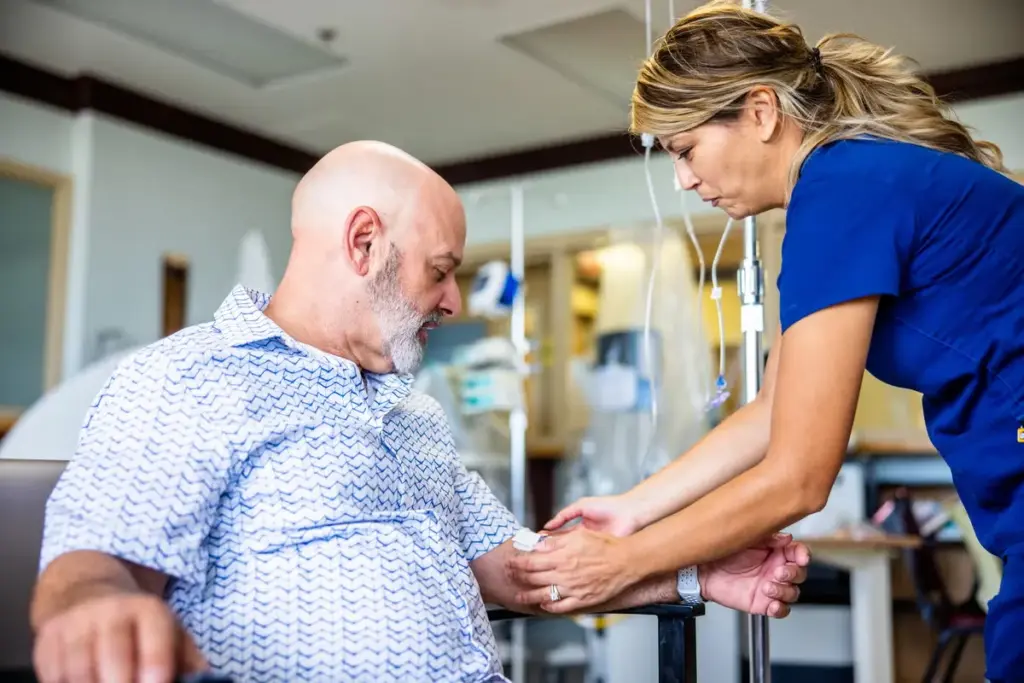
Palliative care helps those with serious illnesses like cancer feel better. It aims to improve life quality for patients and their families.
Definition and Goals of Palliative Care
Palliative care uses a multidisciplinary team approach. This team includes doctors, nurses, and more. They focus on physical, emotional, and social needs.
Their goals are to manage pain and symptoms. They also help patients make informed care decisions. Plus, they offer emotional and spiritual support.
When Palliative Care Becomes Appropriate
Palliative care can start at any cancer stage, even with curative treatments. It’s key for those with advanced cancer or when treatments fail. The National Cancer Institute says it helps with advanced cancer challenges.
The Multidisciplinary Team Approach
Palliative care is known for its multidisciplinary team approach. This team has many healthcare professionals. They work together to create a care plan that meets the patient’s needs.
Understanding palliative care helps cancer patients and families. It offers a supportive approach that improves life quality for those with cancer.
Average Duration of Palliative Care for Cancer Patients

The time a cancer patient spends in palliative care varies. This depends on the type and stage of cancer. Knowing these factors helps in giving the right care and support.
Mean Survival Rate of 35.2 Days Overall
Studies show that cancer patients in palliative care live about 35.2 days on average. This number helps doctors estimate how long a patient might live. It also helps in planning their care.
Every patient’s case is different. Survival times can change a lot based on many factors. The 35.2-day average gives a starting point. We will look at other factors that affect how long a patient stays in palliative care.
Variations Based on Cancer Type and Stage
The type and stage of cancer greatly affect how long a patient stays in palliative care. For example, some cancers grow fast and may shorten a patient’s life. Others grow slower, giving patients more time.
|
Cancer Type |
Average Survival Period |
|---|---|
|
Pancreatic Cancer |
25 days |
|
Lung Cancer |
30 days |
|
Breast Cancer |
40 days |
This table shows how different cancers affect survival times. It shows why care needs to be tailored for each patient.
Interpreting Survival Statistics in Clinical Context
Survival stats, like the 35.2-day average, are useful for doctors. But, they must be seen in the light of each patient’s situation. This includes their health, past treatments, and what they want.
Looking at the end-stage cancer symptoms timeline and the patient’s last 24 hours is key. This helps in giving care that is both compassionate and complete. It supports patients and their families during this time.
Home-Based Palliative Care Duration and Services
Home-based palliative care is a caring way to help those with advanced cancer at home. It lets patients get support that fits their needs.
51-Day Average Stay in Home Palliative Settings
Research shows patients in home care stay about 51 days on average. This time can change based on each patient’s needs. The 51-day average gives a rough idea of how long care at home might last.
|
Care Setting |
Average Length of Stay |
Key Services |
|---|---|---|
|
Home-Based Palliative Care |
51 days |
Pain management, symptom control, emotional support |
|
Hospital-Based Palliative Care |
26.9 days |
Intensive symptom management, multidisciplinary team support |
|
Hospice Care |
9.1 days |
End-of-life care, comfort measures, family support |
Benefits of Receiving Care at Home
Getting care at home has many benefits. It lets patients stay in a familiar place, feel more comfortable, and keep a sense of normalcy. Home care also means care can be more flexible and family can be more involved.
Key benefits of home-based palliative care include:
- Increased patient comfort and satisfaction
- Greater flexibility in care scheduling
- Enhanced family involvement in care decisions
- Improved emotional and psychological support
Support Systems Required for Home Care
Good home care needs a strong support team. This includes family, caregivers, and healthcare professionals. Together, they provide care that meets the patient’s physical, emotional, and social needs.
Adequate support systems are key for successful home care. They ensure patients get the right medical equipment, manage their meds, and have help with symptoms and other needs 24/7.
Hospital-Based Palliative Care Length of Stay
Hospital-based palliative care is key in managing symptoms and improving life quality for those with serious illnesses. The stay time can change a lot based on different factors.
Average Duration in Hospital Settings
Research shows the average stay in these care settings is about 26.9 days. This time is enough for a full check-up and managing complex needs.
Let’s look at how stay times differ between inpatient units and consultative services.
Inpatient Palliative Units vs. Consultative Services
Inpatient units focus on patients with serious illnesses, using a team approach. On the other hand, consultative services help primary care teams with advice.
|
Care Setting |
Average Length of Stay |
Primary Focus |
|---|---|---|
|
Inpatient Palliative Units |
Typically longer stays |
Comprehensive symptom management |
|
Consultative Services |
Variable, often shorter stays |
Advisory support to primary care teams |
Reasons for Shorter Hospital Stays
Several reasons lead to shorter stays in palliative care. These include:
- Effective symptom management allowing for discharge to other care settings
- Transition to home-based palliative care when appropriate
- Coordination with hospice services for end-of-life care
Knowing these reasons helps us improve care paths for patients. This ensures they get the right support during their stay.
Hospice Care Duration for US Cancer Patients
Knowing how long hospice care lasts helps cancer patients and their families make better choices. Hospice care offers support for those with terminal illnesses. It focuses on comfort, pain relief, and emotional support.
In the US, cancer patients usually stay in hospice for 9.1 days. About 11% stay for under three days. This shows the importance of getting hospice care early to get the most out of it.
Average Hospice Stay
The average stay of 9.1 days for cancer patients in hospice is short. Many are referred late in their illness. This short time can make it hard to manage symptoms and offer emotional support.
Late Referrals and Care Quality
Referring patients to hospice care late can hurt the quality of care. Short stays make it tough for doctors to fully understand and meet patients’ needs. Research shows longer hospice stays lead to better symptom control and care satisfaction.
Optimal Timing for Hospice Enrollment
When to start hospice care is key for quality end-of-life care. Patients should be referred when their disease no longer responds to treatment and symptoms are severe. Early referral helps manage symptoms better, allows for emotional and spiritual preparation, and boosts patient and family satisfaction.
To make hospice care better, healthcare providers should:
- Spot patients who need hospice care early.
- Refer patients to hospice care on time.
- Make sure patients and families know what hospice care offers.
By improving when hospice care starts, we can make life better for cancer patients and their families at the end of their illness.
Factors Influencing Length of Stay in Palliative Care
It’s important to know what affects how long patients stay in palliative care. The time spent in palliative care can vary a lot for cancer patients. This is because of many different factors.
Cancer Type and Metastatic Patterns
The kind of cancer and how it spreads are key in figuring out how long care lasts. Some cancers grow fast and spread quickly, while others grow slower. This affects how long a patient needs palliative care.
Table: Average Length of Stay in Palliative Care by Cancer Type
|
Cancer Type |
Average Length of Stay (Days) |
|---|---|
|
Pancreatic Cancer |
30 |
|
Breast Cancer |
45 |
|
Lung Cancer |
38 |
Patient Age and Comorbidities
How old a patient is and any other health issues they have also matter. Older patients or those with more health problems might need more care. This can make their stay in palliative care longer.
“The presence of comorbidities can significantly impact the palliative care needs of cancer patients, necessitating a more detailed care plan.”
A healthcare professional
Treatment History and Response
What treatments a patient has had and how they responded to them also play a part. Patients who have tried many treatments and didn’t get better might need more care. This can make their stay in palliative care longer.
Socioeconomic and Access Factors
Money and access to healthcare can also affect how long a patient stays in palliative care. Patients who have trouble getting to healthcare might wait longer to get the care they need. This can affect how long they stay in palliative care.
We know these factors work together in complex ways. Understanding them is key to giving the best care to cancer patients. By looking at these factors, doctors can tailor care to meet each patient’s needs better.
Prognostic Tools for Estimating Survival in Palliative Care
Prognostic tools are key in palliative care. They help doctors make better decisions for patient care. They also help patients and families understand what to expect.
The Palliative Prognostic Score System
The Palliative Prognostic Score (PaP) is a common tool in palliative care. It uses a patient’s health and lab results to guess how long they might live. This score helps doctors and patients plan for the future.
Key components of the PaP Score include:
- Clinical prediction of survival by the physician
- Patient-reported symptoms such as dyspnea
- Laboratory values including white blood cell count and lymphocyte percentage
Identifying Patients with Days, Weeks, or Months of Survival
Tools like the PaP Score help figure out how long patients might live. Knowing this helps plan care and support. It’s important for managing symptoms and providing support.
Accurate survival estimation allows for:
- Better planning of care and treatment options
- Enhanced patient and family support
- More effective use of healthcare resources
Limitations of Prognostic Prediction
Even with tools, predicting survival in palliative care is tricky. Illnesses are complex, and many factors can affect how long someone lives. This includes how the disease progresses and how well the patient responds to treatment.
Challenges in prognostic prediction include:
- Variability in disease progression
- Unpredictable patient response to treatment
- The need for continuous reassessment
Knowing these challenges helps doctors provide better care. They can offer more personalized and caring support to patients in palliative care.
Stage4 Cancer Final Weeks: Symptom Progression and Management
Knowing how stage 4 cancer symptoms change in the final weeks is key. It helps us give the best care and support. As the disease gets worse, patients face many physical and emotional changes. These need careful handling.
Physical Changes in the Last Month
In the last month, stage 4 cancer patients see big physical changes. They might lose weight, feel very tired, and move less. Simple tasks become hard. Sleep patterns also change, with some feeling very sleepy or unable to sleep.
As the disease gets worse, symptoms like pain, nausea, and trouble breathing get worse too. We adjust pain management and other care to help. Our goal is to support patients well in managing these symptoms.
Final Two Weeks Symptom Timeline
In the last two weeks, symptoms get even more severe. Patients might feel weaker, confused, and have trouble swallowing. We help patients and their families with these issues, focusing on nutrition, hydration, and comfort.
Managing symptoms well in this time is very important. We focus on effective pain control and other comfort measures. This might include medicines, therapies, and care plans made just for the patient.
Last 48-72 Hours Before Death
In the last 48-72 hours, patients go through big changes. They might become less aware, have different breathing, and be less responsive. We support and guide families during this tough time, helping them know what to expect and how to care for their loved ones.
Our team is committed to supporting patients and their families in the final stages of stage 4 cancer. By understanding symptom changes and management, we offer compassionate and effective care. We focus on the patient’s comfort and dignity.
The Problem of Late Palliative Care Initiation
Late start of palliative care is a big issue. It affects how well patients do and their quality of life. We must tackle the challenges of starting palliative care on time.
Current Timing of Palliative Care Referrals
Palliative care is often started too late. This can mean missing chances for better symptom control and support. We must find out why referrals are delayed to better care for patients.
The time from referral to death varies a lot. For example, hospice care for US cancer patients lasts about 9.1 days. Some are enrolled for just under three days. This shows referrals are made very late.
Barriers to Earlier Integration
Several things make starting palliative care late. These include:
- It’s hard to know when to start because of uncertainty about how long someone will live
- Some healthcare providers and patients don’t understand the benefits of palliative care
- There’s a stigma around palliative care, seen as giving up on finding a cure
- Healthcare systems can make it hard to add palliative care smoothly
To fix these problems, we need to educate everyone, change how we see palliative care, and make healthcare systems better for early integration.
Benefits of Earlier Palliative Intervention
Starting palliative care early can make a big difference. It can improve how patients feel, make them and their families happier with care, and even help them live longer. The benefits include:
- Managing symptoms better and reducing how bad they are
- Patients and families being more satisfied with care
- More support for patients and their families, including emotional help
- Using healthcare resources better, which can cut down on unnecessary hospital stays and treatments
By starting palliative care early, we can offer more complete and supportive care. This care fits what patients need and want.
Transitioning Between Different Care Settings
Changing care settings is a complex task that needs careful planning. Cancer patients often move from hospital to home care or from home to inpatient hospice. These changes can be tough for patients and their families, requiring adjustments in care plans and emotional readiness.
From Hospital to Home Care
Going from hospital to home care involves several important steps. A detailed discharge plan is key, covering follow-up care, medication, and sometimes home health services. “A well-coordinated discharge plan is vital for ensuring patients get the right care at home,” says a leading palliative care expert. Good communication between hospital staff, patients, and families is essential for a smooth transition.
From Home to Inpatient Hospice
Some patients may need to move from home care to inpatient hospice care. This is often due to worsening illness or when family caregivers need more help. Inpatient hospice offers constant professional care, giving families a break and ensuring patients get the right end-of-life care.
Coordination Challenges Between Settings
One big challenge in care transitions is coordinating care between settings. Research shows that poor coordination can cause gaps in care, misunderstandings, and stress for patients and families. To tackle this, healthcare is moving towards integrated care models. These models help with better communication and coordination across different care environments.
By understanding the complexities of care transitions and using effective strategies, we can enhance care quality for cancer patients and their families. This ensures they get the support they need during these critical times.
Quality of Life Measures During Palliative Care Period
In palliative care, keeping patients comfortable and happy is key. This care focuses on physical comfort, emotional well-being, and keeping personal dignity. It’s all about making life better for those with advanced cancer.
Pain and Symptom Management Effectiveness
Managing pain and symptoms well is central to palliative care. Studies prove that good symptom control boosts patient happiness and satisfaction. We follow the latest guidelines to give patients the best care.
Effective symptom management needs a team effort. This includes medicines, physical therapy, and things like acupuncture and massage. By tackling symptoms early, we make patients more comfortable and improve their life quality.
Psychological and Emotional Well-being
Palliative care also looks after patients’ mental health. We offer counseling, support groups, and family therapy for emotional support. We know that dealing with cancer’s emotional side is just as vital as managing physical symptoms.
Emotional well-being gets a boost from therapies like cognitive-behavioral therapy and mindfulness. These help patients deal with the stress and fear of advanced cancer.
Maintaining Dignity and Patient Preferences
Keeping patient dignity is a big part of palliative care. We listen to patients and their families to understand their wishes. This helps us support them in making care choices that fit their values.
By focusing on patient-centered care, we make sure care matches what patients want. This not only makes patients happier but also improves their overall life quality.
Family Satisfaction with Care
Happy families are a sign of good palliative care. We keep families updated and involve them in care plans. We also offer support, like education and emotional help, and respite care.
|
Aspect of Care |
Description |
Benefit |
|---|---|---|
|
Pain Management |
Effective use of medications and therapies to manage pain |
Improved patient comfort and quality of life |
|
Symptom Control |
Multidisciplinary approach to managing symptoms |
Reduced symptom burden, enhanced well-being |
|
Emotional Support |
Counseling, support groups, and family therapy |
Better coping mechanisms, reduced anxiety and depression |
|
Dignity and Preferences |
Patient-centered care respecting patient values and preferences |
Enhanced patient satisfaction and dignity |
Supporting Family Members Through the Palliative Journey
Family members play a key role in supporting loved ones through palliative care. The journey can be tough for both patients and families. So, it’s vital to offer full support.
Caregiver Education and Training
Caregiver education is key in supporting family members. They need to know how to manage symptoms and give personal care. Studies show that educated caregivers can improve patient care and lower hospital visits.
Good education covers pain management, understanding the patient’s condition, and when to get medical help. This helps caregivers do their job better and provide top-notch care.
Emotional and Psychological Support Services
Family members face big emotional and psychological challenges while caring for a loved one. It’s important to offer emotional support to help them deal with stress and emotional strain. Counseling, support groups, and therapy can help.
“The emotional well-being of family caregivers is just as important as the patient’s,” says a leading palliative care expert. “Emotional support helps caregivers stay mentally healthy and keep providing great care.”
Respite Care Options
Respite care gives caregivers a break, letting them rest and take care of themselves. It’s available in places like home, adult day care, and short-term care facilities.
Respite care is more than a break; it’s essential for caregivers’ well-being. It prevents burnout and ensures they keep giving quality care.
Bereavement Support After Loss
Support doesn’t stop when the patient passes away; bereavement support is a big part of palliative care. Family members need help to grieve and adjust to life without their loved one. Services include counseling, support groups, and memorial services.
Comprehensive bereavement support helps family members deal with their grief and start healing. It acknowledges their loss and gives them a safe space to share their feelings.
Advanced Protocols in Modern Palliative Care
Palliative care is changing with new protocols that focus on the patient. Today, we’re seeing a big shift towards care that’s all about the patient. This care is designed to manage serious illnesses in a more complete way.
Evidence-Based Symptom Management
At the heart of modern palliative care is managing symptoms based on solid evidence. This method uses the latest research to help patients feel better. It’s proven to improve how patients feel and live their lives.
- Personalized pain management plans
- Advanced pharmacological interventions
- Non-pharmacological approaches such as therapy and relaxation techniques
Multidisciplinary Care Pathways
Multidisciplinary care is key in today’s palliative care. It brings together doctors, nurses, social workers, and spiritual care providers. They work as a team to meet the complex needs of patients.
Key elements of multidisciplinary care pathways include:
- Regular team meetings to discuss patient care
- Clear communication channels among team members
- Patient and family involvement in care planning
Integration of Palliative Care with Oncology
Combining palliative care with oncology is now seen as a top practice. This mix offers patients early and ongoing support. It makes their care better and their lives more comfortable.
Telehealth and Remote Monitoring Options
Telehealth and remote monitoring are making palliative care more accessible. They help us keep an eye on patients from afar. This means fewer hospital visits and more comfort for patients.
The benefits of telehealth in palliative care include:
- Increased accessibility to care
- Reduced healthcare costs
- Enhanced patient satisfaction
Financial Navigation of Palliative and Hospice Services
Financial planning is key in palliative and hospice care. It helps patients get the support they need without financial stress. Understanding the costs of these services is vital for patients and their families.
Medicare Hospice Benefit Coverage
The Medicare Hospice Benefit is a big help for those who qualify for hospice care. It covers nursing care, medical equipment, pain management, and counseling. Knowing the details of this benefit is important for getting the most care. Medicare usually covers hospice care fully, except for some copays for drugs and respite care.
Private Insurance Coverage for Palliative Care
Private insurance for palliative care varies a lot. Many plans do cover some palliative care, but how much can differ a lot. It’s important for patients to check their policies to know what’s covered and what they might have to pay for.
Out-of-Pocket Costs and Financial Assistance
Even with insurance, some costs can be a big burden. There are financial help programs to ease these costs. Patients can look into non-profit groups and government programs for support.
Planning for End-of-Life Expenses
Planning for end-of-life costs is a big part of financial planning. Patients and families should talk about financial plans and possible costs early. Planning ahead can lessen financial worries and ensure patients get the care they need.
Cultural Approaches to End-of-Life Care
When we talk about end-of-life care, culture is key. It’s important to care for patients in a way that respects their cultural background. This approach ensures care is focused on the patient.
Diverse Cultural Perspectives on Death and Dying
Death and dying mean different things in various cultures. Some believe in an afterlife, while others focus on rituals. Knowing these views helps healthcare providers tailor care to meet patient needs.
Cultural beliefs shape how people deal with terminal illness. For example, some cultures value family presence during dying. Others have specific rituals for a peaceful death.
Religious Considerations in Palliative Care
Religion greatly influences end-of-life care experiences. Different beliefs and practices affect the care given. For instance, some religions have dietary restrictions or rituals during dying.
Healthcare providers must respect these religious aspects. This means accommodating religious practices and rituals whenever possible.
Culturally Sensitive Communication
Good communication in end-of-life care is vital and must be culturally sensitive. Healthcare providers need to understand cultural nuances in communication. This builds trust and ensures patients and families feel respected.
Being culturally sensitive also means being aware of power dynamics. Adapting communication strategies helps empower patients and families to make informed care decisions.
Accommodating Cultural Practices in Care Settings
It’s important to accommodate cultural practices in care settings. This includes being flexible with visitation policies and dietary needs. These adjustments respect cultural or religious beliefs.
By doing this, healthcare providers create a more inclusive environment. This improves care quality and patient satisfaction.
Improving Palliative Care Outcomes for Cancer Patients
To better care for cancer patients, we need a plan that covers many areas. As we face the challenges of cancer treatment, a full palliative care plan is key. It helps improve how patients do in their care.
Earlier Integration with Cancer Treatment
One important step is to start palliative care early with cancer treatment. Research shows that this approach can lead to a better life quality and sometimes longer life. Early palliative care helps manage symptoms and improves care coordination.
Benefits of Earlier Integration:
- Improved symptom management
- Enhanced patient satisfaction
- Better care coordination
- Potential for improved survival rates
Better Prognostic Communication
Clear and timely information about a patient’s future is vital. It helps them make informed choices about their care. This includes talking about treatment options and what to expect.
The importance of clear communication is huge. It affects how happy patients are and the quality of their care.
Enhanced Care Coordination Models
Good care coordination is key in palliative care. It means working together to support patients fully. Better care coordination ensures patients get the best care everywhere they go.
|
Care Coordination Model |
Description |
Benefits |
|---|---|---|
|
Multidisciplinary Team Approach |
A team of healthcare professionals work together for full care. |
Improved care coordination, enhanced patient satisfaction |
|
Care Pathway Management |
Manages the patient’s care path for smooth transitions. |
Reduced hospital readmissions, improved patient outcomes |
Expanding Access to Specialized Palliative Services
It’s also important to make more palliative services available. This means more specialists, better community access, and a stronger care system.
By using these strategies, we can greatly improve care for cancer patients. This leads to a better life quality and a better care experience.
Conclusion
Palliative care is key for better living for cancer patients, mainly in their last days. It helps manage pain and symptoms. It also offers emotional and psychological support, boosting overall well-being.
The length of palliative care varies a lot. It depends on the cancer type, the patient’s age, and their treatment history. For example, home care lasts about 51 days, while hospital care is around 26.9 days. Knowing these differences helps tailor care to each patient.
To better palliative care, we need to start it earlier with cancer treatment. We must also improve how we talk about prognosis and coordinate care. This way, we can give cancer patients the full support they need in their final days. It will make their end-of-life care better.
FAQ
What is palliative care, and when is it appropriate for cancer patients?
Palliative care helps manage symptoms and pain for serious illnesses like cancer. It’s right for any cancer stage, from the start to the end of life.
How long do cancer patients typically stay in palliative care?
Staying time in palliative care varies. It depends on the cancer type, stage, and prognosis. Patients usually stay a few weeks to months.
What are the benefits of home-based palliative care?
Home care improves life quality and cuts down hospital visits. Patients stay about 51 days at home.
How does the length of stay in hospital-based palliative care compare to home-based care?
Hospital care is shorter, lasting about 26.9 days. This is because hospitals focus on acute needs and symptom management.
What is the average length of stay in hospice care for cancer patients?
Cancer patients in hospice care stay about 9.1 days. Some stay less than three days, affecting care quality.
What factors influence the length of stay in palliative care?
Many things affect palliative care stay. These include cancer type, age, health, treatment history, and social factors.
How can prognostic tools help estimate survival in palliative care?
Tools like the Palliative Prognostic Score estimate survival. They help identify patients’ life expectancy. But, they should be used with clinical judgment.
What are the common symptoms and physical changes in the final weeks of stage4 cancer?
Symptoms in the final weeks include pain, fatigue, and breathing issues. Physical changes include weight loss, appetite decrease, and skin changes.
How can families be supported through the palliative journey?
Families get support through education, emotional help, respite care, and bereavement services. These help them care for a loved one with cancer.
What are the benefits of earlier palliative care integration?
Early palliative care improves outcomes, reduces hospital stays, and enhances life quality. It helps patients and families navigate care and make informed decisions.
How can cultural approaches to end-of-life care be accommodated?
Cultural care is accommodated through sensitive communication and respecting cultural views. Cultural practices are also included in care settings.
What are the financial considerations for palliative and hospice care?
Financial aspects include Medicare benefits, private insurance, out-of-pocket costs, and financial aid. Planning for end-of-life expenses is key.
Reference
Care of the adult cancer patient at the end of life: ESMO Clinical Practice Guidelines



 Departments
 Related Videos
 Our Doctors
 News
News