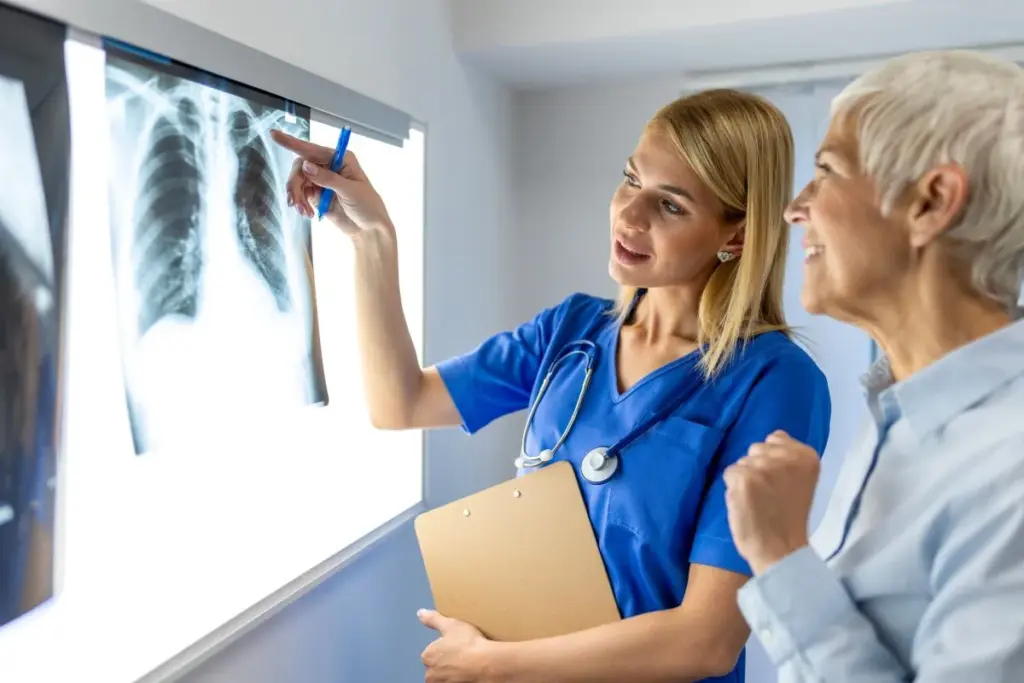
Getting a cancer diagnosis can feel like a lot to handle. But, it’s key to take the right steps for the best treatment. Research indicates that between 10% and 28% of cases are initially misdiagnosed or missed. This makes getting a second opinion very important.
Is a stage 4 cancer patient not eating? Discover amazing scary truths and find powerful, vital ways to provide essential nutrition now.
Waiting too long for a second opinion can lead to inadequate treatment. This can affect how well you do. At Liv Hospital, we know how vital team care and support for international patients are. We suggest taking action early to get the best results after a cancer diagnosis.
Key Takeaways
- Seek a second opinion to avoid misdiagnosis and ensure proper treatment.
- Understand your diagnosis and treatment options to make informed decisions.
- Consider multidisciplinary care for complete support.
- Don’t delay in seeking specialized care.
- Be proactive in managing your care to secure the best possible outcome.
The Critical First Steps After a Cancer Diagnosis
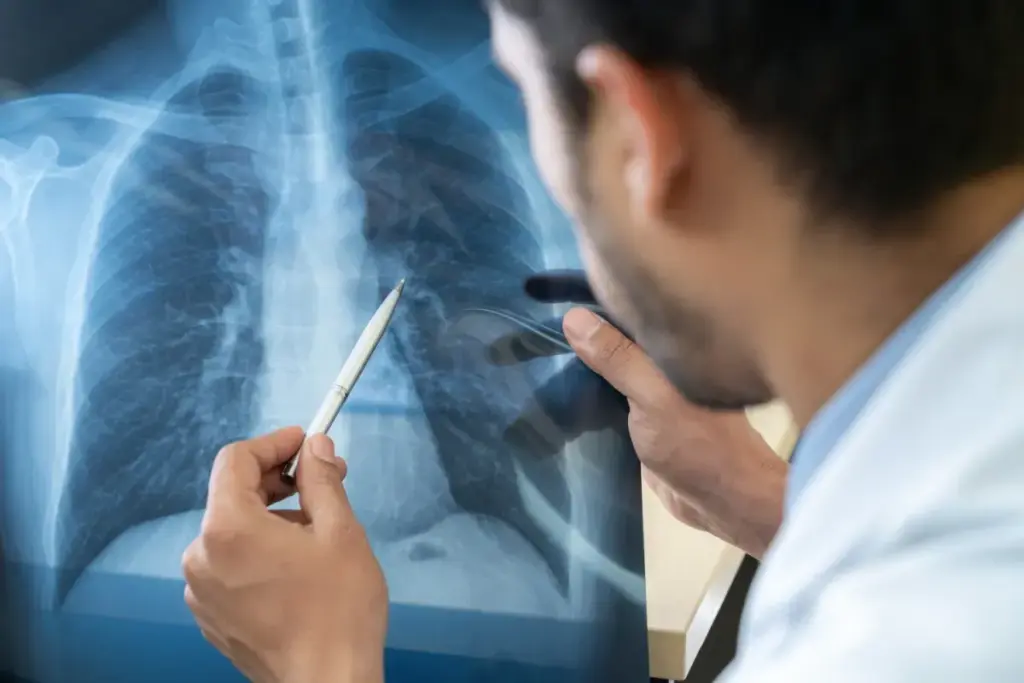
When you get a cancer diagnosis, the first steps you take are very important. It’s a moment that can feel overwhelming and change your life. It’s key to understand it well and have a solid plan.
Understanding Your Diagnosis Completely
It’s vital to understand your diagnosis fully. This means knowing the type of cancer, its stage, and treatment options. Patients should ask questions and clear up any confusion.
A study by shows how important accurate diagnosis is. It helps avoid misdiagnosis and ensures the right treatment.
To really get it, patients can do a few things:
- Ask for a detailed explanation of the diagnosis, including the stage and grade of the cancer.
- Find out about the cancer’s specific characteristics, like genetic markers or hormone receptor status.
- Talk about the treatment options, like surgery, chemotherapy, or radiation therapy.
The Importance of Taking Time to Process
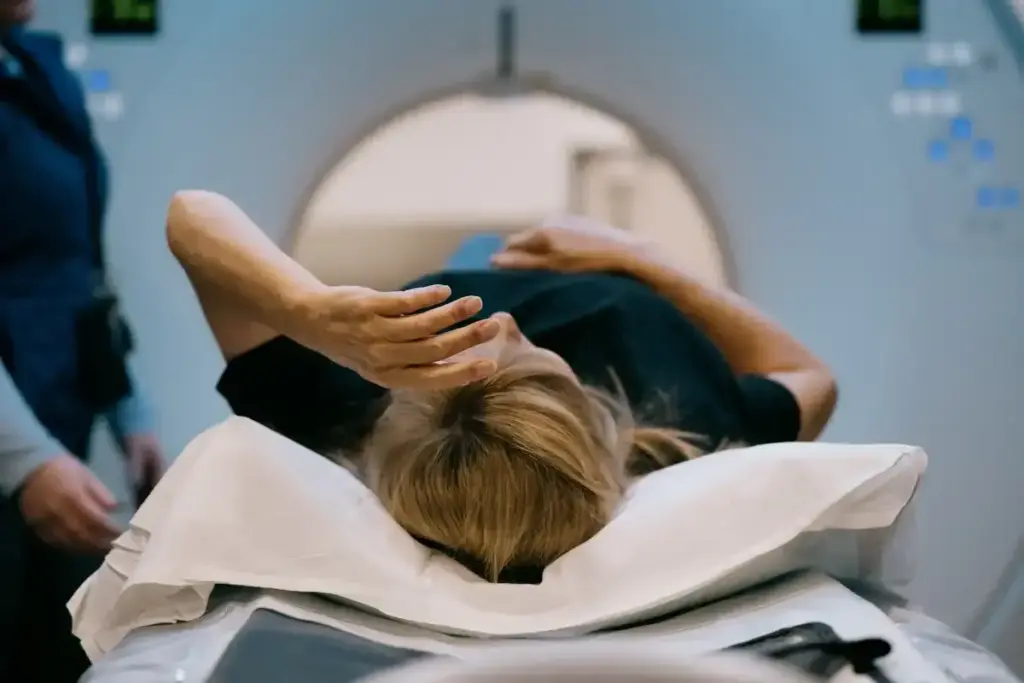
It’s also key to take time to process the diagnosis. A cancer diagnosis can be very emotional. Patients need time to accept their new reality.
Rushing into decisions can cause stress and regret. It’s important to take a moment to understand your diagnosis. Then, make informed choices about your care.
Jessica Gilbert’s story shows how important it is to seek medical help quickly and understand your diagnosis. By taking time to process and understand, patients can better handle their cancer journey.
Avoiding Delayed Medical Response
A delayed medical response after a cancer diagnosis can have serious effects on treatment outcomes. When you’re diagnosed with cancer, your body is already under a lot of stress. Any delay in treatment can let the disease get worse, making future treatments less effective.
The Dangers of Postponing Treatment Decisions
Waiting too long to start treatment can lead to many problems. For example, delaying surgery or chemotherapy lets cancer cells grow and spread more. It’s vital to act quickly to improve survival rates and treatment success. We need to work with healthcare providers to create a timely and effective treatment plan.
- Increased risk of cancer progression
- Reduced effectiveness of treatment due to advanced disease stage
- Potential for increased treatment complexity and associated costs
- Emotional and psychological distress due to prolonged uncertainty
Statistics on Treatment Delay Outcomes
Research shows that delays in cancer treatment can harm patient outcomes. For instance, a study might show that patients who wait too long to start treatment have a lower survival rate. These statistics highlight the need to avoid delays.
- A study found that delayed treatment led to a 20% lower survival rate at five years for some cancers.
- Another analysis showed that every month of delay increases the risk of cancer progression by a lot.
- Data from cancer registries indicate that starting treatment on time is linked to better survival and lower recurrence risk.
Don’t Skip Getting a Second Opinion
When you’re diagnosed with cancer, getting a second opinion is key. It helps ensure you get the best care. A second opinion can give you new insights into your diagnosis and treatment options.
Why Second Opinions Matter in Cancer Care
Research shows second opinions can change your diagnosis and treatment plans. It’s common for a second opinion to find a different diagnosis or a better treatment. This is very important in cancer care because the risks are high.
Getting a second opinion shows you’re actively involved in your care. It lets you:
- Check if your first diagnosis was right
- Look at other treatment options
- Learn more about your cancer
How to Effectively Seek Alternative Medical Perspectives
To make the most of a second opinion, plan carefully. Here’s how:
- Gather your medical records: Make sure your new doctor has all your medical info, like test results and treatment history.
- Choose the right specialist: Look for a specialist who knows a lot about your cancer type.
- Prepare your questions: Write down your concerns and questions to talk about during your visit.
- Discuss your treatment plan: Use the second opinion to explore different treatments and understand each one’s reasoning.
By getting a second opinion, you can feel more confident in your treatment. You’ll be better prepared for your cancer journey.
Never Miss Follow-up Appointments and Tests
Effective cancer treatment needs regular checks. These include follow-up appointments and tests to track the disease and treatment success. Managing a medical schedule can be tough, but it’s key for the best treatment results.
The Critical Role of Consistent Monitoring
Regular checks are essential. They help doctors spot any changes in the disease or treatment response early. This lets them adjust the treatment plan quickly, which can greatly improve results.
A study in the Journal of Clinical Oncology found that regular follow-up care boosts survival rates and lowers recurrence risk.
“The importance of follow-up care cannot be overstated. It is through consistent monitoring that we can ensure the treatment is working as intended and make necessary adjustments.”
Follow-up appointments also let patients talk about any worries or side effects. This way, doctors can act fast. Regular checks also catch problems early, which lowers the chance of serious side effects.
Creating Systems to Manage Your Medical Schedule
Keeping up with a medical schedule needs planning and organization. Here are some tips to help:
- Use a planner or calendar just for medical appointments and tests.
- Set reminders on your phone or computer for upcoming appointments.
- Make a list of questions or concerns for your appointments.
- Bring a friend or family member for support and to remember important details.
|
Strategy |
Description |
Benefit |
|---|---|---|
|
Using a Planner or Calendar |
Keep all medical appointments and tests in one spot. |
Less chance of missing appointments. |
|
Setting Reminders |
Use tech to remind you of upcoming appointments. |
Ensures you arrive on time and are ready for appointments. |
|
Bringing Support |
Have a friend or family member with you at appointments. |
Offers emotional support and helps remember important details. |
By using these strategies, patients can manage their medical schedule better. This ensures they never miss important appointments and tests. Regular monitoring is a key part of effective cancer treatment.
Addressing Stage 4 Cancer Patients Not Eating
Eating becomes hard for patients with advanced cancer. It’s key to keep them nourished for their health and treatment success.
Nutritional Challenges in Advanced Cancer
Patients with advanced cancer face big nutritional hurdles. These include a loss of appetite, trouble swallowing, and taste changes. These issues can cause malnutrition, harming their life quality and treatment response.
A study in the Journal of Clinical Oncology found malnutrition is linked to poor outcomes in cancer patients. So, tackling these nutritional challenges is vital for stage 4 cancer care.
“Nutrition plays a critical role in the management of cancer, and its importance cannot be overstated.”
Nutrition and Cancer Journal
Strategies to Maintain Nutrition During Treatment
Several strategies can help stage 4 cancer patients keep up their nutrition during treatment. These include:
- Eating small, frequent meals to manage loss of appetite
- Choosing high-calorie, high-protein foods to maintain energy and strength
- Avoiding foods that are difficult to swallow or cause discomfort
- Using nutritional supplements under the guidance of a healthcare provider
|
Nutritional Strategy |
Benefits |
|---|---|
|
Eating small, frequent meals |
Helps manage loss of appetite and maintain energy levels |
|
Choosing high-calorie, high-protein foods |
Supports strength and overall nutritional status |
|
Avoiding difficult-to-swallow foods |
Reduces discomfort and risk of choking |
It’s vital for patients to team up with their healthcare team, including a dietitian. This way, they can craft a nutrition plan tailored to their needs. This ensures they get the right nutrients to support their treatment and health.
Maintaining nutrition is not just about eating; it’s about making informed choices that support your treatment and well-being.
What Not to Eat When You Have Cancer
Eating the right foods and avoiding the wrong ones can greatly help with cancer treatment. A balanced diet is key during treatment. It helps manage side effects, supports recovery, and can improve treatment results.
Foods That May Interfere With Treatment
Some foods can make cancer treatment harder. They can make side effects worse or affect how well treatments work. For example, foods with a lot of sugar can cause more inflammation. Foods with a lot of saturated fats might also affect treatment results.
- Processed Foods: Often have unhealthy fats, sugars, and sodium. These can make treatment side effects worse.
- High-Sugar Foods: Can cause more inflammation and might affect how well treatments work.
- Foods High in Saturated Fats: May make some cancer treatments less effective.
- Raw or Undercooked Foods: Can be risky, as they might cause infections, mainly for those with weak immune systems.
Dietary Adjustments Based on Cancer Type
Dietary needs change based on the cancer type and treatment. For instance, those getting chemotherapy might need to avoid foods that are hard to digest. This helps manage stomach side effects.
|
Cancer Type |
Dietary Recommendations |
Foods to Avoid |
|---|---|---|
|
Breast Cancer |
High intake of fruits, vegetables, and whole grains |
Processed meats, high-fat dairy products |
|
Colorectal Cancer |
Increase fiber intake through whole grains and vegetables |
Red and processed meats, high-fat foods |
|
Prostate Cancer |
Include foods rich in omega-3 fatty acids, such as fatty fish |
High-calcium foods, processed meats |
Cancer patients should talk to their healthcare provider or a dietitian. They can help create a diet plan that supports treatment and health.
Avoiding Self-Medication and Unproven Therapies
When you’re diagnosed with cancer, you face many treatment options and advice. It’s natural to look for other solutions. But, staying away from self-medication and unproven therapies is key for good cancer care.
Looking for all possible treatments can feel overwhelming. But, it’s important to check these options carefully. This ensures they work well with standard treatments safely.
The Risks of Alternative Treatments Without Medical Guidance
Alternative treatments without a doctor’s watch can be risky. These risks include:
- They might not work well with standard cancer treatments.
- They could cause bad side effects that make your condition worse.
- They might delay or replace proven treatments, which could hurt your chances of survival.
It’s very important to talk to healthcare professionals before trying any alternative or complementary therapy. They can help you understand the good and bad sides.
Evaluating Complementary Therapies Safely
Some complementary therapies can help you feel better and support your cancer treatment. But, picking them wisely is important. Here’s how to safely choose them:
- Consult your healthcare team: Talk to your oncologist or primary care doctor about any alternative treatments you’re thinking about.
- Research credible sources: Find information from trusted health organizations and scientific journals.
- Be cautious of claims: Watch out for treatments that promise to cure everything or are called “miracle cures.”
- Monitor your body’s response: Notice how your body reacts to new therapies. Tell your healthcare provider if you have any bad side effects.
By being informed and careful, cancer patients can make smart choices about their care. This helps avoid the dangers of self-medication and unproven therapies.
Don’t Isolate Yourself Emotionally
Emotional support is key for cancer patients. It affects their treatment and how they feel. When they get a cancer diagnosis, they go through many emotions. It’s important to see emotional support as a must, not a luxury.
The Connection Between Social Support and Treatment Outcomes
Studies show that social support improves treatment results for cancer patients. This support can come from family, friends, support groups, or mental health experts. A strong support network helps patients deal with their emotions, leading to better treatment and health.
Patients with good social support feel less stressed and anxious. This can help their treatment go better. Emotional support also makes life better, helping patients stay positive and enjoy life more.
Finding the Right Support Systems
So, how do cancer patients find the right support? The first step is to know what they need and tell their loved ones. They should ask for help with daily tasks, emotional support, or just someone to talk to.
Support groups also offer a community and understanding. They let patients share their stories, get advice, and meet others facing similar challenges. Mental health experts can also provide emotional support and guidance.
- Join a support group to connect with others who understand your experience.
- Reach out to family and friends for emotional and practical support.
- Consider seeking help from mental health professionals.
By understanding the value of emotional support and looking for the right help, cancer patients can improve their treatment and well-being.
Avoiding Information Overload and Misinformation
When you get a cancer diagnosis, you face a flood of information. It’s hard to know what’s important and true. Too much data can confuse you and lead to bad choices if not handled right.
Navigating Cancer Information Resources
Today, patients have easy access to lots of cancer info online. But not all websites are trustworthy. Reliable sources are vital for good care choices.
To find good cancer info:
- Look for well-known health websites and organizations.
- Check if the authors are experts and when the info was last updated.
- Watch out for sites with biased or too promotional content.
Reliable Sources for Cancer Treatment Information
Finding reliable sources is essential to avoid wrong info. Look for info from trusted cancer groups, scientific journals, and government health sites.
|
Reliable Source |
Description |
|---|---|
|
National Cancer Institute (NCI) |
Provides detailed info on cancer types, treatments, and clinical trials. |
|
American Cancer Society (ACS) |
Offers resources on preventing, diagnosing, and treating cancer. |
|
Cancer Research Institute (CRI) |
Specializes in immunotherapy and the latest cancer research. |
By sticking to trusted sources and being careful of too much info, patients can make better choices about their care.
Don’t Neglect Your Mental Health
Cancer diagnosis and treatment can really affect a patient’s mental health. It’s key to focus on psychological well-being for recovery. The journey through cancer is as much a mental challenge as it is physical. Keeping good mental health is vital for overall well-being and treatment success.
The Impact of Psychological Well-being on Recovery
The psychological impact of a cancer diagnosis can be deep. It can affect a patient’s quality of life and their ability to cope with treatment. Research shows that patients with good mental health tend to have better treatment outcomes. They are more likely to stick to treatment plans and have a strong support system.
Key aspects of psychological well-being that influence recovery include:
- Stress Management: Techniques like meditation and deep breathing can help manage stress.
- Social Support: A strong network of family and friends can offer emotional support.
- Coping Mechanisms: Healthy coping strategies can help patients deal with the diagnosis and treatment.
|
Aspect of Psychological Well-being |
Impact on Recovery |
Support Strategies |
|---|---|---|
|
Stress Management |
Reduces anxiety and improves treatment adherence |
Meditation, Deep Breathing Exercises |
|
Social Support |
Enhances emotional well-being and coping |
Support Groups, Family Therapy |
|
Coping Mechanisms |
Improves mental health and resilience |
Cognitive Behavioral Therapy (CBT), Counseling |
Mental Health Resources for Cancer Patients
There are many resources to support the mental health of cancer patients. These include professional counseling services, support groups, and online resources. We encourage patients to explore these options to find what works best for them.
“The mental health of cancer patients is just as important as their physical health. By addressing both, we can improve treatment outcomes and overall quality of life.”
Some recommended resources include:
- National Cancer Institute’s Cancer Information Service
- American Cancer Society’s Support Groups
- Online therapy platforms specializing in cancer patient support
Avoiding Financial Negligence During Treatment
Managing the financial side of cancer treatment is key for patients to heal without worry. Cancer care comes with big bills and lost income. Good financial planning helps patients face these challenges.
Understanding Insurance and Treatment Costs
Cancer treatment costs can change a lot based on the cancer type and treatment. Patients need to know what their insurance covers. This includes deductibles and any costs they must pay themselves.
It’s smart for patients to check their insurance plans well. They should ask questions if they’re not sure. Key areas to understand include:
- Coverage for hospital stays and surgical procedures
- Outpatient treatment costs, including chemotherapy and radiation therapy
- Prescription medication coverage
- Any limitations or exclusions in the policy
Resources for Financial Assistance
There are many ways to help with the cost of cancer treatment. Financial assistance programs offer help with medication, treatment, and living costs.
|
Resource |
Description |
Potential Benefits |
|---|---|---|
|
Cancer Financial Assistance Coalition |
An organization that provides information on financial assistance programs for cancer patients. |
Access to grants, funding for treatment, and medication assistance. |
|
Patient Access Network Foundation |
A foundation that helps patients access medications and treatments. |
Assistance with copays, deductibles, and other treatment-related costs. |
|
Local and National Cancer Organizations |
Various organizations that offer financial assistance, counseling, and support. |
Financial help, counseling on insurance and treatment options, and emotional support. |
By knowing about insurance and treatment costs, and using financial help, patients can manage their cancer care costs better. We suggest patients look into these options to lessen financial stress and focus on healing.
Don’t Forget Legal and Practical Preparations
A cancer diagnosis brings many challenges, including legal and practical ones. These can greatly affect your treatment journey. Being prepared helps you focus on your health without extra stress.
Essential Documents and Decisions
Having the right legal documents is key when facing cancer. This includes a living will, durable power of attorney for healthcare, and a last will and testament. These ensure your wishes are followed and your loved ones are protected.
Advance Directives: An advance directive outlines your medical wishes if you can’t make decisions yourself. It’s essential for ensuring your healthcare wishes are respected.
Durable Power of Attorney: This document lets someone make healthcare decisions for you if you can’t. Picking the right person for this role is a big decision.
Planning for Various Treatment Outcomes
Cancer patients may face different treatment outcomes, like long-term care or financial changes. Planning ahead can ease some of these challenges.
- Financial Planning: Knowing your insurance and costs can help manage treatment expenses. Getting advice from a financial advisor who knows medical costs is helpful.
- Support Systems: Having a support network of family, friends, and groups can offer emotional and practical help during treatment.
By tackling these legal and practical issues, you can better prepare for cancer treatment. This lets you focus on recovery and well-being.
What Cancer Patients Need Most: Don’t Overlook These Essentials
Cancer patients need more than just medical care. They also need physical, emotional, and practical support. Meeting these needs can greatly improve their treatment outcomes and quality of life.
Physical Support Requirements
Cancer patients need a lot of physical support. This includes pain management, nutritional support, and symptom management. Good pain management is key to a better quality of life. It can be achieved with medication, acupuncture, and other treatments.
Good nutrition is also essential. Cancer and treatment can mess with appetite and nutrient absorption. A diet full of nutrient-dense foods is recommended. It’s also wise to get advice from a dietitian who knows about oncology nutrition.
Emotional and Practical Support Needs
Emotional support is just as important. It helps patients deal with the mental effects of their diagnosis and treatment. Counseling, support groups, and family and friends can offer this support. Counseling helps with anxiety, depression, and other emotional issues. Support groups provide a community that understands what patients are going through.
Practical support is also vital. This includes help with daily tasks, getting to treatment, and managing medical bills. We can help find resources for these services. This way, patients and their families can get the support they need.
In summary, cancer patients have many needs that must be met for effective treatment and well-being. By understanding and addressing these needs, we can enhance their quality of life and support them on their cancer journey.
Best Things to Do for Cancer Patients Instead of Common Mistakes
By taking the right steps, caregivers can greatly improve the lives of cancer patients. Their support is key in helping patients through tough times. The actions of caregivers and loved ones can greatly impact a patient’s journey.
Supportive Actions That Make a Difference
Supportive care for cancer patients covers many areas. It helps with their physical, emotional, and practical needs. Some of the most impactful actions include:
- Emotional Support: Listening, being there, and reassuring patients can ease their anxiety and stress.
- Practical Assistance: Helping with daily tasks like grocery shopping and cooking can lighten the patient’s load.
- Encouraging Treatment Adherence: Reminding patients of appointments and medication can help them stick to their treatment plans.
These actions not only improve the patient’s quality of life but also their overall well-being during and after treatment.
Communication Strategies for Caregivers and Loved Ones
Good communication is key in supporting cancer patients. Caregivers and loved ones can use several strategies to better support:
- Active Listening: Listening carefully to patients without interrupting or judging builds trust and understanding.
- Clear Information Sharing: Giving clear, accurate info about the patient’s condition and treatment plans can reduce uncertainty and anxiety.
- Empathetic Understanding: Showing empathy and understanding towards patients’ feelings and experiences makes them feel supported and not alone.
|
Supportive Action |
Benefit to Patient |
|---|---|
|
Emotional Support |
Reduces anxiety and stress |
|
Practical Assistance |
Reduces workload and enhances daily living |
|
Encouraging Treatment Adherence |
Improves treatment outcomes |
By taking these supportive actions and using good communication strategies, caregivers and loved ones can have a big positive impact on cancer patients’ lives.
Conclusion: Creating Your Path Forward After Diagnosis
Getting a cancer diagnosis is a big step. It’s important to start planning your path forward. This includes understanding your diagnosis, getting medical help quickly, and staying healthy.
Having a good treatment plan is key. It’s not just about the medicine. It’s also about emotional and practical support. Avoiding mistakes like waiting too long for medical help is important.
To move forward, stay informed and get support from family and doctors. Take care of your body and mind. This way, you can make a strong plan and live better with cancer.
FAQ
What are the critical first steps to take after a cancer diagnosis?
First, understand your diagnosis fully. Take time to process the news. Getting a second opinion is also key.
Why is it essential to seek a second opinion after a cancer diagnosis?
A second opinion can give new insights. It ensures your diagnosis is correct. It also offers different medical views.
What are the dangers of delaying medical treatment after a cancer diagnosis?
Delaying treatment can harm your survival chances. It can make treatments less effective. It might also worsen your prognosis.
What nutritional challenges do Stage 4 cancer patients face, and how can they be addressed?
Stage 4 cancer patients may struggle to eat. To keep up nutrition, try dietary changes. Also, talk to a nutritionist.
Are there specific foods that cancer patients should avoid during treatment?
Yes, some foods can affect treatment. Stick to a balanced diet. Adjust your diet based on your cancer type.
What are the risks of using alternative therapies without medical guidance?
Using alternative therapies without a doctor’s advice can be risky. It can harm your treatment and outcomes.
Why is social support so important for cancer patients, and how can they find the right support systems?
Social support is vital for emotional health. It comes from family, friends, support groups, or mental health experts. It helps with treatment success.
How can cancer patients avoid information overload and misinformation?
To stay informed, use credible sources. Look to reputable health organizations and medical journals. This helps avoid too much information.
What are the essential support requirements for cancer patients?
Patients need physical, emotional, and practical support. This includes managing their schedule, nutrition advice, and emotional support from loved ones.
How can caregivers and loved ones best support cancer patients?
Caregivers can offer emotional support and help with daily tasks. They should also help with communication with healthcare providers.
What financial considerations should cancer patients be aware of during treatment?
Understand your insurance, treatment costs, and financial help options. This can reduce financial stress during treatment.
What legal and practical preparations should cancer patients make during treatment?
Prepare important documents like advance directives. Plan for treatment outcomes. This ensures your wishes are respected.
How can cancer patients maintain good mental health during treatment?
For mental health, seek support from mental health experts. Use stress-reducing techniques. Stay connected with loved ones.
References
CallSam. (n.d.). What types of cancer are most commonly misdiagnosed? Retrieved from https://callsam.com/blog/commonly-misdiagnosed-cancer/ CallSam