We are seeing big changes in how we treat lung cancer. New therapies like targeted treatments, immunotherapies, and next-generation inhibitors are changing the game. These advancements are making lung cancer treatment better.
Our healthcare team is dedicated to top-notch care for patients from around the world. With treatments like Tarlatamab, Zoldonrasib, and Zidesamtinib, we’re giving patients new hope. These treatments are helping patients live longer and better.
Key Takeaways
- New treatments for lung cancer emphasize targeted therapies and immunotherapies.
- Tarlatamab, Zoldonrasib, and Zidesamtinib are among the latest advancements.
- Our institution provides comprehensive support for international patients.
- Recent breakthroughs offer improved survival rates and renewed hope.
- Next-generation inhibitors are transforming the treatment landscape.
The Evolving Landscape of Lung Cancer Treatment
The way we treat lung cancer has changed a lot, thanks to precision medicine. We’ve moved from old treatments to new, personalized ones. This change is thanks to the hard work of researchers and doctors.
Historical Context of Lung Cancer Therapies
Old treatments for lung cancer were mostly chemotherapy and radiation. These methods helped some patients but had big side effects. They didn’t work for everyone, leading us to look for better ways.
New discoveries in genetics and biology have helped us understand lung cancer better. This understanding led to targeted therapies. These therapies aim directly at cancer cells, protecting healthy tissues.
The Shift Toward Precision Medicine in 2025
By 2025, precision medicine will be even more important. It means treatments are made just for each patient’s cancer. This is thanks to better biomarker testing and genetic analysis.
Some big steps in lung cancer treatment include:
- Tyrosine kinase inhibitors target specific genetic mutations
- Immunotherapies use the immune system to fight cancer
- Biomarker testing helps find the right treatment for each patient
At big conferences like the , we’re learning more about lung cancer. This knowledge helps us find new ways to treat it.
Understanding Lung Cancer Types and Their Treatment Approaches
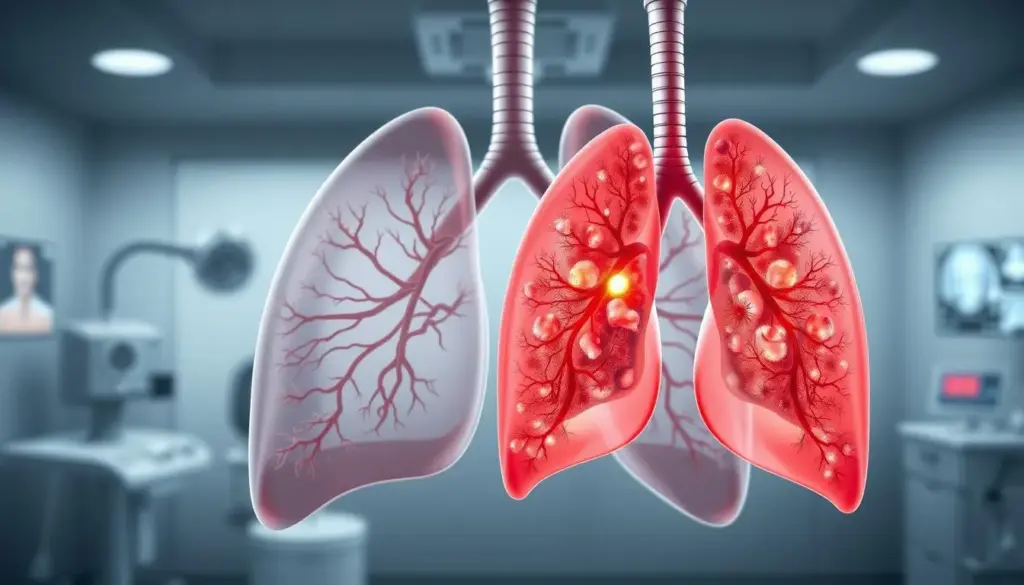
It’s important to know the different types of lung cancer to find the best treatment. Lung cancer is mainly split into two types: Small Cell Lung Cancer (SCLC) and Non-Small Cell Lung Cancer (NSCLC). Each type has its own way of growing and treating.
Small Cell Lung Cancer (SCLC)
SCLC is a fast-growing lung cancer often linked to smoking. It spreads quickly, so finding it early is key. Treatment usually includes chemotherapy and radiation to manage symptoms and improve life quality.
Non-Small Cell Lung Cancer (NSCLC)
NSCLC is the most common lung cancer, making up about 85% of cases. It’s divided into types like adenocarcinoma and squamous cell carcinoma. Treatment for NSCLC depends on the tumor’s stage and genetics, using surgery, chemotherapy, targeted therapy, or immunotherapy.
The Importance of Biomarker Testing
Biomarker testing has changed lung cancer treatment by finding specific genetic mutations. For NSCLC, it can spot mutations like EGFR and ALK. This leads to more effective treatments tailored to each patient.
Key benefits of biomarker testing include:
- Identifying patients who are most likely to benefit from targeted therapies
- Avoiding ineffective treatments and reducing side effects
- Enabling a more personalized approach to cancer treatment
As we learn more about lung cancer, biomarker testing will become even more vital. It will help create more effective and personalized treatments.
Breakthrough Targeted Therapies in 2025
The treatment of lung cancer is changing with new targeted therapies in 2025. These therapies aim at cancer cells, protecting healthy ones. This leads to better results for patients.
How Targeted Therapies Work
Targeted therapies find and attack cancer cells’ unique traits. They focus on proteins or genes that help cancer grow. This is more precise than old treatments like chemotherapy.
Now, treatments are made just for you, based on your tumor’s genes. This makes treatments work better and have fewer side effects.
Next-Generation Tyrosine Kinase Inhibitors
Tyrosine kinase inhibitors (TKIs) are key in lung cancer treatment, for those with certain genetic changes. In 2025, new TKIs aim to beat resistance to older drugs.
These new TKIs are stronger and more precise. They target specific tyrosine kinases, key for cancer growth.
Zidesamtinib: The New ROS1-Selective Inhibitor
Zidesamtinib is a big step in lung cancer treatment in 2025. It’s a ROS1-selective inhibitor. ROS1 is a gene that can cause lung cancer in some.
Zidesamtinib is showing great results in trials. It’s a new hope for ROS1-positive non-small cell lung cancer patients. It’s safer because it’s more specific to ROS1.
Zidesamtinib and other new therapies are big wins in lung cancer treatment. As we learn more about lung cancer, we can make treatments that really fit each patient’s needs.
KRAS Inhibitors: A New Frontier in Lung Cancer Treatment
Lung cancer treatment is now entering a new era with KRAS inhibitors. KRAS mutations are common in non-small cell lung cancer (NSCLC). These mutations have long been a challenge, but recent breakthroughs are promising.
Understanding KRAS Mutations in Lung Cancer
KRAS mutations drive tumor growth and progression in many lung cancers. These mutations make it hard for treatments to work. KRAS G12C mutations are very common, and researchers have made big steps in finding inhibitors for them.
Studies show KRAS inhibitors could improve outcomes for advanced NSCLC patients. For example, a study on highlights the growing importance of targeted therapies.
Zoldonrasib: The Promising KRAS G12D Inhibitor
Zoldonrasib is a new KRAS G12D inhibitor with promising early trial results. It targets the G12D mutation, common in NSCLC patients. Zoldonrasib offers a new hope for patients with few treatment options.
- Targets KRAS G12D mutation specific
- Shows promise in early clinical trials
- Offers a new treatment avenue for NSCLC patients
a leading oncologist, says, “Zoldonrasib is a big step forward in treating KRAS-mutated NSCLC.”
Safety Profile and Quality of Life Considerations
KRAS inhibitors like Zoldonrasib offer hope but safety is key. Common side effects include stomach issues and tiredness. These can be managed with proper care.
Keeping quality of life high is vital for patients on these treatments. Research aims to improve dosing and therapy combinations. This will help reduce side effects and increase effectiveness.
“The future of lung cancer treatment lies in our ability to tailor therapies to individual patients’ genetic profiles,” saysa renowned expert in oncology.
As we explore KRAS inhibitors further, it’s clear they will be key in lung cancer care’s future.
Immunotherapy Revolutionizing Lung Cancer Care
Immunotherapy is a big step forward in fighting lung cancer. It offers new ways to treat the disease and helps patients live longer. This approach is changing how we fight lung cancer.
Principles of Cancer Immunotherapy
Immunotherapy uses the body’s immune system to fight cancer. It helps the immune system find and attack cancer cells better. This method is showing great promise in treating lung cancer and other cancers.
“The development of immunotherapy is a major change in cancer treatment,” saysa top oncologist. “It moves from old methods like chemotherapy to more targeted and personal treatments.”
Checkpoint Inhibitors and Their Evolution
Checkpoint inhibitors are a key part of immunotherapy for lung cancer. They help the immune system attack cancer cells more effectively. Over time, these drugs have gotten better, with newer versions being safer and more effective.
The progress in checkpoint inhibitors has been huge. Newer versions work better when used with other treatments. For example, combining them with chemotherapy or targeted therapy has shown great results in studies.
Combination Approaches with Chemotherapy
Using immunotherapy with chemotherapy is a strong strategy against lung cancer. It combines chemotherapy’s ability to kill cancer cells with immunotherapy’s immune boost. Research shows this combo can improve how well patients do and how long they live.
A study found that adding a checkpoint inhibitor to chemotherapy made a big difference. Patients who got both treatments did much better than those who only had chemotherapy. This shows the power of combining treatments.
Immunotherapy will keep being a key part of lung cancer treatment. More research and trials are on the way. They aim to make these therapies even better, giving hope to patients everywhere.
Tarlatamab: Bispecific T Cell Engager Therapy
Tarlatamab is a new way to fight Small Cell Lung Cancer (SCLC). It’s a bispecific T cell engager therapy. This method has shown great promise in tackling SCLC’s tough challenges.
Mechanism of Action in Small Cell Lung Cancer
Tarlatamab helps T cells find and kill cancer cells better. It’s a special antibody that connects to T cells and SCLC cells. This way, it activates T cells to fight cancer, using the body’s immune system.
40% Reduction in Death Risk Compared to Chemotherapy
Studies show Tarlatamab boosts survival for SCLC patients. It’s 40% better than chemotherapy in reducing death risk. This is a big win for those with few treatment options.
|
Treatment |
Risk Reduction |
Survival Benefit |
|---|---|---|
|
Tarlatamab |
40% |
Significant improvement in overall survival |
|
Chemotherapy |
Reference |
Standard treatment outcomes |
FDA Accelerated Approval in May 2024
The FDA approved Tarlatamab in May 2024. This shows its big promise in treating SCLC. It’s now a key treatment for patients.
“The approval of Tarlatamab marks a significant milestone in the treatment of SCLC, opening new hope for patients and doctors.”
As we learn more about Tarlatamab, it’s set to change how we treat SCLC. It’s a big step forward.
Antibody-Drug Conjugates in Lung Cancer
Antibody-drug conjugates (ADCs) have changed lung cancer treatment. They are a new hope for those with advanced disease. ADCs use antibodies to find cancer cells and deliver drugs to them. This way, they harm cancer more and healthy cells less.
Targeting DLL3 and B7H3 Markers
ADCs now target specific lung cancer markers like DLL3 and B7H3. DLL3 is found in some lung cancers. ADCs can kill these cancer cells without harming normal cells. B7H3 is also targeted, helping in treating different lung cancers.
These markers are promising targets in early trials. Patients see their tumors shrink and live longer. ADCs are safer than traditional chemotherapy because they are more precise.
Delivery Mechanisms and Tumor Specificity
ADCs work well because of their smart delivery. They find and stick to cancer cells. Then, they release a drug inside the cell, killing it. This method is better and safer for patients.
ADCs are precise in targeting cancer cells. This reduces harm to healthy cells. It makes treatments better for patients’ quality of life.
Setting New Standards in Treatment Outcomes
ADCs are changing lung cancer treatment. They target specific markers and deliver drugs to cancer cells. This leads to better results and longer lives for patients. More research is needed to see how they can be used even more.
ADCs are key in the future of lung cancer treatment. They offer better and safer options. This makes them a hopeful area in the fight against lung cancer.
Stage 4 Lung Cancer: Specialized Treatment Approaches
Managing stage 4 lung cancer needs a detailed plan. This type of cancer, also known as metastatic lung cancer, is tough to treat. We’ll look at the latest treatments and how they help patients.
Unique Challenges of Metastatic Disease
Metastatic lung cancer makes treatment harder because it spreads. It’s hard to manage symptoms and find treatments that work. Effective management means knowing the disease well and the patient’s health.
Tailoring New Therapies to Advanced Cases
New treatments are being made for stage 4 lung cancer. These include targeted therapies and immunotherapies. They help improve treatment results. By knowing the cancer’s genetic makeup, we can pick the best treatment.
Stage 4 Lung Cancer Life Expectancy With New Treatments
New treatments have made life better for stage 4 lung cancer patients. They’re living longer and feeling better. Research keeps finding new ways to treat the disease.
As we keep improving in oncology, the future looks brighter for stage 4 lung cancer patients. By using the latest treatments and caring for patients fully, we can make a big difference.
Is Lung Cancer Curable? New Perspectives
Lung cancer treatment has made big strides, making a cure seem more possible. The therapy landscape has changed a lot. This gives hope to patients and doctors.
Defining “Cure” in Advanced Lung Cancer
The idea of a cure in lung cancer is complex, mainly for advanced stages. A cure used to mean no cancer left. But now, it means long-term survival and managing the disease.
For those with advanced lung cancer, a cure might mean long-term remission. This means the disease is controlled, and life quality improves. This view is key to understanding today’s treatment outcomes.
Long-term Survival With Modern Therapies
Modern treatments have greatly improved survival chances for lung cancer patients. Targeted therapies and immunotherapies lead this progress. They offer treatments based on the cancer’s specific traits.
Research shows these therapies lead to longer survival than old treatments. For example, some targeted therapies can double or triple survival for patients with certain genetic changes.
Lung Cancer Cure Rates by Type and Stage
Cure rates for lung cancer depend on the type and stage at diagnosis. Non-Small Cell Lung Cancer (NSCLC) and Small Cell Lung Cancer (SCLC) have different outcomes and treatment responses.
Early-stage lung cancer, like NSCLC, has a better chance of cure with treatments like surgery. Advanced stages need systemic treatments. While these extend life, the cure idea is more complex.
It’s important for patients and doctors to understand these differences. This helps in making informed treatment choices and setting realistic expectations.
Overcoming Treatment Resistance in Lung Cancer
Treatment resistance is a big problem in lung cancer. We need to understand how it works to find better treatments. This resistance makes it hard to get the best results for patients.
Mechanisms of Resistance Development
There are many ways lung cancer can become resistant to treatment. Genetic changes in tumor cells can make drugs less effective. Also, new pathways can start working, letting tumors keep growing.
The environment around the tumor also plays a role. It can shield cancer cells from drugs. This complex interaction is a big part of why resistance happens.
Sequential Therapy Strategies
Sequential therapy is a new way to fight resistance. It means using different treatments in a certain order. This plan is made based on the patient’s tumor and how it reacts to treatments.
Changing treatment plans can help drugs work again. For example, switching to a new targeted therapy or adding immunotherapy can beat resistance. This can lead to better results for patients.
Novel Approaches to Combat Resistance
Scientists are looking for new ways to fight resistance in lung cancer. They’re working on next-generation targeted therapies. These are made to beat known resistance ways.
They’re also trying to mix different treatments together. For example, combining targeted therapy with immunotherapy. This can create powerful effects that overcome resistance. New therapies that target specific resistance mechanisms are also being developed. This gives hope to patients who have lost to current treatments.
Managing Side Effects of New Lung Cancer Treatments
New lung cancer treatments aim to reduce side effects. These advancements help in providing better care to patients. It’s important to know about the side effects of these treatments.
Common Adverse Events with Targeted Therapies
Targeted therapies target cancer cells without harming healthy cells. But, they can cause side effects. These include skin rash, diarrhea, and liver enzyme elevations.
For example, tyrosine kinase inhibitors (TKIs) can lead to skin toxicity. This can be managed with proper skin care and adjusting the dose.
Managing side effects is key to improving patients’ quality of life. Knowing the side effects of targeted therapies helps us support our patients better.
Immunotherapy-Related Adverse Events
Immunotherapy uses the body’s immune system to fight cancer. But, it can cause immune-related adverse events (irAEs). These include pneumonitis, colitis, and thyroiditis.
It’s important to quickly recognize and treat these side effects. This often involves using corticosteroids or other immunosuppressive therapies.
Healthcare providers should educate patients about immunotherapy’s side effects. Monitoring them closely helps prevent severe adverse events and ensures they benefit from these treatments.
Comparing Side Effect Profiles of New vs. Traditional Treatments
New treatments like targeted therapies and immunotherapy have different side effects than traditional chemotherapy. Traditional chemotherapy can cause hair loss, nausea, and severe fatigue. Knowing these differences helps manage patient expectations and improve their treatment experience.
|
Treatment Type |
Common Side Effects |
Management Strategies |
|---|---|---|
|
Targeted Therapies |
Skin rash, diarrhea, liver enzyme elevations |
Dose adjustments, supportive care (e.g., skin care for rash) |
|
Immunotherapy |
Immune-related adverse events (irAEs) like pneumonitis, colitis |
Corticosteroids, immunosuppressive therapies, close monitoring |
|
Traditional Chemotherapy |
Hair loss, nausea, severe fatigue |
Supportive care (e.g., antiemetics for nausea), dose adjustments |
By comparing side effects of different treatments, we can tailor care to each patient. This improves their quality of life and treatment outcomes.
Chemotherapy for Lung Cancer Stage 4: Is It Relevant?
Even with new treatments, chemotherapy is key in treating stage 4 lung cancer. The treatment for lung cancer is changing. This includes new targeted and immunotherapies.
The Evolving Role of Traditional Chemotherapy
Chemotherapy has been a mainstay in lung cancer treatment for years. But, its role is changing with new therapies. Now, treatments are more tailored to each patient’s needs.
Old chemotherapy regimens are effective for many. The right patients are chosen for chemotherapy. This is based on their tumor and health.
Integration with Novel Treatments
Combining chemotherapy with new treatments is a big step forward. Chemotherapy and immunotherapy together improve results for some patients. This mix makes treatment more effective.
Research is also looking at combining chemotherapy with targeted therapies. This is promising for patients with specific tumor markers.
Patient Selection for Chemotherapy in 2025
Picking the right patients for chemotherapy in 2025 is getting better. Biomarker testing and genetic profiling are key. We’re learning who benefits most from chemotherapy.
Choosing chemotherapy depends on many factors. This includes the patient’s health, tumor type, and past treatments. This approach makes chemotherapy safer and more effective.
Clinical Trials Shaping the Future of Lung Cancer Care
Clinical trials are changing lung cancer care. They test new treatments to help patients live better lives. These trials are key to finding new ways to fight lung cancer.
Ongoing Research Initiatives
Many research projects aim to improve lung cancer treatment. Targeted therapies and immunotherapies are being developed. show these new treatments are making a big difference.
Some important research areas include:
- Creating better tyrosine kinase inhibitors
- Testing combination therapies to boost treatment success
- Exploring new ways to use immunotherapy
Eligibility Criteria and Patient Selection
It’s important to know who can join clinical trials. The rules for each trial are different. They often look at the cancer stage, past treatments, and overall health.
|
Eligibility Criteria |
Description |
|---|---|
|
Cancer Stage |
Advanced or metastatic lung cancer |
|
Previous Treatments |
Patients who have received prior therapy |
|
Overall Health |
Adequate organ function and performance status |
How to Access Experimental Treatments
Joining clinical trials can offer new treatments. Talk to your doctor to see if you qualify. Then, look for trials that fit your needs.
Steps to Access Experimental Treatments:
- Consult with your healthcare provider to determine eligibility
- Search for relevant clinical trials through databases like
- Review the trial’s eligibility criteria and contact the trial coordinator
By joining clinical trials, patients can get new treatments and help future research. We support patients every step of the way, ensuring they get the best care.
Non-Small Cell Lung Carcinoma Treatment Advances
The treatment for NSCLC is changing fast, with new therapies for different types of the disease. NSCLC is the most common lung cancer, making up about 85% of cases. It includes adenocarcinoma, squamous cell carcinoma, and large cell carcinoma, each needing its own treatment.
Adenocarcinoma-Specific Approaches
Adenocarcinoma is the most common NSCLC type, often found in non-smokers. New targeted therapies have greatly helped patients with certain genetic mutations, like EGFR and ALK. Next-generation TKIs are more effective and safer than older ones.
Liquid biopsies are becoming more common to check how well treatments are working and to find resistance early.
Immunotherapy has also changed the game for adenocarcinoma, with checkpoint inhibitors playing a big role in treating advanced disease. Combining chemotherapy and immunotherapy has led to better survival rates. Research into new targets, like KRAS G12C mutations, is showing early promise.
Squamous Cell Carcinoma Innovations
Squamous cell carcinoma is a tough subtype of NSCLC to treat because of its aggressive nature and few targetable mutations. But, new treatments are helping. Immunotherapy has shown to greatly improve survival rates.
Targeted therapies for specific genetic changes, like DDR2 mutations, are being looked into. Early trials of antibody-drug conjugates targeting B7H3 are also showing promise. These advances offer hope for squamous cell carcinoma patients.
Large Cell Carcinoma Management
Large cell carcinoma is a less common but aggressive NSCLC subtype. It often makes diagnosis hard because it looks very different. Treatment usually involves chemotherapy and immunotherapy, but targeted therapies might help if there are specific mutations.
There’s a growing focus on doing detailed genetic tests to find targets for treatment. This approach helps tailor treatments to each patient, improving their chances of beating large cell carcinoma.
Conclusion: The Future of Lung Cancer Treatment
Lung cancer treatment is changing fast, thanks to new therapies and research. Our team is dedicated to top-notch care for patients from around the world.
Research and clinical trials are making new treatments possible. This means we can offer better, more tailored care for lung cancer patients.
New therapies like KRAS inhibitors and bispecific T cell engagers are making a big difference. They help patients live better and longer.
It’s important to keep up with the latest in lung cancer treatment. This way, we can give patients the best care possible. It helps them live longer and better.
FAQ
What are the new treatments for lung cancer?
New treatments for lung cancer include targeted therapies and immunotherapies. These offer better results and fewer side effects for patients.
How does biomarker testing impact lung cancer treatment?
Biomarker testing helps find the best treatment for lung cancer patients. It makes treatment more personalized.
What is the role of KRAS inhibitors in lung cancer treatment?
KRAS inhibitors, like Zoldonrasib, are promising. They improve treatment results for lung cancer patients with KRAS mutations.
How does immunotherapy work in lung cancer care?
Immunotherapy uses the immune system to fight cancer. It offers better results and fewer side effects.
What is Tarlatamab, and how does it work in small cell lung cancer?
Tarlatamab is a therapy that targets cancer cells. It has shown a 40% reduction in death risk. It got FDA approval in May 2024.
Can lung cancer be cured with new treatments?
New treatments have shown promise in improving survival rates and quality of life. They are not a cure yet, but they are a step forward.
How do antibody-drug conjugates work in lung cancer treatment?
Antibody-drug conjugates target specific markers on cancer cells. They deliver powerful treatments directly to the cancer. This sets a new standard in treatment outcomes.
What are the unique challenges of treating stage 4 lung cancer?
Stage 4 lung cancer is challenging due to metastatic disease. It requires specialized treatments and tailored plans.
How is treatment resistance overcome in lung cancer?
To overcome resistance, we need to understand how it develops. Using sequential therapy and new approaches can help fight resistance.
What are the common side effects of new lung cancer treatments?
New treatments have different side effects. Knowing these is key to providing complete care to patients.
Is chemotherapy a relevant treatment for stage 4 lung cancer?
Yes, chemotherapy is relevant for stage 4 lung cancer. It’s often used with new treatments. Choosing the right patients is important.
How do clinical trials shape the future of lung cancer care?
Clinical trials are vital for advancing lung cancer care. They offer new treatments and drive innovation.
What are the treatment advances in non-small cell lung carcinoma?
Advances in NSCLC include treatments for adenocarcinoma, squamous cell carcinoma, and large cell carcinoma. These offer better outcomes for patients.
References
National Center for Biotechnology Information. Stage IV lung cancer: Is cure possible? Retrieved from https://pmc.ncbi.nlm.nih.gov/articles/PMC3764732/



 Departments
 Related Videos
 Our Doctors
 News
News