
Do you often feel very tired, notice swelling in your hands and feet, or see changes in how you pee? These could be signs of a serious condition that affects almost 1 in 7 adults in the U.S.stage 4 renal failureKidney Failure Pee Color: What It Means
Stage 4 chronic kidney disease (CKD) is a severe stage. At this point, your kidneys can’t work well, and waste builds up in your blood. This means you need to see a doctor right away.
We know how important it is to spot the signs of kidney disease. Liv Hospital is here to help you understand and manage stage 4 CKD. We offer top-notch, evidence-based care.
Key Takeaways
- Stage 4 CKD is a critical phase with severe loss of kidney function.
- Recognizing signs and symptoms is key for timely medical help.
- Liv Hospital provides top care for managing stage 4 CKD.
- Early detection can greatly improve treatment results.
- Keep an eye out for changes in urination and swelling.
Understanding Chronic Kidney Disease and Its Stages
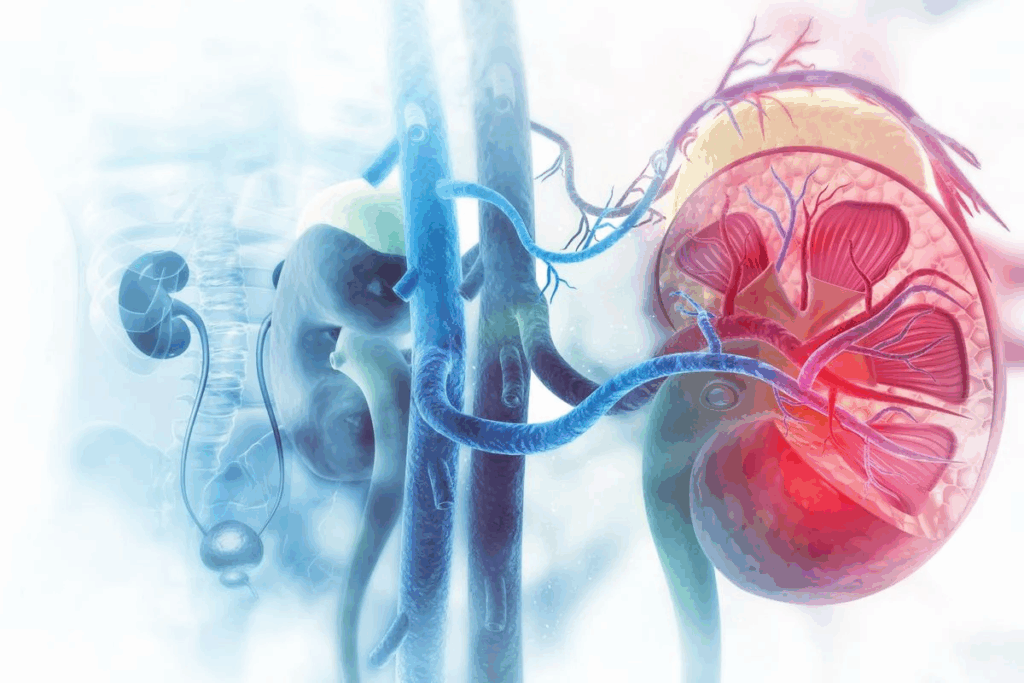
It’s important to know about chronic kidney disease (CKD) early. CKD means your kidneys slowly lose function over time.
What Is Chronic Kidney Disease?
CKD is a long-term condition where kidneys don’t work right. It goes through five stages. The kidneys filter waste and extra water from the blood.
CKD can cause health problems if it gets worse. It’s linked to diabetes, high blood pressure, and heart disease. Managing these conditions helps slow CKD.
The Five Stages of CKD
CKD has five stages based on kidney damage and GFR. GFR shows how well kidneys filter waste. The stages range from mild to severe, where kidneys fail.
- Stage 1: Kidney damage with normal or increased GFR (>90 mL/min).
- Stage 2: Mild reduction in GFR (60-89 mL/min).
- Stage 3: Moderate reduction in GFR (30-59 mL/min), divided into 3A and 3B.
- Stage 4: Severe reduction in GFR (15-29 mL/min).
- Stage 5: Kidney failure (GFR <15 mL/min) or on dialysis.
How Kidney Function Is Measured
Kidney function is mainly measured by GFR. GFR shows how much fluid the kidneys filter per minute. It’s calculated based on age, sex, race, and serum creatinine levels.
The estimated GFR (eGFR) is a more accurate measure. It considers more variables. Regular eGFR checks are key for managing CKD.
Knowing about CKD stages and how to measure kidney function is key. It helps patients and doctors make the best treatment plans.
What Is Stage 4 Renal Failure?

Understanding Stage 4 renal failure is key for both patients and doctors. This stage marks a critical point in chronic kidney disease (CKD). At this point, the kidneys are not working well.
Definition and GFR Range
Stage 4 CKD means a big loss of kidney function. Patients have an estimated glomerular filtration rate (eGFR) between 15 and 29 ml/min/1.73m. The eGFR shows how well the kidneys filter fluid.
At this stage, patients face a high risk of needing complete kidney failure (Stage 5 CKD). They might need dialysis or a kidney transplant to live.
Prevalence Statistics
Stage 4 CKD is a big health issue. Studies show it affects a smaller part of the CKD population. For example, in the US, a big number of CKD patients reach Stage 4.
Early detection and management are key to slowing disease progression and improving patient outcomes.
Why Stage 4 Is Critical
Stage 4 CKD is very serious. It means the kidneys are not working well. Patients at this stage are at high risk of serious problems like heart disease, anemia, and bone issues.
- Preparation for renal replacement therapy becomes a priority.
- Managing other health issues is very important.
- Changing lifestyle to slow disease progression is needed.
Understanding Stage 4 renal failure helps patients and doctors work together. This way, they can manage the condition better and improve life quality.
Causes and Risk Factors for Advanced Kidney Disease
Chronic kidney disease (CKD) can worsen and reach advanced stages due to several causes and risk factors. Knowing these factors is key to managing the disease well.
Common Causes of CKD Progression
CKD can progress due to health conditions and lifestyle choices. Diabetes and hypertension are major causes worldwide. They damage kidney blood vessels, making them less effective.
Other significant causes include:
- Glomerulonephritis, an inflammation of the glomeruli
- Polycystic kidney disease (PKD), a genetic disorder with numerous cysts in the kidneys
- Obstruction of the urinary tract, often due to kidney stones or tumors
High-Risk Groups
Some groups face a higher risk of advanced kidney disease. These include:
- Those with a family history of kidney disease
- Older adults, as kidney function declines with age
- People with a history of cardiovascular disease
- Members of ethnic minority groups, who are more affected by CKD
Knowing these risk factors helps in early detection and management.
Preventable Risk Factors
While some risks can’t be changed, others can be managed or prevented. Lifestyle changes are vital in preventing CKD progression. These include:
- Eating a healthy diet, low in sodium and high in fruits and vegetables
- Staying active through regular exercise
- Avoiding smoking and drinking less alcohol
- Controlling diabetes and hypertension through medication and lifestyle changes
By tackling these preventable risk factors, people can lower their risk of CKD progression.
Health experts stress, “Early intervention and managing risk factors are essential. They slow kidney disease progression and improve outcomes.”
stage 2 kidney disease, the signs and symptoms of stage 4 kidney disease, stage 4 ckd symptoms
Advanced kidney disease can make you feel very tired. This is a common problem for people with Stage 4 chronic kidney disease (CKD).
Why Kidney Disease Causes Fatigue
Fatigue in CKD comes from several reasons. One big one is the buildup of toxins in the blood. This happens when the kidneys can’t filter waste well.
Another important reason is anemia. This is when there aren’t enough red blood cells to carry enough oxygen to the body’s tissues.
Connection to Anemia
Anemia is a common problem in Stage 4 CKD. Diseased kidneys make less erythropoietin. This hormone helps make red blood cells.
So, patients may get anemia. This can cause symptoms like:
- persistent tiredness
- weakness
- shortness of breath
- dizziness
Anemia can really affect a patient’s life. It makes simple tasks hard.
Distinguishing from Other Causes
Fatigue is a key symptom of Stage 4 CKD. But, it’s not just kidney disease that causes it. Diabetes, heart disease, and sleep disorders can also make you tired.
It’s important to get a full medical check-up to find out why you’re tired. Doctors might do blood tests to check for anemia and see how well your kidneys are working.
In short, feeling tired and weak are big signs of Stage 4 kidney disease. They often come from anemia. Knowing these symptoms and how they relate to kidney health is key to managing the disease and getting better.
Sign #2: Fluid Retention and Swelling
In Stage 4 CKD, kidneys don’t work well, leading to more fluid in the body. This is called edema. It causes swelling and discomfort in different parts of the body.
Edema in Hands, Feet, and Ankles
Edema often shows up in hands, feet, and ankles. It can make moving hard and even affect walking. The fluid buildup can make daily tasks tough.
Facial Puffiness
Fluid retention also makes faces look puffy, often in the morning. This happens when fluid builds up in facial tissues, making the face look swollen.
Relationship to Sodium Balance
The kidneys help keep sodium balance right. But in Stage 4 CKD, they can’t do this well. Too much sodium means the body holds onto water, causing edema.
Knowing how sodium balance affects fluid retention is key. Eating less sodium helps control edema.
Symptom | Cause | Management Strategy |
Edema in Hands, Feet, and Ankles | Fluid retention due to impaired kidney function | Limit sodium intake, elevate affected limbs |
Facial Puffiness | Fluid accumulation in facial tissues | Reduce fluid intake, monitor sodium levels |
Generalized Swelling | Excess sodium and fluid retention | Adhere to a low-sodium diet, manage fluid intake |
Understanding fluid retention and swelling helps those with Stage 4 CKD. They can work with doctors to find ways to manage these issues.
Sign #3: Changes in Urination
Changes in how you urinate can signal Stage 4 kidney disease. When kidneys can’t filter waste well, urination habits change.
Foamy or Discolored Urine
Urine that looks foamy or is a different color is a big clue. Foamy urine means there’s protein in it, showing kidney damage. Discolored urine hints at kidney trouble, as waste isn’t filtered out right.
Changes in Frequency and Volume
Kidney disease messes with how often and how much you pee. Some pee more, others less. This is because kidneys can’t concentrate urine or remove extra fluids.
Nighttime Urination
Waking up to pee a lot is another sign. Nocturia disrupts sleep and shows kidneys aren’t working right. At night, kidneys usually make urine less so you can sleep better. But in Stage 4 CKD, they can’t do this.
These urination changes are key for doctors to spot Stage 4 kidney disease. If you notice these signs, see your doctor to figure out what to do next.
Sign #4: Digestive Issues and Appetite Changes
As kidney disease reaches Stage 4, patients face many symptoms. These include digestive problems and changes in appetite. These issues can really affect a patient’s life and how well they eat.
Nausea and Vomiting
Nausea and vomiting are common in Stage 4 CKD. They happen because toxins build up in the blood, known as uremia. When the kidneys can’t filter waste, it upsets the stomach and causes nausea. Sometimes, this leads to vomiting, making it harder to get the nutrients needed.
Loss of Appetite
Many patients with Stage 4 kidney disease lose their appetite. This can be due to uremia, changes in taste, or feeling unwell. Not wanting to eat can lead to malnutrition, making it harder to fight off infections and get better from illnesses.
Metallic Taste in Mouth
Some people with Stage 4 CKD have a metallic taste in their mouth. This is because waste products build up in the blood. This condition, called dysgeusia, makes food taste bad and can reduce appetite. To manage this, patients need to change their diet and might need medical help.
Symptom | Cause | Impact |
Nausea and Vomiting | Uremia, toxin buildup | Nutritional deficiencies, dehydration |
Loss of Appetite | Uremia, taste changes | Malnutrition, weight loss |
Metallic Taste | Waste product accumulation | Reduced appetite, eating difficulties |
It’s important to understand and manage these digestive and appetite problems for Stage 4 CKD patients. By tackling these symptoms, doctors can help patients eat better and stay healthier.
Sign #5: Neurological Symptoms
Stage 4 kidney disease can cause neurological symptoms. This happens because toxins build up in the body. These toxins harm nerve function and overall health.
Numbness and Tingling in Extremities
Numbness and tingling in hands and feet are common in Stage 4 CKD. This is called peripheral neuropathy. It’s caused by damage to nerves from uremic toxins.
These toxins disrupt nerve function. This leads to numbness, tingling, or pain in hands, feet, or legs.
These symptoms can make daily activities hard. Treatment often includes medicine and lifestyle changes.
Difficulty Concentrating
Difficulty concentrating is a symptom of Stage 4 kidney disease. Toxins, like urea, harm brain function. This makes it hard to focus and remember things.
This condition, known as uremic encephalopathy, can really lower a patient’s quality of life.
- Cognitive impairment can make it hard to make decisions or follow conversations.
- Patients might forget things or feel confused.
- Treating cognitive symptoms often means treating the kidney disease itself.
Sleep Problems
Sleep problems are common in Stage 4 CKD. Toxins can cause restless leg syndrome. This makes it hard to sleep well.
This can lead to feeling tired and other problems.
“Sleep disturbances are a big problem for many patients with advanced kidney disease. It’s key to tackle these issues to improve health and well-being.”
— Expert in Nephrology
Also, sleep apnea and other sleep disorders are more common in CKD patients. To manage sleep issues, lifestyle changes, sleep therapy, and treating underlying conditions are often needed.
Signs #6 and #7: Cardiovascular and Bone Complications
Cardiovascular and bone complications are serious signs of Stage 4 kidney disease. They need quick medical help. As kidney function drops, patients face more risks to their health.
Hypertension and Heart Disease
Hypertension, or high blood pressure, is a big problem in kidney disease. In Stage 4 CKD, it can make kidney damage worse and raise heart disease risk. Heart disease is a big worry for CKD patients, leading to heart failure and other heart issues.
The National Kidney Foundation says CKD patients are more likely to die from heart disease than kidney failure. Managing hypertension and heart disease is key to slow kidney disease and lower heart risks.
“The relationship between CKD and cardiovascular disease is complex and bidirectional. CKD not only increases the risk of cardiovascular disease but also shares common risk factors such as hypertension and diabetes.”
Medical Expert, Nephrologist
Bone Pain and Weakness
Bone pain and weakness are common in Stage 4 CKD. These symptoms come from mineral imbalances, like calcium and phosphate issues. Without normal mineral levels, patients may feel bone pain, muscle weakness, and have a higher risk of fractures.
The table below shows how normal bone metabolism differs from CKD mineral imbalances:
Mineral | Normal Levels | CKD Levels | Effect |
Calcium | 8.5-10.5 mg/dL | Often decreased | Bone pain, muscle weakness |
Phosphate | 2.5-4.5 mg/dL | Often increased | Calcification, cardiovascular risk |
PTH | 15-65 pg/mL | Often elevated | Bone resorption, hyperparathyroidism |
Mineral Imbalances
Mineral imbalances in CKD can cause bone disease and heart problems. The kidneys help keep mineral levels right. As kidney function goes down, mineral imbalances grow.
Managing mineral imbalances well is key to avoiding long-term problems and improving health. This might mean changing what you eat, using phosphate binders, and other treatments to keep minerals balanced.
Diagnosis and Medical Tests for Stage 4 Kidney Disease
To diagnose Stage 4 Kidney Disease, doctors use blood tests, urine analysis, and other evaluations. They check how much kidney damage there is and what’s causing it.
Blood Tests: BUN, Creatinine, and GFR
Blood tests are key in finding and tracking CKD. The main tests are:
- Blood Urea Nitrogen (BUN): Shows how much urea, a waste product, is in the blood.
- Creatinine: Checks the blood for creatinine, a waste from muscle breakdown.
- Glomerular Filtration Rate (GFR): Measures how well the kidneys filter waste. A GFR under 30 ml/min/1.73m2 means Stage 4 CKD.
These tests show how well the kidneys are working and the CKD stage. Regular monitoring of these tests is key to managing the disease.
Urine Tests
Urine tests give important info on kidney function and can spot kidney issues. Common tests include:
- Urinalysis: Looks for oddities in urine, like too much protein or blood.
- Protein-to-Creatinine Ratio: Measures protein in urine compared to creatinine, showing kidney damage.
These tests can find signs of kidney damage and help diagnose CKD.
Imaging and Biopsy
Imaging tests and kidney biopsy might be needed to diagnose CKD and find its cause.
- Imaging Tests: Ultrasound, CT scans, or MRI scans can show kidney problems like blockages or structural issues.
- Kidney Biopsy: Takes a small kidney tissue sample for a microscope check. It can find the CKD cause.
Together, these tests help doctors understand kidney damage and plan treatment for Stage 4 CKD.
Treatment Options and Management Strategies
Managing Stage 4 kidney disease needs a full plan. This includes different treatments and ways to manage the disease. Knowing these treatments can really help improve life quality and slow disease growth.
Medications for Symptom Control
Medicines are key in managing Stage 4 kidney disease symptoms. We use drugs to handle high blood pressure, anemia, and bone issues. For example, erythropoietin-stimulating agents help make more red blood cells. Also, phosphate binders keep phosphate levels in check, which is good for bones.
- Antihypertensive drugs to manage high blood pressure
- Erythropoietin-stimulating agents to treat anemia
- Phosphate binders to control phosphate levels
- Vitamin D supplements to maintain bone health
Dietary Modifications
Changing what we eat is also important. We suggest a diet low in sodium, potassium, and phosphorus. This helps ease the load on the kidneys. A renal dietitian can make a meal plan that fits your needs and helps manage the disease.
Some key diet tips include:
- Limiting protein to ease kidney work
- Avoiding high-sodium foods like processed and canned items
- Watching potassium by avoiding foods like bananas and oranges
- Lowering phosphorus by cutting back on dairy and processed foods
Preparing for Renal Replacement Therapy
As kidney disease gets worse, preparing for dialysis or a transplant is key. We help patients understand their options and make a plan that fits them.
Getting ready for renal replacement therapy means:
- Learning about dialysis types (hemodialysis and peritoneal dialysis)
- Understanding the transplant process, from evaluation to post-care
- Talking about the risks and benefits of each choice
- Planning for vascular access or other prep steps
By using these treatments and strategies, we can make life better for those with Stage 4 kidney disease.
Living with Stage 4 Kidney Disease
Living with Stage 4 CKD means big changes in your lifestyle. You’ll need to work with your healthcare team to manage symptoms and slow the disease. This journey can be tough, but with the right steps, you can live well.
Lifestyle Adjustments
Adjusting your lifestyle is key for Stage 4 kidney disease. You’ll need to follow a renal-friendly diet that’s low in sodium, potassium, and phosphorus. Also, stay hydrated by drinking the right amount of fluids, as your healthcare provider suggests.
Regular exercise is also vital. Exercise helps manage symptoms like fatigue and boosts your overall health. But, always talk to your healthcare provider before starting any new exercise.
Lifestyle Adjustment | Benefit |
Renal-friendly diet | Reduces strain on kidneys |
Regular exercise | Manages fatigue, improves well-being |
Fluid management | Prevents dehydration and fluid overload |
Working with Your Healthcare Team
It’s essential to work closely with your healthcare team for Stage 4 CKD. This team may include nephrologists, dietitians, and other specialists. They can guide you on managing your condition. Regular check-ups and monitoring of your kidney function are key for adjusting treatment plans.
Patients should actively participate in their care. Ask questions, report symptoms, and follow treatment recommendations.
Support Resources
CKD patients can find help through various support resources, like counseling and support groups. These resources offer emotional support, practical advice, and a sense of community. They help patients deal with the challenges of kidney disease.
By making informed lifestyle changes, working with healthcare professionals, and using support resources, individuals with Stage 4 kidney disease can manage their condition better. This improves their quality of life.
Conclusion
Managing Stage 4 kidney disease needs a full plan. This includes medical care, lifestyle changes, and support. With the right approach, people with Stage 4 CKD can slow the disease and live better.
We talked about the important signs of Stage 4 kidney disease. These include feeling very tired, swelling, changes in how you pee, and brain symptoms. Knowing these signs is key to getting diagnosed early and managing the disease well.
Patients can work with their healthcare team to create a care plan that fits them. This team effort helps people make smart choices about their health. It leads to better results.
Handling Stage 4 CKD well means using many strategies. We urge patients to be active in their care. This way, they can face the disease’s challenges and enjoy a better life.
FAQ
What are the common signs and symptoms of Stage 4 kidney disease?
Signs and symptoms include feeling tired and weak. You might also notice swelling and changes in how you urinate. Digestive issues and changes in appetite are common too. Some people experience neurological problems and issues with their heart and bones.
How is kidney function measured in Stage 4 CKD?
Kidney function is checked with the estimated Glomerular Filtration Rate (eGFR). This test shows how well the kidneys filter waste from the blood.
What causes fatigue in Stage 4 kidney disease?
Fatigue often comes from anemia. This is when the kidneys can’t make enough erythropoietin. This leads to fewer red blood cells.
How does fluid retention occur in Stage 4 kidney disease?
Fluid retention happens because the kidneys can’t remove excess fluid and sodium. This causes swelling in different parts of the body.
What changes in urination can occur in Stage 4 kidney disease?
You might notice foamy or discolored urine. The amount and frequency of urination can change. Some people also urinate at night.
How can I manage digestive issues and appetite changes in Stage 4 kidney disease?
To manage digestive issues and appetite changes, try dietary changes. Avoid foods that make nausea worse. Always talk to a healthcare provider for advice.
What are the neurological symptoms of Stage 4 kidney disease?
Neurological symptoms include numbness and tingling in your extremities. You might have trouble concentrating or have sleep problems.
How are cardiovascular and bone complications related to Stage 4 kidney disease?
Cardiovascular issues like hypertension and heart disease are linked to CKD. The kidneys help regulate blood pressure. Bone problems come from mineral imbalances, causing pain and weakness.
What diagnostic tests are used to identify Stage 4 kidney disease?
Tests include blood tests (BUN, creatinine, and GFR), urine tests, imaging, and biopsy. These help find out how much damage the kidneys have.
What treatment options are available for managing Stage 4 kidney disease?
Treatments include medications for symptoms, dietary changes, and preparing for dialysis or a kidney transplant.
How can I live with Stage 4 kidney disease?
Living with Stage 4 kidney disease means making lifestyle changes. Work closely with your healthcare team. Use support resources to manage your condition well.
What lifestyle adjustments can help manage Stage 4 kidney disease?
Adjustments include dietary changes and managing conditions like diabetes and hypertension. Staying informed about your condition is also important.
References
National Center for Biotechnology Information. Evidence-Based Medical Guidance. Retrieved from https://www.ncbi.nlm.nih.gov/books/NBK535404/