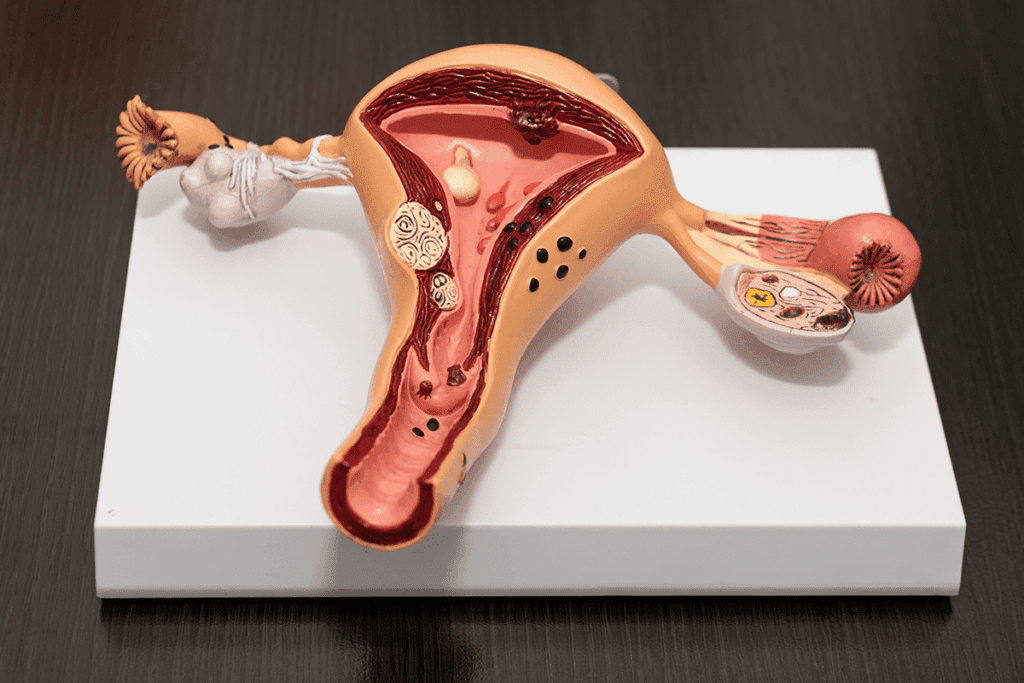
Getting a diagnosis of advanced uterine cancer can be scary. Knowing what to expect is key to making good choices about your care.What is the stage 4 uterine cancer life expectancy without treatment? Get the sobering, essential facts you need to know.
The American Cancer Society says the five-year survival rate for distant endometrial cancer is 22%. This shows how serious it is to not get treatment for Stage 4 uterine cancer.
We know that a diagnosis of advanced uterine cancer needs a lot of support and guidance. Our goal is to give top-notch healthcare with kindness to patients from around the world.
Key Takeaways
- Advanced uterine cancer has a poor prognosis without treatment.
- The five-year relative survival rate for distant endometrial cancer is 22%.
- Understanding the prognosis is key to making informed decisions about care.
- Comprehensive support and guidance are essential for patients with advanced uterine cancer.
- Getting treatment can greatly improve life expectancy.
Understanding Stage 4 Uterine Cancer
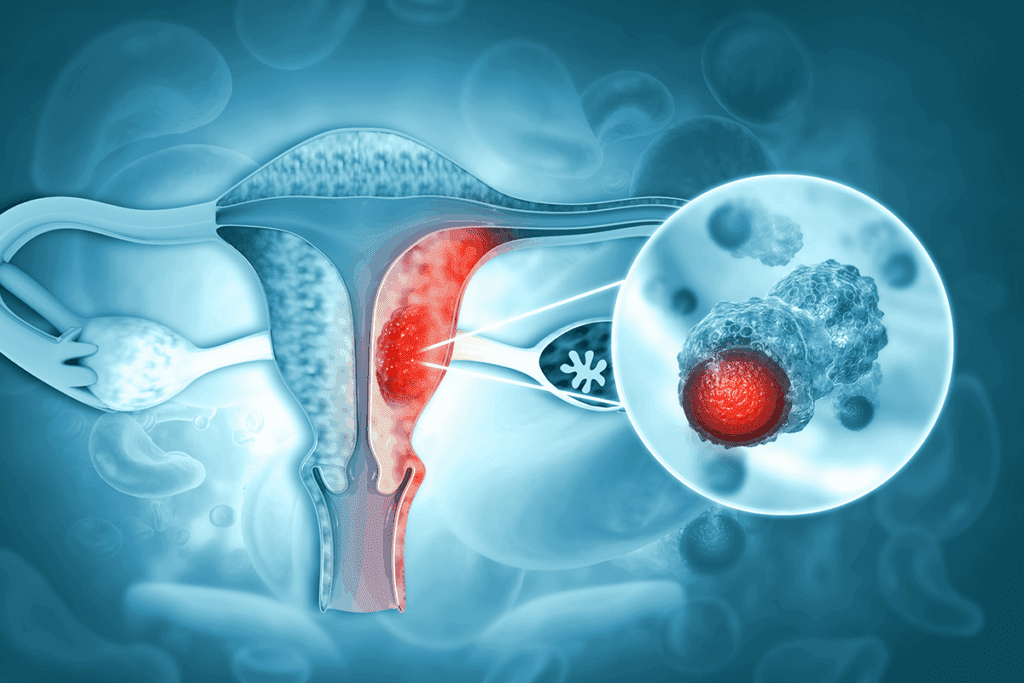
Stage 4 uterine cancer is the most advanced form of this disease. It has spread to distant organs beyond the uterus. This stage is very challenging to treat and manage.
Definition and Classification
Stage 4 uterine cancer has spread to distant organs or tissues outside the pelvic area. It is divided into two subcategories: Stage 4A and Stage 4B. Stage 4A means the cancer has reached the bladder or rectum. Stage 4B indicates it has spread to organs like the lungs, liver, or bones.
This classification helps doctors understand the disease’s extent. It guides them in choosing the right treatment.
How Cancer Reaches Stage 4
Uterine cancer starts in the uterus lining (endometrium) and can grow into the muscle layer. It can then invade nearby tissues and organs. In Stage 4, cancer cells travel through the bloodstream or lymphatic system to form new tumors in distant places.
The cancer can spread through direct invasion, lymphatic spread, or through the bloodstream. Knowing these pathways helps doctors assess the disease’s extent and plan treatment.
Common Sites of Metastasis
Stage 4 uterine cancer often spreads to the lungs, liver, bones, and distant lymph nodes. The specific sites of metastasis can affect symptoms and complications.
Site of Metastasis | Common Symptoms |
Lungs | Cough, shortness of breath |
Liver | Abdominal pain, jaundice |
Bones | Bone pain, fractures |
Knowing the common sites of metastasis and their symptoms is key to managing Stage 4 uterine cancer effectively.
Stage 4 Uterine Cancer Subtypes
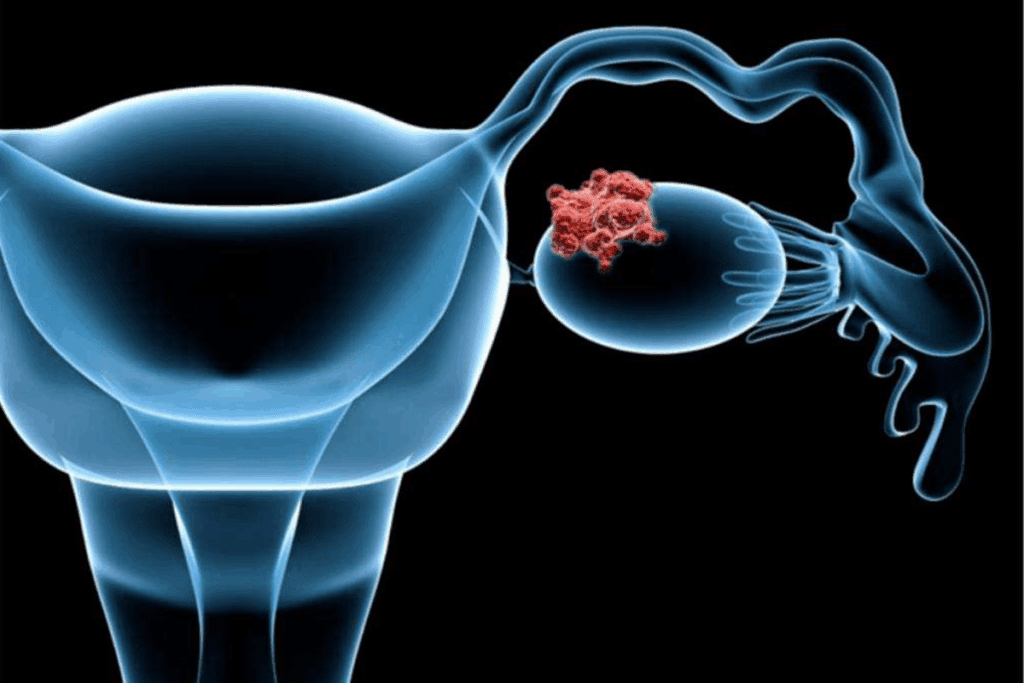
Stage 4 uterine cancer has different subtypes that affect treatment and outlook. Knowing these subtypes helps doctors choose the right treatment for patients.
Stage 4A: Spread to Bladder or Rectum
Stage 4A uterine cancer spreads to the bladder or rectum. This is a locally advanced cancer. It hasn’t spread to distant organs yet. But, it can cause problems like trouble with urination or bowel movements.
Stage 4B: Distant Organ Metastasis
Stage 4B uterine cancer has spread to distant organs like the lungs, liver, or bones. This stage is more serious than Stage 4A. It needs a more detailed treatment plan because the cancer is far away.
Different Histological Types
Uterine cancer also has different types based on cell type and tumor characteristics. These include:
- Endometrioid carcinoma: The most common type, often associated with a better prognosis.
- Uterine serous carcinoma: A more aggressive type, often diagnosed at an advanced stage.
- Uterine carcinosarcoma: A rare and aggressive type, previously considered a type of sarcoma.
- Leiomyosarcoma: A type of smooth muscle tumor that can be malignant.
These types can greatly affect treatment and outlook for Stage 4 uterine cancer. Knowing the specific type is key to creating an effective treatment plan.
General Survival Statistics for Stage 4 Uterine Cancer
When you’re diagnosed with Stage 4 uterine cancer, knowing the survival stats can help. These numbers give a general idea of what to expect. But remember, every person’s journey is different.
Five-Year Survival Rates
The five-year survival rate is a key number to understand. The American Cancer Society says the five-year survival rate for Stage 4 uterine cancer is 22%. This means 22% of women with Stage 4 uterine cancer might live five years or more after diagnosis.
Median Overall Survival
Median overall survival is another important number. It shows how long half of the patients live after diagnosis. While numbers can change based on many factors, knowing this helps set realistic hopes.
Variations by Cancer Subtype
Stage 4 uterine cancer has different subtypes, and survival rates can vary. Some subtypes might have better chances than others. Knowing this helps predict individual outcomes more accurately.
Statistical Limitations
Survival stats are helpful but have limits. They’re based on past data and might not show the latest treatments or individual health. So, it’s key to look at these numbers with your overall health and cancer type in mind.
Category | Five-Year Survival Rate | Median Overall Survival |
Distant Endometrial Cancer | 22% | 12-18 months |
Type I Endometrial Cancer | 25% | 15-20 months |
Type II Endometrial Cancer | 15% | 8-12 months |
Knowing these general survival stats helps patients and families deal with Stage 4 uterine cancer. While these numbers give a general idea, remember that each person’s situation is unique. Always seek personalized medical advice and care.
Stage 4 Uterine Cancer Life Expectancy Without Treatment
Patients with Stage 4 uterine cancer face tough choices when deciding not to treat their cancer. This choice affects their life expectancy and quality of life. It’s often based on their health, how aggressive the cancer is, and their personal values.
Prognosis Without Medical Intervention
Without treatment, Stage 4 uterine cancer’s outlook is grim. Research shows that life expectancy is much shorter than for those who get treatment. The time left can range from a few months to a year, depending on several factors.
Natural Disease Progression
Without treatment, Stage 4 uterine cancer grows and spreads. This can cause pain, bleeding, and problems with organs. As the cancer gets worse, it can greatly reduce the patient’s quality of life.
Comparison to Treated Cases
It’s important to compare life expectancy for untreated Stage 4 uterine cancer patients to those who get treatment. Patients who get treatment usually have a better chance of survival. Some studies show that treatment can extend life by months to years.
Treatment Status | Median Survival Time | Five-Year Survival Rate |
Untreated | A few months to 1 year | Very low |
Treated | 1-3 years | Moderate |
Quality of Life Considerations
When thinking about life expectancy without treatment, quality of life is key. Untreated Stage 4 uterine cancer can cause a lot of symptoms and problems. These can affect daily life and overall well-being. Palliative care can help manage these symptoms, even without curative treatment.
We understand that every patient’s situation is different. The decision to not treat should be made carefully. It should consider the possible outcomes and what matters most to the patient.
Factors Affecting Survival Without Treatment
Patients with Stage 4 uterine cancer who choose not to treat their cancer face many challenges. These challenges affect how long they might live. It’s important for patients and their families to understand these factors to make good choices about their care.
Age and Overall Health
Age and health are key in determining survival for Stage 4 uterine cancer patients. Older patients often have poorer health, which can make their outlook worse. This is because older people may not have the strength to fight the cancer as well.
For example, a 70-year-old with many health problems might not live as long as a younger person with fewer issues. This is because older people have less energy to fight the cancer.
Cancer Aggressiveness and Histology
The cancer’s aggressiveness and type are also important. Some cancers grow fast, while others grow slowly. The type of cancer can tell us how it might behave and how the body might react to it.
Cancers that grow fast and are aggressive are usually harder to treat. Knowing the cancer’s type can help predict how well a patient might do.
Extent and Location of Metastasis
Where and how much the cancer has spread also matters a lot. Patients with cancer in important organs like the liver, lungs, or brain usually have a harder time. This is because these cancers can cause serious problems.
Where the cancer spreads can also affect symptoms. For example, cancer in the bones can cause a lot of pain. Cancer in the lungs can make it hard to breathe.
Comorbidities and Performance Status
Having other health problems can also affect survival. Conditions like heart disease or diabetes can make it harder to manage the cancer. They can also affect overall health.
A patient’s ability to do daily tasks is also important. If a patient can’t do much, they might not live as long. This is because they can’t handle the demands of their cancer.
Factor | Impact on Survival |
Age | Older age associated with poorer prognosis |
Cancer Aggressiveness | More aggressive cancers have poorer outcomes |
Extent of Metastasis | Widespread metastasis associated with poorer prognosis |
Comorbidities | Presence of other health conditions complicates cancer management |
Why Some Patients Forgo Treatment
Choosing not to treat Stage 4 uterine cancer is complex. It involves personal and medical factors. Patients and their families make tough decisions when facing advanced cancer.
Understanding the reasons for this choice is key. “The decision to forgo cancer treatment is never easy,” says Medical Expert, a renowned oncologist. “It’s made after weighing the benefits and drawbacks carefully.”
Personal Values and Quality of Life Priorities
Personal values and quality of life are big factors. Some patients choose comfort and meaningful experiences over aggressive treatments. They focus on the time they have left.
As one patient noted,
“I don’t want to spend my last days feeling miserable from treatment. I’d prefer to be at home with my loved ones.”
This shows how important individual values and priorities are in treatment decisions.
Advanced Age or Frailty
Advanced age or frailty can influence the decision to forgo treatment. Older patients or those with health issues may see the risks as too high. They might feel the benefits of treatment don’t outweigh the quality of life impact.
Age-related considerations include comorbidities, reduced physical resilience, and treatment complications.
Treatment Side Effects vs. Benefits
Patients and healthcare providers must weigh treatment benefits against side effects. Sometimes, the risks are too great, leading to a decision not to treat.
A study in the Journal of Clinical Oncology found that “patients with advanced cancer often prioritize quality of life over quantity of life when faced with treatment decisions.”
Access to Healthcare
Access to healthcare can also be a barrier. Those without insurance or living in areas with limited resources face challenges. It’s hard for them to get the care they need.
It’s important to address these disparities. This ensures all patients can get the care and support they deserve.
Symptoms and Complications in Untreated Stage 4 Uterine Cancer
Untreated Stage 4 uterine cancer can cause many distressing symptoms. These symptoms can greatly reduce a patient’s quality of life. As the cancer grows, these symptoms can worsen and become more severe.
Common Symptoms
Patients with untreated Stage 4 uterine cancer often face several symptoms. These include persistent pain, abnormal vaginal bleeding, and significant weight loss. These symptoms can be very challenging for patients, affecting their well-being and daily activities.
- Persistent pelvic or abdominal pain
- Abnormal vaginal bleeding or discharge
- Significant weight loss or loss of appetite
- Fatigue or feeling weak
Organ-Specific Complications
When Stage 4 uterine cancer spreads to other organs, patients face specific complications. For example, if it reaches the lungs, they might cough or have trouble breathing. Liver metastasis can cause jaundice or swelling in the abdomen.
Organ Involved | Possible Complications |
Lungs | Coughing, shortness of breath, chest pain |
Liver | Jaundice, abdominal swelling, pain in the upper right abdomen |
Bones | Bone pain, fractures, hypercalcemia |
Pain and Discomfort
Pain is a major concern for patients with untreated Stage 4 uterine cancer. This pain can come from the tumor itself or from metastasis to other areas. It’s important to manage pain well to improve their quality of life.
Pain management strategies include medication, palliative care, and other supportive measures. These help reduce suffering and increase comfort.
Functional Limitations
As the disease progresses, patients with untreated Stage 4 uterine cancer face many challenges. These challenges can make daily activities and independence hard. These issues come from pain, fatigue, or complications from metastasis.
Understanding these symptoms and complications is key for healthcare providers. It helps them offer the right supportive care. This improves the quality of life for patients with untreated Stage 4 uterine cancer.
Palliative and Supportive Care Options
Stage 4 uterine cancer often leads to a focus on palliative care. This care aims to reduce suffering and improve comfort. It covers physical symptoms, emotional distress, and social concerns.
Pain Management Approaches
Pain management is key in palliative care. We use medicines and alternative therapies to help patients. Multidisciplinary pain management teams create plans that fit each patient’s needs.
Symptom Control Strategies
Palliative care also manages symptoms like nausea, fatigue, and shortness of breath. Symptom control strategies are made for each person. They aim to improve life quality. We use proven methods to reduce these symptoms.
Emotional and Psychological Support
Diagnosing Stage 4 uterine cancer can be tough emotionally. We offer emotional and psychological support. This includes counseling, support groups, and other resources. They help patients and families deal with the diagnosis.
Hospice Care Services
For those with advanced Stage 4 uterine cancer, hospice care is available. It focuses on comfort, not treatment. Hospice teams manage pain, symptoms, and offer emotional and spiritual support. They work in homes and other settings.
By using these care options, we can greatly improve life for Stage 4 uterine cancer patients. They get compassionate and complete care at every step.
Conclusion
Knowing the life expectancy for stage 4 uterine cancer without treatment is key. It helps patients and their families make informed care choices. We’ve talked about survival stats, factors that affect survival, and the role of palliative care in managing symptoms and improving life quality.
The prognosis for stage 4 uterine cancer varies a lot. This depends on age, overall health, and how far the cancer has spread. While survival stats give a general idea, each person’s situation can be different. Palliative care is very important. It helps control symptoms, manage pain, and offers emotional support.
For those with stage 4 uterine cancer, a complete care plan is needed. This includes medical treatment and supportive services. These services help with the physical, emotional, and mental effects of the disease. Understanding these options and the value of palliative care helps patients make choices that fit their needs and values.
FAQ
What is Stage 4 uterine cancer, and how is it different from earlier stages?
Stage 4 uterine cancer is the most advanced stage. It means cancer has spread to distant parts of the body. This includes the bladder, rectum, or other organs.
It is divided into two subcategories. Stage 4A is when cancer spreads to the bladder or rectum. Stage 4B is when it spreads to distant organs.
What are the common sites of metastasis for Stage 4 uterine cancer?
Common places cancer spreads to include the lungs, liver, bones, and distant lymph nodes. It can also spread to the bladder, rectum, and other organs in the pelvic area.
What is the life expectancy for Stage 4 uterine cancer without treatment?
Life expectancy without treatment varies. It depends on the patient’s health, age, and cancer’s aggressiveness. Generally, it’s poor, with a much shorter life span than treated cases.
What are the symptoms of untreated Stage 4 uterine cancer?
Symptoms include pelvic pain, vaginal bleeding, weight loss, fatigue, and difficulty breathing. As cancer progresses, patients may face organ-specific complications like bowel obstruction or urinary retention.
What palliative care options are available for Stage 4 uterine cancer patients?
Options include pain management, symptom control, emotional support, and hospice care. These aim to improve quality of life and reduce suffering.
Can Stage 4 uterine cancer be treated, and what are the treatment options?
Treatment options for Stage 4 uterine cancer are limited. They include chemotherapy, radiation therapy, hormone therapy, and surgery. Treatment choice depends on health, disease extent, and cancer type.
How does the histological type of uterine cancer affect prognosis and treatment?
The cancer type, like serous or clear cell, impacts prognosis and treatment. Some types are more aggressive, needing more intense treatment.
What factors influence the decision to forgo treatment for Stage 4 uterine cancer?
Decisions are influenced by personal values, quality of life, age, and healthcare access. Patients and families must consider treatment benefits and risks.
What is the role of supportive care in managing Stage 4 uterine cancer?
Supportive care is key in managing Stage 4 uterine cancer. It focuses on symptom relief, improving quality of life, and emotional support for patients and families.
Are there any famous uterine cancer survivors who have shared their experiences?
While there may not be famous survivors, many women have shared their journeys. They raise awareness and offer support to others with the disease.
References
National Center for Biotechnology Information. Evidence-Based Medical Guidance. Retrieved from https://www.ncbi.nlm.nih.gov/pmc/articles/PMC9827697/