Infertility can be a challenging and emotional experience. But, thanks to medical advancements, there’s hope for those struggling to conceive.
Infertility means you can’t getpregnant after a year of trying (six months for women over 35). It’s a tough time, and getting medical help is key to finding a way forward.
The world of fertility treatment is changing fast, offering hope to many couples. Today, there are several stages of infertility treatment, each designed to address specific causes of infertility. From genetic testing to advanced stem cell therapies, the options are expanding—giving patients more effective and personalized solutions than ever before.
Key Takeaways
- Many effective options are now available for treating infertility.
- Getting medical help is essential for those trying to conceive.
- New technologies, like genetic screening, are part of fertility care.
- Stem cell treatments and other innovative therapies are emerging.
- Now, treatments can be tailored to fit each person’s needs.
Understanding Infertility: Causes and Prevalence

Understanding infertility is key for those trying to conceive. It’s a complex issue that can affect both men and women. About one-third of female infertility is due to hormone imbalances in the reproductive system. In most cases, infertility is caused by ovulation problems, blocked fallopian tubes, or sperm issues.
Common Causes of Female Infertility
Female infertility can stem from ovulation disorders, structural issues, and hormonal imbalances. Problems like polycystic ovary syndrome (PCOS) can prevent egg release. Structural problems, like blocked fallopian tubes, can also block conception.
Hormonal imbalances are a big factor in female infertility. Issues like thyroid disorders or hyperprolactinemia can disrupt reproductive function. Age, lifestyle, and certain medical conditions also play a role.
Common Causes of Male Infertility
Male infertility often involves sperm production, quality, or delivery issues. Low sperm count, poor motility, and abnormal shape are common. Lifestyle factors like smoking and alcohol can harm sperm health.
Medical conditions like varicocele, infections, or hormonal imbalances can also impact fertility. Knowing these causes is vital for effective treatment.
When to Seek Treatment
If you’re under 35 and haven’t conceived after a year, seek medical help. For women over 35, it’s six months. Recognizing infertility signs early and getting medical help can improve treatment success.
Seeing a fertility specialist early can help find causes and choose the right treatment. Addressing infertility concerns early is key to a successful outcome.
The Complete Stages of Infertility Treatment

Starting the journey to overcome infertility involves several key steps, beginning with a detailed first meeting. We know this path can be tough and emotional. Our aim is to help you through each part with kindness and knowledge.
Initial Consultation and Medical History
The first step is the initial consultation, where we collect your medical history. This is key to finding out why you might be struggling to conceive. We talk about your health, lifestyle, and any past fertility treatments. This detailed approach helps us create a treatment plan just for you.
Diagnostic Testing Phase
After the first meeting, we move on to the diagnostic testing phase. These initial tests are essential to find any underlying problems. We check hormone levels, semen quality, and look at your reproductive organs with imaging. These tests give us important info about your reproductive health.
- Hormone level testing to check ovulation and thyroid health
- Semen analysis to look at sperm quality
- Imaging tests like ultrasound to see the reproductive organs
Treatment Planning and Progression
After the tests, we create a treatment plan just for you. This might include lifestyle changes, medication, or advanced treatments like IUI or IVF. We keep a close eye on your progress and adjust the plan if needed. We aim to offer the best treatments while avoiding unnecessary steps.
We always keep the lines of communication open. This way, you’re informed and supported every step of the way. Knowing about the stages of infertility treatment helps you understand your journey better and make informed choices about your care.
Diagnostic Methods for Infertility
Understanding infertility starts with detailed testing. We use many methods to find the causes and plan treatments.
Hormone Level Testing
Hormone tests are key in finding infertility causes. Blood tests check hormone levels like FSH, LH, estrogen, and progesterone. These tests show if hormone issues are causing infertility.
Key Hormones Tested:
- FSH: Shows how many eggs are left
- LH: Needed for ovulation
- Estrogen: Important for ovulation and growing embryos
- Progesterone: Prepares the uterus for a baby
Imaging Tests and Procedures
Imaging tests give us a close look at the reproductive system. Ultrasound checks the ovaries, uterus, and fallopian tubes. For men, semen analysis looks at sperm quality.
Imaging Test | Purpose |
Ultrasound | Evaluate ovaries, uterus, and fallopian tubes |
Semen Analysis | Assess sperm count, motility, and morphology |
At-Home Fertility Testing Options
At-home fertility kits are easy and non-invasive. They test hormone levels in urine or saliva. They help spot ovulation and hormone issues. While not a full test, they guide people to see a doctor.
Using these tests together helps us understand infertility well. This way, we can make a treatment plan just for you. Early action is important for fertility success.
Lifestyle Modifications as First-Line Treatment
Making lifestyle changes can greatly improve fertility. These changes are empowering and don’t involve surgery. By adjusting daily habits, people can boost their chances of getting pregnant. Let’s look at the key changes that can help.
Nutrition and Weight Management
Eating a balanced diet is key for reproductive health. Nutritional deficiencies can mess with hormone levels and ovulation. Keeping a healthy weight is also important, as being too thin or too heavy can upset hormone balances.
- Eat a variety of fruits, vegetables, whole grains, and lean proteins.
- Avoid too much processed food and sugar.
- Get advice from a nutritionist for your specific needs.
A study in the Journal of Clinical Endocrinology and Metabolism says a healthy diet and right weight are essential for fertility.
Stress Reduction Techniques
Too much stress can harm fertility by messing with hormone levels and ovulation. Using stress reduction techniques can help.
- Try mindfulness or meditation every day.
- Do yoga or walk regularly.
- See a mental health expert if needed.
“Stress management is a big part of fertility treatment, affecting both body and mind.” — Fertility Expert
Timing and Frequency of Intercourse
Knowing when and how often to have sex is key for getting pregnant. The best time is a few days before and the day of ovulation.
- Use apps or basal body temperature charts to track ovulation.
- Have regular, unprotected sex during the fertile window.
- Stay away from lubricants that slow sperm.
By making these lifestyle changes, people can improve their fertility. It’s about making lasting changes that help with fertility and overall health.
Medication-Based Treatments
Medications play a key role in treating infertility. They help stimulate ovulation and improve fertility. These treatments target specific issues, like ovulation problems, to boost conception chances.
Ovulation Induction Medications
Ovulation induction medications help women who don’t ovulate regularly. They stimulate the ovaries to produce eggs, increasing ovulation and conception chances. Clomiphene citrate and letrozole are top choices for these medications.
The right medication depends on the patient’s health and fertility issues. For example, clomiphene is often used for PCOS. Letrozole is better for those at risk of having twins.
Hormone Therapy Options
Hormone therapy is vital in treating infertility. It helps balance hormones, which is key for fertility. Gonadotropin-releasing hormone (GnRH) agonists and antagonists control ovulation timing and prevent early ovulation during treatments.
Gonadotropins directly stimulate the ovaries. They help grow multiple follicles, increasing egg numbers in IVF cycles.
Hormone Therapy | Purpose | Examples |
GnRH Agonists/Antagonists | Control ovulation timing | Leuprolide, Cetrorelix |
Gonadotropins | Stimulate ovarian follicles | FSH, LH, hCG |
Managing Side Effects
Medications for infertility can have side effects. These include bloating, mood swings, and headaches. It’s important to talk to your doctor about these to manage them.
Doctors may adjust doses or suggest other treatments to lessen side effects. For example, progesterone can help during the luteal phase and reduce side effects.
Knowing about different treatments helps people make informed choices about their fertility care. Our healthcare providers create personalized plans to meet each patient’s needs and increase their chances of a successful pregnancy.
What to Do If You’re Not Ovulating
First, we need to find out why ovulation isn’t happening. This is key for women trying to get pregnant. Knowing the causes and treatments is very important.
Identifying Ovulation Problems
To check if ovulation is happening, we look at medical history, physical exams, and tests. Signs include irregular periods, no periods (amenorrhea), or not ovulating often.
Diagnostic methods include:
- Basal body temperature charting
- Ovulation predictor kits (OPKs)
- Ultrasound monitoring
- Hormone level testing, like for luteinizing hormone (LH) and progesterone
Medical Interventions for Anovulation
For women with anovulation or irregular ovulation, medical interventions can help. These include:
- Clomiphene citrate (Clomid): A drug that helps release hormones for ovulation
- Letrozole (Femara): An aromatase inhibitor for ovulation
- Gonadotropins: Hormones that help the ovaries make eggs
Success Rates and Expectations
The success rates of treatments for anovulation depend on many things. This includes the cause, treatment, and individual factors. Women with PCOS or other ovulation issues often see good results with meds.
It’s important to have realistic hopes. Working closely with a healthcare provider is key. They can help track progress and change treatment plans if needed.
Intrauterine Insemination (IUI) Procedures
For many couples facing infertility, Intrauterine Insemination (IUI) is a less invasive and effective option. It involves selecting and washing sperm. Then, they are placed directly into the woman’s uterus around ovulation time. This increases the chances of fertilization.
Candidate Selection for IUI
Not everyone is a good fit for IUI. It’s usually recommended for those with:
- Unexplained infertility
- Mild male factor infertility
- Cervical factor infertility
- Same-sex couples or single women using donor sperm
The selection process includes a detailed medical history, physical exam, and diagnostic tests. These steps help figure out the cause of infertility and if IUI is right.
The IUI Process Step-by-Step
The IUI process is simple and can be broken down into several steps:
- Ovulation Induction: Medications may be given to stimulate ovulation.
- Monitoring: Ultrasound is used to track follicle development and IUI timing.
- Sperm Preparation: A semen sample is washed and prepared to isolate healthy sperm.
- IUI Procedure: The prepared sperm is inserted into the uterus using a catheter.
This procedure is done in a clinical setting and is quick and painless.
Success Rates and Multiple Attempts
The success of IUI depends on several factors. These include the woman’s age, sperm quality, and the cause of infertility. On average, the success rate per cycle is 10-20%. Couples may need to try multiple times, and the overall success rate can be higher.
It’s important for couples to talk to their healthcare provider about their chances of success. They should understand the possibility of needing multiple attempts.
In Vitro Fertilization (IVF) and Advanced Reproductive Technologies
In vitro fertilization (IVF) is a top choice for those facing infertility. It offers hope to many. IVF works by stimulating the ovaries to produce eggs, then fertilizing them in a lab.
IVF is a detailed process that needs careful planning. We’ll walk you through it, including advanced methods like Intracytoplasmic Sperm Injection (ICSI) and Frozen Embryo Transfer.
The Complete IVF Process
The IVF journey starts with ovarian stimulation. This uses medications to get the ovaries to produce eggs. Next, a minor surgery called egg retrieval is done under sedation.
After the eggs are retrieved, they’re fertilized with sperm in the lab. The embryos grow for 3-5 days before being transferred to the uterus.
“IVF has revolutionized the field of reproductive medicine, giving new possibilities to those who dream of having a child.” — Medical Expert, Fertility Specialist
Intracytoplasmic Sperm Injection (ICSI)
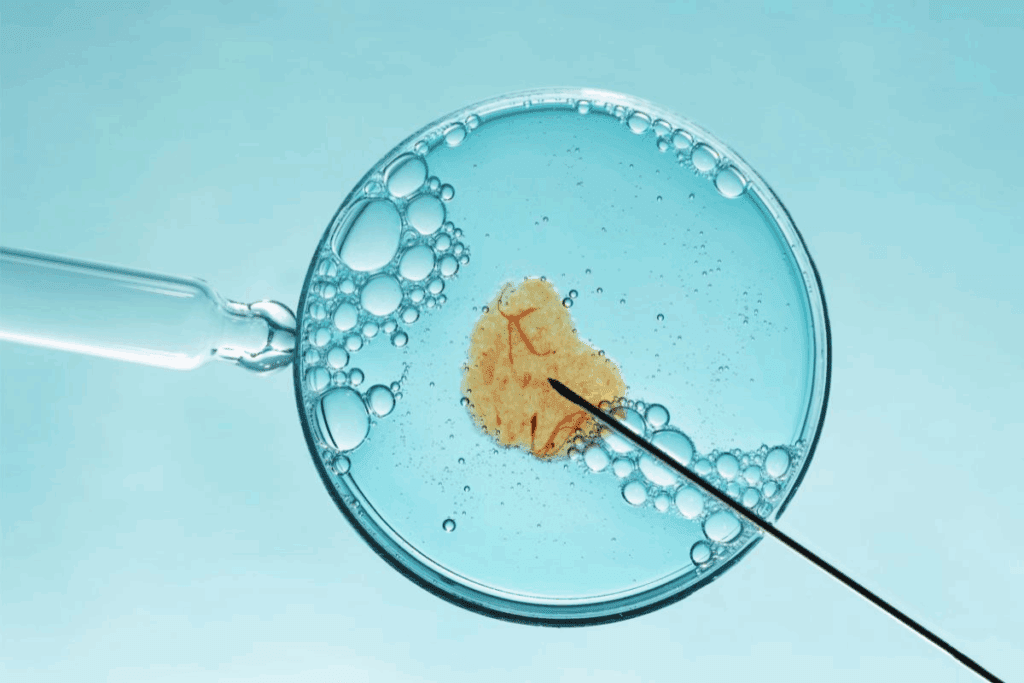
ICSI is a special technique used with IVF. It involves injecting a single sperm into an egg to help fertilize it. This method is great for those with male fertility issues.
ICSI Benefits | Description |
Improved Fertilization Rates | ICSI boosts fertilization chances, even with low sperm count or poor quality. |
Reduced Risk of Fertilization Failure | By injecting sperm directly, ICSI lowers the risk of fertilization failure. |
Frozen Embryo Transfer
Frozen Embryo Transfer (FET) uses thawed embryos for transfer. It’s a natural cycle approach that can up success rates.
FET is good for those who’ve had failed IVF cycles or want to delay transfer.
Understanding IVF and advanced technologies like ICSI and FET helps us tackle infertility. It lets us make informed decisions about our treatment.
Innovative Fertility Treatments and Technologies
The world of fertility treatment is changing fast. New technologies are making it easier to help people have babies. These changes are making treatments more successful and better for patients.
AI-Powered Embryo Selection
Artificial Intelligence (AI) is now helping pick the best embryos. AI looks at embryo images to guess which ones will work best. This has made getting pregnant easier and faster, by up to 30%.
Here’s how AI helps:
- It uses special cameras to watch how embryos grow.
- AI learns from these images to spot the best embryos.
- It picks the embryos most likely to lead to a successful pregnancy.
Preimplantation Genetic Testing (PGT)
Preimplantation Genetic Testing (PGT) is another big step forward. It checks embryos for genetic problems before they’re implanted. This helps avoid miscarriages and boosts IVF success rates.
PGT’s benefits are clear:
- It lowers the chance of miscarriage due to genetic issues.
- It makes IVF more likely to work.
- It reduces the risk of genetic problems in babies.
Emerging Stem Cell Therapies
Stem cell therapies are a new hope in fertility. They aim to fix or replace damaged reproductive cells. This could help with many fertility problems.
Stem cell therapies might help in several ways:
- They could grow back ovarian tissue to restore fertility.
- They might make the uterus more ready for embryos.
- They could treat early menopause.
These technologies are just starting, but they’re very promising for the future of fertility treatments.
Fertility Preservation Options
Medical technology has made it easier for people to plan their families. This is key for those facing treatments or personal issues that might harm their fertility.
Egg and Embryo Freezing
Egg freezing lets women save their eggs for later. It’s great for those about to start treatments that could hurt their fertility, like chemotherapy. It’s also for women who aren’t ready to have kids yet but want to keep their options open.
The process starts with stimulating the ovaries, then removing the eggs. These eggs are frozen using a quick freezing method called vitrification. Later, the eggs can be thawed, fertilized, and implanted as embryos.
Sperm Banking
Sperm banking helps men save their sperm. It’s for men facing treatments that could harm their fertility, like cancer therapy. It’s also for those in risky jobs.
The process is simple. It includes a semen analysis, freezing, and storing the sperm in a bank. This way, the sperm can be used later for intrauterine insemination (IUI) or IVF.
Ovarian Tissue Cryopreservation
Ovarian tissue cryopreservation is a newer method. It freezes ovarian tissue with eggs. It’s for young women, even kids, facing treatments that could harm their ovaries.
The method involves removing a piece of the ovary, freezing it, and then reimplanting it later. It’s not widely used yet but offers hope for young patients.
These fertility preservation options are big steps forward in reproductive medicine. They give people and couples a chance to protect their future fertility. By learning about these technologies, they can make better choices about their family plans.
Financial Considerations and Insurance Coverage
It’s important to know the financial side of infertility treatment. The cost can change a lot based on the treatment and your insurance.
Understanding Treatment Costs
Infertility treatment can be expensive. It includes costs for first visits, tests, medicines, and procedures like IUI or IVF. Getting a clear cost breakdown is key to planning well.
Medicine costs can vary a lot. For example, ovulation medicines can cost between $500 to $1,000 per cycle. IVF can cost even more, from $12,000 to $17,000 per cycle in the U.S.
Insurance Coverage for Fertility Treatments
Insurance for fertility treatments varies a lot. Some plans cover tests and treatments, but others don’t.
It’s important to check your insurance policy. Some states require insurance to cover certain treatments. This can help lower your costs.
Financing Options and Support Programs
For many, the cost of fertility treatment is a big challenge. But, there are ways to help manage these costs.
- Many fertility clinics offer financing plans or package deals to lower costs.
- Some groups give grants or financial help for those getting fertility treatment.
- There are also companies that offer loans just for fertility treatment.
By looking into these options, you can make better choices about your fertility treatment.
Conclusion: Creating Your Personalized Fertility Treatment Plan
Creating a personalized fertility treatment plan is key to success in your journey. Every person or couple is different. A plan tailored to your needs is essential.
Start by getting help from experienced reproductive endocrinologists and top fertility clinics. They offer a wide range of treatments, including new technologies and therapies.
Work closely with your healthcare provider to create a plan that fits your life and preferences. This way, you can make informed choices and be actively involved in your care.
With expert advice and a plan made just for you, you can increase your chances of success. This could be the start of your family.
FAQ
What are the common causes of infertility in women?
Hormone imbalances and ovulation disorders are common causes of female infertility. Structural abnormalities also play a role. Age, lifestyle, and medical conditions can affect fertility too.
How do I know if I’m not ovulating?
Look out for irregular periods and trouble conceiving. If you notice these signs, see a fertility specialist. They can check your hormone levels to see if ovulation is the issue.
What are my treatment options if I’m not ovulating?
We offer treatments like ovulation induction medications and hormone therapy. Our team will create a plan just for you to help you conceive.
What is the difference between IUI and IVF?
IUI means putting sperm directly into the uterus. IVF involves fertilizing eggs in a lab and then transferring them to the uterus. We’ll help choose the best option for you.
How do I prepare for IVF treatment?
Eat well and manage stress to prepare for IVF. Our specialists will guide you through the steps and preparations needed for the treatment.
What are the success rates for fertility treatments?
Success rates vary based on age, medical history, and treatment type. We’ll give you personalized guidance on what to expect and the factors that affect success.
How much do fertility treatments cost?
Costs vary by treatment type and complexity. We offer clear pricing and help with insurance and financing to make treatment more affordable.
Can I freeze my eggs or embryos for future use?
Yes, we offer egg and embryo freezing. Our specialists will explain the process and its benefits and considerations.
What are the benefits of preimplantation genetic testing (PGT)?
PGT identifies genetic issues in embryos, lowering miscarriage risk and increasing pregnancy chances. We offer PGT as part of our advanced reproductive technologies.
How can I reduce stress during fertility treatment?
Try stress-reducing activities like meditation or yoga. Our team is here to support and guide you through the process.
What lifestyle changes can I make to improve my fertility?
Focus on a healthy weight, balanced diet, and stress reduction. Our specialists can offer personalized advice to support your fertility goals.
Are there any new or emerging fertility treatments available?
Yes, we’re always exploring new treatments like AI-powered embryo selection and stem cell therapies. Our specialists will keep you updated on the latest options.
Government Health Resource. Infertility Treatment Options: A Comprehensive Guide. Retrieved from https://www.aafp.org/pubs/afp/issues/2015/0301/p308.html



 Departments
 Related Videos
 Our Doctors
 News
News