
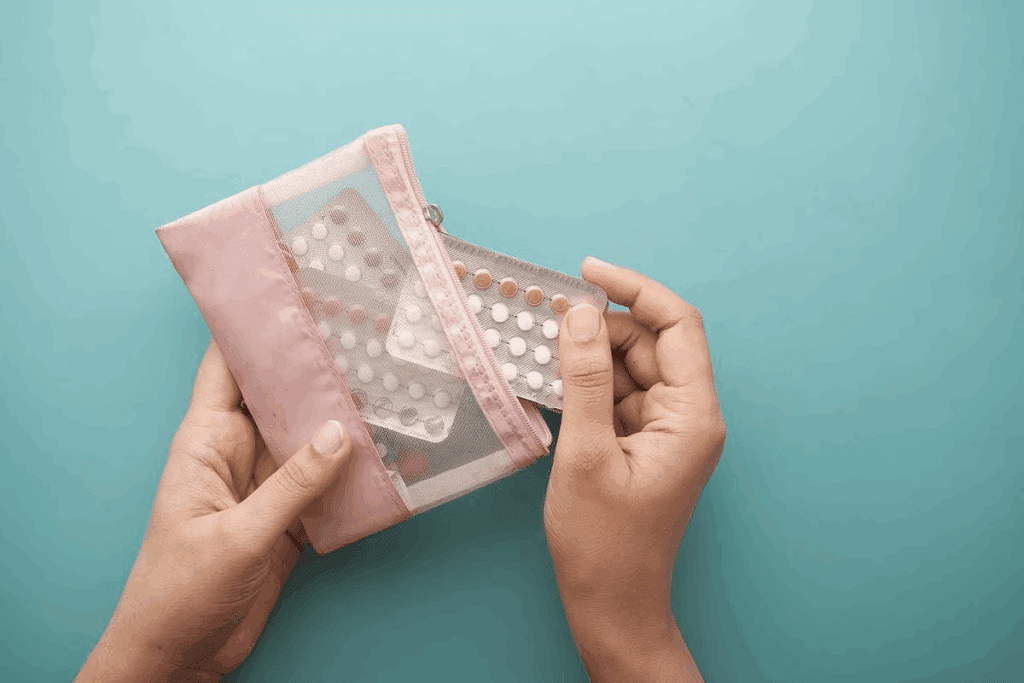
Let me tell you when to start birth control after egg retrieval Many women preparing for egg retrieval or IVF wonder if birth control impacts their egg quality and fertility. At places like Liv Hospital, we offer care that’s based on evidence and focused on the patient. We meet international medical standards.
Hormonal contraceptives stop ovulation by controlling hormones, not by harming eggs. Studies show that birth control prevents ovulation by blocking the hormones that release eggs.
We know fertility treatments can be scary. But, we’re here to give you top-notch healthcare. We also offer full support for patients from around the world.
Key Takeaways
- Hormonal contraceptives temporarily stop ovulation.
- Birth control doesn’t harm or destroy eggs.
- Egg quality isn’t directly affected by hormonal contraceptives.
- Fertility experts can control cycle timing with hormones.
- Using evidence-based care is key for successful fertility treatments.
The Relationship Between Birth Control and Egg Development
Hormonal contraceptives are key in reproductive planning. But, their impact on egg development is important to understand. We’ll look at how these contraceptives affect ovulation and egg development.
How Hormonal Contraceptives Affect Ovulation
Birth control pills, patches, and rings introduce hormones that stop ovulation. They keep estrogen and progesterone levels steady. This makes the body think it’s pregnant, stopping ovulation. This doesn’t harm future egg quality or quantity.
Research shows that when you stop hormonal birth control, hormone cycles usually return in a few months.
Temporary Suppression vs. Permanent Effects
Doctors agree that hormonal contraceptives’ effects on ovulation are temporary. When you stop using them, ovulation usually starts again. Studies show ovaries return to normal, and egg development goes back to usual.
Here’s a table to show how quickly ovulation returns:
| Time After Stopping Birth Control | Percentage of Women Resuming Ovulation |
|---|---|
| 1-3 months | 60% |
| 3-6 months | 85% |
| 6-12 months | 95% |
In summary, birth control mainly stops ovulation temporarily. Once you stop using it, ovulation and egg development go back to normal.
Common Misconceptions About Birth Control and Eggs
Women often worry about birth control and eggs. They fear hormonal contraceptives might harm their reproductive health. This includes concerns about egg quality and quantity.
Does Birth Control Kill Your Eggs?
Many believe birth control harms or kills eggs. But, research shows this is a myth. Birth control does not reduce the number of eggs for fertility treatments or damage them.
Studies prove long-term birth control use doesn’t affect fertility or egg quality after stopping. Healthline and other sources confirm fertility returns to normal once hormonal contraceptives are stopped.
What Actually Happens to Eggs While on Birth Control
Birth control mainly stops ovulation. This means eggs are not released during the cycle. But, it doesn’t mean eggs are destroyed or damaged.
Instead, eggs stay in the ovaries. Ovulation starts again when birth control is stopped. This pause is reversible and doesn’t harm egg quality or quantity.
Does Birth Control Prolong Fertility?
Some think birth control preserves eggs, extending fertility. But, it only pauses ovulation. It doesn’t freeze eggs like egg freezing does.
The table below shows the main differences between birth control’s effects on eggs and actual egg preservation methods.
| Method | Effect on Eggs | Purpose |
|---|---|---|
| Birth Control | Suppresses ovulation temporarily | Contraception |
| Egg Freezing | Preserves eggs for future use | Fertility preservation |
Birth control offers a temporary pause from ovulation but isn’t for preserving fertility. Women worried about fertility should talk to healthcare professionals. They can discuss options like egg freezing for delaying pregnancy.
The Science of Ovulation Suppression
Ovulation suppression through birth control is a temporary measure. It doesn’t damage eggs, but how does it work? We will explore the biological processes involved in ovulation suppression. This will provide a clear understanding of how birth control affects egg development.
How Birth Control Prevents Ovulation
Hormonal birth control methods, like pills, patches, and rings, work by preventing ovulation. They do this by changing the body’s hormonal balance. They introduce synthetic versions of estrogen and progesterone.
These hormones lower the production of follicle-stimulating hormone (FSH) and luteinizing hormone (LH). These hormones are key for ovulation to happen.
With FSH and LH levels down, egg maturation and release are stopped. This doesn’t harm eggs; it just pauses their development. The Medical organization says hormonal contraceptives stop the ovary from releasing an egg, preventing pregnancy.
Where Do Your Eggs Go When You’re on Birth Control?
When using hormonal birth control, eggs don’t “go” anywhere; their development is just paused. The ovaries have a set number of eggs, and birth control doesn’t change that. Instead, it stops eggs from maturing and being released.
Think of it like a pause button on egg development. When birth control is stopped, hormonal balance returns. Ovulation can start again. This is why many women can get pregnant soon after stopping birth control.
In summary, birth control temporarily stops ovulation by changing hormonal balances. It prevents egg maturation and release without harming them. This is key for women considering fertility treatments and managing their reproductive health.
Birth Control’s Impact on Long-term Egg Quality
Research on birth control and egg quality has given us important insights. It helps women plan their reproductive health. We need to look at how hormonal contraceptives affect egg development over time.
Research on Egg Quality After Contraceptive Use
Studies show that birth control doesn’t harm egg quality or quantity long-term. “The use of hormonal contraception is not associated with a significant decline in ovarian reserve,” says research (Source: Amilis, EVOLVE). This is good news for women worried about birth control’s effect on future fertility.
Research shows that birth control’s temporary stop of ovulation doesn’t hurt the ovaries. When women stop using birth control, their ovaries start working normally again. Ovulation comes back.
Does Birth Control Save Your Eggs for Future Fertility?
Some think birth control might “save” eggs for later. But it doesn’t directly keep eggs safe. It just stops ovulation, which might help future fertility by not using up eggs.
But, this “saving” idea isn’t about keeping eggs safe. It’s about stopping ovulation temporarily. When women stop using birth control, their body goes back to normal. Ovulation starts again.
| Aspect | Effect of Birth Control | Impact on Future Fertility |
|---|---|---|
| Ovulation | Temporarily suppressed | No long-term negative impact |
| Egg Quality | No significant alteration | Remains unaffected |
| Ovarian Reserve | Not depleted during use | Resumes normal function post-use |
The table shows that birth control doesn’t harm egg quality or quantity long-term. This is reassuring for women thinking about their reproductive options. They can worry less about birth control’s impact on their fertility.
“The use of hormonal contraception is not associated with a significant decline in ovarian reserve.”
Source: Amilis, EVOLVE
In summary, birth control doesn’t directly “save” eggs. But, it stops ovulation temporarily. This lets women control their reproductive cycles without harming egg quality or quantity. This knowledge helps women make better choices about their reproductive health and future fertility.
Birth Control Before Egg Retrieval Procedures
Before egg retrieval, patients often take birth control. This is a key step in getting ready for fertility treatments, like IVF.
Birth control has several reasons. It helps match menstrual cycles for the egg retrieval. This is key for treatment success, making sure eggs are taken at the best time.
Purpose of Pre-Retrieval Birth Control
The main reason for birth control before egg retrieval is to regulate and synchronize the menstrual cycle. This helps fertility experts plan the egg retrieval better. Experts say, “Hormonal contraceptives before IVF can improve results by controlling ovarian stimulation” (EVOLVE).
Another big plus is preventing ovarian cysts during IVF’s stimulation phase. Birth control stops natural ovulation, lowering cyst risk. This makes the treatment safer and more effective.
Typical Protocols and Duration
Birth control protocols vary based on treatment plans and patient needs. Usually, pills or hormonal contraceptives are given for a few weeks to months before the procedure.
- Birth control use before egg retrieval lasts 2 to 4 weeks.
- Combination oral contraceptives are often prescribed.
- Some use GnRH antagonists for more control.
The exact protocol depends on the patient’s history, ovarian reserve, and treatment needs.
“Birth control before egg retrieval is common in IVF, improving cycle control and outcomes,” says Amilis, a top fertility expert.
Knowing about birth control before egg retrieval helps patients prepare for fertility treatments. It boosts their chances of a successful outcome.
When to Start Birth Control After Egg Retrieval
Many women wonder when they can start birth control again after egg retrieval. It’s important to know when to start to avoid pregnancy and keep reproductive health in check. We’ll look at what doctors say and what factors to consider.
Medical Recommendations for Resuming Contraception
Doctors usually say to start birth control after the first period after egg retrieval. Experts at EVOLVE and Amilis agree. They say waiting for the first period helps the body get back to normal. This makes it safer to start birth control again.
“The key is to wait until after the first period following egg retrieval before resuming birth control. This allows the body to return to its natural state, making it easier to determine the best time to restart contraception.”
Expert Opinion
Factors That Influence Timing Decisions
Several things can affect when to start birth control again. These include:
- The type of fertility treatment received
- The individual’s overall health and medical history
- The specific birth control method chosen
- The woman’s personal preferences regarding contraception
It’s key for women to talk to their doctor about their situation. By considering these factors and following medical advice, women can make smart choices about their reproductive health.
Resuming birth control after egg retrieval requires careful consideration of medical recommendations and personal factors. By understanding the guidelines and consulting with healthcare professionals, women can make informed choices about their reproductive health.
Birth Control Protocols for Different Fertility Treatments
In fertility treatments like IVF and egg freezing, birth control helps control menstrual cycles and egg growth. These steps are key to getting the best results and getting ready for the treatments.
Standard Birth Control Protocols for IVF
For IVF, doctors often use birth control pills or hormonal contraceptives. This is to make sure menstrual cycles are in sync. This is important for the egg retrieval process and making sure eggs are ready.
The usual plan is to start birth control pills 2-4 weeks before IVF starts. This helps control the timing of the cycle and stops ovulation before the egg retrieval.
Key aspects of IVF birth control protocols include:
- Synchronization of menstrual cycles
- Prevention of ovulation before egg retrieval
- Optimization of egg development
Birth Control Use in Egg Freezing Procedures
Egg freezing also uses birth control, but it depends on the cycle and the clinic’s rules. Birth control stops natural ovulation and lets doctors give medicines to grow eggs.
Some clinics start birth control pills before the egg freezing cycle. This helps sync the menstrual cycle and boosts egg retrieval success.
Benefits of birth control in egg freezing include:
- Improved control over menstrual cycle timing
- Enhanced egg retrieval outcomes
- Better synchronization with the egg freezing schedule
Knowing about birth control in fertility treatments helps people prepare better. It lets them make informed choices about their care.
Special Considerations for Women with Low Ovarian Reserve
Women with low ovarian reserve face a tough choice about birth control before IVF. The mix of hormonal contraceptives and fertility treatments needs careful thought.
Birth Control Before IVF with Low AMH
Women with low AMH levels have special challenges with IVF. Some birth control methods might help before IVF. “Hormonal contraceptives before IVF can help eggs develop better,” say fertility experts.
But, the right birth control and how long to use it depends on each woman’s health and ovaries. Research shows short-term use of some hormonal contraceptives might not hurt egg quality or number.
Alternative Approaches for Diminished Egg Quantity
For women with fewer eggs, there are other ways to improve IVF success. These include:
- Personalized ovarian stimulation to get more eggs
- Thinking about egg donation or other reproductive technologies
- Trying supplements or medications to help ovaries work better
Women with low ovarian reserve should talk to fertility experts to find the best birth control and IVF plans for them.
“The key to successful IVF in women with low ovarian reserve lies in personalized treatment planning and careful management of every step of the process.”
With a custom plan, women with low ovarian reserve can boost their chances of IVF success, even when it’s tough.
Different Types of Birth Control and Their Effects on Fertility
It’s important for women to know about the different birth control options and how they affect fertility. There are many choices, and it can be hard to understand their impact on fertility. We will look at the various types of birth control and how they affect fertility.
Hormonal Methods and Fertility
Hormonal birth control, like pills, patches, and rings, changes the body’s hormones to stop ovulation. The main way it works is by stopping ovulation, which means no egg is released. This makes the body think it’s pregnant, stopping the menstrual cycle and ovulation.
Studies show that fertility usually comes back after stopping hormonal birth control. But, how long it takes for ovulation to start again can vary. Some women might take a little longer to get back to normal, but this is usually short-term.
- Pills: Oral contraceptives have hormones that stop ovulation. They are popular but can affect women differently.
- Patches: Transdermal patches release hormones through the skin, like oral contraceptives but in a different way.
- Rings: Vaginal rings release hormones locally, providing another option for hormonal birth control.
IUDs and Egg Development
Intrauterine Devices (IUDs) are a common birth control choice. They are divided into hormonal and copper types. Hormonal IUDs release progestin, making cervical mucus thick to block sperm. Copper IUDs make the uterus toxic to sperm, preventing fertilization.
IUDs are very effective and easy to use, lasting several years. Unlike hormonal methods, IUDs don’t usually affect ovulation, except for hormonal ones.
Can You Freeze Eggs with an IUD?
Women thinking about egg freezing might find IUDs convenient for birth control. Egg freezing stimulates the ovaries to produce many eggs, which are then frozen for later use. Having an IUD, like a hormonal one, might not affect egg freezing, but it’s best to talk to a healthcare provider.
Some studies say that the type of IUD and its hormones might not greatly affect egg retrieval. But, deciding to keep or remove the IUD during egg freezing should be discussed with a fertility specialist. This ensures the best outcome.
- Talk to your fertility specialist about your IUD to understand its impact.
- Know that hormonal IUDs might affect egg freezing differently than copper IUDs.
- Plan your fertility treatments with your healthcare provider for the best results.
Understanding the different birth control types and their effects on fertility helps women make informed choices. Whether using hormonal methods or IUDs, it’s key to consider their impact on future fertility plans.
Resuming Birth Control After Fertility Treatments
After fertility treatments, many patients wonder when and how to start birth control again. They need to understand how their hormones change after egg retrieval. Then, they can pick the right birth control method.
Hormonal Balance After Egg Retrieval
After egg retrieval, the body starts to get back to its normal hormonal state. How long this takes can vary. It depends on the fertility treatment type and the patient’s hormones before treatment.
Key factors influencing hormonal balance post-egg retrieval include:
- The type of fertility medications used during treatment
- The patient’s age and ovarian reserve
- Any pre-existing hormonal conditions
Hormonal levels usually get back to normal a few weeks after the procedure. But, it’s important to talk to a healthcare provider about when to start birth control again.
Choosing the Right Contraceptive Method Post-Procedure
When picking a birth control method after fertility treatments, several things matter. These include the patient’s medical history, past birth control use, and future fertility plans.
| Contraceptive Method | Considerations Post-Fertility Treatment | Effectiveness |
|---|---|---|
| Hormonal Contraceptives (Pills, Patches, Rings) | May be resumed once hormonal balance is restored; consider possible effects on future fertility treatments | High |
| IUDs (Intrauterine Devices) | Can be an effective option; think about when to get it inserted after fertility treatment | High |
| Barrier Methods (Condoms, Diaphragms) | Safe to use right away; might not work as well for some people | Variable |
Talking to a healthcare provider is key. They can help pick the best birth control method based on your needs and health.
Understanding how hormones and birth control choices work can help patients make smart decisions. This is important after fertility treatments.
Conclusion: Making Informed Decisions About Birth Control and Fertility
It’s important to understand how birth control affects fertility. By looking into how hormonal contraceptives impact egg development and ovulation, we can make better choices about fertility treatments.
Studies show that birth control can stop ovulation temporarily. But, it doesn’t greatly affect egg quality over time. When thinking about egg retrieval, knowing how birth control affects the body is key. We need to think about our own health and medical history to choose the right path.
Staying up-to-date with new research and medical advice helps us make sure choices about our reproductive health. We suggest talking to doctors to create a plan that fits our fertility goals.
Being informed about birth control and fertility lets us take charge of our reproductive journey. With the right knowledge and support, we can handle the challenges of fertility treatments and reach our goals.
FAQ
Does birth control affect egg quality?
Hormonal contraceptives can temporarily stop ovulation, affecting egg development. But, research shows they don’t harm egg quality in the long run.
Does birth control kill your eggs?
No, birth control doesn’t harm or destroy eggs. It just stops ovulation, putting egg development on pause.
What happens to your eggs on birth control?
On birth control, your eggs are in a dormant state. Hormonal contraceptives prevent ovulation, so eggs aren’t released or developed until you stop using birth control.
Does birth control save your eggs for future fertility?
Birth control doesn’t directly save eggs or improve fertility. But, some research suggests it might help regulate menstrual cycles, which could benefit women with irregular ovulation.
Can you freeze eggs with an IUD?
Yes, freezing eggs is possible with an IUD. An IUD doesn’t affect egg quality or the freezing process. But, it’s best to talk to a healthcare provider about your situation.
Does birth control prevent ovulation?
Yes, hormonal birth control methods like the pill, patch, or ring prevent ovulation. This means eggs aren’t released from the ovaries, and ovulation is stopped.
Where do your eggs go when you’re on birth control?
On hormonal contraceptives, eggs stay in the ovaries, not being released or developed. They remain dormant until you stop using birth control, then ovulation can start again.
Can birth control prolong fertility?
Birth control doesn’t directly prolong fertility. But, it can regulate menstrual cycles and prevent unintended pregnancies, supporting reproductive health and family planning.
What happens to eggs when on birth control?
As mentioned earlier, eggs are in a dormant state on birth control. They aren’t released or developed until you stop using hormonal contraceptives.
Does birth control before IVF low AMH affect outcomes?
Using birth control before IVF is common for women with low ovarian reserve or low AMH. It can help regulate cycles and improve timing for IVF procedures, though the impact on outcomes is being researched.
References:
- rad, D. H., et al. (2013). Does hormonal contraception prior to in vitro fertilization (IVF) affect ovarian reserve and oocyte yield? *Frtility and Sterility*,99(6), 1674-1679. htps://pmc.ncbi.nlm.nih.gov/articles/PMC3637242/[2] 3.