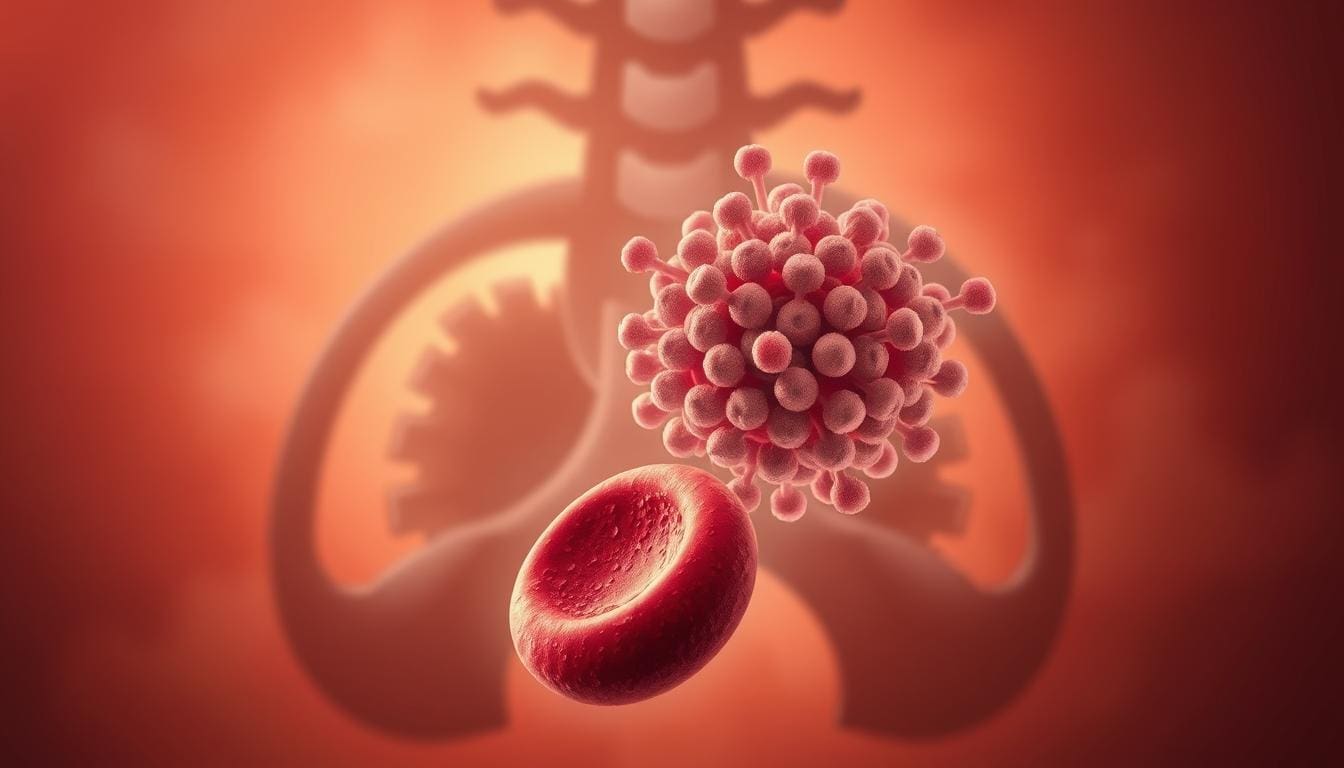
Nearly 70% of sudden cardiac deaths in young athletes happen without any warning signs. This shows how important it is to check their hearts during sports physicals.
We know how vital it is to check athletes thoroughly. AAn EKG may be considered as part of a sports physical when history, symptoms, or risk factors warrant it. It helps find heart problems that could be dangerous during sports.
EKG testing is very important in places like Florida. There, special rules are in place to keep athletes safe.
Key Takeaways
- EKG testing can identify heart conditions in athletes without prior symptoms.
- Comprehensive cardiac screening is critical during sports physicals.
- Specific regions have unique requirements for sports physicals.
What Sports Physicals Are and Why They Matter
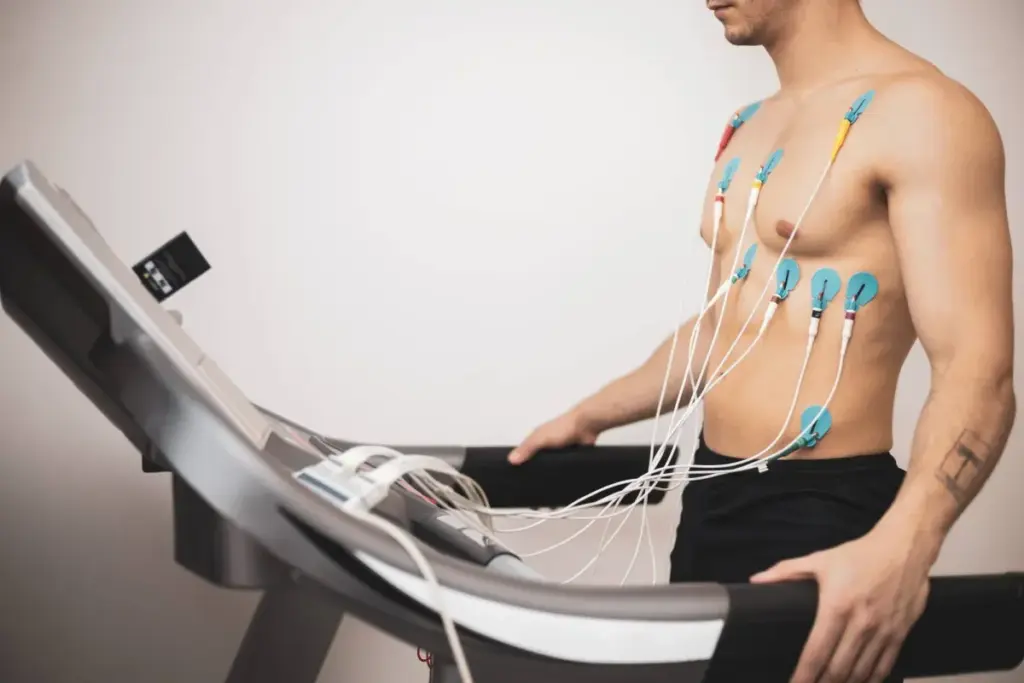
Sports physicals are very important. They help prevent injuries and find health problems early. These exams check if an athlete is healthy enough to play sports.
Definition and Purpose of Pre-participation Examinations
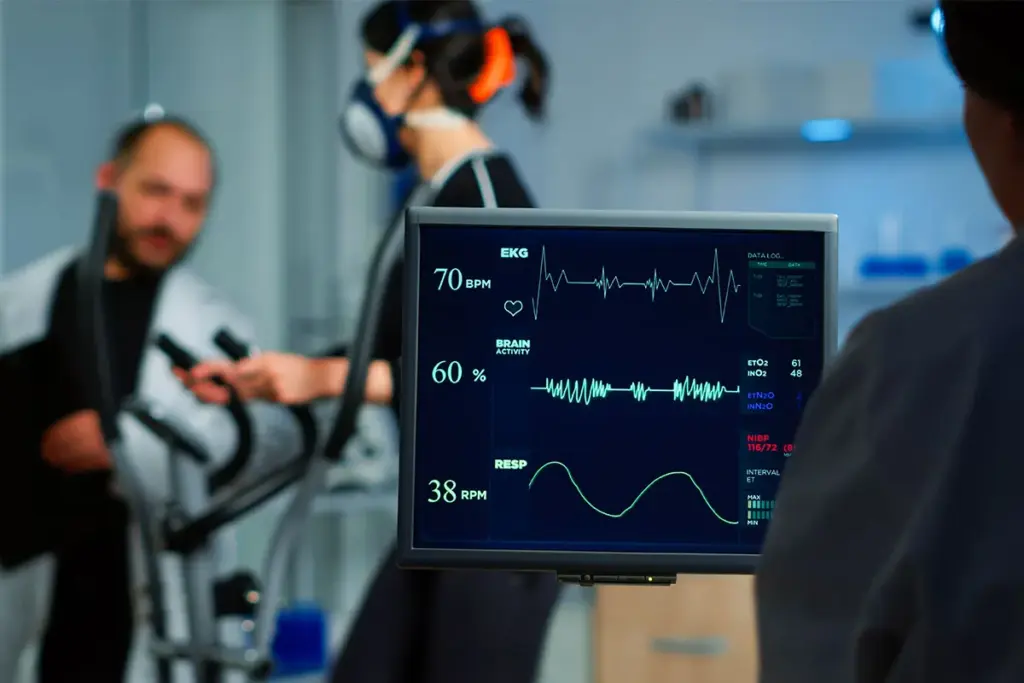
Pre-participation exams are detailed medical checks. They look for health risks linked to sports. These exams include a medical history, physical check, and sometimes tests like an EKG.
The main goal is to ensure athlete safety. They find conditions that could cause serious health problems or injuries during sports.
Some important parts of these exams are:
- Looking at the athlete’s medical history for any past health issues.
- Doing a physical check to see how healthy and fit they are.
- Finding out if there are any risks for injuries or health problems.
Legal Requirements for Athletic Participation
There are laws about playing sports, which differ by state and school. In the U.S., many states require sports physicals for student athletes. These rules are to protect the health and well-being of athletes. Schools or sports groups might have extra rules too.
Some common legal needs are:
- Filling out a sports physical form and getting a doctor’s signature.
- Getting a doctor’s okay before playing sports.
- Updating the medical check regularly to keep athletes safe.
Understanding sports physicals helps us see how important they are for athlete health and safety.
Standard Components of a Comprehensive Sports Physical
Sports physicals are more than just a routine check-up. They involve a detailed look at an athlete’s medical history and physical condition. These exams aim to find any health issues that could affect an athlete’s performance or increase their risk of injury.
Medical History Assessment
A thorough medical history assessment is key in a sports physical. It gathers info on the athlete’s past medical conditions, allergies, and previous injuries. It also asks about family medical history, focusing on heart conditions.
- Review of past medical conditions and surgeries
- Allergies and sensitivities
- Previous injuries and their treatment
- Family medical history, specially concerning cardiac conditions
This helps healthcare providers spot risk factors and make smart decisions about the athlete’s sports participation.
Physical Examination Elements
The physical examination is a critical part of a sports physical. It includes various tests to check the athlete’s overall health and readiness for sports.
- Cardiovascular examination to assess heart health
- Musculoskeletal examination to evaluate strength, flexibility, and joint stability
- Neurological examination to check for any neurological deficits
- General physical assessment, including height, weight, and blood pressure measurement
By combining a detailed medical history with a thorough physical exam, healthcare providers can assess an athlete’s sports readiness. They can also spot any health risks early.
The State of Florida Sports Physical Form Requirements
The Florida High School Athletic Association (FHSAA) has strict rules for sports physicals. These rules help make sure athletes are healthy enough for sports. This keeps them safe from harm.
Official FHSAA Physical Evaluation Form Structure
The FHSAA physical evaluation form is detailed. It asks about the athlete’s health history and current condition. This form is key to knowing if an athlete can safely play sports.
Key components of the form include:
- A thorough medical history assessment
- A physical examination that evaluates various bodily systems
- A section for cardiac screening, which is important for young athletes’ heart health
Required Elements for Athletic Clearance
To get cleared for sports, athletes must pass a physical exam. This exam must be done by a licensed doctor who fills out the FHSAA form fully.
Required elements for clearance include:
- Completion of the medical history section by the athlete or their parent/guardian
- A physical examination conducted by a healthcare provider
- Clearance or conditional clearance based on the examination findings
Florida-Specific Cardiac Screening Guidelines
Florida has special rules for heart checks in young athletes. While EKG tests are not required for all, there are times when they are needed.
Cardiac screening may be recommended if:
- There is a family history of cardiac conditions
- The athlete has symptoms such as chest pain or shortness of breath during exercise
- Other risk factors are identified during the medical history or physical examination
Knowing these rules is important. It helps make sure Florida’s student athletes are safe to play sports. It also checks their heart health.
Understanding EKGs: Basic Function and Purpose
EKGs are key in diagnosing heart issues. They show the heart’s electrical activity. An electrocardiogram, or EKG, records the heart’s electrical signals over time.
What an electrocardiogram measures
An EKG checks the heart’s electrical activity. It looks at the heartbeat’s rate and rhythm. It also finds out if there are any heart function problems.
The test shows many things about the heart. It looks at:
- The heart rate and rhythm
- The electrical activity of the heart’s chambers
- Any abnormalities in the heart’s electrical conduction system
How EKG testing is performed
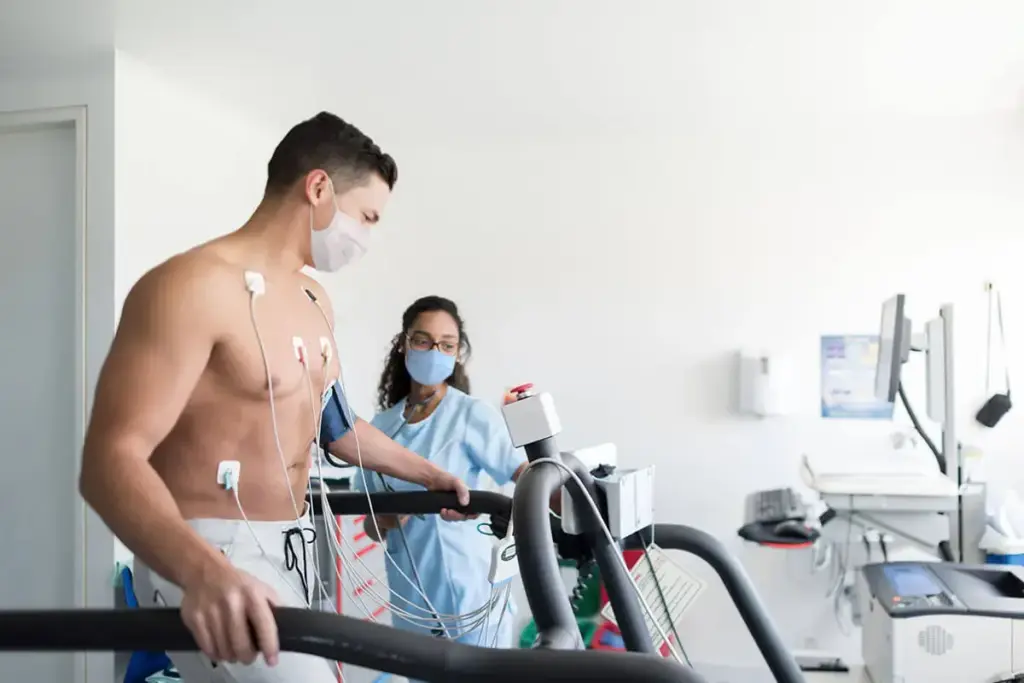
EKG testing is easy and non-invasive. Electrodes are put on the skin to pick up the heart’s electrical signals. These electrodes are connected to an EKG machine.
The steps are:
- Preparing the skin by cleaning it
- Attaching electrodes to specific locations on the chest, arms, and legs
- Recording the EKG tracing, which represents the heart’s electrical activity
Types of cardiac abnormalities detected by EKGs
EKGs can find many heart problems. They can spot arrhythmias, conduction disorders, and signs of heart damage. This test is vital for diagnosing and treating heart conditions.
|
Cardiac Abnormality |
Description |
|---|---|
|
Arrhythmias |
Abnormal heart rhythms, such as atrial fibrillation or ventricular tachycardia |
|
Conduction Disorders |
Issues with the heart’s electrical conduction system, such as bundle branch blocks |
|
Ischemia or Infarction |
Signs of reduced blood flow to the heart or a heart attack |
Knowing what EKGs measure and how they work helps doctors make better decisions. This is important for patient care.
Current EKG Requirements for Florida Student Athletes
It’s important for Florida student athletes and their families to know about EKG requirements. Knowing the rules for cardiac screenings is key for athletic participation.
State-Level Regulations
Florida has rules for EKGs in school sports. The Florida High School Athletic Association (FHSAA) says an EKG is needed in some cases.
Key aspects of state-level regulations include:
- Authorization for EKG screenings as part of pre-participation examinations
- Guidelines for interpreting EKG results
- Protocols for follow-up testing and specialist referrals
|
Regulation |
Description |
Implication |
|---|---|---|
|
FHSAA Guidelines |
Establish protocols for EKG screenings |
Ensures standardized cardiac evaluation |
|
EKG Interpretation |
Guidelines for healthcare providers |
Enhances accuracy in detecting cardiac abnormalities |
|
Follow-up Protocols |
Procedures for abnormal EKG findings |
Facilitates timely medical intervention |
County and District-Specific Requirements
Some areas in Florida have their own EKG rules for student athletes. These rules might include EKGs for athletes in certain sports or at certain levels.
“Some school districts have taken proactive steps to enhance cardiac screening for student athletes, recognizing the importance of early detection in preventing sudden cardiac arrest.”
For example, some districts make EKGs part of the check-up before sports. This helps check athletes’ heart health better.
Implementation Timeline for New Screening Protocols
The time it takes to start new EKG rules varies. Some places already have EKGs for sports, while others are just starting.
Key factors influencing the implementation timeline include:
- Legislative updates and regulatory changes
- Availability of trained healthcare professionals to conduct and interpret EKGs
- Coordination with schools and athletic departments
As things change, it’s important for athletes, parents, and doctors to keep up with Florida’s EKG rules and protocols.
The Medical Debate: EKGs for All Young Athletes
Should all young athletes get EKG screenings? This question is at the heart of a big debate in sports medicine. Some doctors think EKGs are key to finding heart problems early. But others worry about the downsides and limits of these tests.
We’ll look at different views on this topic. This includes opinions from big medical groups and sports medicine experts. Knowing these views is important for parents, athletes, and doctors as they figure out the best way to check young athletes’ hearts.
American Heart Association Position
The American Heart Association (AHA) has made its stance clear. They say there’s not enough proof to make EKGs a must for all young athletes. Instead, they think focusing on family history and any symptoms the athlete has is better.
The AHA stresses the value of a detailed medical history and physical check-up. They believe EKGs can spot some heart issues, but they’re not perfect. This can lead to false alarms and extra tests that athletes don’t need.
American College of Cardiology Recommendations
The American College of Cardiology (ACC) has also shared their thoughts. They agree with the AHA on some points but not all. The ACC sees EKGs as useful, but only when used with other screening tools.
The ACC believes EKGs can spot athletes at risk of sudden heart death. But they also caution against misreading EKG results. This could wrongly keep athletes from playing sports they love.
Sports Medicine Specialist Perspectives
Sports medicine experts have a special view on this topic. They’ve worked with athletes and seen how heart issues can affect them. Many think EKGs are helpful, but not perfect. They’re best for athletes with heart problems in their family or who show signs of heart trouble during exercise.
Experts also talk about the bigger picture of caring for athletes. They say we need a full cardiac screening plan. This should include EKGs, medical history, and physical checks, tailored to each athlete’s needs.
The debate on EKGs for young athletes is ongoing. There’s no single answer that fits everyone. By listening to big medical groups and sports medicine experts, we can work towards better, more tailored screening plans. These plans should keep athletes safe while dealing with the challenges of widespread EKG use.
Sudden Cardiac Arrest in Young Athletes: Statistics and Causes
Sudden cardiac arrest in young athletes is rare but serious. It’s important to know how common it is and what heart problems lead to it. SCA is when the heart suddenly stops working, often because of abnormal heart rhythms. It can be deadly if not treated quickly.
Prevalence Rates in the United States
Sudden cardiac arrest in young athletes is rare but has a big impact. Research shows it happens about 2.3 times per 100,000 athlete-years. This highlights the need for awareness and prevention among athletes, coaches, and doctors.
Here are some key statistics:
|
Age Group |
Incidence of SCA per 100,000 Athlete-Years |
|---|---|
|
14-18 years |
1.8 |
|
19-23 years |
2.8 |
Common Underlying Cardiac Conditions
Several heart conditions increase the risk of sudden cardiac arrest in young athletes. These include:
- Hypertrophic Cardiomyopathy (HCM): This is when the heart muscle gets too thick. It can block blood flow and raise the risk of SCA.
- Arrhythmogenic Right Ventricular Cardiomyopathy (ARVC): This is when fatty tissue replaces heart muscle. It can cause dangerous heart rhythms.
- Coronary Artery Anomalies: These are unusual problems with the heart’s blood vessels. They can cause heart problems during intense exercise.
Knowing about these conditions helps find at-risk athletes. It also helps set up preventive measures like medical checks and emergency plans.
Risk Factors That May Warrant an EKG with Sports Physical
When doing sports physicals, we check for risk factors that might need an EKG. These factors help find heart problems that could be dangerous for young athletes.
Family History Indicators
A big family history of heart issues is a key sign for an EKG. We look for:
- Premature sudden cardiac death in family members under 50.
- A history of inherited heart conditions like hypertrophic cardiomyopathy or long QT syndrome.
- Multiple family members having unexplained fainting spells or seizures.
If we find any of these signs, we think it’s a warning that might need more heart checks, like an EKG.
Personal Symptoms That Raise Concern
Personal symptoms also play a big role. We watch for athletes with:
- Chest pain or discomfort during or after exercise.
- Unexplained fainting or near-fainting spells, mostly during sports.
- Shortness of breath or hard breathing that doesn’t match the effort.
- A history of heart murmurs or other heart problems found before.
These signs might mean there’s a heart issue that needs looking into. An EKG can spot problems, keeping athletes safe in sports.
Healthcare providers use these risk factors and symptoms to decide if an EKG is needed. This helps make sure the sports physical is complete and safe.
Completing the State of Florida Sports Physical Form
To fill out the State of Florida Sports Physical Form, student athletes and their doctors must follow a few important steps. These steps help make sure everyone is following state rules.
Step-by-Step Guide to Form Completion
Here’s how to fill out the form right:
- Enter the student athlete’s personal and medical history details.
- Do a full physical check, like measuring height and weight, and checking blood pressure and vision.
- Look over the athlete’s medical history for any past injuries or health issues.
- Write down the results of the cardiac screening, which might include an EKG if needed.
Required Physician Signatures and Credentials
The form needs signatures from certain healthcare professionals. It must be signed by a:
- Physician (MD or DO)
- Physician Assistant (PA)
- Advanced Practice Registered Nurse (APRN)
These doctors must confirm they’ve done the needed exam and checked the medical history.
Documentation of Cardiac Screening Results
Cardiac screening is a key part of the sports physical check-up. The form must show the results of the cardiac screening, like any EKG findings. This includes:
- Any unusual findings or worries.
- The results of any extra tests or referrals to specialists.
- A statement saying the athlete is okay to play or needs more checks.
Even though EKGs aren’t always needed for sports physicals in Florida, some athletes might need more heart tests because of their health history or family history.
By following these steps and making sure all the needed info is on the form, student athletes can get cleared to play sports safely. This helps lower the chance of heart problems.
Alternative Cardiac Screening Methods for Athletes
There are more ways to check an athlete’s heart health than just the EKG. These methods give a deeper look at how well the heart works. They help spot risks early on.
Echocardiograms: Benefits and Limitations
An echocardiogram uses sound waves to see the heart’s inside. It can find problems like bad heart valves or muscle issues. It’s good because it’s non-invasive and shows the heart in action. But, it needs special tools and experts to understand the results.
Exercise Stress Testing
Exercise stress tests check how the heart does during activity. Athletes might use a treadmill or bike. It spots heart problems like blocked arteries or rhythm issues. It’s great for athletes who feel bad when they exercise or have heart risk factors.
Emerging Screening Technologies
New tech is changing how we screen hearts. Smartwatches and fitness trackers watch heart rate all the time. They can catch odd heartbeats. Also, MRI and CT scans give detailed heart views. These new tools are promising but their place in athlete screening is being looked into.
As we find the best ways to screen athletes’ hearts, we’ll use old and new methods together. Knowing about these options helps athletes, coaches, and doctors give top-notch heart care.
Cost and Insurance Considerations for Cardiac Screening
It’s important for athletes and their families to know about the costs of cardiac screening. We need to look at both the expenses and what insurance covers.
Typical Costs for EKGs and Other Cardiac Tests
The price of cardiac screening tests can change a lot. An EKG is usually cheaper, costing between $50 and $200. Tests like echocardiograms or stress tests can cost more, from $200 to over $1,000.
Here’s a simple table to show the costs of different tests:
|
Test Type |
Typical Cost Range |
|---|---|
|
EKG |
$50 – $200 |
|
Echocardiogram |
$200 – $800 |
|
Exercise Stress Test |
$200 – $1,000 |
|
Cardiac MRI |
$1,000 – $3,000 |
Insurance Coverage Variations
Insurance for cardiac screening can differ a lot. Some plans might cover all costs for certain tests. Others might ask for copays or deductibles. It’s key to check what your insurance covers.
Important things to look at in insurance coverage include:
- Does the plan cover preventive cardiac screening?
- How much of the test costs does the plan cover?
- Are there any out-of-pocket costs like copays or deductibles?
- Are there any limits on tests or providers?
Resources for Affordable Screening
There are ways to make cardiac screening more affordable. Some providers offer discounts for athletes getting multiple tests. Community health fairs or sports clinics might also offer low-cost or free screenings.
Knowing the costs and looking for affordable options can help athletes and their families. It’s wise to talk to healthcare providers about costs and insurance. This way, everyone can get the care they need.
How to Request Additional Cardiac Testing
Ensuring the heart health of young athletes is key. Knowing how to ask for more cardiac tests is important. This involves several steps for athletes, parents, and doctors.
Communicating with Healthcare Providers
Talking well with doctors is the first step. Be ready with questions and concerns for your appointment. Athletes and families should ask about heart tests if there’s a family heart history or symptoms like chest pain.
It’s important to share your medical history fully. Be open and honest about any symptoms, big or small. This helps doctors decide if more tests are needed.
Finding Specialized Sports Cardiology Services
Not all doctors focus on sports cardiology. For extra heart tests, find a sports cardiology expert. You might get a referral or look up specialists online.
Look for a doctor with experience in sports cardiology. Check their reputation and the tests they offer, like ct scan hearttests.
Preparing for Your Appointment
Getting ready for a heart test is important. Bring all medical records and family history. Know what tests you’ll have to feel less anxious.
Arrive early to fill out forms. Be ready to talk about your concerns. Being prepared helps the process and ensures all tests are done.
What Happens After an Abnormal EKG Finding
When an athlete gets an abnormal EKG result, they start a journey of more tests and visits to specialists. An abnormal EKG is not a diagnosis but a sign that more tests are needed. It shows that further evaluation is necessary to understand its importance and what to do next.
Follow-up Testing Protocols
An abnormal EKG leads to a series of steps to keep athletes safe. The first step is usually more cardiac tests to learn more about the heart. This might include:
- Echocardiograms: To check the heart’s structure and function.
- Exercise Stress Tests: To see how the heart works under stress.
- Holter Monitoring: For long-term monitoring of heart rhythm.
- Cardiac MRI: Sometimes used for detailed heart images.
These tests help doctors understand the abnormal EKG and decide what to do next.
Specialist Referral Process
If more tests show a possible problem, athletes are sent to a cardiologist or sports cardiology specialist. These doctors are experts in heart issues in athletes. The referral process includes:
- Reviewing the athlete’s medical history and test results.
- A thorough physical exam focusing on the heart.
- More tests or advanced imaging if needed.
These specialists work with the athlete, their family, and the primary doctor to create a plan.
Return-to-Play Decision Framework
Deciding if an athlete can play again after an abnormal EKG is careful. We use guidelines from the American Heart Association to make sure it’s safe. The framework includes:
- Looking at the cause of the abnormal EKG.
- Checking if there’s a risk in playing sports.
- Considering the athlete’s overall health and any other medical conditions.
- Deciding together with the athlete, their family, and doctors.
We aim to protect the athlete’s health while letting them enjoy sports. We balance safety with the benefits of sports.
International Approaches to Athlete Cardiac Screening
Across the globe, how athletes get checked for heart issues varies a lot. This shows different views on health and rules for screening. Some places make screening a must, while others do it only when needed or if symptoms show up.
European Society of Cardiology Recommendations
The European Society of Cardiology (ESC) has set clear rules for checking athletes’ hearts. They say a good medical history and physical check are key. They also think ECGs can spot athletes at risk of sudden heart death.
Key components of the ESC guidelines include:
- A detailed medical history to identify cardiac risks
- A physical examination to find heart problems
- An ECG to check the heart’s electrical activity
Italian Screening Model Results
Italy leads in athlete heart screening, making it a must for young athletes. Their ECG checks have cut down sudden heart death in athletes. This model is a guide for other countries thinking about similar programs.
The Italian screening model has shown:
- Forced ECG checks can find serious heart issues in athletes
- Spotting and treating early can greatly lower sudden heart death risk
Lessons from International Programs
The Italian model looks good, but it’s not for everyone. Different places have different heart problems, and cost is a big worry. Yet, learning from others helps find the best ways to screen athletes’ hearts.
Key takeaways from international programs include:
- Screening plans should fit the local population
- Health workers need constant training for athlete checks
- Using advanced tests like MRI or CT scans with contrast might be helpful in some cases
Advocating for Your Child’s Cardiac Health
It’s very important to look out for your child’s heart health, even more so when they’re in sports. As a parent, taking action to protect their heart can greatly improve their health and safety while playing sports.
Warning Signs Parents Should Watch For
Parents need to watch for signs that might show heart problems in their kids. These include:
- Chest pain or discomfort during or after exercise
- Shortness of breath or difficulty breathing
- Fainting or near-fainting spells
- Rapid or irregular heartbeat
- Dizziness or lightheadedness
Knowing these symptoms can help spot heart issues early. If your child shows any of these signs, it’s important to talk to a doctor right away.
Communicating Concerns to Coaches and Medical Staff
Talking openly with coaches and medical staff is key to keeping your child’s heart safe. Parents should:
- Inform coaches about any heart conditions or concerns
- Share medical history with the school’s athletic department
- Ask about the school’s cardiac emergency response plan
Keeping communication open helps make sure your child’s heart health is a top priority.
Creating an Emergency Action Plan
It’s essential to have a plan ready for heart emergencies during sports. This plan should include:
- Clear steps for calling emergency services
- Where to find automated external defibrillators (AEDs)
- Training for coaches and staff in CPR and AED use
Being ready helps parents and schools work together to reduce risks and respond quickly in emergencies.
Conclusion
As we wrap up our talk on EKG testing for sports physicals in Florida, it’s clear that heart health is key for athletes. The state’s sports physical form checks overall health. But, EKG testing is even more important.
EKG tests help find heart problems that could be dangerous for athletes. Not every athlete needs an EKG, but some do because of risk factors or symptoms. By knowing when EKGs are needed, athletes, parents, and doctors can keep young athletes safe and healthy.
Putting heart health first through tests like EKGs is vital. It helps prevent sudden heart stops and other serious issues. By focusing on heart care, athletes can perform well and stay healthy.
FAQ
What is the purpose of a sports physical?
A sports physical checks if an athlete is healthy enough for sports. It looks for health risks or conditions that could affect their safety or performance.
Is an EKG required for a sports physical in Florida?
In Florida, some places might need EKGs for sports physicals, mainly for student athletes.
What does an EKG measure during a sports physical?
An EKG checks the heart’s electrical activity. It finds heart problems like irregular rhythms or structural issues.
What are the benefits of including an EKG in a sports physical?
Adding an EKG to a sports physical can spot heart conditions. These conditions might lead to sudden cardiac arrest or other serious issues during sports.
Are there any risks or side effects associated with EKG testing?
EKGs are safe and don’t usually cause problems. But, it’s important to follow the right testing steps and guidelines.
Can insurance cover the cost of an EKG during a sports physical?
Insurance for EKGs and heart tests varies. It’s best to check with your insurance to see what’s covered.
What happens if an EKG reveals an abnormal finding during a sports physical?
If an EKG shows something odd, more tests might be needed. These tests help figure out the problem and how serious it is. You might need to see a specialist and have more tests.
How can parents advocate for their child’s cardiac health during sports physicals?
Parents can look out for their child’s heart health by knowing the signs. They should talk to coaches and medical staff about their concerns. Also, make sure their child gets a full heart check during the sports physical.
Are there alternative cardiac screening methods available beside EKGs?
Yes, there are other heart tests like echocardiograms and exercise stress tests. These might be used instead of or with EKGs, depending on the situation.
What is the role of the American Heart Association in EKG guidelines for young athletes?
The American Heart Association sets rules for heart tests in young athletes. They stress the need for thorough heart checks to avoid sudden cardiac arrest and other serious problems.
How can athletes and parents prepare for a sports physical with EKG testing?
Athletes and parents should get ready by collecting medical history and understanding the test. They should also ask questions about the EKG and the sports physical.
References
JAMA Network. Evidence-Based Medical Insight. Retrieved from https://jamanetwork.com/journals/jama/fullarticle/203394